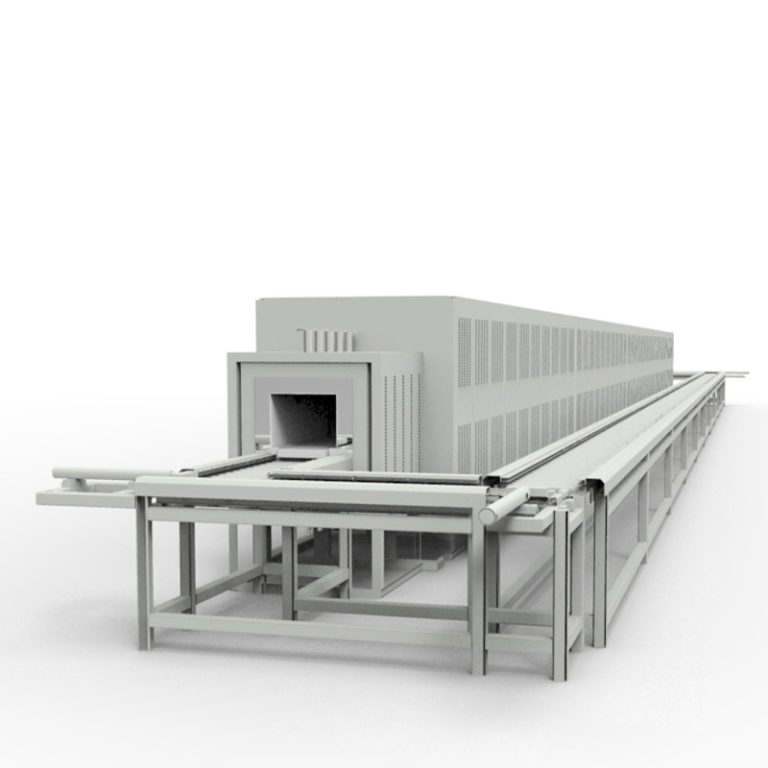
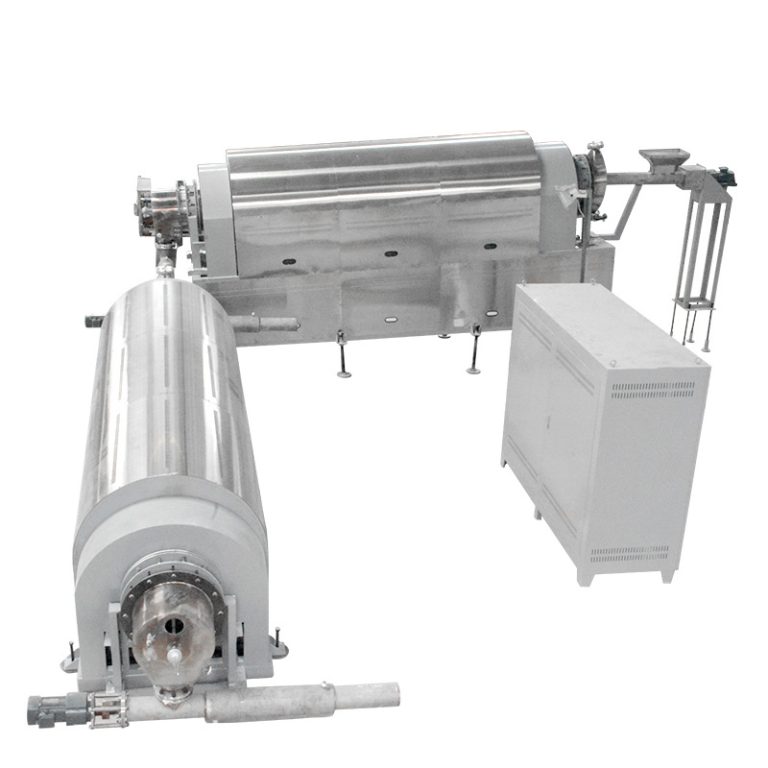
Luoyang Anjing Intelligence Equipment are a global leader in high-temperature electric furnaces



How to Choose Furnace Furniture for High-Temperature Sintering
When selecting kiln furniture for high-temperature sintering, you must consider whether the material can withstand the peak temperature, support the required load, endure the furnace atmosphere and repeated thermal cycling—all while remaining chemically compatible with the product. Materials such as alumina, mullite, silicon carbide, zirconia-based ceramics, and graphite each have their own specific applications; do not attempt to use a single material for every type of process.
I. Introduction
Selecting the right kiln furniture for high-temperature sintering not only ensures product quality but also reduces furnace operating costs. Refractory components—such as kiln slabs, setters, saggers, pusher plates, support posts, and crucibles—must simultaneously hold the workpieces in place and withstand the rigors of repeated high-temperature exposure.
A poor selection may result in warped shelves, cracked setters, contaminated products, uneven heating, or unexpectedly short service life.
For purchasing engineers and production managers, therefore, the question is not simply “Which furnace furniture can withstand my maximum temperature?” The correct selection requires evaluating temperature, mechanical load, furnace atmosphere, thermal cycling, chemical compatibility, geometry, and production method together.
II. Body ContentWhat Is Furnace Furniture?
Furnace furniture, also commonly called kiln furniture, refers to the refractory components used inside a furnace or kiln to support, position, separate, contain, or transport products during firing, sintering, calcination, and heat treatment.
Common types include:
- Kiln shelves and plates
- Setters
- Saggers
- Push plates
- Support posts
- Beams
- Trays
- Crucibles
- Support frames
- Custom-shaped refractory components
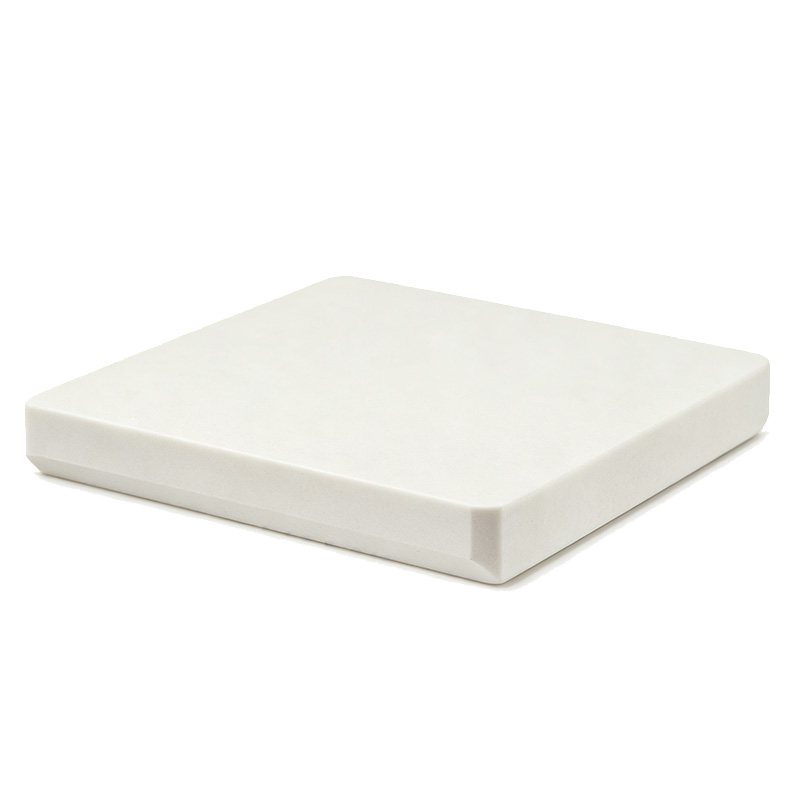
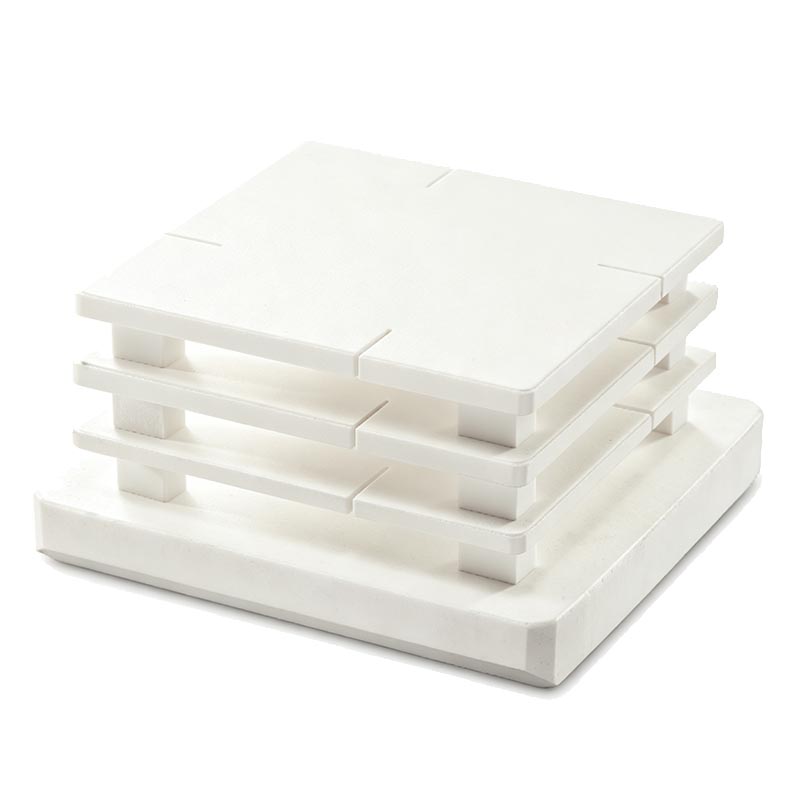
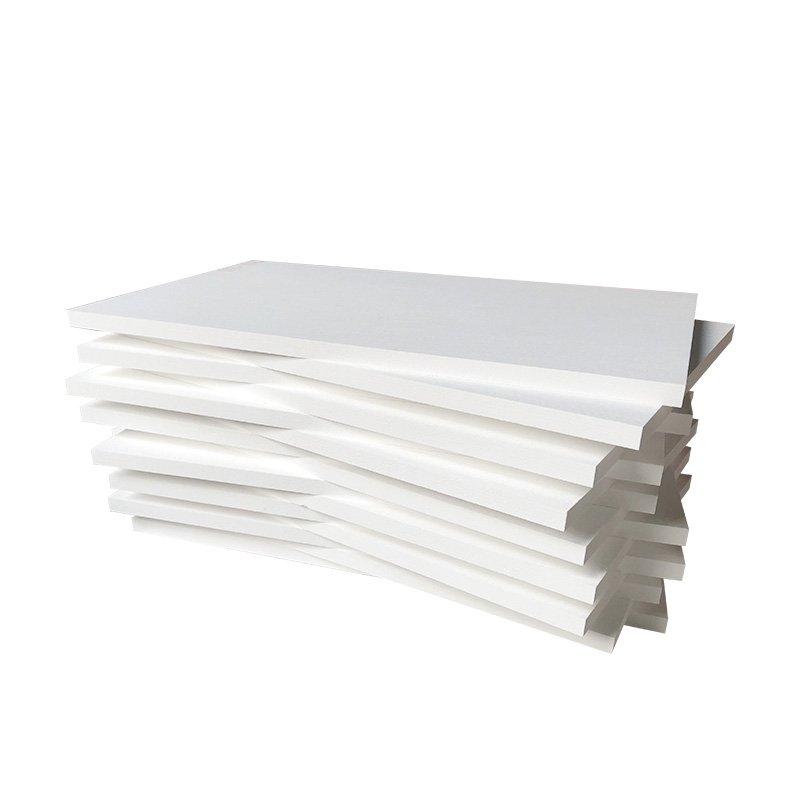
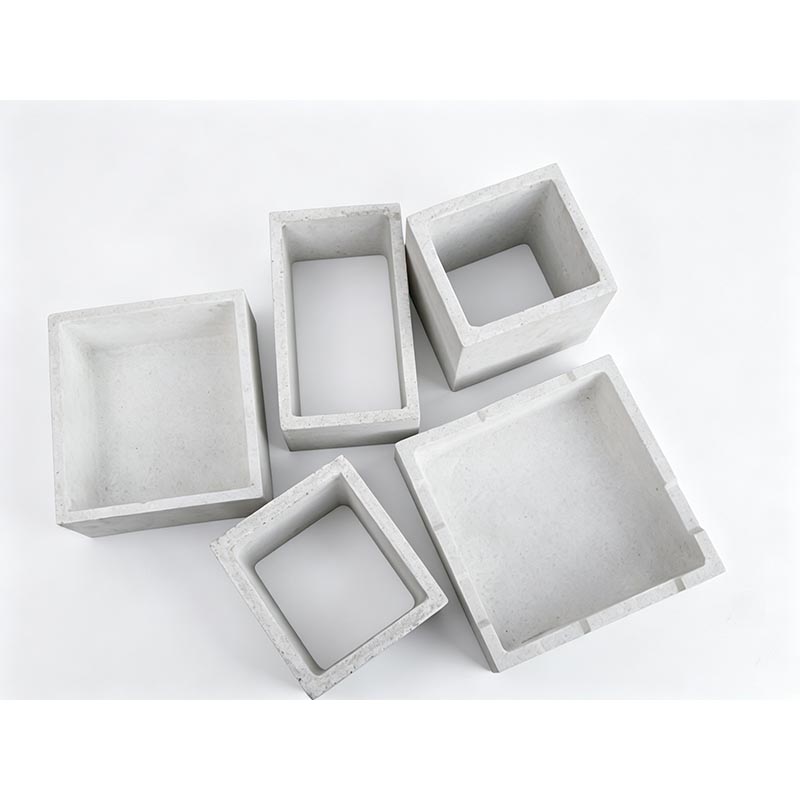
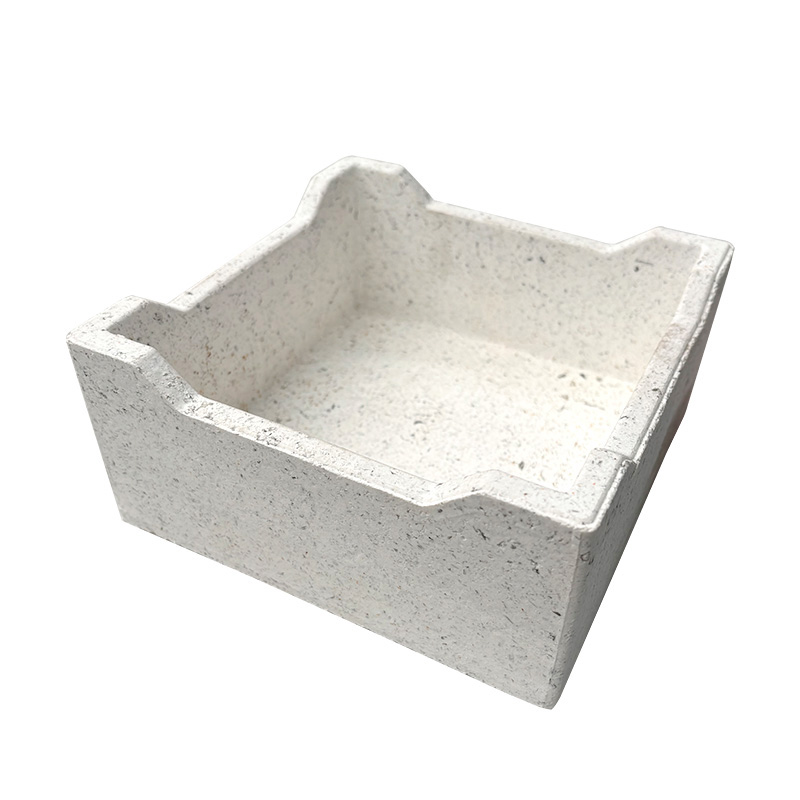
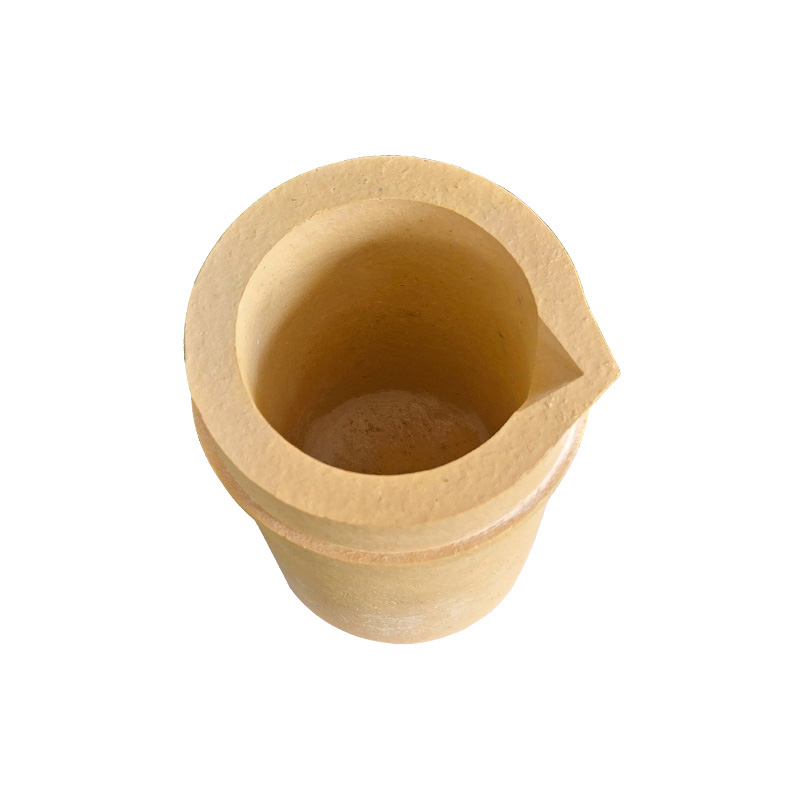
In a high-temperature sintering furnace, these components become part of the thermal system. Their thermal mass, conductivity, geometry, and placement can influence heat transfer and temperature distribution around the products.
So, the goal isn’t just to find a material that won’t melt. High-quality kiln furniture must be able to withstand the stresses of actual operating conditions without deforming or cracking; it must be chemically compatible with the products being fired, and it needs to offer a reasonable service life.
1. Start with the Actual Sintering Temperature
Temperature is the first selection parameter, but one of the most common purchasing mistakes is looking only at the manufacturer’s stated maximum temperature.
You should distinguish between:
- Maximum material temperature
- Recommended continuous service temperature
- Normal process temperature
- Peak process temperature
- Holding time at peak temperature
A furnace furniture material that can briefly survive a certain temperature may not maintain its mechanical strength for hundreds of cycles at that same temperature.
2. Compare the Main Furnace Furniture Materials
There is no universally best kiln furniture material. Each material provides a different combination of temperature capability, strength, thermal conductivity, thermal shock resistance, chemical stability, weight, and cost.
| Material | Main Advantages | Key Considerations | Typical Applications |
|---|---|---|---|
| Alumina | High purity, chemical stability, high-temperature capability | Thermal shock and load conditions must be checked | Advanced ceramics, electronic ceramics |
| Mullite | Good thermal stability and thermal shock resistance | Grade and operating temperature matter | Ceramic firing, general sintering |
| Corundum-Mullite | Good high-temperature strength and creep resistance | Usually selected for more demanding high-temperature loads | Setters, shelves, support components |
| Silicon Carbide (SiC) | High thermal conductivity, high strength, good thermal shock resistance | Atmosphere and oxidation behavior must be considered | Kiln shelves, push plates, heavy-duty sintering |
| Quartz Ceramic | Very low thermal expansion and good thermal shock behavior | Not appropriate for every high-temperature/load combination | Specialized thermal applications |
| Zirconia-Based Ceramic | High-temperature capability and good mechanical properties | Higher material cost and process-specific compatibility | Extreme-temperature applications |
| Graphite | Excellent thermal shock resistance and very high temperature capability in suitable atmospheres | Oxidizes in air at elevated temperature | Vacuum/inert-atmosphere sintering |
3. Check High-Temperature Strength, Not Just Refractoriness
Imagine two kiln shelves that can both tolerate the required temperature.
One remains flat under load.
The other gradually bends after repeated firing.
Both may technically be “temperature resistant,” but only one is suitable for your production process.
This is why high-temperature mechanical strength and creep resistance are important selection criteria.
What Is Creep?
Creep is gradual deformation under sustained mechanical stress at elevated temperature.
It is particularly important when:
- Products are heavy
- Kiln shelves have long unsupported spans
- Plates are relatively thin
- Sintering cycles include long soaking periods
- Furniture is repeatedly used at temperatures near its practical limit
4. Calculate the Actual Load on the Furnace Furniture
Furnace furniture must support more than the weight of one product.
Calculate the total load:Total Load = Product Weight + Upper Furniture Weight + Additional Fixtures
Common Mistake
Do not assume that increasing shelf thickness always solves the problem.
Thicker furnace furniture generally increases thermal mass. That can increase the energy required to heat the load and may affect heating and cooling time.
The goal is to find an appropriate balance between strength, weight, thermal mass, and service life.
5. Match Furnace Furniture to the Furnace Atmosphere
Atmosphere compatibility becomes especially important in high-temperature sintering.
Your furnace may operate under:
- Air
- Nitrogen
- Argon
- Vacuum
- Reducing atmosphere
- Oxidizing atmosphere
- Other controlled process gases
A material that performs well in one environment may deteriorate rapidly in another.
6. Evaluate Chemical Compatibility with the Sintered Product
Chemical compatibility is one of the most frequently overlooked furnace furniture selection factors.
At high temperatures, reactions that are insignificant at room temperature can become severe.
Possible problems include:
- Product sticking to the setter
- Surface discoloration
- Diffusion contamination
- Chemical corrosion of the furniture
- Reaction products forming between the workpiece and support
- Reduced product purity
- Changes in electrical or magnetic properties
7. Consider Thermal Shock Resistance
A furnace furniture component repeatedly expands during heating and contracts during cooling.
If temperature changes are rapid or uneven, thermal stresses develop inside the material.
Poor thermal shock resistance can cause:
- Hairline cracks
- Edge cracking
- Complete plate fracture
- Spalling
- Reduced service life
Thermal shock becomes particularly important when the furnace has:
- Rapid heating rates
- Rapid cooling rates
- Frequent production cycles
- Large temperature differences
- Continuous loading and unloading
- Thick or complex-shaped furnace furniture
Silicon carbide and some mullite-based materials are commonly considered where good thermal shock performance is required.
However, the correct choice still depends on the complete operating condition rather than one material property.
8. Consider Thermal Conductivity and Temperature Uniformity
Furnace furniture influences the way heat reaches the workpiece.
High-thermal-mass or poorly arranged furniture can shield certain surfaces from radiation and convection.
This may create:
- Longer heating times
- Temperature differences between products
- Uneven sintering shrinkage
- Density variation
- Inconsistent final dimensions
Silicon carbide furnace furniture is useful in many industrial applications partly because of its relatively high thermal conductivity.
But material selection is only part of the solution.
9. Select the Correct Furniture Type for the Sintering Process
Different production processes require different furniture structures.
Kiln Shelves and Plates
Suitable for supporting products during batch or continuous firing.
Important parameters include:
- Length and width
- Thickness
- Flatness
- Load
- Support spacing
- Operating temperature
Setters
Used directly beneath products where dimensional stability and surface quality are important.
Common in advanced and electronic ceramic sintering.
Saggers
Saggers surround or contain the material during firing.
They may help:
- Separate products from the furnace environment
- Contain powders
- Protect products from contamination
- Create a more controlled local environment
They are commonly encountered in battery-material, ceramic, and powder-processing applications.
Push Plates
Used in pusher furnaces and continuous sintering lines.
In addition to temperature resistance, they require:
- High mechanical strength
- Wear resistance
- Dimensional stability
- Thermal shock resistance
- Resistance to repeated pushing forces
Support Posts and Beams
These components determine how shelves are supported and how the load is transferred through the furnace furniture system.
Their geometry should be considered together with the shelf rather than specified independently.
10. Don’t Ignore the Weight of Furnace Furniture
Heavy furnace furniture consumes energy every time it is heated.
Consider a production kiln running hundreds of cycles per year. If unnecessary refractory mass is heated from room temperature to the sintering temperature during every cycle, that mass becomes part of the energy load.
Reducing furnace furniture mass—while maintaining adequate strength—can therefore provide several potential benefits:
- Lower thermal mass
- Faster heating
- Faster cooling
- Higher production efficiency
- Reduced energy demand per cycle
However, making components too thin can reduce mechanical reliability.
Optimization is better than simply minimizing weight.
11. Consider the Heating and Cooling Cycle
Two processes operating at the same peak temperature may require completely different furnace furniture.
Process A:Heat to 1500°C slowly, hold for several hours, then cool slowly.
Process B:Heat to 1500°C rapidly, hold briefly, then cool quickly.
Process B imposes much greater thermal shock.
Process A may place greater emphasis on long-term creep resistance.
Therefore, your supplier should know:
- Heating rate
- Peak temperature
- Holding time
- Cooling rate
- Number of cycles per day
These parameters can be just as important as maximum temperature.
12. Furnace Furniture Selection by Application
Advanced Ceramic Sintering
For alumina, zirconia, silicon nitride, silicon carbide, and similar advanced ceramics, consider:
- High-temperature stability
- Product purity
- Flatness
- Chemical compatibility
- Creep resistance
Alumina, mullite, corundum-mullite, SiC, and other specialized ceramics may be considered depending on the process.
Electronic Ceramics
For MLCCs, thermistors, piezoelectric ceramics, and other electronic components, contamination can directly affect electrical properties.
Prioritize:
- High purity
- Dimensional stability
- Surface quality
- Chemical compatibility
Lithium Battery Materials
Saggers and push plates used for cathode and anode material processing must withstand repeated thermal cycling and chemical exposure.
Consider:
- Corrosion resistance
- Contamination control
- Thermal conductivity
- Mechanical strength
- Service life
Powder Metallurgy
For metal powder sintering, furnace atmosphere becomes particularly important.
Depending on the atmosphere and material being processed, ceramic, SiC, or graphite-based furniture may be considered.
Magnetic Materials
Chemical contamination can alter final magnetic performance.
Furniture materials should therefore be evaluated for both thermal performance and chemical compatibility.
III. Common Mistakes When Choosing Furnace Furniture
Mistake 1: Selecting by Maximum Temperature Only
- Problem: The furniture survives the temperature but bends under load.
- Better approach: Check high-temperature strength, creep behavior, load, and support spacing.
Mistake 2: Ignoring the Furnace Atmosphere
- Problem: A material suitable for inert atmosphere is used in an oxidizing environment.
- Better approach: Always provide the supplier with atmosphere composition and operating temperature.
Mistake 3: Choosing the Thickest Plate Available
- Problem: The furniture becomes unnecessarily heavy and increases thermal mass.
- Better approach: Optimize thickness based on load, span, temperature, and material strength.
Mistake 4: Ignoring Product Contamination
- Problem: The furniture survives many cycles but reacts with or contaminates the product.
- Better approach: Check chemical compatibility before production-scale use.
Mistake 5: Ignoring Support Spacing
- Even high-strength refractory plates can deform when the unsupported span is excessive.
- Always evaluate shelf dimensions and support positions together.
Mistake 6: Skipping Trial Testing
- For demanding or high-value sintering processes, moving directly from material selection to full-scale purchasing creates unnecessary risk.
- Where practical, test a small batch under actual conditions first.
- A successful first firing does not necessarily prove long-term service life.
IV. Conclusion
Choosing furnace furniture for high-temperature sintering requires much more than checking a temperature rating. The correct kiln shelf, setter, sagger, push plate, or support system must match the operating temperature, mechanical load, furnace atmosphere, thermal cycle, product chemistry, and furnace configuration.
For demanding industrial applications, material compatibility and high-temperature mechanical stability should be evaluated together with purchase price and expected service life.
Click “Request a Quote” to get a customized solution.
V. Frequently Asked Questions
1.What is the best material for high-temperature furnace furniture?
There is no single best material for every process. Alumina, mullite, corundum-mullite, silicon carbide, zirconia-based ceramics, and graphite have different advantages. Selection should be based on temperature, atmosphere, mechanical load, thermal cycling, and chemical compatibility.
2.Is silicon carbide good for kiln furniture?
Silicon carbide is widely used for high-temperature kiln furniture because it can provide high thermal conductivity, good mechanical strength, and good thermal shock resistance. However, the specific SiC grade and furnace atmosphere should be evaluated before selection.
3.How thick should a kiln shelf be?
Kiln shelf thickness depends on the shelf dimensions, material, operating temperature, total load, and distance between supports. A thicker shelf is not automatically better because additional thickness also increases thermal mass.
4.Can graphite furnace furniture be used in an air furnace?
Graphite is generally unsuitable for sustained high-temperature use in an oxidizing atmosphere because it oxidizes. It is more commonly considered for suitable vacuum, inert-gas, or controlled-atmosphere processes.
5.What information should I provide when ordering custom furnace furniture?
Provide the sintered material, normal and maximum temperature, furnace atmosphere, furniture dimensions, total load, support spacing, heating and cooling rates, furnace type, required flatness, and expected production cycle.
Supplier
Luoyang Anjing Intelligent Equipment Co., Ltd. is an enterprise dedicated to the research, development, production, sales, and technical services of heat treatment equipment such as high-temperature electric furnaces. We produce laboratory, vacuum, industrial, and medium frequency furnace, covering a temperature range from -100℃ to 2600℃, serving industries such as new energy, semiconductors, and advanced materials. We can provide customized solutions based on specific atmosphere, ultra-high temperature, and intelligent control system requirements. Please feel free to contact us if you are interested.