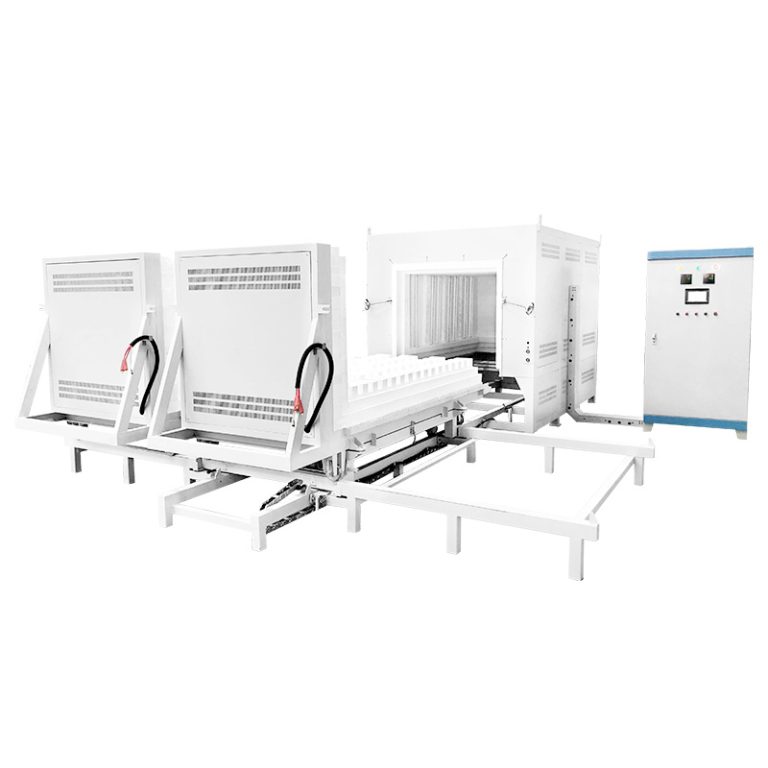
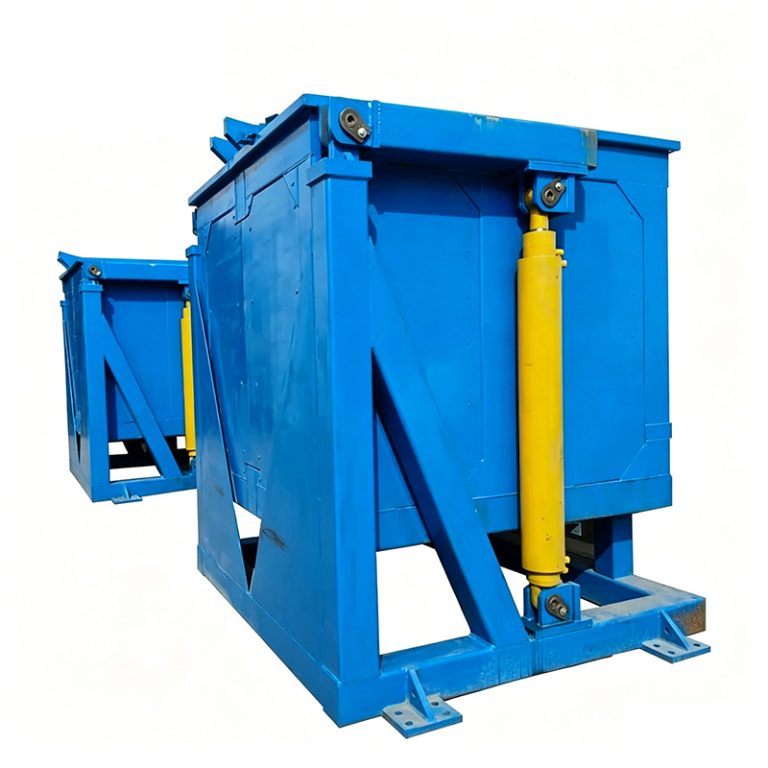
Luoyang Anjing Intelligence Equipment are a global leader in high-temperature electric furnaces



What Is a Ceramic Furnace? A Complete Guide to Ceramic Processing Furnaces
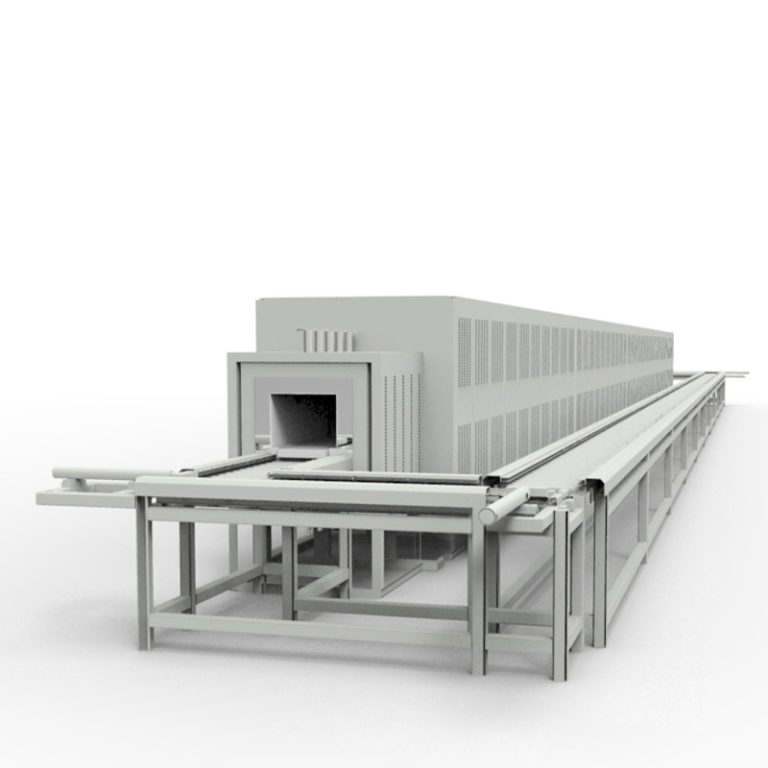
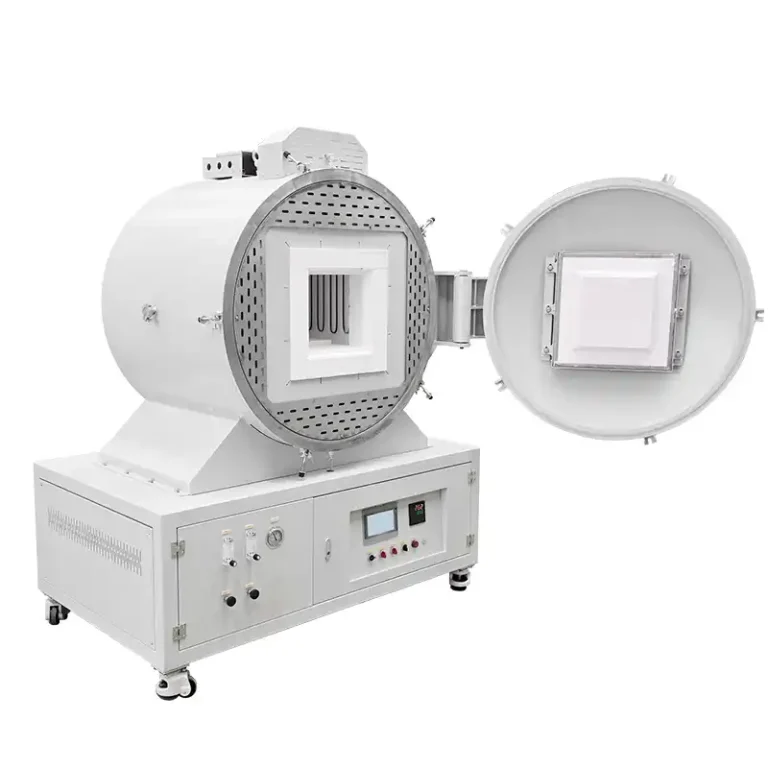
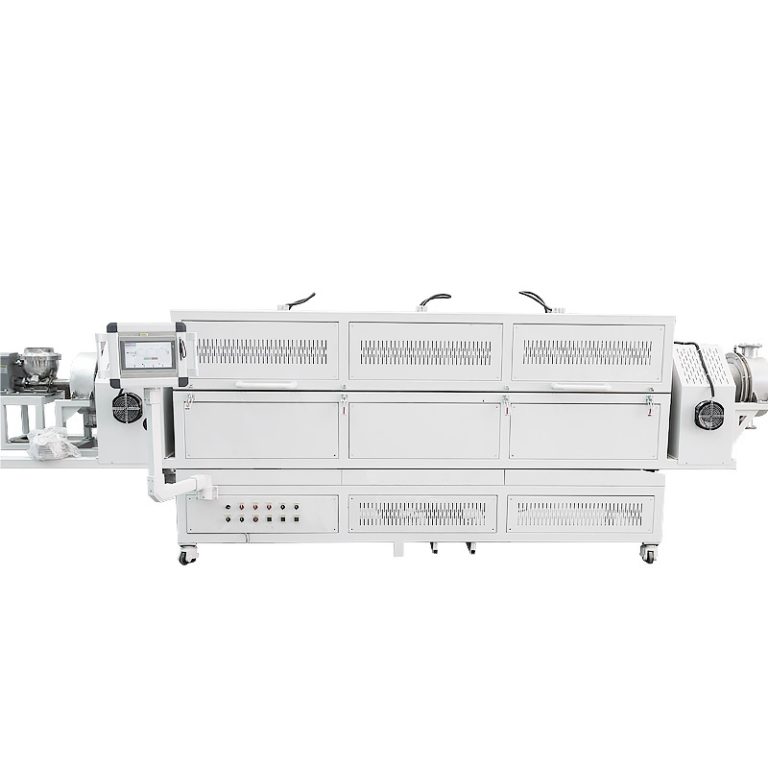
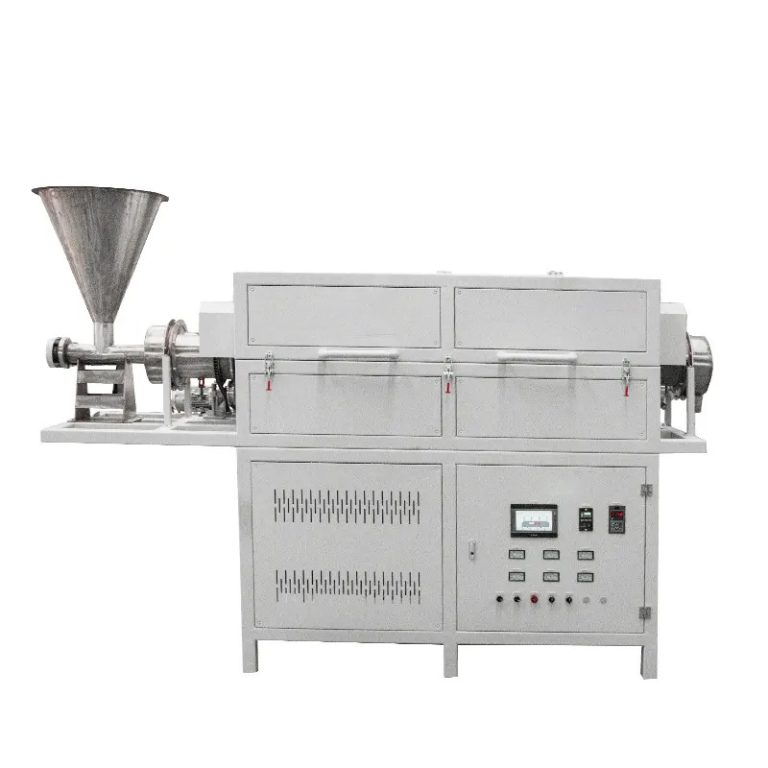
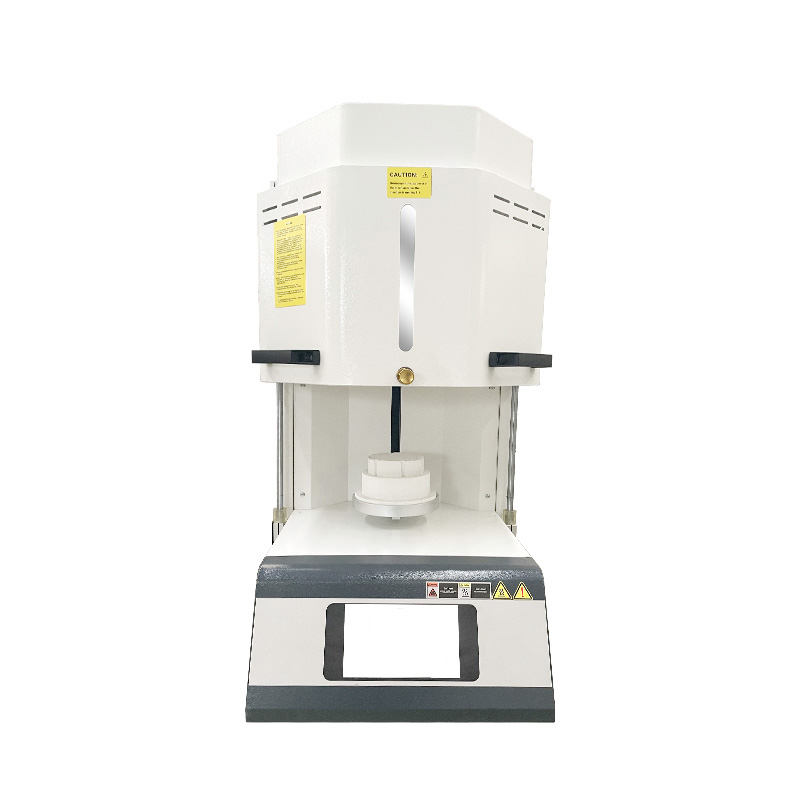
A ceramic furnace is a high-temperature electric furnace designed to heat, fire, sinter, anneal, or otherwise thermally process ceramic materials and components under precisely controlled temperature conditions.
I.ceramic furnace
A ceramic furnace is essential equipment for ceramic processing because ceramic materials often require carefully controlled high-temperature cycles to achieve the required strength, density, hardness, and microstructure. For laboratories, universities, research institutions, and industrial manufacturers, choosing the right furnace is critical for repeatable thermal processing.
What exactly is a ceramic kiln? How does it work? Which type of kiln should you choose for firing ceramics? This article will help you understand it clearly, from its working principle, main kiln types, typical applications, and temperature requirements, to the key factors when selecting a kiln.
II. What Is a Ceramic Furnace?
1.What Is a Ceramic Furnace?
A ceramic furnace is a high-temperature furnace specifically designed for the thermal treatment of ceramic materials.
During ceramic processing, materials may need to undergo several controlled stages, including:
Heating → Binder Burnout → Firing/Sintering → Holding → Controlled Cooling
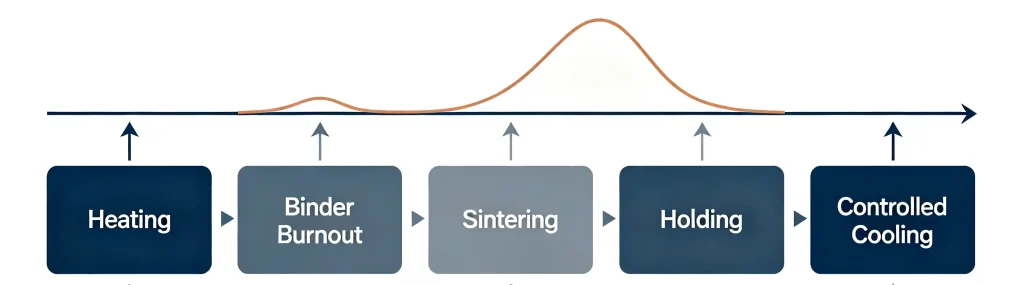
The specific temperature regime and heating profile depend on the ceramic formulation and final performance requirements.
Unlike ordinary ovens, ceramic furnaces require much higher temperatures and necessitate control over the entire heating, holding, and cooling process. They typically consist of a heat-insulating furnace chamber, electric heating elements, temperature sensors, a temperature controller, and a power regulation system.
Small electric furnaces are particularly convenient for laboratory and experimental applications—they offer precise temperature control and allow researchers to experiment with different ceramic formulations and thermal regimes.
2.How Does a Ceramic Furnace Work?
The basic operating principle is relatively straightforward.
Electrical energy is converted into heat through resistance heating elements installed around the furnace chamber. A thermocouple continuously measures the chamber temperature and sends the temperature signal to the controller.
The controller compares the measured temperature with the programmed setpoint and adjusts the heating output accordingly.
A typical control loop is:
Temperature Setpoint → Controller → Power Regulation → Heating Elements → Furnace Chamber → Thermocouple Feedback
Modern electric furnaces commonly use PID or related control strategies to improve temperature stability and reduce deviation from the target temperature.
For ceramic processing, this precise control is important because temperature directly influences firing behavior, sintering, grain growth, shrinkage, density, and the final properties of the ceramic material.
3.Why Is Temperature Uniformity Important for Ceramic Processing?
Temperature uniformity is especially important in ceramic firing and sintering.
Imagine two samples placed in different areas of the furnace. If one sample experiences a significantly higher temperature than the other, they may develop different levels of shrinkage, densification, grain growth, or other changes.
Poor temperature uniformity can therefore lead to inconsistent experimental results or product quality.
Furnace insulation, heating-element arrangement, chamber geometry, airflow, sensor location, and controller configuration all contribute to temperature uniformity.
For laboratory research, reliable temperature uniformity also makes it easier to compare experimental batches because the thermal conditions can be reproduced more consistently.
4.Ceramic Furnace vs. Conventional Oven
A ceramic furnace should not be confused with a conventional laboratory oven.
A conventional oven is generally designed for lower-temperature drying, heating, or sterilization applications. A ceramic furnace is engineered for much higher temperatures and more demanding thermal-processing conditions.
| Feature | Ceramic Furnace | Conventional Oven |
|---|---|---|
| Temperature range | High to ultra-high temperature | Generally lower temperature |
| Main applications | Firing, sintering, calcination, heat treatment | Drying and general heating |
| Insulation | High-temperature refractory insulation | Conventional thermal insulation |
| Heating elements | Designed for high-temperature operation | Designed for lower-temperature heating |
| Temperature profiles | Often programmable | Usually simpler |
| Ceramic processing | Suitable | Generally unsuitable for high-temperature firing |
Therefore, using a conventional oven for a process that requires ceramic firing or sintering is generally not an appropriate substitute for a purpose-built high-temperature furnace.
5.What Temperature Does a Ceramic Furnace Reach?
There is no single operating temperature for every ceramic furnace.
The required temperature depends on the material being processed.
Common laboratory and experimental furnace ranges can extend from several hundred degrees Celsius to approximately 1200°C, 1400°C, 1600°C, 1700°C, or higher, depending on furnace construction, heating elements, insulation materials, and application.
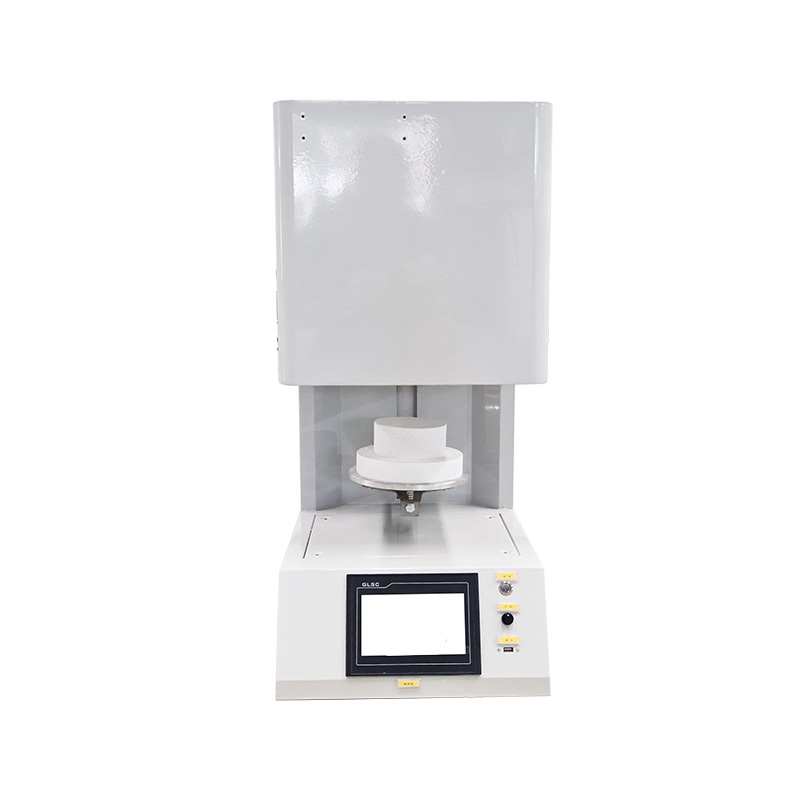
When selecting a ceramic furnace, buyers should distinguish between:
- Maximum rated temperature — the highest temperature the furnace can reach under specified conditions.
- Continuous operating temperature — the temperature at which the furnace is intended to operate reliably for extended periods.
- Process temperature — the actual temperature required by the ceramic material and thermal cycle.
A furnace should be selected according to the required process temperature rather than simply choosing the highest available temperature rating.
6.What Makes a Good Ceramic Furnace?
A ceramic furnace should not be evaluated by maximum temperature alone.
For ceramic processing, several technical characteristics are important.
- Temperature accuracy: The controller should maintain the target temperature within the required tolerance.
- Temperature uniformity: The temperature throughout the working chamber should remain sufficiently consistent so that samples experience similar thermal conditions.
- Heating rate: Different ceramic processes may require slow ramps to prevent cracking, controlled binder burnout, or faster heating during specific stages.
- Insulation performance: High-quality refractory and thermal insulation materials reduce heat loss and improve energy efficiency.
- Heating-element selection: Heating elements should be compatible with the required temperature range and furnace atmosphere.
- Programmable control: Multi-step heating and holding programs are useful for repeatable firing and sintering processes.
- Safety and reliability: Over-temperature protection and dependable control systems are important for laboratory and industrial operation.
- For these reasons, a ceramic furnace should be considered as an integrated thermal-processing system rather than simply a heated chamber.
III.How Do You Choose a Ceramic Furnace for Your Application?
The most suitable furnace depends on the ceramic material and process.
Before purchasing equipment, consider the following questions:
1. What is the required process temperature?
Determine the actual firing, calcination, or sintering temperature and allow an appropriate operating margin.
2. What is the sample size and load?
The chamber should accommodate the material while maintaining an appropriate working volume and thermal performance.
3. Is atmosphere control required?
For oxidation-sensitive materials or specialized ceramic research, a tube furnace or vacuum furnace may be more appropriate than a conventional box furnace.
4. How precise is the temperature profile?
Processes involving binder burnout, staged sintering, or controlled cooling may require programmable multi-segment temperature control.
5. How frequently will the furnace be used?
Laboratory experiments, pilot production, and continuous industrial processing have very different duty cycles and furnace requirements.
6. What insulation and heating-element materials are appropriate?
The refractory lining and heating elements should be matched to the maximum operating temperature and processing environment.
IV.Summarize
A ceramic furnace is a specialized high-temperature electric furnace used for ceramic firing, sintering, calcination, heat treatment, and materials research. Its performance depends not only on maximum temperature, but also on temperature accuracy, uniformity, programmable control, heating elements, insulation, chamber design, and atmosphere requirements.
For laboratory and experimental ceramic processing, selecting the right furnace configuration can significantly improve process repeatability and research results. Luoyang Anjing Intelligent Equipment is a global supplier of high-temperature electric furnaces and refractory and thermal insulation solutions, providing experimental furnace systems for demanding laboratory and material-processing applications. Explore our experimental electric furnaces or contact Anjing for a furnace configuration matched to your ceramic processing requirements.
Click “Request a Quote” to get a customized solution.
V. FAQ Section
1. What is a ceramic furnace used for?
A ceramic furnace is used for high-temperature processes such as ceramic firing, sintering, calcination, heat treatment, and materials research.
2. How hot does a ceramic furnace get?
The operating temperature of a ceramic furnace depends on the equipment design and the application scenario.
3. What type of furnace is best for ceramic firing?
Box furnaces are suitable for conventional ceramic firing and laboratory batch processing; tube furnaces are suitable for processes with high atmosphere control requirements; vacuum furnaces or special industrial furnaces can be used for more demanding applications.
4. Can a ceramic furnace be used for sintering?
Yes. High-temperature electric furnaces are widely used for ceramic sintering because they can provide controlled heating, holding, and cooling profiles required for densification and microstructural development.
5. What should I consider when buying a ceramic furnace?
When selecting a furnace, you should pay attention to the maximum/continuous operating temperature, furnace size, temperature control accuracy, temperature field uniformity, heating rate, programmable curve, atmosphere requirements, insulation and heating element materials, safety functions, and operating cycle.
Supplier
Luoyang Anjing Intelligent Equipment Co., Ltd. is an enterprise dedicated to the research, development, production, sales, and technical services of heat treatment equipment such as high-temperature electric furnaces. We produce laboratory, vacuum, industrial, and medium frequency furnace, covering a temperature range from -100℃ to 2600℃, serving industries such as new energy, semiconductors, and advanced materials. We can provide customized solutions based on specific atmosphere, ultra-high temperature, and intelligent control system requirements. Please feel free to contact us if you are interested.