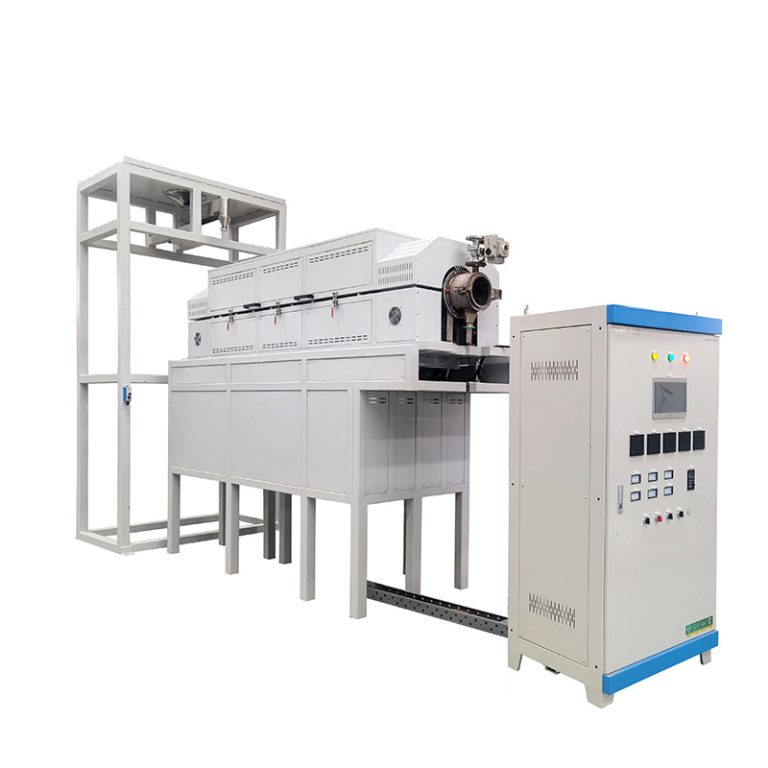
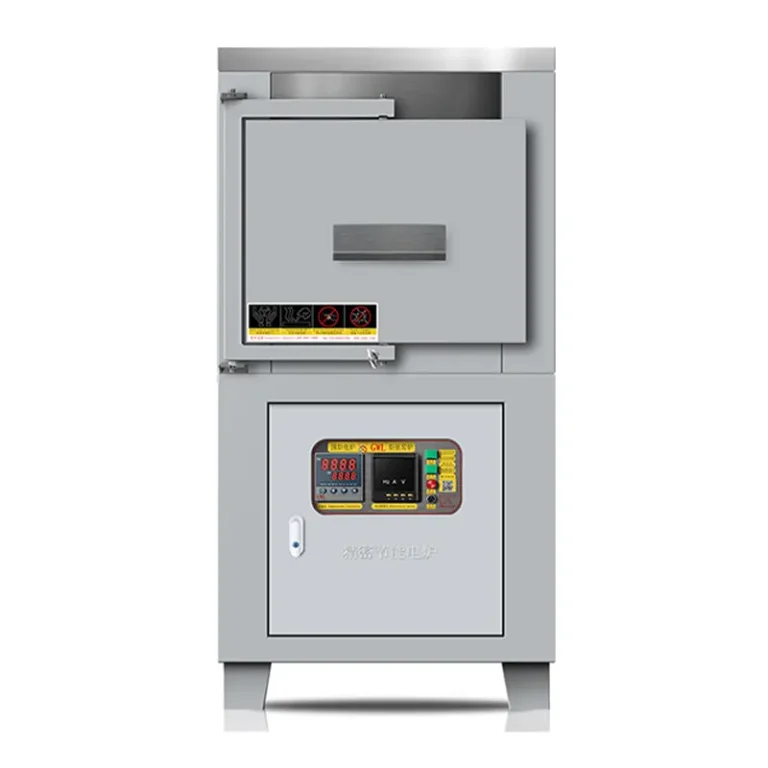
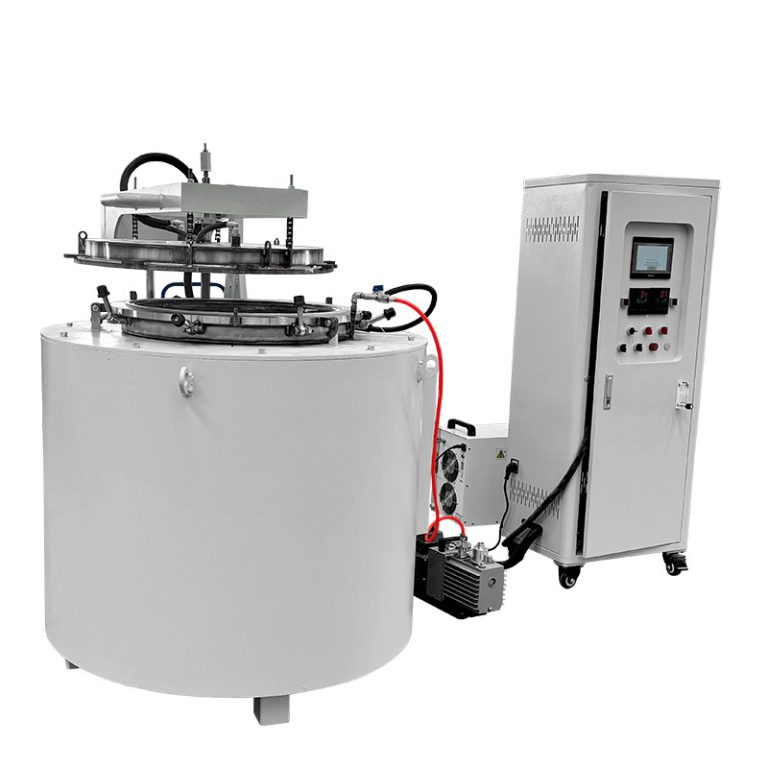
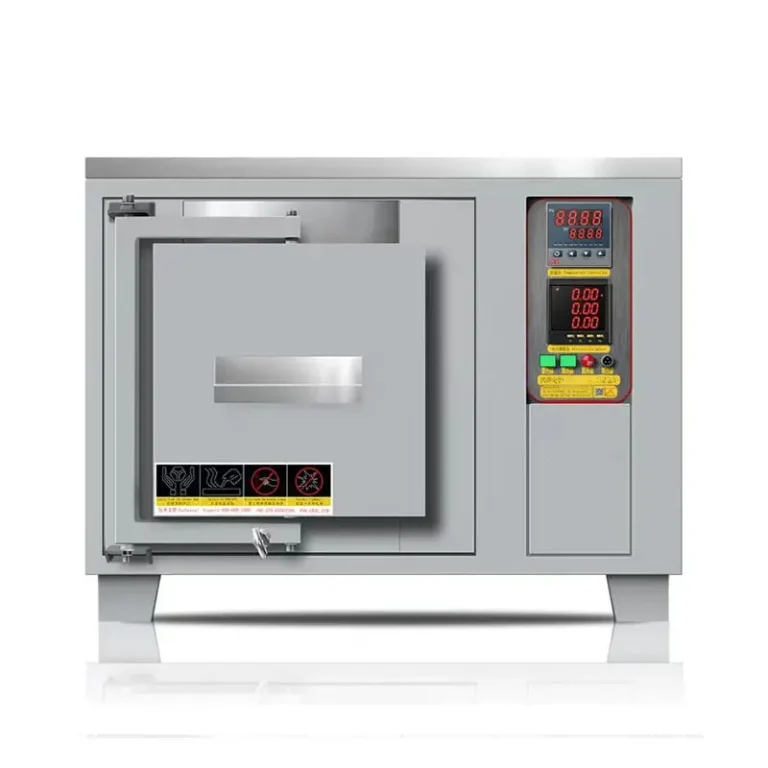
Luoyang Anjing Intelligence Equipment are a global leader in high-temperature electric furnaces



How to Maintain a Tube Furnace? A Practical Maintenance Guide
To maintain a tube furnace, regularly inspect and clean the furnace tube, heating elements, thermocouple, seals, insulation, gas lines, and control system, while following proper heating and cooling procedures to prevent thermal shock, contamination, leaks, and premature component failure.
I. Why Is Tube Furnace Maintenance Important?
The precision of a tube furnace depends on the coordination of the furnace tubes, heating, temperature control, insulation, and atmosphere systems; it is not simply a heating chamber.
It is commonly used for material synthesis, purification, sintering, and heat treatment. It can be configured with vacuum, inert gas, reducing atmosphere, or oxidizing atmosphere.
Regular maintenance helps operators:
- Maintain stable furnace temperature
- Reduce contamination between experiments
- Protect the furnace tube from thermal and mechanical damage
- Detect gas or vacuum leaks early
- Extend the service life of heating elements and seals
- Maintain repeatable processing conditions
- Reduce unexpected downtime and repair costs
The exact maintenance interval should always follow the furnace manufacturer’s operating instructions and the actual process conditions.
II. Tubular furnace accessories
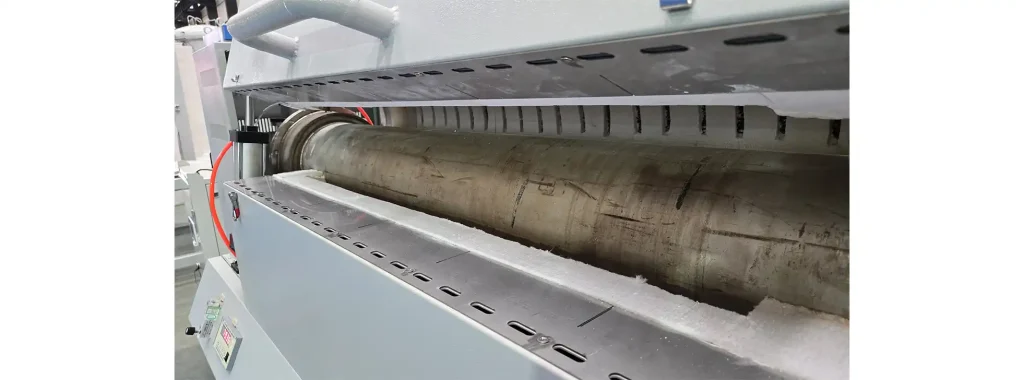
1. Inspect and Clean the Furnace Tube Regularly
The furnace tube is one of the most important components to maintain because it is directly exposed to the process atmosphere and material being heated.
After prolonged use, deposits may form on the inner wall of quartz, ceramic, or metal tubes, affecting subsequent experiments, airflow, or reactions with samples.
During routine inspection, check for:
- Cracks or chips
- Discoloration or abnormal deposits
- Material buildup
- Distortion or deformation
- Scratches or mechanical damage
- Deterioration around sealing areas
Do not rapidly cool a hot quartz or ceramic tube unless the furnace is specifically designed for that operating procedure. Sudden temperature changes can create thermal stress and increase the risk of tube damage.
Anjing’s tube furnace range supports different tube materials, including quartz, ceramic, and metal, with tube diameter and configuration customizable for different applications and temperatures.
For this reason, cleaning methods and temperature limits should be selected according to the specific tube material and the chemicals or materials processed.
2. Check the Heating Elements
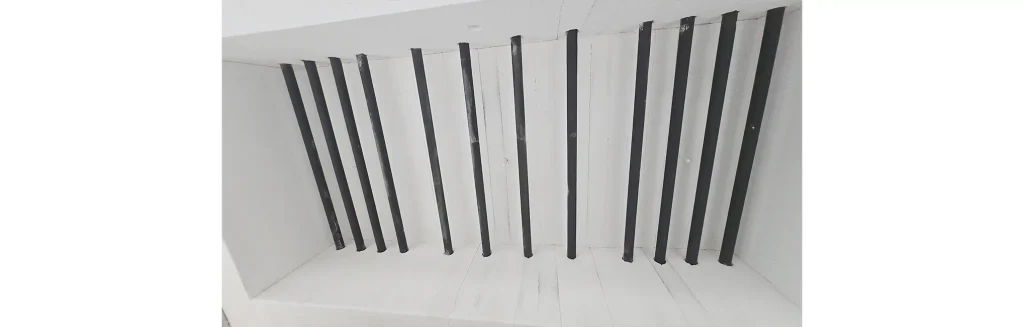
The heating elements determine how efficiently and uniformly a tube furnace generates heat.
Inspect the heating elements periodically for:
- Visible cracks or breaks
- Oxidation or abnormal surface changes
- Uneven heating
- Sagging or deformation
- Signs of contamination
- Electrical connection problems
If the furnace begins heating much more slowly than usual or struggles to reach its normal operating temperature, the heating system should be inspected rather than simply increasing the setpoint.
Different tube furnaces use different heating-element materials and configurations depending on the maximum operating temperature and application. Higher-temperature equipment therefore requires particular attention to element condition and operating limits.
The maintenance objective is not simply to replace an element after failure, but to identify abnormal heating behavior early enough to prevent process interruption.
3. Inspect the Thermocouple and Temperature-Control System
Accurate temperature measurement is critical for tube furnace operation.
The thermocouple provides temperature feedback to the furnace controller. A damaged, aged, incorrectly positioned, or contaminated sensor can result in inaccurate temperature readings even when the controller itself is functioning normally.
Operators should check for:
- Physical damage to the thermocouple
- Loose connections
- Unusual temperature readings
- Unexpected temperature fluctuations
- Sensor positioning changes
- Differences between displayed and independently verified temperatures
If the furnace is used for processes requiring tight temperature control, periodic temperature verification or calibration should be incorporated into the maintenance program according to the equipment and process requirements.
A highly accurate controller cannot compensate for an unreliable temperature sensor, so sensor maintenance should be treated as a core part of furnace maintenance.
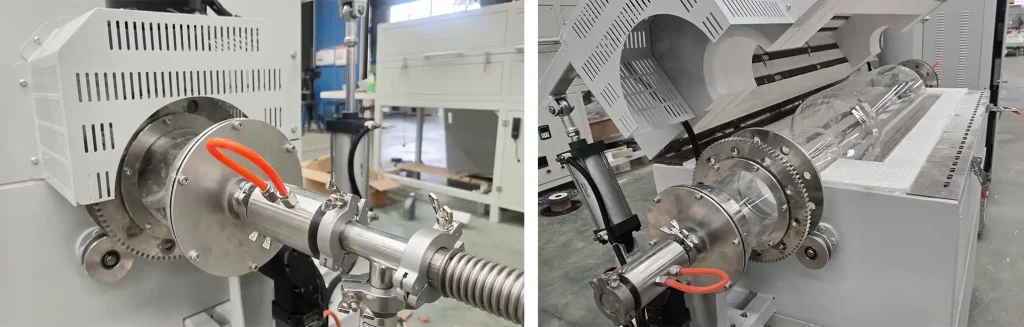
4. Check Furnace Tube Seals, Flanges, and Gas Connections
For atmosphere or vacuum tube furnaces, maintaining the sealing system is particularly important.
Inspect:
- O-rings and gaskets
- Flanges
- Gas inlet and outlet connections
- Vacuum connections
- Valves
- Tubing
- Water-cooling connections where applicable
Look for signs of leakage, deformation, cracking, excessive heat exposure, or deterioration.
A small leak can allow air or moisture into the furnace tube and alter the processing atmosphere. In applications involving inert, reducing, or vacuum conditions, this can directly affect material quality and experimental repeatability.
Some Anjing tube furnace configurations use vacuum-sealing structures and water-cooling arrangements around the ends of the furnace tube to protect sealing components and extend service life.
When maintaining a sealed tube furnace, the sealing components should therefore be inspected as carefully as the heating system itself.
5. Maintain Gas and Atmosphere Systems
For processes performed under controlled atmospheres, gas management is part of furnace maintenance.
Before operation, verify that:
- Gas lines are properly connected
- Flow meters and controllers function correctly
- Inlet and outlet paths are unobstructed
- Required gas flow is achieved
- Connections are free from obvious leaks
- The exhaust path is configured correctly for the process
Do not assume that a stable furnace temperature means the atmosphere is also correct. Temperature control and atmosphere control are separate aspects of the process.
Modern tube furnaces can be configured for multiple atmospheres, including inert, reducing, oxidizing, and vacuum conditions.
Gas management procedures depend on the type of gas, pressure, temperature, materials, and furnace configuration. Operations must follow the equipment manual and on-site safety procedures.
6. Protect the Insulation and Furnace Structure
The insulation surrounding the heating zone reduces heat loss and helps maintain the desired temperature profile.
Inspect the insulation periodically for:
- Cracks
- Loose sections
- Contamination
- Mechanical damage
- Abnormal discoloration
- Areas where insulation has become compressed or displaced
Do not unnecessarily touch, compress, or remove high-temperature insulation material.
For industrial tube-furnace applications, Anjing lists ceramic-fiberboard insulation in one continuous annealing furnace design, selected for insulation performance, low heat storage, and resistance to rapid heating and cooling.
Good insulation condition helps the furnace maintain thermal stability while reducing unnecessary energy loss.
7. Follow Proper Heating and Cooling Procedures
One of the simplest ways to extend tube-furnace life is to operate it according to its designed heating and cooling profile.
Avoid unnecessary:
- Rapid temperature changes
- Excessive heating rates
- Sudden cooling of hot tubes
- Operation above rated limits
- Repeated thermal cycling outside the equipment’s specifications
This is particularly important for brittle materials such as quartz and ceramics.
Programmable temperature controllers help operators stabilize and control temperature rise and fall curves. Anjing’s tube furnace systems support programmed temperature control, automatically completing temperature rise and fall processes; some models also feature independent control for multiple temperature zones.For laboratory or industrial processes requiring repeated operation, automated programming is more reliable and convenient than manual temperature adjustment.
8. Check the Electrical and Control System
Routine maintenance should also include the furnace’s electrical and control components.
Check for:
- Loose electrical connections
- Unusual noises or odors
- Damaged cables
- Abnormal current or voltage readings
- Controller alarms
- Unstable temperature output
- Cooling-system problems where applicable
Operators should not open energized electrical cabinets or perform electrical repairs without appropriate authorization and qualification.
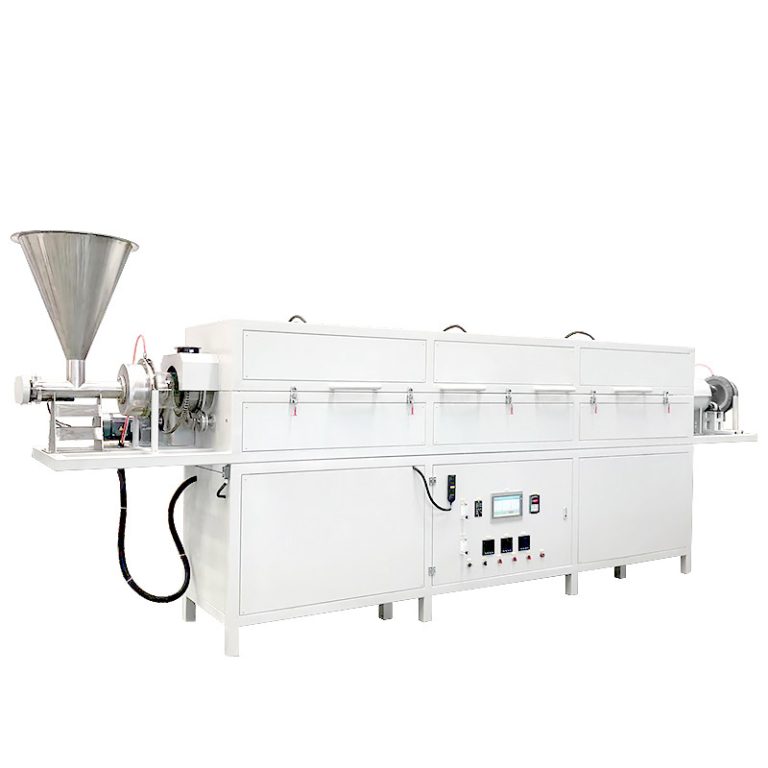
An industrial tubular furnace may use a PLC and touchscreen intelligent control system, with real-time monitoring of temperature and gas-flow parameters.
Keeping control hardware, sensors, and wiring in good condition is therefore important for both reliability and process repeatability.
| Maintenance Item | Key Inspection Points | Remarks / Cautions |
|---|---|---|
| 1. Furnace Tube | Cracks, discoloration, deposits, deformation, scratches, seal area degradation | Avoid rapid cooling for quartz/ceramic tubes; cleaning method must match tube material |
| 2. Heating Elements | Cracks, oxidation, uneven heating, sagging, contamination, electrical connections | If heating slows down, inspect the system; do not simply raise the setpoint |
| 3. Thermocouple & Temperature Control | Physical damage, loose connections, abnormal readings, fluctuations, and temperature drift | temperature control accuracy depends on sensor reliability, and regular calibration is recommended. |
| 4. Seals & Flanges | O-rings, gaskets, flange deformation, gas/vacuum interface leaks | Critical for atmosphere/vacuum processes; prevent air/moisture ingress |
| 5. Gas System | Connections, flowmeter function, inlet/outlet blockage, leaks | Stable temperature does not guarantee correct atmosphere; verify separately |
| 6. Insulation Layer | Cracks, looseness, contamination, discoloration, compression or displacement | Do not unnecessarily touch or compress high-temperature insulation materials |
| 7. Heating / Cooling Procedures | Ramp rates, thermal shock, over-temperature operation, repeated cycles | Use programmable temperature control; avoid manual abrupt adjustments |
| 8. Electrical & Control System | Loose wiring, unusual noise/odor, cable damage, abnormal current/voltage readings | Unauthorized personnel must not open electrical cabinets or perform electrical repairs |
III.A Practical Tube Furnace Maintenance Checklist
A simple maintenance routine can be divided into three stages.
Before operation: inspect the tube, seals, thermocouple, gas connections, and visible heating components.
After operation: remove or address process residue according to the tube material and process chemistry, check for abnormal deposits or damage, and allow the furnace to cool using the specified procedure.
Periodic maintenance: Inspect the heating element, insulation layer, electrical connections, sensors, seals, vacuum performance, and gas lines. Replace consumables and damaged parts promptly as recommended.
IV.Summarize
The maintenance of a tube furnace should cover its complete heating and atmosphere control system, including furnace tubes, heating elements, thermocouples, insulation materials, sealing structures, gas pipelines, vacuum components and controllers. Through regular inspections, standardized cleaning, programmed heating and cooling, and timely replacement of aging or damaged parts, equipment operation reliability, temperature stability and process repeatability can be effectively improved.
Anjing provides laboratory and industrial tube furnace solutions with different tube materials, temperature ranges, atmosphere configurations, multi-zone control, vacuum options, and programmable temperature control. Visit the Tube Furnace product range or contact Anjing’s engineering team to select a tube furnace and maintenance configuration suited to your process.
Click “Request a Quote” to get a customized solution.
V. FAQ Section
1. How often should a tube furnace be maintained?
There is no universal maintenance interval for every tube furnace. Inspection frequency should depend on operating temperature, atmosphere, process materials, operating hours, thermal cycling, and the manufacturer’s recommendations. Visual checks should be performed routinely, while deeper inspections should be scheduled based on actual equipment usage.
2. How do you clean a tube furnace?
First, cool the pipes according to the prescribed procedure, then select the cleaning method based on the pipe material and the type of residue.
3. How do I know if a tube furnace heating element is failing?
Common signs of abnormality include a decreased heating rate, inability to reach the set temperature, uneven temperature distribution, abnormal current readings, visible damage to the heating element, or repeated malfunctions of the temperature control system. Abnormal changes in the heating curve can usually serve as an early warning sign that the heating system needs maintenance.
4. How can I prevent a tube furnace tube from cracking?
Operate according to the specified heating and cooling rates, avoid unnecessary thermal shock, prevent mechanical impact, ensure the furnace tubes are used within the rated temperature range, and select appropriate tubing materials according to the process. Quartz tubes and ceramic tubes require particular care, as they are more sensitive to thermal and mechanical shock.
5. What parts of a vacuum tube furnace need the most maintenance?
The furnace tube, O-rings and seals, flanges, vacuum lines, valves, thermocouple, heating elements, and temperature-control system are key maintenance points. Maintaining the sealing and vacuum system is especially important because even a small leak can compromise the intended processing atmosphere.
Supplier
Luoyang Anjing Intelligent Equipment Co., Ltd. is an enterprise dedicated to the research, development, production, sales, and technical services of heat treatment equipment such as high-temperature electric furnaces. We produce laboratory, vacuum, industrial, and medium frequency furnace, covering a temperature range from -100℃ to 2600℃, serving industries such as new energy, semiconductors, and advanced materials. We can provide customized solutions based on specific atmosphere, ultra-high temperature, and intelligent control system requirements. Please feel free to contact us if you are interested.