Luoyang Anjing Intelligence Equipment are a global leader in high-temperature electric furnaces



How to Choose a Laboratory Furnace: Complete Buying Guide
In materials research, chemical analysis, metal processing, and scientific experiments, laboratory furnace are essential equipment for achieving high-temperature heating, heat treatment, sintering, ashing, and materials testing. Faced with products offering different temperature ranges, furnace structures, and control methods, selecting the right equipment for one’s experimental needs is a key focus for many laboratories during procurement.
When selecting a laboratory furnace, one should not only look at the highest temperature and price, but also comprehensively consider the experimental temperature, sample type, atmosphere, heating rate, temperature field uniformity and long-term operating cost.
I. Overview of Laboratory Furnaces
Laboratory furnaces are high-temperature heating devices specifically designed for scientific research and small-batch production testing.
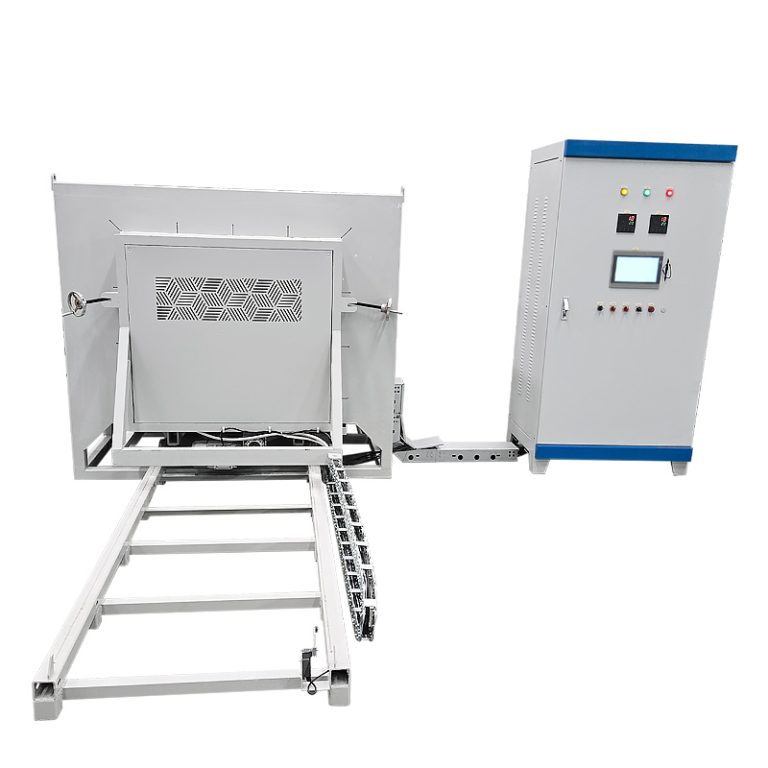
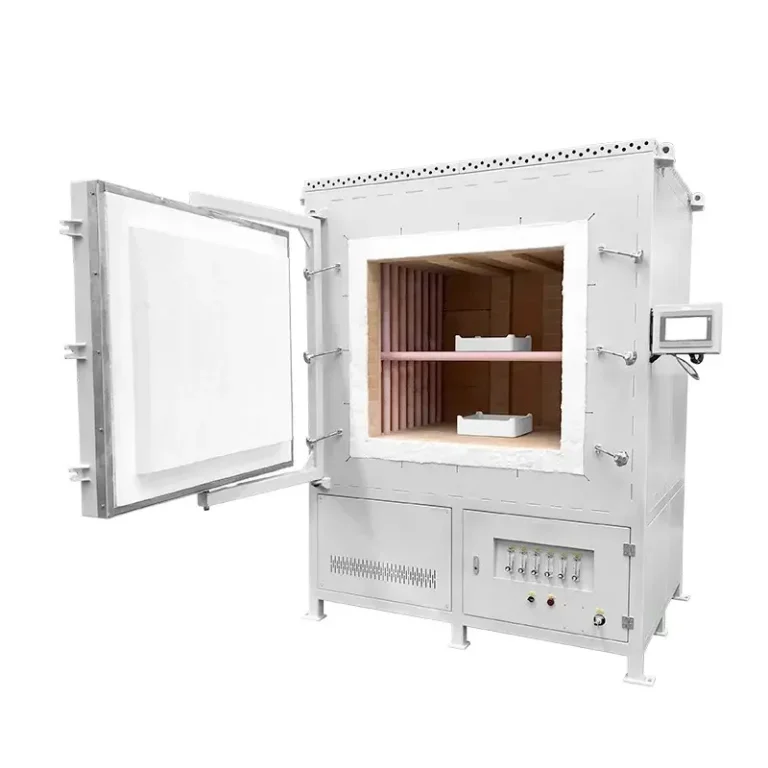
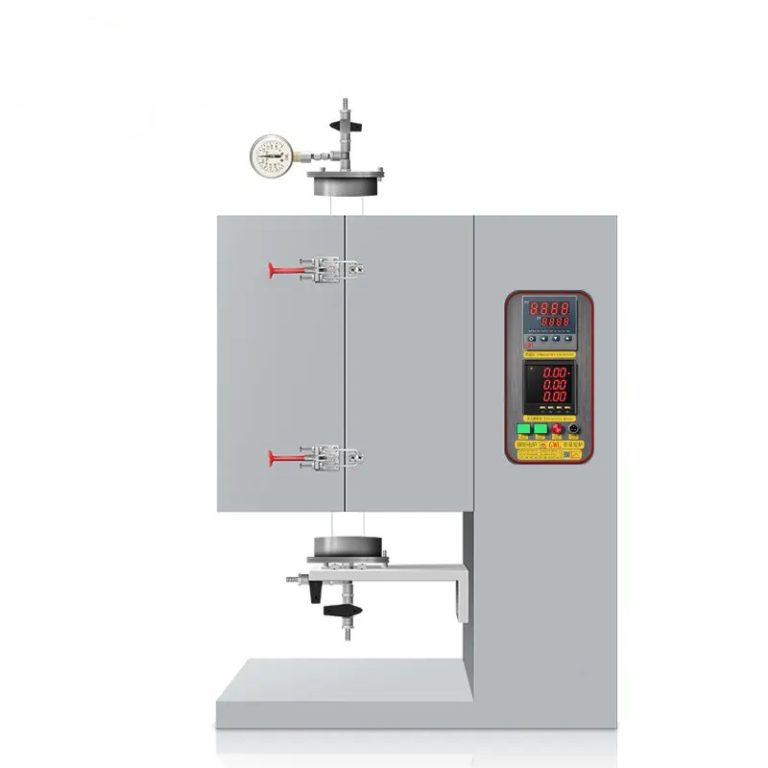
Depending on their structural form, laboratory furnaces mainly include box furnaces, tube furnaces, muffle furnaces, vacuum furnaces, and atmosphere furnaces. Among them, box furnaces have the widest range of applications and are suitable for routine heat treatment; tube furnaces are more suitable for experiments requiring gas protection or continuous heat treatment; vacuum furnaces are mainly used to avoid oxidation or for special material treatment.
Modern laboratory furnaces are generally equipped with digital temperature control systems, which have programmed heating and multi-segment temperature control functions. They can automatically adjust the heating curve according to the experimental process, thus improving experimental repeatability and data reliability.
II. Product Features and Advantages
- Determining Operating Temperature and Furnace Material
Temperature range is the primary indicator for selecting a laboratory furnace. Different materials and experimental processes have significantly different temperature requirements:
Common heat treatment and ashing experiments typically require a range of 500–1000℃; Ceramic sintering and materials research may require temperatures above 1200℃; Special metals and advanced materials experiments may require temperatures of 1600℃ or even higher.
The maximum temperature is not the same as the long-term operating temperature. The actual operating temperature should be lower than the rated maximum temperature to ensure the furnace life and temperature control stability.
- Determining Furnace Dimensions and Sample Fit
The furnace dimensions determine how many samples you can process at once, and the size of the samples you can process.
Measure your sample dimensions, add the space for the crucible or fixture, and then allow for a margin—the furnace length, width, and height should be at least 20%–30% larger than the actual dimensions occupied by the sample. Large furnace chambers offer high flexibility, accommodating samples of various shapes, but they heat up slowly and consume more energy. Small furnace chambers heat up quickly and consume less energy, but their sample processing capabilities are limited.
A helpful tip: If 90% of your samples are less than 100mm in size, don’t buy a furnace chamber larger than 200mm. “Sufficient” is the optimal size. For university laboratories, choosing a medium-sized (e.g., 300×200×200mm) general-purpose model is usually more practical than an oversized furnace.
- Determine Atmosphere Control Requirements
Is it necessary to introduce protective or reactive gases? This is an easily overlooked issue during selection.
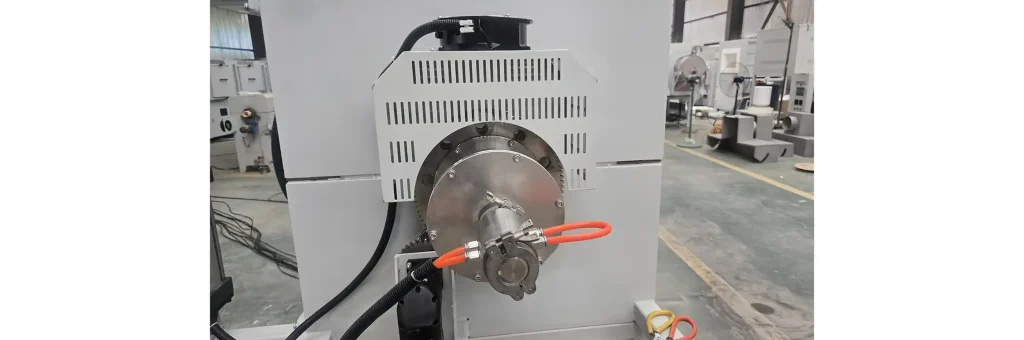
If the process requires oxidation prevention (e.g., metal heat treatment, non-oxide ceramic sintering), a furnace model with inlet and outlet ports and sealed flanges should be selected. If flammable and explosive gases such as hydrogen or methane are required, the furnace must have an explosion-proof design and corresponding safety interlock system. If the process has strict requirements on oxygen content (e.g., semiconductor material processing), a vacuum furnace or a system equipped with an oxygen analyzer can be selected.
For most laboratory applications, a box furnace with nitrogen/argon inlets is sufficient. If processing materials extremely sensitive to oxygen is required, a tube furnace with a gas flow control system should be considered.
- Determine Control Accuracy and Program Functions
Temperature control accuracy affects the reliability of experimental results. The temperature control accuracy of general laboratory furnaces is between ±1℃ and ±5℃. For most ceramic sintering and metal heat treatment, ±2℃ to ±3℃ is sufficient. Only processes extremely sensitive to temperature (such as crystal growth and certain phase transition studies) require accuracy of ±1℃ or even higher.
The programmable temperature control function determines the flexibility of equipment use. If an adjustable heating rate, multi-stage heat preservation, and automatic cooling process are required, a furnace with a programmable controller should be selected.
- Determine Space and Power Requirements
Laboratory space conditions directly affect equipment selection. Confirm the dimensions of the equipment placement location to ensure sufficient ventilation and operating space. Check if the power supply capacity meets the equipment’s power requirements—large high-temperature furnaces require three-phase 380V power, with power reaching tens of kilowatts. Small 1200℃ furnaces only require single-phase 220V.
- Assess Safety Features and Standards
Laboratory furnaces involve high temperatures, and safety features cannot be compromised. They must have over-temperature protection (to prevent overheating due to temperature control failure), leakage protection, shell temperature control (≤45℃ to prevent burns), and overload protection. If flammable gases are used, the furnace body should be equipped with explosion-proof pressure relief vents and a gas leak alarm system.
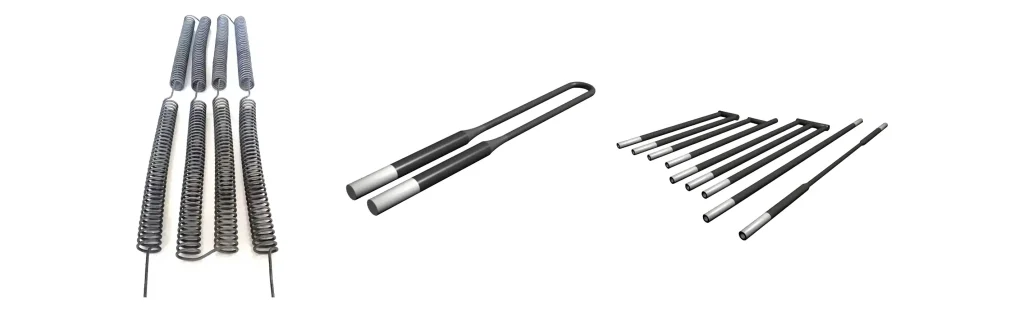
| Temperature Range | Thermocouple | Heating Element | Furnace Lining | Typical Applications |
|---|---|---|---|---|
| 1100℃~1200℃ | Type K | Alloy resistance wire | Ceramic fiber board / Mullite | Ceramic sintering, metal annealing, general heat treatment |
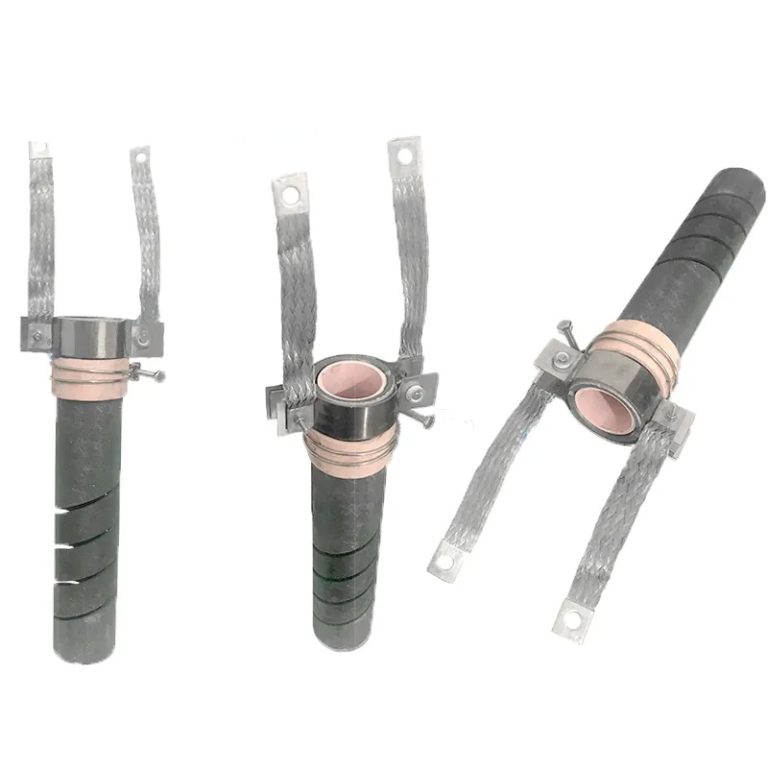
| 1400℃~1500℃ | Type S | SiC rods | High-purity alumina fiber | High-purity alumina sintering, glass melting, solution treatment |
| 1600℃~1700℃ | Type B | MoSi₂ rods | Corundum / Zirconia | SiC/Si₃N₄ sintering, superalloy heat treatment |
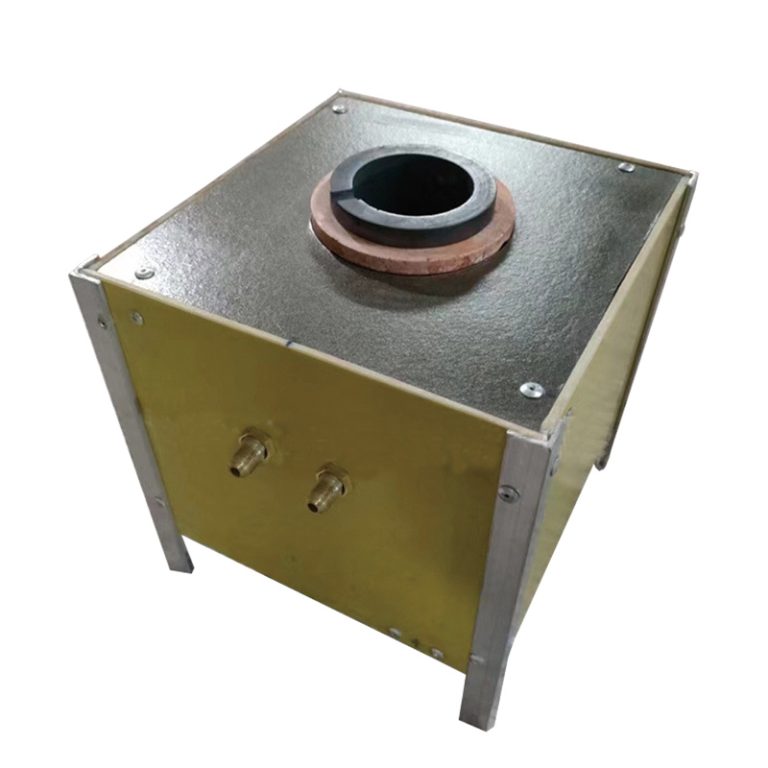
| Above 1800℃ | Special | Tungsten / Graphite (under vacuum/atmosphere) | Special refractories | Graphitization, high-melting ceramics sintering (specialized equipment) |
III. Two Key Purchasing Topics: Temperature Control Accuracy and Energy Efficiency
- Temperature Uniformity is More Important than Maximum Temperature
Many users focus on the “maximum temperature” achievable during procurement, but for experimental results, temperature uniformity is often more critical.
Temperature differences exist in different areas within a laboratory furnace, leading to inconsistent heating of samples and affecting experimental data. For example, during material sintering, temperature deviations can cause changes in crystal structure or differences in product performance.
High-performance laboratory furnaces typically employ:
Multi-zone heating design;
Optimized furnace lining structure;
High-precision thermocouple detection;
PID intelligent temperature control system.
These designs reduce temperature fluctuations, resulting in more stable experimental results.
- Energy-Saving Design Impacts Long-Term Operating Costs
Although the single-run time of a laboratory furnace is limited, the long-term cumulative energy consumption cannot be ignored.
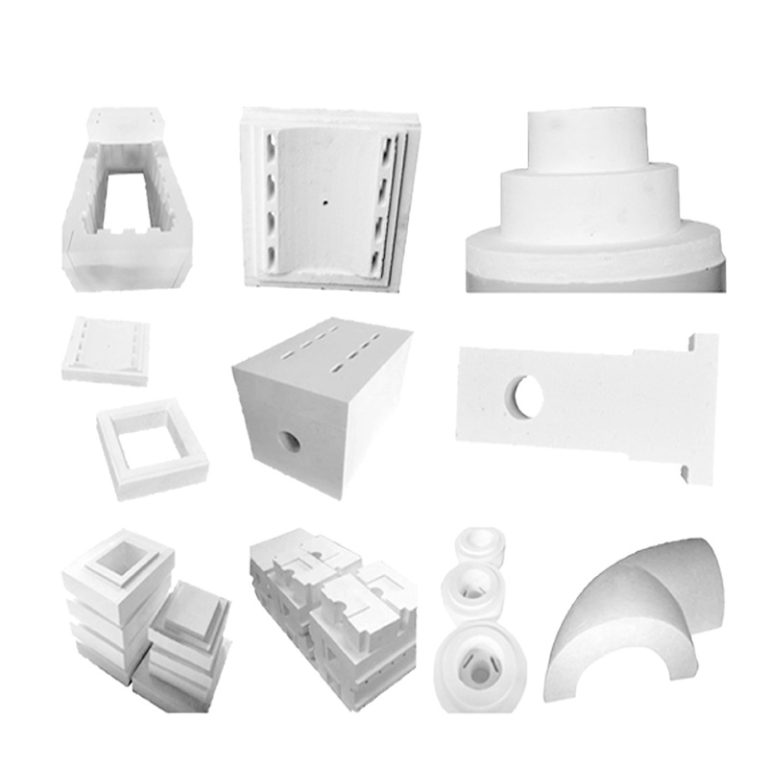
Modern equipment reduces heat loss through lightweight insulation materials. For example, ceramic fiber furnace linings have a lower heat capacity than traditional refractory materials, reducing heating time.
Furthermore, the intelligent control system can automatically adjust power output based on temperature changes:
Rapid heating during the heating phase; Reduced power during the heat preservation phase; Energy-saving mode during standby.
This dynamic control method not only reduces energy consumption but also minimizes wear and tear caused by prolonged full-load operation of the heating elements.
IV. Product Applications
- Materials Science Laboratories: Box-type resistance furnaces are used for sintering and heat treatment of ceramics, metals, and composite materials.
- Chemistry and Chemical Engineering Laboratories: Muffle furnaces are used for catalyst calcination, organic matter ashing, and precipitate drying.
- Geology and Mineral Resources Laboratories: High-temperature box furnaces are used for melting rock samples and synthesizing mineral phases.
- Biomedical Laboratories: High-temperature furnaces are used for sintering bioceramics (hydroxyapatite) and sterilizing medical devices.
- Semiconductor and Electronic Materials Laboratories: Tube furnaces and vacuum furnaces are used for silicon wafer annealing, oxide growth, and heat treatment of semiconductor materials.
- University Teaching Laboratories: General-purpose box-type resistance furnaces are standard equipment for teaching experiments, used for demonstration experiments such as metal heat treatment and ceramic sintering in basic materials science courses.
V.Supplier
Luoyang Anjing Intelligent Equipment Co., Ltd. is an enterprise dedicated to the research, development, production, sales, and technical services of heat treatment equipment such as high-temperature electric furnaces. We produce laboratory, vacuum, industrial, and medium frequency furnace, covering a temperature range from -100℃ to 2600℃, serving industries such as new energy, semiconductors, and advanced materials. We can provide customized solutions based on specific atmosphere, ultra-high temperature, and intelligent control system requirements. Please feel free to contact us if you are interested.