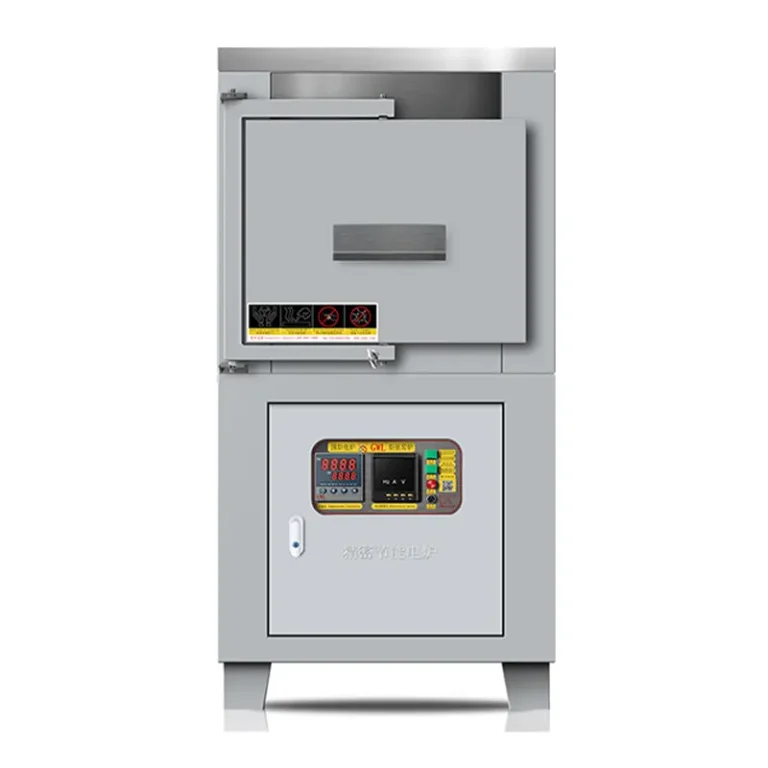
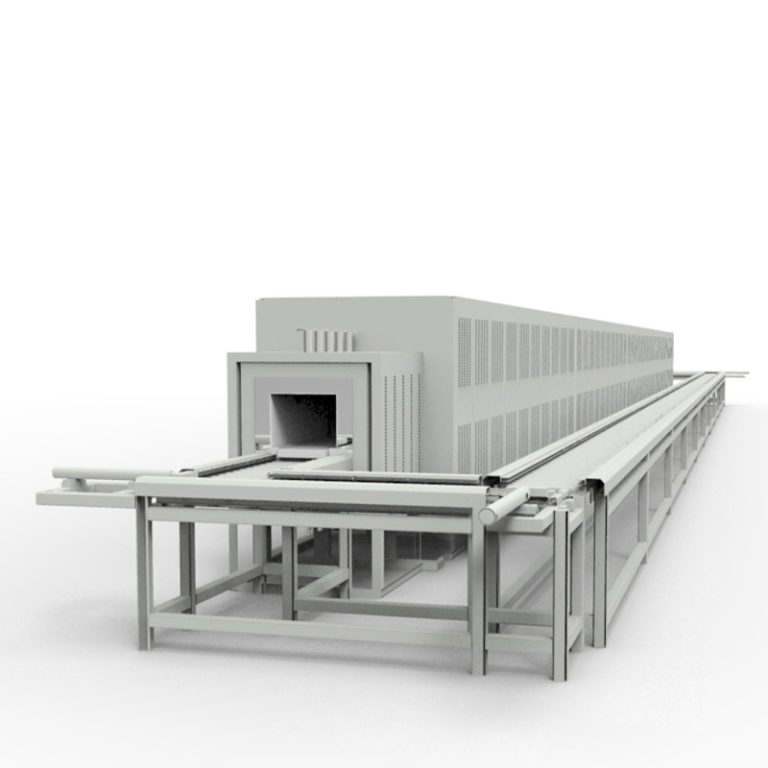
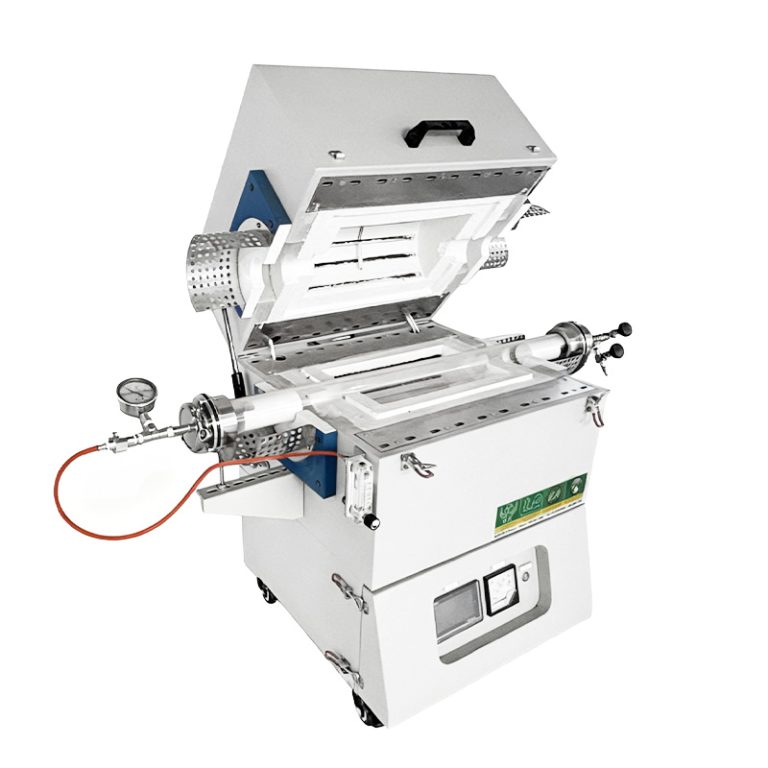
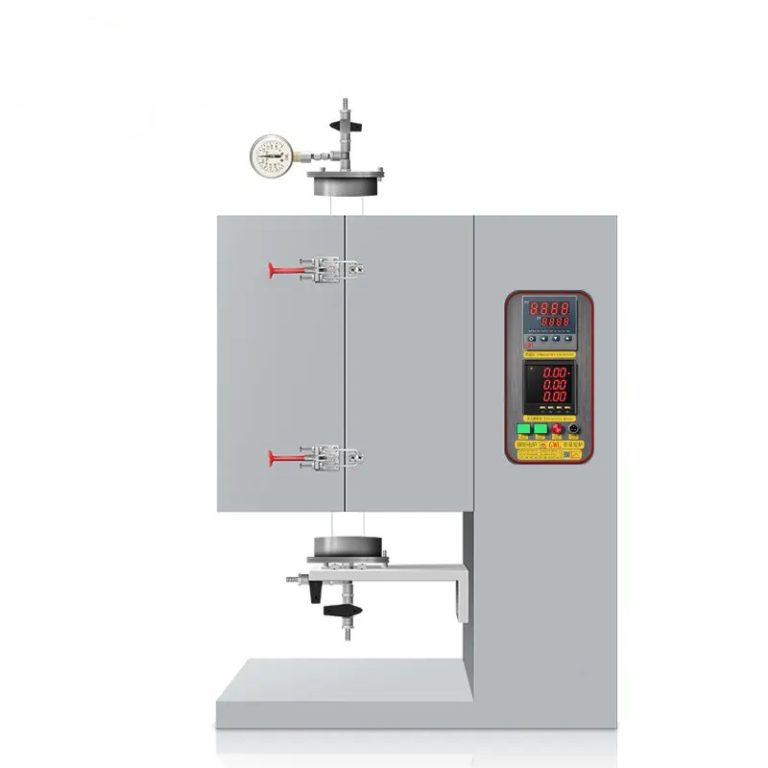
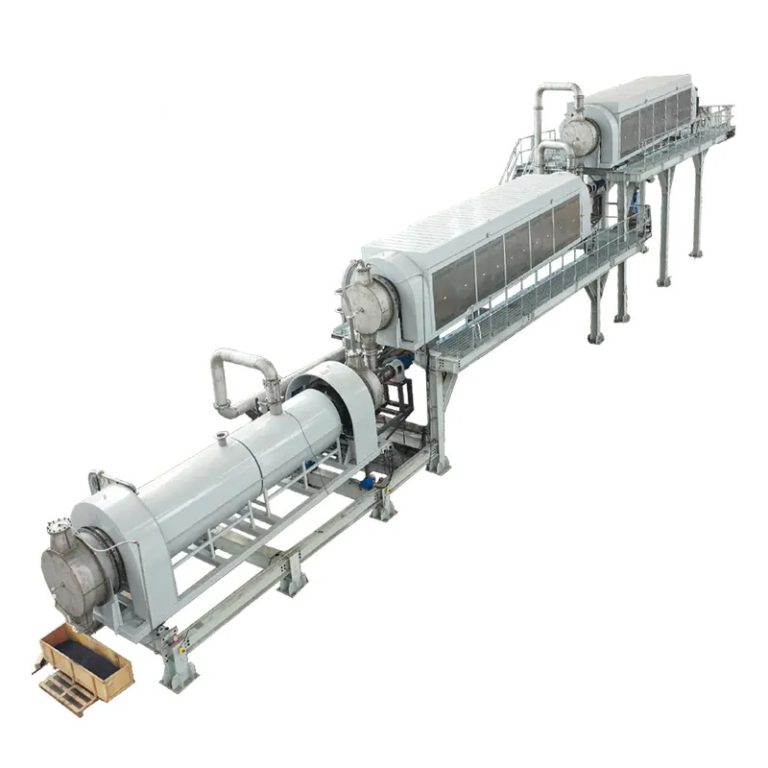
Luoyang Anjing Intelligence Equipment are a global leader in high-temperature electric furnaces



Is Ceramic Fiber Insulation Good? Benefits, Applications, and How to Choose
ceramic fiber insulation is an excellent choice for high-temperature furnaces because it combines low thermal conductivity, low heat capacity, high temperature resistance, and strong thermal shock resistance, helping reduce heat loss and improve heating efficiency.
I. Ceramic fiber insulation
Ceramic fiber insulation is widely used in high-temperature furnaces, kilns, heating equipment, and thermal-processing systems. But is ceramic fiber actually better than traditional refractory brick insulation?
For furnace manufacturers and industrial buyers, the answer depends on the operating temperature, mechanical requirements, atmosphere, heating cycle, and application. Ceramic fiber offers important advantages such as lightweight construction, low heat storage, fast heating, and good thermal insulation. This article explains how ceramic fiber works, its main benefits and limitations, and how to choose the right ceramic fiber insulation for a high-temperature furnace.
II. What Is Ceramic Fiber Insulation?
Ceramic fiber is a high-temperature refractory and thermal insulation material made from inorganic ceramic fibers. Common formulations include aluminosilicate fiber, mullite fiber, and polycrystalline alumina fiber.
Unlike dense refractory materials, ceramic fiber has a highly porous structure. The large number of small air spaces within the fiber structure reduces heat transfer, resulting in relatively low thermal conductivity.
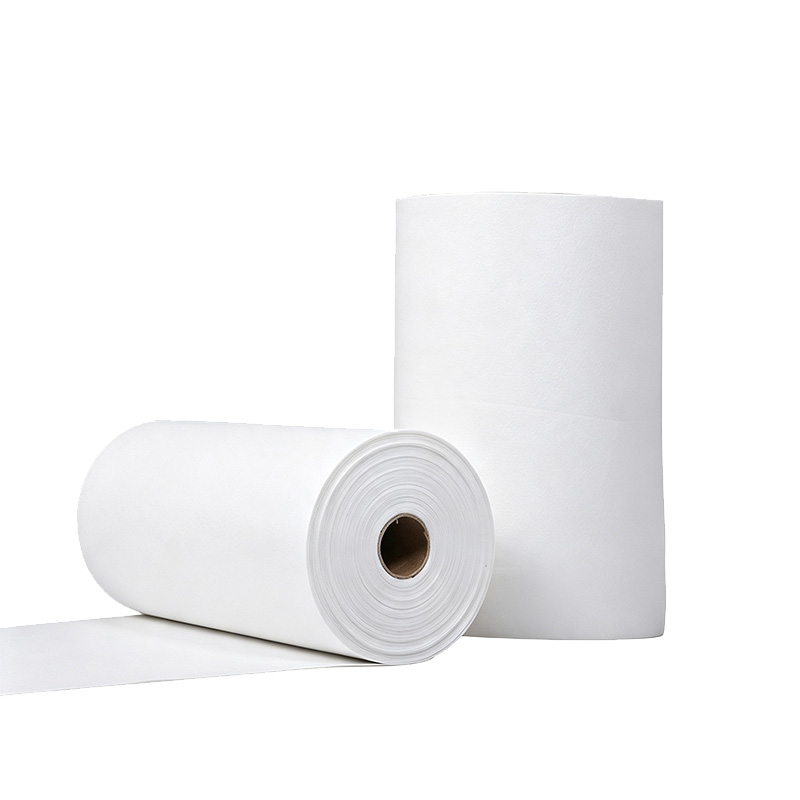
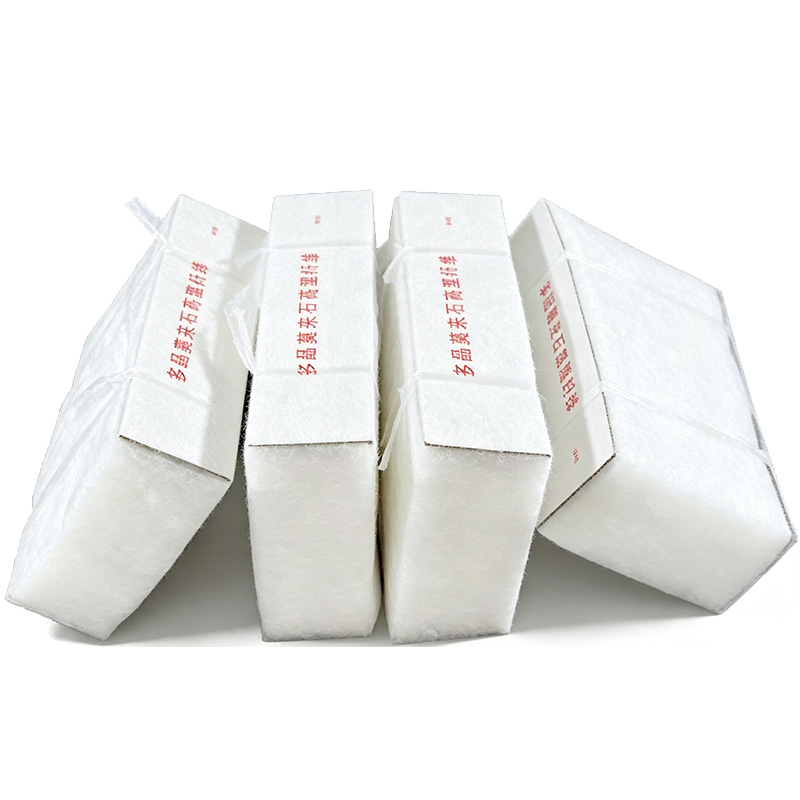
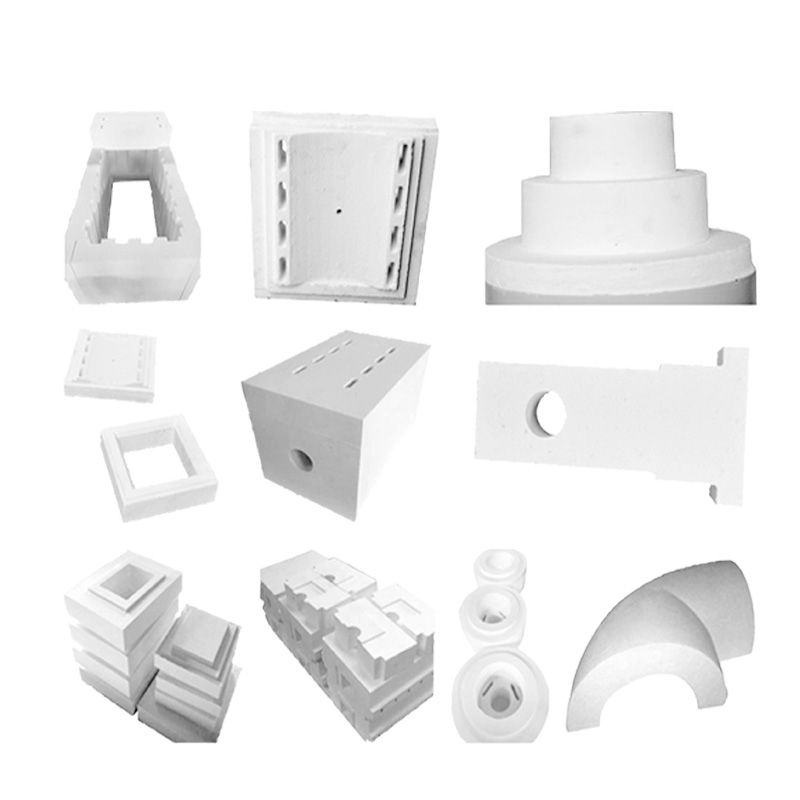
Ceramic fiber can be manufactured into several forms, including:
- Ceramic fiber cotton
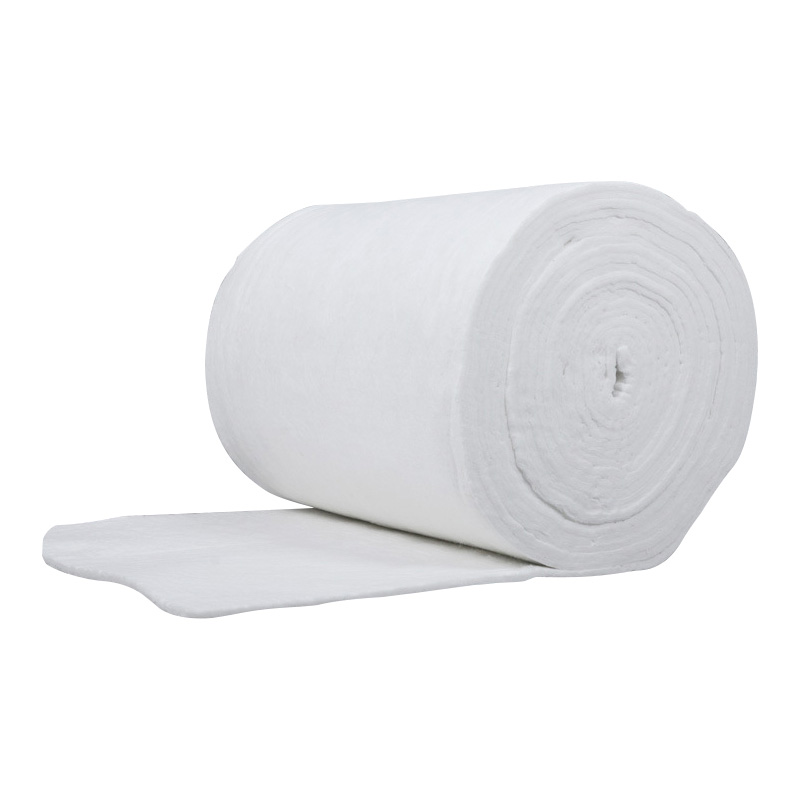
- Ceramic fiber blanket
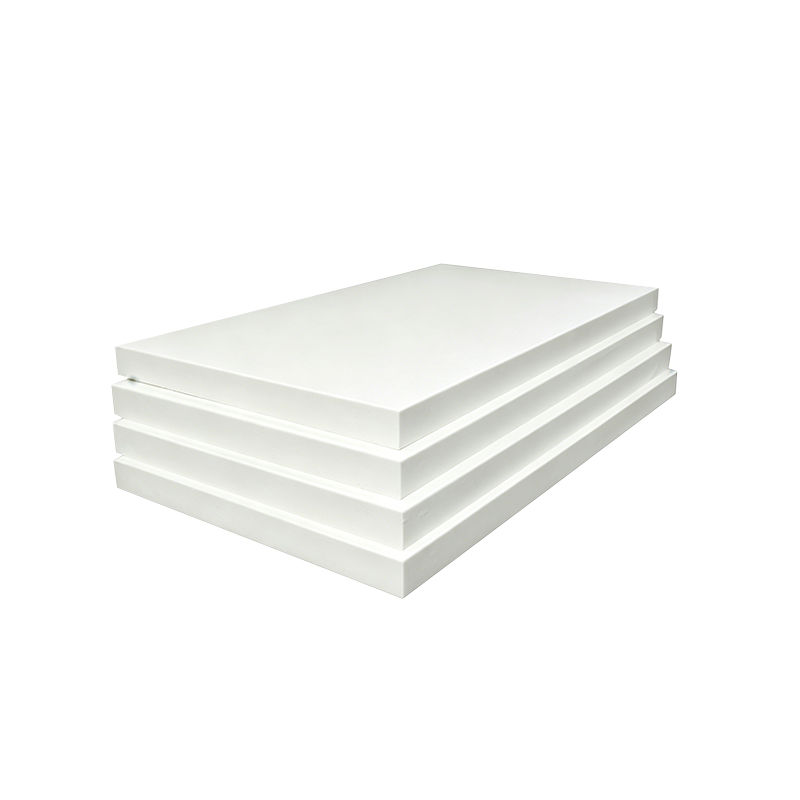
- Ceramic fiber board
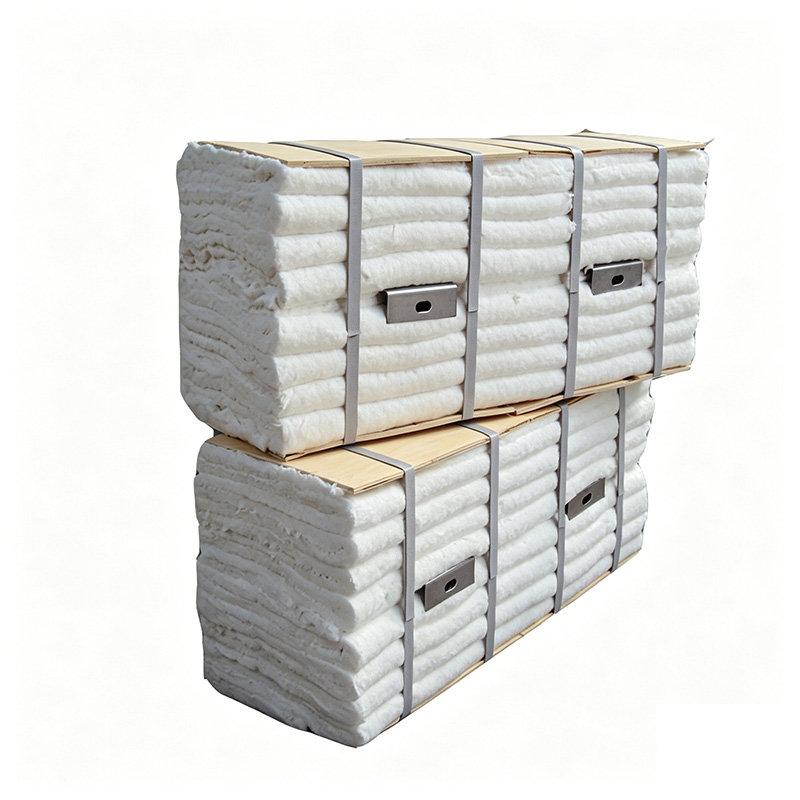
- Ceramic fiber folded modules
- Ceramic fiber paper
- Ceramic fiber shaped parts
- Ceramic fiber furnace chambers
This flexibility allows insulation to be designed around different furnace geometries and thermal requirements.
1. Why Is Ceramic Fiber Good for Furnace Insulation?
- Low Thermal Conductivity Reduces Heat Loss
One of the main reasons ceramic fiber is used in high-temperature furnaces is its low thermal conductivity.
Lower thermal conductivity means less heat is transferred from the hot furnace chamber to the outer structure. This can reduce heat loss and improve overall thermal efficiency.
For example, Anjing’s ceramic fiber shaped parts are designed with low thermal conductivity and low heat capacity to reduce stored heat and heat loss. The company’s ultra-high-temperature ceramic fiber board is also designed for high-temperature furnace linings and thermal insulation applications.
For industrial users, better insulation can translate into more efficient use of electrical energy, particularly during long heating and holding cycles.
- Low Heat Capacity Enables Faster Heating
Ceramic fiber is significantly lighter than traditional dense refractory materials.
Because less material needs to be heated along with the furnace, the insulation itself stores less thermal energy. This allows the furnace chamber to heat up and cool down more rapidly.
This characteristic is particularly useful for laboratories and production processes involving frequent temperature changes.
Anjing specifically uses ceramic fiber furnace chambers for applications requiring lightweight construction, rapid heating, temperature uniformity, and high energy efficiency.
- Excellent Thermal Shock Resistance
High-temperature furnaces frequently need to be heated and cooled, and the insulation material must be able to withstand this back-and-forth; it cannot crack or pulverize due to sudden temperature changes.
Ceramic fiber generally has good resistance to rapid temperature changes because of its low thermal mass and flexible fiber structure.
Anjing’s ceramic fiber board products are designed for repeated rapid heating and cooling, while its folded ceramic fiber blocks are specified with strong thermal shock resistance and good resilience.
This makes ceramic fiber particularly attractive for furnaces that operate through frequent thermal cycles.
2.Ceramic Fiber vs. Traditional Refractory Brick
The choice between ceramic fiber and traditional refractory brick depends on the furnace application.
| Feature | Ceramic Fiber | Traditional Refractory Brick |
|---|---|---|
| Weight | Low | High |
| Thermal conductivity | Low | Generally higher |
| Heat storage | Low | High |
| Heating response | Fast | Relatively slow |
| Thermal shock | Good | Depends on brick composition |
| Furnace construction | Lightweight | Heavy-duty |
| Energy efficiency | High potential | Application dependent |
| Mechanical strength | Lower | Generally higher |
| Frequent thermal cycling | Well suited | Material dependent |
Ceramic fiber is therefore particularly attractive when rapid heating, lower thermal mass, energy efficiency, and lightweight furnace construction are priorities.
Dense refractory materials can still be preferable where the lining must withstand substantial mechanical abrasion, impact, heavy loads, or other demanding physical conditions.
The best furnace design may also combine different refractory and insulation materials rather than relying on one material throughout the entire chamber.
3.What Temperature Can Ceramic Fiber Withstand?
Not all ceramic fiber products have the same temperature rating.
Selection should be based on the actual continuous operating temperature, not simply the material’s maximum classification temperature.
Ceramic fiber insulation products cover multiple temperature levels: the ceramic fiber blanket series is suitable for temperatures ranging from approximately 1000℃ to 1600℃, the high-temperature ceramic fiber cotton series can meet the usage requirements of approximately 1700℃, and the ultra-high temperature ceramic fiber board is suitable for furnace lining applications at approximately 1800℃. The specific selection needs to be determined according to the product level.
For extreme-temperature applications, polycrystalline alumina or other high-purity fiber systems may provide improved high-temperature stability compared with conventional aluminosilicate fiber.
4.What Are the Limitations of Ceramic Fiber?
Ceramic fiber is not automatically the best insulation material for every furnace.
Its biggest consideration is mechanical durability. Compared with dense refractory brick or castable materials, conventional ceramic fiber products can be more vulnerable to mechanical damage, erosion, and certain aggressive operating conditions.
Fiber selection also needs to account for:
Atmosphere: Oxidizing, neutral, reducing, or chemically aggressive environments can affect material selection.
Airflow and erosion: High-velocity gas flow may require a more erosion-resistant fiber structure or protective surface.
Mechanical contact: Areas exposed to repeated impact or abrasion may require additional refractory protection.
Temperature: Higher-temperature applications may require high-purity alumina, mullite, or other specialized fiber compositions.
For this reason, ceramic fiber should be selected as part of a complete refractory and thermal insulation system, rather than simply chosen according to its lowest thermal conductivity.
III.How to Choose the Right Ceramic Fiber Insulation
When purchasing ceramic fiber insulation for a furnace, buyers should evaluate at least six factors:
- Operating Temperature:Choose a material grade that provides sufficient long-term temperature margin.
- Form and Geometry:Blankets are flexible, boards provide structural support, folded modules provide efficient lining structures, and shaped parts can be customized for complex furnace components.
- Density:Higher density can provide better mechanical properties, while lower density can reduce thermal mass. The correct balance depends on the application.
- Thermal Conductivity:Lower thermal conductivity generally improves insulation performance, but conductivity should always be evaluated at the actual operating temperature.
- Chemical and Atmospheric Stability:For demanding high-temperature processes, high-purity fiber or specialized fiber compositions may be required.
- Furnace Design:The best insulation material depends on the complete furnace architecture, including heating elements, chamber dimensions, temperature uniformity requirements, airflow, door design, and control system.
Anjing’s refractory and thermal insulation product range includes ceramic fiber cotton, blankets, boards, folded blocks, paper, shaped parts, and specialized high-temperature fiber products, providing different solutions for furnace construction and thermal insulation.
IV.Summarize
So, is ceramic fiber insulation good? For many high-temperature furnace applications, yes. Its low thermal conductivity, low heat capacity, lightweight structure, thermal shock resistance, and wide range of temperature grades make it an effective insulation solution for improving furnace thermal efficiency and heating response.
However, the best ceramic fiber depends on temperature, furnace atmosphere, mechanical conditions, insulation form, and required service life. Luoyang Anjing Intelligence Equipment specializes in high-temperature electric furnaces and refractory and thermal insulation materials, providing ceramic fiber insulation solutions for laboratory and industrial applications. Contact Anjing to select the appropriate ceramic fiber material and furnace insulation structure for your specific operating conditions.
Click “Request a Quote” to get a customized solution.
V. FAQ Section
1. Is ceramic fiber a good insulator?
Yes. Ceramic fiber has low thermal conductivity and low heat capacity, making it an effective insulation material for high-temperature furnaces and thermal equipment.
2. Is ceramic fiber better than refractory brick?
It depends on the application. Ceramic fiber is generally advantageous for lightweight construction, fast heating, low heat storage, and frequent thermal cycling, while refractory brick can offer greater mechanical strength and resistance to physical wear.
3. How long does ceramic fiber insulation last?
Service life depends on operating temperature, thermal cycling, atmosphere, mechanical stress, installation quality, and material grade. Proper selection and furnace design can significantly improve durability.
4. What is the maximum temperature for ceramic fiber insulation?
Ceramic fiber products are classified according to different temperature ratings. Among them, ceramic fiber blankets have an upper temperature resistance limit of about 1600℃, ceramic fiber cotton products can withstand about 1700℃, while special ceramic fiber boards are specifically designed for application scenarios with temperatures of about 1800℃.
5. What type of ceramic fiber is best for a high-temperature furnace?
There is no single best type for every furnace. Aluminosilicate, mullite, and polycrystalline alumina fibers offer different combinations of temperature capability, thermal stability, mechanical performance, and cost. The correct material should be selected according to the furnace temperature, atmosphere, thermal cycle, and lining requirements.
Supplier
Luoyang Anjing Intelligent Equipment Co., Ltd. is an enterprise dedicated to the research, development, production, sales, and technical services of heat treatment equipment such as high-temperature electric furnaces. We produce laboratory, vacuum, industrial, and medium frequency furnace, covering a temperature range from -100℃ to 2600℃, serving industries such as new energy, semiconductors, and advanced materials. We can provide customized solutions based on specific atmosphere, ultra-high temperature, and intelligent control system requirements. Please feel free to contact us if you are interested.