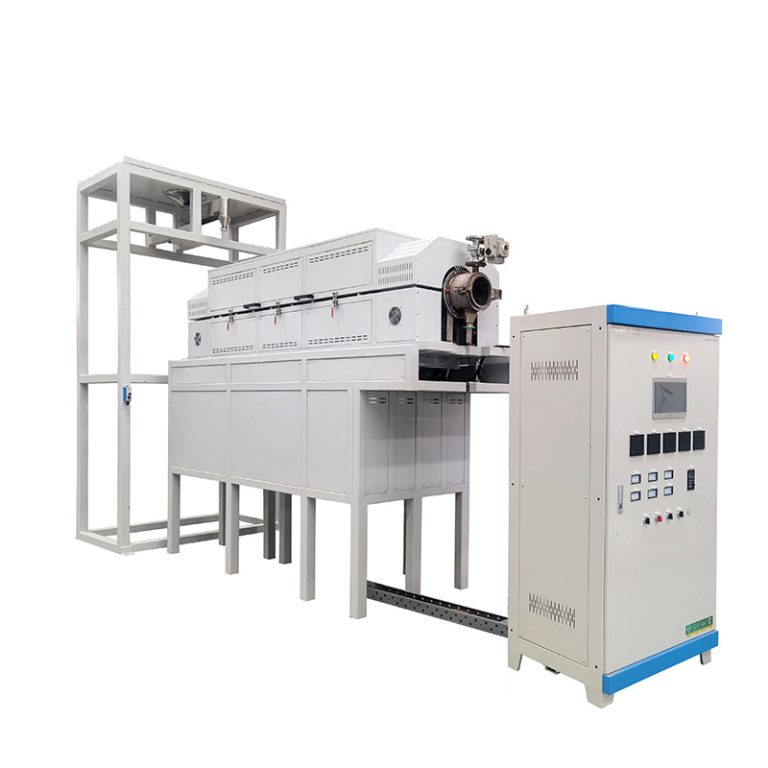
Luoyang Anjing Intelligence Equipment are a global leader in high-temperature electric furnaces



What Are the Different Types of Lab Furnaces?
The main types of lab furnaces include box furnaces, tube furnaces, bottom-loading furnaces, enamel frit furnaces, fire test furnaces, pit furnaces, rotary furnaces, thermal shock furnaces, and hot press furnaces, each designed for different laboratory heating and material-processing applications.
I. Which Lab Furnace Should You Choose?
Lab furnaces, also called laboratory or experimental electric furnaces, are used for high-temperature material testing, heat treatment, sintering, calcination, small-batch processing, and scientific research. Choosing the right furnace depends on the sample size, required temperature, atmosphere, heating profile, and processing method.
Compared to industrial furnaces, laboratory furnaces place greater emphasis on temperature control precision, temperature field uniformity, program flexibility, compact size, and small-bpatch sample processing capabilities. They are mainly used in universities, research institutes, R&D laboratories, and companies developing new materials and processes.
II. What Are the Different Types of Lab Furnaces?
There is no single laboratory furnace suitable for every experiment. The furnace chamber, heating configuration, atmosphere, loading method, and process mechanics vary according to the material and application.
Here are the major types.
1. Box Furnace
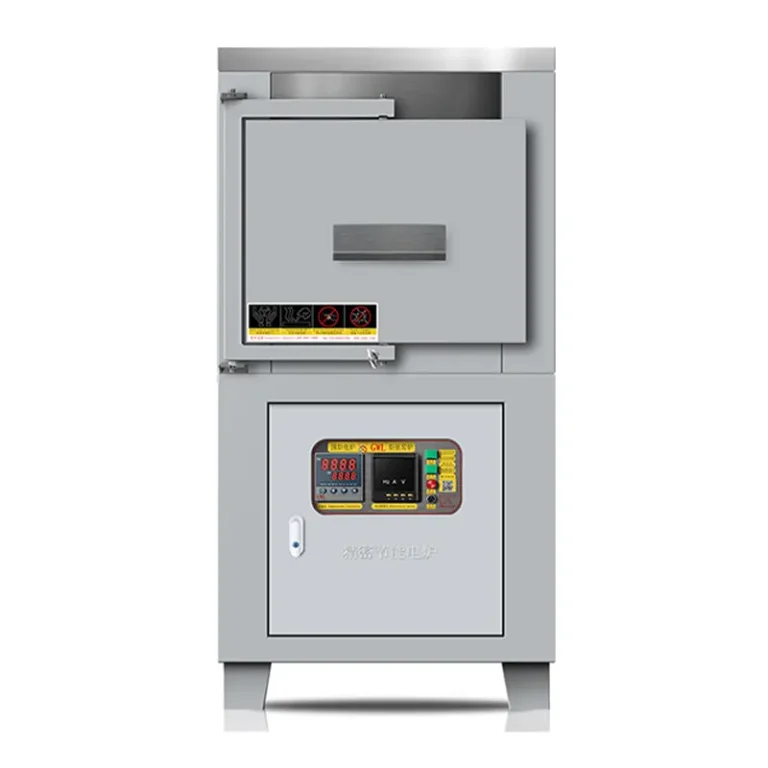
A box furnace, often called a laboratory muffle furnace, is one of the most versatile types of lab furnace.
Its rectangular chamber is designed for batch processing of samples, crucibles, small components, powders, and ceramic materials. It is commonly used for:
- General heat treatment
- Ashing
- Calcination
- Sintering
- Ceramic processing
- Small-workpiece heat treatment
- Materials testing
Anjing box furnaces cover a temperature range of 1000℃ to 1600℃ and above, with various configurations including top-opening, double-door, and rotating sample stage options. For laboratories, general-purpose high-temperature furnaces are often a good starting point, and box furnaces are typically a good choice.

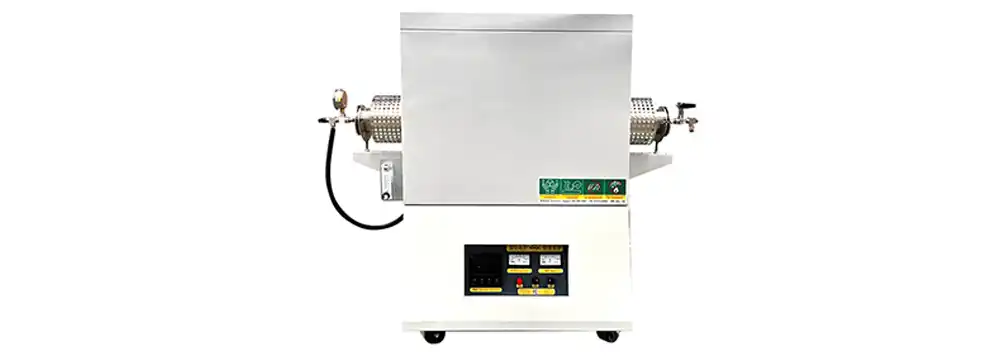
2. Tube Furnace
tube furnace are experimental devices specifically designed for controlled processing within furnace tubes.
Depending on temperature and process requirements, the furnace tubes can be made of quartz, ceramic, or metal. Because the furnace tubes can be connected to gas systems or vacuum equipment, tube furnaces are particularly suitable for atmosphere-controlled experiments.
Common applications include:
- Atmosphere-protected sintering
- Materials synthesis
- Powder processing
- Chemical reactions
- High-temperature research
- Oxidation or reduction studies
Anjing’s tube furnace series includes single-zone, multi-zone, vacuum, and high-temperature models, with a maximum temperature of approximately 1700℃.
For atmosphere-controlled experiments, tube furnaces are generally superior to ordinary box furnaces.
3. Bottom-Loading Furnace
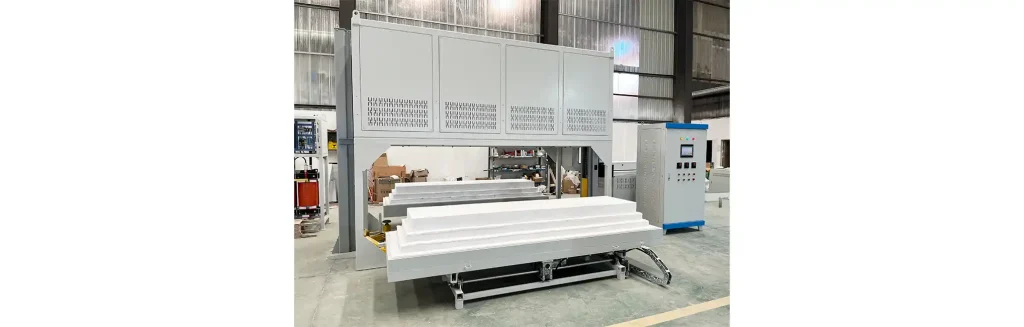
A bottom-loading furnace, also called a lift furnace in some applications, uses a movable furnace chamber or platform that allows the sample to be loaded from below.
This design can make loading and unloading heavy or large specimens easier while reducing the need for operators to reach into a hot chamber.
Typical applications include:
- Large or heavy laboratory samples
- High-temperature sintering
- Ceramic processing
- Material development
- Industrial process verification
Anjing currently offers experimental bottom-loading/lifting furnace configurations including laboratory models reaching around 1600°C–1700°C.
4. Enamel Frit Furnace
An enamel frit furnace is designed specifically for applications involving enamel, glaze, glass-frit, and related materials.
These furnaces are commonly used for:
- Enamel frit melting
- Glass-frit preparation
- Ceramic glaze research
- Small-batch formulation development
This type of furnace is more specialized than a standard box furnace because its application is closely associated with glass, enamel, and ceramic glaze processing. Anjing lists enamel frit furnaces within its experimental electric furnace portfolio.

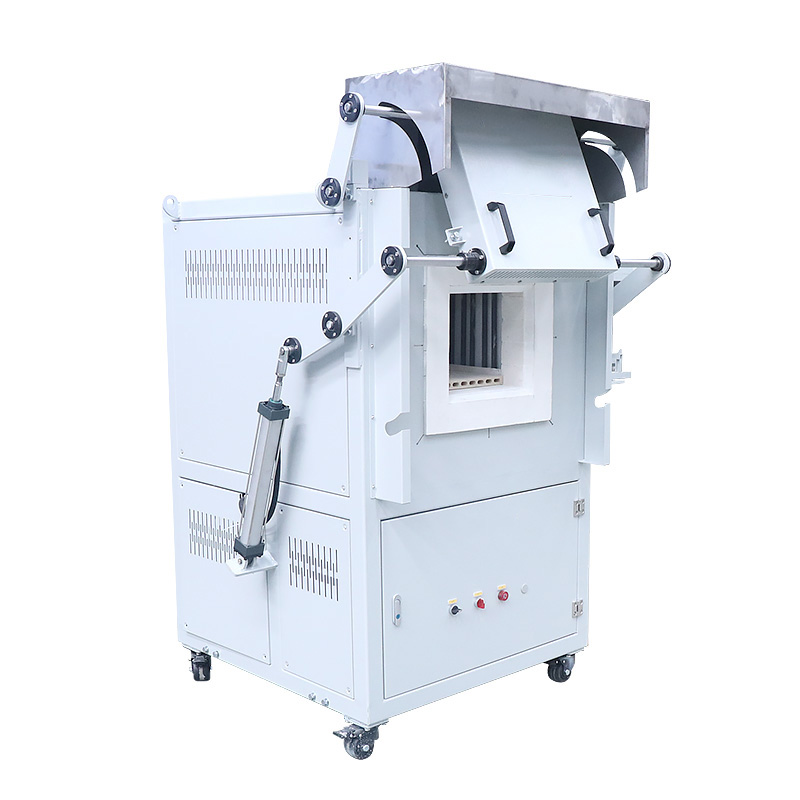
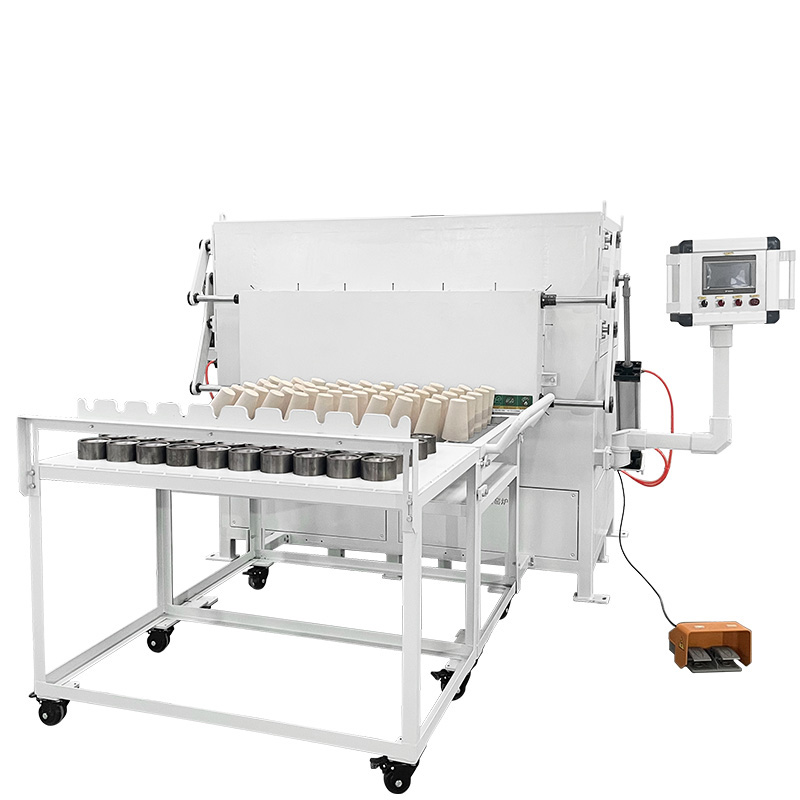
5. Fire Test Furnace
A fire test furnace is designed for controlled high-temperature testing of materials and components under fire or heat-exposure conditions.
Typical applications include:
- Fire resistance testing
- Material performance evaluation
- High-temperature testing
- Research and development
- Laboratory safety and compliance testing
Anjing’s experimental furnace category includes fire-test equipment, including a 1400°C top-loading fire assay furnace for materials testing and research.
6. Pit Furnace
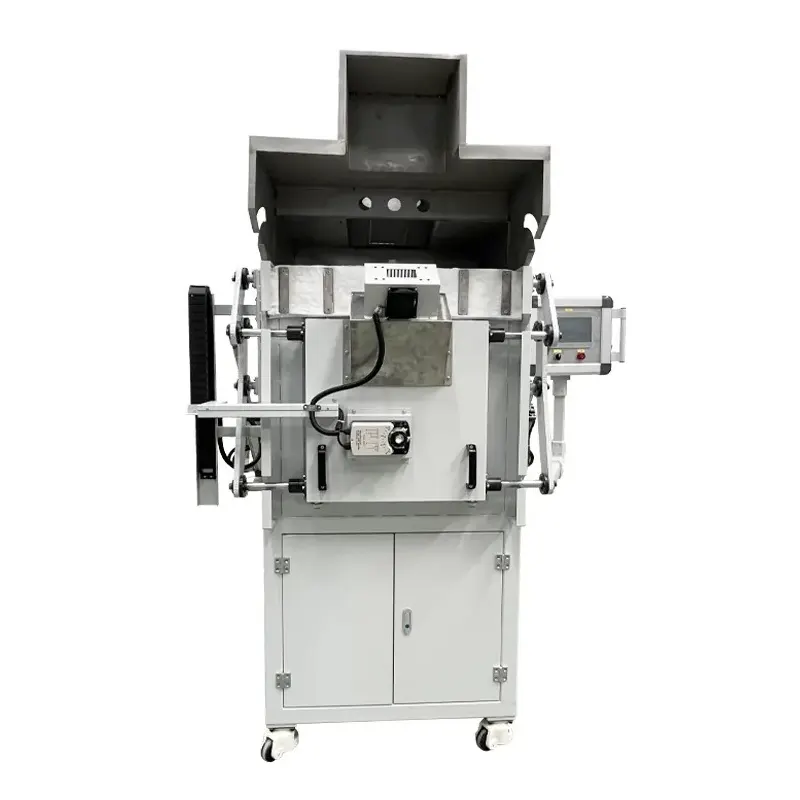
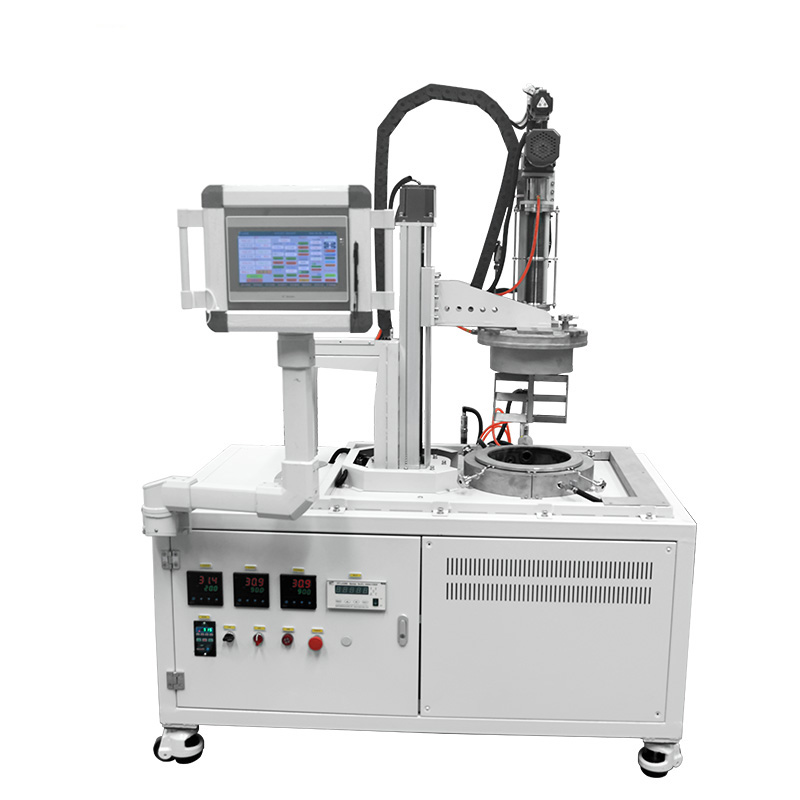
A pit furnace is vertically oriented, with the workpiece or sample placed into a deep furnace chamber.
This configuration is useful for elongated, shaft-like, or deep-hole components that may not fit efficiently inside a conventional horizontal box furnace.
Laboratory applications can include:
- Heat treatment of shaft parts
- Deep-hole component processing
- Metal heating experiments
- Uniform heating of vertically positioned samples
Anjing identifies pit furnaces as one of its experimental electric furnace types and also offers vacuum and industrial pit-furnace configurations for more specialized processes.
7. Rotary Furnace
A rotary furnace rotates or moves the processed material during heating.
This is particularly useful for powders, granular materials, and processes where continuous material movement can improve mixing and heat exposure.
Typical laboratory applications include:
- Powder calcination
- Ceramic sintering
- Chemical raw-material processing
- New-material development
A rotary laboratory furnace can provide a different processing environment from a stationary box furnace because the movement of the material can improve exposure consistency.
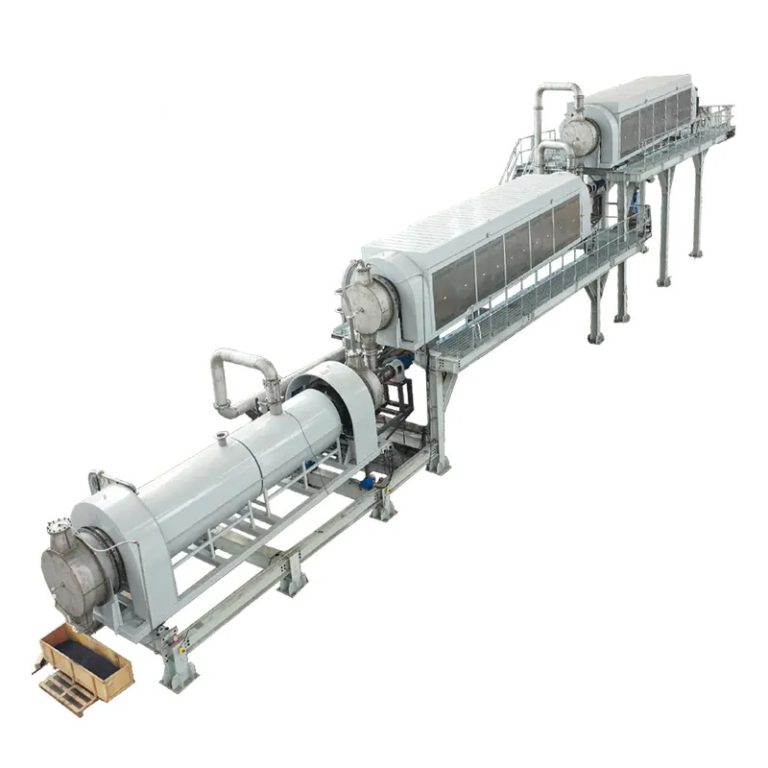
Anjing also offers rotary tube configurations integrating functions such as rotation, vacuum, atmosphere protection, and tilting for powder and new-material research.

8. Thermal Shock Furnace
A thermal shock furnace is designed specifically to expose materials to rapid temperature changes.
Unlike a conventional laboratory furnace, which normally emphasizes controlled heating and holding, a thermal shock furnace is designed to evaluate how a material responds when subjected to sudden heating or cooling.
Typical applications include:
- Thermal shock stability testing
- Crack-resistance evaluation
- Refractory testing
- Ceramic material research
- Rapid heating and cooling experiments
This makes the thermal shock furnace particularly valuable when the research objective is material durability rather than simply achieving a target temperature.

9. Hot Press Furnace
A hot press furnace combines high-temperature heating with mechanical pressure.
It is used when a material needs to be heated and simultaneously subjected to pressure during densification or forming.
Typical applications include:
- Powder metallurgy
- Advanced ceramic sintering
- High-performance material fabrication
- Densification research
- New-material development
Anjing’s experimental electric furnace portfolio includes vacuum-atmosphere hot press systems designed for advanced material research and pressure-controlled high-temperature processing.

What Factors Should You Consider When Buying a Lab Furnace?
| Selection Dimension | Description |
|---|---|
| Temperature Range | Determine actual process temperature, continuous operating temperature, and required safety margin. AJ’s experimental furnace portfolio covers conventional lab heating up to approximately 1700℃ for selected high-temperature configurations |
| Temperature Accuracy & Uniformity | For materials research, temperature reproducibility can be as important as maximum temperature. AJ’s experimental electric furnaces typically offer ±1~5℃ accuracy (exact specification depends on model) |
| Atmosphere Requirements | If the material is oxidation-sensitive or requires a controlled gas environment, consider a tube furnace, vacuum furnace, or atmosphere-controlled configuration instead of a standard chamber furnace |
| Chamber Size & Sample Weight | Small lab samples may require a compact furnace; large or heavy specimens may be better suited to a bottom-loading or pit-type configuration |
| Heating Profile | Processes such as ceramic sintering, annealing, binder burnout, and material synthesis may require programmable heating ramps, holding stages, and controlled cooling |
| Processing Method | Determine whether the material needs to remain stationary, rotate during heating, undergo rapid temperature changes, or be compressed under high temperature — this decides whether a conventional box furnace or a specialized furnace is appropriate |
III.Why Are Experimental Electric Furnaces Important for R&D?
A laboratory furnace does more than heat a sample. It provides a controlled environment in which researchers can establish and reproduce process parameters before investing in larger production equipment.
A typical workflow is:
Sample Preparation → Furnace Loading → Program Setting → Controlled Heating → Holding/Cooling → Data Analysis
Once the appropriate process parameters have been validated in the laboratory, they can be transferred into pilot or industrial-scale equipment.
IV.Summarize
Different types of laboratory furnaces are designed to meet different research and heat treatment needs. Box furnaces are versatile and suitable for general heat treatment; tube furnaces are suitable for experiments with controlled atmospheres; bottom-mounted and pit furnaces are suitable for large or special samples; rotary furnaces are used for powder processing; thermal shock furnaces are used to evaluate the rapid temperature change resistance of materials; and autoclaves combine heating and pressurization functions.
Luoyang Anjing Intelligence Equipment provides a broad range of experimental electric furnaces for laboratory and R&D applications, with configurations designed around temperature, atmosphere, chamber size, sample type, and processing method. Explore Anjing’s laboratory furnace solutions or contact the engineering team for a furnace recommendation based on your specific material and experimental requirements.
Click “Request a Quote” to get a customized solution.
V. FAQ Section
1. What is the most common type of laboratory furnace?
The box furnace, or laboratory muffle furnace, is one of the most versatile and commonly used types because it can support general heat treatment, calcination, ashing, sintering, and materials testing.
2. What is the difference between a box furnace and a tube furnace?
Box furnaces have an open furnace chamber, making them suitable for batch processing. Tube furnaces, on the other hand, place samples inside tubes for heating, making it easier to control the atmosphere, airflow, or vacuum conditions.
3. What type of furnace is best for ceramic sintering?
Box furnaces are suitable for most conventional ceramic sintering. For atmosphere control or special processes, tube furnaces, bottom load furnaces, rotary furnaces or hot press furnaces can be selected according to the material.
4. What type of laboratory furnace is used for thermal shock testing?
The thermal shock furnace is specifically designed for rapid cooling and heating cycle testing to evaluate the crack resistance and thermal shock resistance of materials.
5. How do I choose the right lab furnace?
Selection should be based on the material, process temperature, sample size, atmosphere, heating and cooling regime, and processing method, rather than solely on the highest temperature.
Supplier
Luoyang Anjing Intelligent Equipment Co., Ltd. is an enterprise dedicated to the research, development, production, sales, and technical services of heat treatment equipment such as high-temperature electric furnaces. We produce laboratory, vacuum, industrial, and medium frequency furnace, covering a temperature range from -100℃ to 2600℃, serving industries such as new energy, semiconductors, and advanced materials. We can provide customized solutions based on specific atmosphere, ultra-high temperature, and intelligent control system requirements. Please feel free to contact us if you are interested.