Luoyang Anjing Intelligence Equipment are a global leader in high-temperature electric furnaces



Industrial Furnace Selection Guide: How to Choose the Right Industrial Furnace
The right industrial furnace should be selected based on process temperature, material, production capacity, heating cycle, atmosphere, loading method, temperature uniformity, and automation requirements rather than maximum temperature alone.
I.What Is an Industrial Furnace?
Choosing an industrial furnace is a major investment because the wrong configuration can increase energy consumption, reduce production efficiency, and cause inconsistent product quality. Different processes require very different furnace structures, heating methods, atmospheres, and material-handling systems.
A laboratory furnace is a high-temperature electric heating system designed to provide a stable and controllable thermal environment for research, testing, and process development.
So, what are the different types of lab furnaces, and which one is right for your application? This guide compares the major laboratory furnace types, their typical uses, advantages, and key selection considerations, with reference to the experimental electric furnace solutions offered by Luoyang Anjing Intelligence Equipment.
II.What Should You Consider When Selecting an Industrial Furnace?
The most important mistake buyers make is choosing a furnace primarily according to its maximum temperature.
A better selection process starts with the actual production process.
1. Determine the Required Operating Temperature
First, identify the actual process temperature, not just the material’s melting point or the furnace’s maximum rating.
For example, industrial processes may require:
- 200–600°C for drying, coating curing, and some adhesive-treatment processes
- Above 1200°C for ceramic firing, high-temperature sintering, and other demanding thermal processes
- Specialized configurations extending to approximately 2600°C for selected high-temperature applications
When choosing a furnace, also consider whether the target temperature must be maintained continuously or only reached for short production cycles.
2. Choose Between Batch and Continuous Production
Your production volume and process flow determine whether you need a batch furnace or continuous furnace.
Batch Furnace
Batch furnaces process a defined quantity of material in each cycle.
Typical advantages include flexibility, easy product changeover, and suitability for multi-product production.
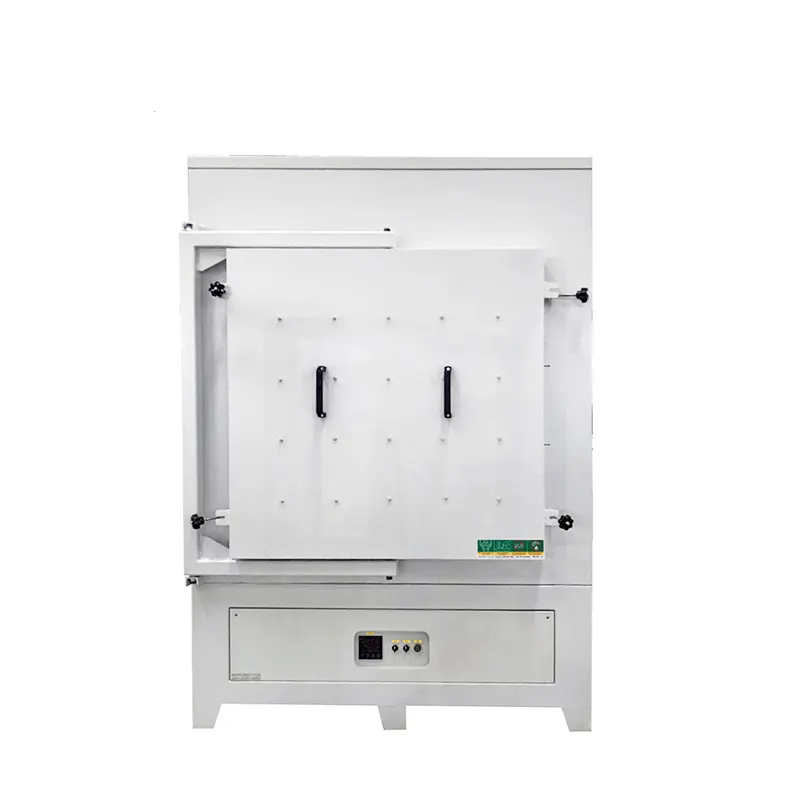
Common examples include:
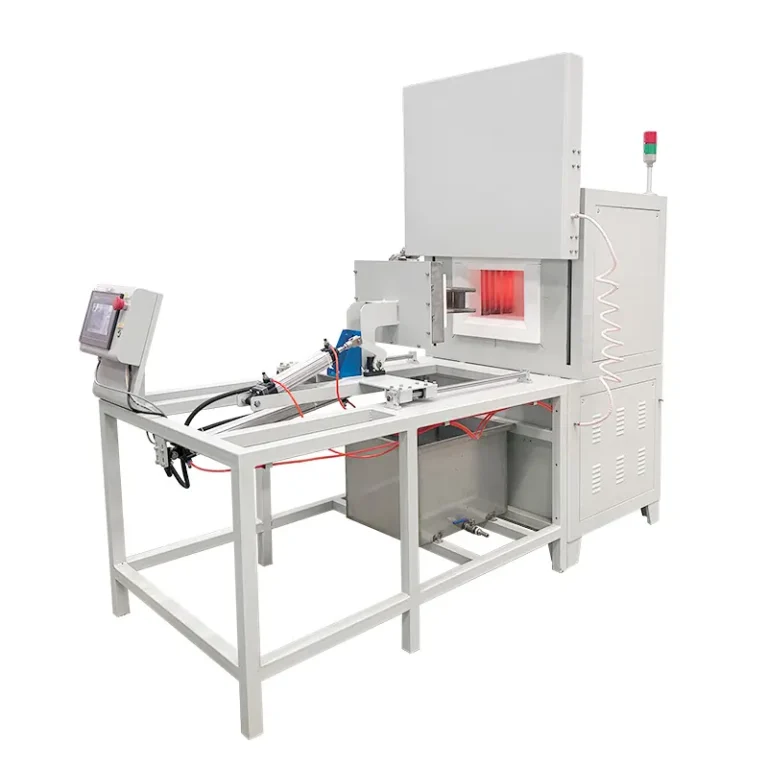
- Industrial box furnaces
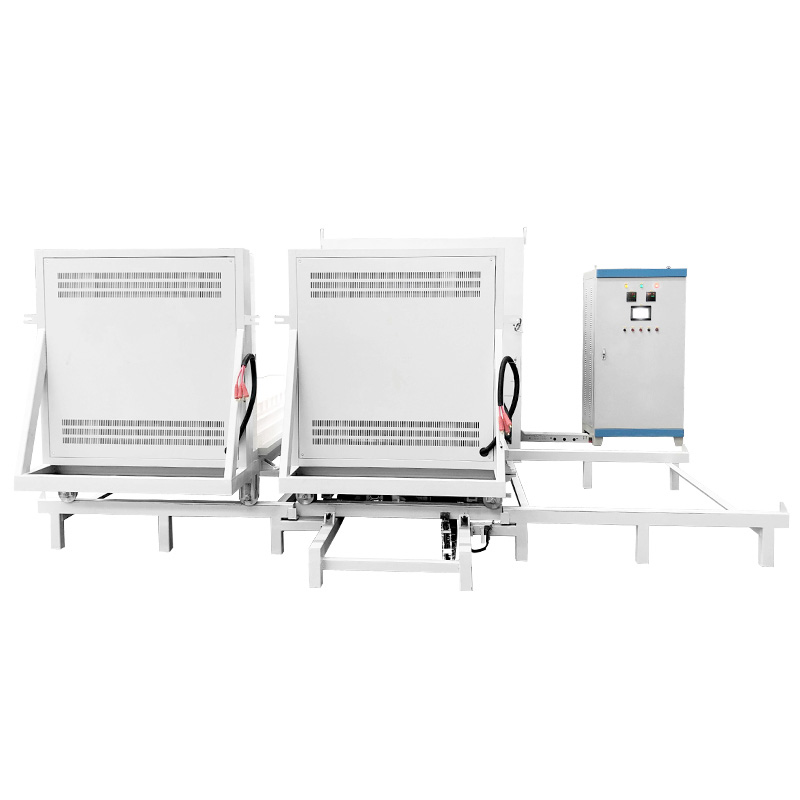
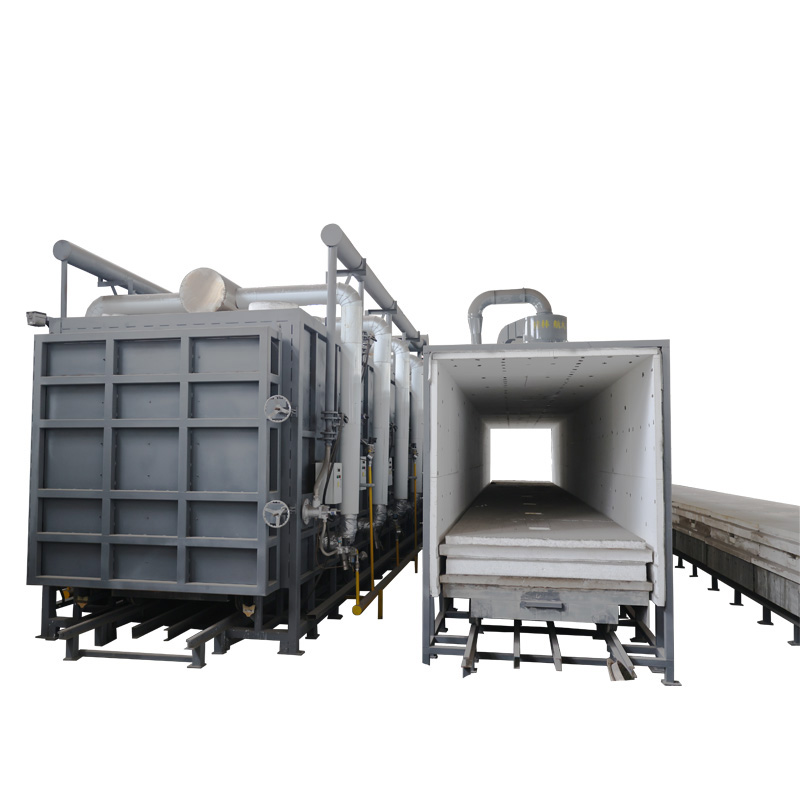
- Car bottom furnaces
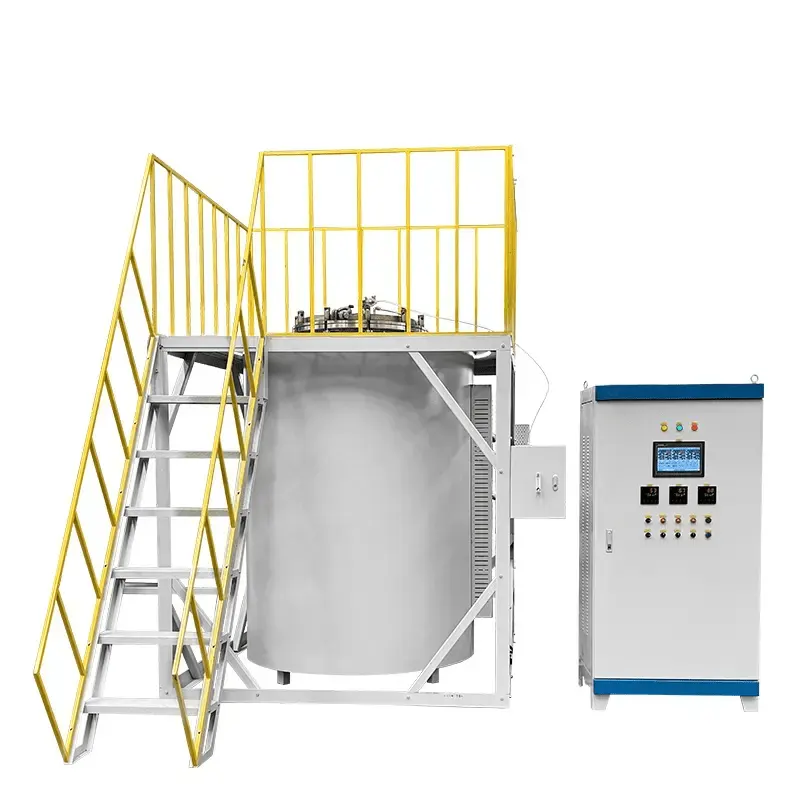
- Industrial pit furnaces
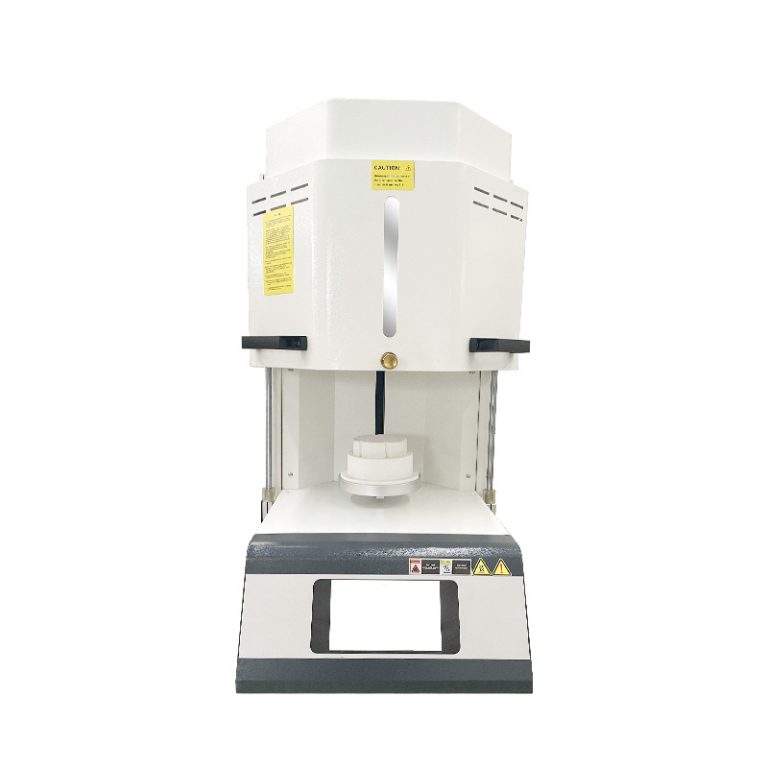
- Lifting furnaces
Batch equipment is generally attractive for manufacturers processing multiple products or materials with different thermal recipes.
Continuous Furnace
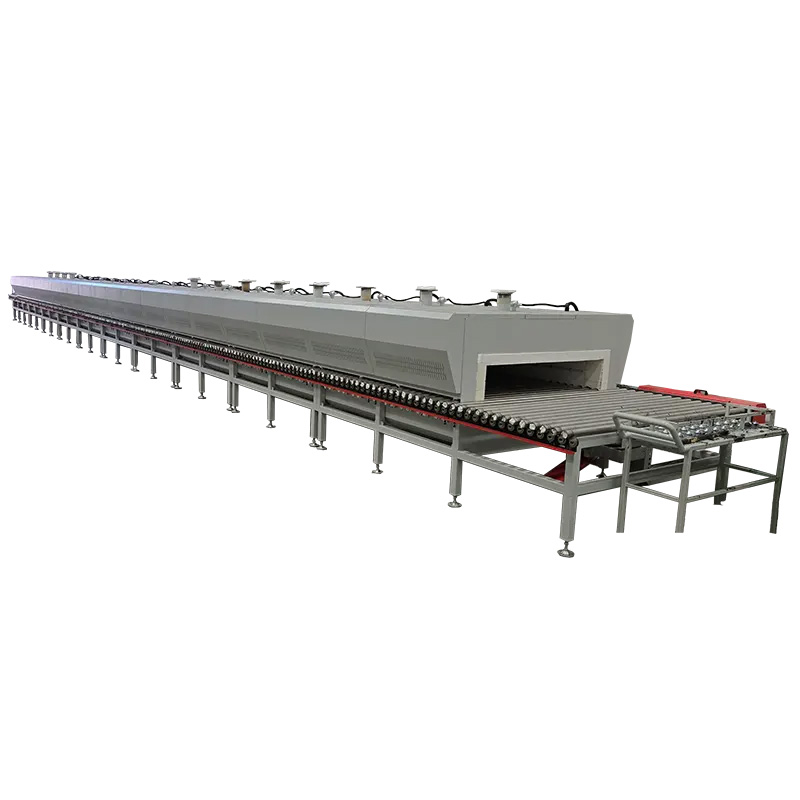
Continuous furnaces continuously move material through different temperature zones or processing stages.
Typical examples include:
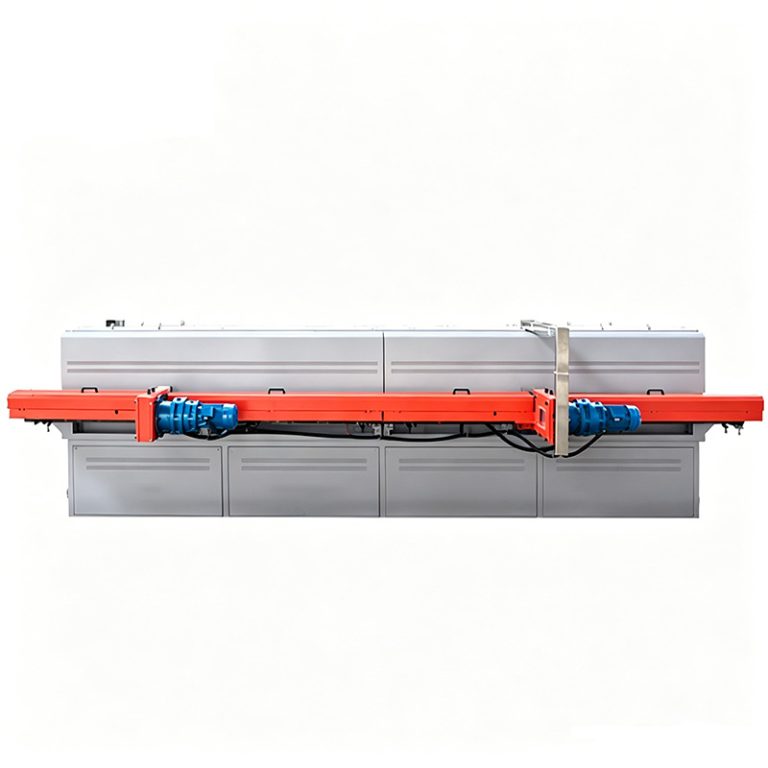
- Pusher plate kilns
- Tunnel kilns
- Roller hearth kilns
- Mesh belt furnaces
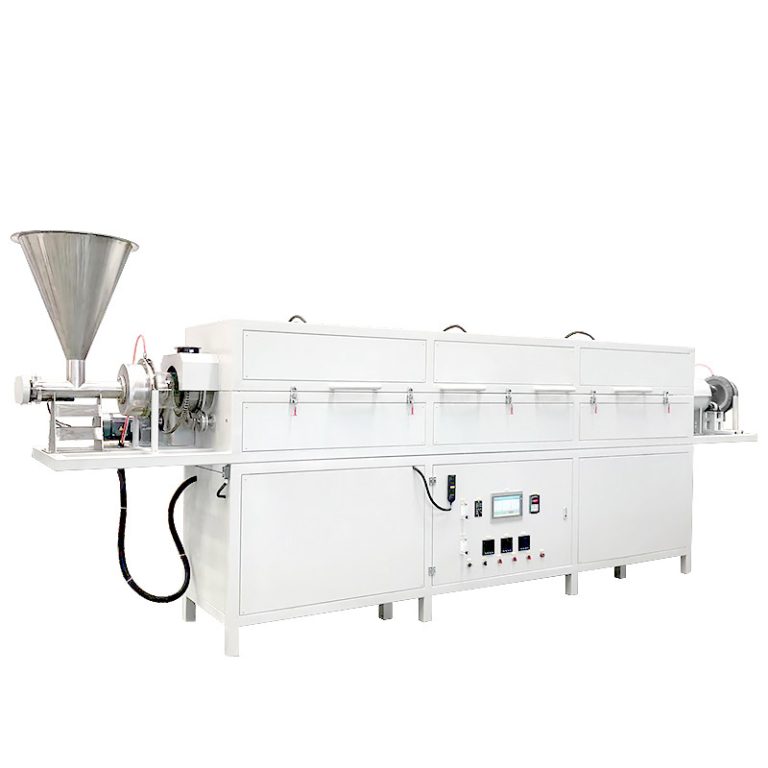
- Industrial rotary kilns
Continuous systems are particularly suitable for high-volume production where stable throughput and repeatable thermal cycles are important.
Anjing’s industrial furnace range specifically covers both continuous and batch processing and includes pusher furnaces, rotary furnaces, roller hearth kilns, tunnel kilns, box furnaces, and other configurations.
3. Match the Furnace Type to Your Material
Different materials require different heating environments.
Metals
Metal components may require annealing, tempering, hardening, solution treatment, carburizing, or carbonitriding.
Industrial box, pit, car bottom, lifting, and atmosphere furnaces can be considered depending on workpiece dimensions, production volume, and atmosphere requirements.
Anjing lists applications across ferrous and non-ferrous metals, including machinery, molds, tools, gears, bearings, crankshafts, high-temperature alloys, and titanium alloys.
Ceramics and Glass
Ceramic and glass processing can involve sintering, firing, annealing, melting, or tempering.
For these applications, temperature uniformity, insulation structure, heating-element selection, and heating profile become especially important.
Anjing lists advanced ceramics including alumina, zirconia, silicon carbide, and silicon nitride among its industrial furnace applications, together with glass melting and annealing.
Powders and Granular Materials
Powder materials often benefit from furnace systems that can provide controlled movement, atmosphere protection, or continuous residence time.
Rotary kilns are particularly useful when material tumbling and continuous processing are required.
Chemicals and Coatings
Chemical materials may require calcination, activation, decomposition, reduction, or coating curing.
In these applications, furnace atmosphere and exhaust treatment may be as important as heating temperature.
Anjing lists reduction atmospheres for certain chemical and powder applications and includes exhaust gas purification/debinding furnace systems within its industrial product range.
4. Do You Need an Atmosphere-Controlled Industrial Furnace?
Not every thermal process can be performed safely or consistently in ordinary air.
Materials that are sensitive to oxidation may require a controlled atmosphere such as nitrogen, argon, hydrogen, or another process gas.
Atmosphere control can be important for:
- Metal heat treatment
- Powder reduction
- Oxidation-sensitive materials
- Advanced ceramics
- Specialty material synthesis
- High-temperature chemical processing
Anjing’s industrial portfolio includes specialized atmosphere and reduction furnace configurations. The website also identifies a 1200°C hydrogen-atmosphere pit furnace for tungsten and molybdenum processing and atmosphere-controlled lifting and rotary furnace systems.
When specifying an atmosphere-controlled furnace, buyers should define the required gas, flow rate, operating pressure, sealing requirements, exhaust arrangement, and safety interlocks.
5. Evaluate Temperature Uniformity and Control Accuracy
A furnace that reaches the correct temperature but produces significant temperature differences across the working chamber may still fail the production requirement.
Temperature uniformity is therefore a critical selection parameter.
An industrial furnace may use:
- Multi-zone heating
- Independent temperature control
- Multiple thermocouples
- Intelligent temperature controllers
- PLC-based automation
- Programmable heating and cooling curves
Anjing states that its industrial electric furnaces use intelligent temperature controllers and PLC systems, with programmable multi-segment heating/cooling and independent control of multiple temperature zones. The stated furnace temperature uniformity can reach ≤ ±5°C, depending on furnace size and configuration.
6. Consider Furnace Loading and Unloading
The physical characteristics of your workpiece often determine the furnace structure.
Car Bottom Furnace
A car bottom furnace uses a movable hearth or cart, making it suitable for large and heavy workpieces.
It can be useful for large metal components, refractory products, and heavy batch loads.
Pit Furnace
A pit furnace loads workpieces vertically and can be advantageous for long or vertically oriented components.
Lifting Furnace
A lifting furnace uses a lifting chamber or platform, which can simplify loading of certain heavy or large workpieces.
Pusher Furnace
A pusher kiln continuously moves products through the furnace and is designed for higher-throughput production.
The industrial furnace selection page from Anjing includes car bottom, pusher, lifting, pit, box, tubular, rotary, roller hearth, and tunnel configurations.
7. Check the Insulation and Energy-Efficiency Design
Furnace energy consumption is strongly influenced by the insulation system, furnace shell design, operating temperature, cycle time, door openings, and production load.
Anjing states that its industrial furnaces use high-purity alumina fiber or lightweight refractory brick with multi-layer composite insulation. The company states that this design provides low heat storage and can achieve energy savings of more than 50% compared with traditional kiln configurations, while the stated furnace shell temperature is ≤45°C. Actual energy performance, however, depends on furnace size and operating conditions.
When comparing suppliers, request energy consumption data under comparable operating conditions rather than relying only on general efficiency claims.
8. Consider Automation and Safety
For industrial production, furnace automation should extend beyond basic temperature control.
A modern industrial furnace may integrate:
Temperature controller → PLC → Multi-zone heating → Program management → Alarm system → Safety interlocks → Data monitoring
Important protection functions may include:
- Over-temperature protection
- Thermocouple-break protection
- Overcurrent protection
- Door-opening power-off
- Power-failure protection
- Gas safety systems
- Hydrogen leak detection for applicable reduction furnaces
Anjing states that its industrial electric furnace systems include dual-circuit protection and safety functions such as over-temperature alarms, thermocouple-break protection, overcurrent protection, door-opening power-off on box-type systems, and hydrogen leak detection on reduction furnaces.
For automated production lines, PLC and communication requirements should be specified before equipment design begins.
Industrial Furnace Selection Guide: Which Type Is Right for You?
| Production Requirement | Suitable Furnace Type |
|---|---|
| Large and heavy workpieces | Car Bottom Furnace |
| Long or vertically positioned parts | Pit Furnace |
| General batch heat treatment | Industrial Box Furnace |
| Continuous high-volume production | Pusher Plate Kiln / Tunnel Kiln |
| Flat or shaped products requiring continuous movement | Roller Hearth Kiln |
| Powder and granular material processing | Industrial Rotary Kiln |
| Wire or tubular continuous treatment | Industrial Tubular Furnace |
| Drying and lower-temperature thermal processing | Electric Drying Oven |
| Debinding and VOC treatment | Exhaust Gas Purification / Debinding Furnace |
| Atmosphere-controlled thermal processing | Atmosphere / Reduction Furnace |
This table is a starting point rather than a universal rule. Furnace configuration should ultimately be determined by the material, thermal cycle, production throughput, atmosphere, loading method, and required temperature uniformity.
III.Why Work With an Industrial Furnace Manufacturer?
Industrial furnace performance depends on the interaction of mechanical design, thermal engineering, insulation, heating elements, temperature control, atmosphere technology, and production automation.
Choosing a manufacturer capable of engineering the entire system can therefore simplify procurement and reduce integration problems.
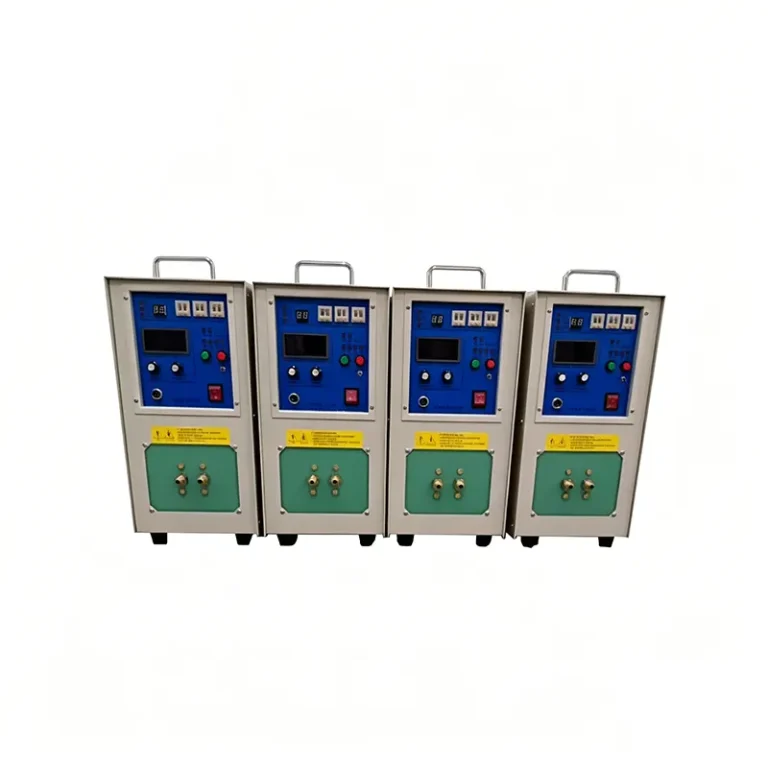
Luoyang Anjing Intelligence Equipment identifies itself as a company specializing in heat-treatment technology services and the R&D, manufacturing, and sales of high-temperature electric furnaces. Its listed product range includes experimental electric furnaces, vacuum atmosphere furnaces, industrial kilns, and induction heating equipment. The company also states that it has ISO9001 and EU CE certifications.
For buyers planning a new production line, the supplier’s engineering capabilities can be just as important as the furnace’s rated temperature.
IV.Summarize
The right industrial furnace is determined by the complete production process, not maximum temperature alone. Before purchasing, evaluate operating temperature, batch or continuous production, material characteristics, atmosphere, furnace capacity, temperature uniformity, insulation, loading method, automation, safety, and energy consumption.
Luoyang Anjing Intelligence Equipment provides a broad range of industrial electric furnaces, including car bottom furnaces, pusher kilns, tunnel kilns, rotary kilns, roller hearth kilns, industrial box furnaces, industrial tubular furnaces, lifting furnaces, pit furnaces, drying ovens, and specialized atmosphere and debinding systems.
Need help selecting an industrial furnace? Contact Luoyang Anjing Intelligent Equipment and provide information such as your materials, process temperature, capacity, atmosphere requirements, and workpiece dimensions to obtain a customized furnace solution.
Click “Request a Quote” to get a customized solution.
V. FAQ Section
1. How do I choose the right industrial furnace?
Start with the process requirements: material type, operating temperature, production volume, batch or continuous operation, atmosphere, workpiece dimensions, heating profile, temperature uniformity, and loading method. These factors determine the appropriate furnace structure.
2. What is the difference between a batch furnace and a continuous furnace?
Batch furnaces process materials in batches, allowing for flexible product switching; continuous furnaces allow materials to pass through continuously, making them suitable for mass production.
3. What temperature range do industrial electric furnaces cover?
The exact temperature depends on the type and specific configuration of the furnace.
4. Do industrial furnaces need atmosphere control?
Not necessarily. An air atmosphere is suitable for many processes, but for easily oxidized materials, reduction processes, or special heat treatments, a controlled atmosphere such as nitrogen, argon, or hydrogen may be required.
5. How important is furnace temperature uniformity?
If all materials in the furnace need to be heated evenly, then temperature uniformity is particularly important. This relies on multi-zone heating, independent temperature control for each zone, proper placement of thermocouples, and good insulation.
Supplier
Luoyang Anjing Intelligent Equipment Co., Ltd. is an enterprise dedicated to the research, development, production, sales, and technical services of heat treatment equipment such as high-temperature electric furnaces. We produce laboratory, vacuum, industrial, and medium frequency furnace, covering a temperature range from -100℃ to 2600℃, serving industries such as new energy, semiconductors, and advanced materials. We can provide customized solutions based on specific atmosphere, ultra-high temperature, and intelligent control system requirements. Please feel free to contact us if you are interested.