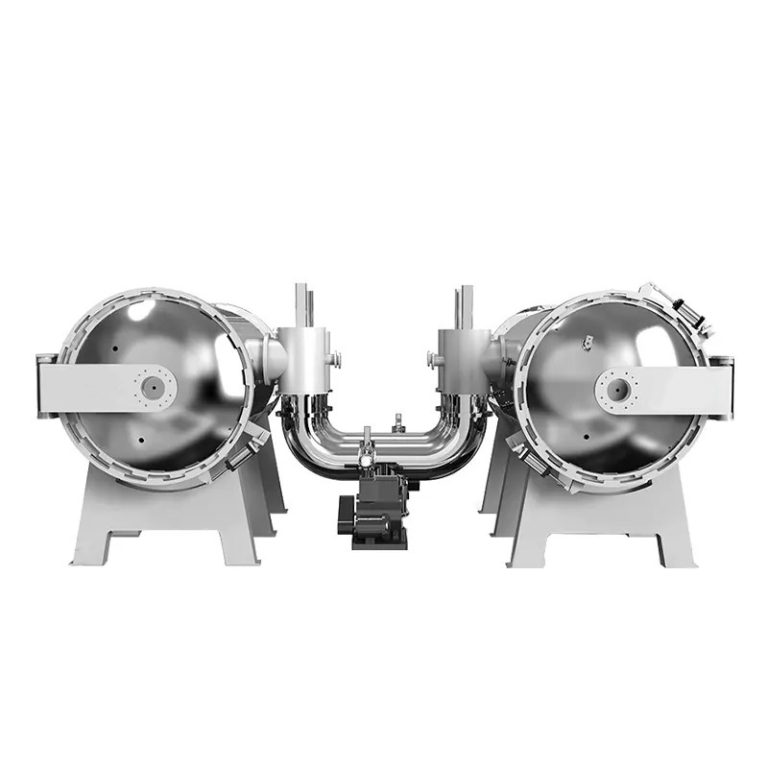
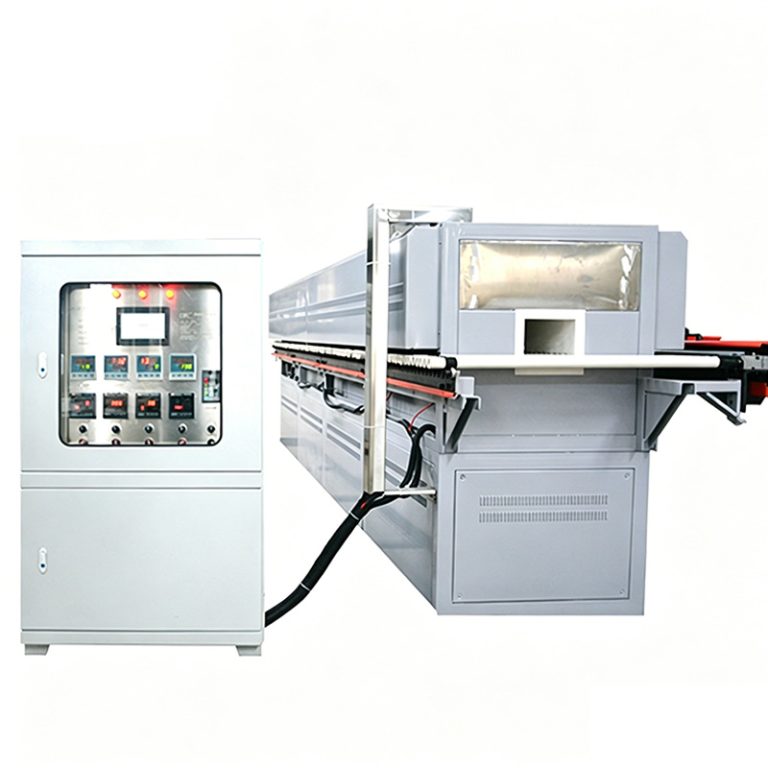
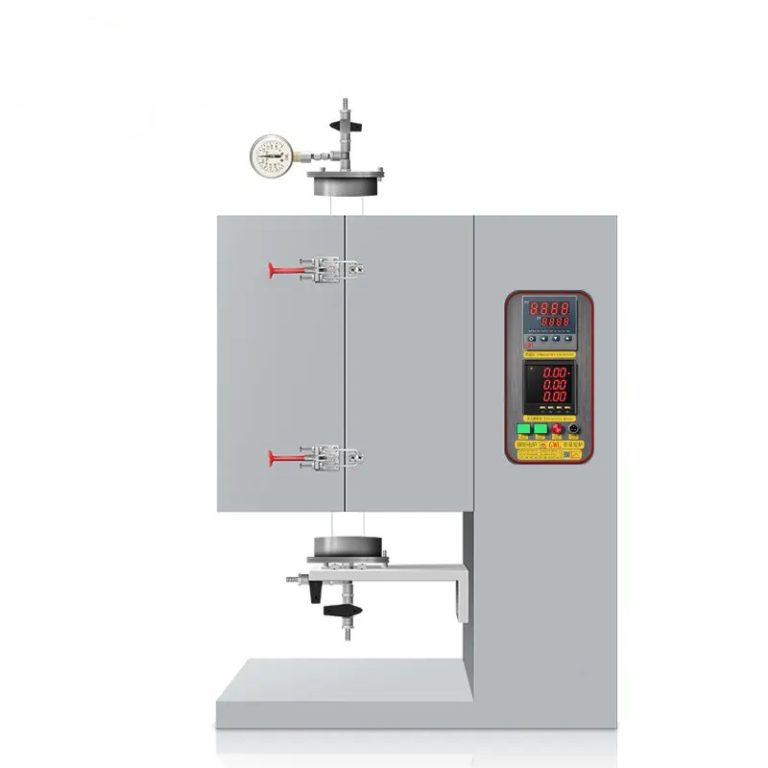
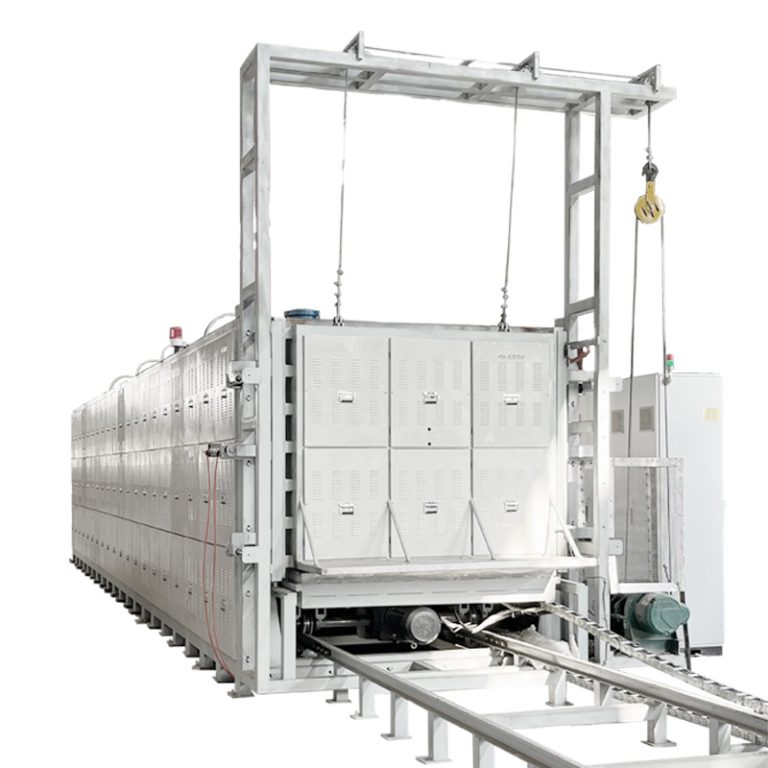
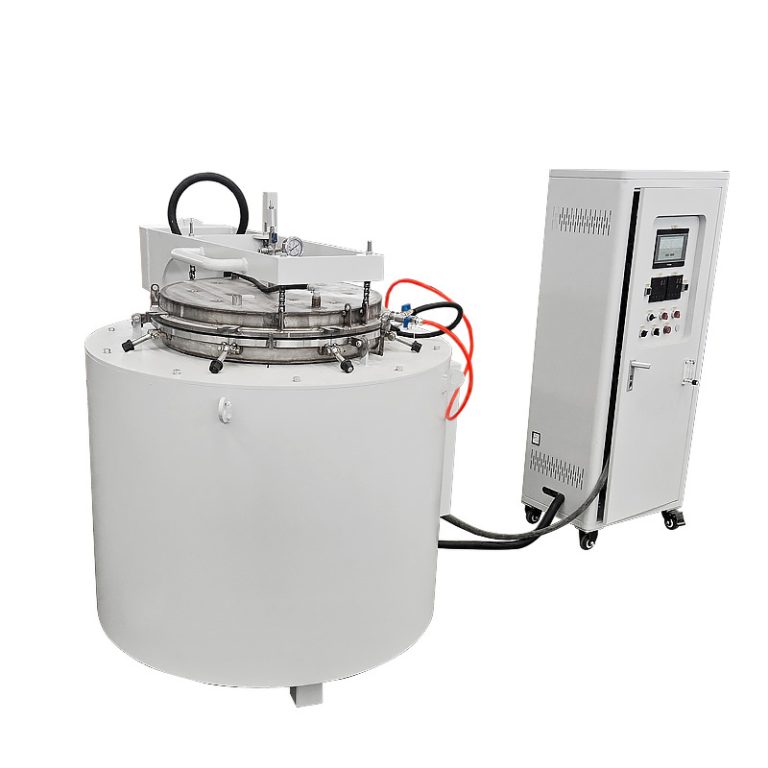
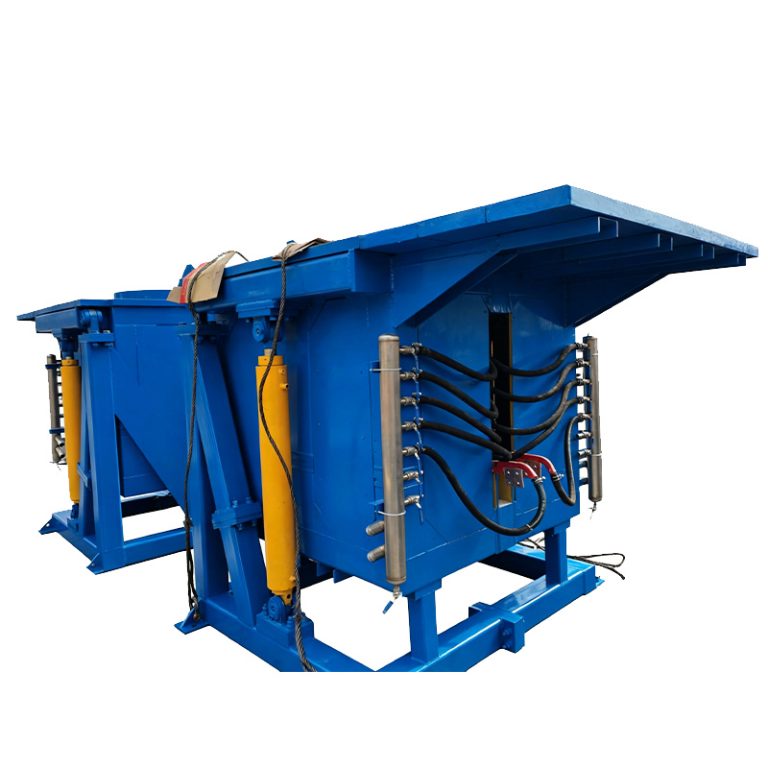
Luoyang Anjing Intelligence Equipment are a global leader in high-temperature electric furnaces



What Is the Purpose of Calcination? A Complete Guide
The purpose of calcination is to heat a material to a controlled high temperature to cause thermal decomposition, remove moisture or volatile components, eliminate organic matter, or change its crystal structure and physical properties before further processing.
I. What Is Calcination?
Calcination is a widely used thermal-treatment process in ceramics, minerals, cement, metallurgy, chemicals, catalysts, and advanced materials manufacturing. By heating a solid material below its melting point, calcination can drive off volatile components, decompose compounds, modify crystal structures, and improve the material’s properties.
Calcination is a thermal treatment in which a solid material is heated to an elevated temperature under controlled conditions, generally below its melting point.Unlike melting, calcination is intended to cause a chemical or physical transformation rather than completely liquefy the material.A simplified calcination process can be represented as:
Raw Material → Controlled Heating → Decomposition / Transformation → Calcined Material → Subsequent Processing
The exact reaction depends on the composition of the starting material.
But what is the actual purpose of calcination, and why is precise furnace control so important? This guide explains the calcination process, its main objectives, common applications, required temperatures and atmospheres, and how to select the right high-temperature furnace system for calcination.
II.What Is the Main Purpose of Calcination?
The purpose of calcination depends on the material and the production process, but several objectives are particularly common.
1. Remove Moisture and Volatile Components
One important purpose of calcination is removing water and other volatile substances from a material.
Some raw materials contain:
- Adsorbed moisture
- Crystalline water
- Solvents
- Volatile compounds
- Organic residues
Controlled heating can remove these components before subsequent processing.
Removing unwanted volatile materials can improve the stability and consistency of the feedstock.
2. Cause Thermal Decomposition
Calcination is commonly used to decompose a chemical compound into one or more new solid products.
For example, carbonate materials can release carbon dioxide when heated, while hydroxides can release water.
This is particularly important in:
- Mineral processing
- Chemical manufacturing
- Catalyst production
- Ceramic raw materials
- Metal oxide production
The furnace must provide enough thermal energy to drive the reaction while preventing unnecessary overheating.
3. Modify Crystal Structure and Phase
Another important purpose of calcination is phase transformation.
Heating can cause a material’s crystal structure to change from one phase to another. This can substantially alter its:
- Reactivity
- Hardness
- Density
- Surface properties
- Chemical stability
- Sintering behavior
In advanced materials research, calcination is often used as a controlled step before sintering or other thermal treatment.
This is one reason researchers need precise temperature programming instead of simply placing a material in a furnace and heating it to a high temperature.
4. Improve Material Reactivity
Calcination can increase or decrease the reactivity of a material depending on the process.
For some minerals and chemical compounds, decomposition produces a more reactive product that is easier to process in a subsequent reaction.
For example, calcined oxides can be used as feedstocks for further synthesis or manufacturing processes.
In catalyst manufacturing, controlled calcination can also influence the final phase composition, pore structure, and surface characteristics of catalyst materials.
5. Remove Organic Matter
Calcination may also remove organic impurities or residual organic components from powders and other feedstocks.
This can be particularly important in materials processing where organic contamination could interfere with later sintering, coating, or chemical reactions.
However, when the primary objective is specifically the controlled removal of polymers, waxes, or binders from shaped components, the process is generally described as debinding or dewaxing rather than calcination.
6.What Materials Are Commonly Calcined?
Calcination is used across many industries.
Minerals:Mineral processing often uses calcination to decompose carbonates, hydroxides, and other mineral compounds.
Ceramics:Ceramic powders may be calcined to control phase composition, remove volatile materials, and prepare powders for later shaping or sintering.
Metal Oxides:Calcination is commonly used to produce or modify metal oxides from precursor compounds.Depending on the process, calcination can influence particle size, phase structure, and chemical activity.
Battery and Advanced Materials:Certain cathode and precursor materials require carefully controlled thermal treatment to achieve the desired crystal phase and chemical composition.Because these materials can be sensitive to temperature and atmosphere, furnace uniformity and process repeatability become especially important.
Catalysts:Catalyst precursors are often calcined to remove volatile components and create the desired active or support structure.
7.What Temperature Is Used for Calcination?
There is no universal calcination temperature.
The correct temperature depends on:
Material composition + target reaction + heating rate + atmosphere + residence time
Different materials may calcine at very different temperatures.
Some processes occur at several hundred degrees Celsius, while ceramic, mineral, and advanced-material applications may require temperatures above 1000°C.
The temperature should be high enough to complete the intended reaction but not unnecessarily high.
Excessive temperature can cause problems such as:
- Particle coarsening
- Unwanted phase formation
- Excessive densification
- Reduced surface area
- Material agglomeration
- Increased energy consumption
This is why a calcination furnace needs accurate and repeatable temperature control rather than simply a high maximum temperature.
8.Why Is Temperature Control Important During Calcination?
Temperature control directly affects the chemical and physical transformation of the material.
A calcination process may include several stages:
Preheating → Ramp → Calcination Hold → Controlled Cooling
Each stage can influence the final result.
For example, the heating rate may determine how quickly moisture or volatile components leave the material. The holding temperature and residence time determine how completely the desired reaction occurs.
If the temperature is too low, decomposition may be incomplete.
If the temperature is too high or the residence time is too long, unwanted phase changes or excessive grain growth may occur.
This makes temperature uniformity especially important for batch calcination.
A temperature difference between different areas of the furnace can cause different samples—or different parts of the same production batch—to experience different calcination conditions.
9.Does Calcination Require a Special Atmosphere?
Not every calcination process requires a controlled atmosphere.
Some materials are intentionally calcined in air because oxidation is part of the process.
Other materials may require:
- Nitrogen
- Argon
- Vacuum
- Reducing atmosphere
- Controlled oxygen concentration
The required atmosphere depends on the chemistry of the material and the desired reaction.
For example, an oxidation-sensitive material may require an inert atmosphere, while some precursor materials must be calcined in air to obtain the desired oxide phase.
Therefore, when specifying a calcination furnace, the atmosphere should be defined together with the temperature profile.
Calcination vs. Sintering: What Is the Difference?
| Feature | Calcination | Sintering |
|---|---|---|
| Primary purpose | Decomposition / transformation | Densification / bonding |
| Typical material | Powders, minerals, precursors | Ceramic or metal compact |
| Main mechanism | Thermal decomposition or phase change | Particle diffusion and densification |
| Product form | Often powder or oxide | Dense or semi-dense component |
| Temperature | Process dependent | Usually high relative to material |
| Atmosphere | Air, inert, vacuum, or other | Air, inert, vacuum, reducing, etc. |
In some production processes, calcination occurs before sintering.
For example:
Raw Precursor → Calcination → Powder Preparation → Forming → Sintering
This sequence is common in advanced materials and ceramic processing.
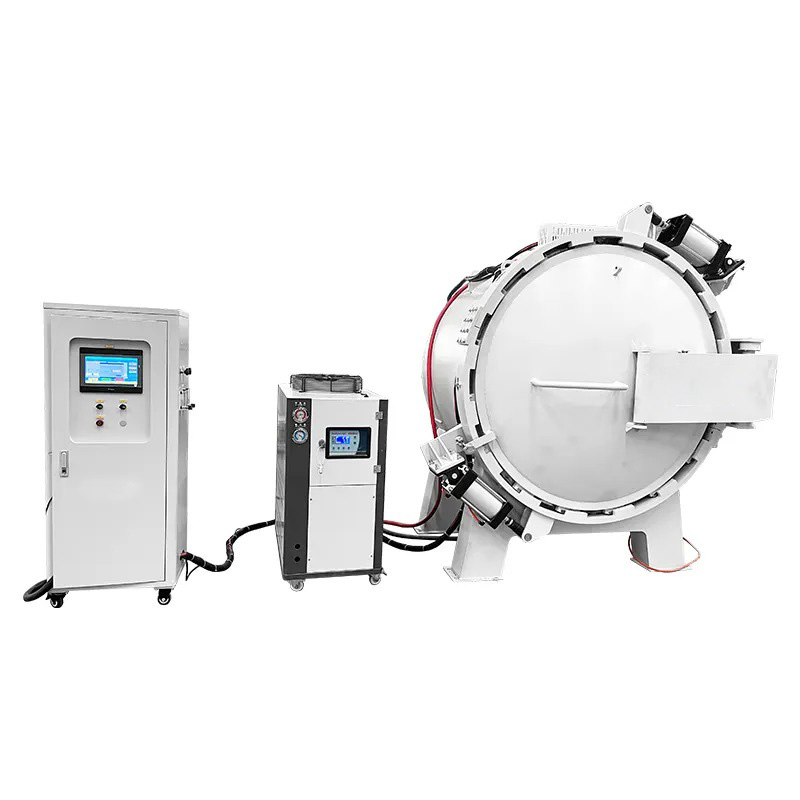
III.What Type of Furnace Is Used for Calcination?
The best furnace depends on the material form, production volume, temperature, and process.
Box Furnace
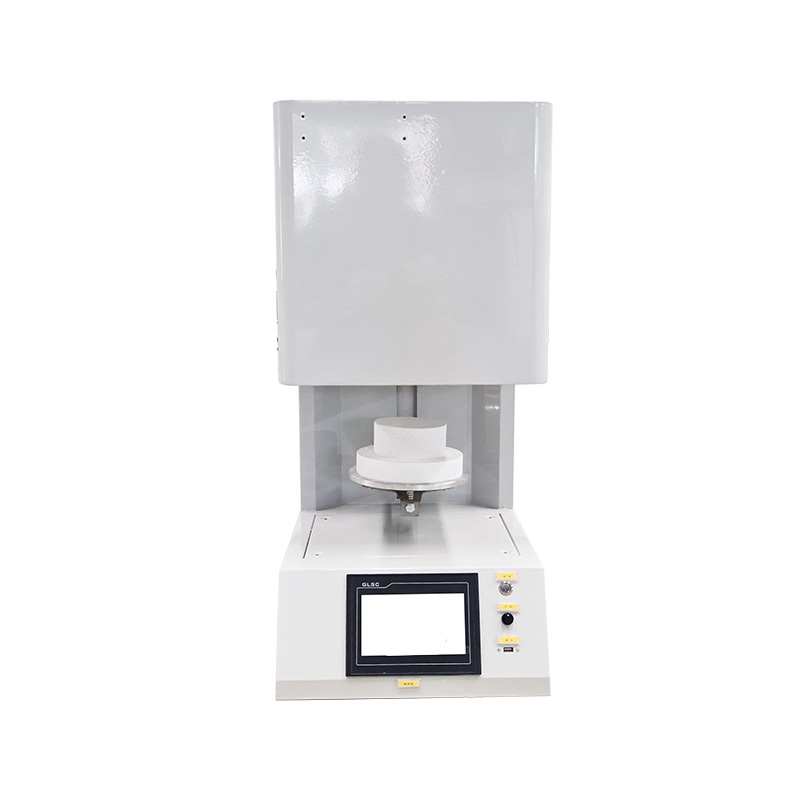
A box furnace is a practical option for laboratory calcination and batch processing.
It is suitable for:Small quantities of powders,Ceramic research,Mineral samples,Materials development,Laboratory-scale calcination
Tube Furnace
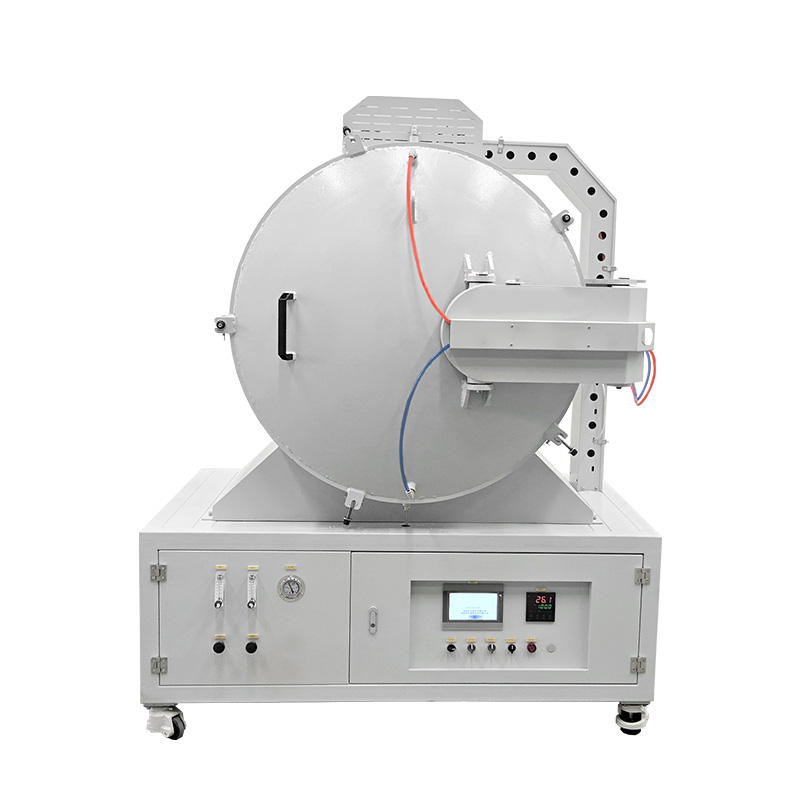
A tube furnace is more appropriate when calcination requires controlled gas flow or a specialized atmosphere.
It can provide a defined processing environment around the sample and is widely useful in materials research.
Rotary Furnace
A rotary furnace or rotary kiln is useful for powders and granular materials requiring continuous movement.
The rotation can improve material mixing and heat exposure while supporting continuous or semi-continuous production.
Industrial Kiln
Large-scale manufacturing may require a continuous kiln such as a pusher kiln, roller hearth kiln, or tunnel kiln depending on the material and production requirements.
IV. Conclusion
The main purpose of calcination is to thermally transform a solid material by removing volatile components, causing decomposition, changing crystal phases, eliminating unwanted organic matter, or modifying the material’s chemical and physical properties. The process is widely used in minerals, ceramics, metal oxides, catalysts, chemicals, batteries, and advanced materials.
Successful calcination requires more than reaching a target temperature. Heating rate, holding time, temperature uniformity, atmosphere, exhaust management, heating elements, and insulation all contribute to consistent results. Luoyang Anjing Intelligence Equipment provides high-temperature electric furnace accessories and thermal-processing solutions for demanding laboratory and industrial applications.
Contact Anjing with your material type, calcination temperature, atmosphere, batch size, and process requirements to select the appropriate furnace configuration and high-temperature components.
Click “Request a Quote” to get a customized solution.
V. FAQ Section
1. What is the main purpose of calcination?
The main purpose of calcination is to achieve thermal transformation of materials through controlled heating, such as removing volatile components, decomposing compounds, changing crystal phases, or improving chemical activity.
2. What is the difference between calcination and heating?
Heating is a broad concept, referring to raising the temperature of materials. Calcination, on the other hand, specifically refers to heat treatment carried out under controlled conditions to achieve a particular physical or chemical transformation, usually below the melting point of the material.
3. What temperature is used for calcination?
Calcination temperatures vary depending on the materials and the desired reactions. Some processes can be carried out at a few hundred degrees Celsius, while many ceramic, mineral, and advanced materials processes require temperatures above 1000 degrees Celsius.
4. Does calcination require a furnace?
For controlled industrial or laboratory calcination, a suitable furnace or kiln is normally used to provide the required temperature, heating profile, residence time, and atmosphere.
5. What heating elements are best for a calcination furnace?
The choice of heating element mainly depends on the operating temperature and the furnace atmosphere.
Supplier
Luoyang Anjing Intelligent Equipment Co., Ltd. is an enterprise dedicated to the research, development, production, sales, and technical services of heat treatment equipment such as high-temperature electric furnaces. We produce laboratory, vacuum, industrial, and medium frequency furnace, covering a temperature range from -100℃ to 2600℃, serving industries such as new energy, semiconductors, and advanced materials. We can provide customized solutions based on specific atmosphere, ultra-high temperature, and intelligent control system requirements. Please feel free to contact us if you are interested.