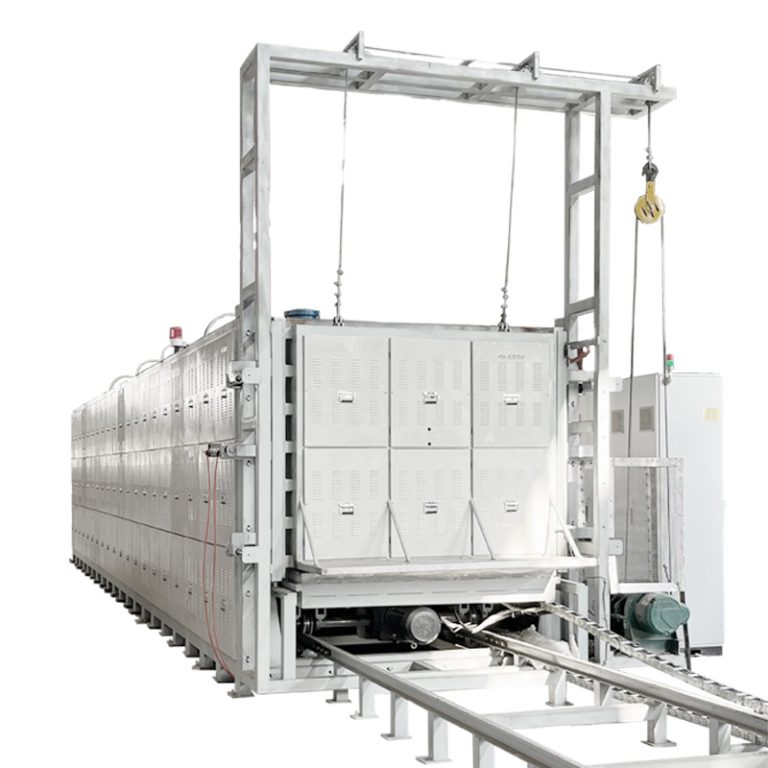
Luoyang Anjing Intelligence Equipment are a global leader in high-temperature electric furnaces



How to Calculate Induction Furnace Capacity for Your Foundry
To determine the appropriate size for an induction furnace, first consider the required hourly output of molten iron, the duration of each melting cycle, the actual operational availability of the furnace, and the metal yield. Then, select a furnace with sufficient capacity—ideally one that also provides a bit of extra margin.
I. Introduction
When determining the capacity of an induction furnace for a foundry, it is not enough to simply look at the desired tonnage of metal to be melted. Factors such as daily production targets, batch weight, melting cycle, type of metal, furnace power, charging time, pouring schedules, metal yield, and equipment utilization must all be taken into account.
Choosing a furnace that is too small can create a production bottleneck, while an oversized furnace may increase equipment investment, electricity demand, and operating costs.
This guide explains how to calculate induction furnace capacity, melting rate, tons per hour, furnace power, and the number of furnaces required for a foundry.
II. What Does Induction Furnace Capacity Mean?
Induction furnace capacity normally refers to the amount of molten metal that the furnace can hold or melt in one batch.
Common induction furnace capacities include:
- 100 kg
- 250 kg
- 500 kg
- 1 ton
- 2 tons
- 3 tons
- 5 tons
- 10 tons
- 20 tons or larger
However, furnace capacity is not the same as production capacity.
For example, a 1-ton induction furnace does not automatically produce exactly 1 ton of finished castings every hour.
Actual output depends on:Furnace capacity × number of heats × utilization × metal yield
Therefore, the first step is to determine how much molten metal your foundry actually requires.
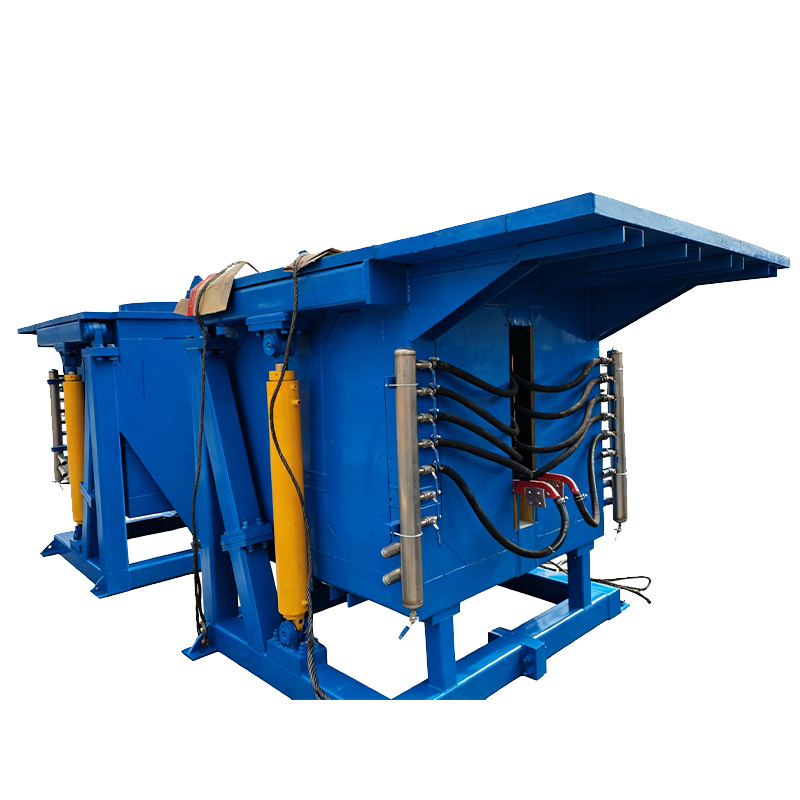
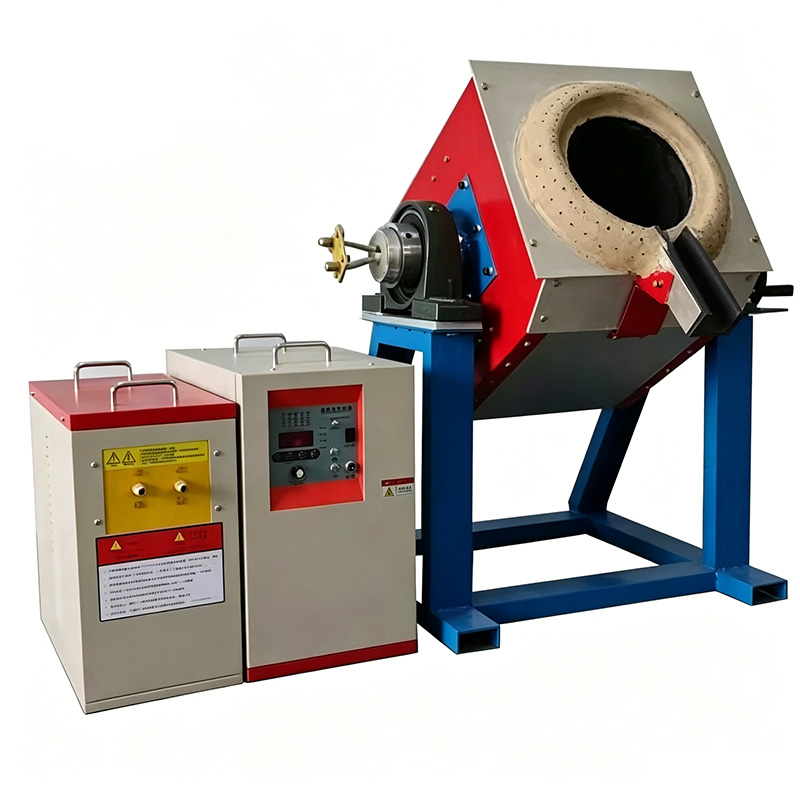
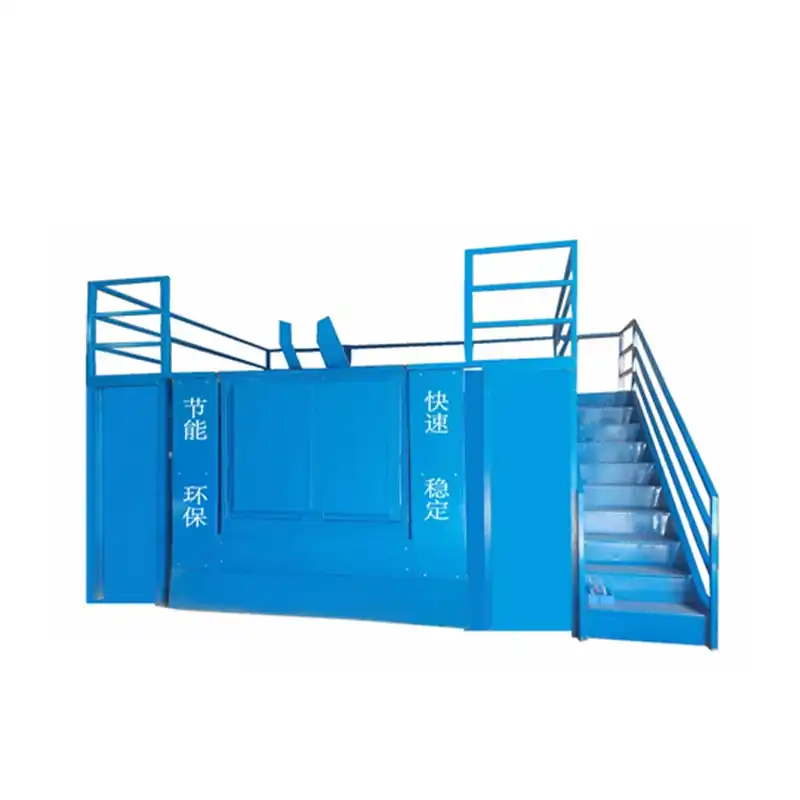
Step 1: Calculate Your Required Daily Molten Metal Output
Start with the production target.
Suppose your foundry needs:
20 tons of good castings per day
and your overall metal yield from molten metal to acceptable castings is:80%
Then the required molten metal is:Required molten metal = Good casting output ÷ Metal yield
Therefore:20 tons ÷ 0.80 = 25 tons/day
Your melting system must therefore supply approximately 25 tons of molten metal per day, not merely 20 tons.
This distinction is important because foundries may lose metal through:
- Gating systems
- Risers
- Slag
- Oxidation
- Spillage
- Process losses
- Rejected castings
Always calculate the furnace requirement from the actual molten metal demand, rather than finished casting weight alone.
Step 2: Calculate the Required Melting Rate
Next, determine how many effective melting hours are available each day.
Assume:
- Required molten metal: 25 tons/day
- Effective melting time: 16 hours/day
The theoretical required melting rate is:25 ÷ 16 = 1.56 tons/hour However, a foundry rarely operates at 100% utilization.
Time is lost during:
- Charging
- Slag removal
- Temperature measurement
- Sampling
- Alloy adjustment
- Tapping
- Furnace inspection
- Maintenance
- Shift changes
- Production interruptions
Suppose the expected furnace utilization is 85%.
Then:Required furnace melting rate = 1.56 ÷ 0.85 = 1.84 tons/hour
In this example, the melting system should therefore be designed to provide approximately 1.84 tons/hour or more.
Step 3: Determine the Required Batch Capacity
Once the hourly melting requirement is known, calculate the appropriate furnace batch size.
A simplified relationship is:Required Furnace Capacity = Required Melting Rate × Melting Cycle Time
For example:
- Required melting rate = 1.84 tons/hour
- Complete batch cycle = 60 minutes
The theoretical furnace capacity would be approximately:1.84 × 1 = 1.84 tons
A practical selection might therefore move to the next suitable standard furnace size rather than specifying exactly 1.84 tons.
For example, a 2-ton induction furnace could be evaluated.
However, this is only a preliminary calculation.
You must still verify whether the selected furnace and power supply can actually melt the required metal within the assumed cycle time.
Step 4: Calculate the Complete Melting Cycle
One of the most common mistakes is calculating furnace capacity using melting time alone.
A furnace cycle may include:
- Charging
- Initial melting
- Additional charging
- Complete melting
- Slag removal
- Composition adjustment
- Temperature adjustment
- Sampling
- Holding
- Tapping
Suppose a 2-ton furnace requires:
- Charging: 10 minutes
- Melting: 45 minutes
- Slagging and composition adjustment: 10 minutes
- Temperature adjustment: 5 minutes
- Tapping: 5 minutes
Total cycle:10 + 45 + 10 + 5 + 5 = 75 minutes
Therefore, theoretical heats per hour are:60 ÷ 75 = 0.8 heats/hour
For a 2-ton furnace:2 × 0.8 = 1.6 tons/hour
The actual production capacity is therefore approximately 1.6 tons/hour before additional production losses are considered.
This is why furnace tonnage alone cannot determine foundry output.
Step 5: Match Furnace Capacity With Power
After calculating furnace capacity, determine whether the selected power supply can achieve the required melting rate.
For an induction furnace, melting performance depends strongly on:
- Rated power
- Furnace capacity
- Metal type
- Charge condition
- Starting temperature
- Furnace lining condition
- Electrical efficiency
- Thermal efficiency
- Operating practice
The basic energy relationship is:Melting Time ≈ Required Energy ÷ Effective Furnace Power
For example, if a melting process requires a certain amount of electrical energy per ton, increasing effective furnace power can generally reduce melting time—provided that the furnace body, coil, power supply, cooling system, and electrical infrastructure are designed for that power level.
Therefore, when comparing two induction furnaces of the same nominal capacity, do not compare tonnage alone.
Compare:
- Furnace capacity
- Rated power
- Estimated melting time
- Energy consumption per ton
- Melting rate per hour
How Much Power Does an Induction Furnace Need Per Ton?
There is no universal kW-per-ton value that applies to every induction furnace.
Power requirement depends on:
- Steel, iron, copper, aluminum, or other metal
- Furnace capacity
- Starting charge temperature
- Required tapping temperature
- Power frequency
- Furnace efficiency
- Charge density
- Desired melting speed
A supplier should therefore provide the expected performance under clearly defined operating conditions.
When requesting a quotation, ask for:Rated furnace capacity + rated power + metal type + cold-start melting time + tons/hour + expected kWh/ton
This makes quotations much easier to compare.
Step 6: Consider the Metal You Are Melting
Different metals require different amounts of energy because their:
- Melting temperatures differ
- Specific heat capacities differ
- Latent heats of fusion differ
- Electrical properties differ
- Pouring temperatures differ
For example, a furnace selected for:1 ton of aluminum
should not automatically be assumed to have the same production performance when melting:1 ton of steel.
Common induction furnace applications include:
Cast Iron
Commonly used for:
- Pump bodies
- Machine bases
- Automotive castings
- Pipes
- General engineering castings
Carbon and Alloy Steel
Used for:
- Machinery components
- Mining parts
- Wear-resistant castings
- Tool and mold materials
Stainless Steel
Requires appropriate temperature and composition control.
Copper and Copper Alloys
Furnace design and operating parameters should be matched to the alloy and required process.
Aluminum
Requires different melting temperatures and furnace operating conditions from ferrous metals.
Always tell the furnace manufacturer exactly what metal you intend to melt.
Step 7: Calculate the Number of Furnaces Required
One large furnace is not always the best solution.
Suppose your foundry requires:4 tons/hour
You could potentially evaluate:
- One larger furnace
- Two medium-sized furnaces
- Multiple smaller furnaces
The correct arrangement depends on production organization.
Two furnaces may provide operational advantages because one furnace can be melting while another is:
- Tapping
- Holding
- Being charged
- Receiving maintenance
- Changing alloy grades
For continuous foundry production, multiple furnace bodies can also provide greater production flexibility.
Step 8: Check Your Electrical Infrastructure
A larger induction furnace also requires greater electrical infrastructure.
Before selecting the furnace, check:
- Incoming power capacity
- Transformer rating
- Supply voltage
- Grid stability
- Cable capacity
- Switchgear
- Power factor requirements
- Cooling-system power
- Auxiliary equipment power
A foundry may calculate that a large furnace provides the ideal production capacity but discover that its existing transformer cannot support the required electrical load.
This should be evaluated before equipment purchase.
Step 9: Calculate Cooling-System Capacity
Induction furnaces generate significant heat in:
- Induction coils
- Power supply
- Capacitors
- Water-cooled cables
- Electrical components
Therefore, increasing furnace power usually increases cooling requirements.
The cooling system may include:
- Closed cooling tower
- Heat exchanger
- Circulation pumps
- Water tank
- Filters
- Temperature monitoring
- Pressure monitoring
- Flow monitoring
- Emergency water supply
Do not select a furnace first and treat cooling as an afterthought.
The furnace + power supply + cooling system should be engineered as one system.
Step 10: Add Capacity Margin
Running a melting department permanently at its theoretical maximum output creates operational risk.
Actual production can be affected by:
- Difficult charge materials
- Alloy adjustments
- Furnace relining
- Power fluctuations
- Cooling problems
- Operator delays
- Maintenance
- Casting-line interruptions
Therefore, some production margin should normally be considered.
The correct margin depends on:
- Production stability
- Number of furnaces
- Maintenance strategy
- Casting schedule
- Required redundancy
Avoid automatically adding an arbitrary percentage without analyzing the actual production process.
Example: Induction Furnace Capacity Calculation for a Foundry
Consider a foundry with the following requirements:
Finished casting production: 30 tons/day
Metal yield: 80%
Operating time: 20 hours/day
Furnace utilization: 85%
1. Calculate Molten Metal Demand
30 ÷ 0.80 = 37.5 tons/day
The melting department must therefore produce approximately 37.5 tons of molten metal per day.
2. Calculate Hourly Requirement
37.5 ÷ 20 = 1.875 tons/hour
3. Correct for Furnace Utilization
1.875 ÷ 0.85 = 2.21 tons/hour
Therefore, the melting system should be capable of approximately:2.2 tons/hour or more
4. Select Candidate Furnace Capacity
If a proposed furnace can reliably melt and tap approximately 2.5 tons/hour under the foundry’s actual operating conditions, it may provide sufficient capacity.
However, the final selection should still verify:
- Metal type
- Furnace power
- Complete heat cycle
- Transformer capacity
- Cooling system
- Production schedule
- Casting-line demand
- Maintenance allowance
Induction Furnace Capacity Calculation Formula
For preliminary foundry planning, you can use:
Required Molten Metal per Day = Finished Casting Output ÷ Metal Yield
Then:Required Melting Rate = Required Molten Metal per Day ÷ Effective Production Hours
If utilization has not already been included:Design Melting Rate = Required Melting Rate ÷ Furnace Utilization
Finally:Approximate Furnace Capacity = Design Melting Rate × Complete Batch Cycle Time
where cycle time is expressed in hours.
This provides a practical starting point for furnace selection.
Example Induction Furnace Selection Table
| Foundry Requirement | Parameter |
|---|---|
| Finished casting target | 30 tons/day |
| Metal yield | 80% |
| Required molten metal | 37.5 tons/day |
| Effective operating schedule | 20 hours/day |
| Theoretical molten metal demand | 1.875 tons/hour |
| Furnace utilization | 85% |
| Required system melting rate | Approx. 2.21 tons/hour |
This table demonstrates why a foundry producing 30 tons of castings per day may require substantially more than 30 tons/day of theoretical furnace output.
III.How to Choose Between One Large Furnace and Two Smaller Furnaces
This is an important decision for foundry planning.
One Large Furnace
May offer:
- Simpler plant layout
- Fewer furnace bodies
- Potentially lower auxiliary-equipment complexity
But it can also create a larger production interruption if the furnace is unavailable.
Two Smaller Furnaces
May provide:
- Greater production flexibility
- Easier alloy changes
- Better maintenance scheduling
- Production redundancy
- Better coordination between melting and pouring
However, the initial equipment configuration and control system may be more complex.
The correct choice should be based on the complete production flow rather than furnace capacity alone.
IV.Conclusion
To calculate induction furnace capacity for your foundry, first determine the required finished casting output, correct it for metal yield, calculate the molten metal demand per hour, account for realistic furnace utilization, and then match the required melting rate with furnace batch capacity, cycle time, and power. Do not select an induction furnace based on tonnage alone. The correct system should balance tons per hour, melting time, furnace power, energy consumption, electrical infrastructure, cooling capacity, and production flexibility.
If you are unsure whether your foundry needs a 1-ton, 2-ton, 5-ton, 10-ton, or larger induction furnace, provide your metal type, daily production target, working hours, batch size, and available transformer capacity. These parameters can be used to determine a suitable furnace capacity and power configuration.
Click “Request a Quote” to get a customized solution.
V. FAQ
1. How do I calculate induction furnace capacity?
First, calculate the required daily volume of molten iron and divide it by the number of effective operating hours; then, adjust this figure based on the furnace utilization rate, and finally, use the complete melting cycle to work backward to determine the necessary capacity per batch.
2. What size induction furnace do I need for my foundry?
Choosing the right furnace size depends on several factors: your required hourly throughput (in tons), the weight of a single batch, the type of metal being melted, the melting cycle duration, your production scheduling, the amount of molten metal required by the casting line, and the power supply capacity available at the site.
3. How many tons per hour can an induction furnace melt?
Melting rate is influenced by furnace capacity, rated power, type of metal, condition of the furnace charge, furnace efficiency, and operating practices.
4. How much power is required for an induction furnace?
The required power depends on the furnace capacity, type of metal, target melting time, tapping temperature, furnace efficiency, and actual operating conditions.
5. Is a bigger induction furnace always more efficient?
No. Choosing a furnace that is too large leads to higher capital investment, increased power supply requirements, and greater heat loss—all while actually reducing operational flexibility.
Supplier
Luoyang Anjing Intelligent Equipment Co., Ltd. is an enterprise dedicated to the research, development, production, sales, and technical services of heat treatment equipment such as high-temperature electric furnaces. We produce laboratory, vacuum, industrial, and medium frequency furnace, covering a temperature range from -100℃ to 2600℃, serving industries such as new energy, semiconductors, and advanced materials. We can provide customized solutions based on specific atmosphere, ultra-high temperature, and intelligent control system requirements. Please feel free to contact us if you are interested.