Luoyang Anjing Intelligence Equipment are a global leader in high-temperature electric furnaces



What Is a Laboratory Furnace? Types, Features and Applications
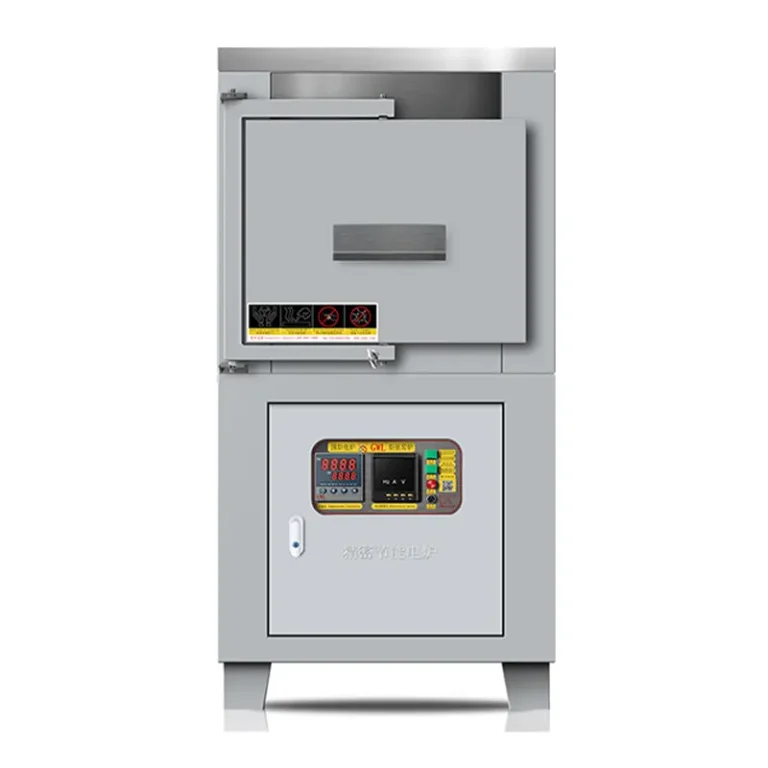
A laboratory furnace is an indispensable piece of equipment in materials research and development, high-temperature testing, and small-batch heat treatment processes. It provides a stable and reliable heat treatment environment for samples by precisely controlling temperature, atmosphere, and the heating process.
The applications of laboratory furnaces have expanded from simple heating to precision sintering, atmosphere protection, and materials performance analysis. Modern laboratory furnaces not only focus on maximum temperature capability but also emphasize temperature uniformity, energy efficiency, and the repeatability of experimental results.
I. Overview of Laboratory Furnace Products
Laboratory furnaces are high-temperature heating devices used for scientific research experiments and small-batch production testing.
Compared to large industrial furnaces, laboratory furnaces typically have the advantages of smaller size, higher control precision, and more flexible operation, meeting the precise requirements of researchers for temperature profiles, heating and cooling rates, and processing environments.

II. Key Features and Advantages of Laboratory Furnaces
- High-Precision Temperature Control
One of the biggest advantages of laboratory furnaces is their ability to achieve precise temperature control. Modern equipment typically employs a PID intelligent control system, which uses temperature sensors to provide real-time feedback on the furnace’s internal status and automatically adjusts the heating power to maintain the temperature within the set range.
Compared to traditional heating equipment, precise temperature control reduces temperature fluctuations and improves the reliability of experimental data, making it particularly suitable for experiments sensitive to changes in material structure.
- Excellent Temperature Uniformity
Experimental results depend not only on the temperature reached but also on the temperature uniformity across different areas of the furnace. Good laboratory furnaces typically improve temperature uniformity by optimizing the layout of heating elements, furnace structure, and insulation materials.
For example, multi-faceted heating designs can reduce the problem of insufficient edge temperature, resulting in more stable overall heating of the sample. This is particularly important for experiments involving ceramic sintering, powder processing, and electronic materials.
- Optimized Furnace Materials and Excellent Insulation Performance
Using lightweight insulation materials such as ceramic fiberboard and alumina fiber results in low heat capacity, rapid heating, and minimal heat loss. At the same temperature, the heat storage loss of fiber-lined furnaces is reduced by more than half compared to traditional brick-lined furnaces, resulting in significant energy savings.
- Energy Saving and Rapid Heating Capability
Modern laboratory furnaces are increasingly focused on energy conservation. By using lightweight insulation materials such as ceramic fibers, the furnaces have a small heat capacity, resulting in low energy consumption during the heating process.
Furthermore, the rapid heating design shortens experimental cycles and reduces waiting time, offering significant advantages for research and development environments requiring frequent testing.
- Intelligent Operation and Data Management
With increasing automation in laboratories, furnaces are also becoming more digitalized. Features such as programmed temperature control, data logging, temperature profile management, remote monitoring, and fault alarms are now standard. This has led to more standardized experimental procedures and facilitated subsequent data analysis and process optimization.
| Furnace Type | Definition | Typical Applications |
|---|---|---|
| Box-type Resistance Furnace | Cubic chamber, side or top opening door | Ceramic sintering, metal heat treatment, ashing, drying |
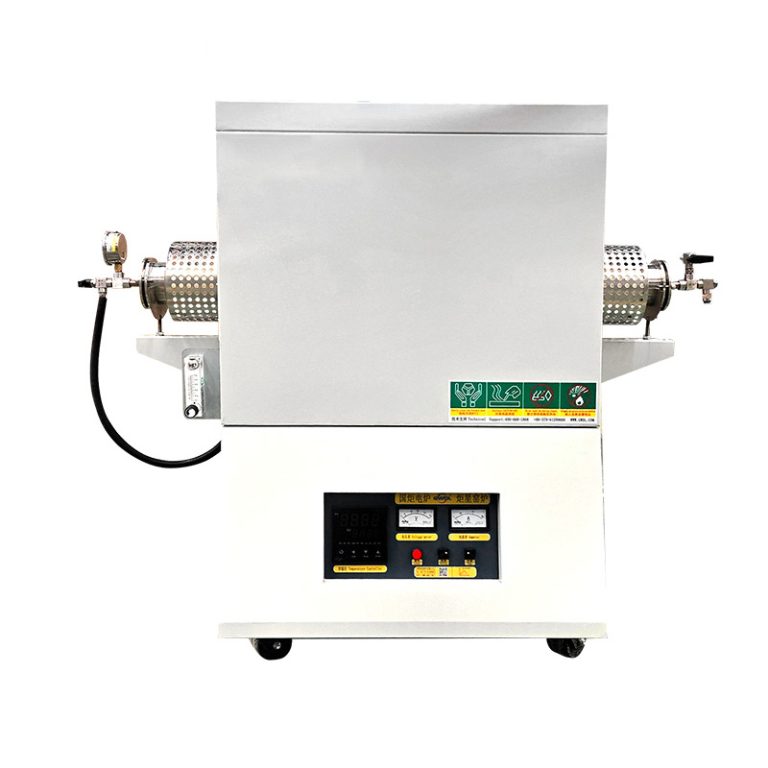
| Tube Furnace | Cylindrical tube, samples heated inside | Powder sintering, CVD growth, vacuum annealing, flow reaction |
| Muffle Furnace | Small box-type, chamber isolated from heating elements | Ashing analysis, gravimetric determination, routine lab heating |
| Vacuum Furnace | Sealable chamber with vacuum capability | High-purity materials, oxidation-free sintering, vacuum brazing |
| Atmosphere Furnace | Sealed furnace with controlled gas supply | Processes requiring protective or reactive atmospheres |
| Pit-type Furnace | Vertical well structure, workpieces suspended | Vertical heat treatment of long rods and shafts |
| Bell-type Furnace | Liftable cover, workpieces fixed on base | Rapid cooling of large parts, small-batch lab production |
III. Two Core Topics Regarding Experimental Furnaces
- Why Does Temperature Uniformity Affect Experimental Results?
Higher temperatures are not necessarily better for experimental furnaces; a stable thermal environment is crucial.
If significant temperature differences exist within the furnace, samples from the same batch may exhibit varying degrees of sintering, oxidation, or structural changes, leading to deviations in experimental data.
Therefore, experimental furnaces require a combination of heating methods, furnace chamber design, and temperature control strategies to improve thermal uniformity.
- How to Reduce Energy Consumption in Experimental Furnace Operation?
Energy consumption in experimental furnaces primarily arises from three stages: heating, heat preservation, and heat loss.
Reducing the frequency of furnace door openings, appropriately setting heating programs, and using high-efficiency insulation materials can effectively reduce ineffective energy consumption.
Simultaneously, intelligent temperature control systems can adjust power output according to actual needs, preventing the equipment from operating under high load for extended periods.
IV. Product Applications
- Materials Science Research: Sintering of novel ceramics, annealing and quenching of metal alloys, synthesis and post-processing of nanomaterials.
- Chemistry and Chemical Engineering: Calcination and activation of catalysts, ashing analysis of organic matter, drying and dehydration of precipitates.
- Geology and Mineralogy: Melting experiments on rock samples, synthesis and stable zone study of mineral phases.
- Semiconductor and Electronic Materials: Annealing and oxidation of silicon wafers, heat treatment of compound semiconductors, sintering of electronic ceramics.
- Biomedicine: Sintering of bioceramics (hydroxyapatite), high-temperature sterilization of medical devices, heat treatment of biomaterials.
- Quality Control and Third-Party Testing: High-temperature performance testing of materials, ash content determination, product reliability verification.
- University Teaching: In undergraduate experimental courses such as Materials Science, Chemistry, and Physics, laboratory furnaces are used to demonstrate basic experiments such as heat treatment processes, ceramic sintering, and metal phase transformations.
V.Supplier
Luoyang Anjing Intelligent Equipment Co., Ltd. is an enterprise dedicated to the research, development, production, sales, and technical services of heat treatment equipment such as high-temperature electric furnaces. We produce laboratory, vacuum, industrial, and medium frequency furnace, covering a temperature range from -100℃ to 2600℃, serving industries such as new energy, semiconductors, and advanced materials. We can provide customized solutions based on specific atmosphere, ultra-high temperature, and intelligent control system requirements. Please feel free to contact us if you are interested.