Luoyang Anjing Intelligence Equipment are a global leader in high-temperature electric furnaces



Which Furnace Is Best for Smelting? A Complete Guide to Choosing the Right Smelting Furnace
The type of furnace used for smelting depends on the type of metal, production volume, and quality requirements. Currently, most foundries prefer induction melting furnaces because they are highly efficient, offer precise temperature control, produce a clean smelting process, and can handle iron, steel, copper, aluminum, and various alloys, while also offering great flexibility.
I. How to Choose the Right Smelting Furnace?
Choosing the best furnace for smelting is a critical decision for metal manufacturers because furnace technology directly affects melting efficiency, metal purity, energy consumption, and production cost.
Steelmaking and casting use different furnaces. Large steel mills generally use electric arc furnaces, while foundries with a wide variety of products and alloys use induction furnaces, which offer more flexibility and better temperature control. Below, we’ll discuss the characteristics, advantages, and selection methods for several common smelting furnaces.
II.What Is the Best Furnace for Smelting?
The best furnace for smelting is usually an induction melting furnace for most industrial metal processing applications because it offers excellent temperature control, high melting efficiency, low oxidation, and clean operation.
However, the ideal choice depends on:
- Type of metal being melted
- Required production capacity
- Purity requirements
- Energy source availability
- Production method
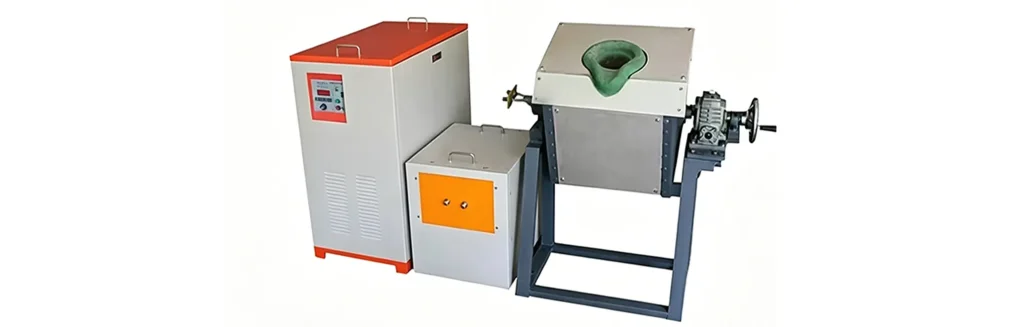
1. Induction Furnace — Best Choice for Flexible Metal Smelting
An induction furnace uses electromagnetic induction to generate heat directly inside the metal charge. The alternating current passing through the induction coil creates an electromagnetic field, which produces eddy currents inside the metal and melts it efficiently.
Why Is an Induction Furnace Popular for Smelting?
High Melting Efficiency
Induction heating transfers energy directly into the metal, reducing heat loss compared with traditional combustion furnaces.
Advantages include:
- Faster melting speed
- Lower energy waste
- Reduced material oxidation
- Better thermal efficiency
Precise Temperature Control
For alloy production, temperature accuracy is extremely important.
Induction furnaces provide:
- Accurate temperature adjustment
- Stable molten metal quality
- Better alloy composition control
- Reduced overheating risk
This makes them suitable for:
- Stainless steel
- Tool steel
- Copper alloys
- Aluminum alloys
- Precious metals
Clean and Environment-Friendly Operation
Compared with fuel-fired furnaces, induction furnaces produce no combustion gases during melting.
Benefits include:
- Lower emissions
- Cleaner working environment
- Reduced metal contamination
- Easier factory automation
2. Electric Arc Furnace (EAF) — Best for Large-Scale Steel Smelting
Electric Arc Furnaces generate heat through an electric arc between graphite electrodes and the metal charge.
They are mainly used in:
- Steel production plants
- Scrap steel recycling
- Large-scale metal production
The main advantage of EAF technology is its ability to process very large quantities of steel scrap.
Advantages of Electric Arc Furnace
- Extremely high melting capacity
- Suitable for steel recycling
- Strong melting power
- Suitable for large steel plants
Limitations
- Higher equipment investment
- Larger installation requirements
- More complex operation systems
For companies producing thousands of tons of steel, EAF technology is often the preferred solution.
3. Cupola Furnace — Traditional Solution for Cast Iron Production
A cupola furnace is a vertical shaft furnace that uses coke combustion to melt iron materials.
It has historically been widely used for:
- Gray iron casting
- Ductile iron production
- Continuous foundry operations
Advantages of Cupola Furnace
- Continuous melting operation
- High production output
- Lower initial equipment cost
Disadvantages
Compared with induction furnaces:
- Higher emissions
- Less precise chemical control
- More environmental management requirements
Many modern foundries have moved toward induction melting because of cleaner operation and better control of metal quality.
4.Induction Furnace vs Electric Arc Furnace vs Cupola Furnace
| Feature | Induction Furnace | Electric Arc Furnace | Cupola Furnace |
|---|---|---|---|
| Best application | Foundries & alloy production | Large steel production | Large iron casting |
| Heating method | Electromagnetic induction | Electric arc | Coke combustion |
| Temperature control | Excellent | Good | Moderate |
| Metal purity | High | Medium-High | Lower |
| Production flexibility | Excellent | Limited | Low |
| Environmental performance | Excellent | Good | Lower |
| Automation | Easy | Medium | More complex |
5.Which Furnace Is Best for Different Metals?
Steel Smelting
Recommended:
Induction Furnace or Electric Arc Furnace
- Small and medium production → Induction furnace
- Large steel plants → Electric Arc Furnace
Cast Iron Smelting
Recommended:
Induction Furnace or Cupola Furnace
Choose induction furnace when you need:
- Better chemical control
- Cleaner production
- Multiple alloy grades
Choose cupola furnace when you need:
- Continuous high-volume iron melting
Copper and Aluminum Smelting
Recommended:
Induction Furnace
Advantages:
- Accurate temperature control
- Low oxidation
- High melting efficiency
Precious Metal Smelting
Recommended:
Small induction furnace
Because it provides:
- Precise heating
- Low material loss
- Clean melting environment
III.Smelting Furnace Solutions
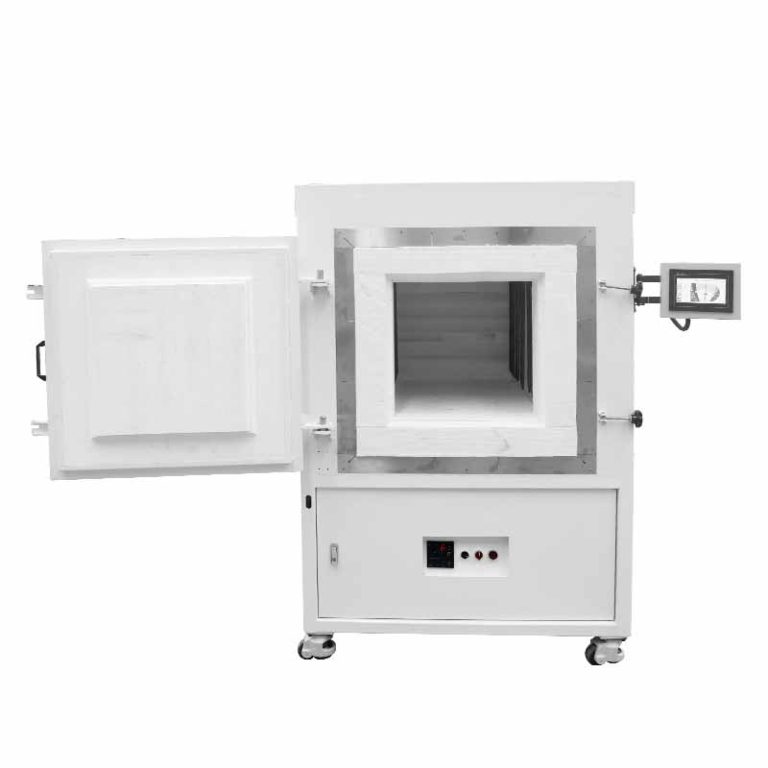
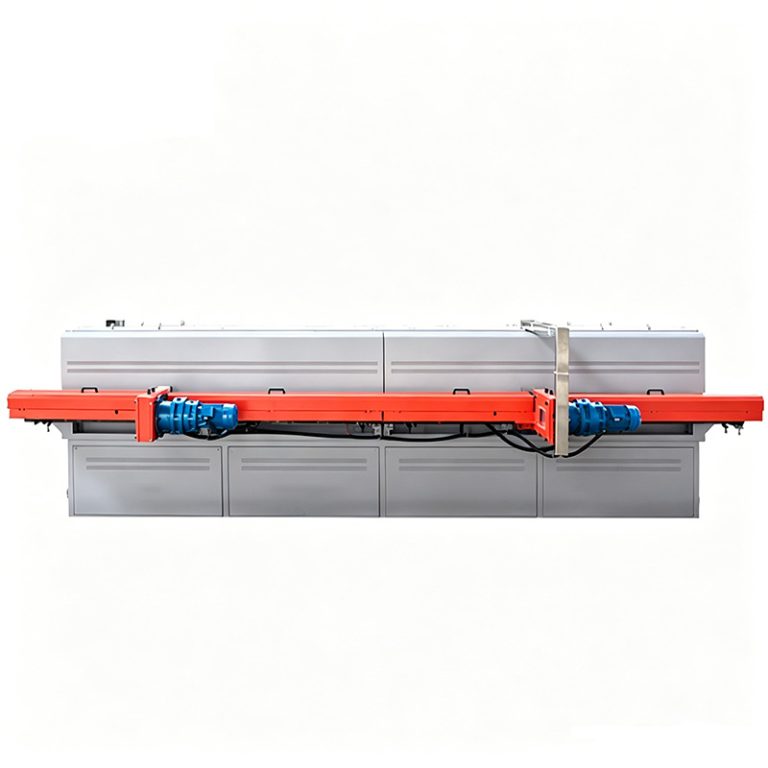
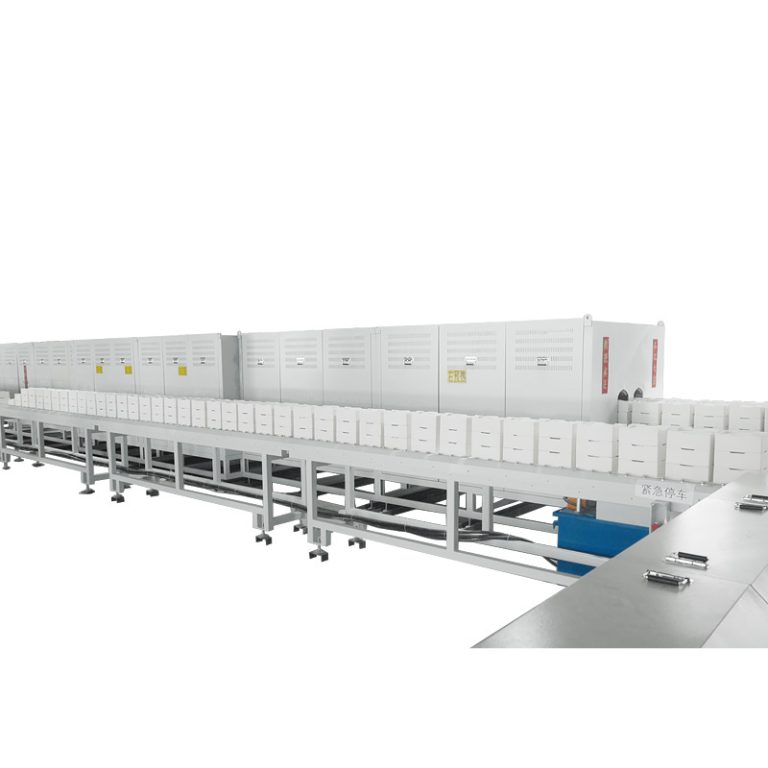
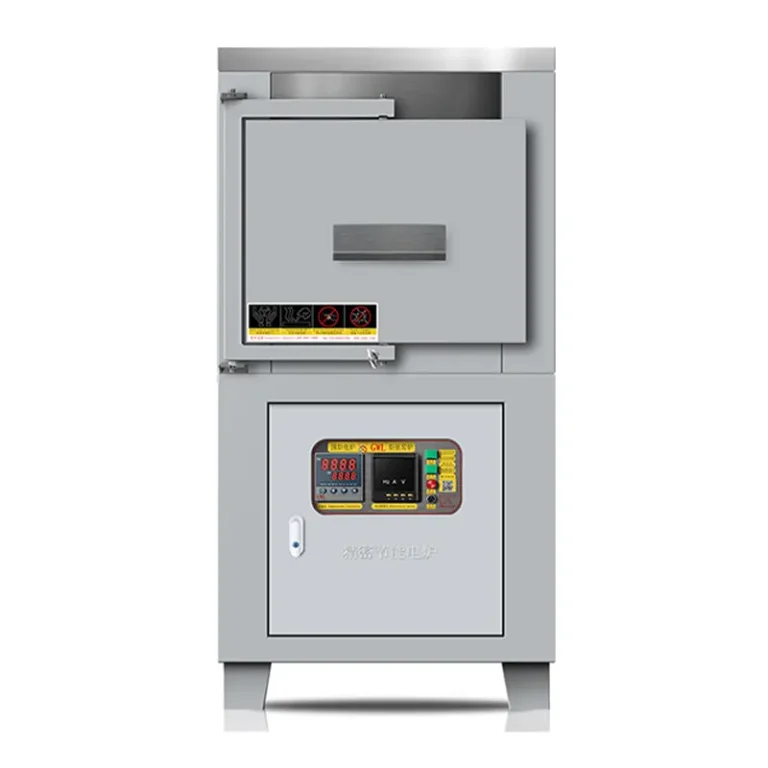
For manufacturers looking for reliable metal melting equipment, MeltingFurnace.net provides industrial furnace solutions designed for metal melting, alloy production, laboratory research, and advanced material processing.
Available furnace solutions include:
- Induction melting furnaces
- Laboratory melting furnaces
- Industrial electric furnaces
- Customized heating equipment
The furnace selection can be customized according to:
- Metal type
- Capacity requirements
- Temperature range
- Production process
IV. Conclusion
The best furnace for smelting depends on your specific production requirements. For most industrial applications, an induction furnace is the preferred choice because of its high efficiency, excellent temperature control, clean operation, and flexibility.
Electric arc furnaces have advantages in large-scale steelmaking production, while cupola furnaces remain suitable for mass-production cast iron processes. For professional selection advice, please contact our technical team.
Click “Request a Quote” to get a customized solution.
V. FAQ Section
1. What type of furnace is best for melting metal?
An induction furnace is generally considered the best option for most metal melting applications because it provides efficient heating, accurate temperature control, and clean operation.
2. Is an induction furnace better than an electric arc furnace?
It depends on the application. Induction furnaces are better for flexible production and alloy control, while electric arc furnaces are better for large-scale steel production.
3. Which furnace is used for steel smelting?
Steel can be melted using induction furnaces or electric arc furnaces. Large steel plants usually use electric arc furnaces, while smaller foundries often choose induction furnaces.
4. What furnace is used for aluminum melting?
Induction furnaces are commonly used for aluminum melting because they provide good temperature control and efficient heat transfer.
5. How do I choose a smelting furnace supplier?
Choose a supplier with experience in furnace design, customization capability, temperature control technology, and proven industrial applications.
Supplier
Luoyang Anjing Intelligent Equipment Co., Ltd. is an enterprise dedicated to the research, development, production, sales, and technical services of heat treatment equipment such as high-temperature electric furnaces. We produce laboratory, vacuum, industrial, and medium frequency furnace, covering a temperature range from -100℃ to 2600℃, serving industries such as new energy, semiconductors, and advanced materials. We can provide customized solutions based on specific atmosphere, ultra-high temperature, and intelligent control system requirements. Please feel free to contact us if you are interested.