Luoyang Anjing Intelligence Equipment are a global leader in high-temperature electric furnaces



What Is Heat Treatment and Its Process? A Complete Guide
Heat treatment is a controlled process of heating, holding, and cooling metal or other materials to change their microstructure and improve properties such as hardness, strength, toughness, ductility, wear resistance, and dimensional stability. The main heat treatment processes include annealing, normalizing, hardening, tempering, and stress relieving.
I. What Is Heat Treatment?
Heat treatment is a critical manufacturing process used to improve the mechanical and physical properties of metals and components. For manufacturers, achieving consistent hardness, strength, toughness, and dimensional stability requires more than simply heating a workpiece—it requires precise control of temperature, holding time, atmosphere, and cooling rate.
For industrial production, the furnace must provide stable temperature distribution and repeatable process conditions. Industrial electric furnaces are commonly used for metal heat treatment as well as sintering, melting, forging preheating, and other thermal processes.
So, what is heat treatment and how does the process work? This guide explains the basic principle of heat treatment, the main process steps, common heat treatment methods, and how to choose the right industrial furnace for reliable production.
II.A Comprehensive Analysis of Heat Treatment Processes
1.What Is the Heat Treatment Process?
The basic heat treatment process consists of three fundamental stages: heating, soaking, and cooling.
(1)Heating
The workpiece is gradually heated to the required treatment temperature.
The heating rate must be properly controlled because excessive heating speed can cause:
- Thermal stress
- Distortion
- Cracking
- Uneven temperature distribution
The required temperature depends on the material, component geometry, and selected heat treatment method.
For industrial applications, accurate temperature measurement and multi-zone control can help maintain a consistent heating profile across the furnace chamber.
(2)Soaking
After reaching the target temperature, the workpiece is held at that temperature for a specified period.
This stage is often called soaking or holding.
The purpose is to allow the workpiece to reach a relatively uniform temperature and enable the desired metallurgical transformation.
Soaking time depends on factors such as:
- Material composition
- Workpiece thickness
- Load size
- Furnace temperature
- Required microstructural transformation
Insufficient soaking can result in incomplete treatment, while excessive soaking can increase energy consumption or negatively affect material properties.
(3) Cooling
The final stage is controlled cooling.
The cooling rate is particularly important because it strongly influences the final microstructure and mechanical properties.
Depending on the process, cooling may take place:
- Inside the furnace
- In still air
- In circulating air
- In oil
- In water
- In another controlled cooling medium
For example, a relatively slow cooling process may be required for annealing, while rapid cooling is commonly associated with hardening.
Therefore, heat treatment is not simply a heating process. The complete thermal cycle—including heating, soaking, and cooling—determines the final material performance.
2.What Are the Main Types of Heat Treatment?
Different heat treatment processes are selected according to the required material properties.
(1)Annealing
Annealing involves heating a material to a suitable temperature and then cooling it relatively slowly.
It is generally used to:
- Reduce hardness
- Improve ductility
- Relieve internal stress
- Improve machinability
- Refine or modify microstructure
Annealing is widely used for metal components that need to be softer and easier to machine or form.
(2)Normalizing
Normalizing is a heat treatment process in which steel is heated to an appropriate temperature and then cooled in air.
Typical objectives include:
- Refining grain structure
- Improving mechanical uniformity
- Adjusting hardness
- Preparing steel for subsequent processing
Normalizing is frequently used after forging, rolling, or casting.
(3)Hardening or Quenching
Hardening generally involves heating the material to a suitable temperature followed by relatively rapid cooling, often called quenching.
The objective is to increase hardness and strength.
However, hardened materials can become less tough or more brittle. This is why hardening is often followed by tempering.
(4) Tempering
Tempering is normally performed after hardening.
The material is reheated to a temperature below the hardening range and held for a specific period before cooling.
Tempering helps achieve a more practical balance between:
- Hardness
- Strength
- Toughness
- Ductility
The exact tempering temperature depends on the material grade and the desired final properties.
(5)Stress Relieving
Stress relieving uses controlled heating to reduce residual stresses generated by:
- Welding
- Casting
- Machining
- Forging
- Forming
The objective is to improve dimensional stability and reduce the risk of distortion during later manufacturing or service.
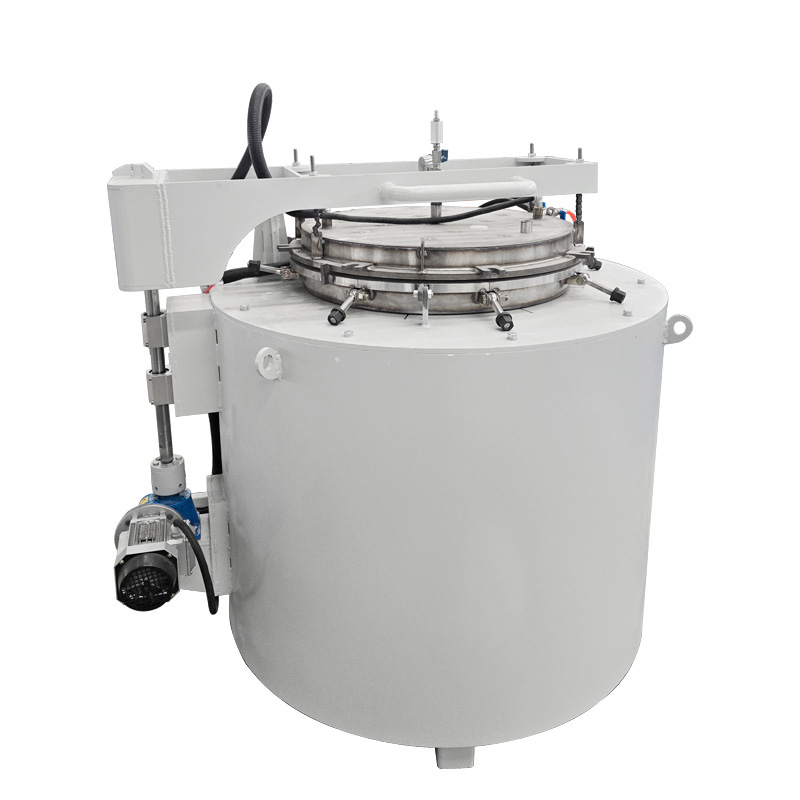
For large components, industrial pit furnaces are particularly useful because their vertical, deep-chamber configuration is designed for heat treatment of long shafts, large workpieces, and other vertically loaded components.
3.Why Is Furnace Temperature Control Important in Heat Treatment?
Temperature control is one of the most important factors in a successful heat treatment process.
A furnace that cannot maintain a stable and uniform temperature may produce:
- Uneven hardness
- Inconsistent microstructure
- Excessive oxidation
- Distortion
- Poor repeatability
- Increased scrap rates
For this reason, industrial heat treatment furnaces commonly use advanced temperature control systems and, for some applications, multiple independent heating zones.
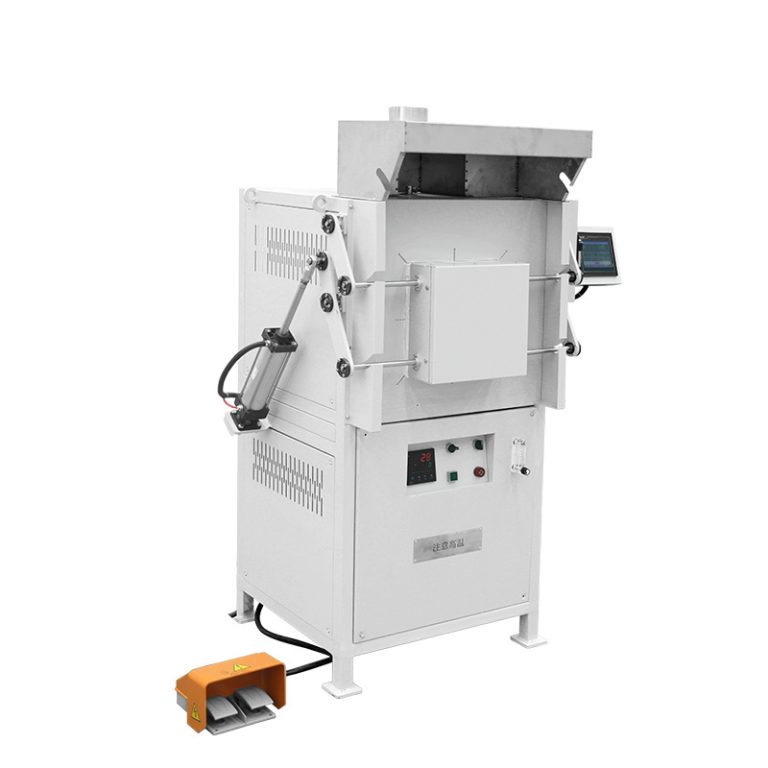
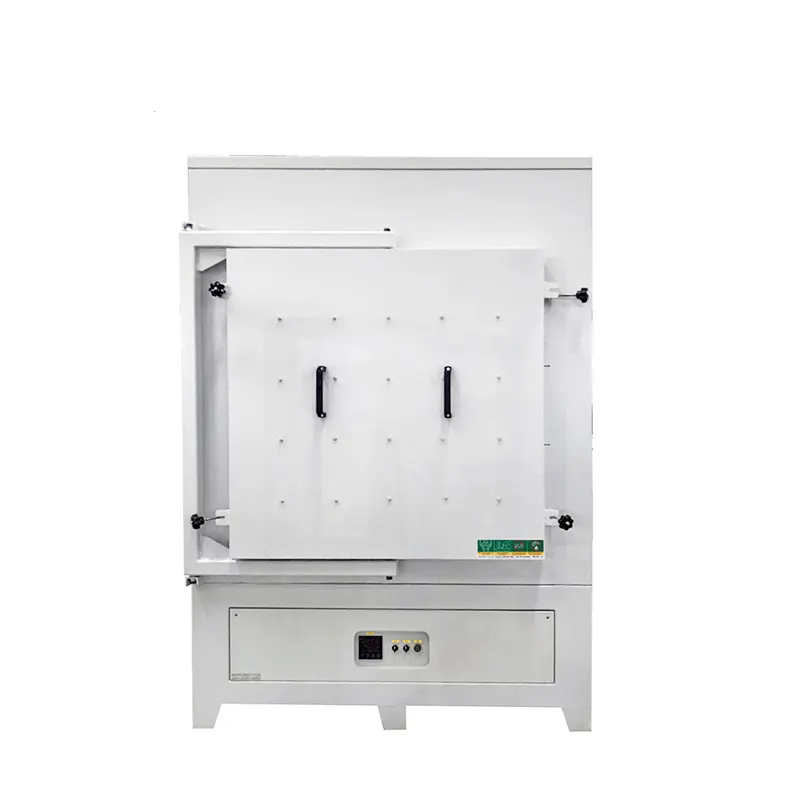
For example, your industrial furnace range includes equipment designed for controlled heat treatment and large workpieces. The industrial box furnace category is intended for applications such as annealing, tempering, preheating, and high-temperature treatment, while hot-air circulation can be used to improve furnace temperature uniformity.
III.How Can Support Heat Treatment Applications?
MeltingFurnace.net offers a broad range of industrial electric furnace technologies for heat treatment, material processing, sintering, melting, and continuous thermal processing.
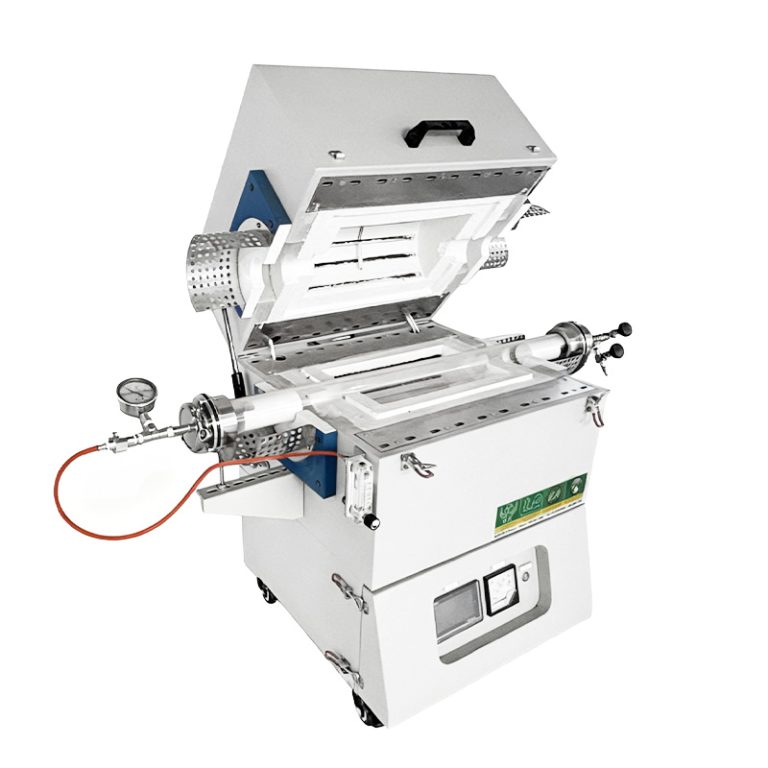
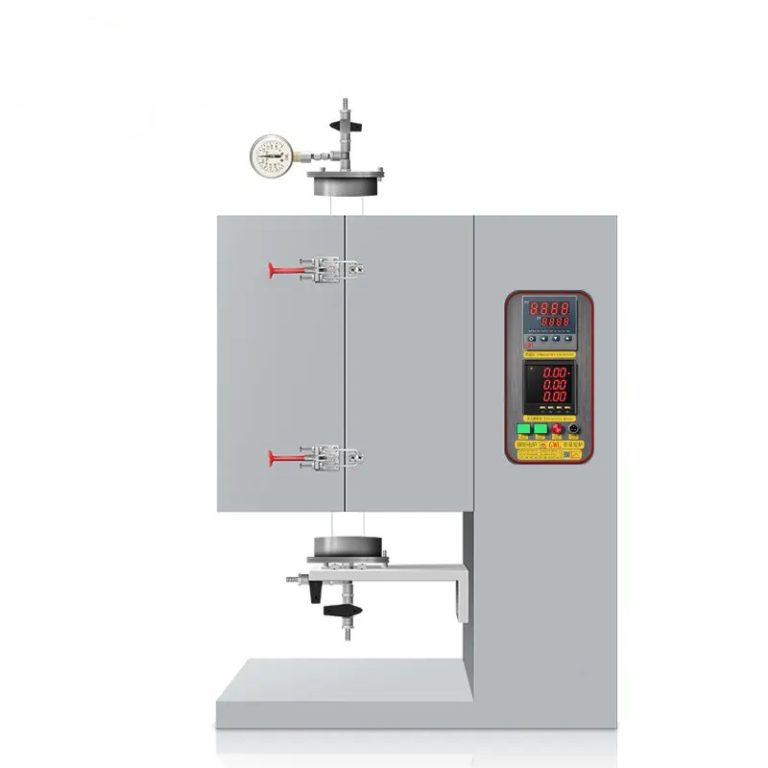
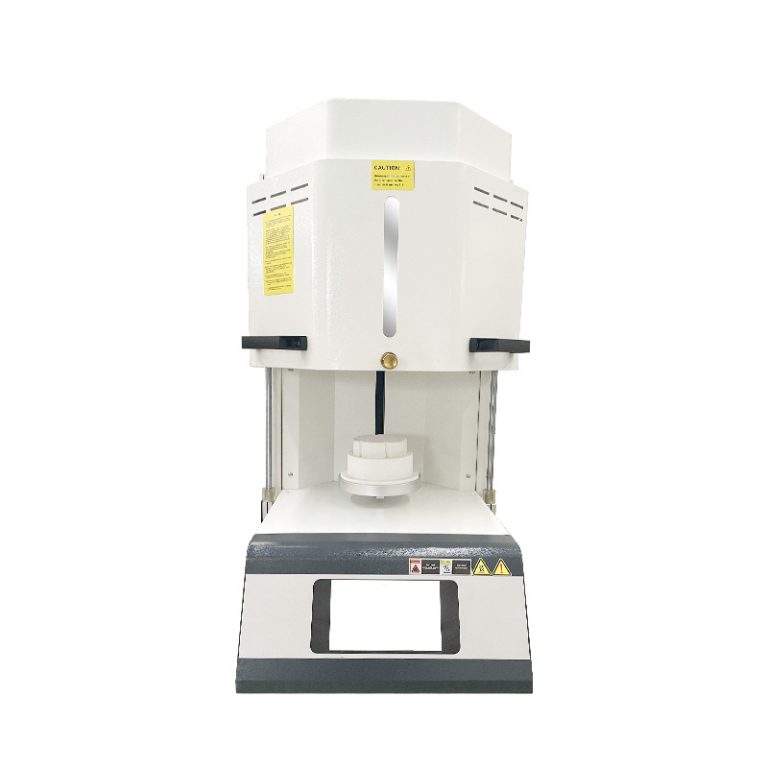
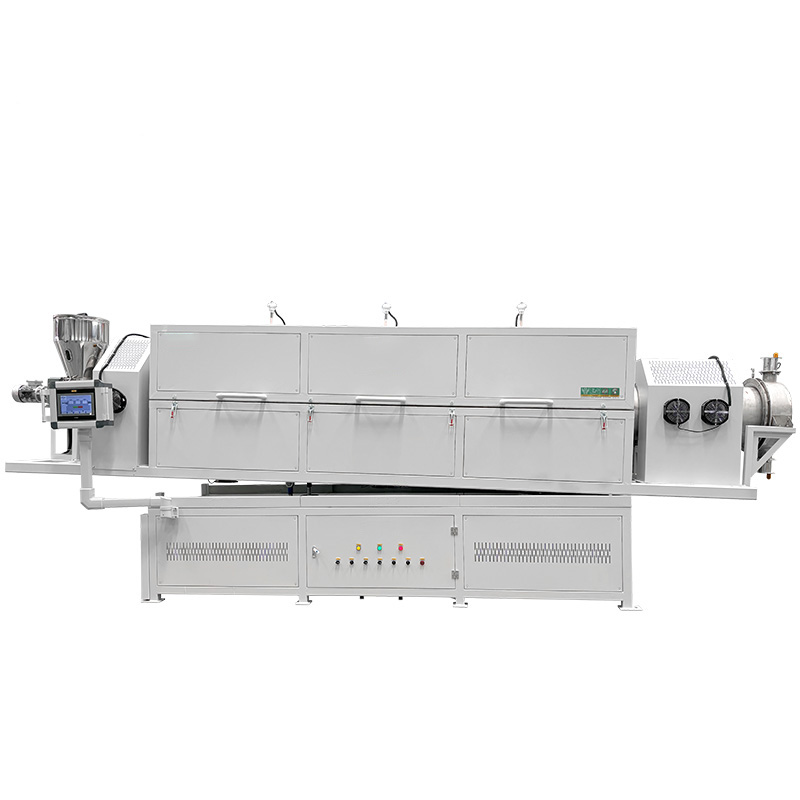
The current product portfolio includes industrial box furnaces, tubular furnaces, pit furnaces, lifting furnaces, rotary kilns, tunnel kilns, roller hearth kilns, and induction heating equipment.
This allows furnace selection to be based on the actual process rather than using a one-size-fits-all design.
For example:
Small or batch components → Industrial Box Furnace
Long shafts and large workpieces → Industrial Pit Furnace
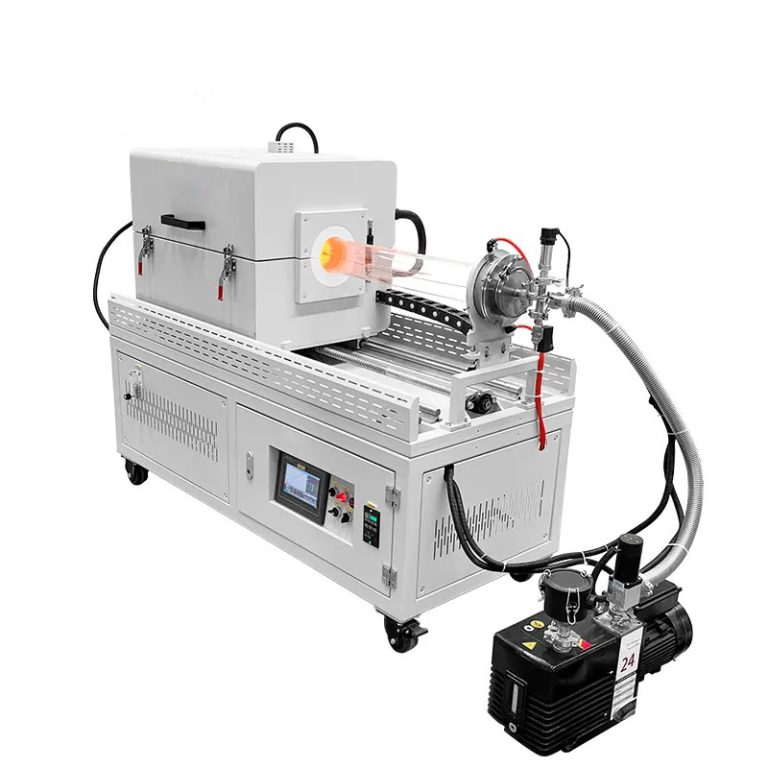
Continuous atmosphere-controlled treatment → Industrial Tubular Furnace
Powder or granular continuous processing → Rotary Furnace
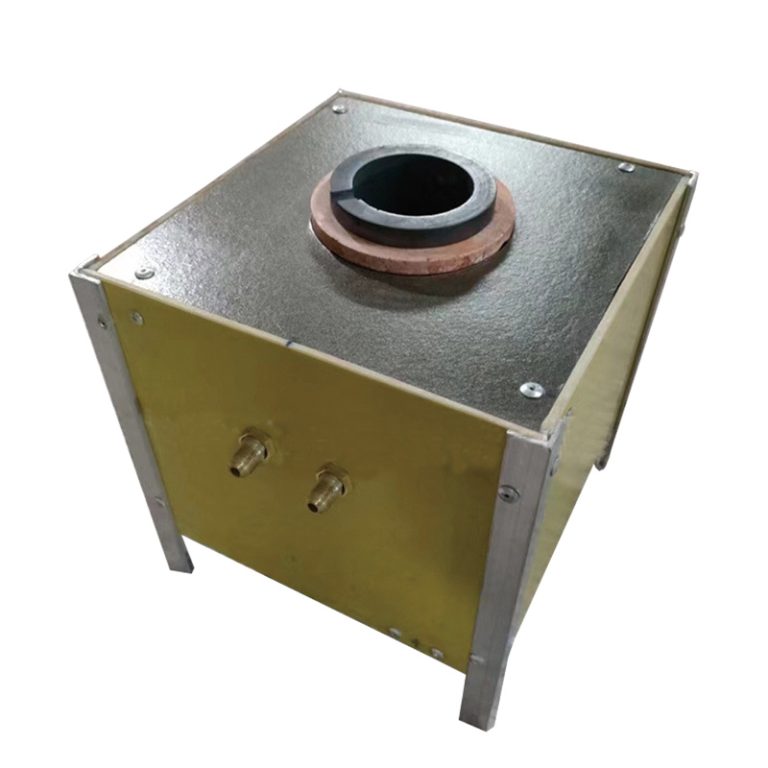
Localized or rapid metal heating → Induction Heating Equipment
A customized furnace can be configured according to temperature requirements, furnace dimensions, production capacity, atmosphere, heating zones, loading method, and automation requirements.
IV.Conclusion
Heat treatment is a controllable thermal process, which mainly includes three stages: heating, insulation and cooling. By selecting the appropriate process system, the microstructure of the material can be changed and the hardness, strength, toughness, plasticity, wear resistance and dimensional stability can be improved.
Furnace selection depends on material, workpiece size, temperature, atmosphere, throughput and process control requirements. In industrial applications, selection around a complete heat treatment cycle is the key to ensuring stable quality and production consistency.
Need a heat treatment furnace for steel, alloy, ceramic, powder, or other materials? Contact MeltingFurnace.net to discuss your temperature, capacity, atmosphere, and workpiece requirements and get a customized furnace solution.
Click “Request a Quote” to get a customized solution.
V. Heat treatment FAQ Section
1. What is heat treatment in simple terms?
Heat treatment is the controlled heating, holding, and cooling of a material to change its microstructure and improve properties such as hardness, strength, toughness, ductility, or wear resistance.
2. What are the 3 main steps of heat treatment?
The three basic steps are heating, soaking, and cooling. The temperature, holding time, and cooling rate are adjusted according to the material and desired properties.
3. What are the four main types of heat treatment?
The commonly discussed basic heat treatment methods are annealing, normalizing, hardening, and tempering. Stress relieving and other specialized treatments are also widely used.
4. Which furnace is used for heat treatment?
The type of furnace to choose depends on the specific application. Box furnaces are suitable for batch processing, pit furnaces are suitable for long or large items, tube furnaces are used for atmosphere control, rotary furnaces are used for continuously tumbling materials, and induction heating is suitable for rapid or localized heating.
5. Why is temperature control important in heat treatment?
Accurate temperature control helps achieve the intended metallurgical transformation and consistent material properties. Poor temperature uniformity or an incorrect thermal cycle can lead to inconsistent hardness, distortion, oxidation, or other quality problems.
Supplier
Luoyang Anjing Intelligent Equipment Co., Ltd. is an enterprise dedicated to the research, development, production, sales, and technical services of heat treatment equipment such as high-temperature electric furnaces. We produce laboratory, vacuum, industrial, and medium frequency furnace, covering a temperature range from -100℃ to 2600℃, serving industries such as new energy, semiconductors, and advanced materials. We can provide customized solutions based on specific atmosphere, ultra-high temperature, and intelligent control system requirements. Please feel free to contact us if you are interested.