Luoyang Anjing Intelligence Equipment are a global leader in high-temperature electric furnaces



What Is The Principle Of Vacuum Furnace?
What is the working principle of a vacuum furnace? A comprehensive analysis
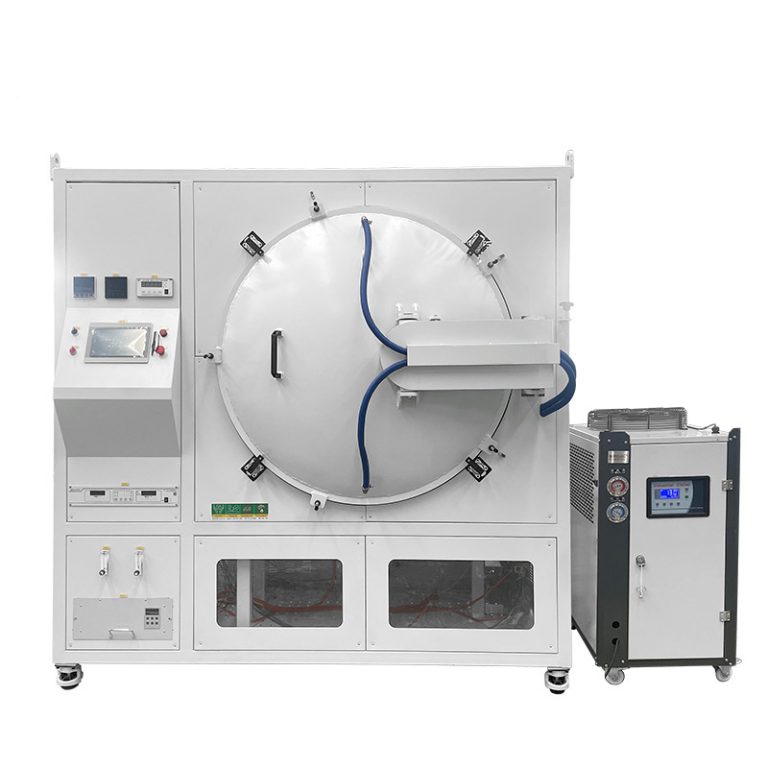
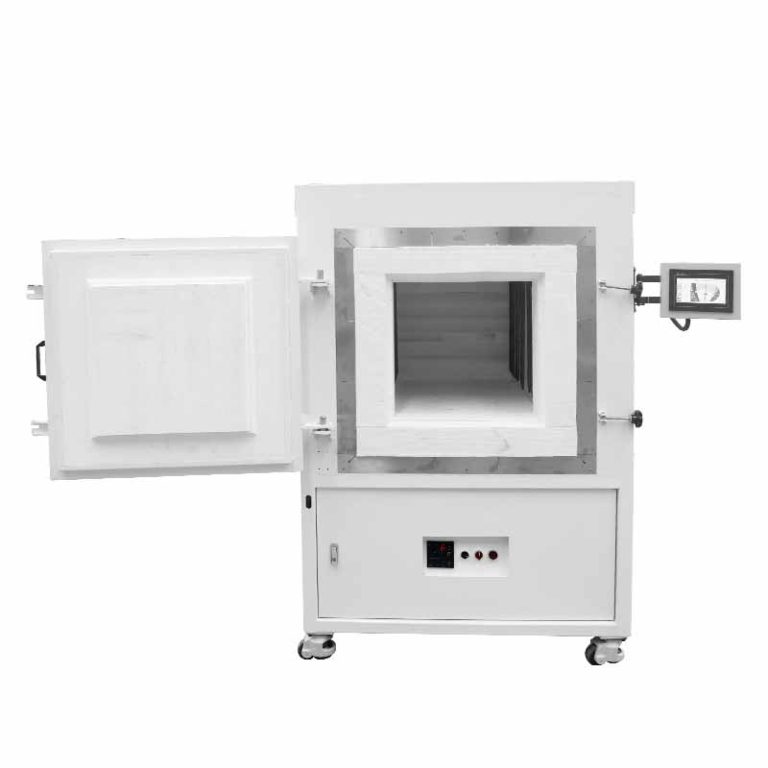
A vacuum furnace is a specialized device for high-temperature heat treatment in a low-pressure or oxygen-free environment. Unlike ordinary industrial furnaces, the biggest characteristic of a vacuum furnace is not simply increasing the heating temperature, but rather reducing oxidation and contamination through the vacuum environment, and achieving high-quality material treatment in a controlled atmosphere.Understanding the working principle of a vacuum furnace requires analysis of several aspects, including the vacuum system, heating method, heat transfer process, and atmosphere control. By removing air from the furnace chamber, a vacuum furnace completes the heating, holding, and cooling processes in a low-oxygen environment, resulting in a more stable microstructure and superior properties for the material.
I. General Introduction to Vacuum Furnaces
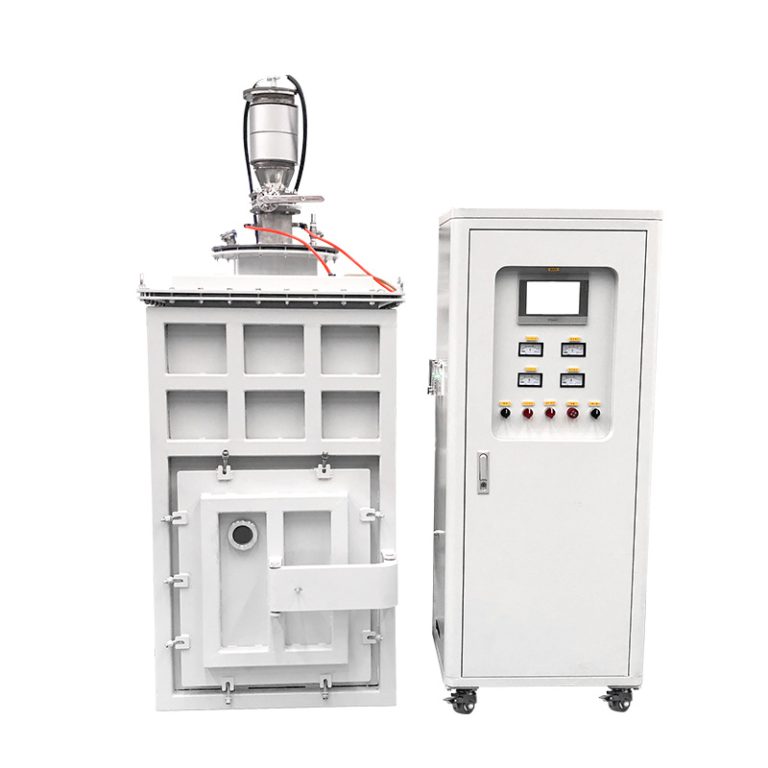
A vacuum furnace is a high-temperature device that utilizes a vacuum environment for heat treatment. It mainly consists of a furnace body, a vacuum system, a heating system, a temperature control system, a cooling system, and a control system.
Depending on the application requirements, the vacuum furnace can also be filled with protective gases such as argon, nitrogen, and hydrogen to achieve different processes such as vacuum sintering, gas quenching, annealing, and brazing.
II. Product Features and Advantages
- Vacuum Environment: Oxygen-Free Heating, Material Preservation
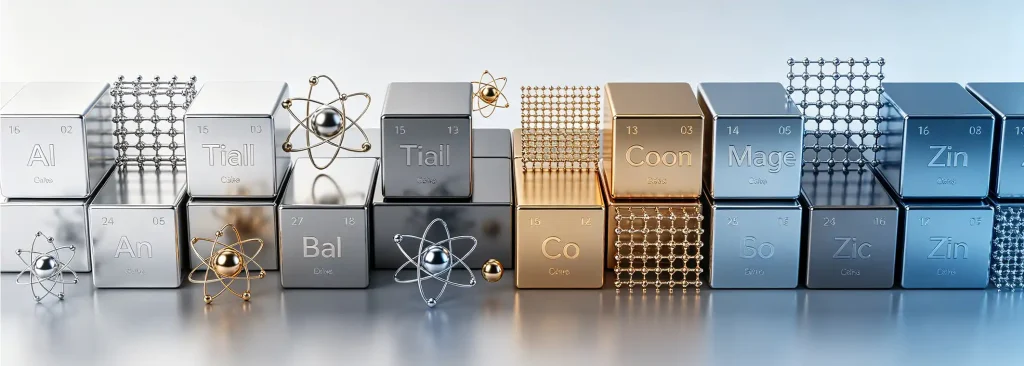
The essential characteristic of a vacuum furnace is creating an oxygen-free and gas-free environment within the furnace chamber. Heating metal in the atmosphere results in the formation of oxide scale and a decarburized layer on the surface, which can alter the material composition in severe cases; some alloying elements (such as aluminum and titanium) can volatilize at high temperatures, affecting alloy properties. The vacuum environment solves these problems—the metal surface retains its original color, with no oxide color difference, no decarburized layer, and the material composition is completely preserved.
- Heating Method: Primarily Radiative Heat Transfer
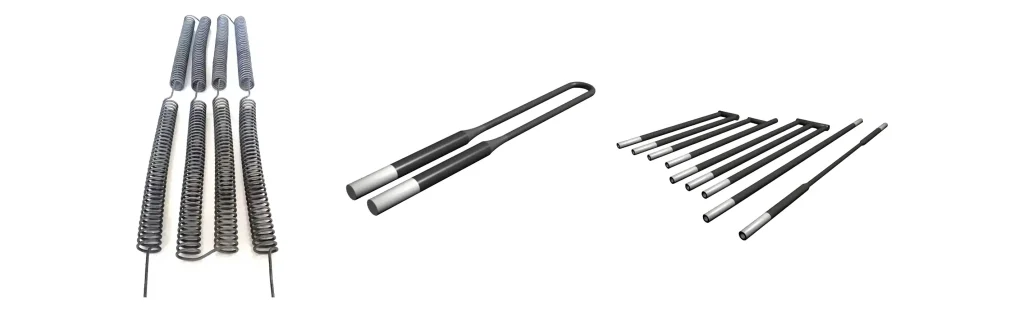
In a vacuum, there are very few gas molecules, so convective heat transfer is negligible and thermal conductivity is also very weak. Therefore, vacuum furnace heating mainly relies on thermal radiation. After the heating element (resistance wire, silicon molybdenum rod, graphite, etc.) is energized and generates heat, it radiates energy to the workpiece in the form of electromagnetic waves, which are absorbed by the workpiece and cause its temperature to rise.
- Sealed Furnace Body: The Physical Basis for Maintaining Vacuum
The vacuum furnace body is a welded, sealed container made of steel plates, equipped with a high-performance vacuum sealing door. The sealing rings are mostly made of high-temperature resistant silicone rubber or fluororubber, maintaining a seal under pressure differential. The furnace body is equipped with interfaces for air extraction, air intake, temperature measurement, and observation windows, ensuring reliable sealing.
- Vacuum Pump System: The Power Source for Generating Vacuum
The vacuum pump is the “evacuation tool” of the vacuum furnace. Different types of vacuum pumps are used depending on the required vacuum level:
Mechanical Rotary Vane Pump: Ultimate pressure approximately 10⁻¹ Pa, used for rough evacuation and maintaining low vacuum.
Roots Pump: Used in series with a rotary vane pump to increase pumping speed.
Diffusion Pump or Molecular Pump: Used for high vacuum and ultra-high vacuum, reaching above 10⁻⁵ Pa.
Multi-stage pump combinations can progressively increase the vacuum level to meet different process requirements.
- Cooling System: How is cooling achieved under vacuum?
Vacuum environments are inherently adiabatic, making heating easy but cooling difficult. When rapid cooling is required after heating in a vacuum furnace, two methods are typically used: forced gas circulation cooling (gas cooling) by filling with an inert gas (such as argon or nitrogen), or heat removal via a water-cooled jacket within the furnace wall (water cooling). Gas cooling is currently the mainstream cooling method for vacuum heat treatment furnaces, offering adjustable cooling rates and suitability for quenching processes.
- Temperature Control: Precise Thermocouple Measurement
Temperature measurement in vacuum furnaces typically uses thermocouples. Unlike ordinary resistance furnaces, the gas in a vacuum furnace is rarefied, causing the thermocouple response to be slower. Therefore, special attention must be paid to the thermocouple placement and thermal equilibrium time during use.
- Inert Gas Backfilling: Special Operation of the Furnace Door
After the vacuum furnace completes its cooling process, the furnace door needs to be opened to remove the parts. Because the furnace is under negative pressure, the outside atmospheric pressure will press the door firmly against the frame, making it impossible to open. The correct procedure is to first turn off the vacuum pump and main valve, then open the filling valve to backfill the furnace chamber with dry nitrogen or dry compressed air. Wait until the furnace pressure returns to normal before opening the door to remove the parts.
| Comparison Dimension | Vacuum Furnace | Atmosphere Furnace |
|---|---|---|
| Working Medium | Air evacuated, near gas-free state | Protective gases introduced (N₂, Ar, etc.) |
| Pressure State | Negative pressure (below atmospheric pressure) | Atmospheric or slight positive pressure |
| Oxygen Residue | Extremely low (depends on vacuum level) | Depends on gas displacement efficiency |
| Heating Method | Primarily radiation | Radiation + convection |
| Cooling Method | Gas quenching or water cooling | Furnace cooling or door-open cooling |
| Heating Element Life | Longer in vacuum (no oxidation) | Affected by atmosphere composition |
| Equipment Cost | Higher | Lower |
IV. Two Key Issues in Vacuum Furnace Applications
1.Why isn’t a higher vacuum level always better?
Many users believe that a higher vacuum level always equates to better heat treatment results.
In reality, the vacuum level needs to be selected based on process requirements.
For example, ordinary annealing may only require a lower vacuum; sintering high-purity materials requires a higher vacuum; and aerospace parts processing demands even stricter vacuum cleanliness standards.
Excessively high vacuum not only increases equipment costs but also raises the difficulty of operation and maintenance.
Only by rationally selecting the vacuum level can a balance be achieved between performance and cost.
2. Why are vacuum furnaces suitable for high-end material manufacturing?
Modern manufacturing demands increasingly higher material performance, such as: higher strength; better heat resistance; lower impurity content; and more stable dimensional accuracy.
Traditional air furnaces are susceptible to oxidation and contamination, while vacuum furnaces provide a purer and more controllable heat treatment environment.
Therefore, vacuum furnaces are increasingly widely used in the fields of aero-engine components, semiconductor materials, new energy battery materials, and precision mold manufacturing.
IV. Product Applications
- Vacuum Heat Treatment (Quenching, Annealing, Tempering): Vacuum furnaces are the most typical application for heat treatment of tool steel, die steel, and high-speed steel. Workpieces quenched under vacuum have a smooth surface, free from oxidation and decarburization, and can be used directly or require only minimal machining.
- Vacuum Brazing: Brazing of high-temperature alloys, titanium alloys, stainless steel, and other materials in a vacuum environment avoids brazing filler metal oxidation, resulting in high-quality brazed joints.
- Vacuum Sintering: Sintering cemented carbide (tungsten carbide), powder metallurgy parts, and ceramic materials in a vacuum reduces porosity and increases density and strength.
- Vacuum Annealing and Degassing: Annealing electrical steel, magnetic materials, copper alloys, etc., in a vacuum eliminates processing stress, improves grain structure, and removes gases and volatile impurities, enhancing electrical and magnetic properties.
- Scientific Research and New Material Development: Vacuum furnaces are standard equipment for materials science research, including formula testing of new alloys, synthesis of intermetallic compounds, and annealing of thin film materials.
V.Supplier
Luoyang Anjing Intelligent Equipment Co., Ltd. is an enterprise dedicated to the research, development, production, sales, and technical services of heat treatment equipment such as high-temperature electric furnaces. We produce laboratory, vacuum, industrial, and medium frequency furnace, covering a temperature range from -100℃ to 2600℃, serving industries such as new energy, semiconductors, and advanced materials. We can provide customized solutions based on specific atmosphere, ultra-high temperature, and intelligent control system requirements. Please feel free to contact us if you are interested.