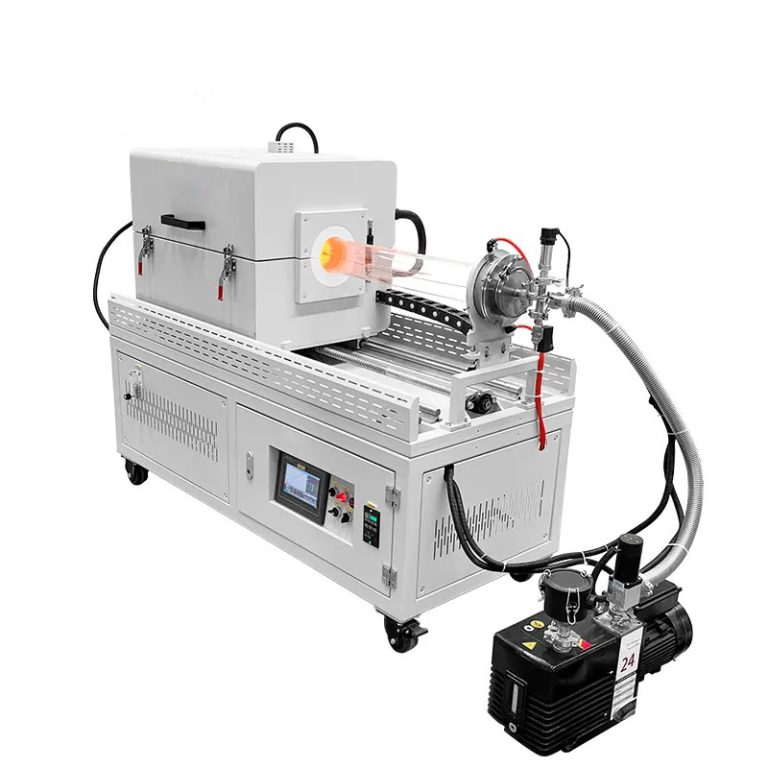
Luoyang Anjing Intelligence Equipment are a global leader in high-temperature electric furnaces



What Is the Maximum Temperature for a Tube Furnace?
Tube furnace are widely used in materials research, heat treatment, ceramic sintering, powder metallurgy, and semiconductor manufacturing due to their precise temperature control and controllable atmosphere capabilities. Many users’ first concern when purchasing equipment is: “What is the highest temperature a tube furnace can reach?”
In reality, there is no unified standard for the maximum temperature of a tube furnace; it is determined by the heating element, furnace tube material, furnace chamber structure, insulation material, and working atmosphere. Understanding the Tube Furnace Working Principle is more important than simply focusing on the maximum temperature, as the equipment’s long-term stable operating capability is often more valuable than instantaneous extreme temperatures.
I. General Introduction to Tube Furnaces
A tube furnace is a laboratory and industrial device that uses resistance heating technology to uniformly transfer heat to the interior of the furnace tube through heating elements, enabling high-temperature sample processing.
Understanding box furnaces, tube furnaces place samples within independent furnace tubes, allowing for the creation of air, vacuum, or protective atmosphere environments according to process requirements. Therefore, they offer greater flexibility in material sintering, atmosphere heat treatment, and chemical reactions.
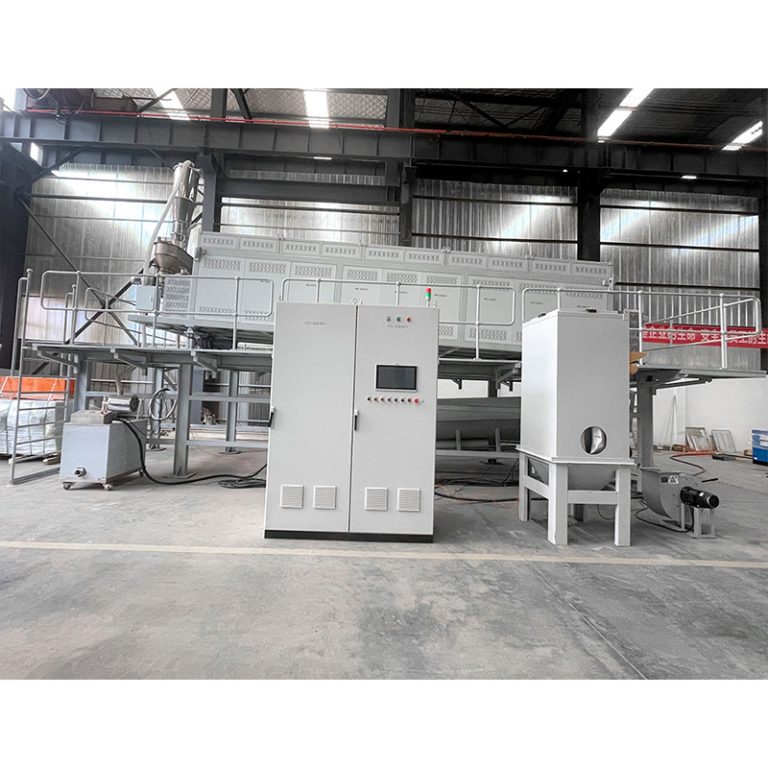
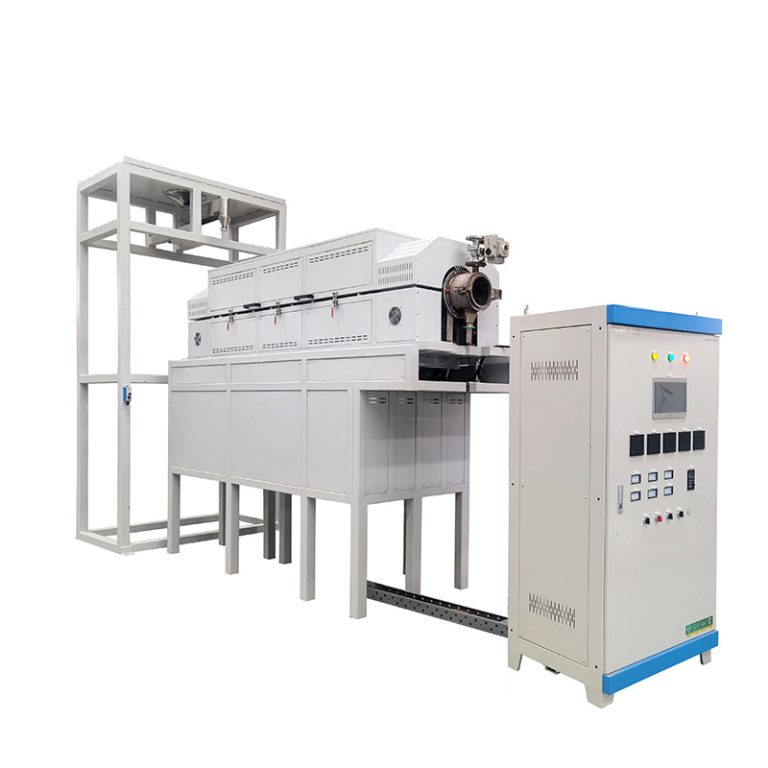
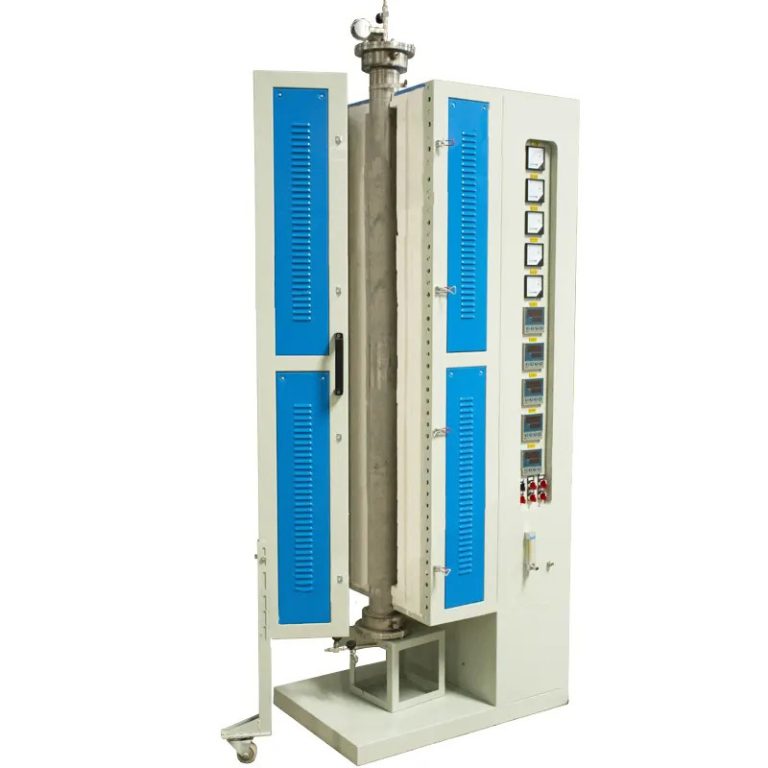
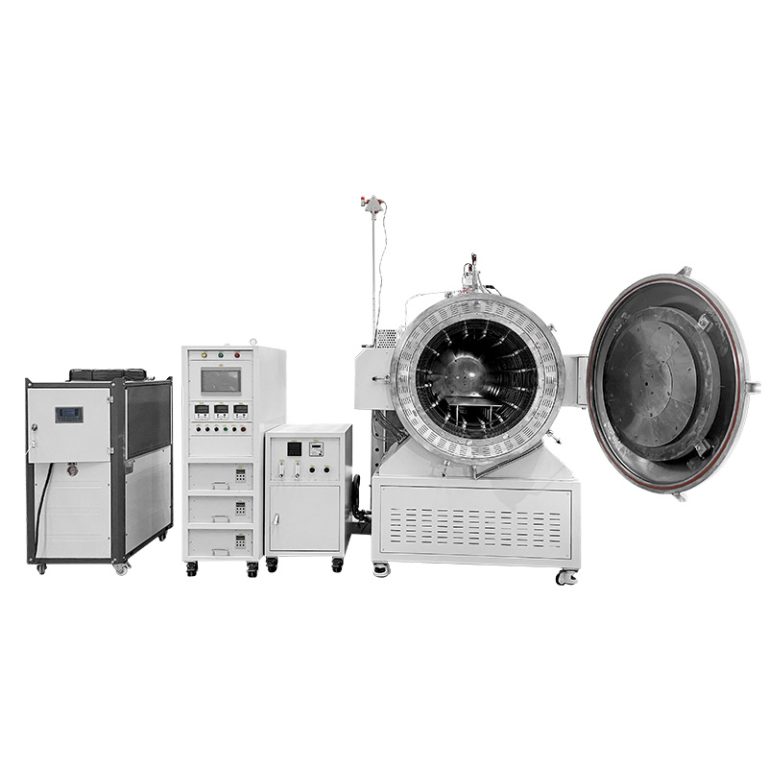
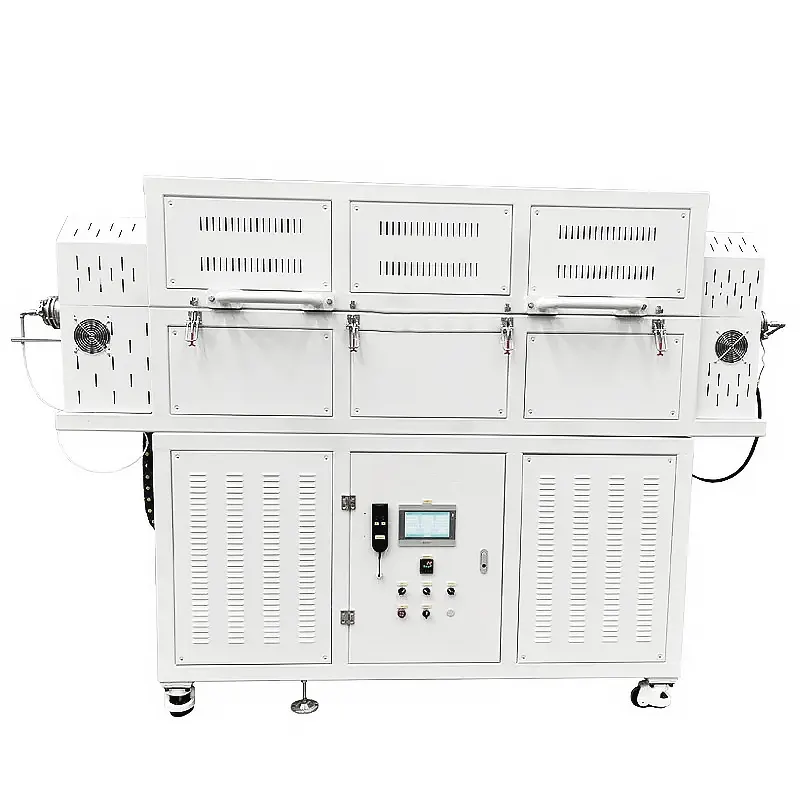
Modern tubular furnaces typically consist of a furnace body, heating system, furnace tubes, insulation layer, temperature control system, and atmosphere control system, and can be designed as single-temperature zone, multi-temperature zone, or continuous structure according to temperature requirements.
II. Product Features and Advantages
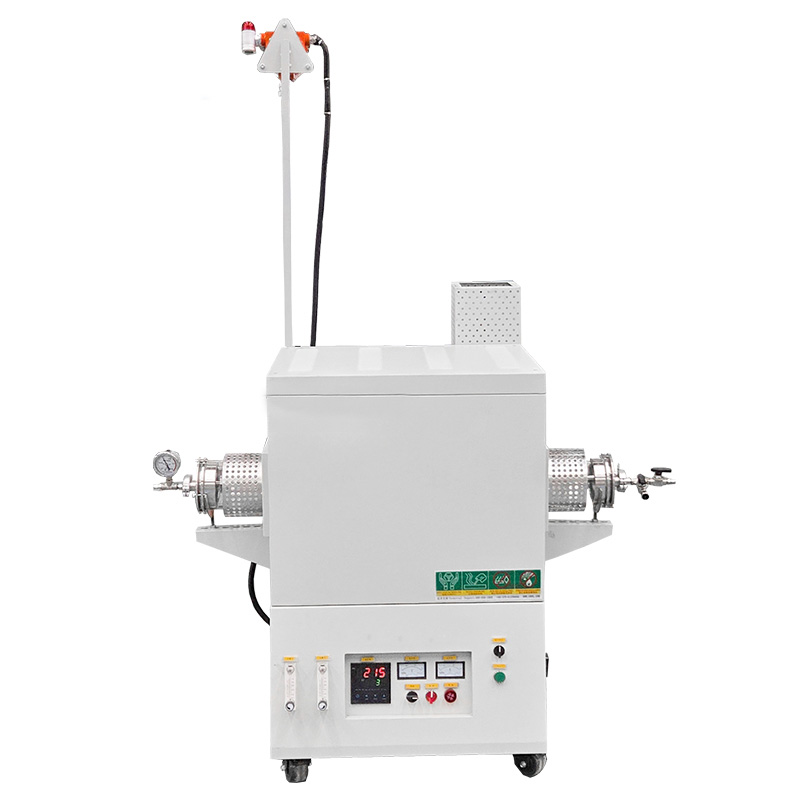
- Standard Temperature Range: 1100℃-1200℃
This is the most common temperature range for tube furnaces and is the standard range for entry-level equipment. High-temperature alloy resistance wire is used as the heating element, and the furnace tube is typically made of quartz glass. This type of equipment is suitable for the heat treatment of most common materials, such as ceramic sintering, metal annealing, and drying and decomposition of powder materials.
- Medium-High Temperature Range: 1400℃-1500℃
Tube furnaces in this temperature range generally use silicon carbide (SiC) rods as heating elements. For example, the high-temperature tube furnace at the University of Science and Technology of China has a maximum operating temperature of 1500℃ (short-term) and a continuous operating temperature of 1400℃. Labmate’s tube furnace products can reach a maximum temperature of 1450℃. This type of equipment is suitable for processes requiring higher temperatures, such as high-temperature ceramic sintering and solution treatment of metal materials.
- Ultra-high temperature range: 1600℃-1800℃
To reach this temperature level, the heating element needs to be upgraded to a silicon molybdenum rod or a molybdenum disilicide heater. Nabertherm’s high-temperature tube furnaces can reach 1600℃-1800℃. Among domestic equipment, Hefei Kejing’s 1700℃ tube furnace has a maximum operating temperature of 1650℃ (short-term) and a continuous operating temperature of 1600℃. This type of equipment is often used for the processing of high-temperature alloys, the sintering of special ceramics, and material synthesis experiments requiring extremely high temperatures.
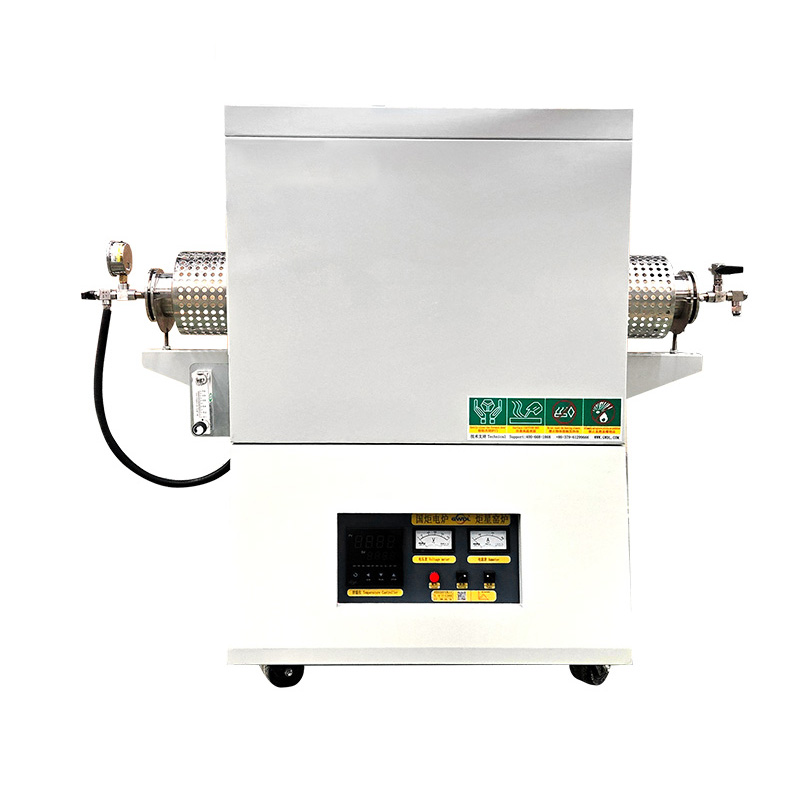
- Extreme temperature range: 1800℃-2600℃
This is the temperature ceiling for tube furnaces. International brands such as Carbolite can reach up to 2600℃, but this type of equipment usually uses special heating elements (such as graphite or tungsten) and special furnace tube materials (such as high-purity corundum or carbon composite materials), resulting in extremely high costs and demanding operating conditions. Domestic manufacturers’ products generally operate between 1000℃ and 1800℃.
III. Two Important Topics Regarding the Product
- Maximum Temperature vs. Long-Term Operating Temperature – These Two Numbers Are Not the Same Thing
When buying a tube furnace, it’s easy to be attracted by the “maximum temperature” figure. However, professional users pay attention to another parameter: long-term operating temperature.
Maximum temperature usually refers to the upper limit that the equipment can reach for a short period (e.g., 30 minutes to 2 hours), not its ability to operate stably at that temperature. For example, a tube furnace nominally rated at 1700℃ may only have a long-term operating temperature of 1600℃-1650℃. Continuous operation at the maximum temperature will significantly shorten the lifespan of the heating element and furnace tubes – this is determined by thermodynamic laws, not a quality issue.
Recommended Practice: In daily use, setting the operating temperature 100℃-150℃ below the maximum temperature can significantly extend the equipment’s lifespan. For example, for a 1700℃ furnace, a long-term operating temperature of 1550℃-1600℃ is a reasonable choice.
- Temperature Range Limits – Low Temperature Range Also Deserves Attention
The “temperature range” of a tube furnace isn’t just about the highest temperature; the initial operating temperature is also a crucial parameter. Many ultra-high temperature tube furnaces (such as those in the 1700℃ range) don’t support direct start-up from room temperature and require preheating. A 700℃ tube furnace explicitly states a “temperature range of 800-1700℃”—meaning it cannot handle processes below 800℃, and low-temperature experiments require additional equipment.
Furthermore, the actual performance of temperature control accuracy across different temperature ranges is also important. Most tube furnaces claim a temperature control accuracy of ±1℃, but this is measured under steady-state conditions. During the dynamic processes of heating and cooling, the actual temperature difference may be greater. For processes requiring strict temperature uniformity (such as crystal growth), it’s necessary to focus on the temperature distribution data in the “isothermal zone,” rather than just the temperature control accuracy.
IV. Product Applications
- 1100℃-1200℃ Level: Sintering of lithium battery positive and negative electrode materials, preliminary sintering of ceramic powders, annealing of metallic materials, and catalyst activation. This is the standard configuration for most university materials laboratories, covering over 80% of conventional heat treatment needs.
- 1400℃-1500℃ Level: High-temperature sintering of oxide ceramics such as alumina and zirconium oxide, melting of master alloys for precision casting, and solution treatment of stainless steel. The 1500℃ level equipment at the University of Science and Technology of China and Westlake University is used for these demanding experiments.
- 1600℃-1800℃ Level: Sintering of non-oxide ceramics such as silicon carbide and silicon nitride (requires a protective atmosphere), heat treatment of high-temperature alloys, and crystal growth experiments. This type of equipment is usually equipped with a vacuum system or atmosphere protection system, requiring higher environmental control standards.
- Above 1800℃ Level: High-temperature graphitization treatment of carbon materials, ultra-high-temperature sintering of special ceramics, and cutting-edge materials science research. These types of equipment have high operating costs and require professional personnel to operate, and are generally only found in national laboratories or R&D centers of large enterprises.
V.Supplier
Luoyang Anjing Intelligent Equipment Co., Ltd. is an enterprise dedicated to the research, development, production, sales, and technical services of heat treatment equipment such as high-temperature electric furnaces. We produce laboratory, vacuum, industrial, and medium frequency furnace, covering a temperature range from -100℃ to 2600℃, serving industries such as new energy, semiconductors, and advanced materials. We can provide customized solutions based on specific atmosphere, ultra-high temperature, and intelligent control system requirements. Please feel free to contact us if you are interested.