Luoyang Anjing Intelligence Equipment are a global leader in high-temperature electric furnaces



What Is A Vacuum Furnace Used For?
A vacuum furnace is an industrial device that performs high-temperature heat treatment in a vacuum or controlled atmosphere. It is primarily used to improve material properties, increase product purity, and achieve special heat treatment processes.Many users, when learning about vacuum furnaces, focus on “what can a vacuum furnace do?” In reality, the core value of a vacuum furnace is not simply providing high temperatures, but rather achieving high-quality heat treatments that are difficult to achieve in ordinary industrial furnaces by isolating oxygen, reducing contamination, and precisely controlling the temperature and atmosphere.
Understanding the Vacuum Furnace Working Principle provides a clearer understanding of its applications. A vacuum furnace reduces the pressure inside the furnace through a vacuum system, and then uses a heating system to uniformly raise the temperature, allowing materials to complete processes such as sintering, annealing, quenching, and brazing in a low-oxygen or even oxygen-free environment.
I. General Introduction to Vacuum Furnaces
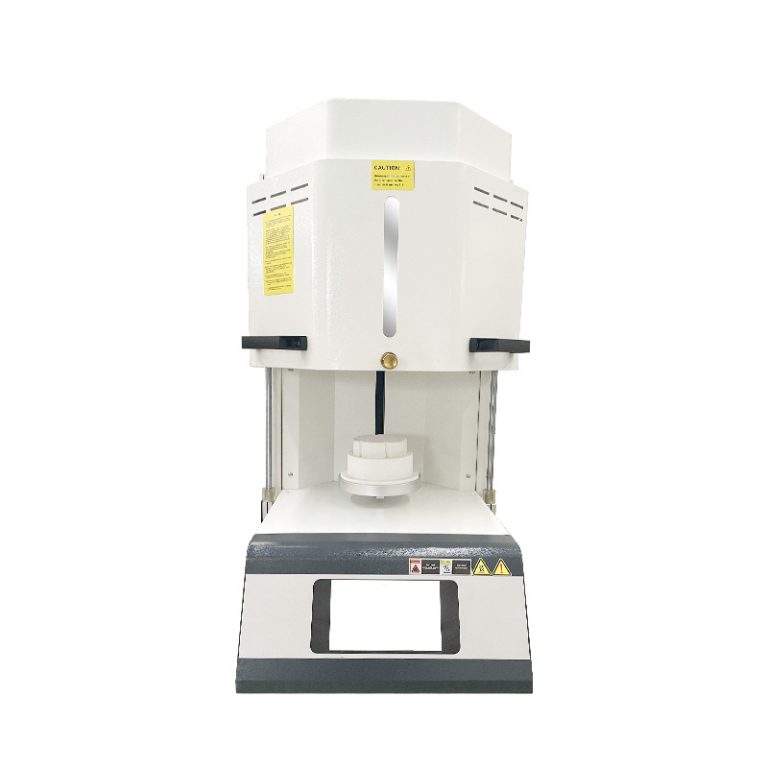
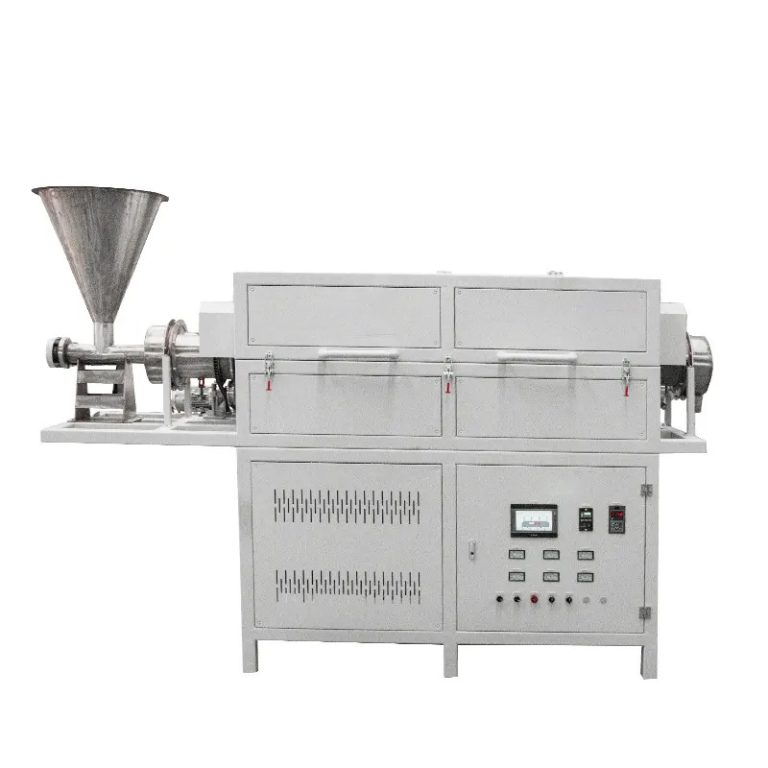
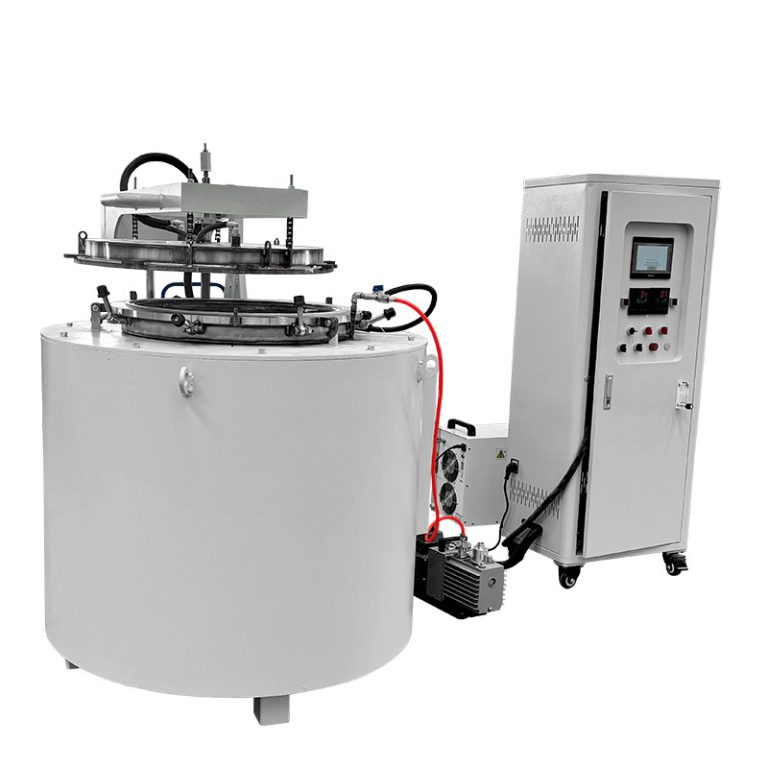
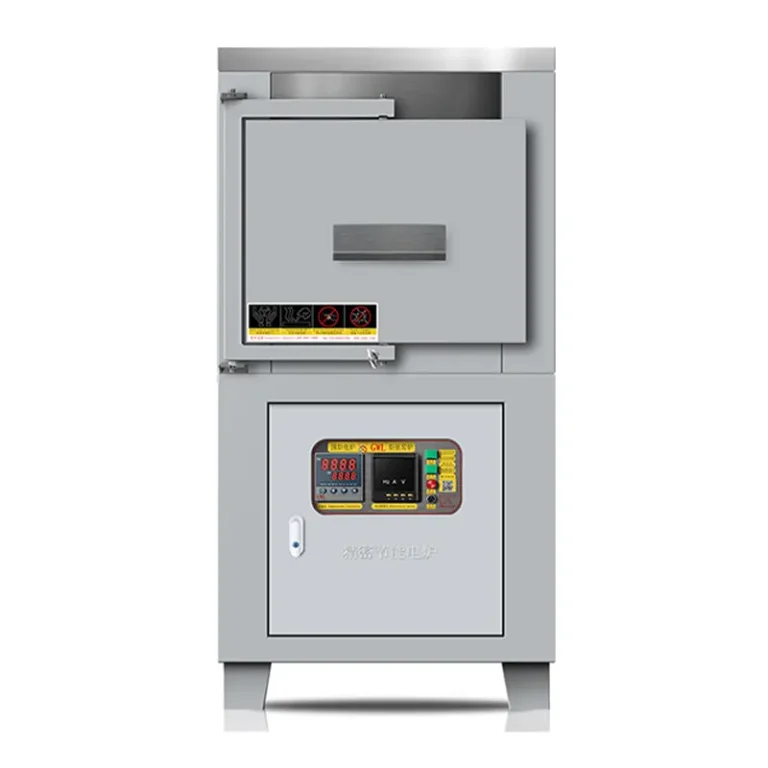
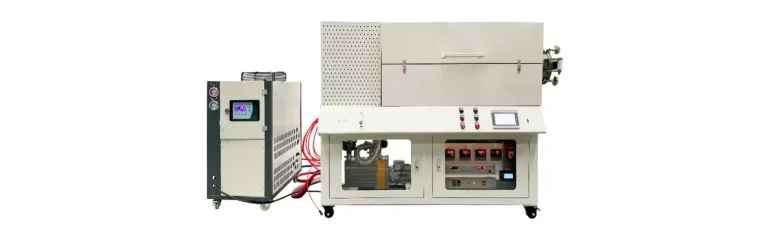
A vacuum furnace is a high-temperature device that utilizes a vacuum environment for material heat treatment. It mainly consists of a furnace body, a vacuum system, a heating system, a temperature control system, a cooling system, and an automatic control systemz.During operation, the vacuum pump first extracts air from the furnace chamber, reducing the oxygen and impurity gas content. Subsequently, the heating element transfers heat to the workpiece through thermal radiation, causing the material to complete the heating, holding, and cooling processes according to a preset temperature curve.
Depending on different production needs, vacuum furnaces can be configured with different functions: vacuum sintering systems; vacuum air quenching systems; protective gas filling systems; multi-temperature zone control systems; and automated production control systems.
Therefore, a vacuum furnace is not only a heating device, but also a precision heat treatment system for manufacturing high-performance materials.
II. Main Applications and Advantages of Vacuum Furnaces
- Vacuum Heat Treatment: Improving Metallic Material Properties
Vacuum furnaces are most commonly used for vacuum heat treatment. When subjected to high temperatures in ordinary air furnaces, the material surface is prone to oxidation and decarburization. In a vacuum environment, there is less oxygen, resulting in fewer surface reactions and allowing the metal surface to maintain its shine.
- Vacuum Sintering: Manufacturing High-Density Materials
Vacuum furnaces are widely used in powder metallurgy and advanced ceramics manufacturing. During sintering, the vacuum environment can: reduce internal oxidation of the material; promote particle bonding; reduce porosity; and increase material density. For materials requiring high strength and high wear resistance, vacuum sintering is a key process.

- Vacuum Brazing: Achieving High-Quality Joints
Vacuum furnaces are also important brazing equipment in the aerospace and precision manufacturing fields. Compared to traditional welding methods, vacuum brazing offers: no oxide layer; clean welds; high joint strength; and suitability for complex structures. Since the entire process requires no flux, impurity residues are avoided, improving product reliability.
- Vacuum Quenching: Reduced Deformation, Improved Performance
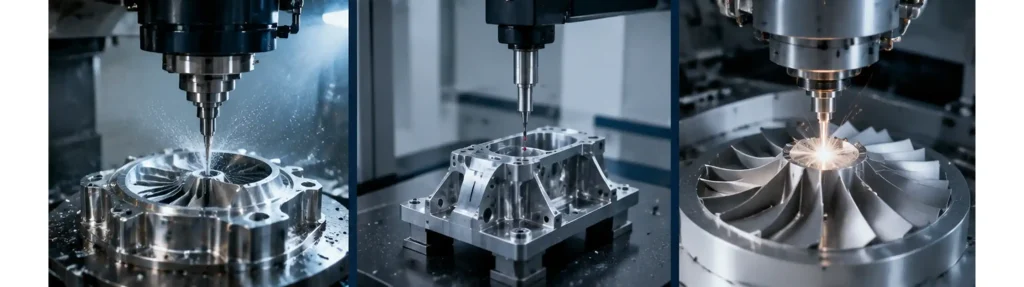
Some high-end vacuum furnaces are equipped with high-pressure gas quenching systems. After the workpiece is heated, argon or nitrogen gas is rapidly introduced into the furnace to quickly cool the material. Compared with oil quenching and water quenching, this method has the advantages of less workpiece deformation, a cleaner surface, and controllable cooling rate.
- Materials Research and High-Temperature Experimentation
Vacuum furnaces are used in the research and development of new materials to study the changes of materials in different environments by controlling temperature, pressure and atmosphere.
III. How Does the Vacuum Furnace Working Principle Support These Applications?
- Why Does a Vacuum Environment Improve Material Quality?
The biggest advantage of a vacuum furnace is the reduction of oxygen and impurity gases. In a conventional air furnace, materials are prone to oxidation, decarburization, surface contamination, and compositional changes at high temperatures.
A vacuum environment reduces the number of gas molecules, allowing materials to undergo heat treatment under purer conditions. This is why vacuum furnaces are widely used in the aerospace, high-end mold, and semiconductor industries.
- Why Are Vacuum Furnaces Suitable for High-End Manufacturing?
Modern industry places higher demands on materials: higher strength; higher purity; smaller dimensional errors; and more stable performance.
Ordinary heating equipment struggles to simultaneously meet these requirements, while vacuum furnaces, through precise control of temperature, pressure, atmosphere, and cooling rate,
achieve highly repeatable processing results. Therefore, vacuum furnaces have become an indispensable and crucial piece of equipment in the manufacturing of high-performance materials.
IV. Major Application Industries of Vacuum Furnaces
- Aerospace: Used for heat treatment of aero-engine blades, titanium alloy structural components, and high-temperature alloy parts to improve heat resistance and mechanical properties.
- Automotive Manufacturing: Used for quenching and annealing of automotive molds, precision parts, and special alloy components to improve service life.
- New Energy Industry: Used for the preparation of lithium battery materials, magnetic materials, and fuel cell-related materials.
- Powder Metallurgy Industry: Used for sintering cemented carbide, metal powders, and advanced ceramic materials to improve product density and performance.
- Electronics and Semiconductor Industry: Used for processing crystal materials, electronic components, and high-purity materials to meet clean manufacturing requirements.
V.Supplier
Luoyang Anjing Intelligent Equipment Co., Ltd. is an enterprise dedicated to the research, development, production, sales, and technical services of heat treatment equipment such as high-temperature electric furnaces. We produce laboratory, vacuum, industrial, and medium frequency furnace, covering a temperature range from -100℃ to 2600℃, serving industries such as new energy, semiconductors, and advanced materials. We can provide customized solutions based on specific atmosphere, ultra-high temperature, and intelligent control system requirements. Please feel free to contact us if you are interested.