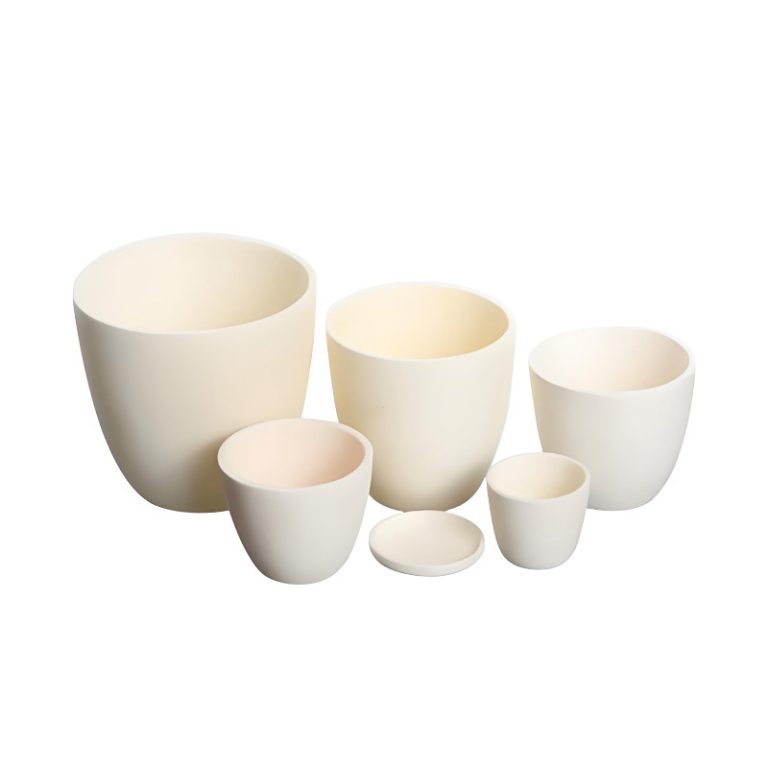
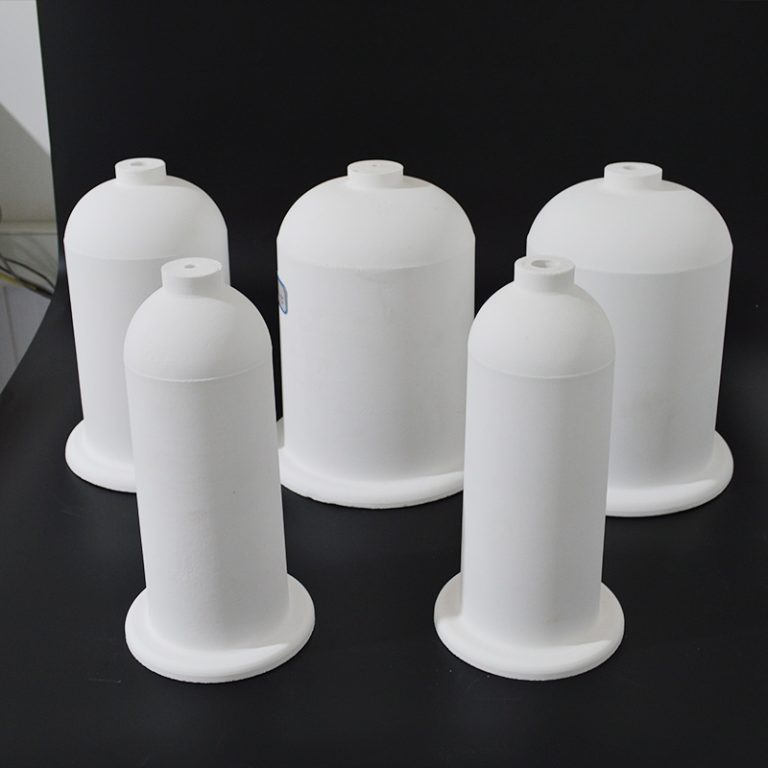
Luoyang Anjing Intelligence Equipment are a global leader in high-temperature electric furnaces



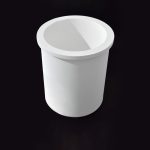
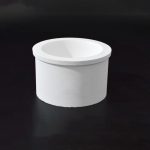
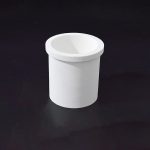
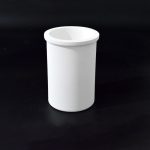
High-Purity Alumina Cylindrical Crucible with Rim for High-Temperature Furnaces
PRODUCT PARAMETERS
Description
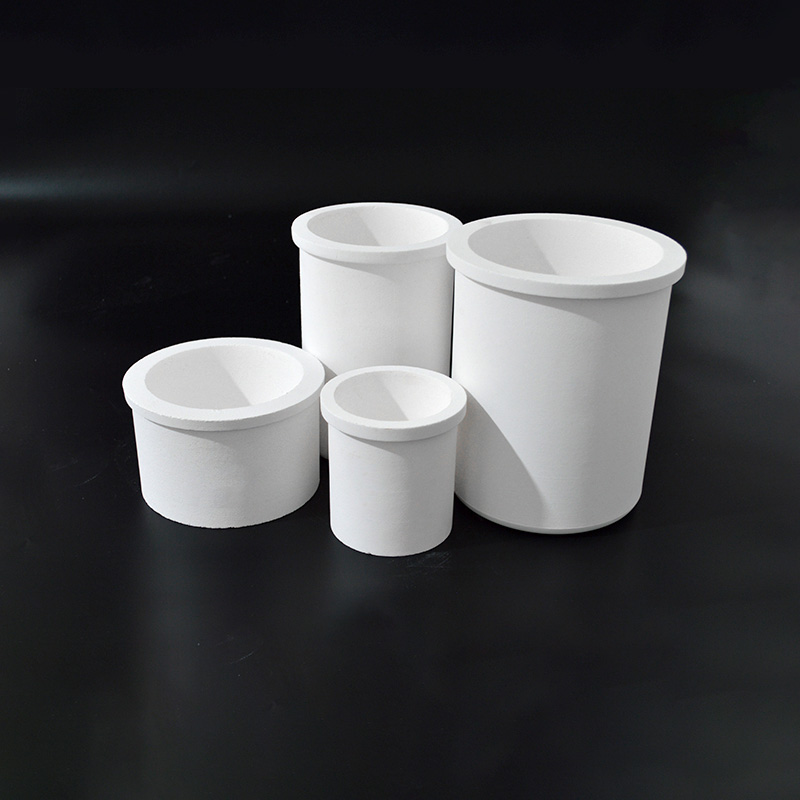
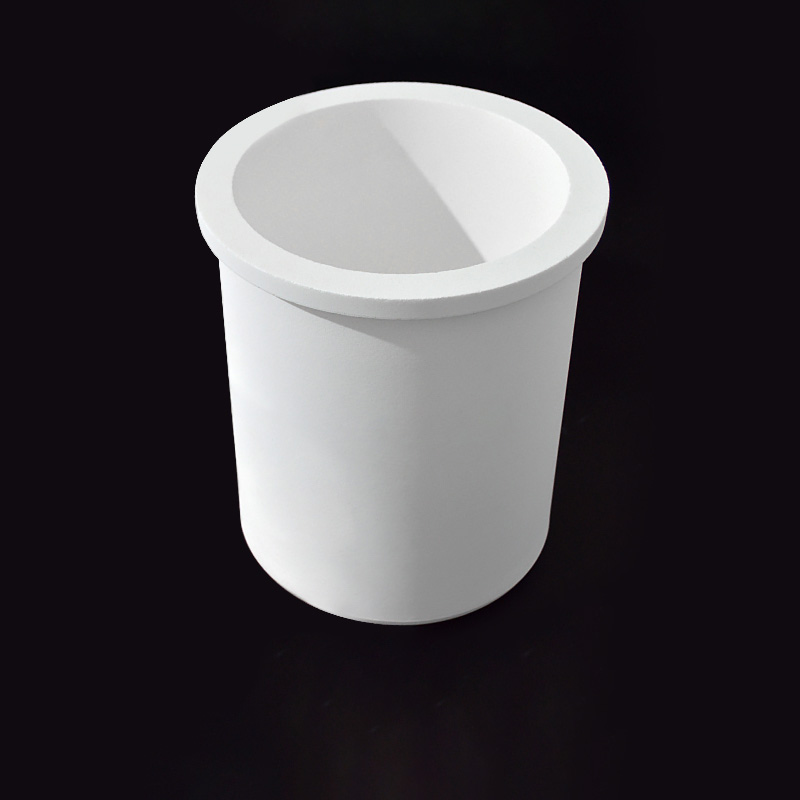
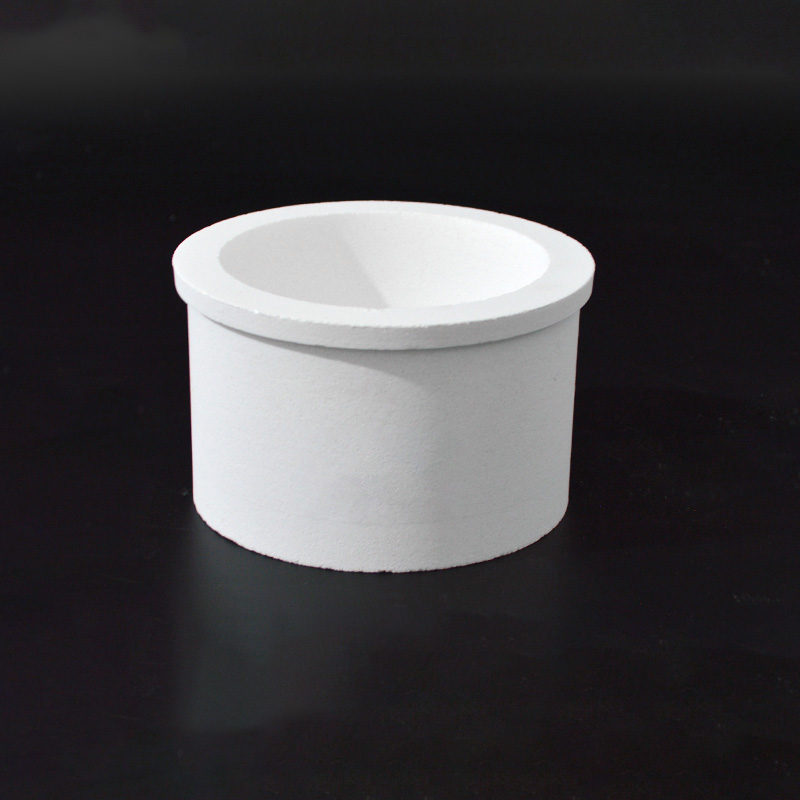
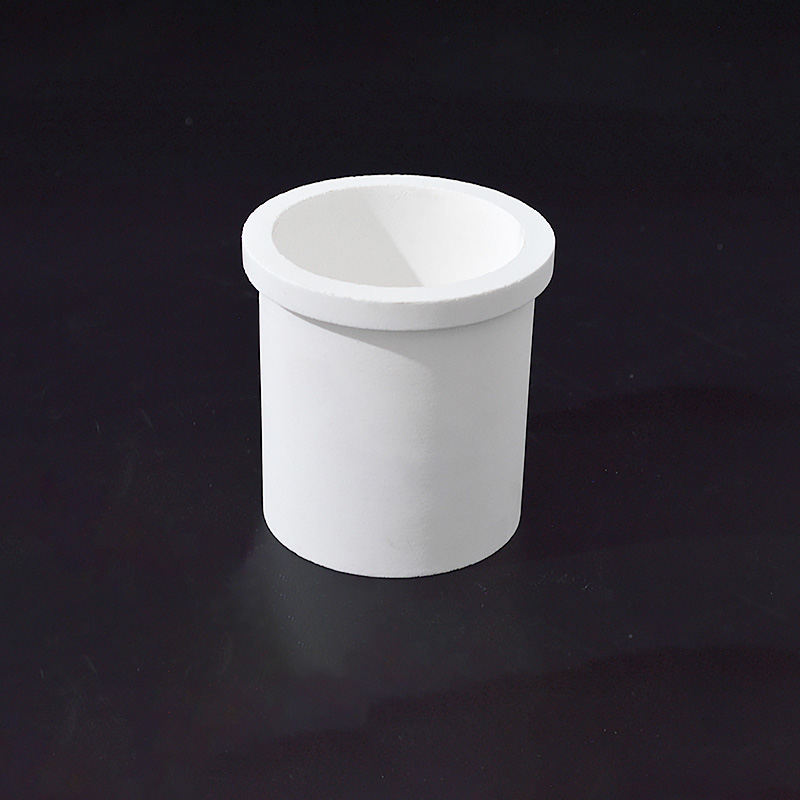
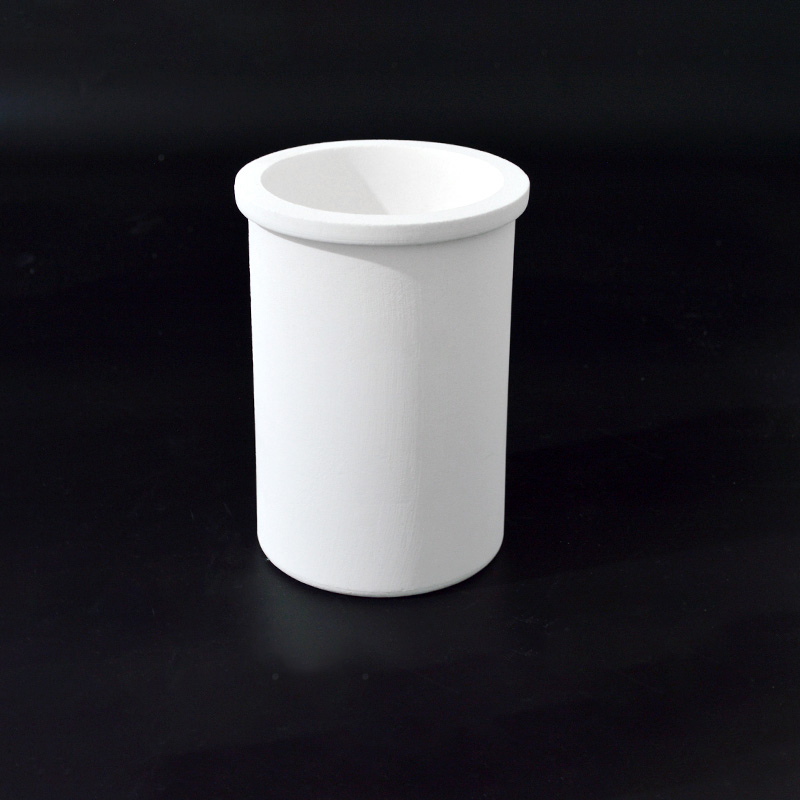
Edged Cylindrical Crucible
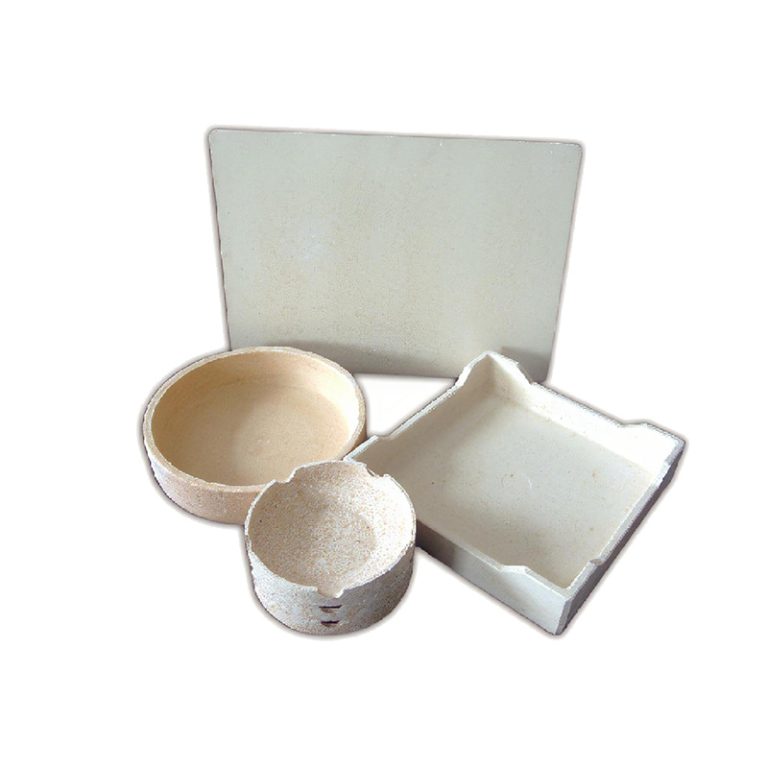
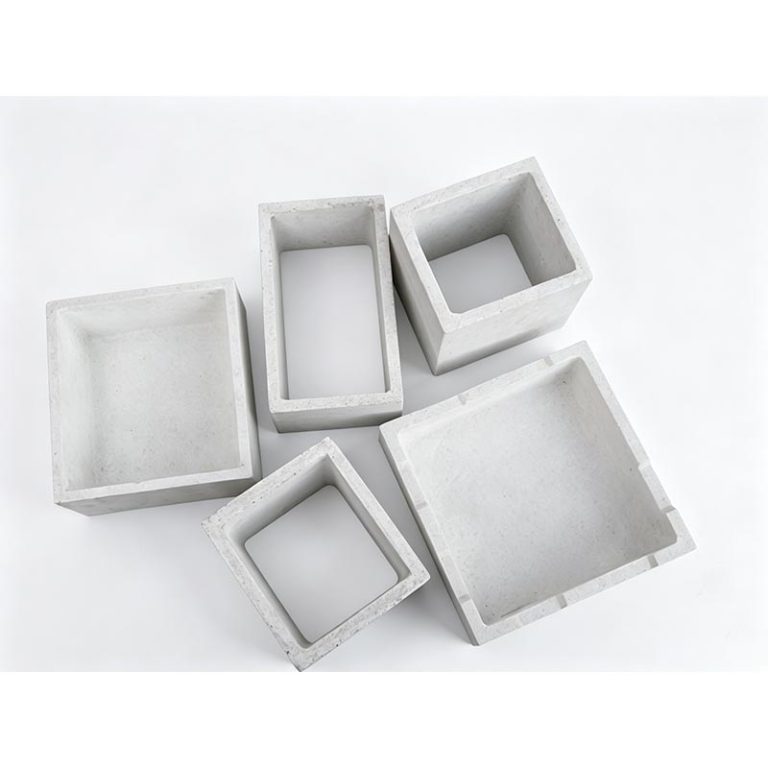
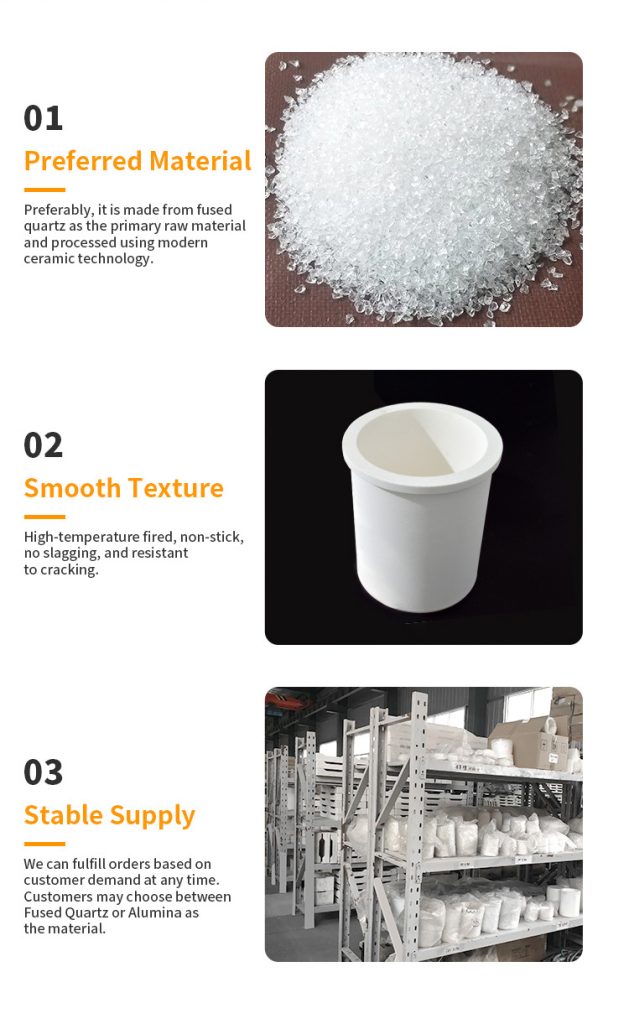
Prism-shaped cylindrical crucibles are made by adding prisms or reinforcing structures to a cylindrical crucible body. The purpose is to improve the structural stability of the crucible during high-temperature use and to facilitate handling, stacking, and installation with the furnace body. The products are made from high-purity quartz, mullite, corundum, and other high-quality refractory materials, formed using modern fine ceramic technology, and possess excellent high-temperature resistance and thermal shock resistance.
The prism structure effectively disperses stress during transportation and high-temperature use, reducing the risk of breakage. As an ideal kiln furniture for mass production and special operating conditions, the products can be customized to various specifications, with stable supply and guaranteed delivery times.
Product Features
- Enhanced Stability with Edge Supports
The edge support design facilitates handling and stacking, allowing for better positioning and fixation during loading within the kiln. The structure also helps distribute bottom stress, improving safety during transportation and high-temperature operations, and reducing breakage rates.
- Excellent Performance and Long Service Life
The product features a refined structure, low thermal conductivity, low coefficient of thermal expansion, and high dimensional accuracy. It exhibits excellent high-temperature thermal shock resistance and strong resistance to chemical corrosion. Some advanced formulations of corundum-mullite material can withstand over 20 thermal shock cycles (1100℃ water cooling), with a service life exceeding 150 furnace cycles. Room temperature compressive strength ≥70MPa.
- Excellent Thermal Shock Resistance and Long Service Life
The product has a low coefficient of thermal expansion, enabling it to withstand rapid heating and cooling without cracking or deformation. It possesses excellent thermal shock resistance and can be reused repeatedly over extended periods.
- Multiple specifications available, custom processing supported
We offer a variety of standard specifications and capacities, while also supporting custom sizes, wall thicknesses, flange widths, and different materials. We can provide personalized production based on customer equipment and process requirements.
| Comparison Dimension | High-Purity Quartz Ceramic Crucible | High-Purity Alumina Ceramic Crucible |
|---|---|---|
| Maximum Temperature Resistance | ≤ 1680℃ | 1650℃ / 1750℃ |
| Chemical Composition | 99.86% Silicon Dioxide (SiO₂) | Mullite (60~70% Alumina) Corundum (99% Alumina) |
| Product Characteristics | Fine structure, low thermal conductivity, low thermal expansion coefficient, high dimensional accuracy, good thermal shock stability, good electrical performance, excellent high-temperature thermal shock resistance, long service life, good chemical corrosion resistance, room temperature compressive strength ≥ 70MPa | High-purity alumina, chemical corrosion resistance, high-temperature resistance, resistance to rapid heating and cooling, not easily cracked, high density achieved through ceramic injection molding |
| Application Fields | Melting of silicon, aluminum, copper, etc.; widely used in optical glass, special glass, ceramic bond for grinding wheels, polysilicon production, and non-ferrous metal smelting industry | Metal smelting, powder sintering, electronic components, automotive parts, aerospace, machine tools, hydraulic parts, pumps and valves, fans, and other industries |
| Service Conditions | Used as a container for loading solution raw materials, requiring continuous operation at high temperatures around 1750℃/1680℃/1650℃ for over 50 hours to achieve melting production | |
Application Areas
- Non-ferrous Metal Smelting and Die Casting: Widely used in the melting, holding, and refining of non-ferrous metals such as pure aluminum, aluminum alloys, copper, lead, zinc, gold, and silver, in conjunction with tilting furnaces.
- Glass and Ceramics Industry: Suitable for high-temperature processes requiring pouring and transfer, such as the melting of special glass and the preparation of ceramic glazes.
- Experimental Analysis: Used in laboratory high-temperature calcination and molten analysis, and other chemical experiments requiring quantitative pouring.
- Polysilicon and Photovoltaic Industry: Used for the melting and casting of polysilicon and other high-purity materials.
Company Profile
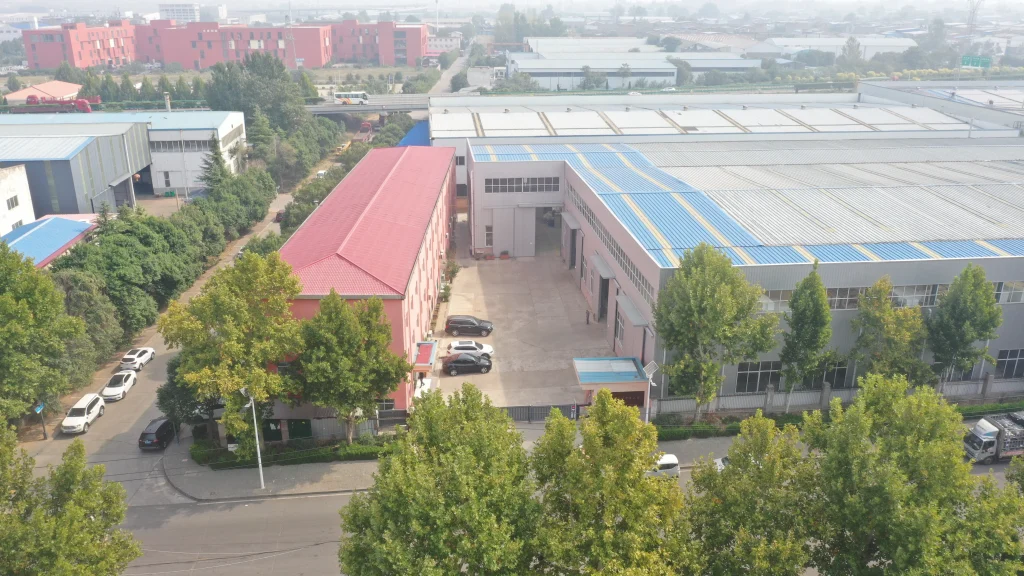
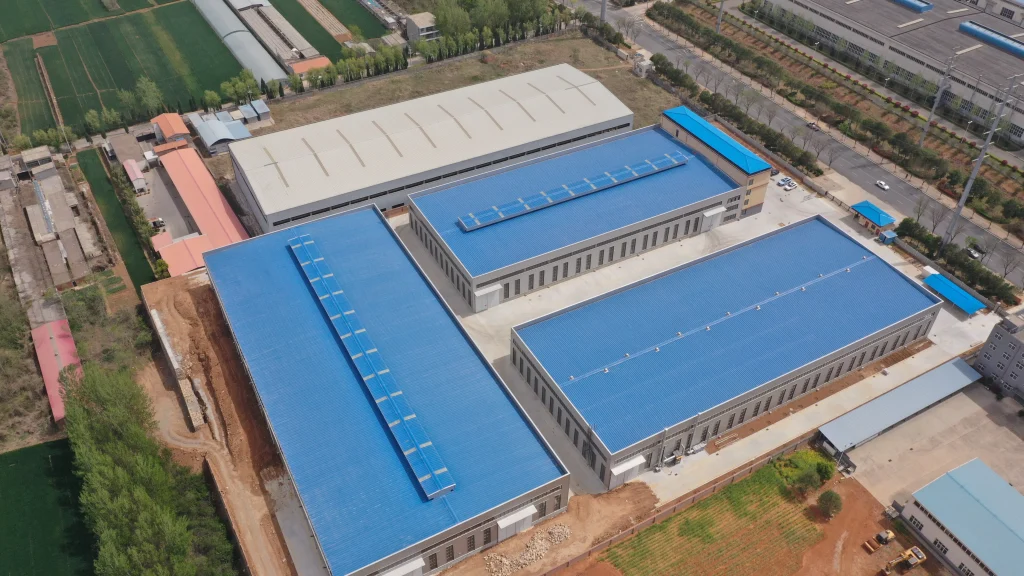
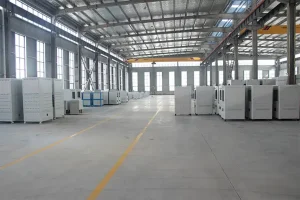
A professional enterprise specializing in heat treatment technology services and the R&D, manufacturing, and sales of high-temperature electric furnaces.
The company focuses on developing high-temperature electric furnaces covering a full temperature range of -100℃ to 2600℃. Its products include experimental electric furnaces, vacuum atmosphere furnaces, industrial kilns, and medium-frequency induction heating equipment. Main products include box furnaces, tube furnaces, lifting furnaces, pusher kilns, bogie furnaces, rotary kilns, tunnel kilns, and various specialized medium-frequency furnaces.
The company adheres to technological innovation and has passed ISO9001 and EU CE certifications. It owns 21 registered trademarks, 29 patents, and 27 software copyrights.
Payment Methods
TT
Shipment Methods
The electric furnace is packaged in three layers: first wrapped in foam paper, then wrapped in plastic film, and finally packed in a wooden crate.
Frequently Asked Questions (FAQ)
- How is the spout of a crucible with a spout manufactured? What is the difference between one-piece molding and bonding?
There are two main processes: isostatic pressing one-piece molding results in a stronger spout that is less prone to detachment and has a longer service life; bonding allows for flexible customization of different sizes and spout shapes according to customer needs. The bonded area, after special treatment, also exhibits high temperature and corrosion resistance. The specific selection depends on the required strength and customization needs.
- What are the advantages of a cylindrical crucible with rims compared to a regular crucible?
The rim design facilitates handling and transport with crucible clamps, making high-temperature operations safer. It also improves placement stability, reduces collision damage, and extends product lifespan.
- What precautions should be taken when installing a crucible with a spout?
When installing a new crucible, special care must be taken to prevent the area below the spout from being squeezed by refractory clay or slag. During use, when the crucible with a spout cools and contracts, if the stress point is concentrated on the spout, transverse cracks can easily form at the bottom of the spout. It is recommended to use a suitable crucible base to ensure correct installation and even stress distribution.
- Can non-standard sizes or special spout shapes be customized?
Yes. Our company supports customization based on provided drawings. We can process round crucibles (with spouts) of different diameters, capacities, and special spout designs according to customer needs.
- Is there a risk of slag shedding or material contamination with the product?
No. Our spouted crucibles are high-temperature densified and fired, resulting in a high surface finish. Under normal use conditions, they do not slag or accumulate material, effectively ensuring the purity of the smelted materials.