Luoyang Anjing Intelligence Equipment are a global leader in high-temperature electric furnaces



No. 41 Zirconium Corundum


PRODUCT PARAMETERS
Description
Zirconia-Alumina
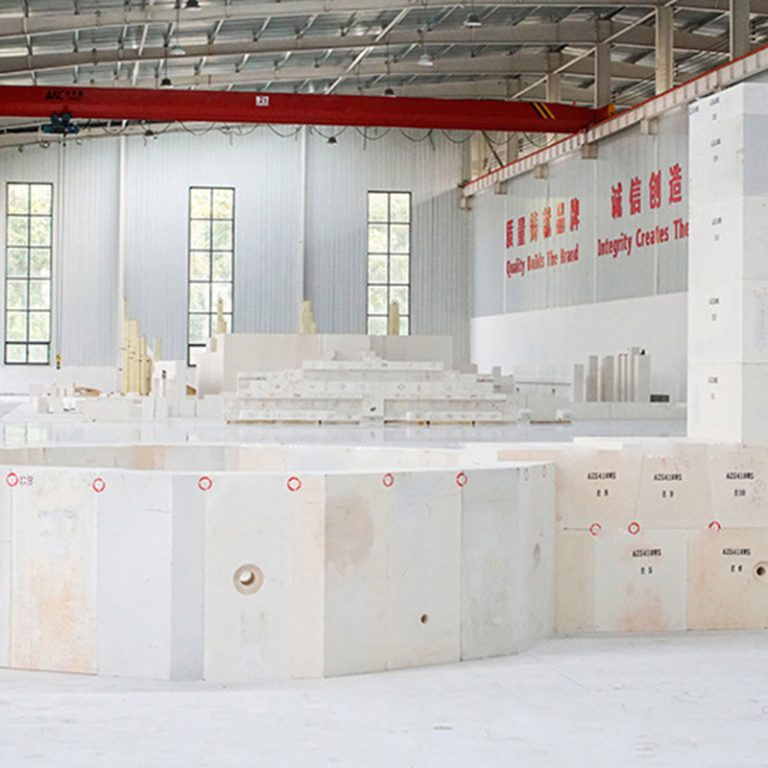
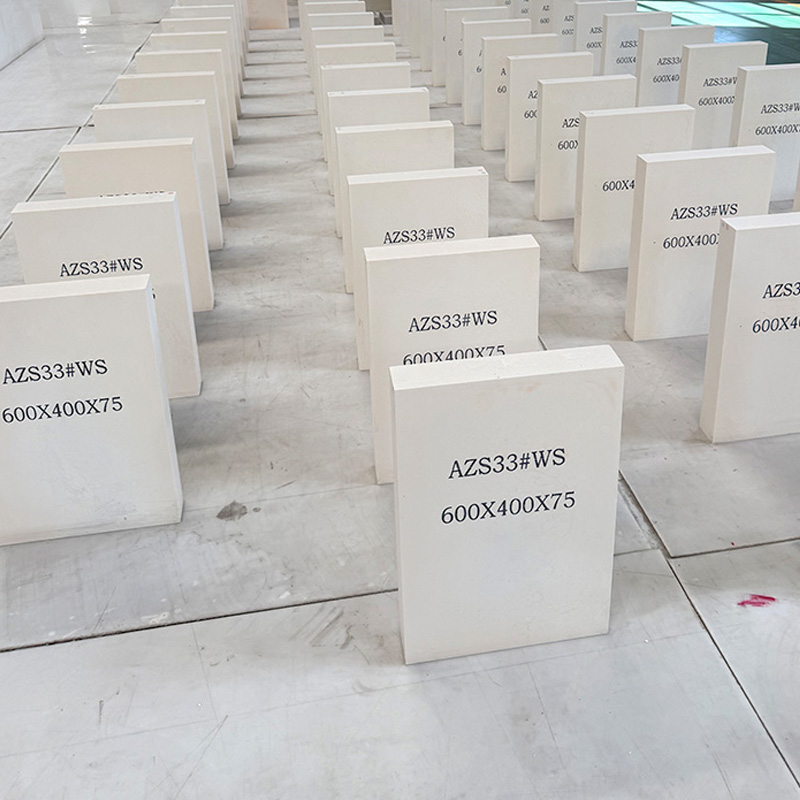
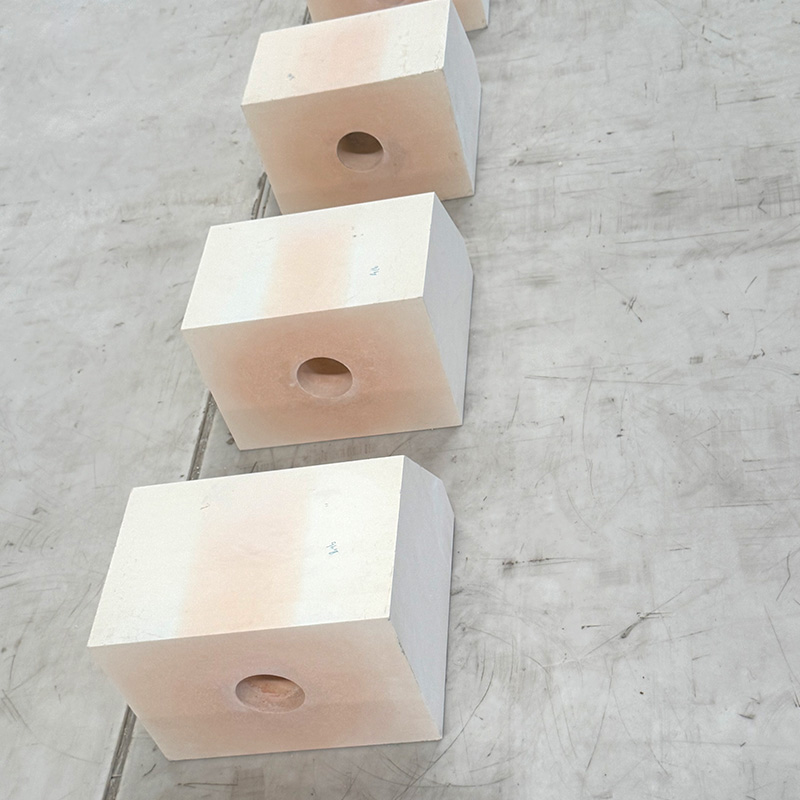
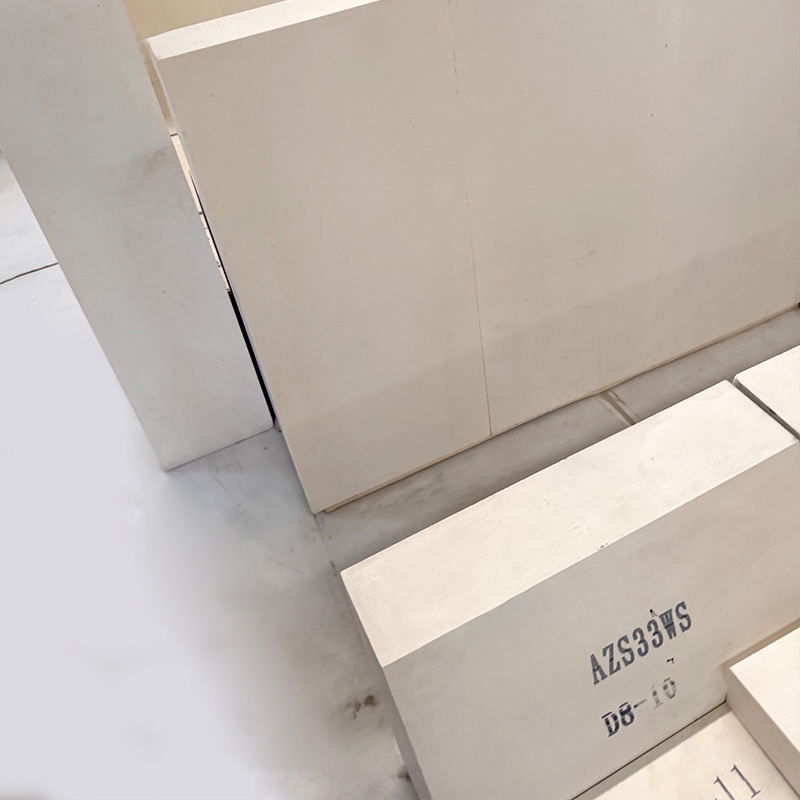
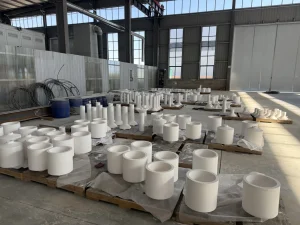
Fused-cast zirconia alumina refractories (AZS) are refractory materials made from industrial alumina, zircon sand, and other raw materials through melting, casting, and cooling in an electric arc furnace. The main crystalline phases of the products are corundum (α-Al₂O₃) and zircon (ZrO₂), with a glassy phase filling the spaces between, giving the material excellent resistance to molten glass erosion and good thermal shock stability. These products are widely used in high-temperature industrial fields such as glass melting furnaces and non-ferrous metal smelting.
Based on the nominal mass fraction of zirconia, this series of products is divided into three grades: 33#, 36#, and 41#. Four models are also available, depending on the casting method: PT (ordinary casting), QX (tilted casting), ZWS (quasi-shrinkage-free casting), and WS (shrinkage-free casting), to meet the needs of different parts of glass melting furnaces.
Product Features
- Excellent Resistance to Melt Erosion
Under the static etching conditions of ordinary soda-lime glass at 1500℃ for 36 hours, the etching rate of product #41 is as low as ≤1.30mm/24h. The erosion resistance significantly increases with increasing ZrO₂ content.
- Dense Structure and Low Apparent Porosity
The apparent porosity is ≤1.0%~1.5%, and the bulk density is high (≥3.75~3.95g/cm³). The product has a dense structure, low glass phase exudation, and effectively extends its service life.
- High Glass Phase Precipitation Temperature
The initial glass phase precipitation temperature is ≥1400℃. The structure is stable at high temperatures, and the glass phase exudation is well controlled (≤2.0%~3.0% under 1500℃×4h conditions).
- Low Bubble Emission Rate
Under ordinary soda-lime glass conditions at 1300℃ for 10 hours, the bubble emission rate is ≤1.0%~2.0%, making it particularly suitable for melting high-quality glass products.
- Multiple Casting Processes, Adaptable to Different Parts
Four casting methods are available: PT (ordinary casting), QX (tilted casting), ZWS (quasi-shrinkage-free casting), and WS (shrinkage-free casting), which can be selected according to the usage requirements of different parts of the glass melting furnace.
- Measurable Thermal Expansion Rate
Measured thermal expansion rate data from room temperature to 1000℃ can be provided according to customer requirements, facilitating expansion calculations in furnace design.
| Component | Content(%) |
|---|---|
| Al₂O₃ | 44.20 |
| SiO₂ | 11.91 |
| ZrO₂ | 42.05 |
| ZrO₂ | 0.10 |
| Fe₂O₃ | 0.06 |
| K₂O | 0.05 |
| Na₂O | 1.17 |
Product Application Areas:
- Glass Melting Furnaces: Used for key components such as the melting tank walls, lining, flow channels, feed channels, and furnace sills.
- Glass Fiber Furnaces: Used for melting and channel components in glass fiber production.
- Non-ferrous Metal Smelting: Used for refractory material preparation in furnaces for smelting copper, aluminum, and other non-ferrous metals.
- Other High-Temperature Industrial Furnaces: Suitable for wear-resistant and corrosion-resistant components under various high-temperature conditions.
Company Profile
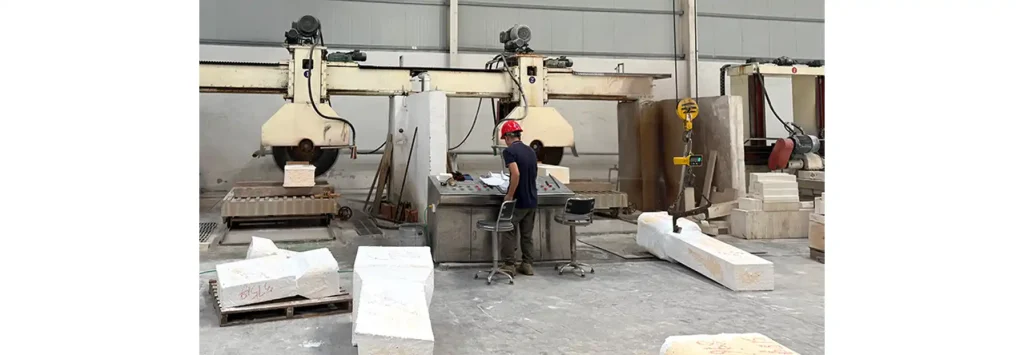
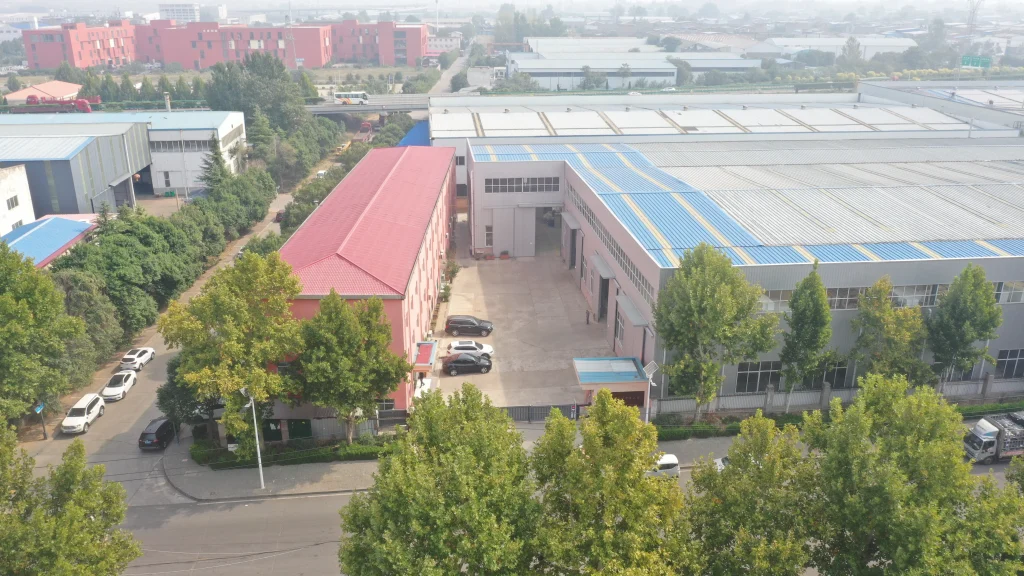
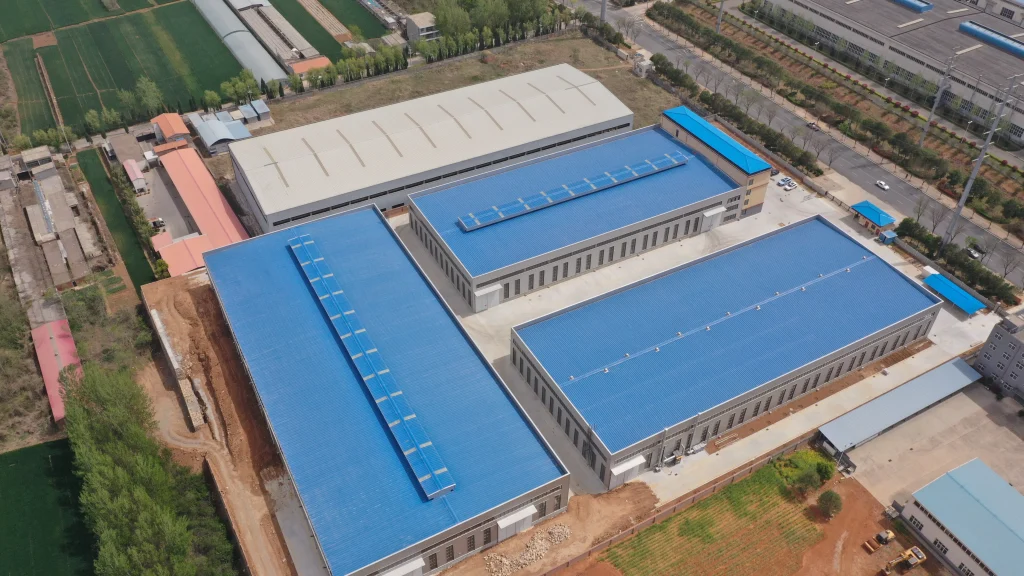
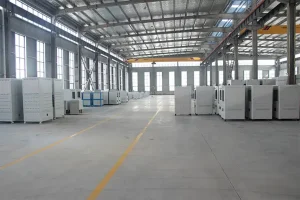
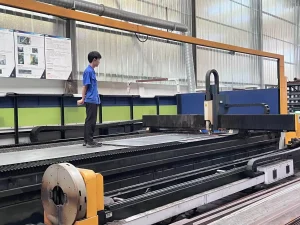
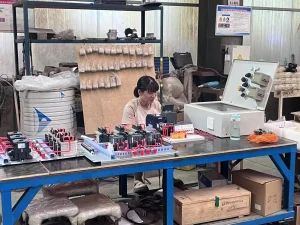
A professional enterprise specializing in heat treatment technology services and the R&D, manufacturing, and sales of high-temperature electric furnaces.
The company focuses on developing high-temperature electric furnaces covering a full temperature range of -100℃ to 2600℃. Its products include experimental electric furnaces, vacuum atmosphere furnaces, industrial kilns, and medium-frequency induction heating equipment. Main products include box furnaces, tube furnaces, lifting furnaces, pusher kilns, bogie furnaces, rotary kilns, tunnel kilns, and various specialized medium-frequency furnaces.
The company adheres to technological innovation and has passed ISO9001 and EU CE certifications. It owns 21 registered trademarks, 29 patents, and 27 software copyrights.
Payment Methods
TT
Shipment Methods
The electric furnace is packaged in thThe electric furnace is packaged in three layers: first wrapped in foam paper, then wrapped in plastic film, and finally packed in a wooden crat.
Frequently Asked Questions (FAQ)
- How to choose between the three grades: 33#, 36#, and 41#?
Select based on the location within the glass melting furnace and the operating temperature—the higher the ZrO₂ content, the better the corrosion resistance. Generally, 41# is recommended for severely corroded areas such as pool walls and flow holes; 36# is recommended for areas like the surface and feed channels; and 33# can be chosen for areas with relatively mild corrosion.
- What are the differences between the four casting methods: PT, QX, ZWS, and WS?
PT is ordinary casting, with lower cost, suitable for general areas; QX is inclined casting, with shrinkage cavities concentrated at one end, facilitating cutting and removal; ZWS is near-shrinkage-cavity-free casting, with a lower shrinkage rate, suitable for critical areas; WS is shrinkage-cavity-free casting, with the lowest shrinkage rate, suitable for the most severely corroded areas.
- How is the product’s resistance to molten glass corrosion?
Taking #41 as an example, under the static etching conditions of ordinary soda-lime glass at 1500℃ for 36 hours, the etching rate is ≤1.30mm/24h, and the etching resistance increases with increasing ZrO₂ content.
- Is the product suitable for melting high-quality glass?
Yes. The product has a glass phase initial precipitation temperature ≥1400℃ and a low bubble precipitation rate (41# ≤1.0%), which can effectively reduce bubbles and concretion defects in the glass.
- Is there specific data on the thermal expansion rate?
The thermal expansion rate from room temperature to 1000℃ can be provided with measured data according to customer needs to ensure the accuracy of expansion calculations in furnace design.