Luoyang Anjing Intelligence Equipment are a global leader in high-temperature electric furnaces



1600°C High Temperature Double-Door Vacuum Atmosphere Furnace
PRODUCT PARAMETERS
Description
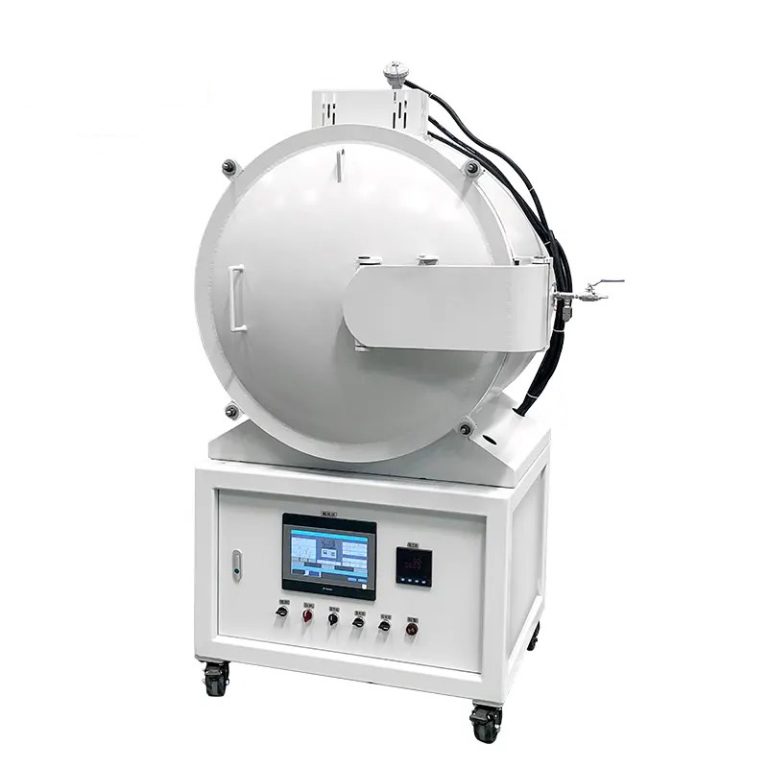
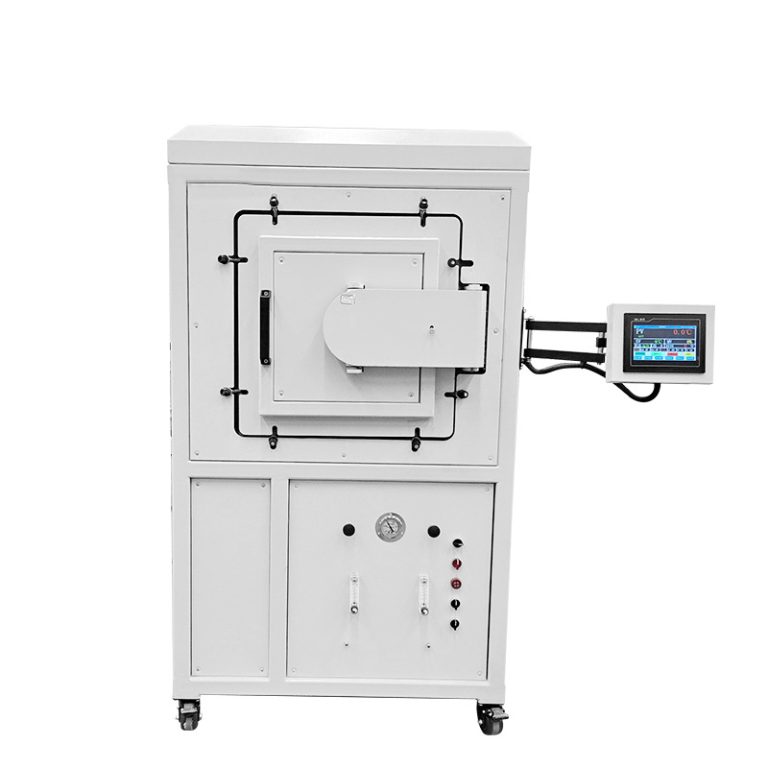
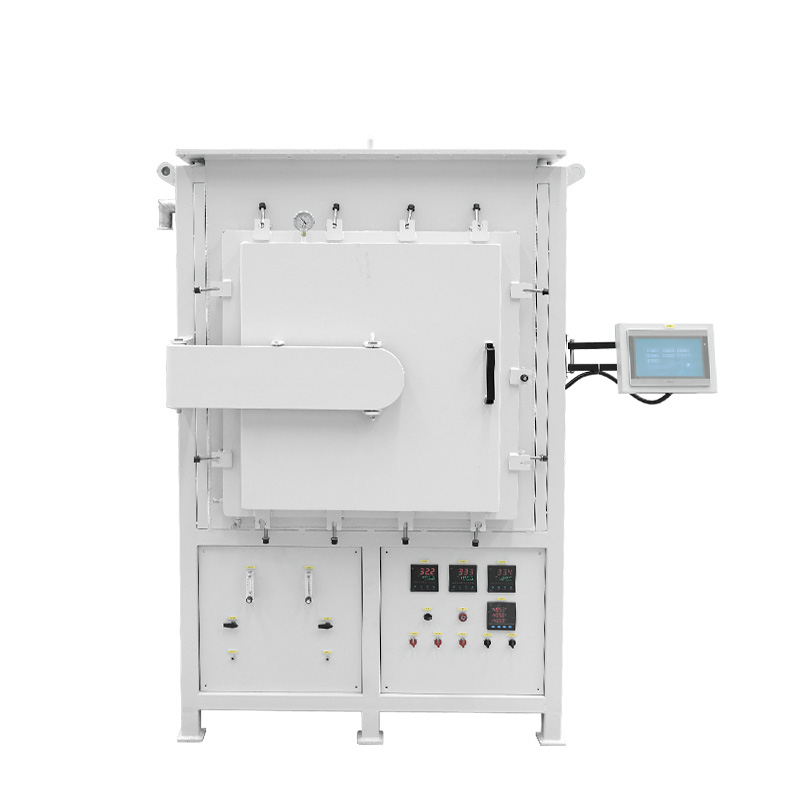
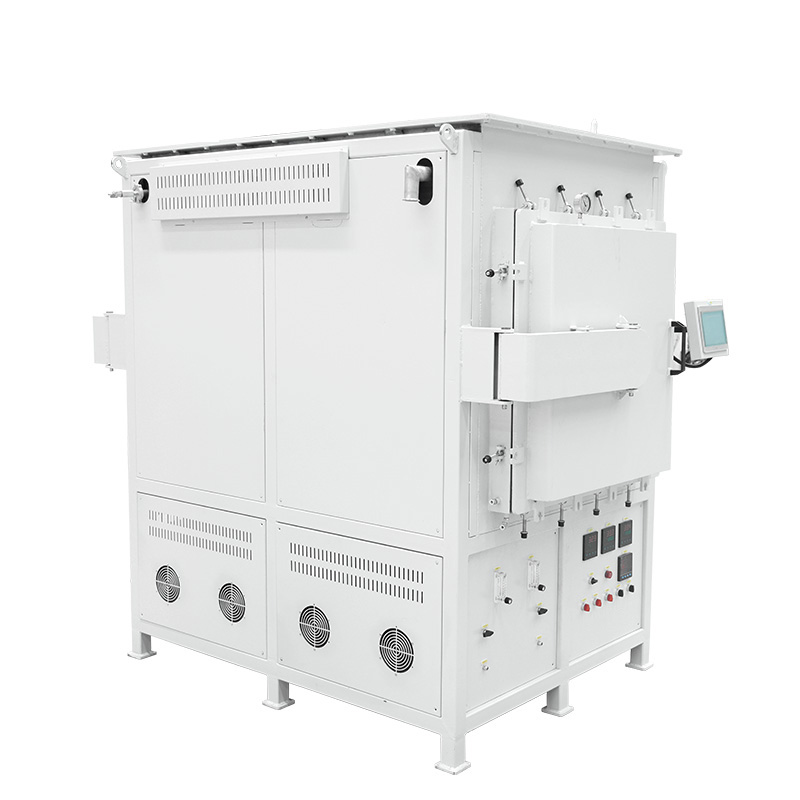
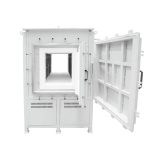
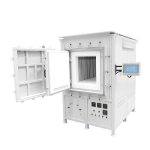
1600°C Double-Door Vacuum Atmosphere Box Furnace
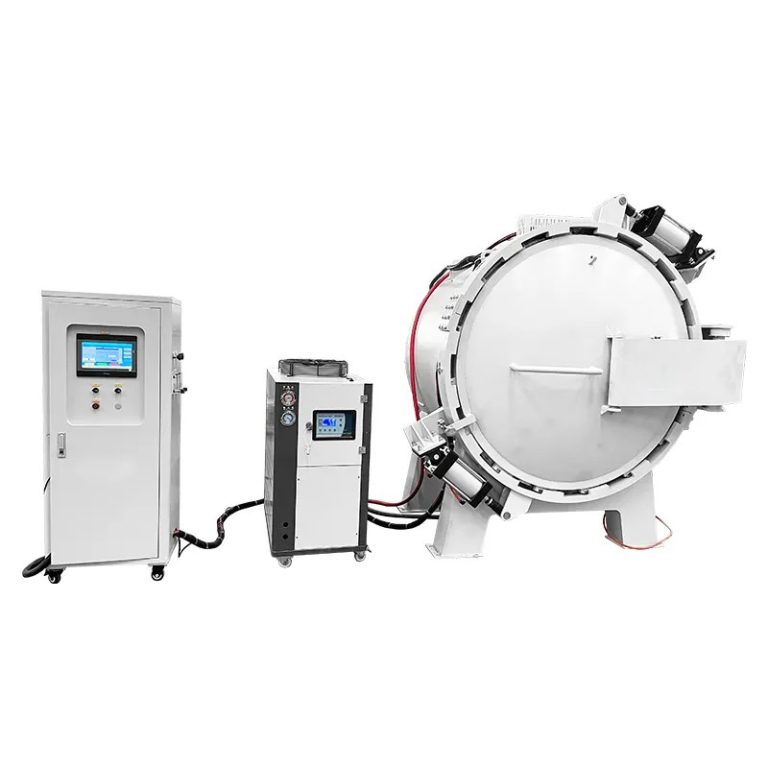
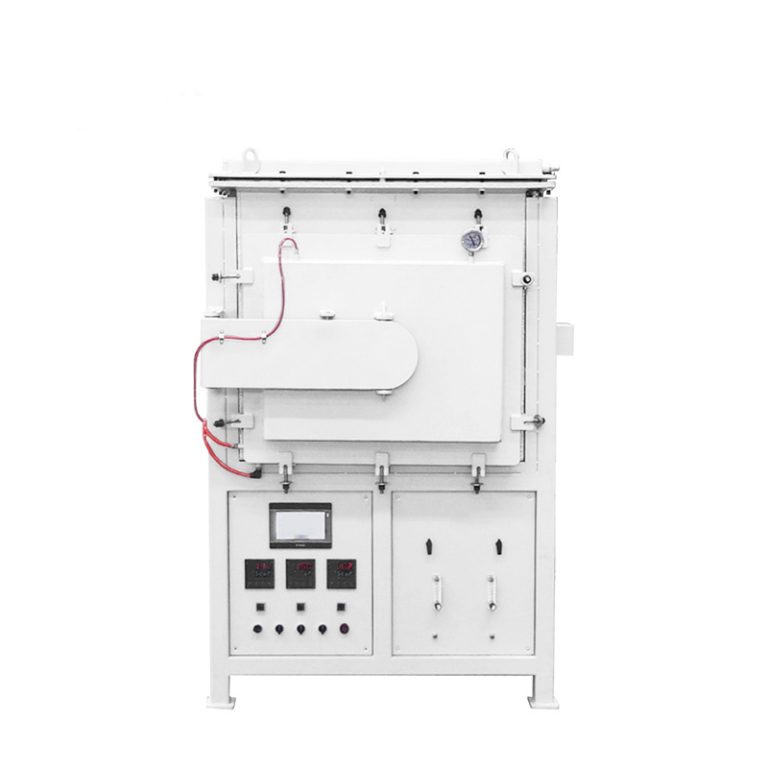
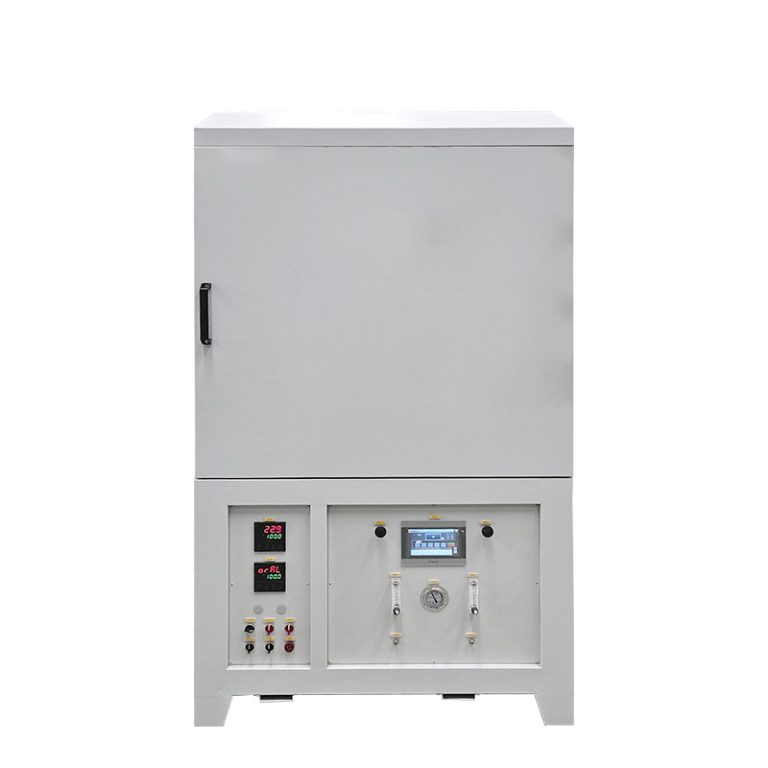
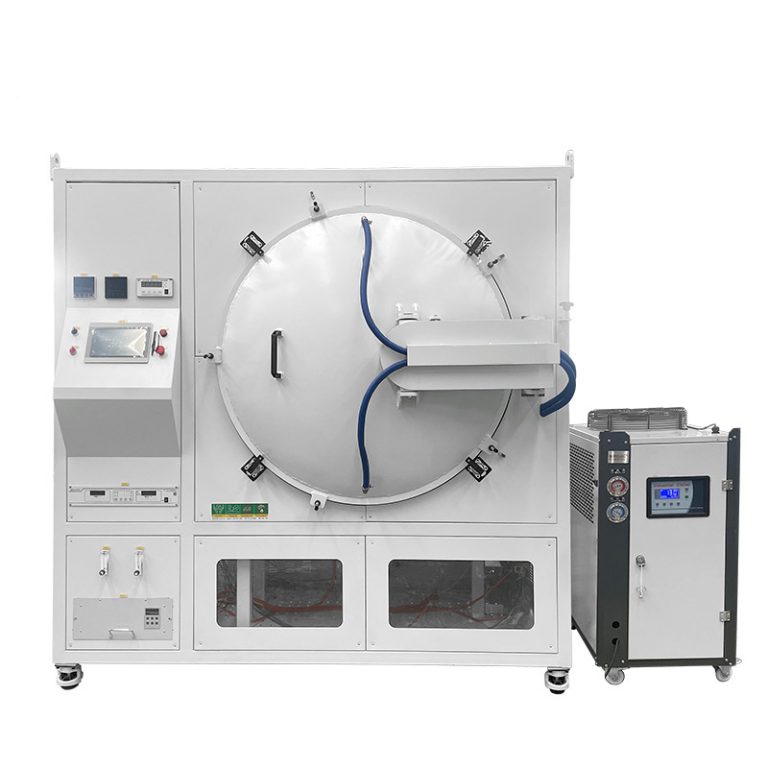
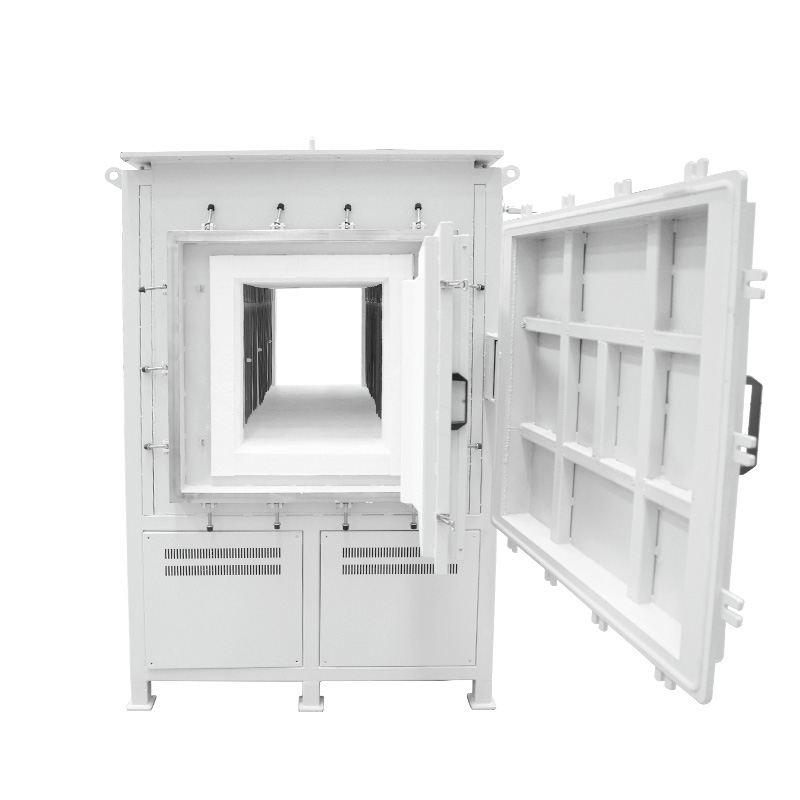
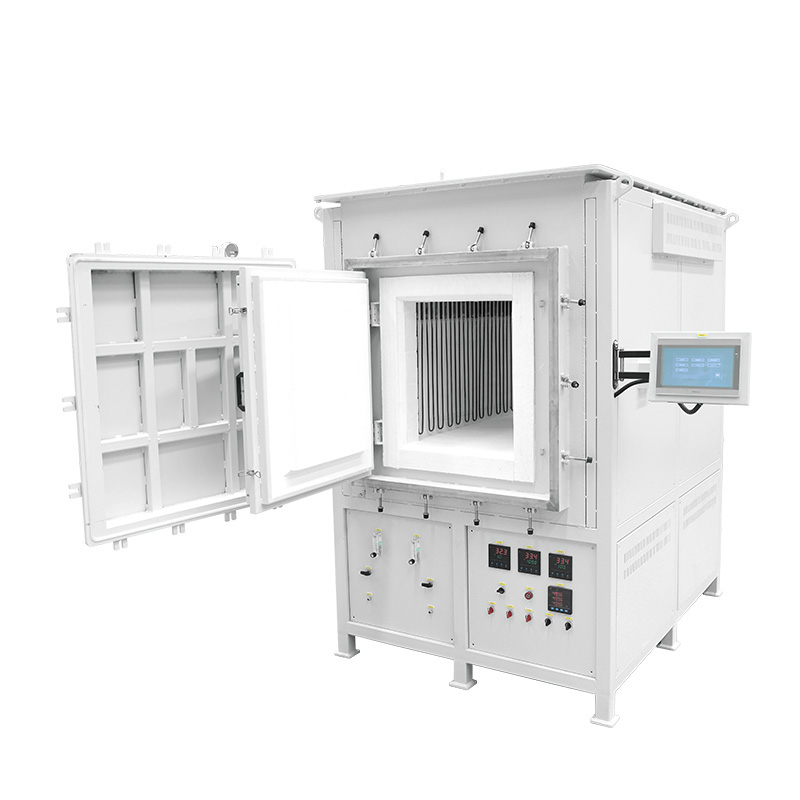
The 1600°C double-door vacuum atmosphere box furnace is an integrated unit combining vacuum capabilities, atmosphere control, and high-temperature heating. It features a maximum operating temperature of 1600°C and utilizes a 90 kW, three-zone heating system with molybdenum disilicide (MoSi2) elements. Equipped with a vacuum system, gas inlet system, oxygen monitoring, and a water chiller, it is suitable for high-temperature sintering, heat treatment, and materials research requiring vacuum or protective atmosphere conditions.
Product Features
- Double-door design; large chamber for batch processing
The furnace chamber measures at least 1500×500×600 mm and features a double-door structure, allowing for convenient loading and unloading from both the front and rear. With overall dimensions of 200×110×180 cm。

- Three-zone independent heating; uniform layout of 36 MoSi2 heating elements
The furnace has a power rating of 90 kW and utilizes a three-zone heating configuration. It employs 36 molybdenum disilicide (MoSi2) heating elements. Temperature sensing is handled by three Type-B (platinum-rhodium) thermocouples, ensuring effective temperature uniformity throughout the chamber. The heating rate is adjustable between 1 and 10°C/min.

- IGBT DC power supply; no interference with the power grid
Heating is powered by an energy-efficient IGBT DC power supply, which causes no interference with the power grid (unlike traditional systems using thyristors and dry-type transformers). The heating elements are connected in parallel pairs; if one element fails, only that pair ceases to heat, ensuring the furnace continues to operate normally.
- Vacuum and atmosphere systems; oxygen content monitoring
Equipped with vacuum and gas intake systems. Eight intake ports located at the lower sections of both sides are integrated into a main manifold, complete with flow meters and valves. A 6P chiller and an oxygen monitoring system are included to meet the requirements of vacuum sintering and atmosphere-protected sintering processes.
- Five-layer composite insulation; furnace lining thickness ≥500 mm
The furnace chamber utilizes a multi-layer composite insulation structure: the innermost layer—facing the high-temperature zone—consists of imported polycrystalline zirconia fiber board capable of withstanding 1,800°C, with a minimum thickness of 200 mm; the second layer is refractory fiber board with a minimum thickness of 160 mm; and the total thickness of the refractory fiber insulation layers is no less than 500 mm.
| External Dimensions | 200 × 110 × 180 cm |
| Furnace Power | 90 kW, using 3-zone heating method |
| Maximum Operating Temperature | 1600°C |
| Heating Method (Heating Elements) | Silicon-molybdenum rod heating, equipped with 36 heating elements |
| Supporting Systems | Equipped with vacuum system and gas intake system; 8 gas inlets at the lower part on both sides are integrated into one main pipeline, equipped with flow meters and valves; equipped with a 6P water chiller; equipped with an oxygen content detection system |
| Heating Method (Power Supply and Connection) | Heating adopts an energy-saving IGBT DC power supply, which causes no interference to the power grid (unlike traditional thyristor + dry-type transformer, which causes interference to the power grid). The heating rods are connected in pairs in parallel, ensuring that if one heating element is damaged during operation, only 2 heating elements will not generate heat, ensuring that the normal operation of the electric furnace is not affected |
| Temperature Sensors | Platinum-rhodium wire B-type thermocouples are adopted, with 3 temperature control thermocouples, effectively ensuring furnace temperature uniformity |
| Heating Rate | 1–10°C/min |
| Temperature Difference | ±1°C |
| Furnace Chamber Dimensions | Not less than 1500 × 500 × 600 mm |
| Shell | The steel skeleton is made of suitable section steel and steel plates selected according to mechanical principles, welded in a scientific combination. The overall structure is sturdy, firm, durable, and reliable. All welds are uniform and smooth, free of defects such as pores, slag inclusion, and lack of fusion |
| Furnace Body Appearance | Straight and aesthetically pleasing, free of wrinkles or unevenness |
| Furnace Body Shell Temperature | At the maximum furnace temperature, the temperature of the external metal shell of the furnace shall not exceed 60°C in summer and shall not exceed 50°C in winter |
| Furnace Chamber Insulation Materials | The innermost layer (high-temperature layer) of the furnace lining has a thickness of not less than 200 mm and uses imported zirconia polycrystalline fiberboard with a temperature resistance of 1800°C; the second layer of refractory cotton board is not less than 160 mm thick. The total thickness of the refractory cotton board is not less than 500 mm |
| Supporting Circuit Modification | Pure copper cables connected to the laboratory’s existing distribution box |
| Power and Power Consumption Monitoring | Add power and power consumption monitoring |
| Control System | Equipped with a 10-inch touch screen, capable of remote control; supports multi-person mobile phone monitoring; the electric furnace operation can also be controlled via mobile phone to start and stop, and view reports, curves, etc. |
Application Areas
- Vacuum Heat Treatment of Large Workpieces: Suitable for processes such as vacuum quenching, annealing, and tempering of large-scale metal workpieces.
- Vacuum Sintering of Advanced Ceramics: Suitable for the vacuum or controlled-atmosphere sintering of advanced ceramic materials, such as alumina, zirconia, and silicon nitride.
- Cemented Carbide Sintering: Suitable for the vacuum sintering of tungsten carbide-based cemented carbides; a uniform arrangement of 36 molybdenum disilicide (MoSi2) heating elements ensures temperature uniformity.
- Powder Metallurgy: Suitable for the vacuum sintering and forming of metal and alloy powders.
- R&D and Pilot Production of New Materials: Suitable for the research, development, and pilot-scale production of new materials, including specialty materials and composites.
Company Profile
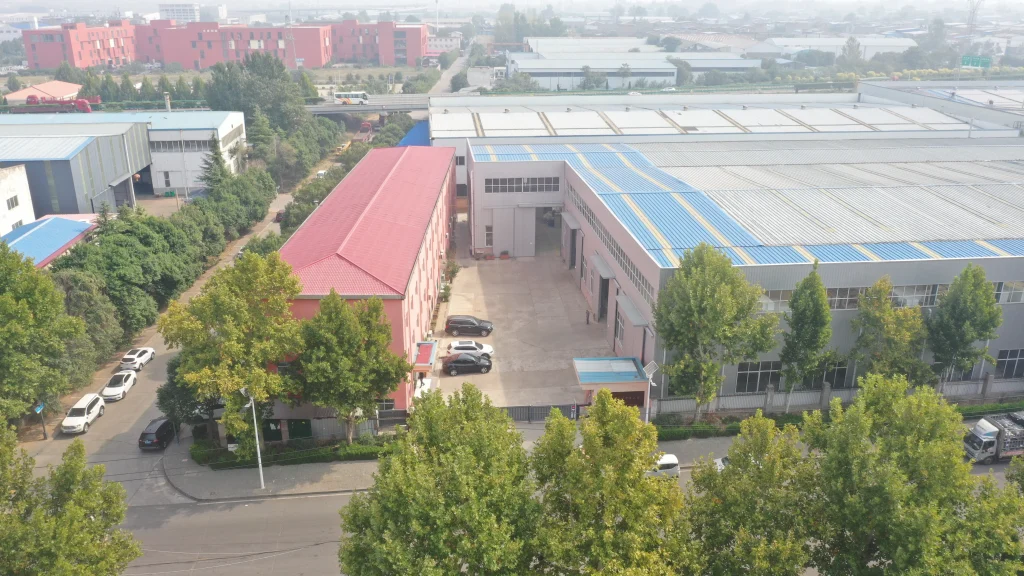
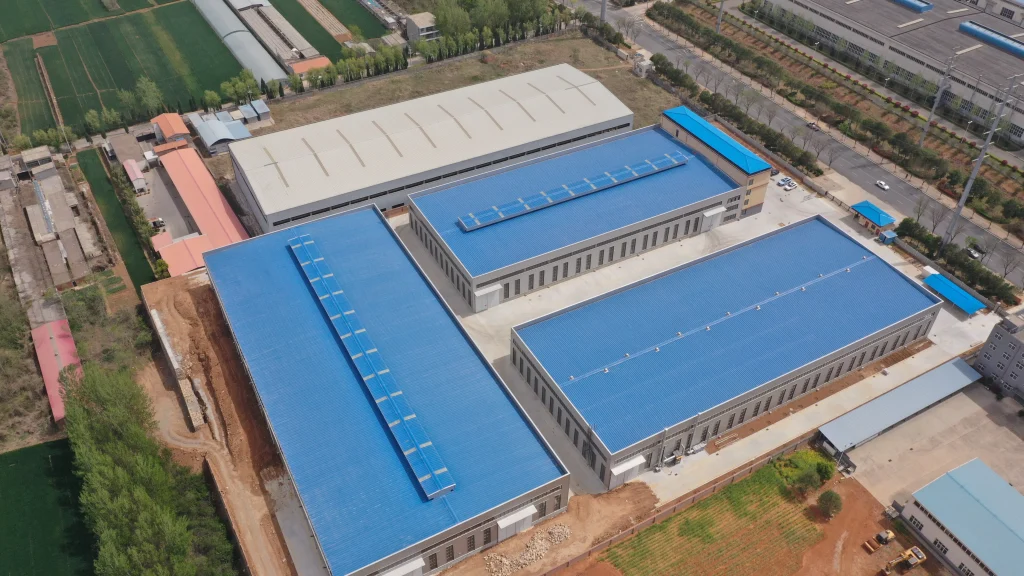
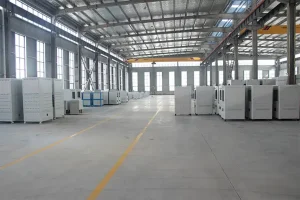
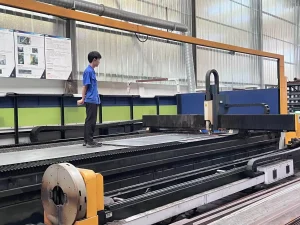
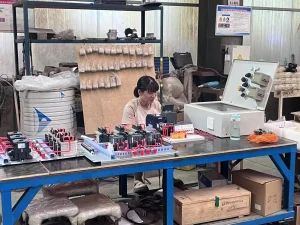
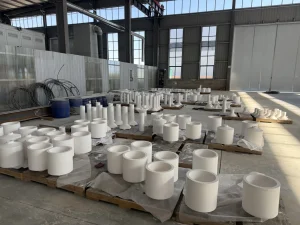
A professional enterprise specializing in heat treatment technology services and the R&D, manufacturing, and sales of high-temperature electric furnaces.
The company focuses on developing high-temperature electric furnaces covering a full temperature range of -100℃ to 2600℃. Its products include experimental electric furnaces, vacuum atmosphere furnaces, industrial kilns, and medium-frequency induction heating equipment. Main products include box furnaces, tube furnaces, lifting furnaces, pusher kilns, bogie furnaces, rotary kilns, tunnel kilns, and various specialized medium-frequency furnaces.
The company adheres to technological innovation and has passed ISO9001 and EU CE certifications. It owns 21 registered trademarks, 29 patents, and 27 software copyrights.
Payment Methods
TT
Shipment Methods
The electric furnace is packaged in three layers: first wrapped in foam paper, then wrapped in plastic film, and finally packed in a wooden crate.
Frequently Asked Questions (FAQ)
- What is the maximum operating temperature of the 1600°C vacuum atmosphere furnace?
This equipment can reach temperatures of up to 1600°C, and the heating elements are made of molybdenum disilicide (MoSi2).
- Can protective gas be introduced into this box furnace?
Yes. The equipment is equipped with a gas inlet system, flow meters, and valves. It features eight gas inlets, allowing for the introduction of specific gases based on process requirements, while an oxygen monitoring system tracks the furnace atmosphere.
- What are the dimensions of the furnace chamber?
The furnace chamber dimensions are at least 1500 × 500 × 600 mm, making it suitable for the high-temperature processing of large samples and batch materials.
- What type of power supply is used for heating?
The power supply utilizes an energy-efficient IGBT DC system with heating elements connected in parallel; this minimizes interference with the power grid and ensures more stable operation of the heating system.
- Can it be controlled remotely via mobile phone?
Yes. The equipment features a 10-inch touchscreen and supports remote control as well as mobile monitoring by multiple users. It allows for the viewing of operation curves, reports, and equipment status, and enables users to start or stop the furnace via mobile phone.