Luoyang Anjing Intelligence Equipment are a global leader in high-temperature electric furnaces



1300°C Single Purification Tube Furnace for Advanced Material Research
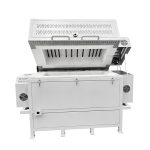
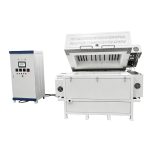
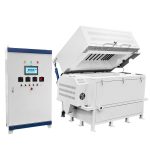
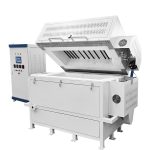
PRODUCT PARAMETERS
Description
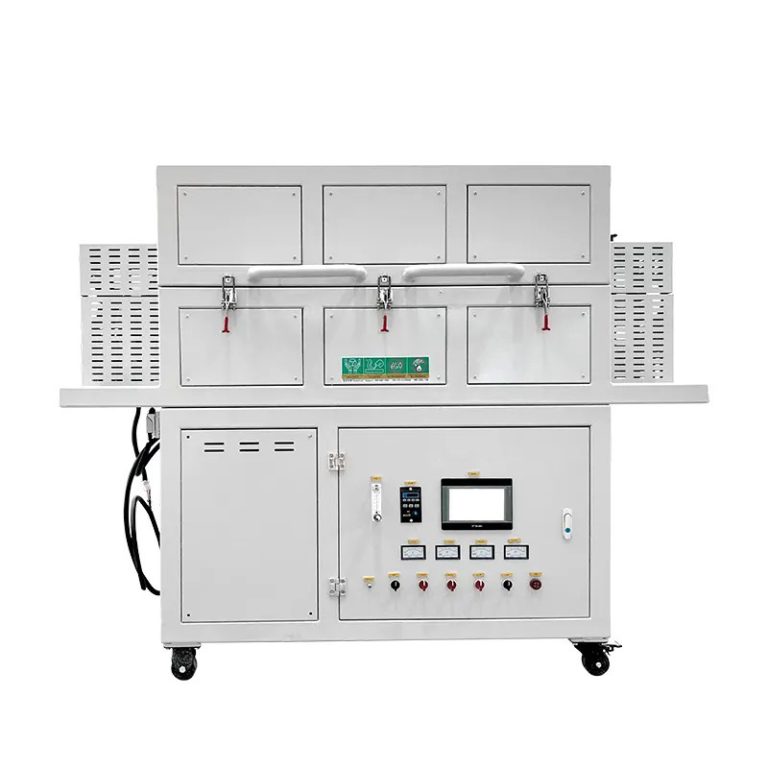
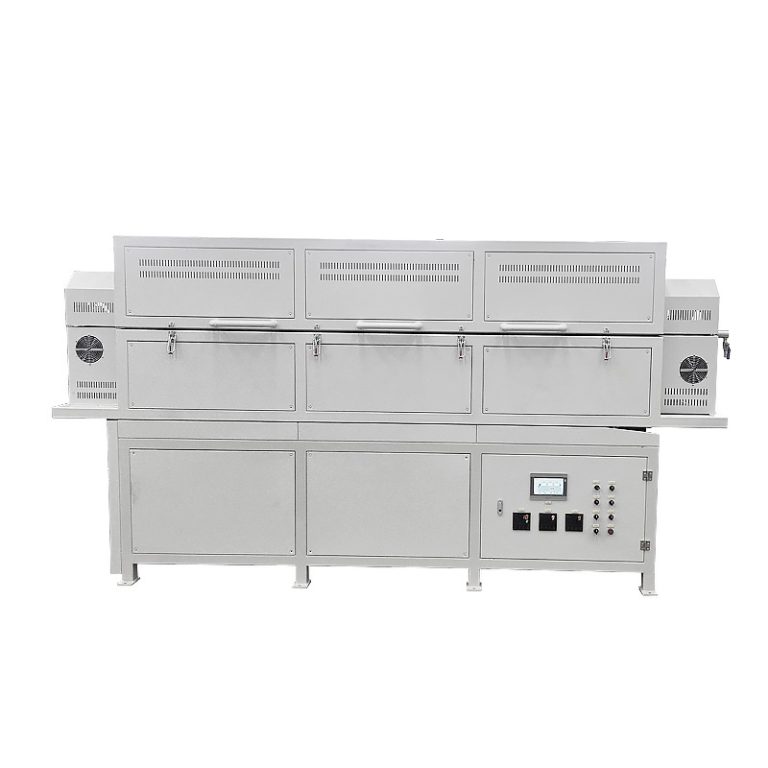
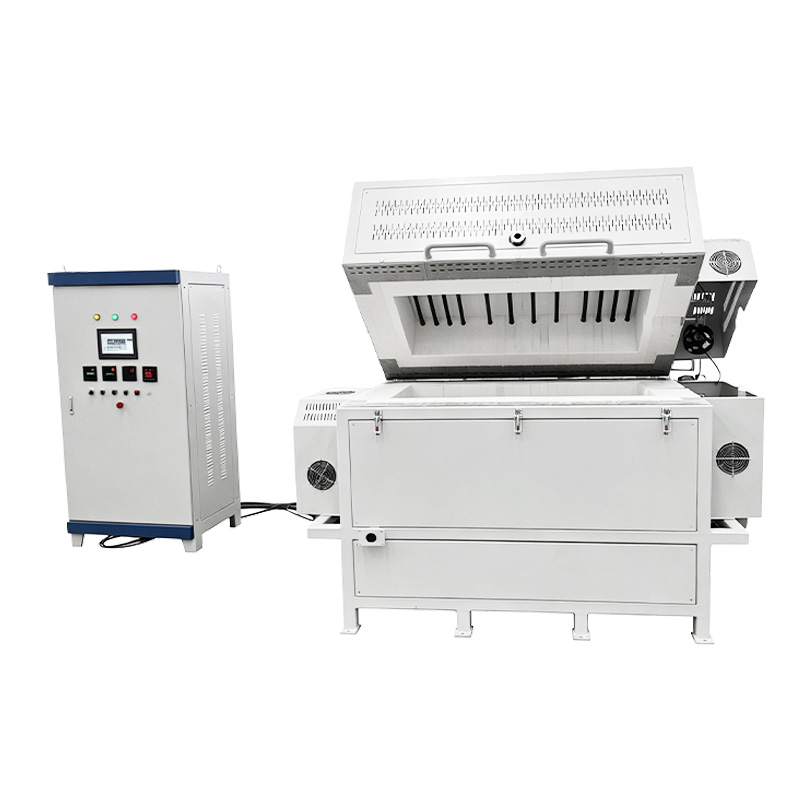
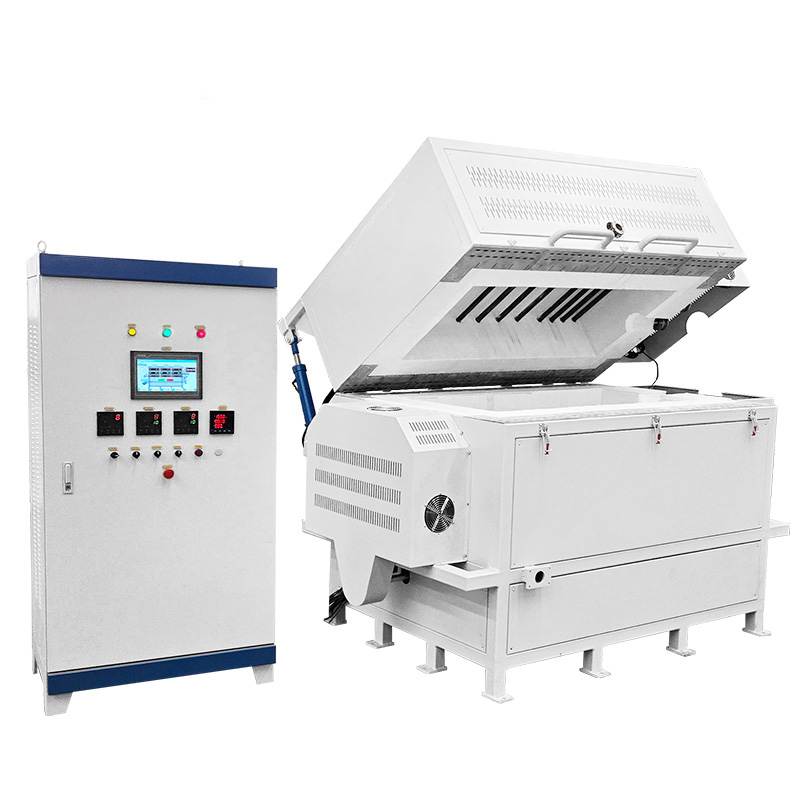
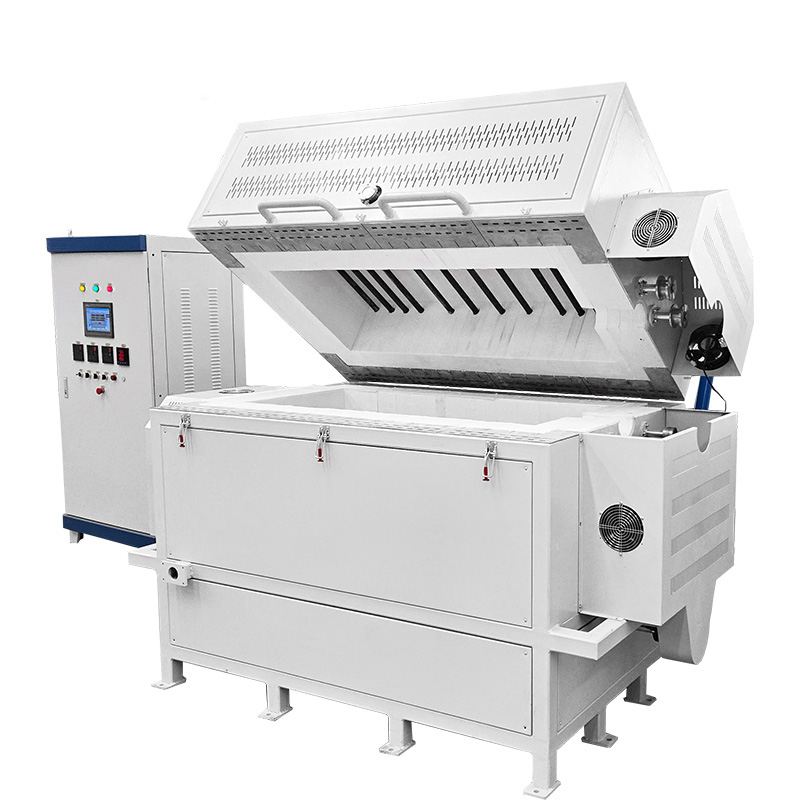
1300℃ Single-Tube Horizontal Purification Furnace
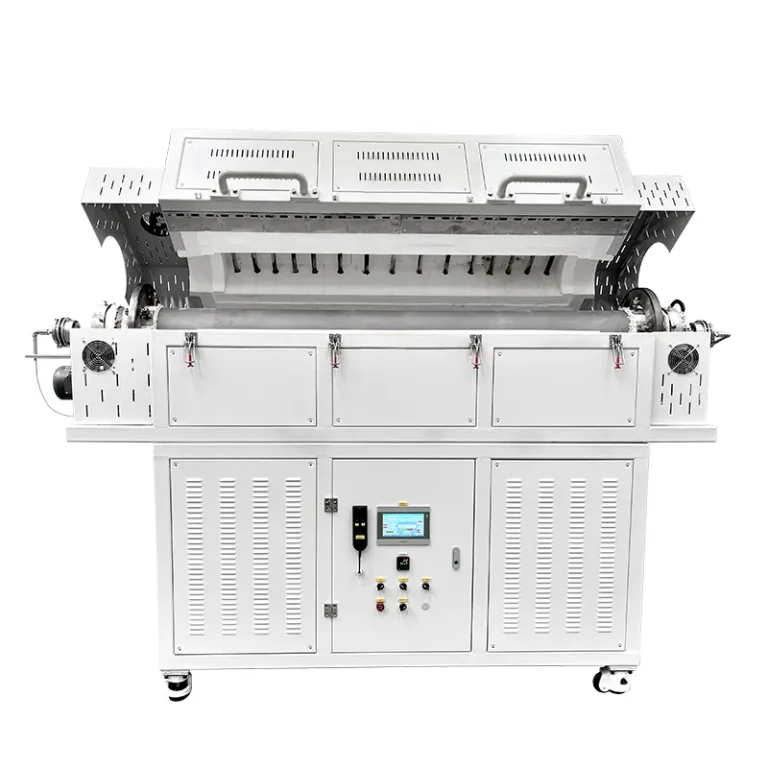
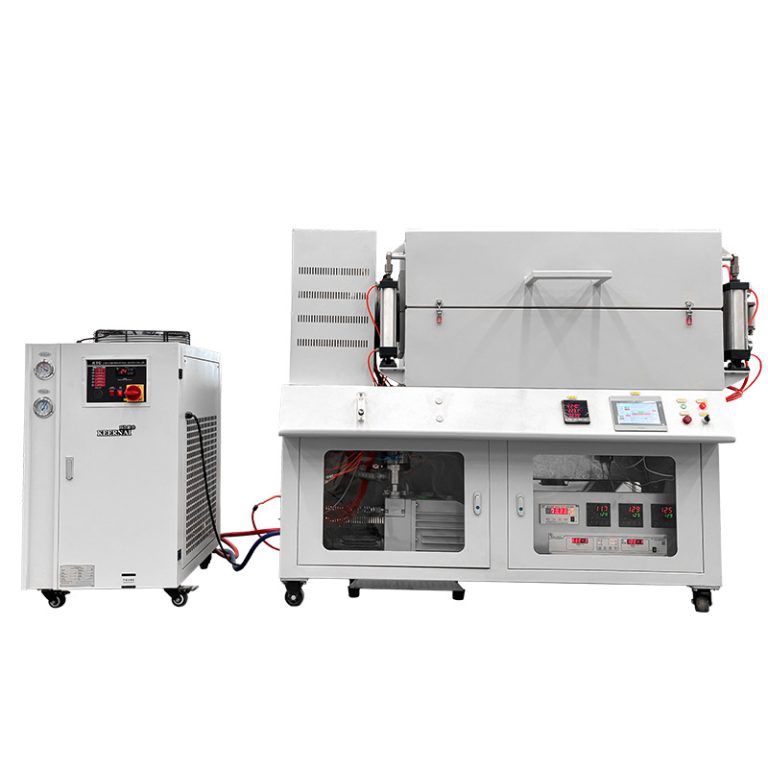
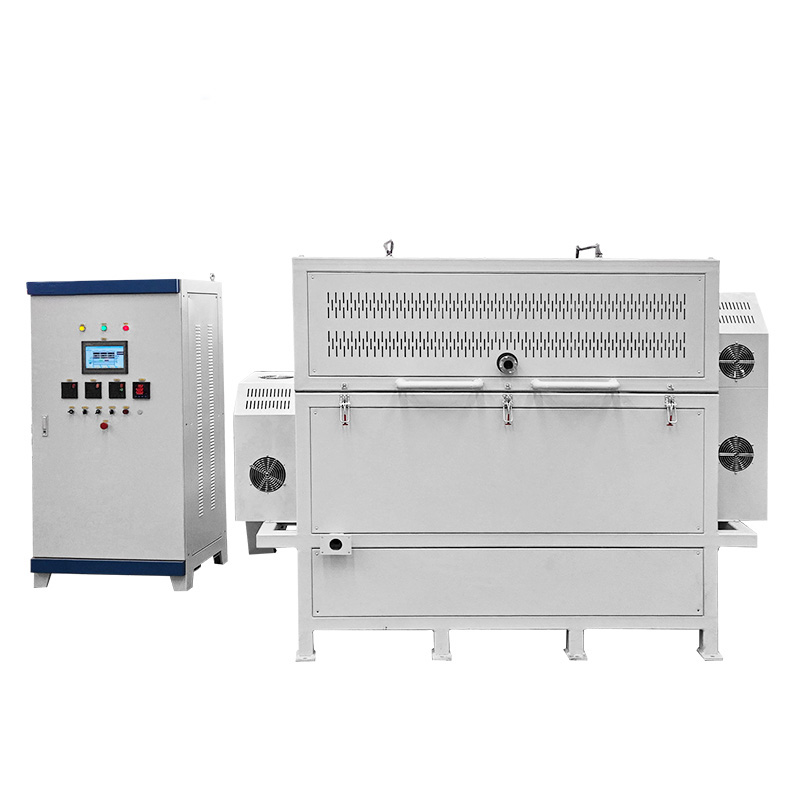
The single tube furnace is mainly used for the periodic purification, sintering, and heat treatment of silica powder and high-purity inorganic materials in a high-temperature environment. The equipment adopts a horizontal rotary structure design with an internal quartz furnace tube drive mechanism. The quartz tube is externally covered with a silicon carbide/silicon nitride composite protective tube, which effectively prevents the quartz tube from softening and deforming at high temperatures. The system is equipped with multi-zone independent temperature control, variable frequency rotary drive, gas flow control, pressure protection, and a gas leak alarm system, enabling continuous tumbling purification in a high-temperature atmosphere, improving material heating uniformity and purification efficiency.
Tube Furnace Product Features
- Silicon Carbide/Silicon Nitride Composite Tube to Prevent High-Temperature Softening of Quartz Tube
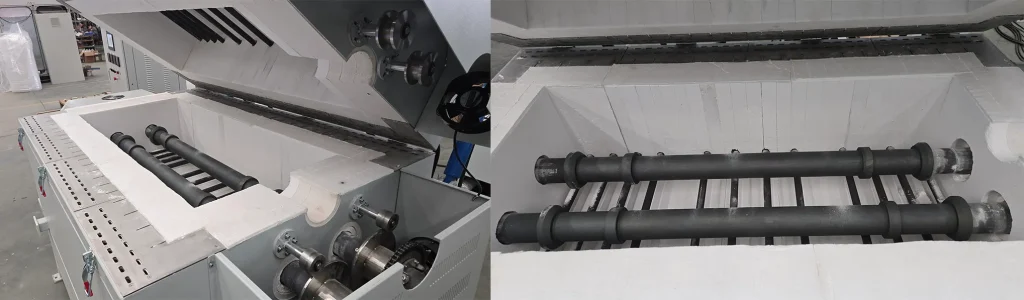
The quartz tube is wrapped with a silicon carbide/silicon nitride composite tube, effectively preventing softening and deformation of the quartz tube at high temperatures. The quartz tube is a high-temperature resistant sand-turning tube, which can meet the requirements of powder turning and prevent powder from sticking and clumping. The transmission mechanism can bear a weight of 80-100kg. The quartz tube has an outer diameter of 300mm, a wall thickness of 10mm, and a length of 1500mm.
- Silicon Carbide Roller Drive, Adjustable Forward and Reverse Rotation
A rotary transmission structure is set on one side of the furnace body, driving two silicon carbide rollers to rotate (both are active). After being stressed, the rollers drive the internal quartz tube to rotate. Clamping rings are welded to both sides of the silicon carbide rollers to fix the furnace tube and prevent lateral movement during rotation. Equipped with a variable frequency motor, adjustable from 1-5r/min, and can be set to forward and reverse rotation.
- Three Independent Temperature Zones, Uniform Temperature Zone of 1.3m or More
Features three or more temperature zones, with each zone ensuring a uniform temperature zone of at least 1.3m within the furnace tube. Temperature uniformity within the uniform temperature zone is ±5℃ during the constant temperature phase, with a temperature control accuracy of ±1℃. Long-term operating temperature is 1250℃, and the maximum operating temperature is 1300℃.

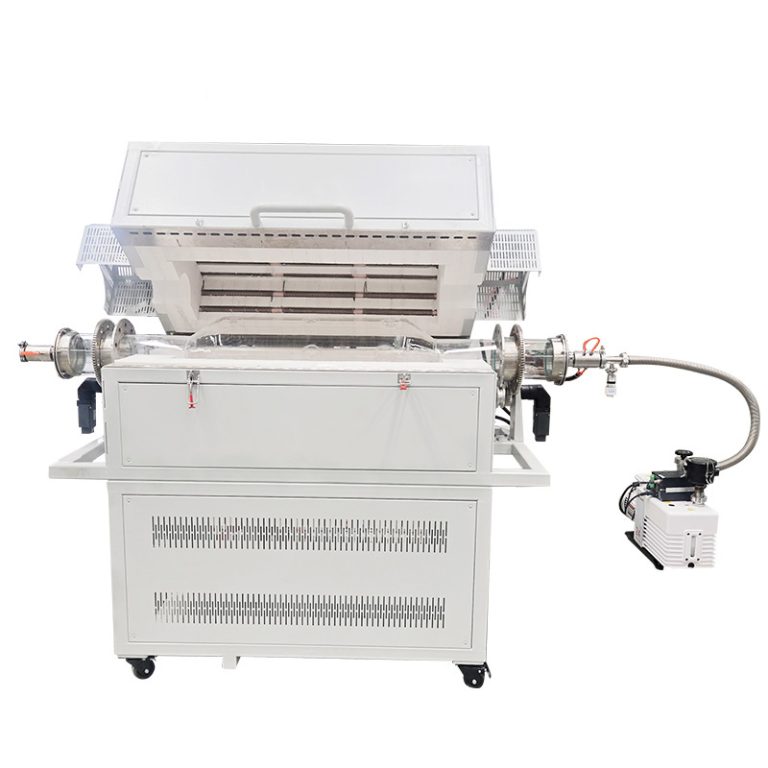
- Flip-Top Door for Convenient Quartz Tube Insertion and Removal
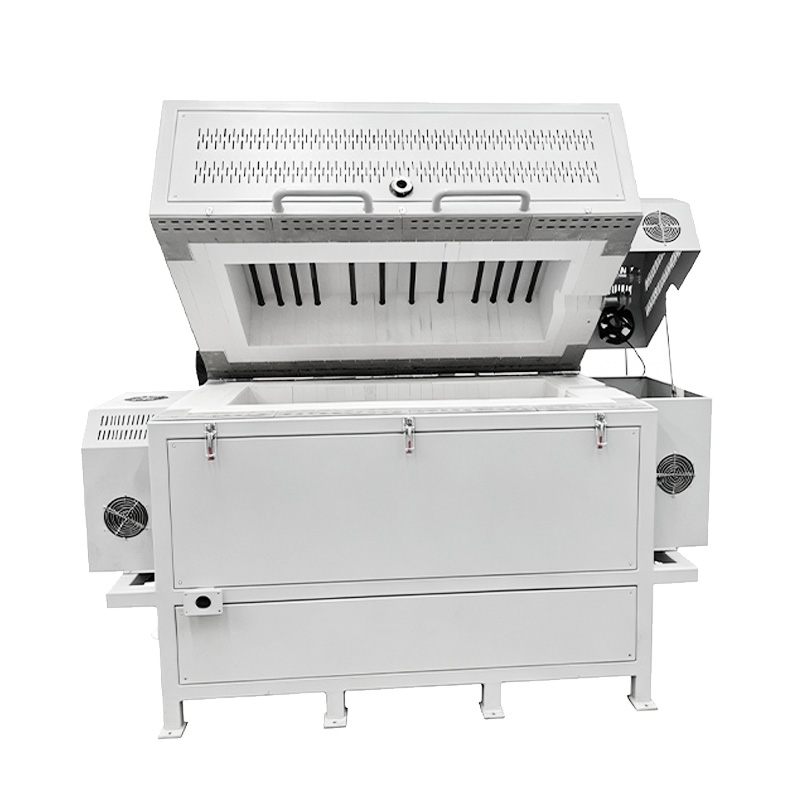
The furnace door is designed with a flip-top opening, facilitating easy insertion and removal of the quartz tube. An observation mirror is installed on the furnace body for easy observation of the internal rotation of the quartz tube.
- Gas Safety System with Multi-Level Protection
Equipped with a gas leak alarm system to prevent gas leakage. Includes a pressure protection device to prevent outlet blockage and excessive internal pressure within the furnace tube. The inlet gas flow rate is adjustable from 1-30L/min, and an exhaust hood is provided at the furnace tube inlet to prevent gas leakage.
| Furnace Body Structure | 1. Furnace shell shall have good temperature resistance without deformation during long-term use, easy to clean, with reasonable and aesthetic color matching, and paint free from blistering or sagging; 2. Drive components shall be fully protected to avoid safety risks, with complete electrical protections; 3. Furnace shell structure shall be reasonable to prevent local overheating of components (electrical parts, hinges, latches, etc.) that may affect service life; 4. Furnace door shall be flip-top type for easy operation, with opening angle convenient for inserting and removing the quartz tube; sealing performance shall be optimized to prevent temperature field non-uniformity; 5. One observation window shall be installed on the furnace body to observe the rotation status of the quartz tube inside; 6. Furnace shell surface temperature shall be ≤45℃ during heating, holding, and cooling processes within the operating temperature range. |
| Gas Control System | 1. Gas inlet piping shall be provided at the right end of the furnace tube, with an exhaust hood at the tube port to prevent gas leakage; 2. No vacuum pumping is required inside the tube; flow meters shall be provided to control individual gas flow rates within the range of 1~30L/min; 3. Pressure protection shall be provided to prevent overpressure inside the tube due to outlet blockage; 4. Gas leak alarm system shall be provided; 5. An iron frame shall be welded outside the furnace chamber to secure the gas tubing. |
| Furnace Chamber Structure | 1. Furnace lining shall be made of vacuum-formed high-purity alumina lightweight material; high-wear areas (furnace mouth and bottom) shall use lightweight hollow-sphere alumina plates with high-temperature resistance, low heat storage, thermal shock resistance, no cracking, no spalling, and excellent insulation; 2. Three-layer insulation: aluminum silicate fiber board + alumina fiber board + alumina (polycrystalline) fiber board; 3. Two silicon carbide roller shafts shall be inserted through the furnace chamber; 4. Insulation material thickness shall be sufficient to prevent heat leakage. |
| Furnace Tube & Roller Shaft Structure | 1. Furnace tube shall be quartz tube with end caps, dimensions as per drawings; 2. Roller shafts shall be silicon carbide material with retaining rings or stepped diameters welded on both sides to secure the tube and prevent axial movement during rotation, dimensions as per drawings; silicon carbide roller shafts shall be procured and assembled by the equipment supplier; 3. Quartz tube shall be high-temperature-resistant sand-cast tube to achieve powder tumbling effect and prevent powder agglomeration; 4. Quartz tube shall be placed inside a silicon carbide/silicon nitride composite tube to prevent softening deformation at high temperatures. |
| Rotary Drive Structure | 1. Drive mechanism shall be provided on one side of the furnace to drive two silicon carbide roller shafts (both active); the roller shafts shall drive the internal quartz tube to rotate under force. The drive method shall ensure minimal radial load on the silicon carbide roller shafts to prevent cracking due to radial stress, which would affect service life; 2. Motor shall be frequency-controlled, adjustable from 1~5 r/min, with forward and reverse rotation capabilities. |
| Control System | 1. At least 5 process recipes shall be storable, each containing 30 or more temperature segments, with online editing capability; 2. Control system shall have continuous PID regulation, thermocouple failure alarm, overtemperature alarm, real-time power display, temperature compensation settings, temperature curve recording, and historical data export; 3. Control panel shall be touchscreen or keyboard/mouse type; 4. Automatic power consumption calculation shall be provided, automatically calculating energy usage per run. |
| Refractory Material | Vacuum-formed high-purity alumina lightweight material; high-wear areas (furnace mouth and bottom) shall use lightweight hollow-sphere alumina plates with high-temperature resistance, low heat storage, thermal shock resistance, no cracking, no spalling, and excellent insulation. |
| Insulation Material | Three-layer insulation: aluminum silicate fiber board + alumina fiber board + alumina (polycrystalline) fiber board; energy-saving effect over 80% compared to traditional furnaces. |
| Furnace Shell Temperature | During prolonged continuous operation, shell temperature shall be < 45℃. |
| Protection Functions | Integrated modular control unit with dual-loop control and dual-loop protection; includes protection against overshoot, undershoot, deviation, thermocouple break, phase loss, overvoltage, overcurrent, overtemperature, current feedback, and soft-start. |
| Control Method | Closed-loop SCR (thyristor) module control with phase-shift or zero-crossing triggering; continuously adjustable output voltage, current, or power; features constant voltage, constant current, or constant power characteristics. Inner current loop + outer voltage loop ensures output current is limited within rated range under sudden load changes or overcurrent conditions, protecting heating elements from excessive current/voltage surges for safe and reliable control. |
| Displayed Parameters | Temperature, segment number, segment time, remaining time, output power percentage, voltage, current, etc. |
| Push-Buttons | Imported push-buttons with LED indicators, service life > 100,000 cycles. |
| Temperature Profile Programming | Intelligent controller supports standard PID, AI artificial intelligence PID (APID), or MPT regulation with self-tuning and self-learning functions; no overshoot or undershoot. Features 30-segment programmable control for arbitrary ramp/soak profiles; supports jump (loop), run, pause, and stop commands with on-the-fly program modification; curve-fitting algorithm ensures smooth and continuous temperature control. |
| Heating & Temperature Control System | 1. Continuous operating temperature 1250℃, maximum 1300℃, intermittent operation (heating → holding 2~8h → cooling to room temperature); 2. Heating rate adjustable from max. 10℃/min to min. 1℃/h; 3. ≥3 heating zones, constant temperature zone length ≥1.3m, temperature uniformity within constant zone ±5℃ during holding, control accuracy ±1℃; 4. Heating elements shall be silicon carbide rods, arranged in parallel around or above/below the tube, with single-side wiring for easy installation and replacement; 5. Temperature control shall adopt SCR phase-control voltage regulation method; 6. Temperature sensors shall be Type S thermocouples, with one independent thermocouple for intermittent measurement of the constant temperature zone inside the quartz tube during holding to calibrate temperature compensation values. |
Tube Furnace Application Areas
- Silica Powder Purification and Sintering: Suitable for high-temperature, periodic purification and sintering processes of silica powder. The sand-turning quartz tube structure ensures proper powder agitation, preventing powder adhesion and clumping, thus improving purification efficiency and sintering quality.
- High-Purity Powder Material Heat Treatment: Suitable for batch-type high-temperature heat treatment of various high-purity powder materials. Silicon carbide/silicon nitride composite tube protection prevents high-temperature deformation of the furnace tube, ensuring process stability.
- New Material R&D and Pilot Production: Suitable for the R&D and batch processing of special materials, composite materials, and other new materials. Three independent temperature zones meet the requirements of complex process temperature profiles.
- Universities and Research Institutes: Suitable for experimental teaching and research projects in materials science and engineering, chemical engineering, and other related fields. Features such as 30-segment programmable temperature control, automatic power consumption calculation, and historical data export meet the data recording and analysis requirements of scientific research.
Company Profile
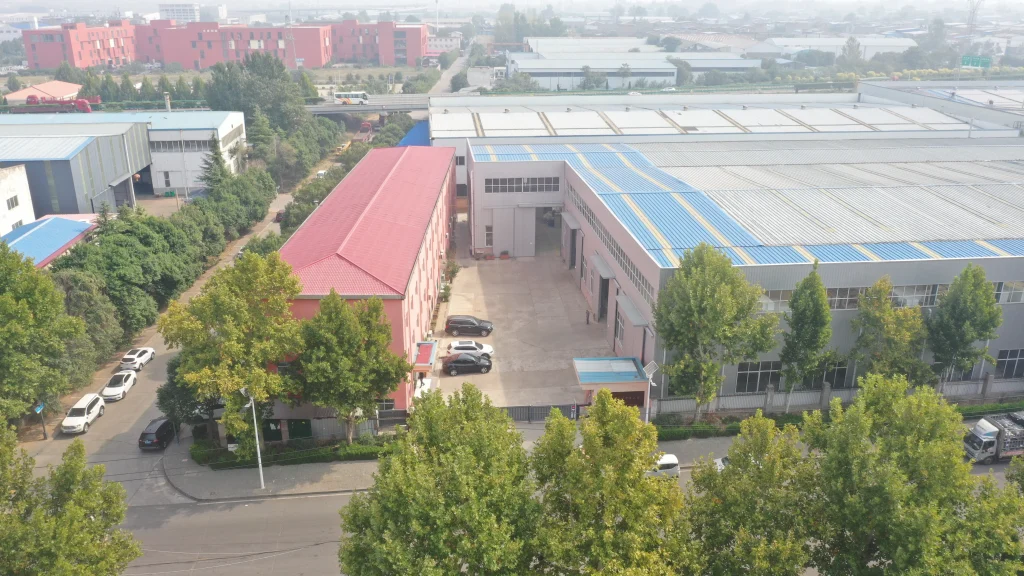
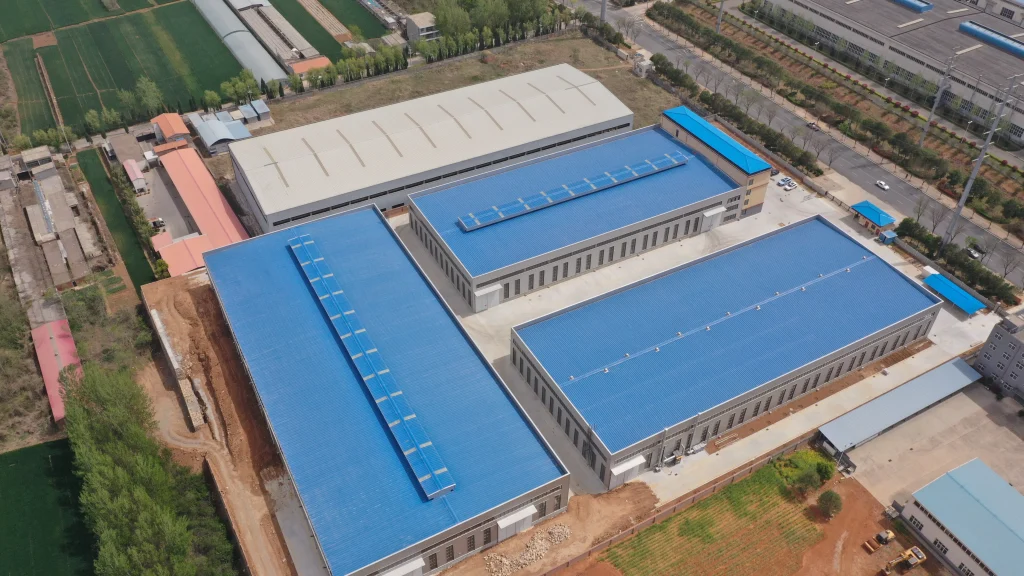
A professional enterprise specializing in heat treatment technology services and the R&D, manufacturing, and sales of high-temperature electric furnaces.
The company focuses on developing high-temperature electric furnaces covering a full temperature range of -100℃ to 2600℃. Its products include experimental electric furnaces, vacuum atmosphere furnaces, industrial kilns, and medium-frequency induction heating equipment. Main products include box furnaces, tube furnaces, lifting furnaces, pusher kilns, bogie furnaces, rotary kilns, tunnel kilns, and various specialized medium-frequency furnaces.
The company adheres to technological innovation and has passed ISO9001 and EU CE certifications. It owns 21 registered trademarks, 29 patents, and 27 software copyrights.
Payment Methods
TT
Shipment Methods
The electric furnace is packaged in three layers: first wrapped in foam paper, then wrapped in plastic film, and finally packed in a wooden crate.
Tube Furnace Frequently Asked Questions (FAQ)
- Why does the equipment use a rotary structure?
The rotary structure allows the powder inside the quartz tube to continuously tumble, preventing localized overheating and agglomeration, improving material purification uniformity and sintering quality, and is particularly suitable for processing high-purity quartz powder.
- Why does the quartz tube require an external composite protective tube?
Quartz tubes are prone to softening and deformation at high temperatures. The external silicon carbide/silicon nitride composite protective tube significantly improves the overall load-bearing capacity and high-temperature stability, extending its service life.
- What gases can the equipment accept?
The equipment supports process gases such as air, nitrogen, and argon. Flow rates can be adjusted and continuous gas supply can be maintained according to material purification requirements.
- What are the temperature control accuracy and uniformity?
The equipment’s temperature control accuracy reaches ±1℃, and the temperature field uniformity in the constant temperature zone is better than ±5℃, meeting the requirements of high-purity material sintering and purification processes.
- Does the equipment have safety protection functions?
It has multiple safety protection functions, including dual-circuit control protection, over-temperature protection, over-current protection, phase loss protection, pressure protection, gas leak alarm and soft start, which can ensure the long-term stable operation of the equipment.