Luoyang Anjing Intelligence Equipment are a global leader in high-temperature electric furnaces



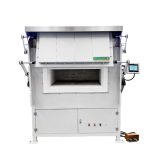
1400°C Top-Loading Fire assay furnace for Material Testing and Research
PRODUCT PARAMETERS
Description
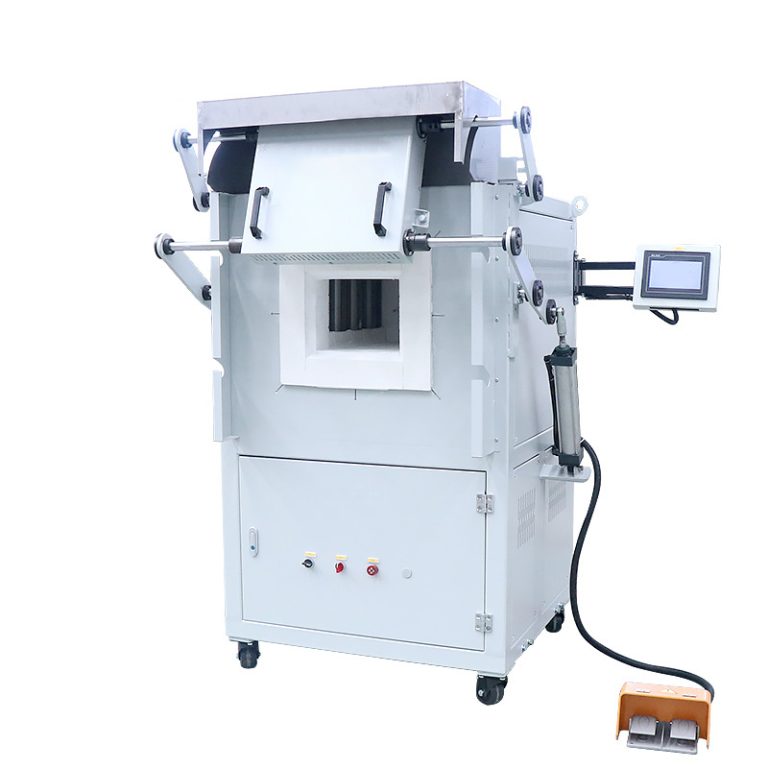
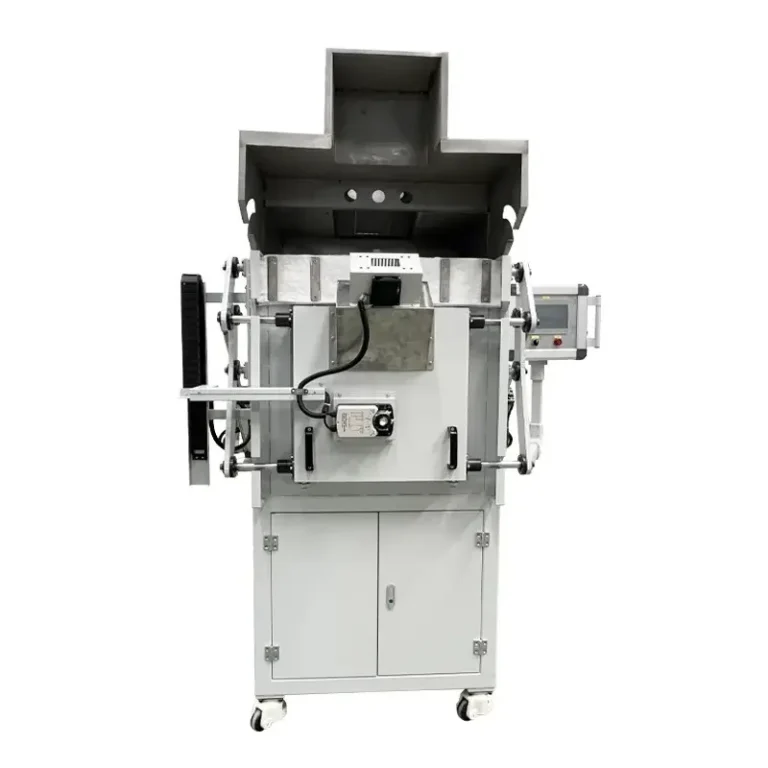
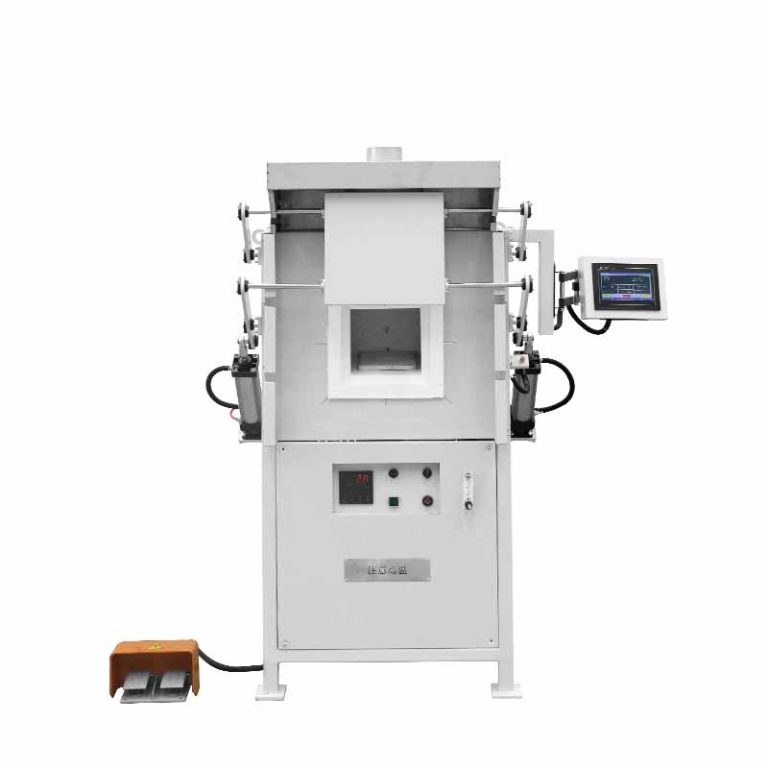
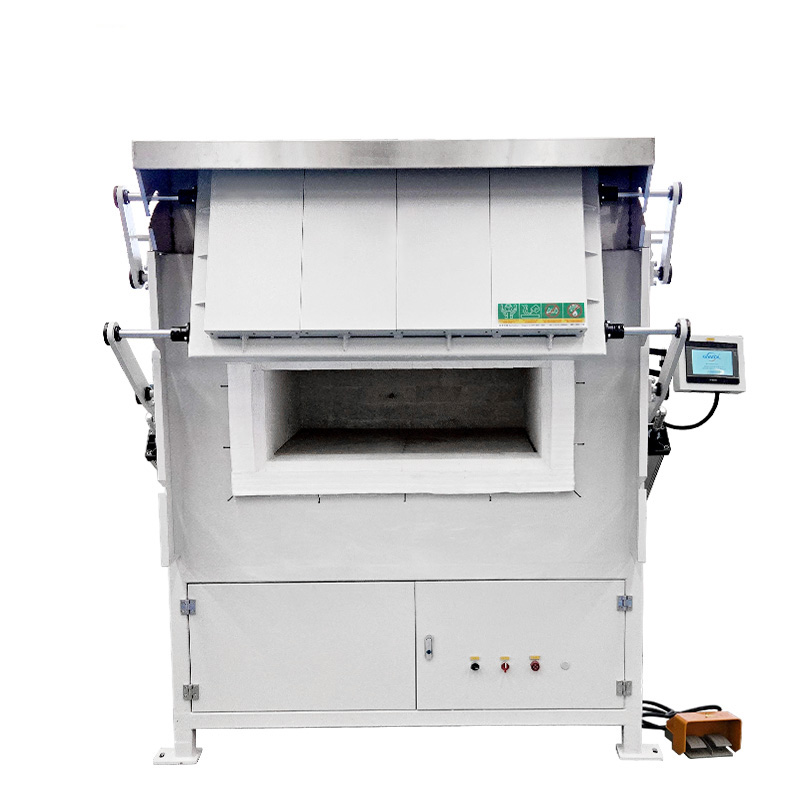
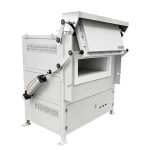
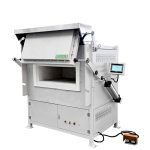
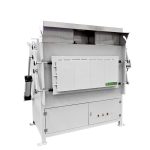
1400℃ Top-Opening Fire Assay Furnace
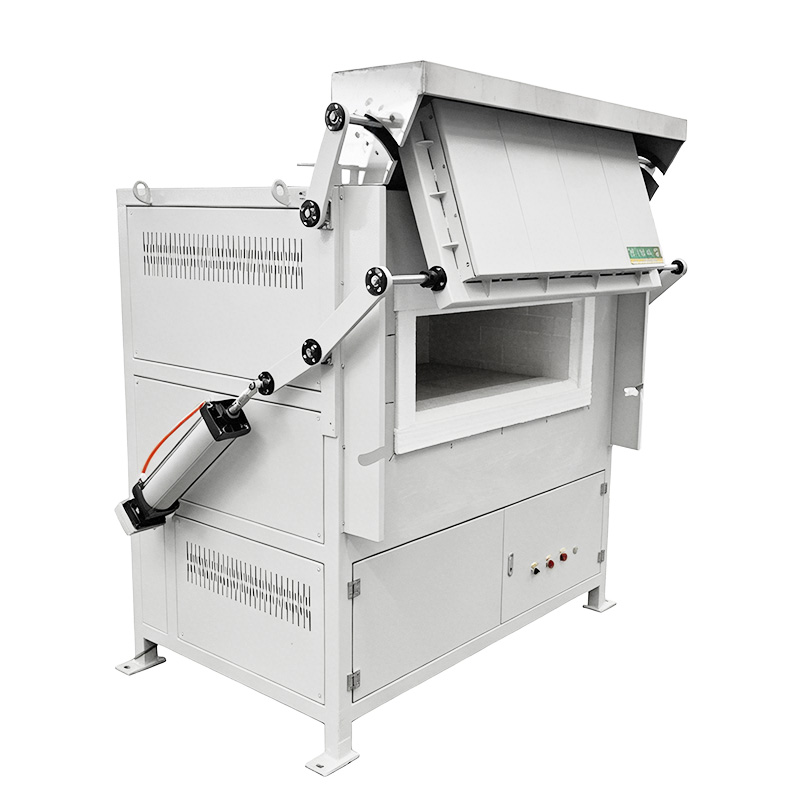
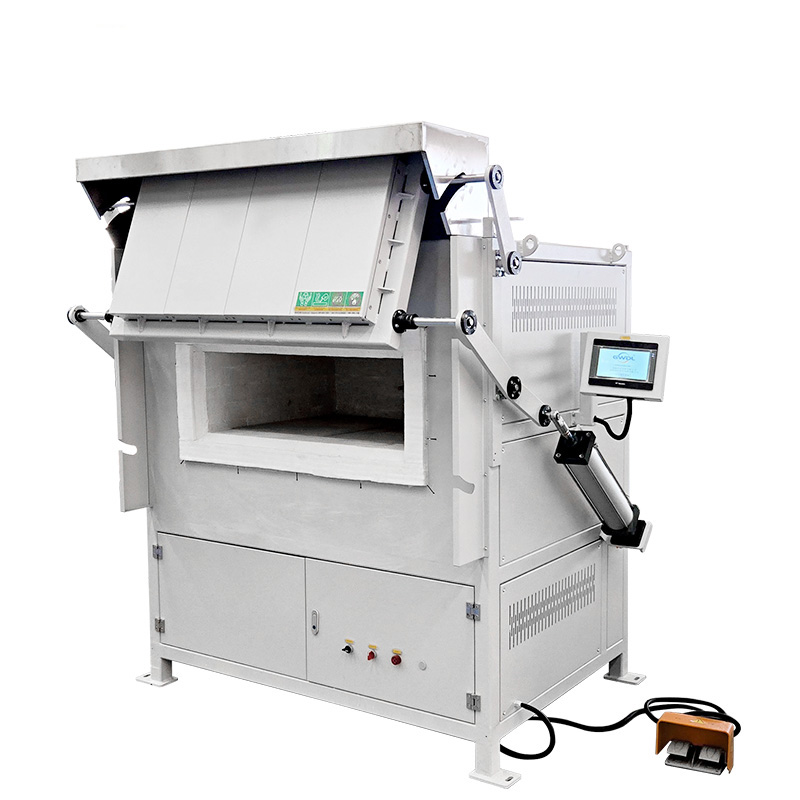
The top-opening fire assay furnace is a high-temperature box-type electric furnace specifically designed for geochemical analysis, precious metal fire assay experiments, and mineral metallurgical testing. The equipment adopts a separate structure design for the furnace chamber and control system, ensuring stable and reliable overall operation. It is suitable for research institutes, university laboratories, and geological exploration and analysis centers.
The furnace lining is made of vacuum-formed high-purity alumina lightweight material, combined with a silicon carbide heating system, achieving rapid heating, excellent high-temperature uniformity, and long service life. The equipment supports programmed temperature control, automatic heating and cooling, and multi-segment process curves, meeting the needs of complex experimental procedures such as fire assay sample melting, ash blowing in mortars, and precious metal separation.
Product Features
- Designed specifically for fire assay processes, adaptable to the entire process
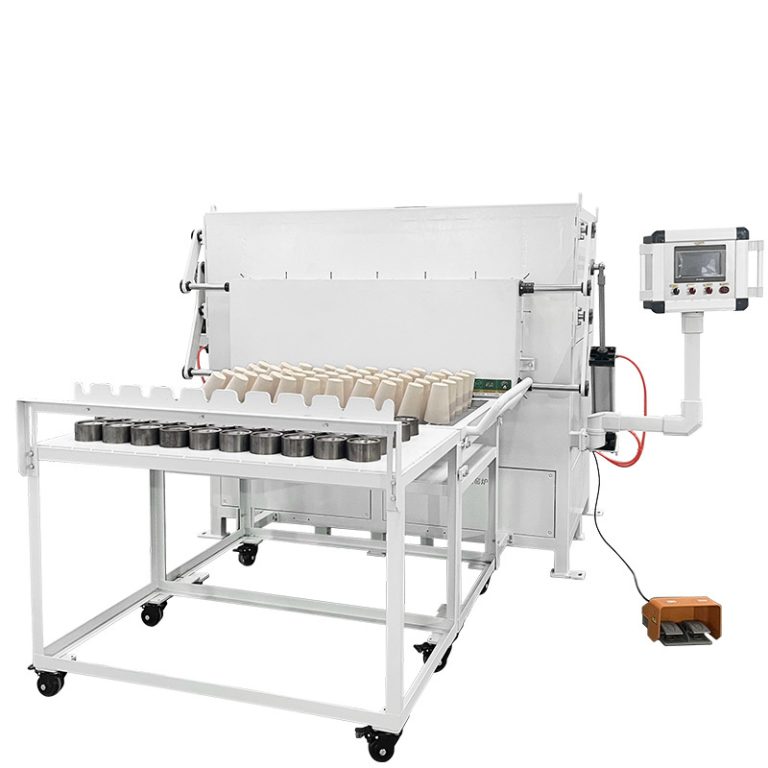
This equipment is specifically designed for exploration geochemical fire assay analysis, suitable for determining the precious metal content of samples such as cores, rocks, river sediments, soil, glacial debris, and vegetation. The furnace chamber dimensions are 600×900×300mm, and it can process a large number of assay crucibles per batch, meeting the needs of the entire process from sampling, melting, cauldron testing to gold and silver separation.
- Electric and pneumatic top-opening door, foot switch control
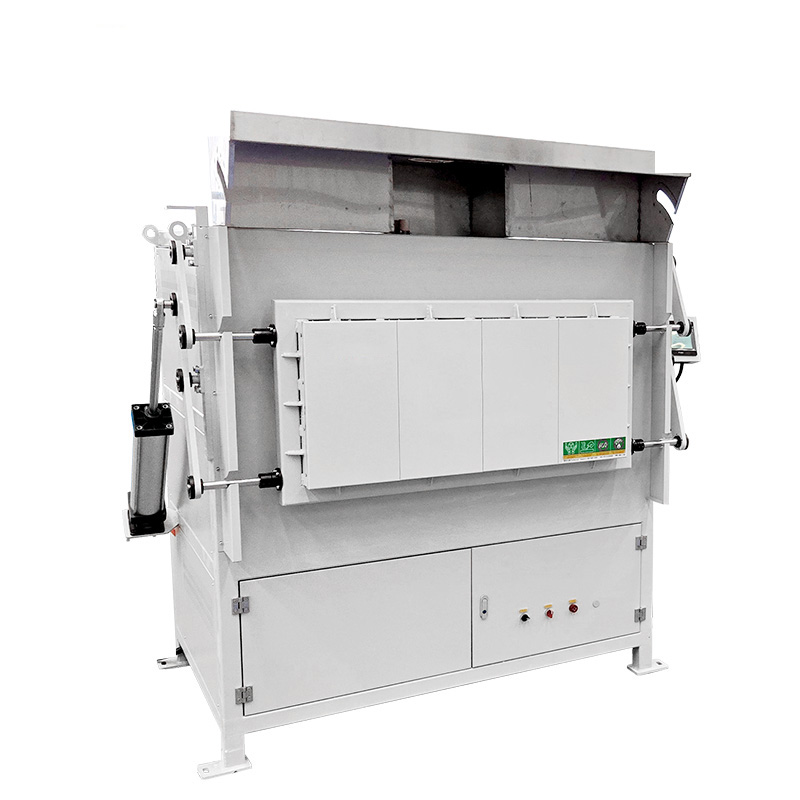
The furnace door uses an electric and pneumatic top-opening mechanism, with a foot switch controlling the opening and closing height. The operator can focus on sample handling without manually lifting the furnace door, avoiding the risk of burns from high temperatures. It is particularly suitable for fire assay analysis operations requiring frequent furnace door opening and closing.
- Silicon carbide rod heating, ultra-high temperature performance up to 1400℃
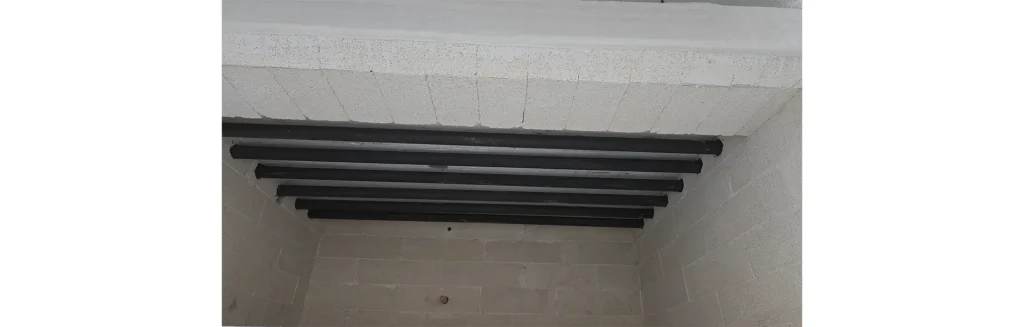
Using U-shaped silicon carbide rods of equal diameter as heating elements, vertically installed on both sides of the inner wall of the furnace chamber. The silicon carbide rod uses high-purity α-SiC as the main raw material, featuring rapid heating, high thermal efficiency, long lifespan, and resistance to deformation at high temperatures, reaching up to 1500℃. Temperature control accuracy is ±1℃, and furnace temperature uniformity is ±1℃ (depending on furnace size).
- Comes with dedicated tools, ready to use out of the box.
Equipped with 310S stainless steel sampling tongs, a 310S stainless steel furnace loading cart, and cast iron melting molds. The complete set of tools meets the needs of the entire fire assay process, from sampling, furnace loading, melting to sample removal, eliminating the need to purchase additional auxiliary tools.
| Temperature | 1400℃ |
| Maximum Operating Temperature | 1400℃ |
| Furnace Chamber Dimensions | Heating zone dimensions (D×W×H): 600×900×300mm |
| Control Range | 80 ~ 1400℃ |
| Temperature Sensor | Platinum-Rhodium Type S thermocouple, measuring range 0~1600℃ |
| Heating Element Installation Position | Vertically installed on both inner side walls of the furnace chamber |
| Temperature Control Accuracy | ±1℃ (integrated circuit control, no overshoot) |
| Temperature Uniformity | ±1℃ (multi-point control available for larger chambers to improve uniformity) |
| Heating Rate | Max. 30℃/min, Min. 1℃/h, freely adjustable |
| Heating Elements | U-shaped uniform-diameter silicon carbide (SiC) rods; fast heating, high thermal efficiency, long service life, no deformation at high temperatures, easy installation and maintenance, capable of reaching 1500℃ |
| Furnace Body Construction | CNC machined; processes include polishing, grinding, pickling, phosphating, powder coating, and high-temperature baking; dual-color finish; features oxidation resistance, acid/alkali/corrosion/heat resistance, and easy cleaning |
| Furnace Body Structure | Air-cooled double-layer structure with effective air-guide baffles for full cold-air circulation; cools the heating element terminals to prevent high-temperature oxidation |
| Door Opening Method | Electric pneumatic upward opening; foot switch controls opening height and closing height |
| Sampling Tongs | 310S stainless steel |
| Loading Cart | 310S stainless steel |
| Melting Mold | Cast iron |
| Refractory Material | Vacuum-formed high-purity alumina lightweight material; high-wear/load-bearing areas (furnace mouth and bottom) use lightweight hollow-sphere alumina plates; high-temperature resistance, low heat storage, thermal shock resistance, no cracking, no spalling, excellent insulation (saves over 80% energy compared to traditional furnaces) |
| Insulation Material | Three-layer insulation: aluminum silicate fiber board + alumina fiber board + alumina (polycrystalline) fiber blanket; saves over 80% energy compared to traditional furnaces |
| Furnace Shell Temperature | < 40℃ during prolonged continuous operation |
| Protection Functions | Integrated modular control with dual-loop control and dual-loop protection; includes protection against overshoot, undershoot, deviation, thermocouple break, phase loss, overvoltage, overcurrent, overtemperature, current feedback, and soft-start; plus independent overtemperature alarm device |
| Control Method | Closed-loop SCR (thyristor) module control with phase-shift or zero-crossing triggering; continuously adjustable output voltage, current, or power; features constant voltage, constant current, or constant power characteristics. Inner current loop + outer voltage loop ensures output current is limited within rated range under sudden load changes or overcurrent conditions, protecting heating elements from excessive current/voltage surges for safe and reliable control |
| Displayed Parameters | Temperature, segment number, segment time, remaining time, output power percentage, voltage, current, etc. |
| Push-Buttons | Imported push-buttons with LED indicators, service life > 100,000 cycles |
| Temperature Profile Programming | Intelligent controller supports standard PID, AI artificial intelligence PID (APID), or MPT regulation with self-tuning and self-learning functions; no overshoot or undershoot. Features 30-segment programmable control for arbitrary ramp/soak profiles; supports jump (loop), run, pause, and stop commands with on-the-fly program modification; curve-fitting algorithm ensures smooth and continuous temperature control |
| Multiple Curve Input | 30 segments (customizable to 50): 1 curve of 30(50) segments / 2 curves of 14(28) segments each / 3 curves of 9(15) segments each / 5 curves of 5(9) segments each; multiple curves can be stored simultaneously and called arbitrarily |
| Communication Interface | RS485, communication distance up to 1200m; allows remote computer control for start/pause/stop/curve setting/reading/parameter modification; PC display includes measured value, setpoint, output value, segment time, segment number, ramp curve, and power percentage curve; stored ramp curves can be recalled and modified; historical data/report logging interval adjustable (1s~1h) with long-term storage |
| Standard Accessories | Crucible tongs × 1 pair, heat-resistant gloves × 1 pair, alumina base plate × 1 |
| Warranty | 1 year for the furnace (heating elements excluded; naturally damaged within 3 months replaced free of charge) |
Application Areas
- Exploration Geochemical Sample Analysis: Suitable for fire assay analysis of geological samples such as cores, rocks, river sediments, soils, glacial debris, and vegetation.
- Precious Metal Content Determination: Suitable for quantitative analysis of precious metals such as gold, silver, platinum, and palladium.
- Mining Laboratories: Suitable for routine testing and analysis of precious metal content in samples such as ores, concentrates, and tailings.
- Third-Party Testing Agencies: Suitable for various testing institutions conducting precious metal composition analysis services.
- Metallurgical Analysis: Suitable for the detection and analysis of precious metal components in smelting intermediate products and metallic materials.
- Precious Metal Recovery: Suitable for the recovery and analysis of precious metals from secondary resources such as spent catalysts, electronic waste, and jewelry processing waste.
Company Profile
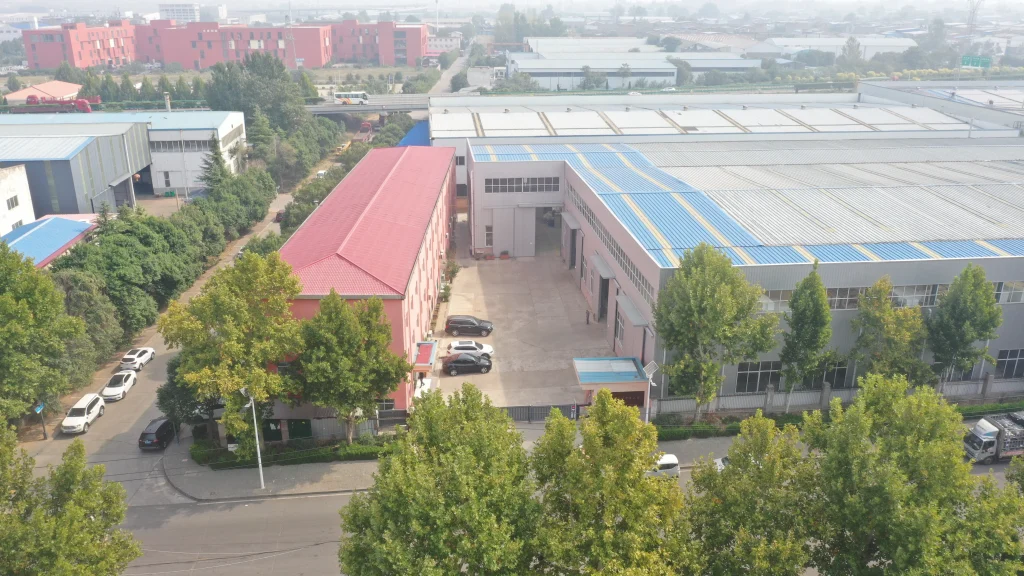
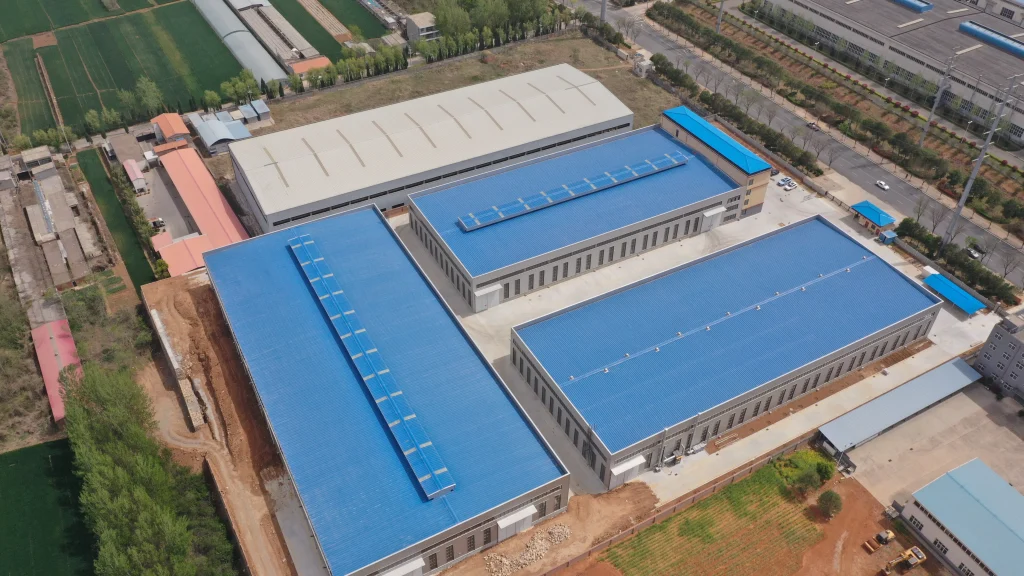
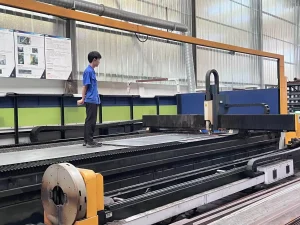
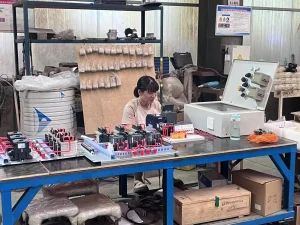
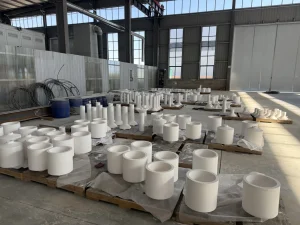
A professional enterprise specializing in heat treatment technology services and the R&D, manufacturing, and sales of high-temperature electric furnaces.
The company focuses on developing high-temperature electric furnaces covering a full temperature range of -100℃ to 2600℃. Its products include experimental electric furnaces, vacuum atmosphere furnaces, industrial kilns, and medium-frequency induction heating equipment. Main products include box furnaces, tube furnaces, lifting furnaces, pusher kilns, bogie furnaces, rotary kilns, tunnel kilns, and various specialized medium-frequency furnaces.
The company adheres to technological innovation and has passed ISO9001 and EU CE certifications. It owns 21 registered trademarks, 29 patents, and 27 software copyrights.
Payment Methods
TT
Shipment Methods
The electric furnace is packaged in three layers: first wrapped in foam paper, then wrapped in plastic film, and finally packed in a wooden crate.
Frequently Asked Questions (FAQ)
- What is the difference between a fire assay furnace and a regular box furnace?
A fire assay furnace is specifically designed for precious metal analysis, emphasizing high-temperature stability and temperature uniformity, and supporting long-term constant temperature and sample melting operations. Regular box furnaces are mostly used for general heat treatment or sintering experiments.
- Does it support automatic program operation?
Yes. The equipment is equipped with a 30-segment programmable temperature control system, enabling automatic control of the entire process of heating, holding, and cooling, and supporting cyclic operation and real-time parameter modification.
- What is the maximum temperature the equipment can reach?
The maximum operating temperature is 1400℃, and the silicon carbide heating element can withstand temperatures up to 1500℃, suitable for long-term high-temperature experiments.
- Is the furnace door opening mechanism safe?
It adopts an electric and pneumatic top-opening furnace door, equipped with foot control and limit protection, enabling safe lifting and lowering operations and reducing the risk of high-temperature sampling.
- Will the outer casing overheat during equipment operation?
No. The equipment adopts a double-layer air-cooled structure design, and the shell temperature is ≤40℃ during long-term operation, which effectively ensures the safety of operators and the comfort of the experimental environment.