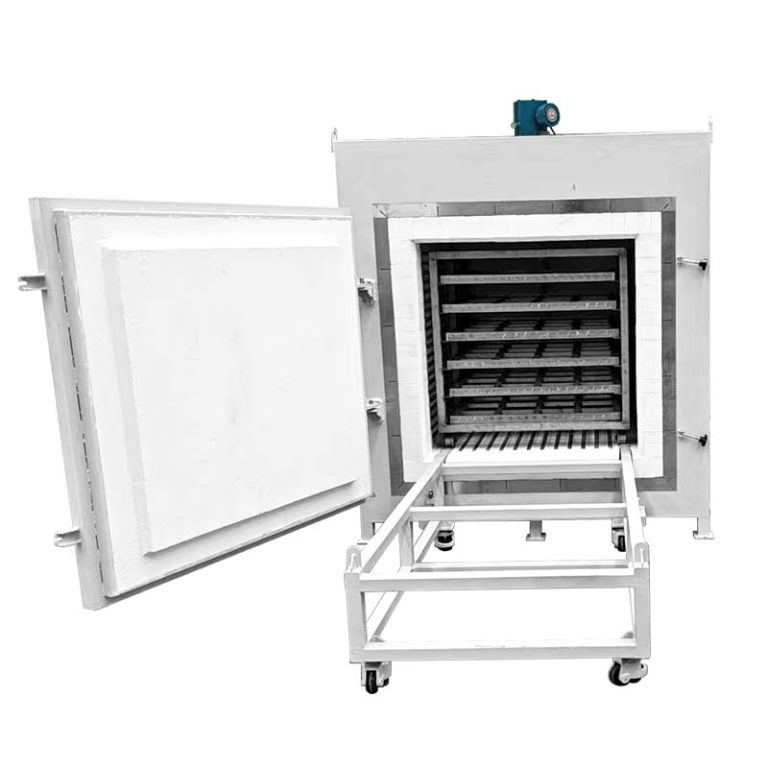
Luoyang Anjing Intelligence Equipment are a global leader in high-temperature electric furnaces



Reliable Top-Opening Laboratory Box Furnace for Materials Research
PRODUCT PARAMETERS
Description
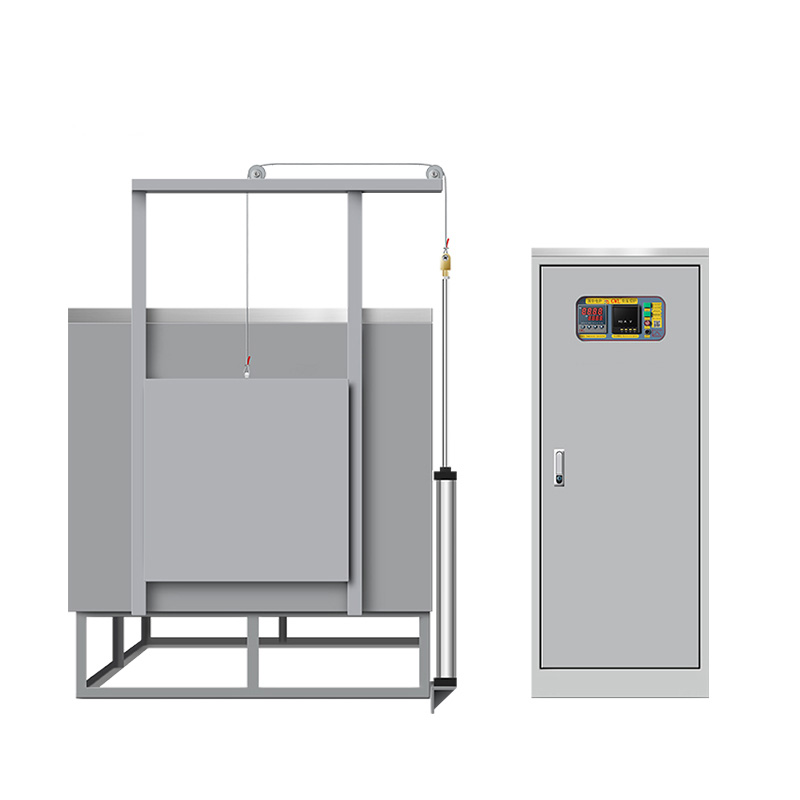
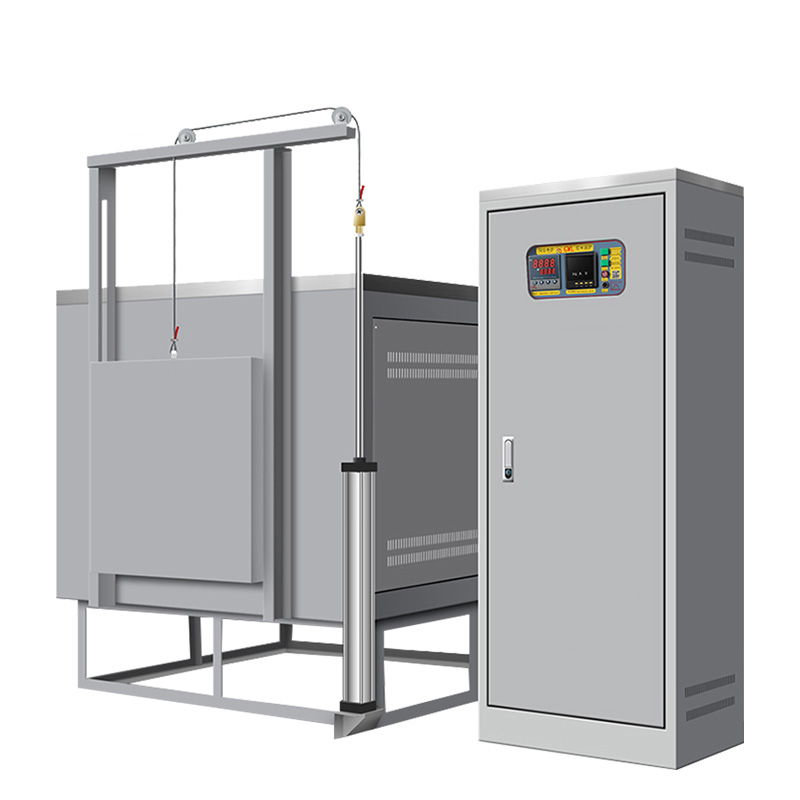
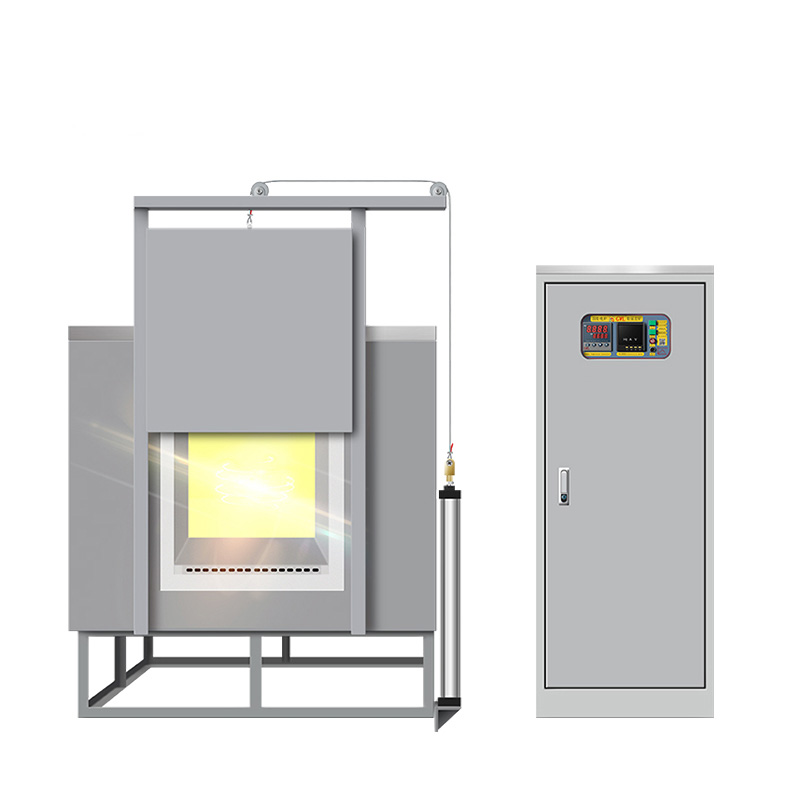
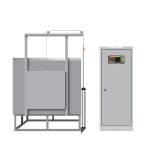
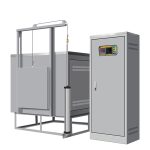
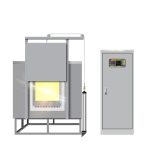
Top-Opening Box Furnace
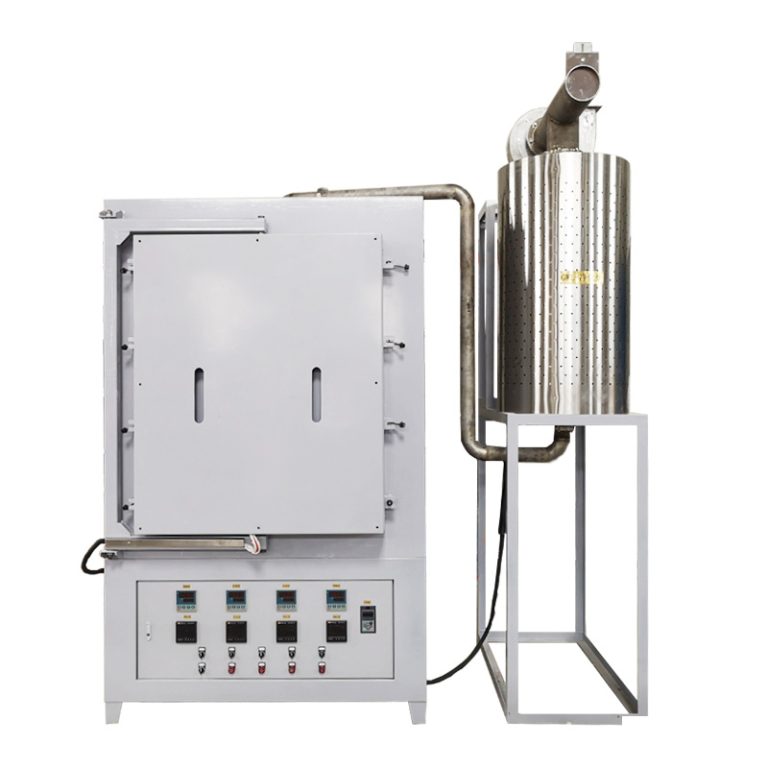
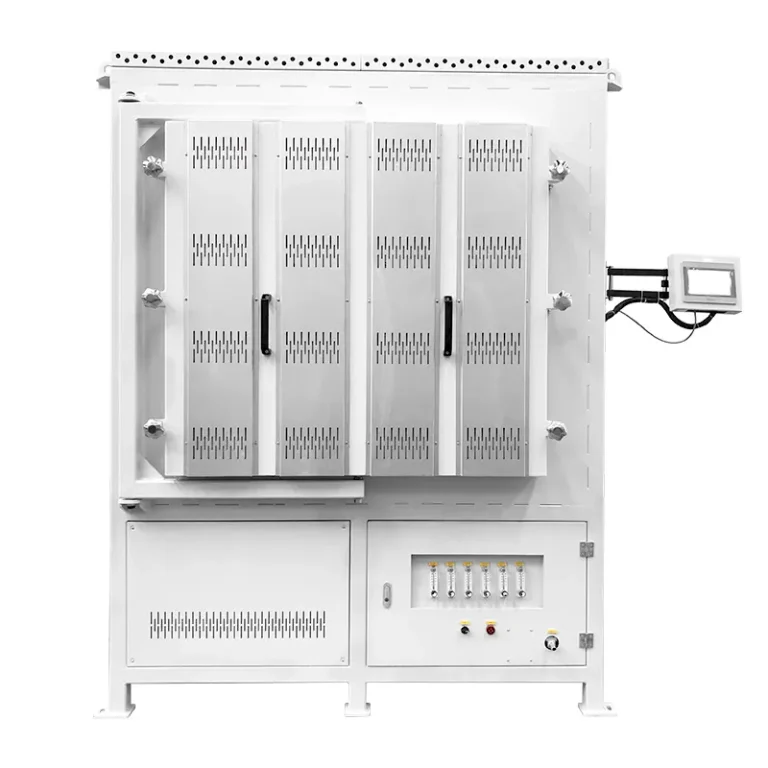
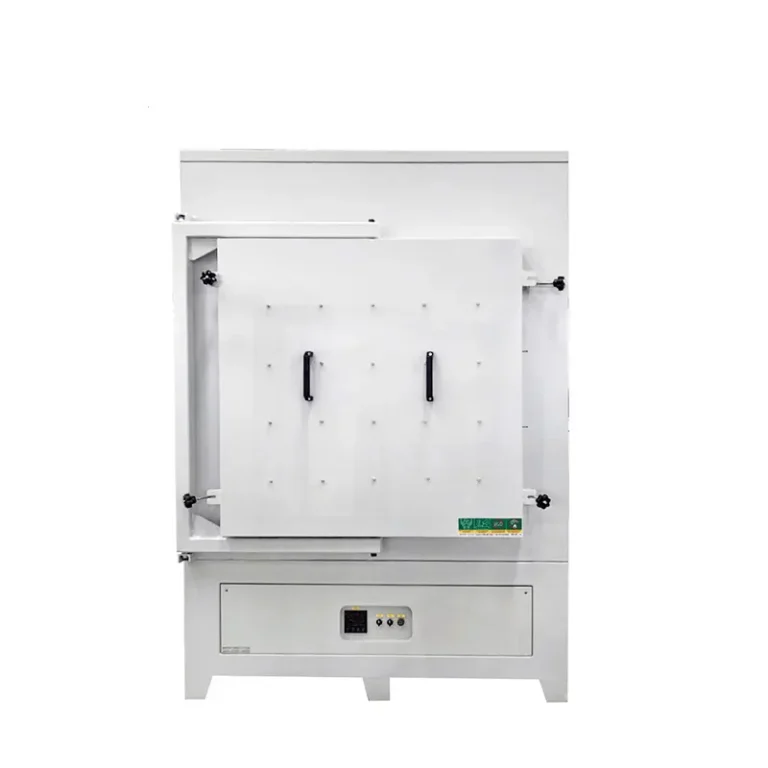
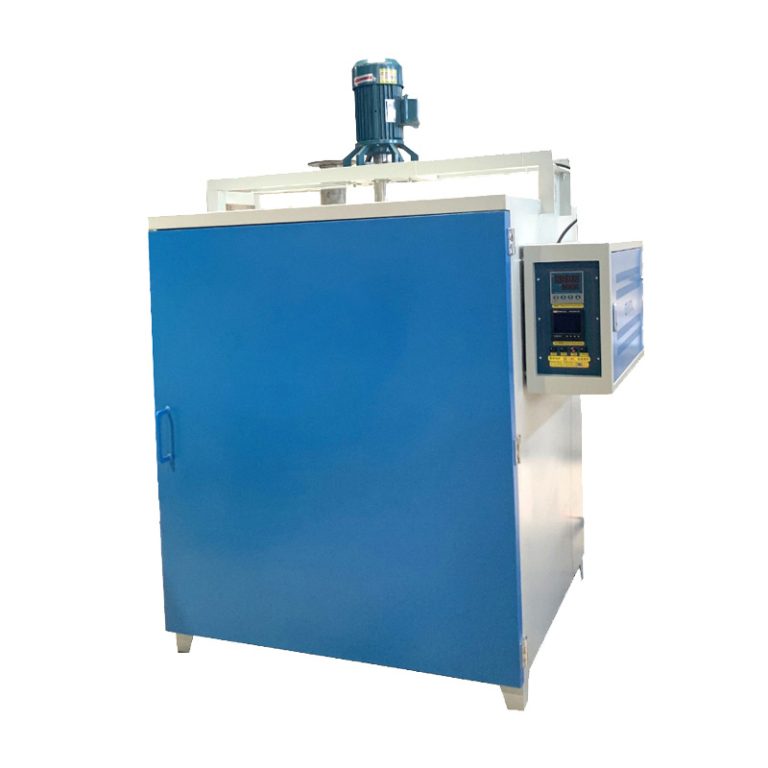
The top-opening box furnace is a high-temperature heat treatment equipment with a top-opening structure. It utilizes high-quality refractory insulation materials and a high-efficiency heating system, featuring rapid heating, low heat loss, and precise temperature control. The top-opening structure facilitates the vertical placement and removal of large workpieces or crucibles, reducing the operational space limitations of traditional side-opening furnaces and making it more convenient to use.
Product Features
- Electric/Pneumatic Top-Opening Door for Convenient and Safe Operation
The furnace door uses an electric or pneumatic top-opening mechanism. When opened, the door is located above the furnace body, without occupying side space, making it convenient for sample loading and unloading. A foot switch or handle can be configured to control the opening and closing height, and a flexible locking mechanism ensures a reliable seal.
- Rapid Heating, Up to 40℃/min
The maximum heating rate is 40℃ per minute (non-linear), significantly reducing heating waiting time and improving experimental and production efficiency. The temperature control system intelligently processes the heating curve, preventing thermal shock damage to the furnace chamber and samples.
- Air-Cooled Double-Layer Furnace Body, Outer Shell Temperature ≤45℃
The furnace adopts an air-cooled double-layer carbon steel furnace body structure. Effective air-cooling guide baffles ensure overall cold air circulation within the furnace shell, ultimately cooling the conductive plates of the heating elements before expelling them from the furnace body, preventing high-temperature oxidation of the conductive plates. The outer shell temperature remains below 45℃ during long-term operation without shutting down the furnace, ensuring safe operation and a comfortable working environment.
- Power Off Upon Door Opening for Safe High-Temperature Material Retrieval
The furnace body is designed with a function to disconnect the main heating circuit when the furnace door is opened at high temperatures during operation, avoiding the risk of electric shock during high-temperature material retrieval. The furnace door opens 180 degrees axially to the side and is equipped with a flexible locking mechanism to effectively lock and absorb the thermal expansion of the refractory material.

| Max. Operating Temperature | 1200℃ | 1400℃ | 1600℃ | 1700℃ | 1800℃ |
| Continuous Operating Temperature | 1150℃ | 1350℃ | 1550℃ | 1680℃ | 1780℃ |
| Temperature Control Range | 100–1200℃ | 100–1400℃ | 100–1600℃ | 100–1700℃ | 100–1800℃ |
| Temperature Control Accuracy | ±1℃ | ±1℃ | ±1℃ | ±1℃ | ±1℃ |
| Temperature Sensor | K | S | B | B | B |
| Heating Element | High-temperature alloy wire | SiC rod | MoSi₂ rod | 1800-type MoSi₂ rod | 1850-type MoSi₂ rod |
| Heating Layout | 3-sided: both sides + bottom | Top/bottom or both sides | Both sides | Both sides | Both sides |
| Heating Rate | Max. 40℃/min (non-linear) | ||||
| Furnace Structure | The electric furnace body adopts an advanced air-cooled double-layer carbon steel furnace body structure. The effective air-cooled guide baffles enable the overall cold air circulation in the furnace shell, which finally cools the conductive plates of the heating element and then discharges them from the furnace body, avoiding high-temperature oxidation of the conductive plates of the heating element and ensuring a good working environment. | ||||
| Door Operation | The furnace door opens axially to the side (XL model: axially 180-degree side opening plus 360-degree rotation). The door lock is located on the side and is equipped with a spring lock, which can effectively lock the door. The elasticity of the lock absorbs the expansion of the refractory material, ensuring the free expansion and contraction of the refractory material under thermal changes and effectively sealing it. | ||||
| Insulation Lining | The furnace lining is made of vacuum-formed high-purity alumina lightweight material, which has high operating temperature, low heat storage, resistance to rapid heating and cooling, no cracking, no slag shedding, and good heat insulation performance. | ||||
| Case Surface Temp. | < 45℃ | ||||
| Safety Protection | An integrated modular control unit ensures accurate control and features dual-loop control and protection, including protection against overshoot, over-adjustment, under-adjustment, thermocouple breakage, phase loss, overvoltage, overcurrent, overtemperature, current feedback, and soft start. | ||||
| Door Opening Power-Off | The furnace body is designed to disconnect the main heating circuit when the door is opened at high temperatures during operation, significantly reducing the risk of electric shock during high-temperature material handling. | ||||
| Safe Temperature Control | Utilizing closed-loop technology with thyristor module trigger control, phase-shift trigger control, or zero-crossing triggering, the output voltage, current, or power is continuously adjustable, exhibiting constant voltage, constant current, or constant power characteristics. The current loop is the inner loop, and the voltage loop is the outer loop. When a sudden load is applied or the load current exceeds the current limit, the voltage regulator’s output current is limited to the rated current range, ensuring normal operation of the output and the voltage regulator. Simultaneously, the voltage loop also participates in regulation, limiting the voltage regulator’s output current to the rated current range, maintaining constant output current and voltage with sufficient adjustment margin. This protects the heating elements from excessive current and voltage surges, achieving safe, reliable, and precise control. | ||||
| Temperature Curve Setting | Employs an intelligent temperature controller with multiple adjustment modes including standard PID, AI-based APID, and MPT. It features self-tuning and self-learning functions, excellent control characteristics with no overshoot or undershoot, and 30-segment programmable control, enabling arbitrary slope temperature rise and fall control. It includes programmable/operable commands such as jump (loop), run, pause, and stop, and allows modification of the program at any time during operation. Utilizing an AI-based adjustment algorithm with curve fitting capabilities, it achieves smooth and even curve control. | ||||
| Number of Heating Curve Segments | 50-segment programmable control function. Input settings are available: 50 segments for one curve, 28 segments for two curves, 15 segments for three curves, and 9 segments for five curves. Multiple curves can be input simultaneously and recalled at will. | ||||
| Panel Buttons | Two buttons: Main Power Button/Knob and Heating Chamber On Button/Knob. | ||||
| Included Accessories | One crucible tong, one pair of high-temperature gloves, and one furnace bottom pad. | ||||
Application Areas
- Advanced Ceramic Sintering: Suitable for high-temperature sintering and heat treatment of advanced ceramic materials such as alumina, zirconium oxide, silicon nitride, and silicon carbide.
- Metallic Material Heat Treatment: Suitable for heat treatment processes such as annealing, normalizing, tempering, and quenching of metallic materials.
- Electronic Component Processing: Suitable for debinding and sintering processes of electronic components such as electronic ceramic substrates, piezoelectric ceramics, and MLCCs.
- Powder Metallurgy Product Sintering: Suitable for sintering and forming of iron-based, copper-based, and tungsten-based powder metallurgy products.
- New Material Development and Pilot Production: Suitable for the research and pilot production of new materials such as special materials, composite materials, and high-temperature alloys.
Company Profile
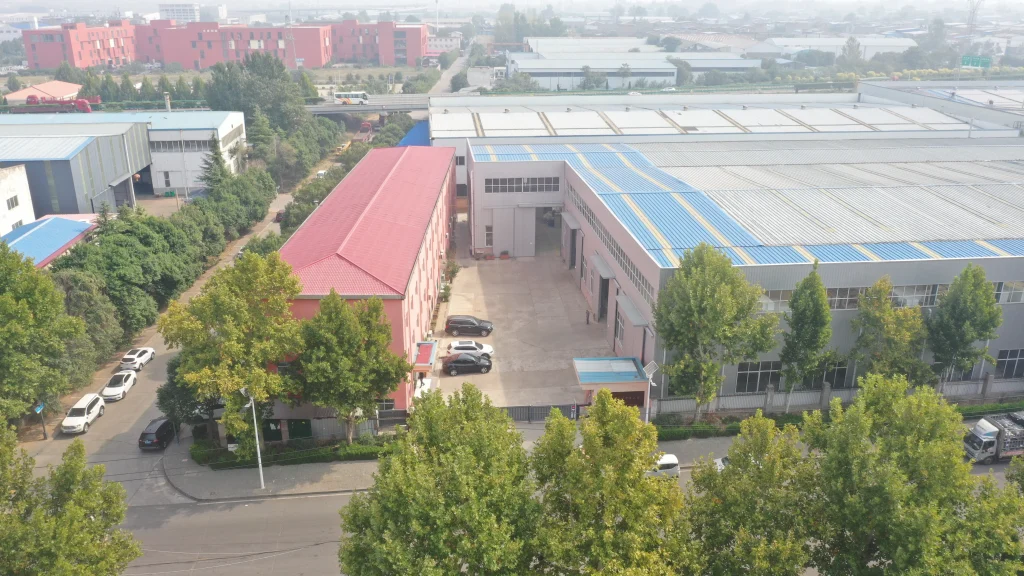
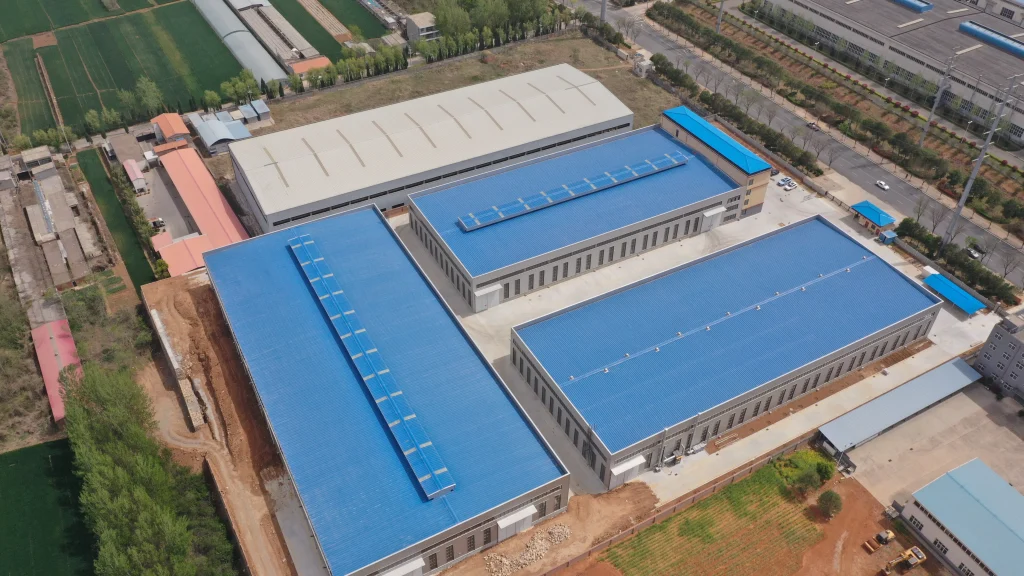
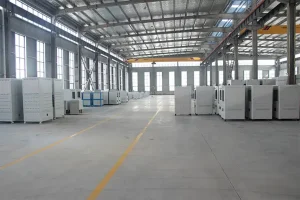
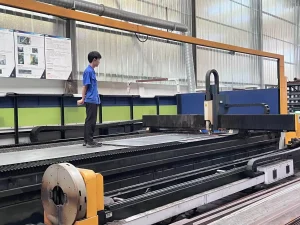
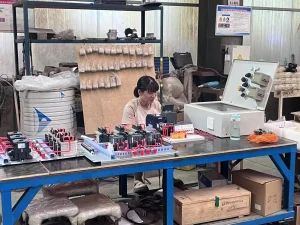
A professional enterprise specializing in heat treatment technology services and the R&D, manufacturing, and sales of high-temperature electric furnaces.
The company focuses on developing high-temperature electric furnaces covering a full temperature range of -100℃ to 2600℃. Its products include experimental electric furnaces, vacuum atmosphere furnaces, industrial kilns, and medium-frequency induction heating equipment. Main products include box furnaces, tube furnaces, lifting furnaces, pusher kilns, bogie furnaces, rotary kilns, tunnel kilns, and various specialized medium-frequency furnaces.
The company adheres to technological innovation and has passed ISO9001 and EU CE certifications. It owns 21 registered trademarks, 29 patents, and 27 software copyrights.
Payment Methods
TT
Shipment Methods
The electric furnace is packaged in three layers: first wrapped in foam paper, then wrapped in plastic film, and finally packed in a wooden crate.
Frequently Asked Questions (FAQ)
- What is the difference between a top-opening box furnace and a regular box furnace?
A top-opening box furnace is suitable for taller samples, crucibles, and workpieces requiring vertical loading. It offers more flexible operating space compared to a side-opening structure.
- What is the maximum temperature the equipment can reach?
Depending on the model, we offer products with different temperature ratings, including 1000℃, 1200℃, 1400℃, 1600℃, and 1700℃.
- Can the furnace chamber size be customized?
Yes, we can customize different furnace chamber sizes and structures according to customer product dimensions, loading methods, and production requirements.
- Can the equipment be supplied with a protective atmosphere?
Some models support the supply of protective atmospheres such as nitrogen and argon. Gas path systems can be configured according to process requirements.
- What materials are suitable for sintering?
Suitable for sintering and heat treatment of ceramics, metal powders, electronic components, oxide materials, composite materials, and various new materials.