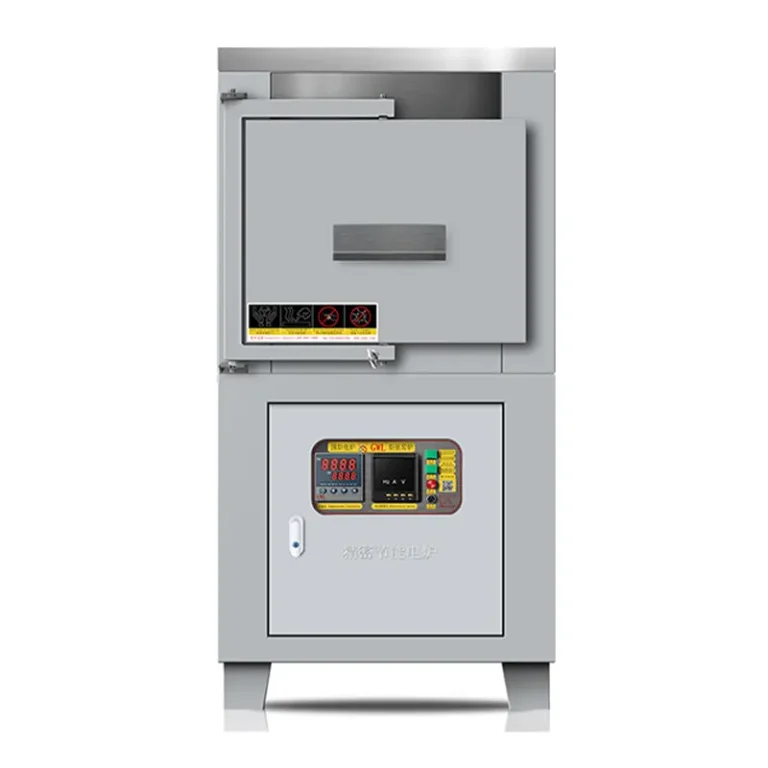
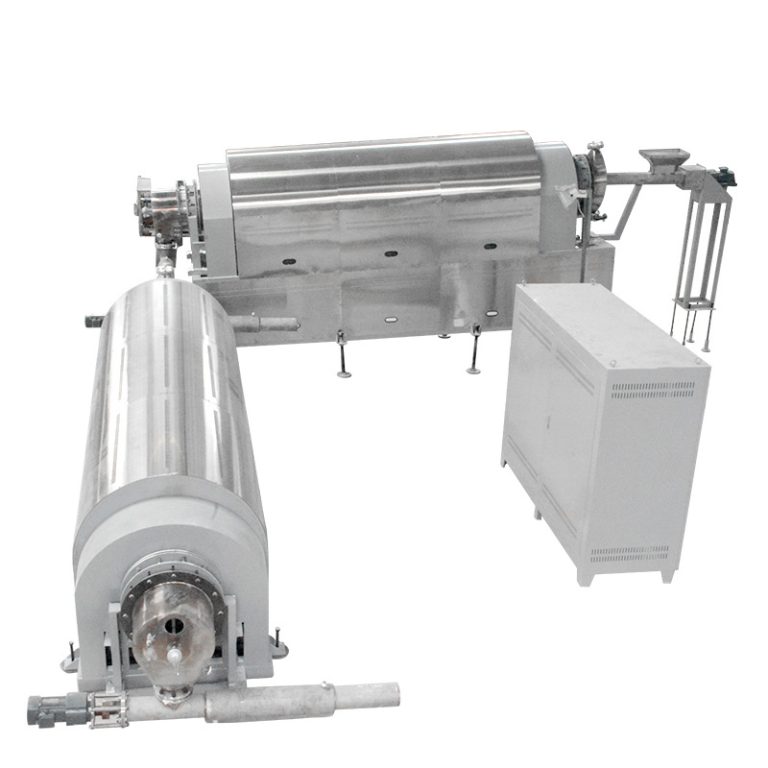
Luoyang Anjing Intelligence Equipment are a global leader in high-temperature electric furnaces



How to Operate a Tube Furnace?
Tube furnaces are widely used in materials sintering, heat treatment, powder calcination, semiconductors, new energy materials, and scientific research due to their uniform temperature, controllable atmosphere, and precise heating. However, many users believe that operating a tube furnace is simply “setting the temperature and pressing the start button.” In reality, a successful heat treatment experiment depends not only on the equipment’s performance but also on correct operating procedures and an understanding of the tube furnace’s working principle.
Only by fully understanding the core components, heating patterns, and atmosphere control methods of a tube furnace can the repeatability of experimental data be guaranteed, while extending the lifespan of the furnace tubes, heating elements, and sealing system.
I. General Introduction to Tube Furnaces
A tube furnace is an electric heating device that uses resistance heating elements to uniformly heat the furnace tubes, creating a stable high-temperature environment inside the tubes. Compared to traditional box furnaces, the biggest advantage of tube furnaces is that the sample is always located within the sealed furnace tubes, allowing for the creation of different working environments such as air, vacuum, inert gas, or reactive gas, depending on process requirements.
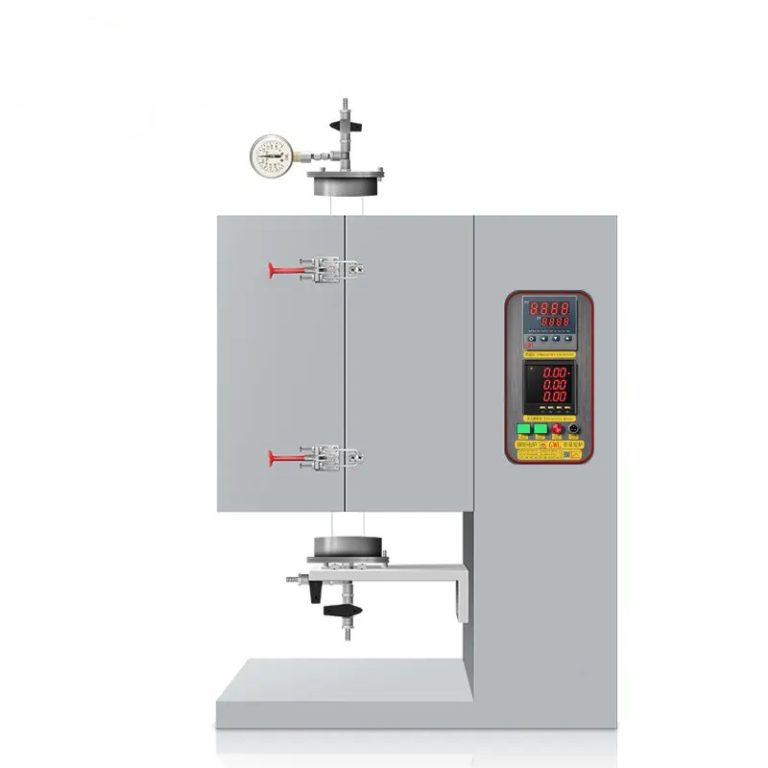
A complete tube furnace typically consists of a furnace body, heating system, furnace tubes, temperature control system, insulation structure, and atmosphere control system. Modern equipment can also be equipped with vacuum pumps, mass flow controllers (MFC), PLC control systems, and touch screens to achieve automated temperature profile control and remote monitoring.
Because the heat is concentrated inside the furnace tubes, tube furnaces not only have high thermal efficiency but also enable more precise temperature control, making them one of the most common high-temperature devices in laboratories and industrial research and development.
II. Core Components and Working Principle of a Tube Furnace
- Furnace Tube: High-Temperature Reaction Space
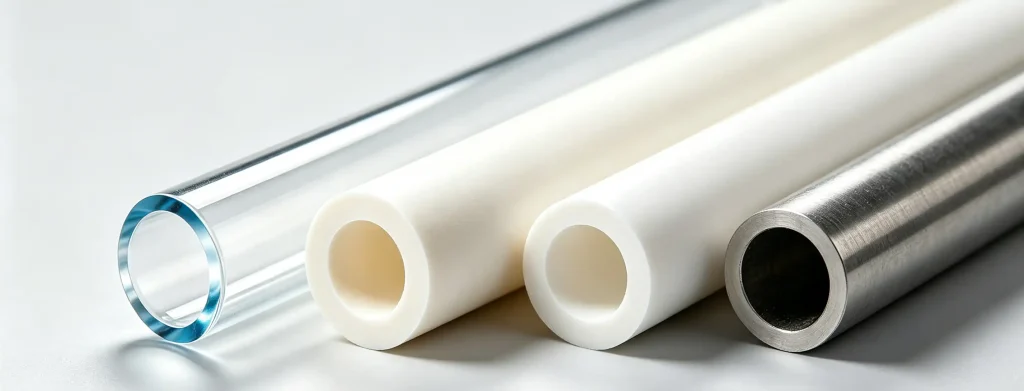
The furnace tube is the core area for sample heat treatment and the reaction chamber of the entire system.
Depending on the process temperature and atmosphere requirements, different materials can be selected, such as quartz tubes, high-purity alumina tubes, corundum tubes, or high-temperature nickel-based alloy tubes. The furnace tube not only supports the sample but also determines the equipment’s temperature resistance, corrosion resistance, and vacuum sealing effect.
- Heating Elements: Heat Source
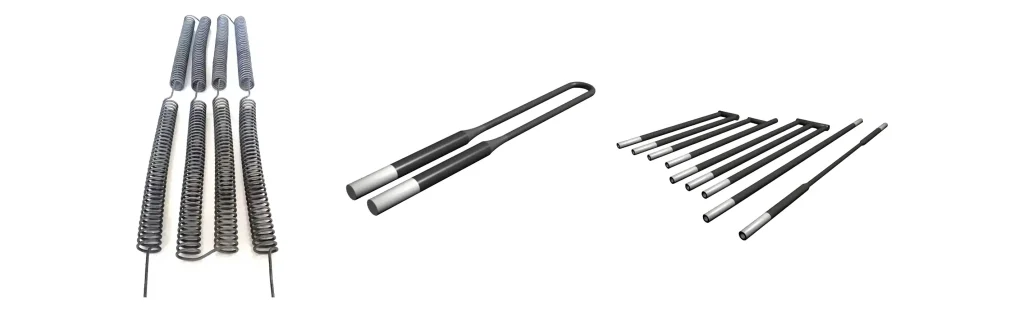
The heating elements are evenly distributed around the furnace tube. When current passes through, heat is generated and continuously heated by radiation and conduction.
Depending on the operating temperature, heating materials such as resistance wire, silicon carbide rods, or silicon molybdenum rods can be used. A reasonable layout of heating elements can reduce local overheating and create a stable and uniform temperature field in the furnace chamber.
- Temperature Control System: Achieving Precise Heat Treatment
The temperature control system is the core control unit of the tube furnace.
Modern tube furnaces typically employ PID intelligent algorithms, allowing for the setting of multi-segment programmed heating curves, including heating rate, isothermal time, cooling method, and cycle program. Compared to traditional isothermal control, multi-segment programmed control better meets the complex process requirements of material sintering, crystal growth, and heat treatment.
- Insulation System: Improving Energy Efficiency and Safety
The furnace body is insulated with high-purity alumina fiber or ceramic fiber materials, effectively reducing heat loss.
High-efficiency insulation not only shortens heating time and reduces energy consumption but also keeps the equipment’s outer shell temperature low, improving operational safety.

| 1. Pre-Operation Inspection | Check that the furnace tube is properly installed, free of cracks, sealing flanges securely fastened, and no foreign objects in the chamber. For vacuum/atmosphere experiments, also check vacuum pump, gas lines, and valves for proper condition | Ensure equipment and piping are in good condition to avoid leaks or damage |
| 2. Start-Up | Turn on the main power and equipment power sequentially; confirm that the temperature control system, touchscreen, and cooling system are operating normally. For units with water cooling, ensure stable coolant circulation before heating | Do not start heating before the cooling system is stable; prevent overheating damage |
| 3. Set Temperature Program | Plan the complete heat treatment curve: heating rate, soaking time, cooling method | For materials like ceramics and quartz, a lower heating rate is recommended to avoid thermal shock cracking |
| 4. Start Heating | After confirming the program is correct, start the run and observe equipment status during the initial stage; ensure the temperature curve rises normally and vacuum/atmosphere parameters remain stable | Closely monitor instrument parameters during the initial stage; stop immediately if abnormalities are detected |
| 5. Cooling | Allow natural cooling or programmed cooling according to the set schedule. Only open the door or remove samples after the temperature drops to a safe range | Do not open the door at high temperature; avoid thermal shock damage from rapid cooling |
III. Two Key Issues to Consider When Operating a Tube Furnace Correctly
- Why is the Heating Rate More Important Than the Maximum Temperature?
Many users focus on the target temperature but neglect the impact of the heating rate on materials and equipment.
For ceramic materials such as quartz tubes and corundum tubes, excessively rapid heating can cause thermal stress due to large internal and external temperature differences, which can shorten the furnace tube’s lifespan or even lead to cracking.
For materials such as ceramics, glass, and new energy powders, excessively rapid heating can also cause internal stress concentration, abnormal grain growth, or sintering defects.
Therefore, in actual operation, the heating program should be set reasonably according to the material characteristics. For example, for heat-sensitive materials, a slow heating and multi-stage holding method can be used to make the entire heat treatment process more stable.
- Three Key Factors Affecting the Operation of a Tube Furnace
- The heating rate should not be pursued blindly.
Many users want to reach the target temperature as quickly as possible, but excessively rapid heating can easily lead to large thermal stresses on the furnace tube and the sample.
This is especially true for quartz furnace tubes and ceramic materials, which are highly sensitive to temperature changes. Properly controlling the heating rate can effectively extend furnace tube life and improve experimental repeatability.
- Atmosphere control determines material quality.
For easily oxidized metal powders, lithium battery materials, or semiconductor materials, high-temperature control alone is insufficient.
Before formal heating, the air inside the furnace tube should be fully purged with inert gases such as nitrogen or argon. A stable gas flow rate and a slightly positive pressure environment should be maintained throughout the experiment to prevent material oxidation or contamination.
- Hot zone location affects experimental accuracy.
The entire interior of the furnace tube does not have a completely uniform temperature.
Every tube furnace has a region with the most stable and uniform temperature, known as the hot zone.
For experiments requiring high precision, the length of the hot zone should be determined in advance, and the sample should be placed in the center of this zone to obtain more stable experimental results.
IV. Main Application Areas of Tube Furnaces
- Materials Science Research: Used for ceramic sintering, nanomaterial preparation, crystal growth, and new material development, requiring high temperature uniformity and precise heating/cooling procedures.
- New Energy Industry: Suitable for heat treatment of lithium battery cathode and anode materials, solid electrolytes, battery separators, and fuel cell materials. It can be used in conjunction with inert atmospheres or vacuum environments to complete sintering and annealing processes.
- Semiconductor and Electronic Materials: Used for silicon wafer annealing, thin film deposition pretreatment, electronic ceramic sintering, and high-purity material heat treatment, requiring strict control of furnace cleanliness and atmosphere.
- Metal Heat Treatment: Capable of metal annealing, diffusion treatment, powder metallurgy sintering, and alloy material performance optimization, meeting the needs of scientific research and small-batch production.
V.Supplier
Luoyang Anjing Intelligent Equipment Co., Ltd. is an enterprise dedicated to the research, development, production, sales, and technical services of heat treatment equipment such as high-temperature electric furnaces. We produce laboratory, vacuum, industrial, and medium frequency furnace, covering a temperature range from -100℃ to 2600℃, serving industries such as new energy, semiconductors, and advanced materials. We can provide customized solutions based on specific atmosphere, ultra-high temperature, and intelligent control system requirements. Please feel free to contact us if you are interested.