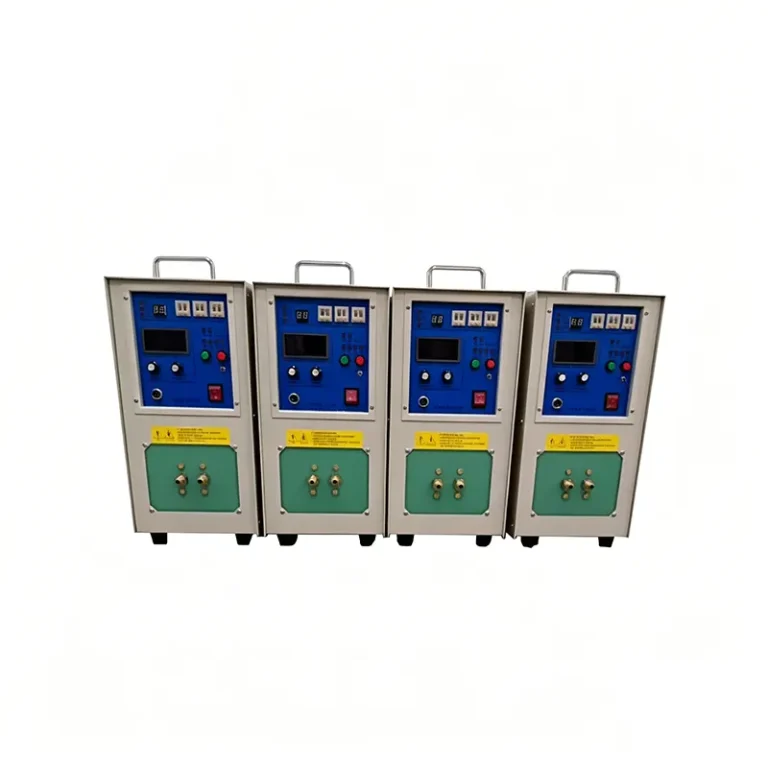
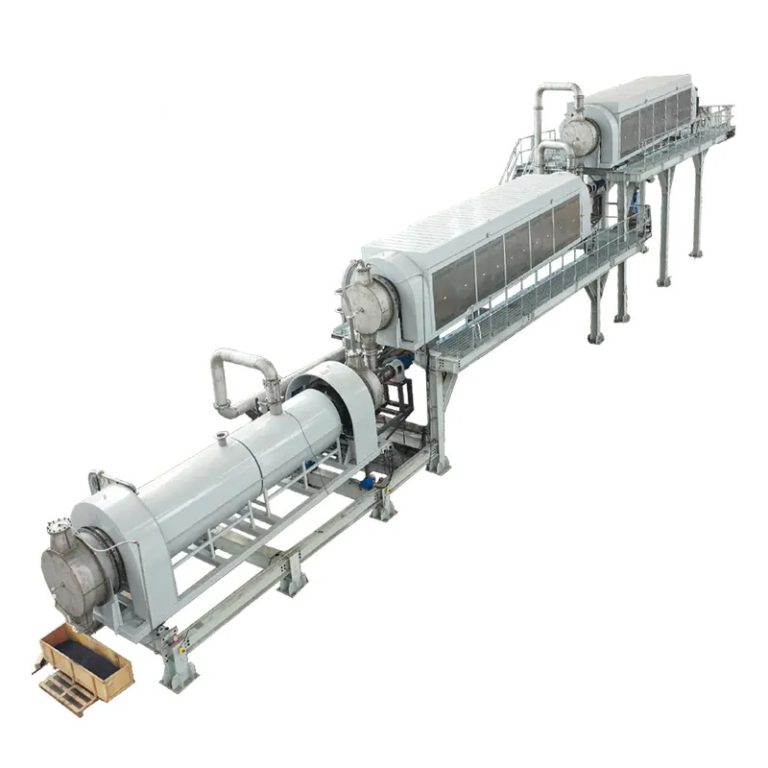
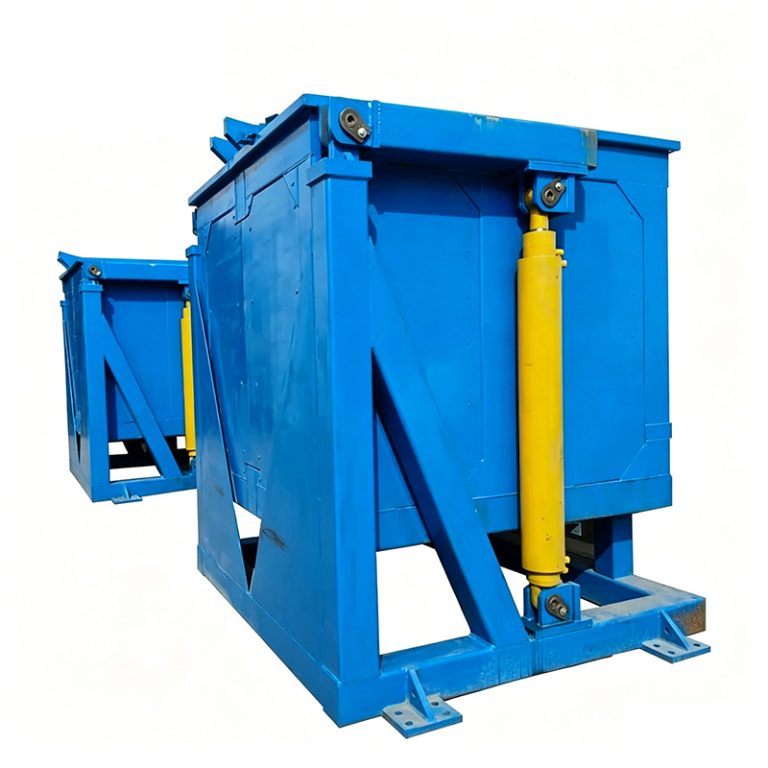
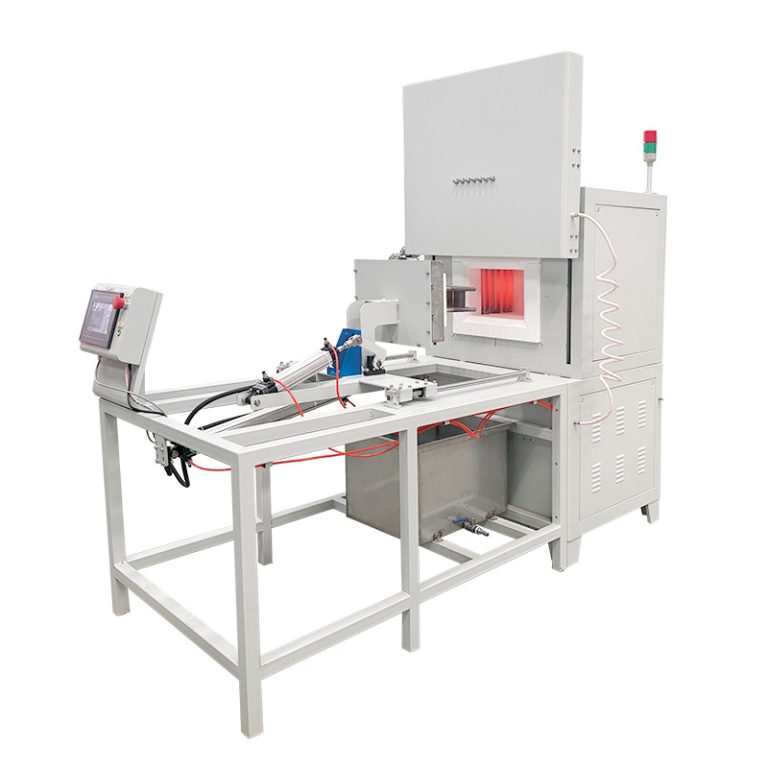
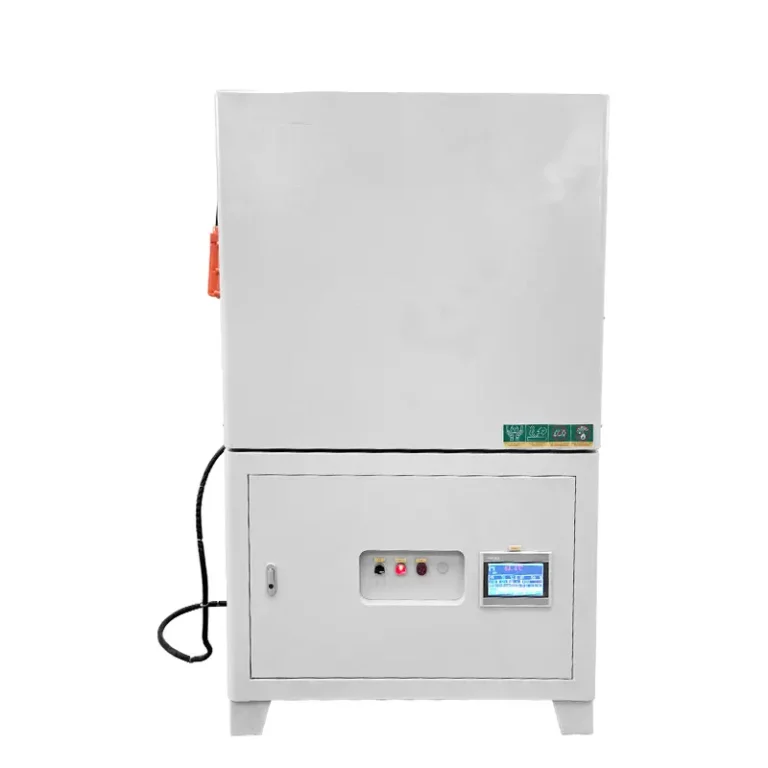
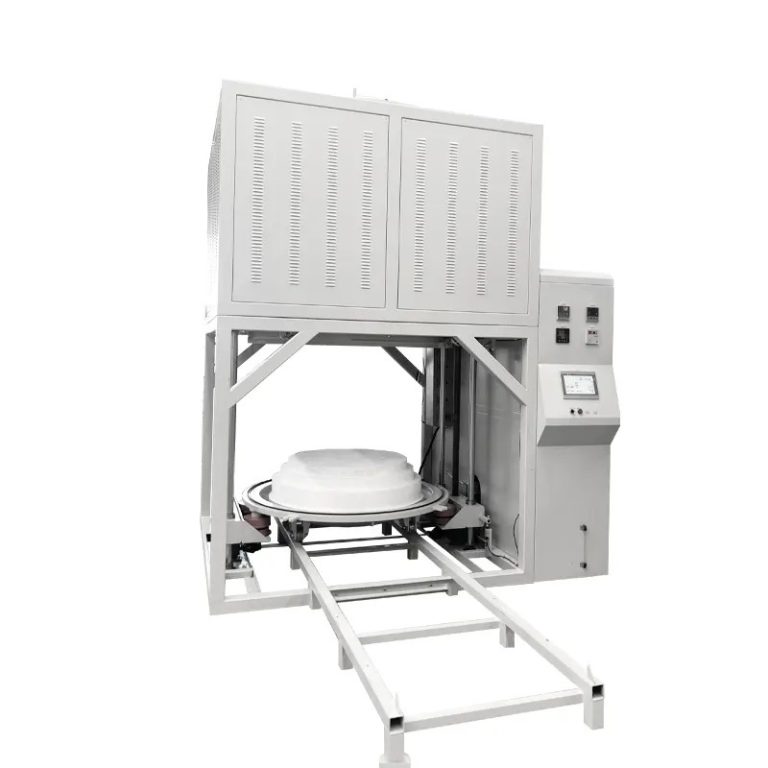
Luoyang Anjing Intelligence Equipment are a global leader in high-temperature electric furnaces



What Is a Medium Frequency Furnace?
A medium frequency furnace (MCF) is an industrial equipment that utilizes the principle of electromagnetic induction for metal melting and heating. It boasts high heating efficiency, rapid heating capability, and precise temperature control.Compared to traditional fuel furnaces, MCF furnaces can directly generate heat within the metal, reducing heat loss during heat transfer and improving energy efficiency. Furthermore, with the development of intelligent control technology, modern MCF furnaces have evolved from simple melting equipment into highly efficient heat treatment systems integrating melting, heat preservation, temperature control, and automated management.
I. Overview of Medium Frequency Furnaces
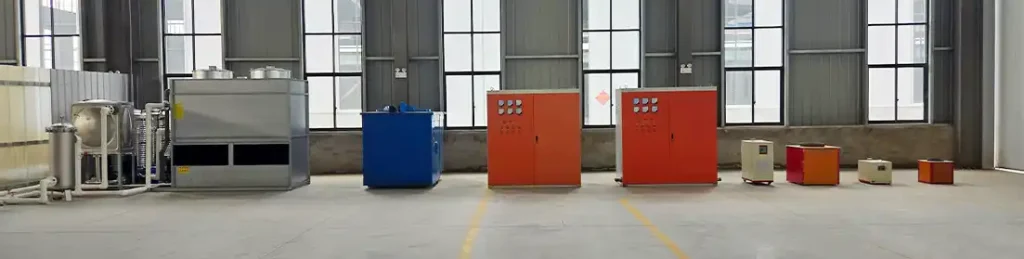
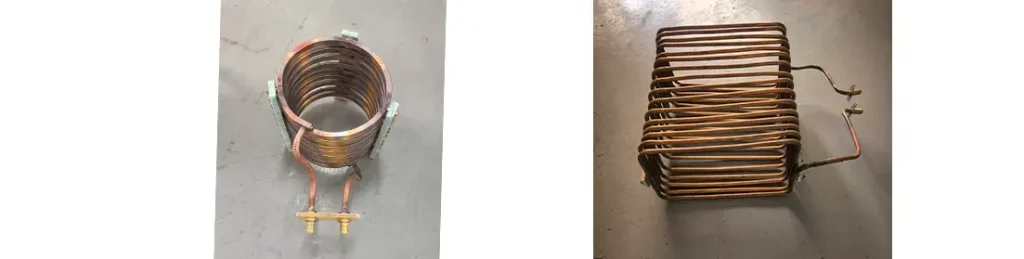
A medium frequency furnace is an electric furnace that uses a medium-frequency power supply to drive an induction coil, generating eddy currents through electromagnetic induction, causing the metal material to heat up and melt.Its core components mainly include: a medium-frequency power supply system, an induction coil, a furnace body structure, a cooling circulation system, a temperature detection and control system, and a tilting mechanism.
During operation, the medium-frequency power supply inputs alternating current to the induction coil, creating an alternating magnetic field around the coil. When a metallic material enters a magnetic field, an induced current is generated inside. Due to the metal’s own resistance, electrical energy is converted into heat energy, achieving rapid heating.
Depending on the application, medium-frequency furnaces can be divided into:Medium-frequency melting furnaces: mainly used for melting metals such as steel, iron, copper, and aluminum;Medium-frequency induction heating furnaces: used for forging, through-heating, and heat treatment.Currently, medium-frequency furnaces have become an important metal heating device in the modern foundry industry.
II. Product Features and Advantages
- Fast Heating Speed and High Production Efficiency
The principle of medium-frequency induction heating is electromagnetic induction—heat is generated within the metal itself, without the need for external conduction. Ordinary workers operating medium-frequency furnaces can begin forging operations within ten minutes of starting work, without the need for pre-heating or sealing the furnace. Under the same conditions, the melting speed of a medium-frequency furnace is 20%-30% faster than that of a conventional frequency furnace.
- Less Oxidation Loss and Material Savings
The rapid heating rate means a shorter residence time of the metal in the high-temperature zone, significantly reducing oxidation loss. The oxidation loss of forgings heated by medium-frequency induction is only 0.5%, while the oxidation loss of gas furnace heating is 2%, and coal-fired furnaces reach as high as 3%. Each ton of forgings saves at least 20-50 kg of steel compared to coal-fired furnaces, with a material utilization rate of up to 95%. In the smelting process, the loss of alloying elements is also significantly lower than with other heating methods.
- Uniform Heating and High Temperature Control Precision
The heat from induction heating is generated directly inside the workpiece, resulting in a very small core-to-surface temperature difference. With a temperature control system, temperature control accuracy within ±5℃ can be achieved. Uniform heating also extends the life of forging dies, resulting in a forging surface roughness of less than 50μm and a scrap rate reduction of 1.5%.
- Electromagnetic Stirring for Uniform Composition
The magnetic field generated by the medium-frequency current produces an electromagnetic force on the liquid metal, propelling the melt to tumble within the crucible, creating an automatic stirring effect. This stirring ensures uniform alloy composition, a consistent temperature field, and easier removal of slag, thus improving casting quality.

- Significant Energy Savings
The effective utilization rate of electrothermal conversion can reach over 75%, far exceeding that of traditional gas furnaces and cupola furnaces (40%-50%). Medium-frequency heating saves 31.5%-54.3% more energy than heavy oil heating and 5%-40% more energy than gas heating. The power consumption per ton of forging is less than 360 kWh when heating from room temperature to 1100℃. The conversion efficiency of the new generation IGBT medium-frequency power supply can reach 96%-97.5%.
- Clean and Environmentally Friendly, Excellent Working Environment
Medium-frequency furnaces have no combustion system, producing no pollutants such as smoke, dust, or sulfur dioxide. The furnace area is cool, with no open flames or smoke, eliminating the exposure of workers to the heat and smoke of coal-fired furnaces. Operating noise is typically below 75dB, meeting all environmental protection requirements.
- Flexible Start-up and Convenient Product Changeover
Medium-frequency furnaces can be started directly from a cold state, unlike industrial frequency furnaces which require residual liquid. When changing alloy types, all metal can be completely drained from the furnace, offering flexible operation suitable for multi-variety, small-batch production.
| Step | Name | Description |
|---|---|---|
| Step 1 | Rectification | Three-phase 380V/50Hz AC enters the rectifier circuit and is converted into pulsating DC via thyristor or diode three-phase full-bridge rectification |
| Step 2 | Inversion | DC passes through the inverter circuit (thyristor or IGBT modules) and is switched at the set medium frequency (300Hz~10000Hz), outputting medium-frequency AC |
| Step 3 | Electromagnetic Induction | Medium-frequency current flows through the induction coil, generating a high-density alternating magnetic field inside the coil. The metal charge acts like the secondary winding of a transformer, inducing eddy currents internally as magnetic field lines cut through it |
| Step 4 | Resistive Heating | As eddy currents flow through the metal, they overcome the metal’s own electrical resistance, generating Joule heat that melts the charge itself |
III. Two Core Topics of Medium Frequency Furnaces
- Why are medium frequency furnaces more efficient than traditional smelting equipment?
The biggest technological advantage of medium frequency furnaces comes from their electromagnetic induction heating method.
Traditional combustion furnaces require heating the furnace body with a flame, and then the furnace body transfers heat to the metal, a process with significant heat loss.
Medium frequency furnaces, on the other hand, directly utilize electromagnetic fields acting on the interior of the metal, generating heat within the material itself, thus achieving higher heating efficiency.
Simultaneously, electromagnetic stirring improves the flow of molten metal, resulting in a more uniform alloy composition.
This is a key reason for the rapid adoption of medium frequency furnaces in the modern casting industry.
- How to improve the service life of medium frequency furnaces?
Although medium frequency furnaces have high reliability, long-term high-temperature operation still requires proper maintenance.
The main factors affecting equipment lifespan include:
Furnace lining maintenance: The furnace lining is constantly exposed to high temperatures and metal erosion, requiring regular checks on its thickness and wear.
Induction coil protection: The induction coil is a core component and needs to be kept in good insulation and cooling condition to prevent malfunctions caused by water leakage or insulation degradation.
Cooling System Management: Induction furnaces generate significant heat during operation. A stable circulating water system protects the power module and coils, improving equipment reliability.
Electrical System Inspection: Regularly inspecting the power module, wiring, and control system reduces the risk of unexpected downtime.
Proper maintenance not only extends equipment lifespan but also reduces failure costs during production.
IV. Product Applications
- Foundry Industry: The medium-frequency furnace, the main equipment for metal smelting, is the core equipment in foundries for smelting metals such as gray cast iron, ductile iron, alloy cast iron, cast steel, and stainless steel, as well as non-ferrous metals such as copper, aluminum, and zinc. The electromagnetic stirring in the medium-frequency furnace ensures uniform alloy composition, precise temperature control, and stable casting quality.
- Forging Industry: Metal through-heating and pre-forging heating of bars, round bars, and square bars require overall heating to the forging temperature (approximately 1100℃-1200℃) before forging.
- Heat Treatment: Tempering, quenching, and annealing. Medium-frequency power supplies, in conjunction with quenching transformers and inductors, complete the surface quenching and through-heating quenching of mechanical parts such as shafts, gears, and guide rails.
- Non-ferrous Metal Smelting: Smelting of copper, aluminum, zinc, lead, and intermediate alloys, as well as refining of precious metals such as gold and silver. Medium-frequency melting offers precise temperature control, uniform alloy composition, and minimal oxidation loss.
- Scientific research and new materials development: Small medium-frequency furnaces in universities and research institutes are used for alloy formulation experiments, intermetallic compound synthesis, powder metallurgy sintering, and other research. The non-contact characteristics and rapid response of electromagnetic induction heating make it a practical tool for materials science research.
V.Supplier
Luoyang Anjing Intelligent Equipment Co., Ltd. is an enterprise dedicated to the research, development, production, sales, and technical services of heat treatment equipment such as high-temperature electric furnaces. We produce laboratory, vacuum, industrial, and medium frequency furnace, covering a temperature range from -100℃ to 2600℃, serving industries such as new energy, semiconductors, and advanced materials. We can provide customized solutions based on specific atmosphere, ultra-high temperature, and intelligent control system requirements. Please feel free to contact us if you are interested.