Luoyang Anjing Intelligence Equipment are a global leader in high-temperature electric furnaces



How to Choose Between a Tube Furnace and a Box Furnace?
In laboratory high-temperature processing equipment selection, tube furnace and box furnace are two common types of equipment. Both can provide a stable high-temperature environment, but due to differences in structural design, their applicable experimental directions differ significantly.Simply put, tube furnaces are more suitable for experiments requiring atmosphere control, continuous heating, and homogenous sample processing, while box furnaces are more suitable for large-size samples, multi-batch processing, and general high-temperature heat treatment processes.
With the development of new materials, new energy sources and advanced manufacturing technologies, users’ requirements for laboratory furnaces are no longer just about temperature range, but also about temperature field uniformity, atmosphere stability, operational flexibility and energy consumption.
I. Overview of Tube Furnaces and Box Furnaces
Tube furnaces and box furnaces are the two most commonly used types of heat treatment equipment in laboratories and industries. The essential difference between them is not “which has a higher temperature,” but rather the process logic determined by their geometry—tube furnaces excel in precise directional control, while box furnaces are better suited for volumetric batch processing.
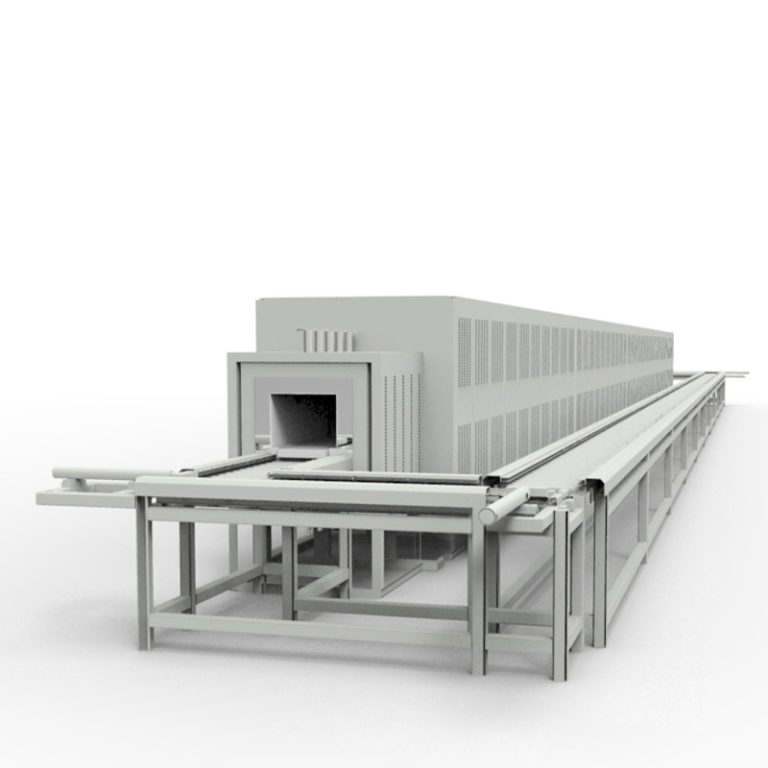
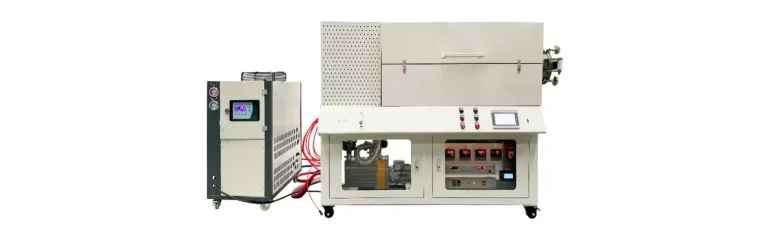
A tube furnace is designed around a cylindrical furnace tube, with heating elements surrounding the outside of the tube. The sample is placed inside the tube for heating, and both ends can be sealed with flanges. A specific gas can be introduced or a vacuum can be created. A box furnace, on the other hand, is a rectangular cavity with a front-opening door. Heating elements are distributed around the furnace chamber, and the sample is statically heated inside the cavity.
II. Features and Advantages of Tube Furnaces and Box Furnaces
- Tube Furnaces: Enhanced Atmosphere Control
The biggest advantage of a tube furnace is its ability to create a stable experimental atmosphere.
By connecting to a gas control system, gases such as nitrogen, argon, and hydrogen can be introduced into the furnace tube to reduce oxidation reactions or achieve specific chemical environments.
For nanomaterial preparation, battery material research, and metal oxidation experiments, atmosphere stability directly affects experimental results.
- Tube Furnaces: More Concentrated Temperature Zone
Due to the relatively long and narrow structure of the furnace tube, tube furnaces can typically create a more stable isothermal zone.
When samples are placed in the heating center, better temperature uniformity can be achieved.
This feature is suitable for material experiments that are sensitive to temperature changes, such as crystal growth and powder processing.
- Box Furnaces: More Flexible Processing Capacity
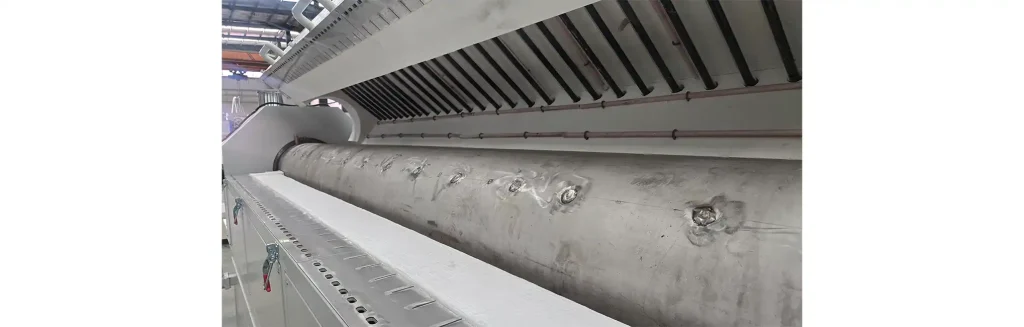
The biggest feature of a box furnace is its larger furnace chamber space.
Samples do not need to be placed in a strictly fixed position; they can be flexibly arranged according to their size and quantity.
Therefore, box furnaces are generally more advantageous in experiments requiring the simultaneous processing of multiple samples or those with large sample sizes.
- Box Furnaces: Easier Operation
Box furnaces feature an open furnace chamber design, making sample loading and unloading more convenient.
Experimenters can quickly place or remove samples without the need for complex gas connections and sealing operations.
Therefore, box furnaces offer high ease of use for university laboratories, quality inspection, and routine materials experiments.

| Comparison Dimension | Tube Furnace | Box Furnace |
|---|---|---|
| Chamber Shape | Cylindrical tube | Rectangular chamber |
| Processing Mode | Continuous / Small batch | Batch type |
| Atmosphere Control | Precise(sealed flanges + controllable gas flow direction) | Limited(mainly air environment, some with gas inlet) |
| Sample Adaptability | Powder, small substrates, elongated shapes | Any shape, large sizes, multiple pieces |
| Thermal Mass & Energy Consumption | Low thermal mass, fast heating/cooling, energy-efficient for small samples | High thermal mass, good heat retention, suitable for long-duration operation |
III. Two Key Issues in Choosing Between Tube Furnace and Box Furnace
- Should Tube Furnaces or Box Furnaces Be Chosen for Atmosphere Experiments?
If the experiment involves a protective gas environment or a chemical reaction environment, a tube furnace is generally a more suitable choice.
This is because the relatively enclosed internal space of a tube furnace allows for easier control of:
Gas flow rate
Oxygen content
Reaction environment
Atmosphere around the sample
For example, in lithium battery material research, some materials require sintering in an inert gas environment to prevent oxidation from affecting performance.
While ordinary box furnaces can also provide atmosphere protection, they are generally inferior to specialized tube furnaces in terms of gas uniformity and sealing control.
- Which Furnace Type Should Be Chosen for High-Volume Processing?
If the focus of the experiment is processing more samples or larger workpieces, a box furnace is generally more advantageous.
Box furnaces offer more effective space, allowing multiple crucibles or samples to be placed simultaneously, improving the efficiency of a single processing run.
For example:
Ceramic sintering
Metal annealing
Material ashing
These experiments typically prioritize processing capacity over complex atmosphere control. Therefore, when selecting equipment, it is necessary to determine the appropriate option based on the experimental objectives:
If environmental control is a priority, a Tube Furnace is the better choice;
If space utilization and batch processing are important, a Box Furnace is more suitable.
IV. Main Application Areas of Tube Furnace and Box Furnace
- Tube Furnace Applications
- New Energy Materials Research: Used for lithium battery material sintering, carbon material preparation, and electrode material processing.
- Nanomaterial Preparation: Suitable for experiments on nanopowders and thin films requiring a gaseous reaction environment.
- Metal Materials Research: Used for metal oxidation, reduction, and heat treatment experiments.
- Semiconductor R&D: Used for material performance testing in special atmospheric environments.
- Box Furnace Applications
- Ceramic Industry: Used for ceramic sintering and material densification.
- Metal Heat Treatment: Used for annealing, hardening, and material performance research.
- Laboratory Testing: Used for sample ashing and thermal stability testing.
- University Research: Used as basic high-temperature experimental equipment for teaching and research projects.
V.Supplier
Luoyang Anjing Intelligent Equipment Co., Ltd. is an enterprise dedicated to the research, development, production, sales, and technical services of heat treatment equipment such as high-temperature electric furnaces. We produce laboratory, vacuum, industrial, and medium frequency furnace, covering a temperature range from -100℃ to 2600℃, serving industries such as new energy, semiconductors, and advanced materials. We can provide customized solutions based on specific atmosphere, ultra-high temperature, and intelligent control system requirements. Please feel free to contact us if you are interested.