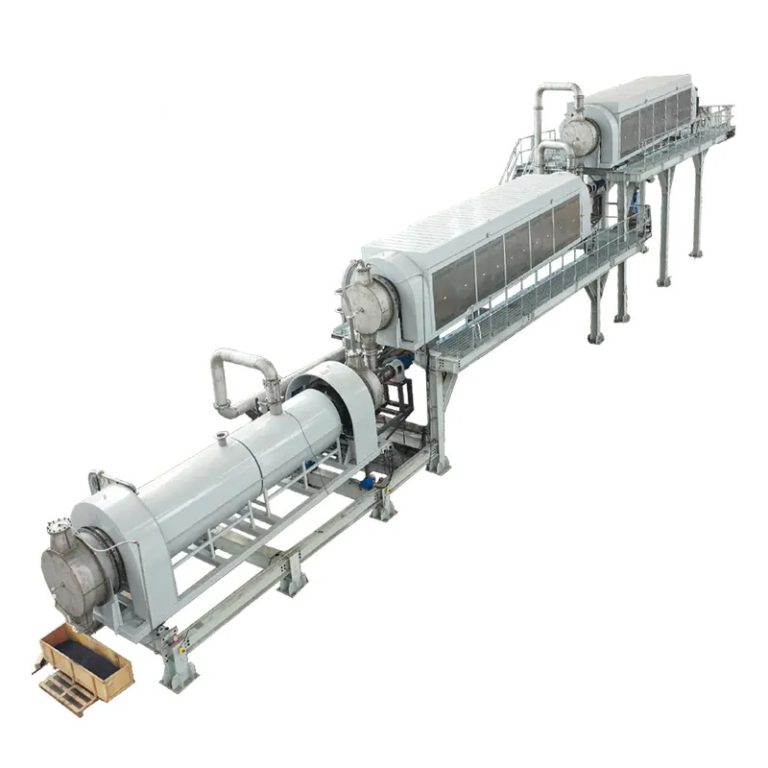
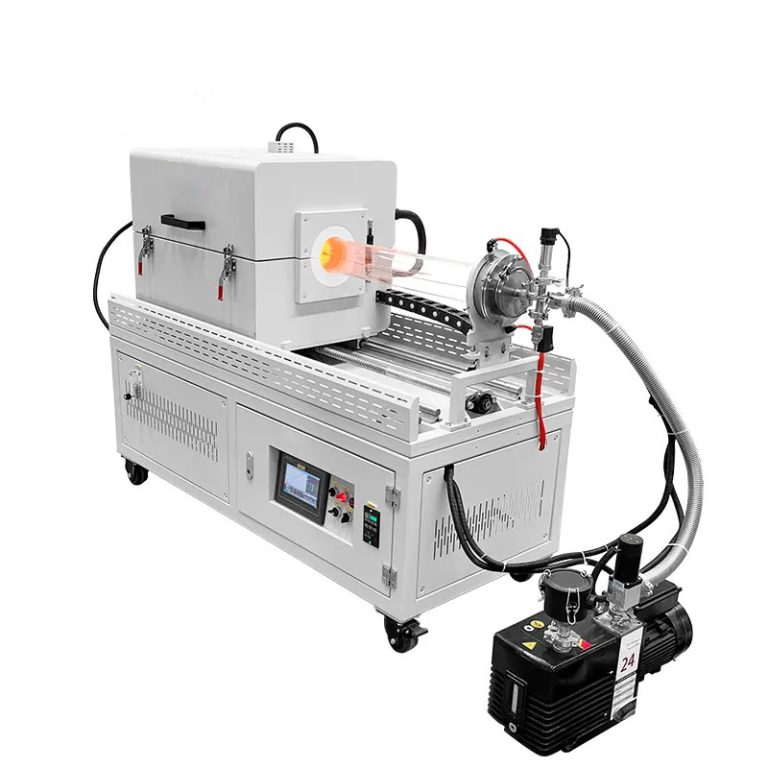
Luoyang Anjing Intelligence Equipment are a global leader in high-temperature electric furnaces



What Is a Box Type Furnace?
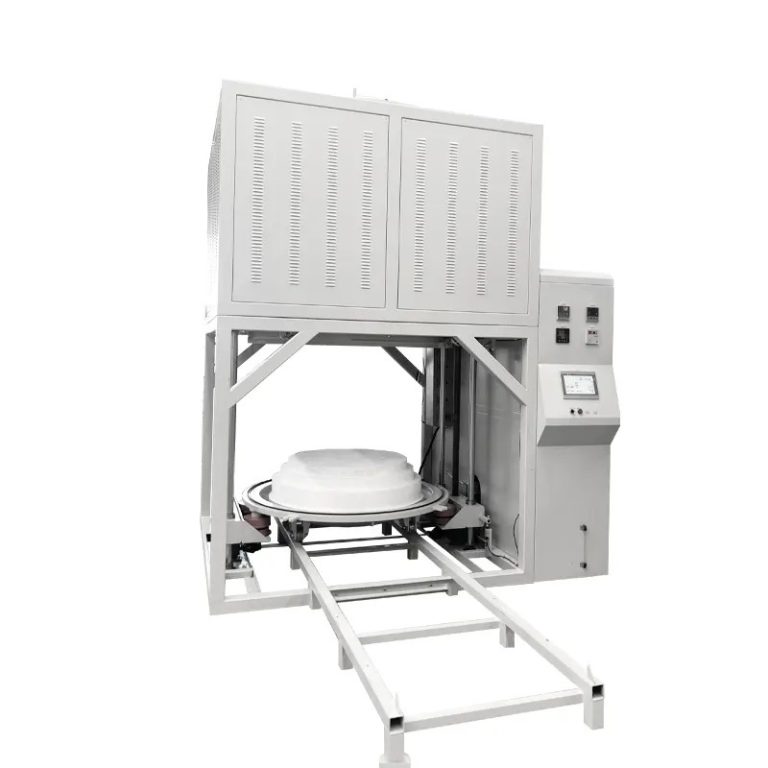
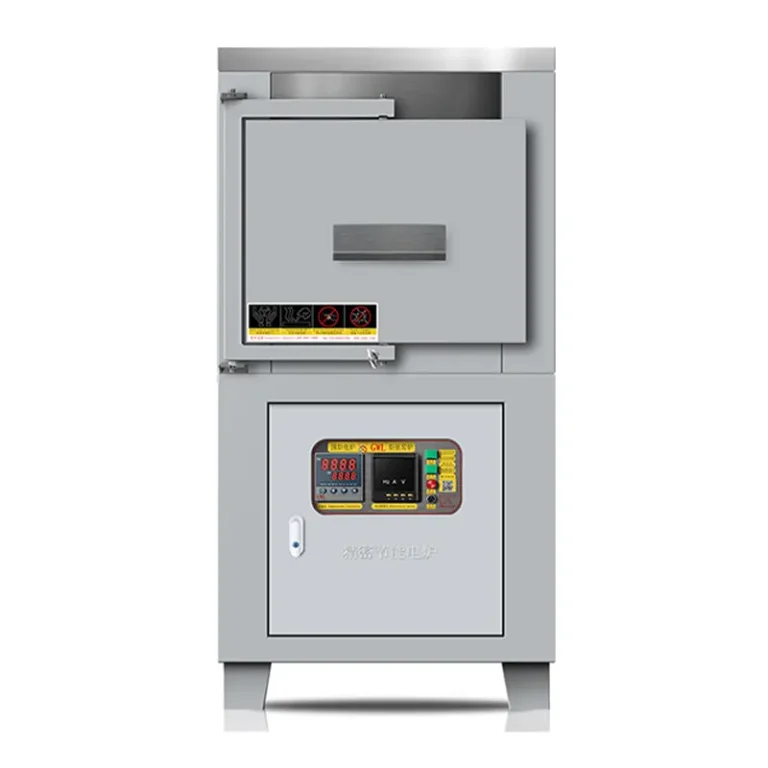
Box type furnace are high-temperature heating devices commonly used in laboratories and industrial research and development. Compared to specialized equipment like tube furnaces, box-type furnaces are characterized by their larger furnace chamber, simpler operation, and wider applicability. They provide a stable high-temperature environment for samples, meeting the temperature control and processing efficiency requirements of scientific research experiments and small-batch production.Modern box-type furnaces are no longer just simple heating devices; they are constantly being upgraded towards precise temperature control, energy-saving operation, and intelligent control.
I. Overview of Box-Type Furnaces
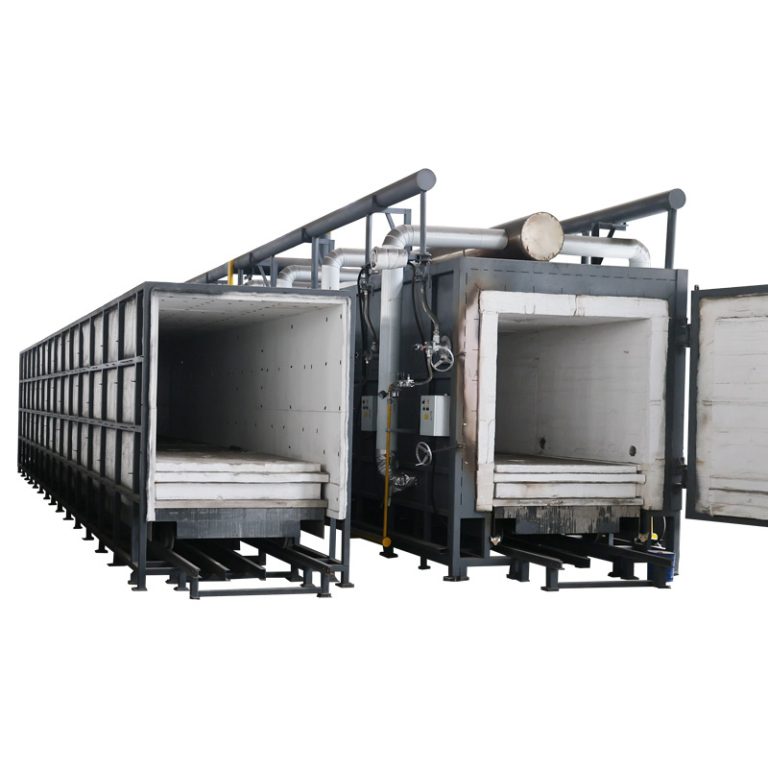
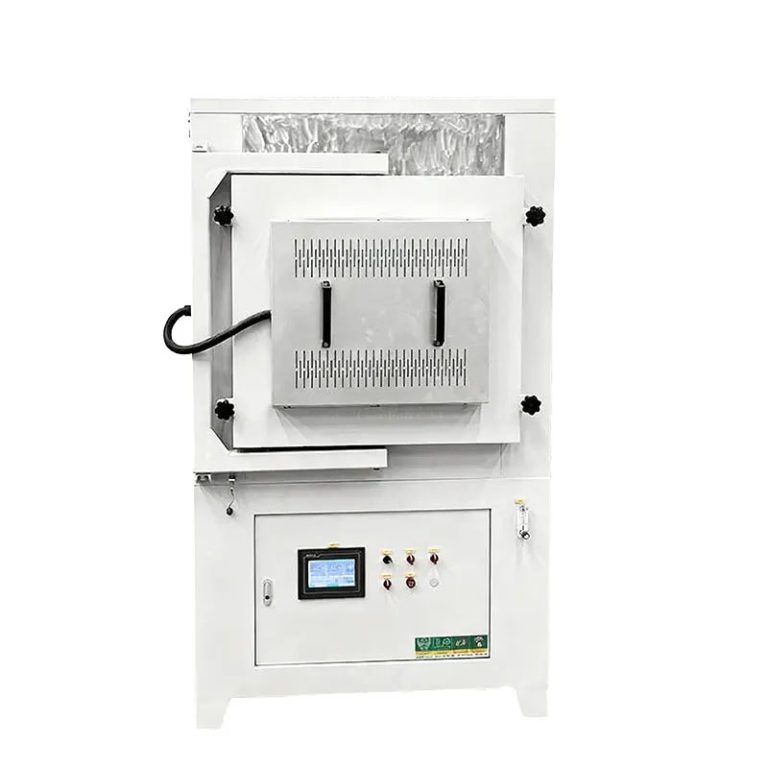
A box-type furnace, also known as a muffle furnace or box-shaped heating furnace, is a heating device with a rectangular box-shaped furnace chamber. Its core features are: the workpiece remains stationary during heating, and feeding and discharging are handled through a single door, making it a batch production furnace.
The construction of a box-type furnace is not complex. A robust furnace shell is lined with insulation material, heating elements are arranged around the furnace chamber, and the front door opens to load the workpiece. The control system detects the furnace temperature through thermocouples and uses a PID algorithm to adjust the heating power to achieve precise temperature control. This “heating element surrounding the furnace chamber” layout naturally gives box furnaces excellent temperature uniformity—workpieces are heated simultaneously from all directions within the furnace chamber, eliminating the temperature difference between the “fire-facing” and “back-facing” sides.
Box furnaces are among the most commonly used heat treatment equipment in laboratories and industrial settings. From sintering small experimental samples to heat treatment of large workpieces, from ceramic firing to metal quenching, box furnaces, with their simple structure, flexible operation, and strong adaptability, have become “standard equipment” in the heat treatment industry.
II. Key Features and Advantages of Box-Type Furnaces
- Large Furnace Chamber and High Sample Adaptability
Box-type furnaces utilize a cubic or rectangular furnace chamber structure, offering significantly more effective space compared to tube furnaces.
This design allows users to simultaneously place multiple samples or process larger workpieces, improving the efficiency of a single experiment.
For ceramic sintering, materials testing, and batch sample processing, the larger furnace chamber provides greater operational flexibility.
- Stable Temperature Control
Modern box-type furnaces are typically equipped with intelligent temperature control systems that automatically adjust heating power according to a set program.
Through PID control technology, the equipment can achieve:
Stable heating
Precise temperature control
Programmed cooling
A stable temperature change process reduces the adverse effects of temperature fluctuations on materials, improving experimental repeatability.
- Excellent Temperature Uniformity
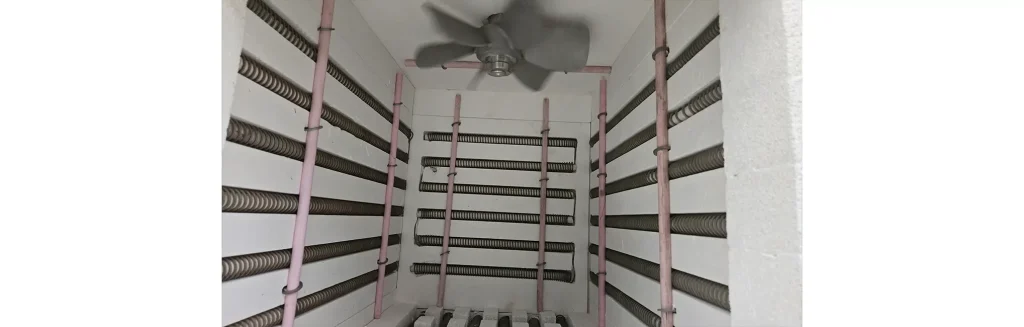
Box-type furnaces, through the rational design of heating element positions, allow heat to enter the furnace chamber from multiple directions.
Simultaneously, high-performance insulation materials reduce heat loss, improving the uniformity of temperature within the furnace.
For materials requiring uniform sintering or heat treatment, a stable thermal field distribution is crucial for ensuring experimental quality.
- Simple Operation and Convenient Maintenance
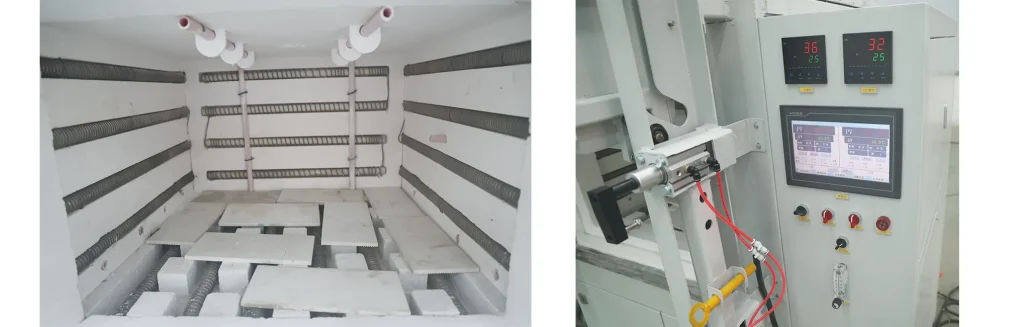
Box furnaces have a relatively simple structure, facilitating sample loading and unloading.
Users can complete routine high-temperature experiments without complex gas connections or sample positioning.
Furthermore, the modular design of the furnace body facilitates later inspection and maintenance, reducing the difficulty of using the equipment.
- Continuously Improving Energy Efficiency
In recent years, box furnaces have increasingly adopted new insulation materials such as lightweight ceramic fibers.
Compared to traditional refractory brick structures, ceramic fibers have lower heat capacity and better insulation performance, reducing heating time and operating energy consumption.
Simultaneously, intelligent power control prevents the equipment from operating at full load for extended periods, improving energy efficiency.
| Advantage | Description |
|---|---|
| Wide temperature range | 900℃~1800℃,selectable as needed |
| Large chamber & high adaptability | Accommodates workpieces of any shape |
| Good temperature uniformity | ±3℃~±5℃,with compensation near door |
| Precise control | ±1℃,fully automatic programming |
| Complete safety | Door-open power cutoff,over-temperature protection,shell ≤45℃ |
| Energy efficient | Fiber lining reduces heat storage loss by over 50% |
III. Two Core Topics of Box Type Furnaces
- How to Achieve High-Temperature Uniform Heating in a Box Furnace?
Temperature uniformity is a crucial indicator for evaluating the performance of a box furnace. Traditional box furnaces may suffer from problems such as rapid heat dissipation at the furnace door and lower temperatures at the edges. Therefore, modern equipment typically improves the thermal field through various optimizations.
The main methods include: rationally arranging heating elements; adding a heat insulation layer to the furnace walls; optimizing the furnace chamber structure; and improving the response speed of the temperature control system. For the experimental process, uniform temperature is more important than simply increasing the maximum temperature.
For example, in ceramic sintering, significant temperature differences within the furnace can lead to inconsistent density and shrinkage rates in samples from different locations. Therefore, high-quality box furnaces prioritize temperature stability throughout the entire furnace chamber.
- How to Choose a Suitable Box Furnace?
When selecting a box type furnace, one cannot only consider the maximum temperature parameter; the actual process requirements must also be taken into account.
Key considerations include:
Experimental Temperature Range: Different materials require different temperature environments. For example, ordinary heat treatment may only require a few hundred degrees Celsius, while ceramic sintering may require higher temperatures.
Furnace Dimensions: The number and size of samples determine the required furnace space.
Atmosphere Requirements: If the experiment requires protection against oxidation, a box furnace with atmosphere protection capabilities should be selected.
Frequency of Use: For experiments requiring long-term operation, it is crucial to pay attention to insulation performance, heating efficiency, and equipment stability.
Appropriate equipment selection can avoid overkill performance leading to increased costs, and also prevent insufficient equipment capacity from affecting experimental results.
IV. Product Applications
- Metal Heat Treatment: Box furnaces are used for normalizing, annealing, quenching, and tempering of metal workpieces. Mold steel, tool steel, and alloy steel parts undergo heat treatment in box furnaces to obtain the required hardness and microstructure.
- Ceramic Sintering: Sintering of structural ceramics such as alumina and zirconia is a typical application of box furnaces. The large furnace chamber can accommodate ceramic blanks of various shapes, and the uniform temperature field ensures batch product consistency.
- Powder Metallurgy: Box furnaces are commonly used for debinding, pre-sintering, and final sintering of powder metallurgy products. They can process batches of parts, and process parameters are repeatable.
- Chemical Engineering and Materials Testing: Catalyst calcination and activation, ashing analysis of chemical raw materials, loss on ignition determination, carbonization treatment, etc.
- Scientific Research and Teaching: Box furnaces are the most versatile heat treatment equipment for teaching experiments and research projects in materials science, chemistry, and other related majors in universities, suitable for various conventional high-temperature experiments.
V.Supplier
Luoyang Anjing Intelligent Equipment Co., Ltd. is an enterprise dedicated to the research, development, production, sales, and technical services of heat treatment equipment such as high-temperature electric furnaces. We produce laboratory, vacuum, industrial, and medium frequency furnace, covering a temperature range from -100℃ to 2600℃, serving industries such as new energy, semiconductors, and advanced materials. We can provide customized solutions based on specific atmosphere, ultra-high temperature, and intelligent control system requirements. Please feel free to contact us if you are interested.