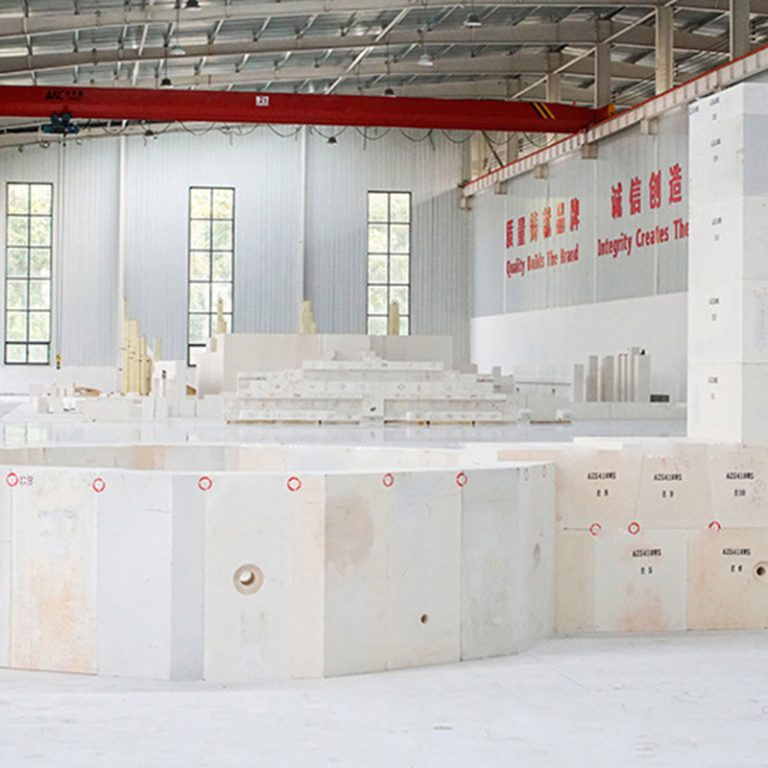
Luoyang Anjing Intelligence Equipment are a global leader in high-temperature electric furnaces



SOFC Fuel Cell Start-Up Preheating Furnace and Heating Module

PRODUCT PARAMETERS
Description
SOFC Fuel Cell Start-Up Preheating Furnace and Heating Module
The SOFC fuel cell start-up preheating furnace and heating module is a high-safety, high-temperature-uniformity, and high-reliability heating system specifically designed for the start-up preheating of solid oxide fuel cells (SOFCs). Addressing the stringent requirements for temperature rise stability, temperature uniformity, high-temperature insulation, and operational safety during SOFC start-up, our company has independently designed and developed this series of preheating furnaces and modular heating components, providing a stable and reliable heat source solution for fuel cell stack start-up, preheating, and high-temperature operation.
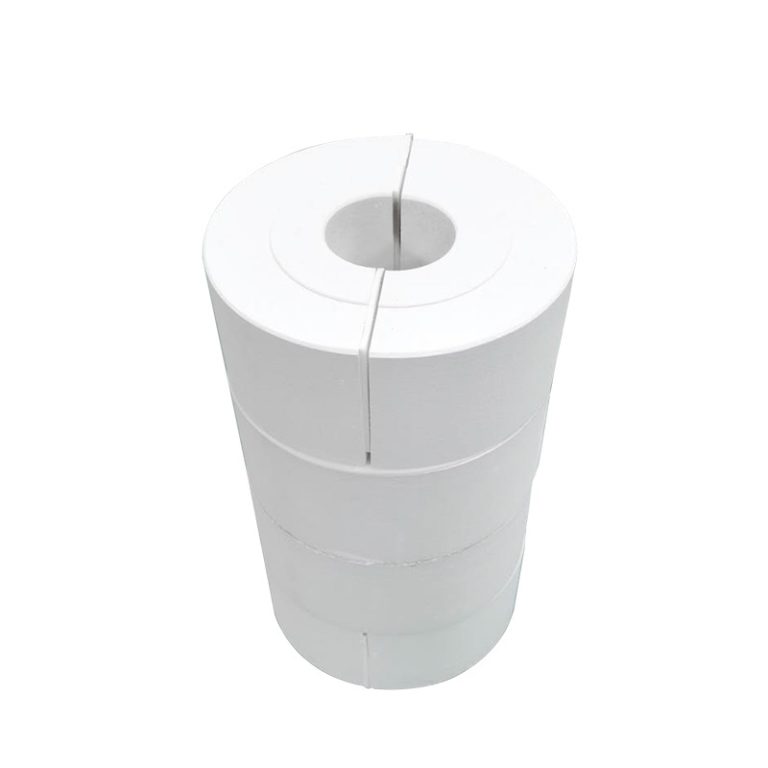
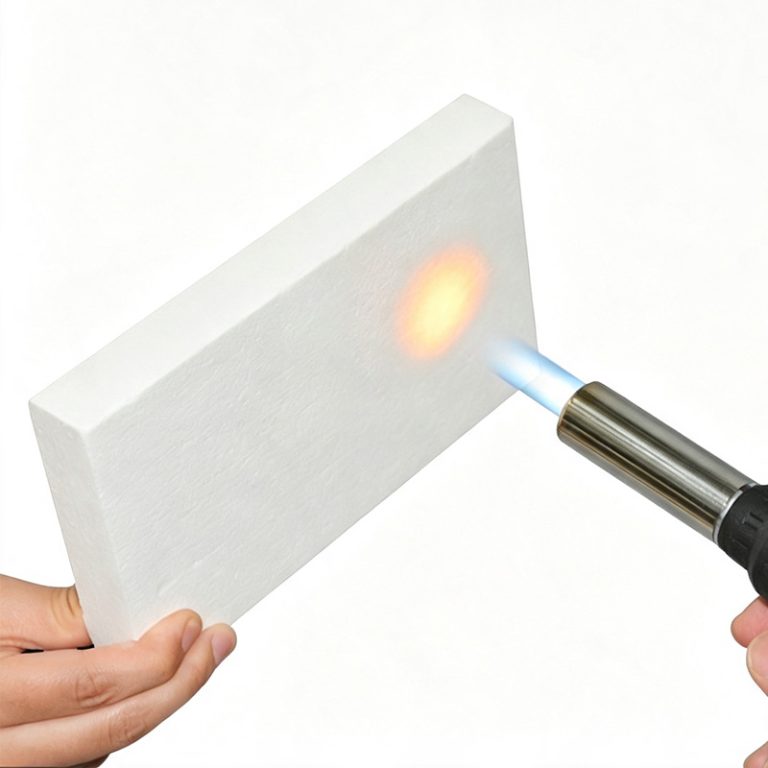
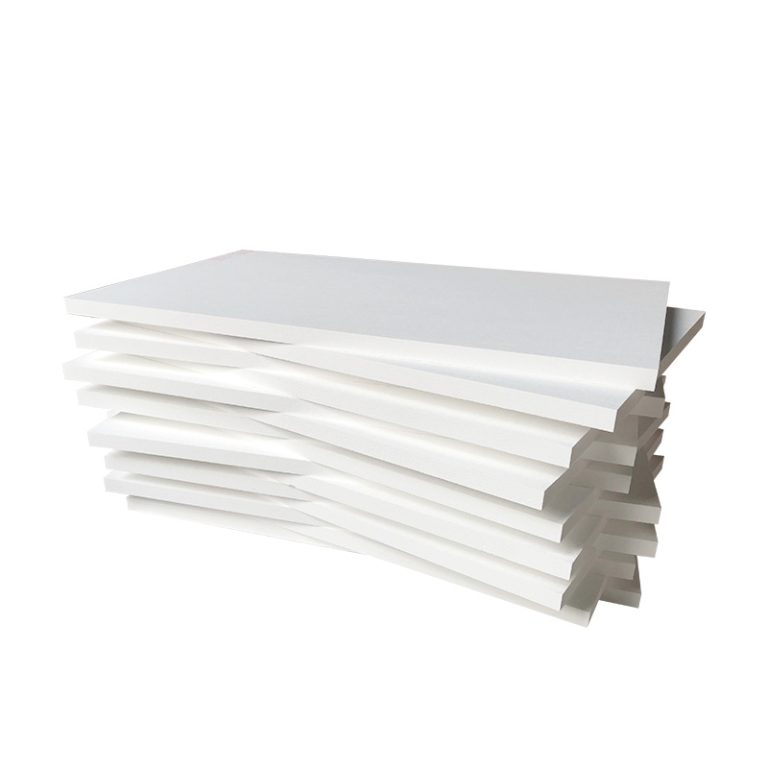
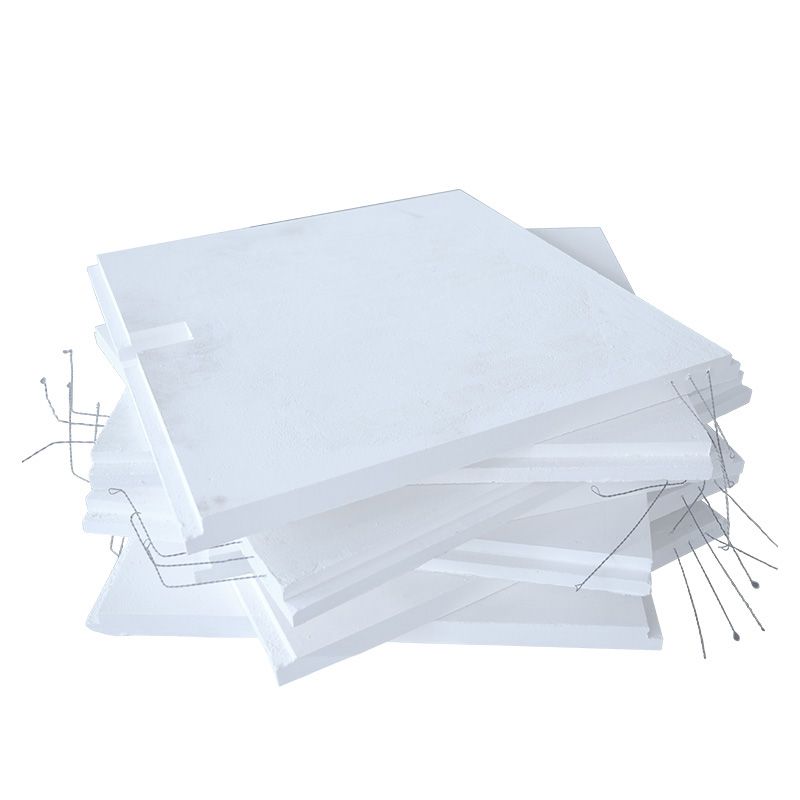
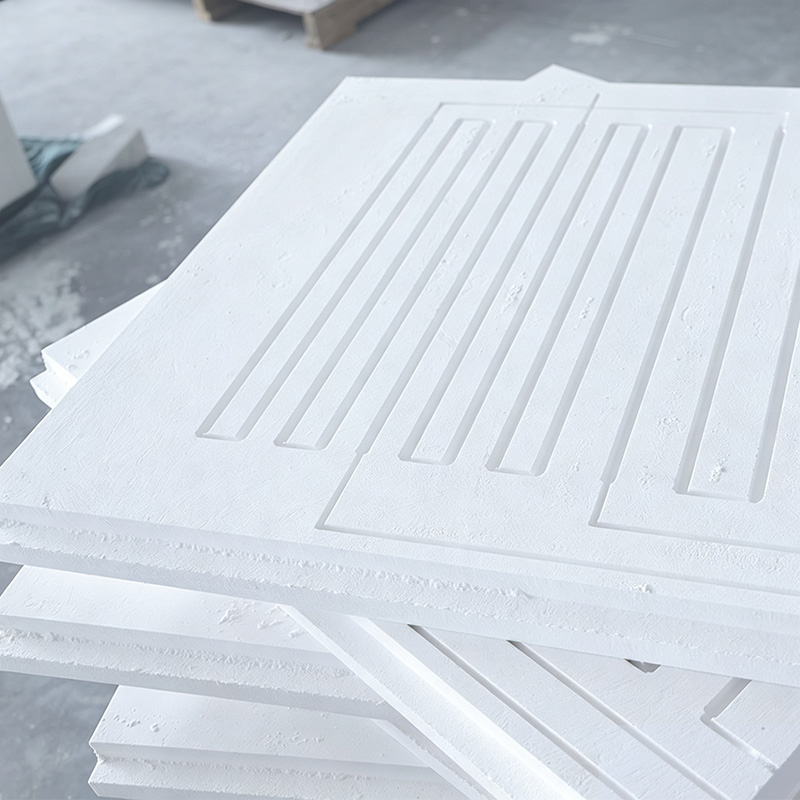
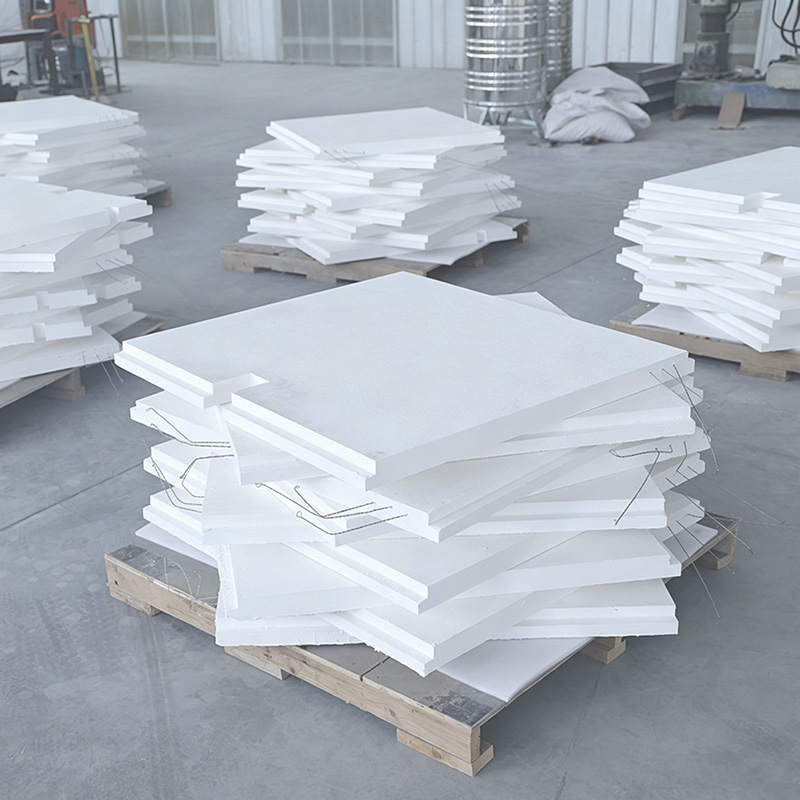
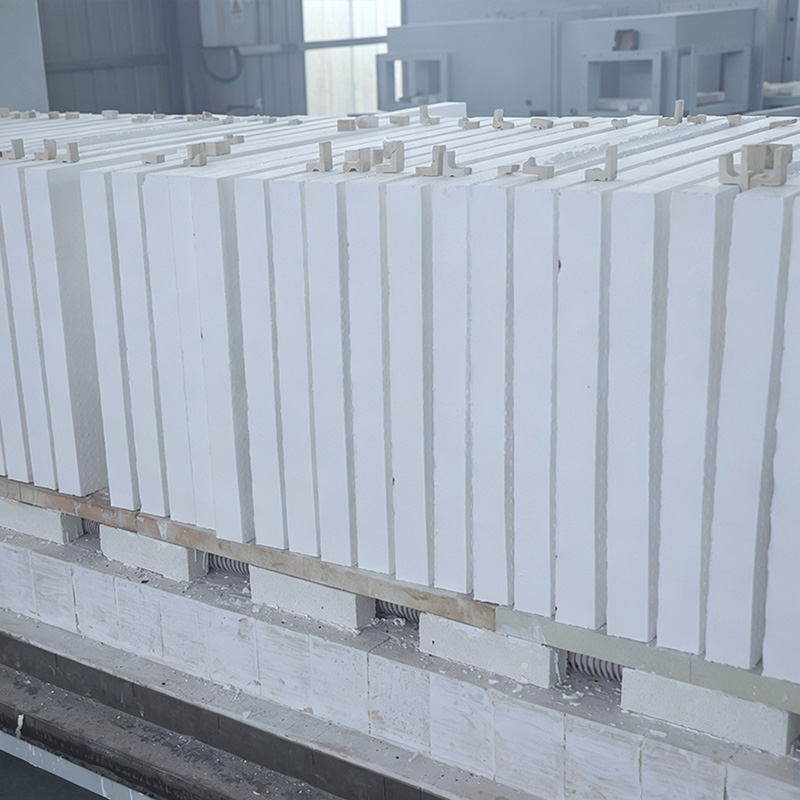
The product uses a 1420℃ high-density ceramic fiber board (volume density 0.45g/cm³) paired with Kanthal A-1 resistance wire, employing an innovative fully embedded heating structure. This design reduces the exposure of the high-temperature resistance wire, lowers the risk of abnormal discharge, effectively protects the heating element, and improves the safety and lifespan of the heating module.
Product Advantages
- 800℃ High-Temperature Design
This heating solution can meet the requirements of SOFC fuel cell preheating and high-temperature operation, and also leaves enough temperature margin to withstand long-term use. The system is stable and reliable under complex operating conditions.
- 0.45g/cm³ High-Density Ceramic Fiber Board
Finding a balance between low thermal conductivity, insulation performance, and structural strength can reduce heat loss, improve energy efficiency, and ensure the structural stability of the module at high temperatures.
- Kanthal A-1 Resistance Wire
Utilizes internationally mature high-temperature resistance heating material (Kanthal A-1), possessing excellent high-temperature stability and oxidation resistance, high heating efficiency, and long service life.
- Fully Embedded Heating Structure
Reducing the amount of exposed resistance wire at high temperatures lowers the risk of abnormal discharge, enhances the protection of heating elements, and improves system safety.
- Precise Temperature Control at Top, Middle, and Bottom Points
Real-time monitoring of the temperature status of different areas of the module provides a precise control basis for temperature uniformity, ensuring uniform heating of the fuel cell stack.
- Non-equidistant resistance wire layout
Thermal power optimization has been implemented to address the different heat dissipation conditions in the upper and lower regions, effectively improving the temperature difference between the upper and lower parts caused by traditional uniform winding, resulting in higher temperature field uniformity.
- Modular design
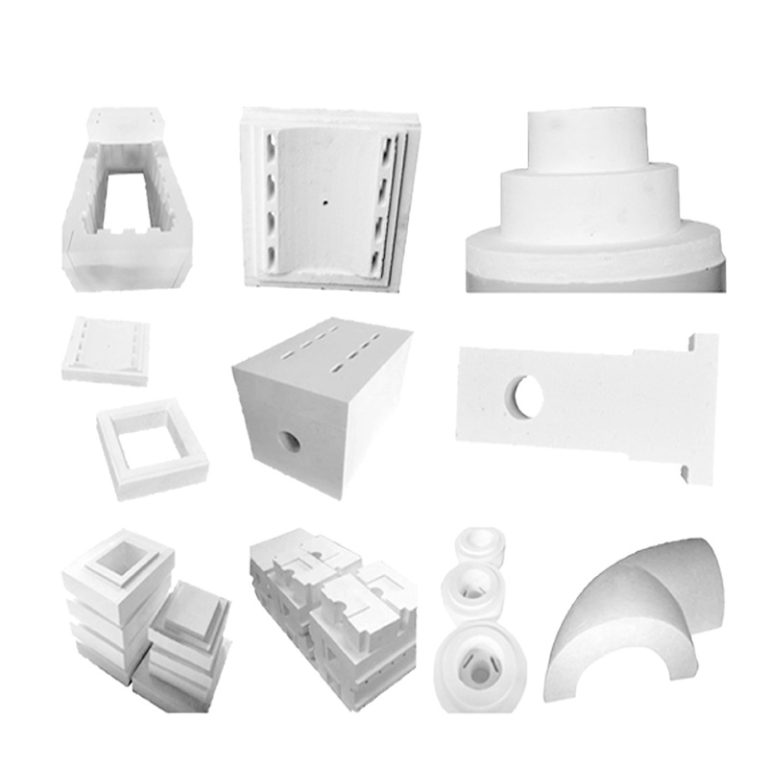
It can be customized according to different fuel cell stack sizes, power and temperature requirements, supports multi-module combinations and independent temperature zone control, and flexibly adapts to the needs of various SOFC systems.
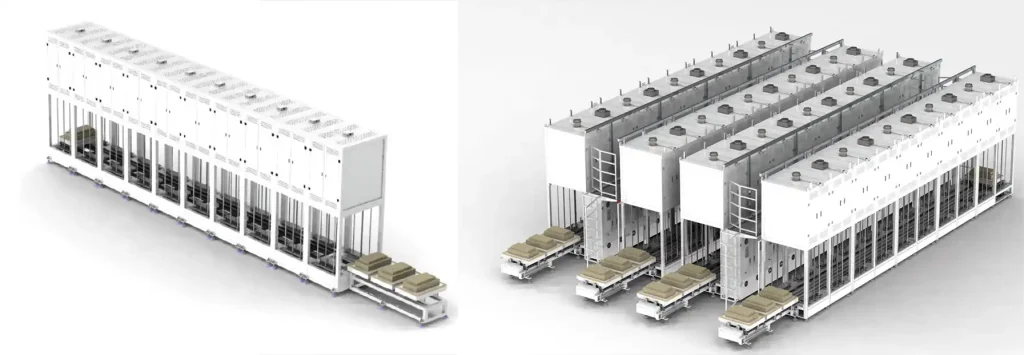
Systematic Design Approach — Key Components for SOFC Start-Up Process (English)
| No. | Key Component | Material / Solution | Design Objective |
|---|---|---|---|
| 1 | Furnace Lining | Selected 1420℃ grade high-density ceramic fiber board | Balances insulation and strength |
| 2 | Heating Elements | Kanthal A-1 resistance wire | Ensures high-temperature stability |
| 3 | Insulation Performance | Verified through multiple tests | Reliable insulation under high-temperature conditions |
| 4 | Thermal Field Distribution | Non-equidistant resistance wire layout | Optimizes thermal field uniformity |
| 5 | Temperature Sensing | Three-point independent temperature measurement | Real-time temperature monitoring |
| 6 | Control System | Precise temperature control | Stable and reliable heating process |
Application Areas
- SOFC Fuel Cell Stack Start-up Preheating: Provides a precise and uniform preheating heat source for the start-up process of solid oxide fuel cells.
- SOFC Fuel Cell High-Temperature Operation: Provides continuous and stable heat source support for the high-temperature operation of the stack.
- Fuel Cell Testing Platform: Used for temperature control during fuel cell performance testing.
- Customized High-Temperature Heating Modules: Various high-temperature heating modules can be customized according to the needs of different industries.
Company Profile
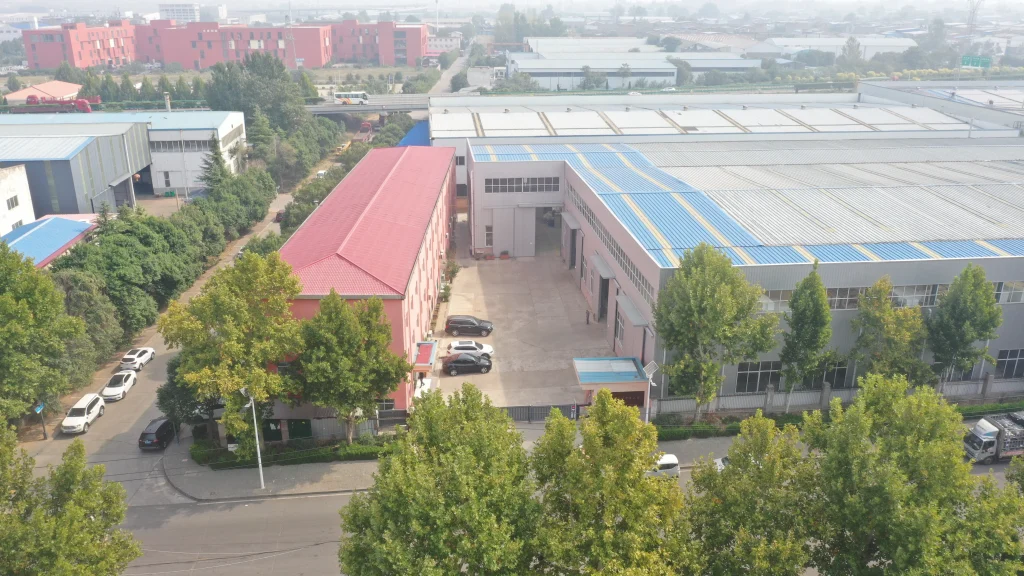
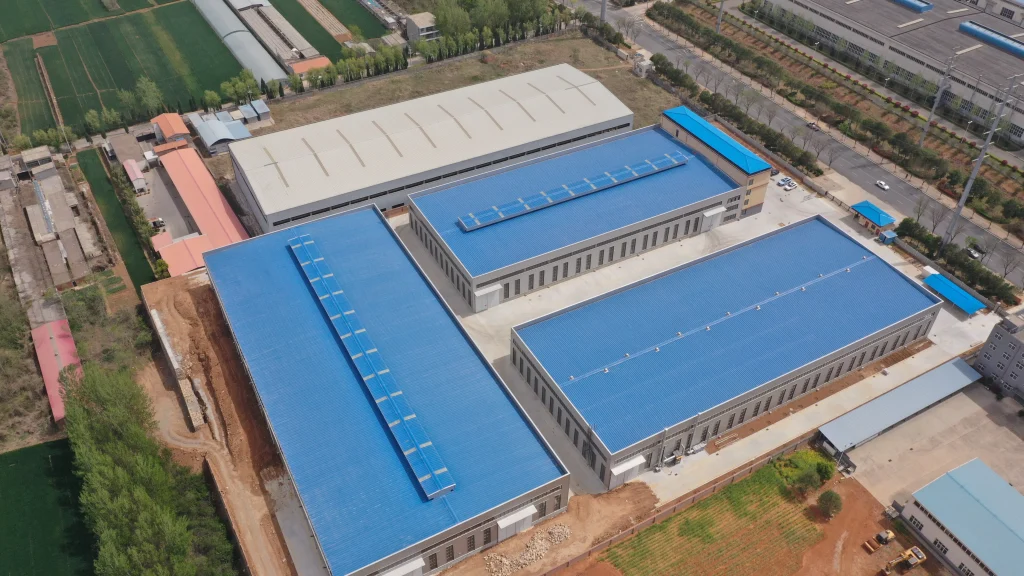
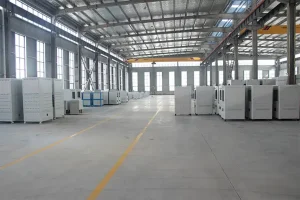
A professional enterprise specializing in heat treatment technology services and the R&D, manufacturing, and sales of high-temperature electric furnaces.
The company focuses on developing high-temperature electric furnaces covering a full temperature range of -100℃ to 2600℃. Its products include experimental electric furnaces, vacuum atmosphere furnaces, industrial kilns, and medium-frequency induction heating equipment. Main products include box furnaces, tube furnaces, lifting furnaces, pusher kilns, bogie furnaces, rotary kilns, tunnel kilns, and various specialized medium-frequency furnaces.
The company adheres to technological innovation and has passed ISO9001 and EU CE certifications. It owns 21 registered trademarks, 29 patents, and 27 software copyrights.
Payment Methods
TT
Shipment Methods
The electric furnace is packaged in thThe electric furnace is packaged in three layers: first wrapped in foam paper, then wrapped in plastic film, and finally packed in a wooden crat.
Frequently Asked Questions (FAQ)
- What is the design temperature of this product? Does it meet the start-up requirements of SOFC?
The design temperature is 800℃, which fully meets the start-up preheating and high-temperature operation requirements of SOFC fuel cells, and provides sufficient temperature margin for long-term operation.
- What are the advantages of three-point temperature control?
Independent temperature control at the upper, middle, and lower points allows for real-time monitoring of temperature changes in different height areas of the module. Combined with a non-equidistant resistance wire layout, it effectively suppresses temperature differences between the upper and lower parts of the module, achieving a highly uniform heating environment.
- What are the advantages of the fully embedded heating structure?
The heating element is completely embedded within the ceramic fiber board, reducing the exposure of the high-temperature resistance wire, lowering the risk of abnormal discharge, and enhancing the heating element’s protective capabilities, significantly improving safety and lifespan.
- How is the product’s high-temperature insulation performance guaranteed?
Our company has conducted multiple practical tests and verifications on key indicators such as high-temperature insulation performance and thermal conductivity to ensure that the heating module maintains stable and reliable operation under high-temperature conditions.
- What materials are used for the heating element?
Kanthal A-1 resistance wire is used, a mature high-temperature resistance heating material with excellent high-temperature stability and oxidation resistance.