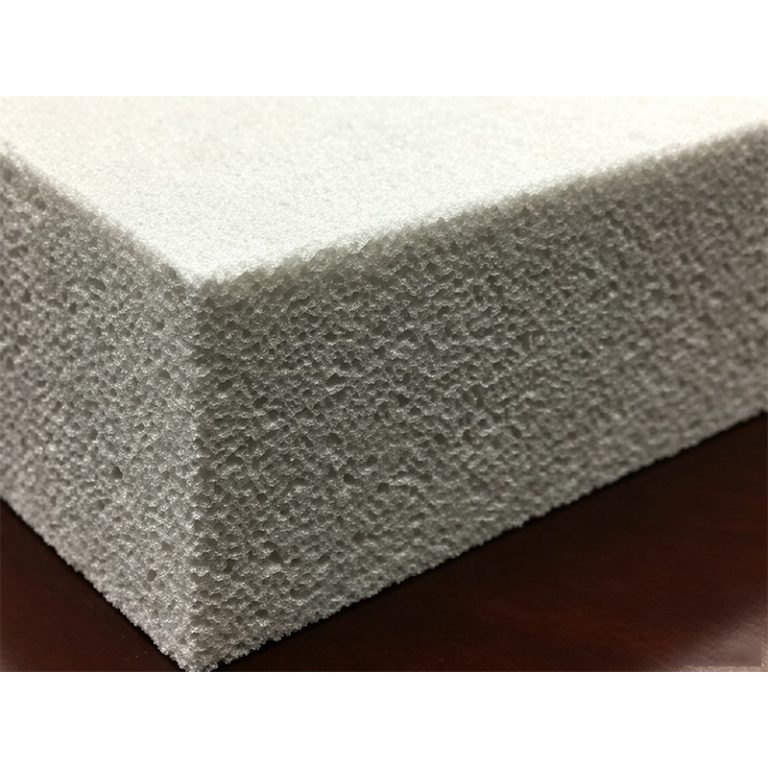
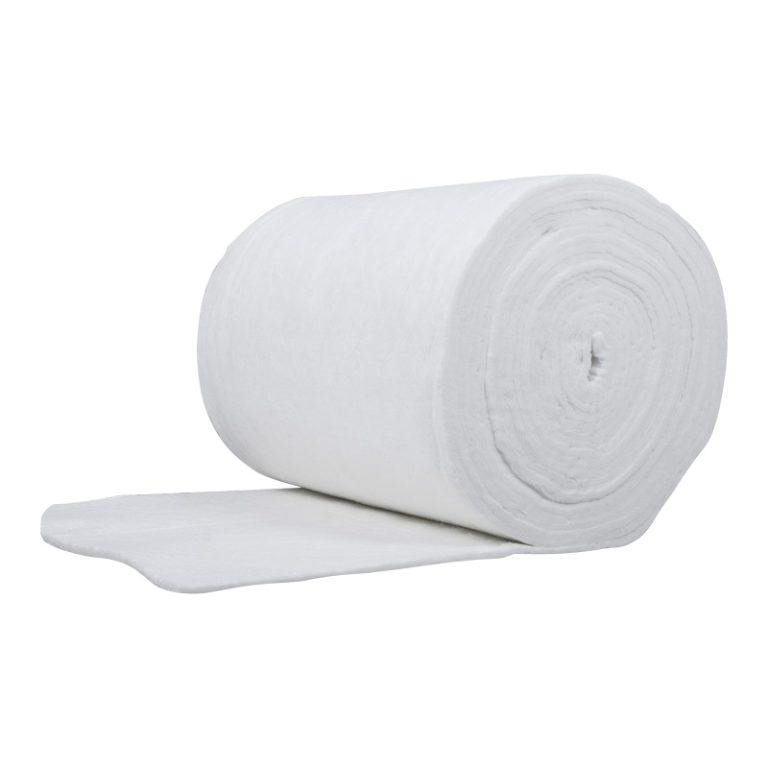
Luoyang Anjing Intelligence Equipment are a global leader in high-temperature electric furnaces



Zirconium Corundum Refractory Bricks
PRODUCT PARAMETERS
Description
Zirconia-corundum refractory brick
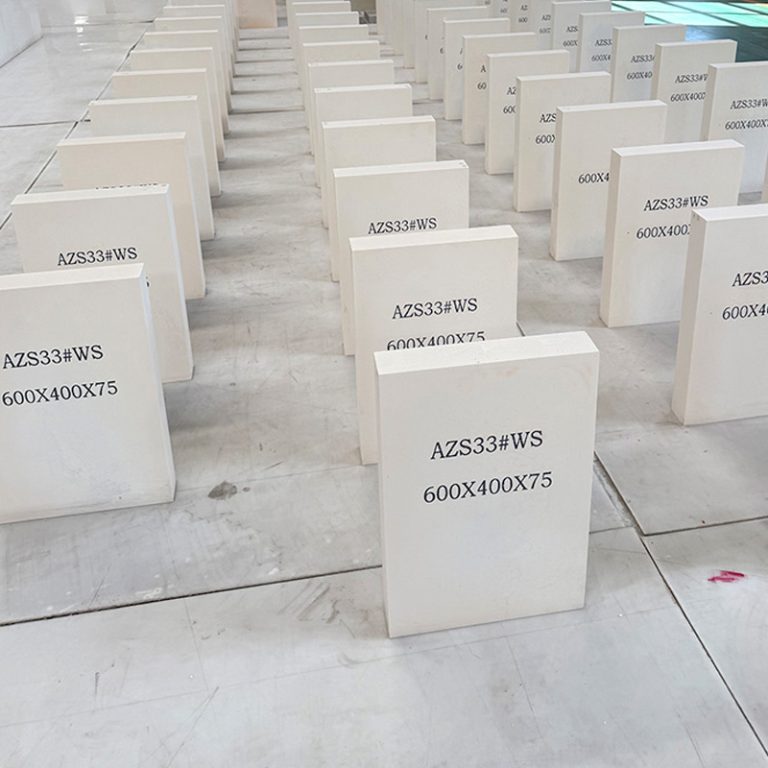
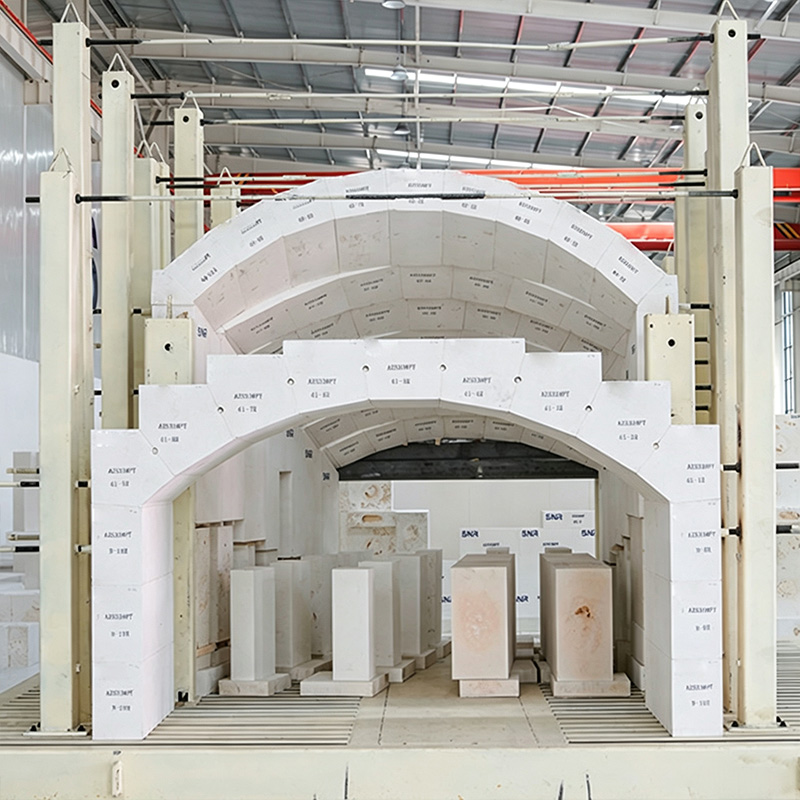
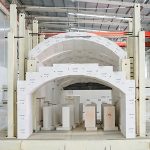
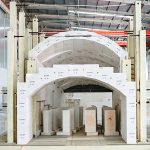
Zirconia-corundum refractory bricks, also known as fused alumina brick (AZS), is a high-quality refractory product made from industrial alumina powder and selected zircon sand through high-temperature melting or sintering processes. The product is mainly divided into two categories according to the production process: fused cast zirconia-corundum bricks and sintered zirconia-corundum bricks, with fused cast bricks being the most widely used.
The name AZS comes from the first letters of its main chemical components: Al₂O₃ (A), ZrO₂ (Z), and SiO₂ (S). The main mineral phases are corundum (α-Al₂O₃) and zircon (ZrO₂). With a dense structure, it possesses extremely high resistance to erosion and glass melt penetration, making it an indispensable key material for glass industry kilns.
Product Features
- Excellent Resistance to Molten Glass Erosion
The higher the zircon content, the denser the zircon-rich layer formed at high temperatures, resulting in stronger resistance to erosion. For example, AZS-41# exhibits an erosion rate ≤1.3mm/24h (1500℃×36h, ordinary soda-lime glass).
- Minimal Contamination of Molten Glass
Utilizing an oxidation melting process, there is virtually no carbon contamination, and the bubble precipitation rate is low, resulting in minimal contamination of the molten glass, making it suitable for high-quality glass production.
- Dense Structure and Extremely Low Porosity
The apparent porosity is ≤1.0~1.2%, effectively preventing the penetration and mechanical erosion of molten glass.
- High-Temperature Structural Stability
The initial precipitation temperature of the glass phase is ≥1400℃, the refractoriness is >1700℃, and the load softening temperature is ≥1700℃, demonstrating excellent creep resistance at high temperatures.
- Multiple casting methods available
With four casting methods—PT, QX, ZWS, and WS—the glass melting furnace can meet the diverse requirements of different parts for shrinkage rate and density.
| Item | AZS33-Y | AZS36-Y | AZS41-Y |
|---|---|---|---|
| Bulk Density / (g/cm³) ≥ | 3.75 | 3.80 | 3.95 |
| Apparent Porosity / % ≤ | 1.5 | 1.0 | 1.0 |
| Corrosion Resistance to Glass Melt (Soda-lime glass, 1500℃×36h) / (mm/24h) ≤ | 1.60 | 1.50 | 1.30 |
| Glass Phase Exudation Temperature / ℃ ≥ | 1400 | 1400 | 1400 |
| Blister Rate (Soda-lime glass, 1300℃×10h) / % ≤ | 2.0 | 1.5 | 1.0 |
| Glass Phase Exudation Amount (1500℃×4h) / % ≤ | 2.0 | 3.0 | 3.0 |
Measured Data
| Item | AZS33-Y | AZS36-Y | AZS41-Y |
|---|---|---|---|
| PT, QX > | 3400 | 3450 | 3550 |
| ZWS > | 3600 | 3700 | 3850 |
| WS > | 3700 | 3750 | 3900 |
Note: Applicable to products with a single weight greater than 50 kg.
Application Areas
- Key Components of Glass Melting Furnaces: Pool walls (36#/41# are highly recommended), feed inlet corners (41#), flow channels (WS type), furnace sills, pool wall corners, and surface linings—areas most susceptible to corrosion.
- All-Electric Melting Furnaces: All-electric glass melting furnaces used for applications requiring extremely high corrosion resistance and low pollution levels.
- High-Quality Glass Production: Melting furnaces for float glass, photovoltaic glass, electronic glass, borosilicate glass, and other specialty glasses.
- Metallurgy and Chemical Industry: With a refractoriness >1700℃, it can also be used in high-temperature critical components such as metallurgical ladle slides and chemical gasification furnace linings.
Company Profile
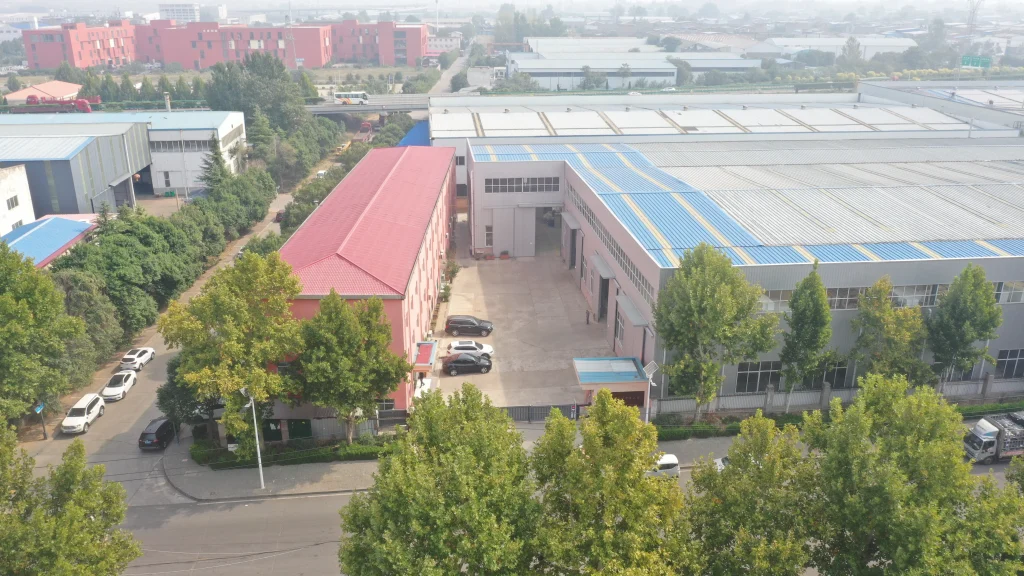
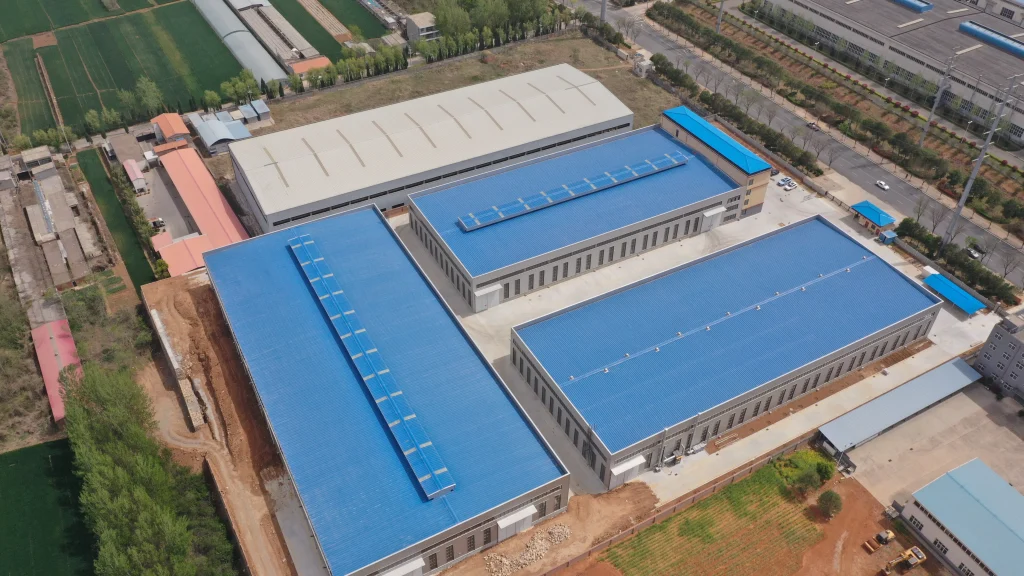
A professional enterprise specializing in heat treatment technology services and the R&D, manufacturing, and sales of high-temperature electric furnaces.
The company focuses on developing high-temperature electric furnaces covering a full temperature range of -100℃ to 2600℃. Its products include experimental electric furnaces, vacuum atmosphere furnaces, industrial kilns, and medium-frequency induction heating equipment. Main products include box furnaces, tube furnaces, lifting furnaces, pusher kilns, bogie furnaces, rotary kilns, tunnel kilns, and various specialized medium-frequency furnaces.
The company adheres to technological innovation and has passed ISO9001 and EU CE certifications. It owns 21 registered trademarks, 29 patents, and 27 software copyrights.
Payment Methods
TT
Shipment Methods
The electric furnace is packaged in thThe electric furnace is packaged in three layers: first wrapped in foam paper, then wrapped in plastic film, and finally packed in a wooden crat.
Frequently Asked Questions (FAQ)
- How to choose between the three grades: 33#, 36#, and 41#?
Select according to the operating conditions of the glass furnace: 33# has the lowest ZrO₂ content, offering high cost-effectiveness, suitable for general parts such as the upper structure; 36# has an even lower glass phase content, suitable for high-requirement parts such as hot spots on the pool wall; 41# has the highest ZrO₂ content (≥40%), offering the best corrosion resistance, specifically designed for core and critical parts such as flow channels and furnace sills.
- What are the differences between the four casting methods: PT, QX, ZWS, and WS?
PT is ordinary casting, with shrinkage cavities located below the casting port, and generally moderate density; QX is inclined casting, with shrinkage cavities offset at the lower end, mainly used for pool wall bricks; ZWS is quasi-shrinkage-cavity-free, with shrinkage cavities largely removed; WS is shrinkage-cavity-free, the densest, used for the most severely corroded core parts.
- What precautions should be taken when using zirconium corundum bricks?
It should be noted that ZrO₂ undergoes a phase transformation and volume change around 1000℃; therefore, strict thermal regimes must be followed during construction and furnace drying. During installation, ensure that the direction of shrinkage cavities in the casting is perpendicular to the erosion surface of the molten glass to extend service life.
- Does the product support customization?
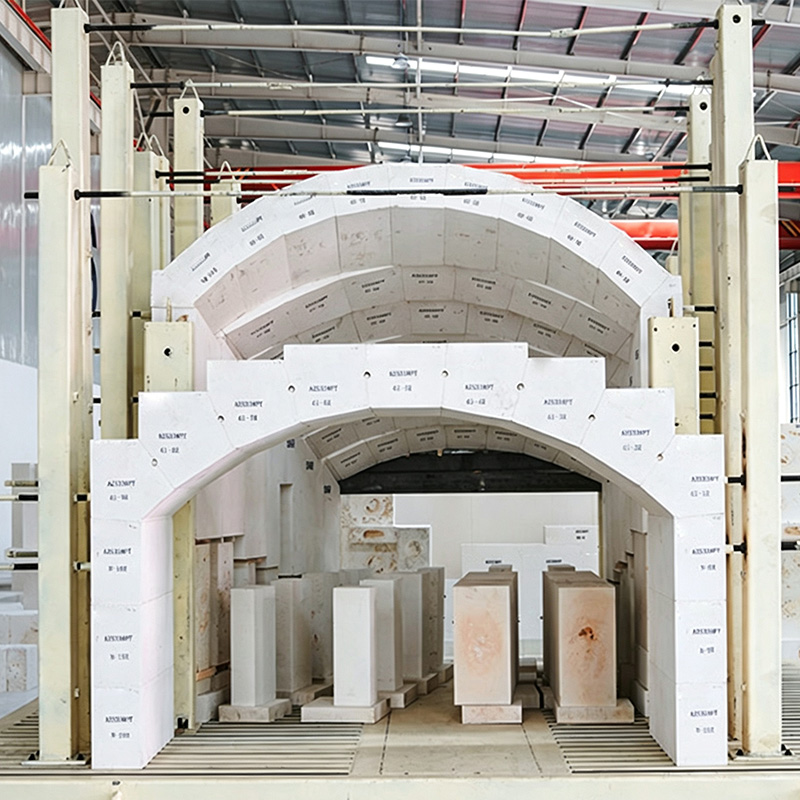
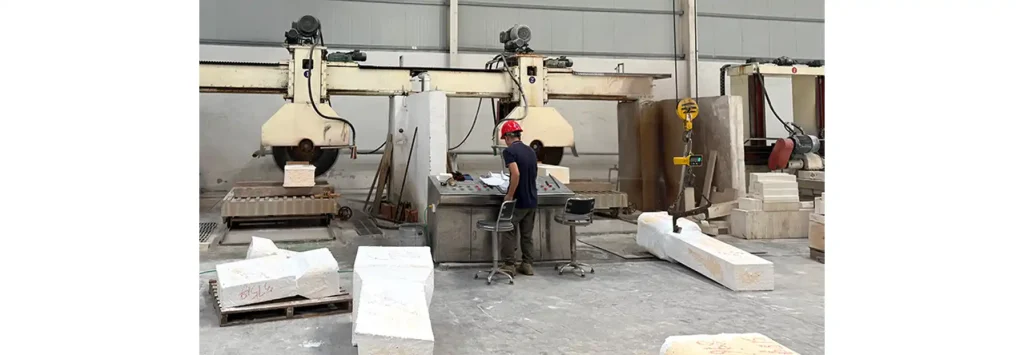
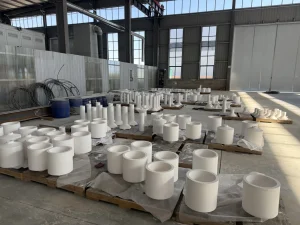
Yes. Rectangular, square, trapezoidal, arc-shaped, hollow cylindrical, and various irregularly shaped hexahedral zirconium-alumina refractory bricks can be customized according to customer drawings.