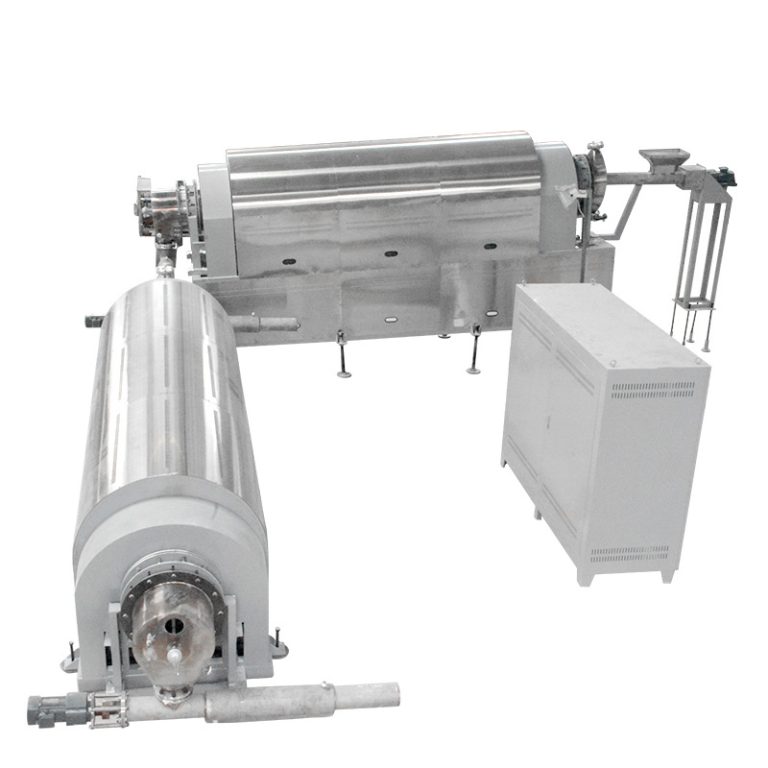
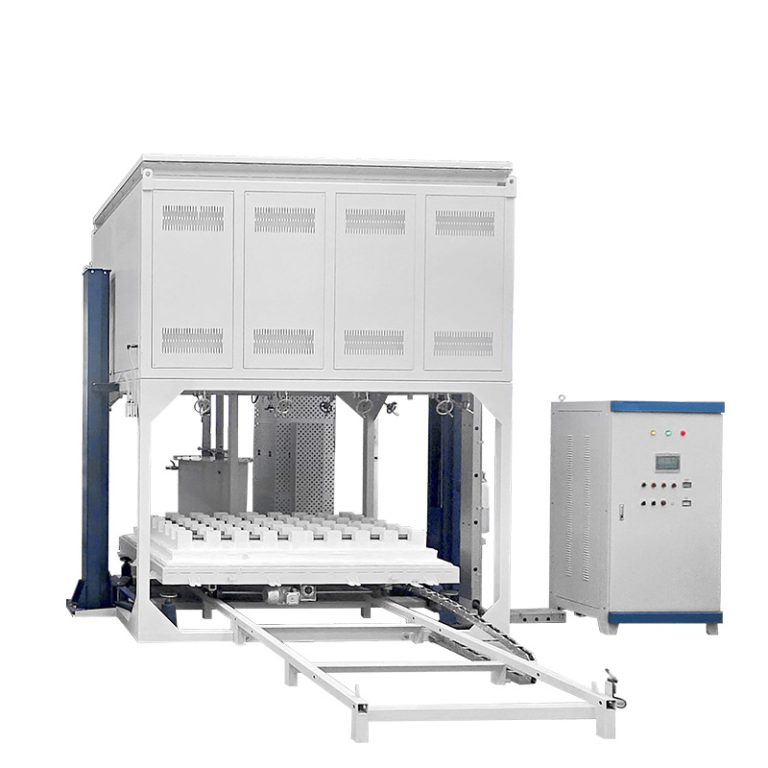
Luoyang Anjing Intelligence Equipment are a global leader in high-temperature electric furnaces



What Are the Key Differences Between a Muffle Furnace and a Box Furnace?
A muffle furnace isolates the sample from heating elements for clean, uniform heating, while a box furnace describes a rectangular chamber design and may serve broader heating applications.
I.Introduction
Choosing between a muffle furnace and a box furnace can be confusing because the two terms are often used interchangeably in the high-temperature furnace industry. In practice, “muffle” describes the heating and sample-isolation principle, while “box” primarily describes the furnace chamber configuration. Understanding this distinction helps laboratories, universities and industrial users select the right furnace for heat treatment, calcination, sintering, ashing and other thermal processes.
II. Muffle Furnace vs. Box Furnace: What Is the Difference?
The first point to understand is that a muffle furnace and a box furnace are not necessarily two completely different types of equipment.
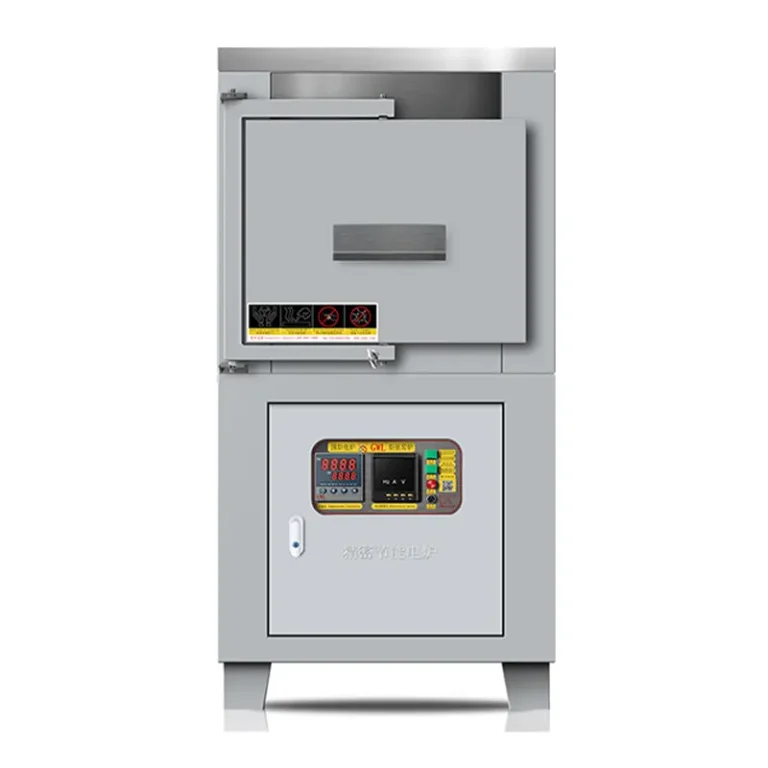
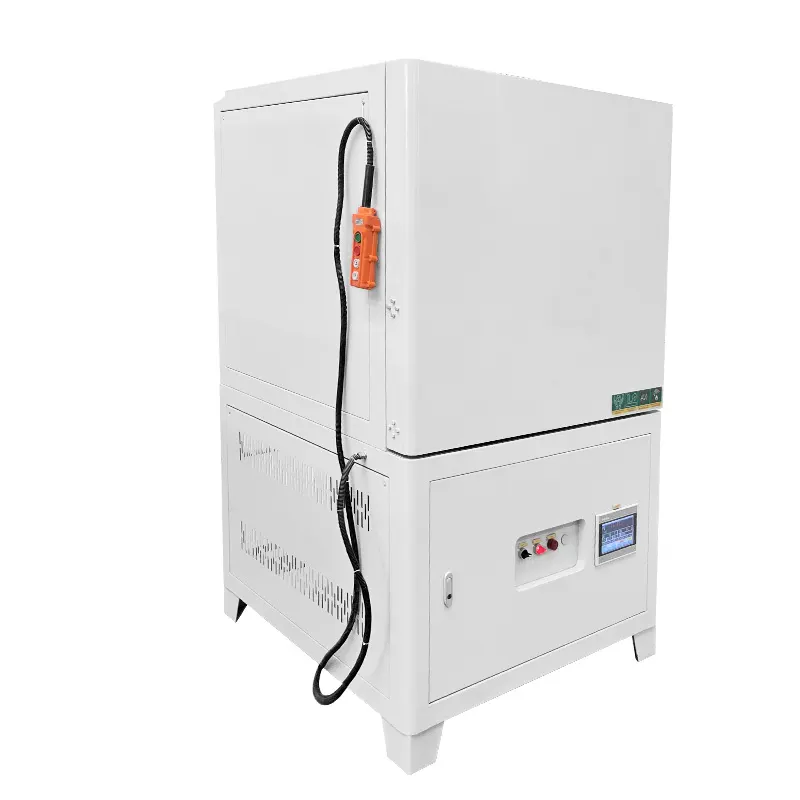
A muffle furnace is defined by its internal heating arrangement. The material being processed is placed inside a refractory or ceramic chamber, while the heating elements are separated from the workpiece. This indirect heating arrangement helps reduce contamination and provides a controlled heating environment.
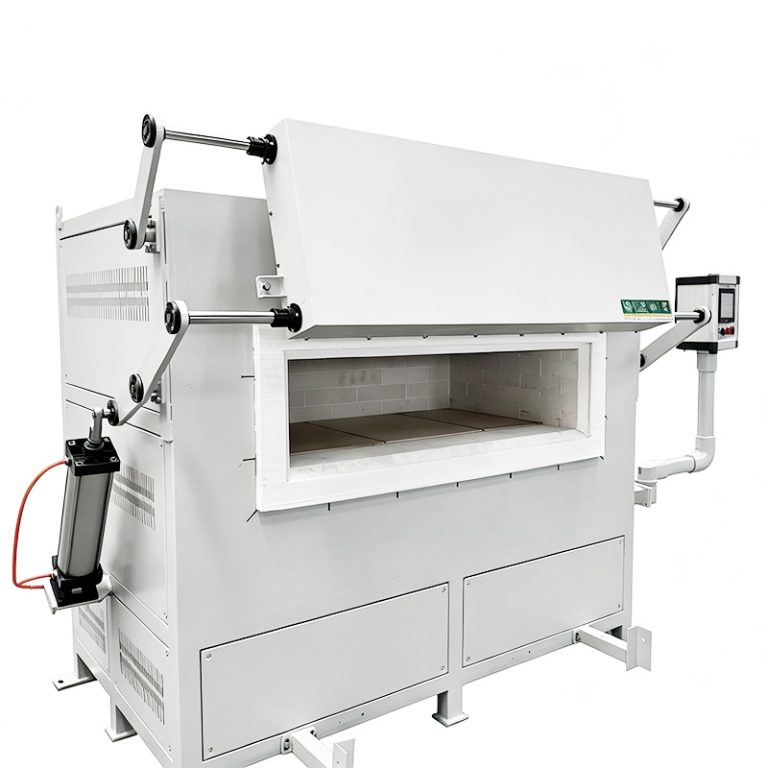
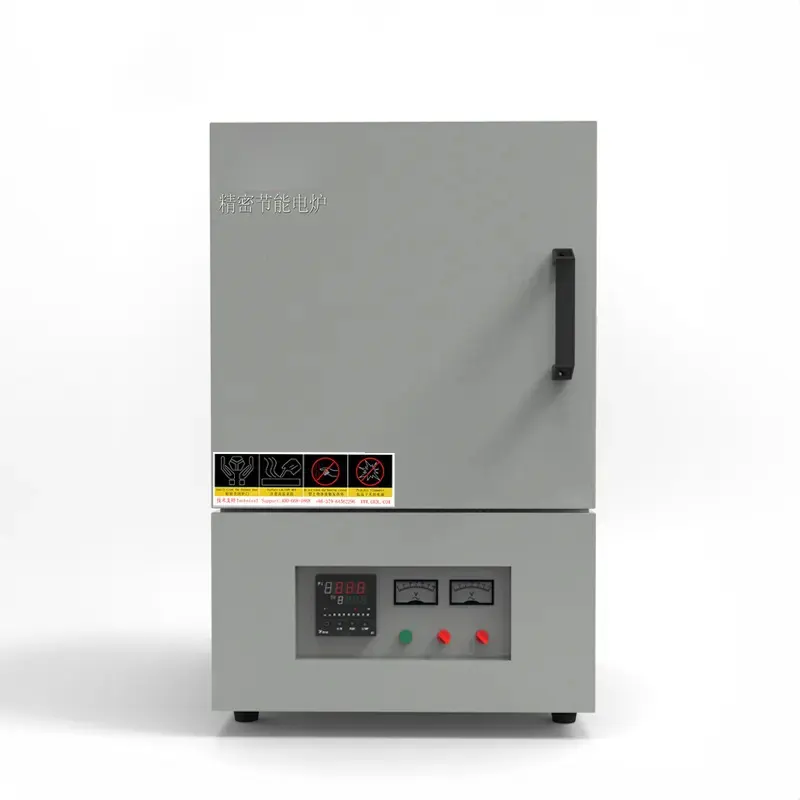
A box furnace, on the other hand, primarily refers to the rectangular or box-shaped chamber and front-loading configuration. Box furnaces are widely used for laboratory and industrial batch heating applications.
This means that a furnace can actually be both a box furnace and a muffle furnace. Many modern laboratory box furnaces use a muffle-style chamber, which is why the terminology can appear interchangeable.
The better question is therefore not simply “Which one is better?” but:
Does your process require sample isolation and clean indirect heating, or is a spacious rectangular heating chamber the main requirement?
Muffle Furnace vs. Box Furnace: Key Differences at a Glance
| Feature | Muffle Furnace | Box Furnace |
|---|---|---|
| Basic definition | Heating method / chamber isolation | Furnace shape and chamber configuration |
| Heating method | Usually indirect heating | Can be direct or indirect depending on design |
| Sample exposure | Isolated from heating elements | Depends on internal construction |
| Temperature uniformity | Generally designed for uniform chamber heating | Depends on chamber size and element arrangement |
| Contamination control | Strong advantage | Depends on whether a muffle chamber is used |
| Loading | Usually front-loading or similar chamber access | Usually front-loading |
| Sample size | Small to medium laboratory batches | Flexible, including larger or irregular workloads |
| Typical applications | Ashing, calcination, sintering, material testing | Heat treatment, preheating, firing and general batch heating |
| Atmosphere | Usually air unless specially designed | Air or controlled atmosphere depending on configuration |
| Best selection factor | Clean and controlled thermal processing | Chamber size, workload and process configuration |
The exact specifications depend on the furnace design, heating elements, insulation, controller and atmosphere system. Modern manufacturers commonly offer box-style furnaces with different temperature ranges and configurations.
1. Heating Principle
Muffle Furnace: Indirect Heating
The defining feature of a muffle furnace is the separation between the heating elements and the material being processed.
The heating elements transfer heat through the walls of the muffle or refractory chamber. The sample is therefore not directly exposed to the heating elements.
This configuration is particularly useful when contamination must be minimized. For example, during ashing, gravimetric analysis, calcination or ceramic processing, particles or degradation products from heating components can potentially affect the sample. A muffle structure provides an additional barrier between the workload and the heating source.
Box Furnace: Defined by Chamber Configuration
A box furnace is primarily characterized by its box-shaped heating chamber.
However, the heating method can vary. Some box furnaces use heating elements arranged around an insulated chamber, while specialized designs can incorporate vacuum systems, controlled atmospheres or other heating configurations.
Therefore, “box furnace” alone does not tell you enough about the furnace’s heating principle.
Selection advice: If sample protection and contamination control are critical, examine the furnace’s muffle structure and heating-element arrangement, rather than relying only on the product name.
2. Temperature Uniformity
Temperature uniformity is another important consideration when choosing a high-temperature furnace.
A properly designed muffle furnace places heating elements around the chamber so that heat can be distributed relatively evenly around the workload. This is valuable for processes where the entire sample must experience a consistent thermal profile.
However, temperature uniformity should not be judged from the term “muffle” alone. Chamber dimensions, element placement, insulation, thermocouple position, controller performance and loading pattern all influence actual temperature distribution.
A large box furnace may have excellent uniformity if it is properly engineered, while a poorly configured chamber can have significant temperature gradients.
3. Sample Capacity and Chamber Flexibility
This is where the box furnace configuration has an important practical advantage.
The rectangular chamber can accommodate:
- Crucibles
- Ceramic trays
- Metal components
- Powder samples
- Multiple laboratory samples
- Irregularly shaped workpieces
- Small production batches
For users processing several samples simultaneously, chamber dimensions may be more important than the distinction between “muffle” and “box.”
A muffle furnace can also have a spacious box-shaped chamber, so these advantages are not mutually exclusive.
For example, a box-style muffle furnace can provide both sample isolation and relatively convenient loading of multiple crucibles or trays.
4. Contamination and Sample Protection
For laboratory analysis and materials research, contamination can directly affect test results.
A conventional muffle configuration places a refractory barrier between the heating elements and the workload. This helps prevent direct contact with heating elements and reduces the possibility of contamination from furnace components.
This is one reason muffle furnaces are commonly used for ashing and analytical applications. Laboratory equipment suppliers also identify muffle furnaces as suitable for ashing, heat treatment and materials research.
A box furnace may provide the same level of protection if it incorporates an appropriate muffle chamber.
Therefore:If purity matters, don’t simply ask for a “box furnace.” Specify that the process requires an isolated, indirect-heating chamber.
5. Applications: When Should You Choose Each One?
Choose a Muffle Furnace When:
A muffle furnace is generally the better choice when the primary requirement is a clean, controlled heating environment.
Typical applications include:
- Ashing
- Calcination
- Loss-on-ignition testing
- Ceramic firing
- Sintering
- Material analysis
- Heat treatment of laboratory samples
- Small-batch thermal processing
For these applications, protecting the sample from direct exposure to heating elements can be an important design requirement.
Best fit:
Sample purity + controlled heating + laboratory/research applications
Choose a Box Furnace When:
A box furnace is particularly practical when the main requirements are chamber accessibility, workload flexibility and batch processing.
It can be suitable for:
- General heat treatment
- Preheating
- Firing
- Annealing
- Ceramic processing
- Materials testing
- Small-batch industrial production
- Processing larger or irregularly shaped components
The box configuration is especially convenient when operators need to load and unload trays, crucibles or relatively bulky workpieces.
Best fit:
Flexible chamber space + easy loading + general-purpose batch heating
6. Muffle Furnace or Box Furnace: Which One Should You Buy?
The decision can be simplified into four questions.
1. Does the sample need protection from the heating elements?
Yes → Choose a muffle-style chamber.
2. Is chamber size and workload flexibility the main concern?
Yes → Focus on a box furnace configuration and chamber dimensions.
3. Are you processing samples in air?
Yes → A conventional muffle/box furnace may be appropriate.
4. Do you require vacuum or controlled gas?
Yes → Consider a vacuum box furnace or specialized atmosphere furnace rather than a standard furnace.
This approach is more reliable than selecting equipment based solely on the product name.
III.Why the Terms Are Often Confused
The terminology exists because “muffle” and “box” describe different aspects of furnace design.
- Muffle → describes the separation of the sample from the heating source.
- Box → describes the physical chamber configuration.
- Vacuum box → combines the box configuration with a vacuum-capable chamber.
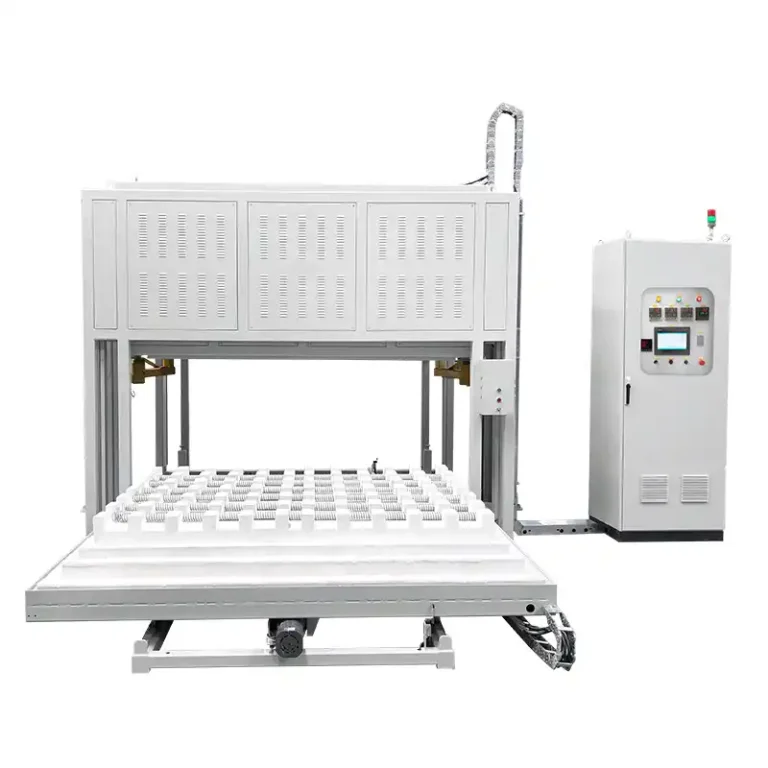
- Industrial box furnace → refers to a larger industrial chamber furnace designed for production-scale thermal processing.
This distinction is particularly important when comparing suppliers because different manufacturers may use the same terminology differently.
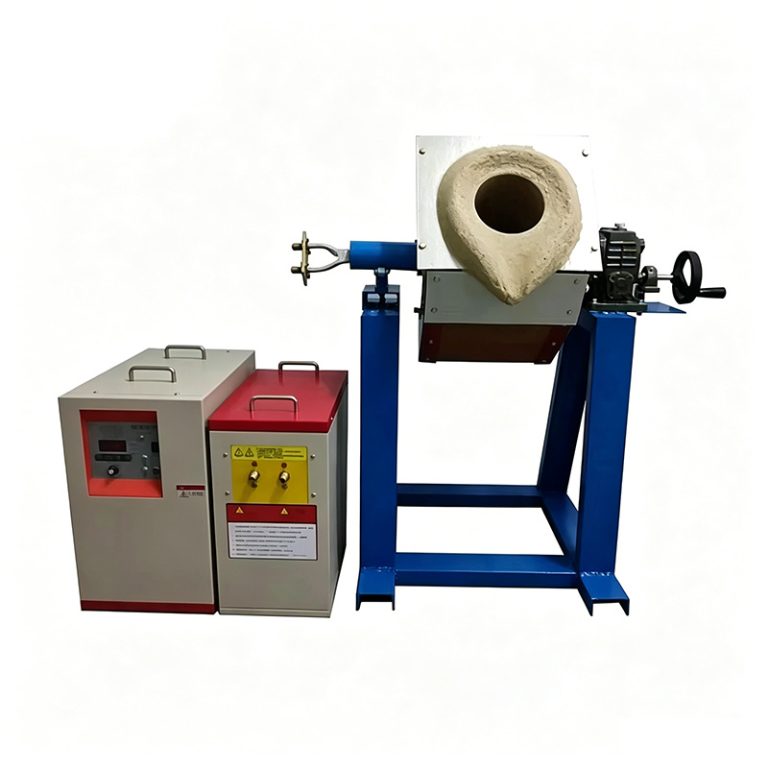
Your product portfolio reflects this broader classification, with separate categories for Box Furnaces, Vacuum Box Furnaces and Industrial Box Furnaces.
IV.Conclusion
A muffle furnace is defined primarily by its isolated, indirect-heating chamber, while a box furnace is primarily defined by its rectangular chamber configuration. In many modern products, the two concepts overlap, meaning a box furnace can also be a muffle furnace.
If you are unsure which furnace configuration fits your material, operating temperature, chamber size or atmosphere requirements, contact Luoyang Anjing Intelligence Equipment for a customized furnace recommendation and quotation.
Click “Request a Quote” to get a customized solution.
V. FAQ
1. Is a muffle furnace the same as a box furnace?
Not necessarily. A muffle furnace describes an indirect-heating and sample-isolation design, while a box furnace describes a rectangular chamber configuration. Many modern box furnaces incorporate a muffle structure, so the two terms are frequently used interchangeably.
2. What is a muffle furnace used for?
Muffle furnaces are commonly used for ashing, calcination, sintering, ceramic firing, material analysis and heat treatment where controlled and relatively clean high-temperature heating is required.
3. What is a box furnace used for?
Box furnaces are used for general-purpose batch thermal processing, including heat treatment, annealing, firing, preheating, ceramic processing and materials research. Their rectangular chambers make them suitable for crucibles, trays and irregularly shaped workpieces.
4. Which is better, a muffle furnace or a box furnace?
There is no absolute good or bad. If you are worried about pollution and need isolation, choose a muffle structure; if you need to install more and use it flexibly, a box-type furnace is more suitable.
5. Can a box furnace operate under vacuum or controlled atmosphere?
A standard box furnace should not automatically be assumed to provide vacuum or controlled-atmosphere processing. For oxygen-sensitive materials or vacuum heat treatment, a vacuum box furnace or dedicated atmosphere furnace should be specified.
Supplier
Luoyang Anjing Intelligent Equipment Co., Ltd. is an enterprise dedicated to the research, development, production, sales, and technical services of heat treatment equipment such as high-temperature electric furnaces. We produce laboratory, vacuum, industrial, and medium frequency furnace, covering a temperature range from -100℃ to 2600℃, serving industries such as new energy, semiconductors, and advanced materials. We can provide customized solutions based on specific atmosphere, ultra-high temperature, and intelligent control system requirements. Please feel free to contact us if you are interested.