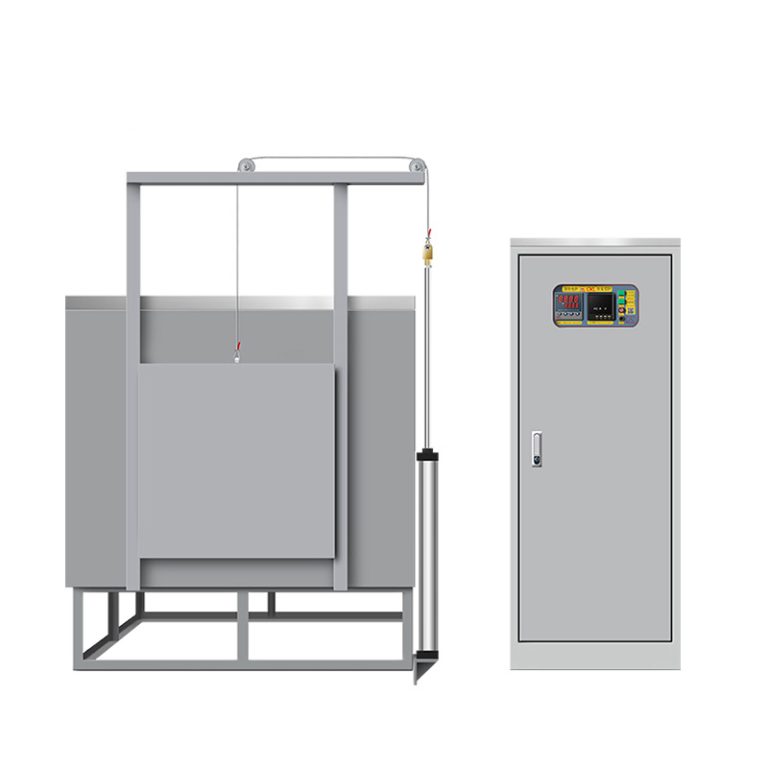
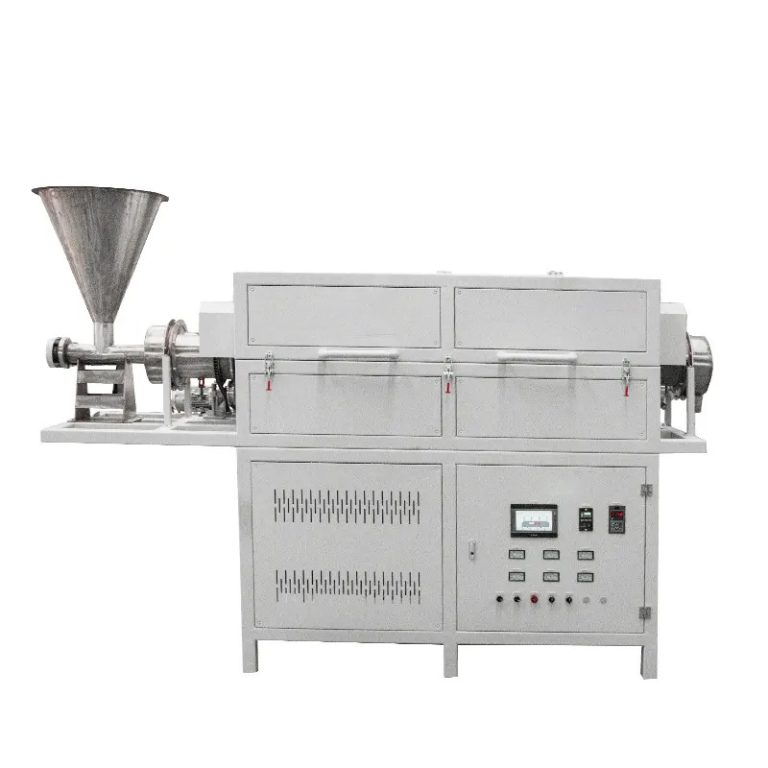
Luoyang Anjing Intelligence Equipment are a global leader in high-temperature electric furnaces



Electric Furnace vs Gas Furnace: Which Is Better for Industrial Heating?
An electric furnace uses electrical resistance or other electric heating methods to generate heat, while a gas furnace burns fuel to produce thermal energy. For industrial applications requiring precise temperature control, clean heating, and stable process conditions, electric furnaces are often the better choice.
I.Introduction
When choosing industrial heating equipment, many manufacturers ask the same question: electric furnace vs gas furnace—which one is better? The answer depends on the required temperature, production volume, energy prices, material characteristics, atmosphere, and process control requirements.
This guide compares electric and gas furnaces in terms of heating performance, energy efficiency, temperature control, operating cost, maintenance, emissions, and industrial applications, helping buyers select the right furnace technology for their production process.
II. What Is the Difference Between an Electric Furnace and a Gas Furnace?
1.The fundamental difference is the heat source.
An electric furnace converts electrical energy into heat. In resistance heating systems, heating elements such as metallic or ceramic elements generate heat and transfer it to the workload through radiation, convection, or conduction. The U.S. Department of Energy notes that resistance heating can be used for both high- and low-temperature applications and is valued for controllability and automation.
A gas furnace generates heat by combusting natural gas, propane, or another fuel. The resulting hot gases transfer heat to the material either directly or through a controlled furnace atmosphere.
For industrial buyers, the choice is therefore not simply about the furnace purchase price. It is about how each heating method affects process consistency, operating expenses, product quality, environmental requirements, and long-term production efficiency.
Electric Furnace vs Gas Furnace: Key Differences
| Factor | Electric Furnace | Gas Furnace |
|---|---|---|
| Heat source | Electricity | Natural gas, propane, or other fuel |
| Temperature control | Very precise | Good, but depends on burner/control system |
| Heating uniformity | Excellent with proper zoning and insulation | Depends on combustion and furnace circulation |
| Direct combustion products | None inside the heating process unless introduced separately | Present in combustion systems |
| Atmosphere control | Easy to combine with vacuum/inert atmosphere systems | Requires careful burner and atmosphere management |
| Maintenance | Generally simpler | Burners, valves, exhaust and combustion systems require maintenance |
| Installation | Requires sufficient electrical capacity | Requires gas supply, combustion and exhaust infrastructure |
| Automation | Highly compatible with digital/PID control | Also automatable, with additional combustion controls |
| Best suited for | Precision heating, heat treatment, sintering, clean processes | High-throughput thermal processing where fuel infrastructure is advantageous |
2.Which Has Better Temperature Control: Electric or Gas?
For applications where temperature accuracy and repeatability are critical, electric furnaces generally have a strong advantage.
Electric heating elements can be divided into multiple independently controlled heating zones. A temperature controller can continuously compare the actual furnace temperature with the setpoint and adjust power accordingly.
This is particularly useful for:
- Metal heat treatment
- Ceramic sintering
- Powder metallurgy
- Battery material processing
- Laboratory-to-industrial scale-up
- Calcination
- Thermal treatment of advanced materials

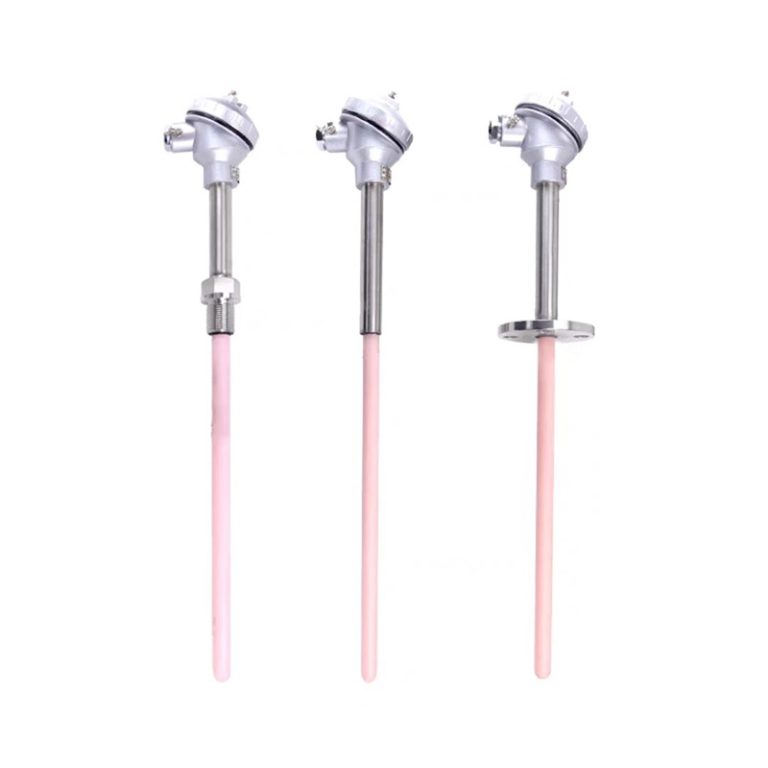
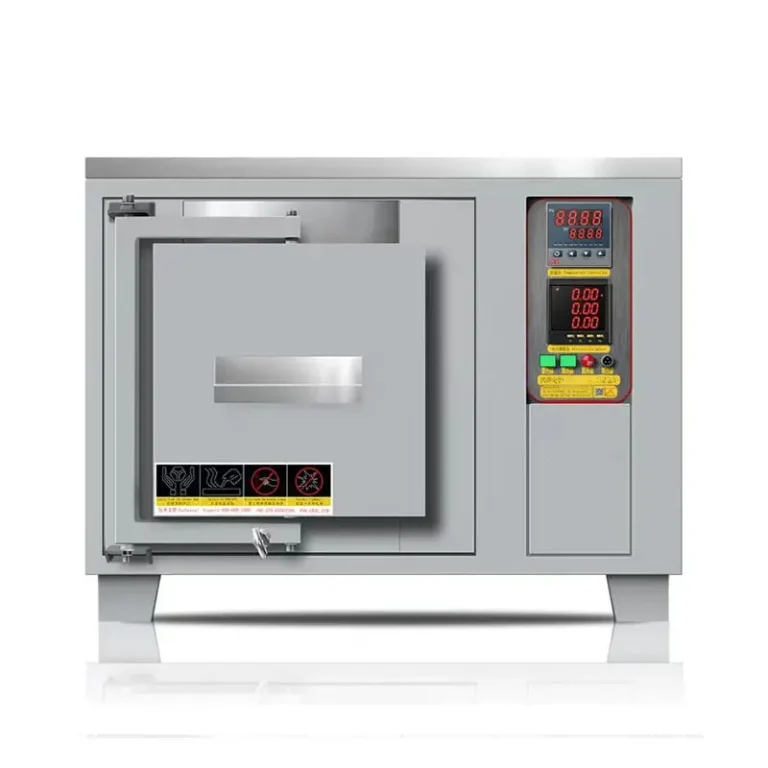
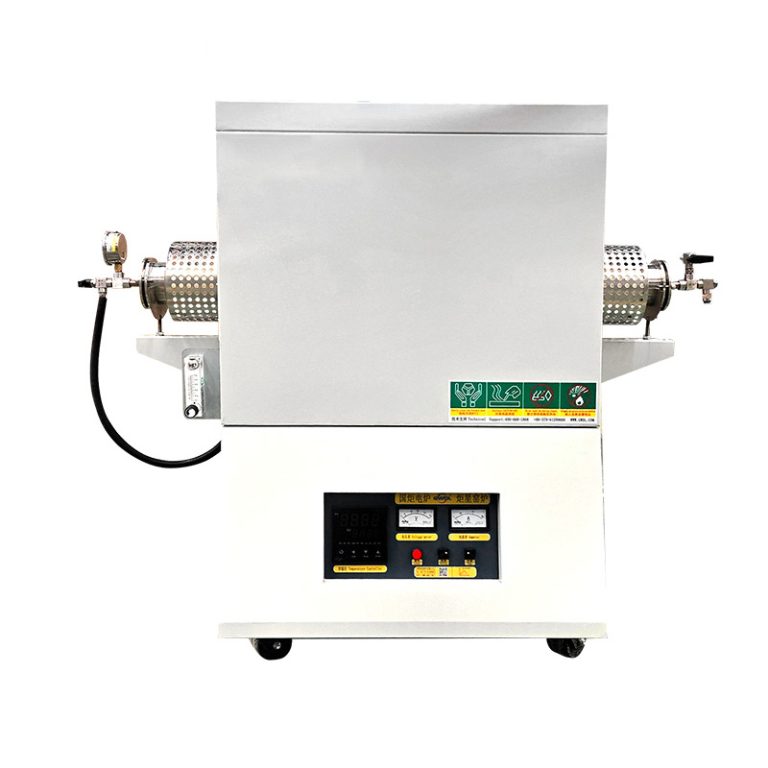
industrial electric furnace range uses solutions such as multi-zone temperature control, PID-based control, and temperature measurement systems to maintain stable heating conditions. The company’s industrial furnace portfolio also covers both batch and continuous processes.
Gas furnaces can also achieve sophisticated temperature control, especially when equipped with modulating burners, multiple zones, and automated combustion systems. However, combustion introduces additional variables such as gas flow, air-to-fuel ratio, burner response, and exhaust management.
For processes where temperature uniformity and repeatability directly affect product quality, electric heating can therefore simplify process control.
3.Which Furnace Is More Energy Efficient?
There is no universal answer because actual energy efficiency depends on furnace design, insulation, operating temperature, loading, production rate, utility prices, and the overall heating system.
An important distinction is that electric resistance heating converts electrical input into heat at the heating element, while a gas-fired system must manage combustion and flue-gas losses in addition to transferring combustion heat into the workload.
DOE materials describe resistance heating as capable of approaching 100% efficiency at the point of use, while also emphasizing that electricity demand and electricity pricing can significantly affect operating economics.
Therefore, industrial buyers should compare energy consumed per ton or per batch of finished product, rather than simply comparing the nominal price of electricity with the price of natural gas.
A proper evaluation should include:
Energy consumption + utility price + production capacity + heat losses + maintenance + labor + emissions-control costs
This provides a more realistic estimate of the furnace’s total operating cost.
4.Electric Furnace vs Gas Furnace: Which Costs Less to Operate?
The lowest operating cost depends heavily on the local energy market.
Electric Furnace
Electric heating can be economically attractive when:
- Electricity is competitively priced.
- Precise temperature control reduces rejects.
- Production requires frequent temperature changes.
- The furnace operates at controlled temperatures for long periods.
- Maintenance and combustion-system costs need to be minimized.
- The plant has sufficient electrical capacity.
Gas Furnace
Gas heating can be attractive when:
- Natural gas is readily available at a favorable price.
- Production volume is very high.
- The facility already has gas distribution and exhaust infrastructure.
- The process is well suited to fuel-fired heating.
For this reason, buyers should compare the total cost of ownership (TCO) rather than the initial furnace price alone.
5.Which Furnace Is Cleaner for Industrial Production?
Another major difference is the presence of combustion.
An electric furnace does not create combustion gases at the heating element itself. This can make electric heating attractive for applications where the process requires a clean and stable heating environment.
This is particularly important in:
- Advanced ceramics
- Semiconductor-related materials
- Powder metallurgy
- Battery materials
- Specialty chemicals
- Research and development
- Vacuum and controlled-atmosphere processing
The absence of combustion at the point of heating can also simplify integration with vacuum, inert-gas, or controlled-atmosphere furnace designs.
Gas systems, meanwhile, require combustion air, fuel delivery, exhaust management, and appropriate safety systems.
6.Which Furnace Requires Less Maintenance?
Maintenance requirements depend on furnace design, but electric systems generally have a simpler heat-generation mechanism.
Typical electric furnace maintenance includes inspection or replacement of:
- Heating elements
- Thermocouples
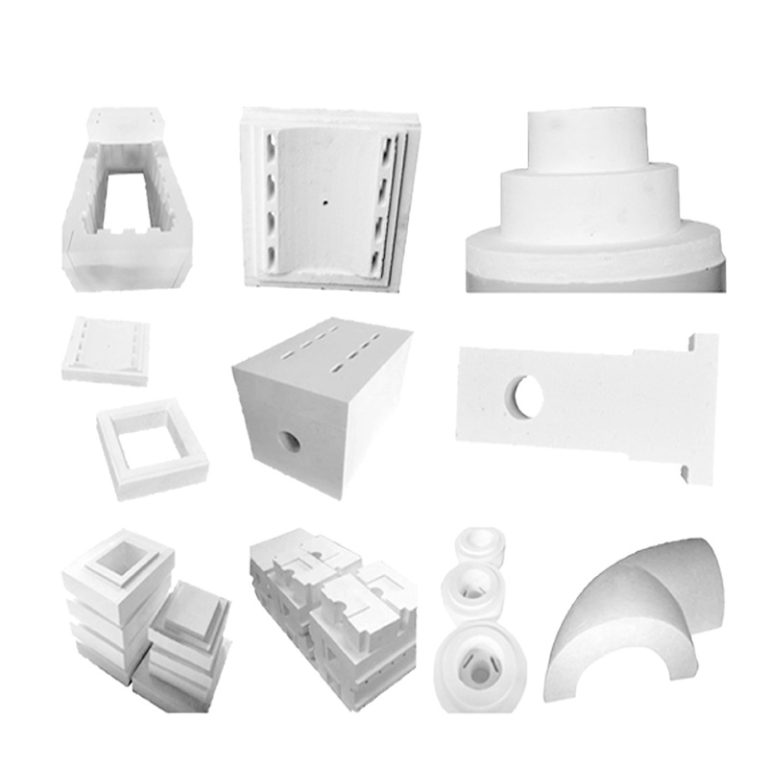
- Insulation
- Electrical connections
- Fans or drive components where applicable
Gas furnaces require maintenance of additional combustion-related components, including:
- Burners
- Gas valves
- Ignition systems
- Flame detection
- Air/fuel controls
- Exhaust systems
7.When Should You Choose an Electric Furnace?
An electric furnace is usually a strong candidate when your production process prioritizes:
- Precise Temperature Control:Suitable for processes where a narrow temperature range is important.
- Uniform Heating:Useful when temperature variation across the workload can affect final material properties.
- Clean Processing:A good option for materials that should not be exposed to combustion products.
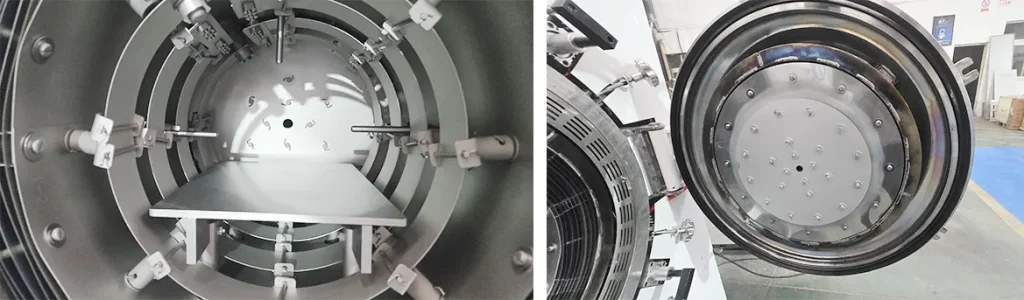
- Controlled Atmospheres:Electric furnace designs can be integrated with vacuum, nitrogen, argon, and other controlled-atmosphere environments.
- Automated Production:Electric heating integrates naturally with programmable temperature controllers, PLC systems, multi-zone control, and process monitoring.
8.When Should You Choose a Gas Furnace?
A gas furnace may be appropriate when production economics strongly favor fuel-fired heating or when an existing facility already has reliable gas infrastructure.
Gas can be considered for high-throughput thermal processes where:
- Fuel costs are favorable.
- Very large heating capacity is required.
- Existing gas and exhaust systems are available.
- The process does not require an exceptionally clean heating environment.
The correct decision should be based on the actual workload, required temperature profile, material characteristics, production capacity, and local utility costs.
III.Electric Furnace vs Gas Furnace: Which One Is Better?
For many modern industrial applications, an electric furnace is the preferred solution when precise temperature control, heating uniformity, clean processing, automation, and controlled-atmosphere capability are the primary requirements.
A gas furnace can still be highly suitable when large-scale production, existing fuel infrastructure, and favorable natural-gas economics are the dominant factors.
The best choice should therefore be based on the complete production process rather than the energy source alone.
IV.Conclusion
The difference between an electric furnace vs gas furnace goes far beyond electricity versus natural gas. Temperature accuracy, heating uniformity, production capacity, atmosphere requirements, maintenance, infrastructure, energy prices, and total cost of ownership all influence the final decision.
For precision industrial heating, sintering, calcination, heat treatment, and controlled production environments, electric furnace technology offers strong advantages in controllability, automation, and clean process heating. Our industrial electric furnace solutions can be customized according to material, temperature, production capacity, and process requirements.
Contact our technical team to discuss your application and receive a customized industrial electric furnace solution.
Click “Request a Quote” to get a customized solution.
V.FAQ
1. Is an electric furnace better than a gas furnace?
For applications requiring precise temperature control, uniform heating, clean processing, and automated operation, an electric furnace is often the better choice. For very high-throughput applications with inexpensive and readily available gas, a gas furnace may be more economical.
2. Are electric furnaces more energy efficient than gas furnaces?
Not necessarily in every application. Electric resistance heating can be highly efficient at the point of use, but total operating cost depends on electricity prices, gas prices, furnace efficiency, insulation, loading, production rate, and other factors.
3. Which furnace has better temperature control?
Electric furnaces generally provide excellent temperature controllability because heating power can be precisely regulated and distributed across multiple heating zones. Gas furnaces can also provide precise control when equipped with advanced burners and combustion-control systems.
4. Are electric furnaces suitable for high-temperature industrial applications?
Yes. Electric heating can be used for both high- and low-temperature industrial processes. The appropriate heating element, insulation, furnace structure, and control system depend on the required working and maximum temperatures.
5. How do I choose between an electric furnace and a gas furnace?
When selecting equipment, it is necessary to compare factors such as the material, temperature requirements, production capacity, heating cycle, atmospheric conditions, energy costs, facility infrastructure, maintenance needs, and total cost of ownership.
Supplier
Luoyang Anjing Intelligent Equipment Co., Ltd. is an enterprise dedicated to the research, development, production, sales, and technical services of heat treatment equipment such as high-temperature electric furnaces. We produce laboratory, vacuum, industrial, and medium frequency furnace, covering a temperature range from -100℃ to 2600℃, serving industries such as new energy, semiconductors, and advanced materials. We can provide customized solutions based on specific atmosphere, ultra-high temperature, and intelligent control system requirements. Please feel free to contact us if you are interested.