Luoyang Anjing Intelligence Equipment are a global leader in high-temperature electric furnaces



What Are the Steps Involved in the Sintering Procedure for Dental Ceramics?
The dental ceramic sintering procedure typically includes preparation, cleaning, drying, furnace loading, controlled heating, sintering at the material-specific temperature, controlled cooling, and final inspection, with zirconia requiring a precisely controlled temperature cycle.
I.Introduction
Dental ceramic sintering is a critical heat-treatment process used to transform a partially processed ceramic restoration into a dense, strong, and dimensionally stable final product. For zirconia dental restorations, the process must carefully control the heating rate, sintering temperature, holding time, furnace atmosphere, loading arrangement, and cooling rate. Incorrect sintering parameters can affect strength, translucency, shrinkage, fit, and surface quality. This guide explains the major steps involved in the dental ceramic sintering procedure and provides practical tips for avoiding common furnace and processing problems.
II. Body Content
1.What Is Sintering in Dental Ceramics?
Sintering is a high-temperature process in which a porous or partially densified ceramic material is heated below its melting point so that particles bond together and the material becomes denser.
For dental zirconia, sintering is particularly important because the milled restoration is normally produced in a partially sintered or “green” state. During final sintering, the zirconia undergoes densification and shrinkage, developing the mechanical and optical properties required for the finished restoration.
For this reason, dental ceramic sintering should be treated as a controlled thermal process, not simply as “putting the restoration into a furnace.”
2.What Are the Main Steps in the Dental Ceramic Sintering Procedure?
A typical zirconia sintering workflow can be summarized as:
CAD/CAM milling → cleaning → inspection → drying → furnace loading → programmed heating → sintering/holding → controlled cooling → inspection → finishing
Different zirconia materials can have different recommended heating rates, maximum temperatures, holding times, and cooling requirements.
| Step | Action | Key Points | Avoid |
|---|---|---|---|
| 1. Prepare | Mill, remove supports, smooth, check geometry, clean dust | Pre-sintered zirconia is fragile | No aggressive grinding |
| 2. Clean | Remove dust, abrasives, oil, fingerprints | Follow manufacturer’s cleaning advice | Don’t treat all zirconia the same |
| 3. Dry | Ensure fully dry before heating | Residual moisture causes defects | Surface-dry ≠ fully dry |
| 4. Load | Follow orientation, spacing, support, batch limits | Poor loading = uneven heating, deformation | Don’t exceed validated batch size |
| 5. Program | Set temps, rates, stages, hold, cooling | Confirm program matches specific material | No generic “zirconia program” |
| 6. Heating | Use controlled heating profile | Profile determines thermal history | Don’t rush a conventional cycle |
| 7. Sinter Temp | Reach specified temperature for densification | Shrinkage depends on compensation & CAD/CAM accuracy | Need stable, uniform furnace |
| 8. Hold | Maintain specified holding time | Depends on material, size, batch, furnace | Longer ≠ better |
| 9. Cooling | Cool per program to reduce thermal stress | Some furnaces have dedicated cooling stages | Don’t remove hot restoration |
| 10. Inspect | Check shape, margins, fit, color, cracks | Follow lab workflow | Don’t skip inspection |
| 11. Adjust | Check fit/contacts, minimal adjustment, polish | Use ≤40 µm microfine diamonds | No aggressive grinding |
| 12. Finish | Polish, glaze, or both | Other ceramics need different procedures | Don’t use zirconia workflow for all ceramics |
3.What Furnace Is Used for Dental Ceramic Sintering?
The furnace depends on the ceramic material and the required process.
For zirconia, the furnace needs to provide:
- Sufficient maximum temperature
- Accurate temperature control
- Good temperature uniformity
- Programmable heating rates
- Programmable holding stages
- Controlled cooling
- Appropriate sintering trays
- Repeatable process control
Dedicated dental sintering furnaces are designed specifically around dental zirconia workflows.
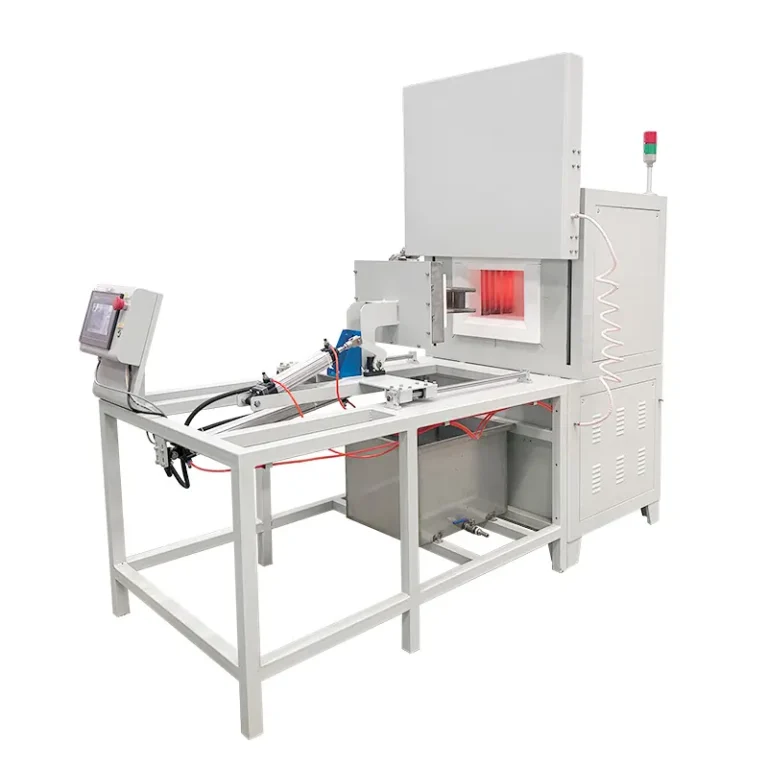
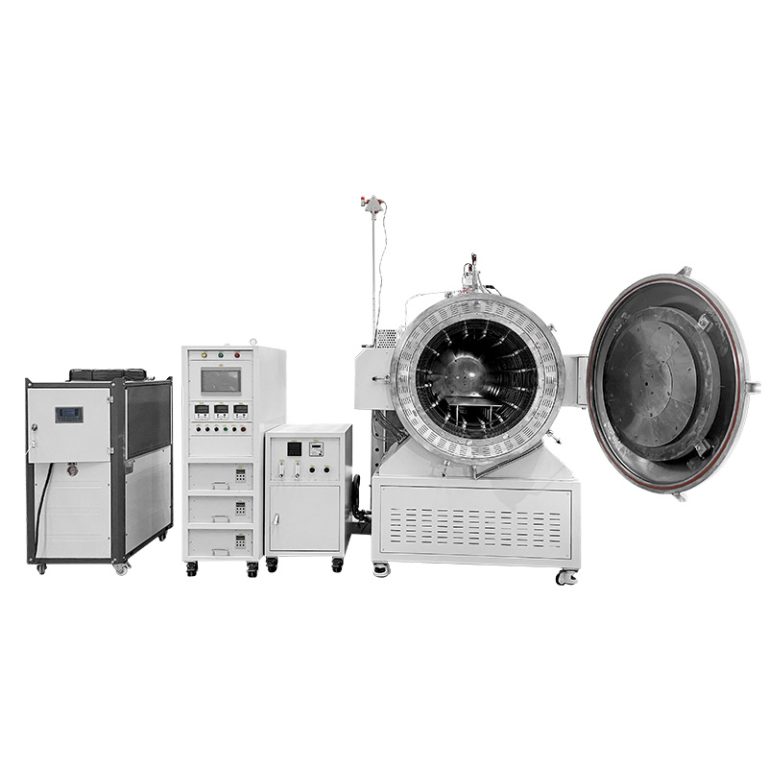
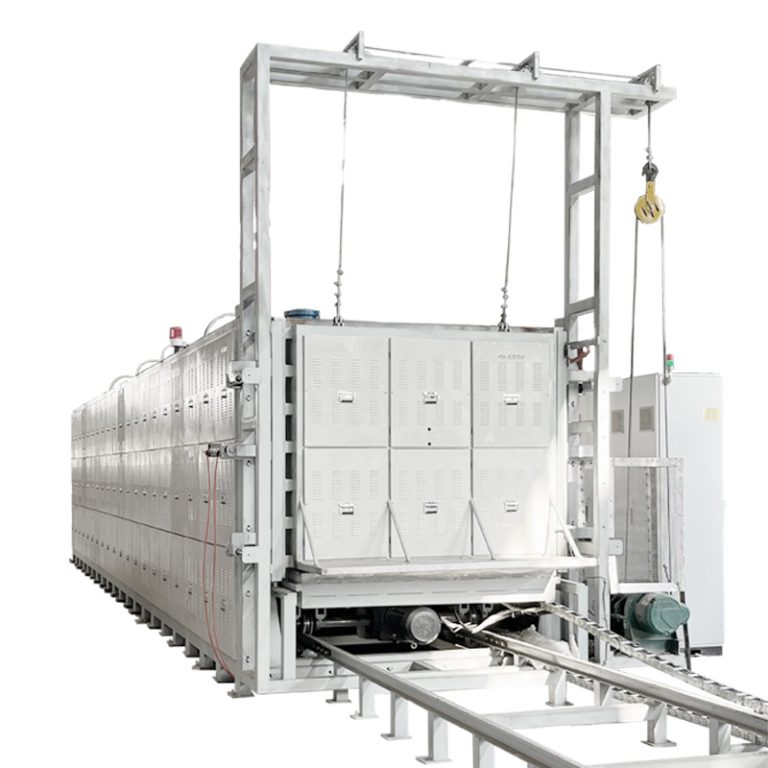
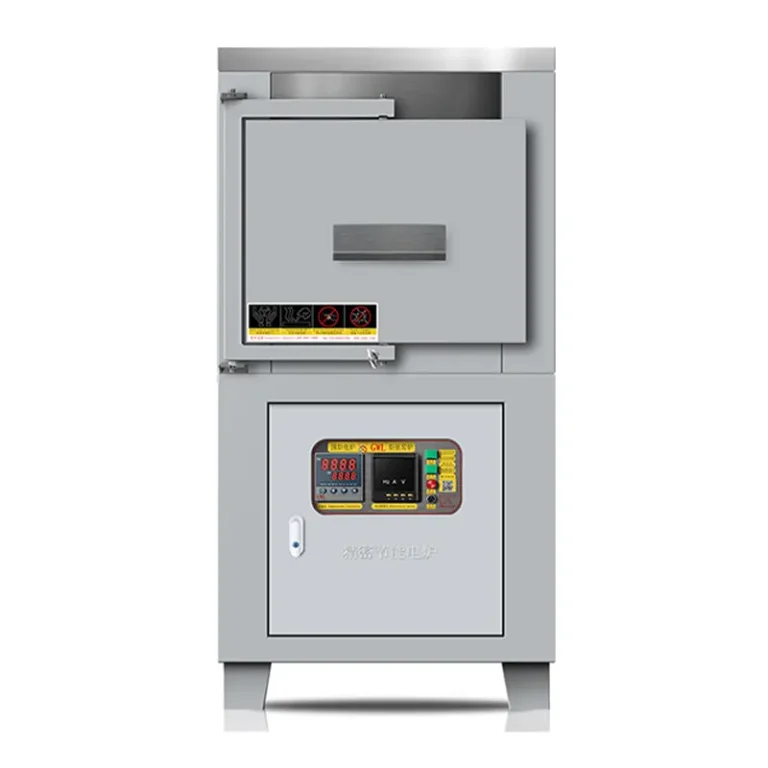
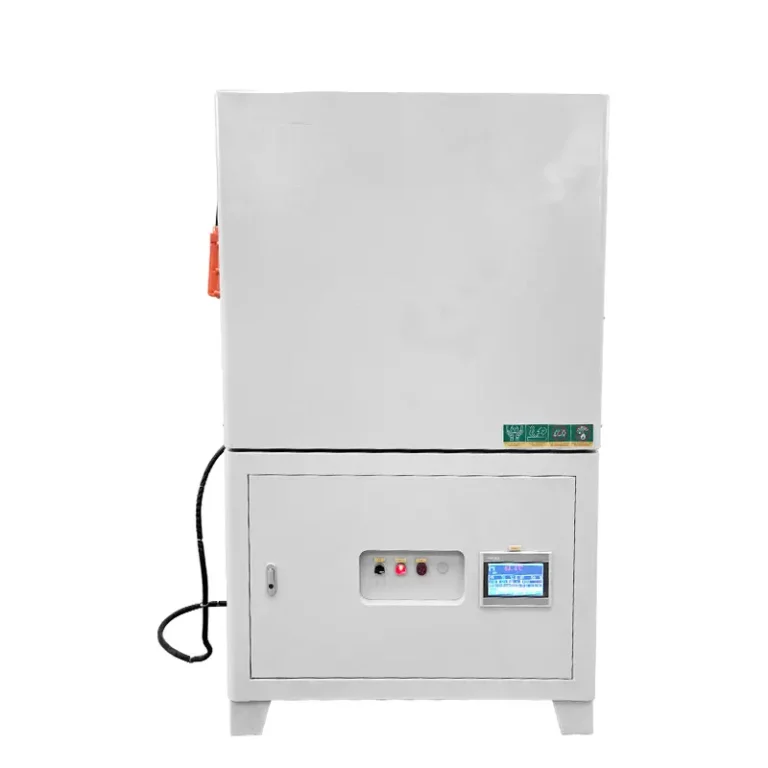
For larger-scale ceramic research, production, or non-chairside applications, high-temperature box furnaces can also be used when their temperature range, uniformity, atmosphere, chamber configuration, and process-control capabilities match the material requirements.
Our high-temperature electric furnaces are designed for ceramic applications including zirconia, alumina, silicon carbide, electronic ceramics, and other advanced ceramic materials.
4.How to Choose a Furnace for Dental Ceramic Sintering
Before purchasing a furnace, check the following specifications.
1. Maximum Temperature
Make sure the furnace’s maximum temperature exceeds the required sintering temperature with an appropriate operating margin.
For zirconia, specialized dental furnaces can operate up to approximately 1600°C, depending on the model.
2. Temperature Accuracy
A furnace should maintain the programmed temperature accurately.
Temperature deviations can affect the thermal history of the ceramic.
Our high-temperature box-furnace specifications include temperature control accuracy of approximately ±1°C, although the appropriate specification for a dental application should be evaluated against the material manufacturer’s requirements.
3. Temperature Uniformity
Temperature uniformity is especially important when processing multiple restorations simultaneously.
A furnace with poor uniformity can expose different restorations to different thermal conditions during the same program.
Our 1400°C box furnace specifies approximately ±5°C furnace temperature uniformity and uses five-sided heating for ceramic applications.
4. Programmable Temperature Curves
A useful high-temperature furnace should allow the operator to program:
- Heating rate
- Temperature stages
- Holding time
- Cooling stages
This is essential when different ceramic materials require different sintering cycles.
5. Furnace Calibration
Temperature calibration should be possible and performed according to the manufacturer’s recommended schedule.
Dedicated dental furnaces may provide calibration functions for maintaining process accuracy over time. Ivoclar’s Programat S2, for example, provides a calibration option.
5.Common Problems During Dental Ceramic Sintering
1: Restoration Cracks
Possible causes include:
- Excessive heating rate
- Residual moisture
- Mechanical damage before firing
- Incorrect support
- Incorrect sintering program
- Thermal shock
Solution: review the complete process rather than changing only the maximum temperature.
2: Incorrect Final Dimensions
Possible causes include:
- Incorrect CAD/CAM shrinkage compensation
- Incorrect sintering temperature
- Incorrect holding time
- Wrong material program
- Furnace calibration problems
Solution: verify the zirconia manufacturer’s sintering program and furnace temperature calibration.
3: Uneven Results Between Batches
Possible causes include:
- Uneven furnace temperature
- Overloading
- Inconsistent restoration placement
- Different batch sizes
- Incorrect program selection
Solution: standardize the loading method and verify furnace temperature uniformity.
4: Surface Defects or Contamination
Possible causes include:
- Dirty sintering tray
- Contaminated support material
- Foreign particles
- Incorrect cleaning
- Incompatible kiln furniture
High-temperature kiln furniture can be important because the support material is directly exposed to the restoration during heating. Our high-temperature ceramic kiln furniture includes alumina/mullite, zirconia, quartz, corundum-mullite, and other materials selected for high-temperature stability and different processing conditions.
6.Important Mistakes to Avoid
Don’t use one program for every zirconia material.
Different zirconia products can have different sintering requirements.
Don’t choose a furnace based only on maximum temperature.
Temperature uniformity, programmable heating/cooling, calibration, chamber design, and process repeatability are equally important.
Don’t overload the sintering tray.
More restorations per cycle does not necessarily mean better production efficiency if it compromises thermal uniformity.
Don’t remove restorations while they are still extremely hot.
Allow the programmed cooling process to finish and follow the material and furnace manufacturer’s handling instructions.
Don’t ignore kiln furniture.
The tray and support material can affect contact marks, contamination, deformation, and dimensional stability.
Don’t change sintering parameters without validation.
If a restoration shows unexpected shrinkage, color, translucency, strength, or fit, investigate the material, furnace calibration, loading, and complete temperature profile before arbitrarily changing the temperature.
III.How Our High-Temperature Furnaces Support Ceramic Sintering
Luoyang Anjing Intelligence Equipment manufactures high-temperature electric furnaces for ceramic sintering, materials research, heat treatment, and industrial applications.
Our furnace range includes box furnaces and other high-temperature furnace configurations designed for applications involving zirconia, alumina, silicon carbide, electronic ceramics, and advanced ceramic materials.
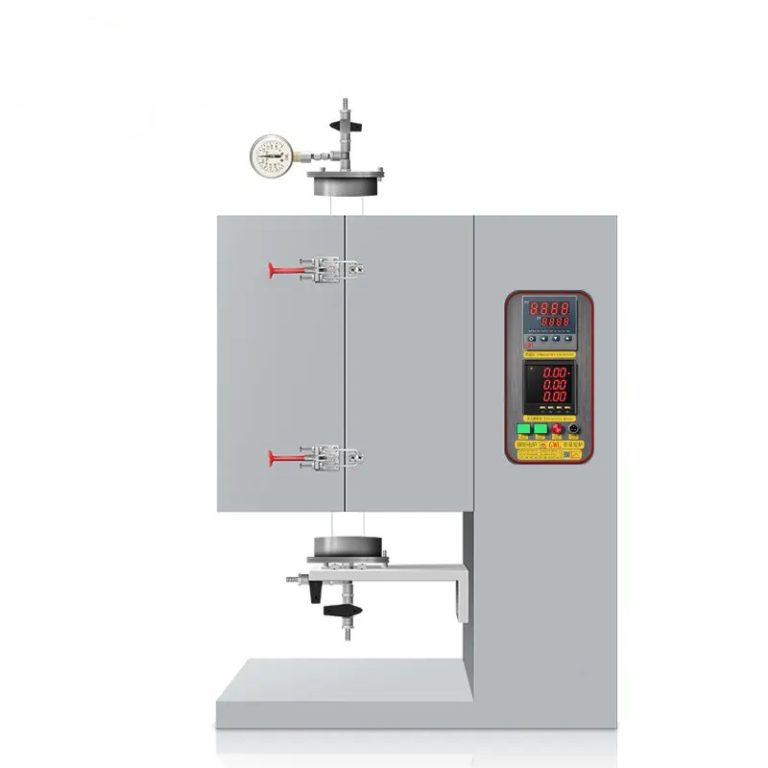
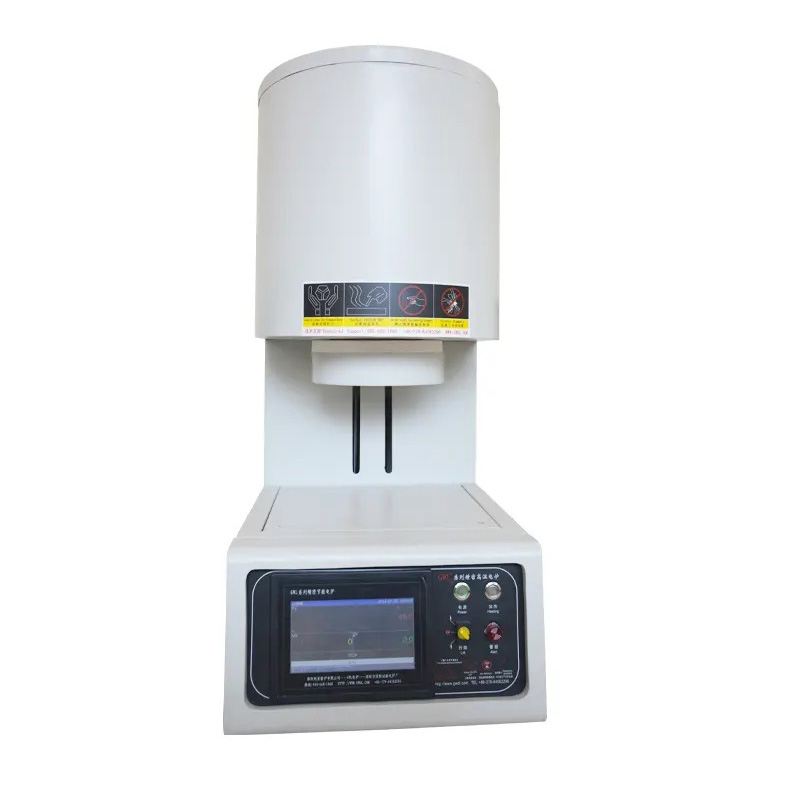
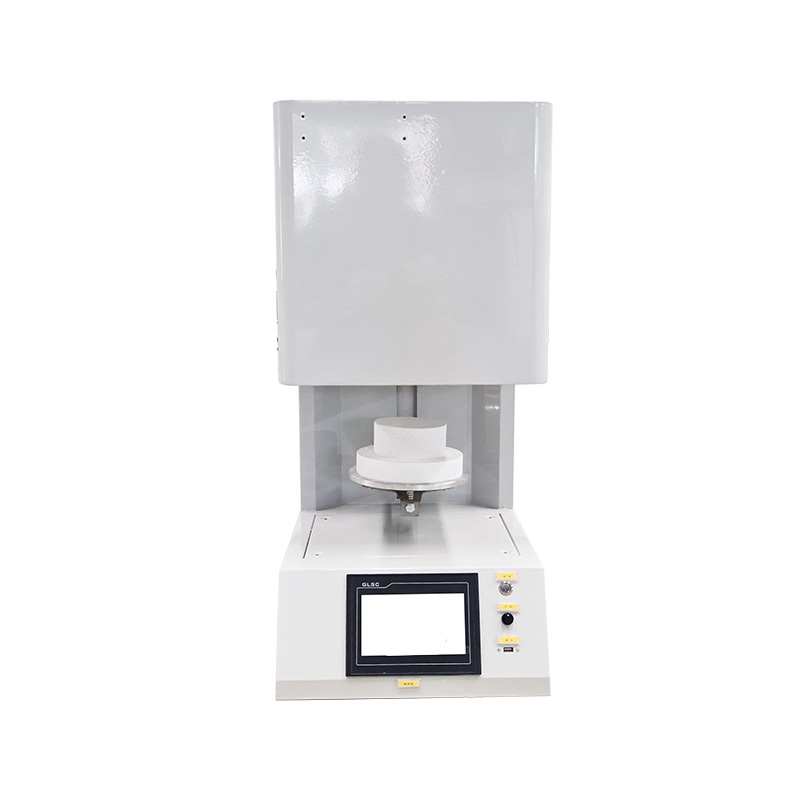
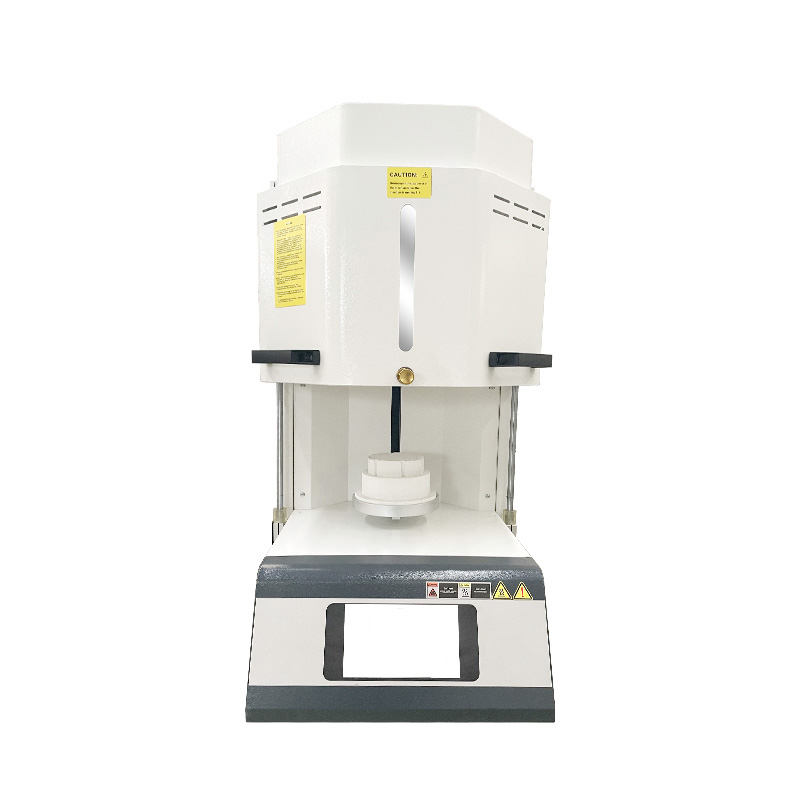
For higher-temperature ceramic applications, our 1600°C elevator furnace is designed for sintering materials including zirconia, alumina, silicon nitride, and silicon carbide.
For specialized zirconia ceramic components, our zirconia ceramic sintering kiln furniture is designed to reduce contact interference and deformation during high-temperature shrinkage.
IV. Conclusion
The general sintering process for dental ceramics involves: preparing the restoration, cleaning, drying, proper furnace loading, programmed heating, high-temperature sintering, controlled cooling, inspection, and final surface treatment. For zirconia in particular, precise control over temperature, heating rate, holding time, cooling rate, and furnace uniformity is critical, as the sintering profile directly determines density, strength, translucency, shrinkage, and final fit.
Do you need a high-temperature furnace for sintering zirconia or advanced ceramics? Send details regarding the material, sintering temperature, chamber dimensions, batch size, heating rate, and atmosphere requirements to our technical team, and we will help you determine the appropriate furnace configuration.
Click “Request a Quote” to get a customized solution.
V. FAQ
1. What are the steps involved in the sintering procedure for dental ceramics?
The process includes: preparation of the restoration, cleaning, drying, furnace loading, programmed heating, reaching the sintering temperature, holding, controlled cooling, and inspection and post-processing.
2. What temperature is used to sinter dental zirconia?
Dental zirconia is typically sintered at high temperatures, with the specific temperature depending on the material and the manufacturer.
3. How long does zirconia dental sintering take?
The duration varies significantly depending on the material, dimensions, heating rate, temperature, holding time, and sintering mode.
4. Why is cooling important after dental zirconia sintering?
Controlled cooling allows the restoration and furnace to pass through the required thermal stages without unnecessary thermal shock. The restoration should not be handled immediately after the heating cycle because it can remain extremely hot.
5. Can an industrial high-temperature furnace be used for dental ceramic sintering?
Provided that temperature, uniformity, control, atmosphere, loading, and processing parameters are all suitably matched, industrial furnaces can be used for the R&D of certain dental materials and the batch processing of ceramics.
Supplier
Luoyang Anjing Intelligent Equipment Co., Ltd. is an enterprise dedicated to the research, development, production, sales, and technical services of heat treatment equipment such as high-temperature electric furnaces. We produce laboratory, vacuum, industrial, and medium frequency furnace, covering a temperature range from -100℃ to 2600℃, serving industries such as new energy, semiconductors, and advanced materials. We can provide customized solutions based on specific atmosphere, ultra-high temperature, and intelligent control system requirements. Please feel free to contact us if you are interested.