Luoyang Anjing Intelligence Equipment are a global leader in high-temperature electric furnaces



1600°C Vacuum Heat Treatment Furnace for Research and Industrial Applications
PRODUCT PARAMETERS
Description
1600°C High-Temperature Vacuum Furnace
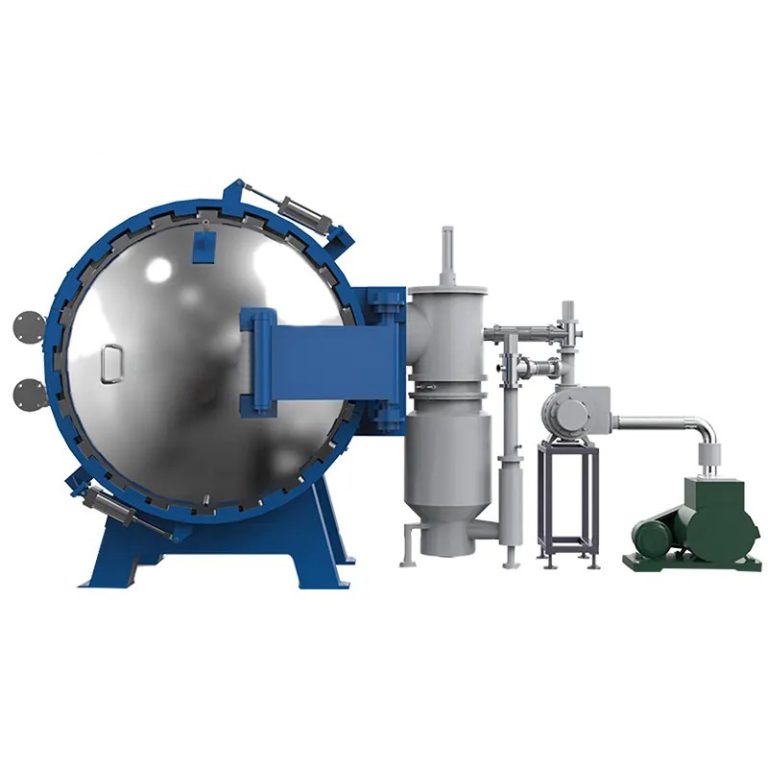
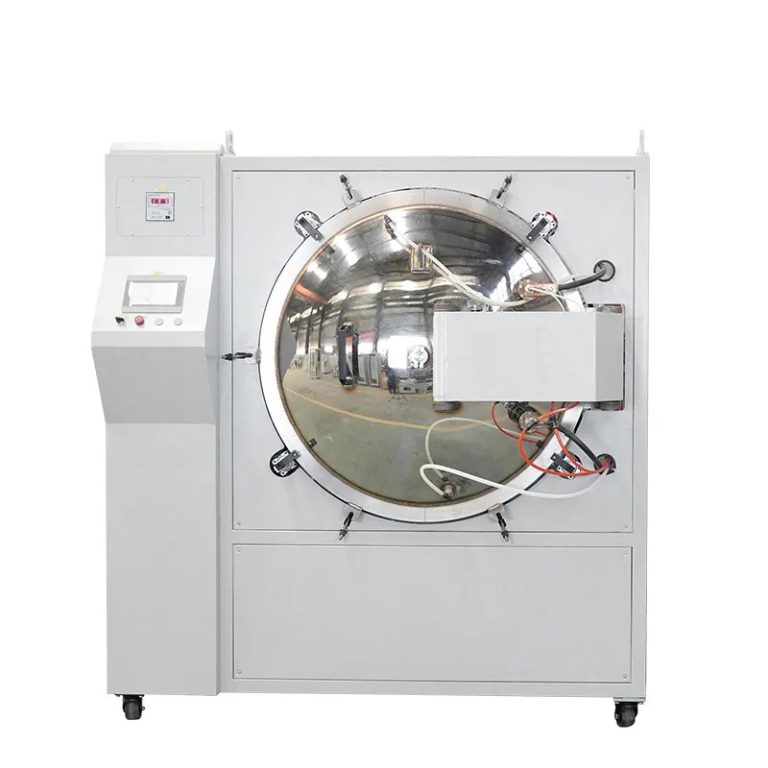
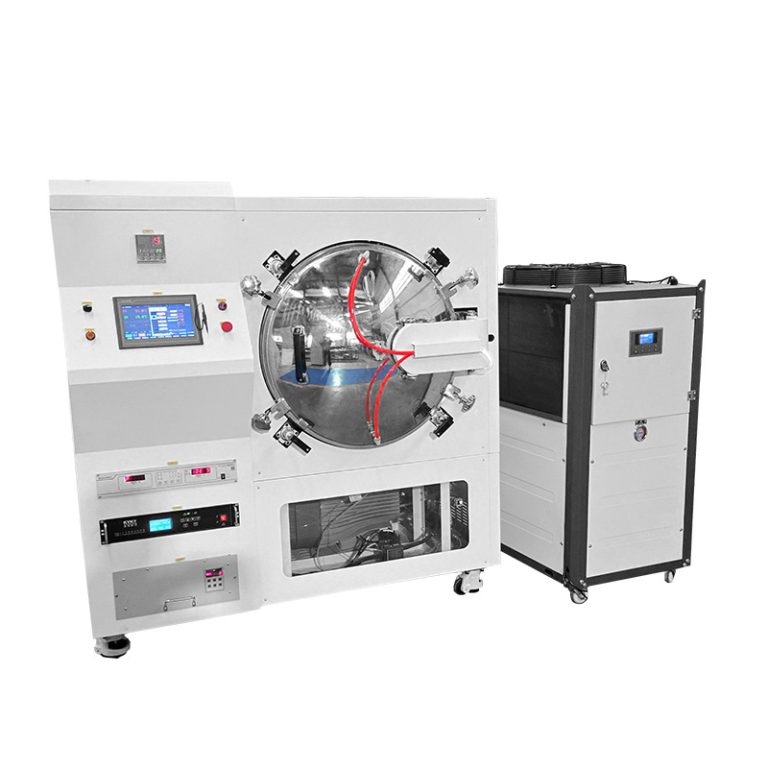
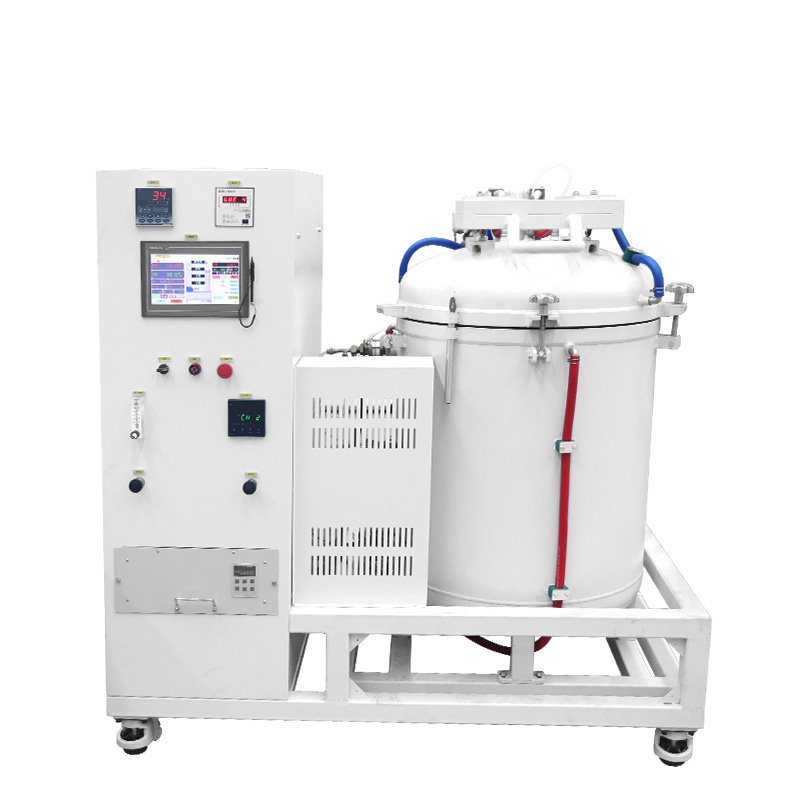
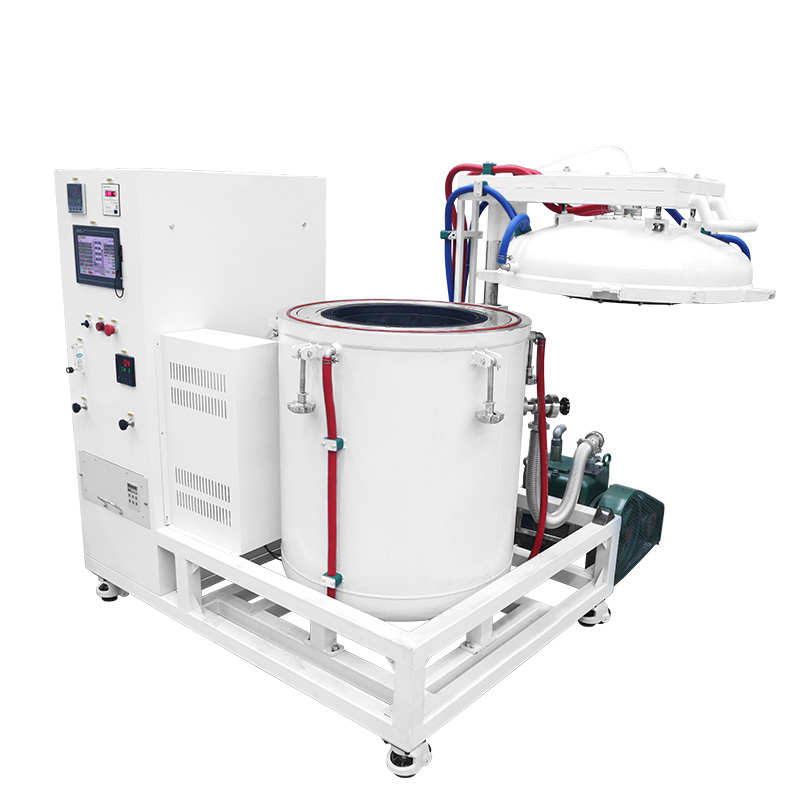
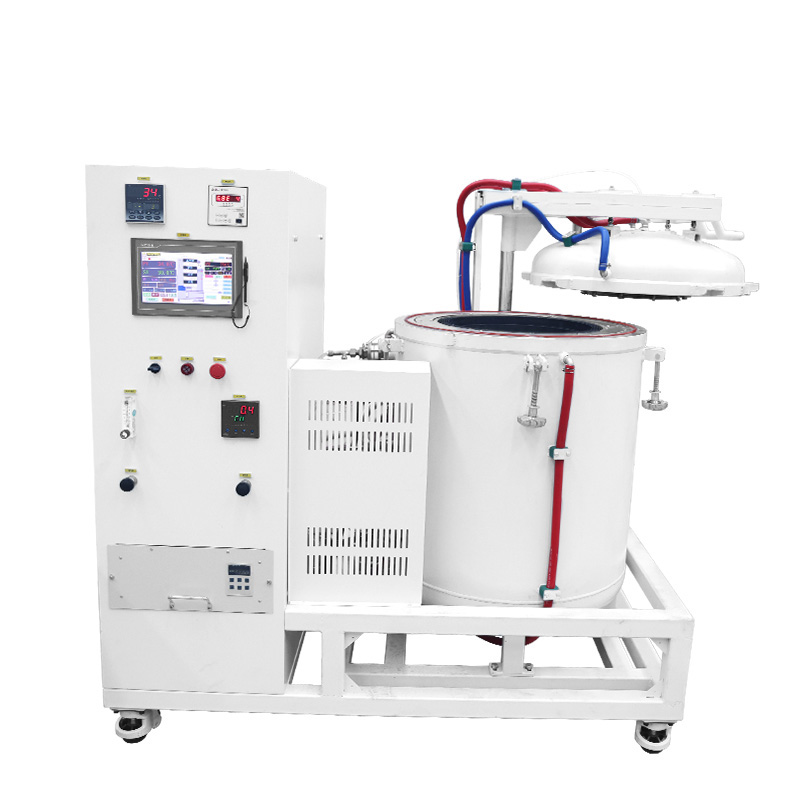
The 1600°C high-temperature vacuum furnace (vertical, top-loading) is a laboratory-scale unit designed for vacuum sintering, atmosphere-protected processing, and high-temperature heat treatment. Featuring a compact, integrated design that combines the furnace body and control cabinet, it is equipped with a molybdenum-lanthanum alloy heating system, a water-cooled vacuum vessel, an intelligent PLC control system, and a hydrogen exhaust combustion system. It enables high-temperature processing across various environments, including vacuum, hydrogen, and inert atmospheres.
The equipment offers an effective working zone of Φ250 × 500 mm and a maximum design temperature of 1600°C. It is suitable for high-temperature vacuum sintering processes involving powder metallurgy, ceramics, metals, and electronic materials, as well as for scientific research and new material development.
Product Features
- Compact vertical top-loading structure; effective working zone: φ250 × 500 mm
Features a vertical top-loading structure with an integrated, compact design combining the control cabinet and furnace body. This laboratory-scale furnace offers a small footprint and ease of operation. The effective working zone measures 250 mm in diameter and 500 mm in height, making it suitable for the vacuum heat treatment of small-to-medium-sized workpieces and materials.
- Molybdenum-lanthanum alloy heating elements; maximum continuous operating temperature: 1500°C
The heating elements are made of molybdenum-lanthanum alloy and arranged in a horizontal ring configuration. They support a maximum continuous operating temperature of 1500°C, with a design maximum of 1600°C. The maximum heating rate is 0–10°C/min, meeting the requirements of high-temperature vacuum heat treatment processes. Heating element connectors also utilize a horizontal ring layout, and insulators are made of 99.5% alumina ceramic.
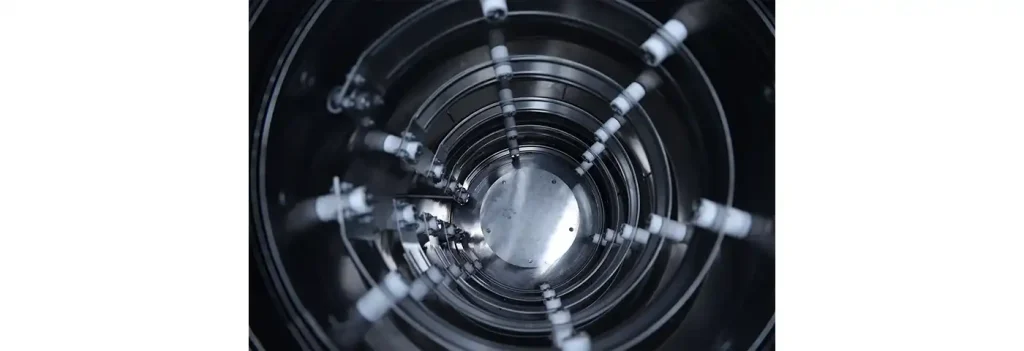
- 4 layers of molybdenum sheet + 3 layers of stainless steel heat shields; excellent thermal insulation
The heat shield assembly consists of four layers of molybdenum sheet (thicknesses: 0.8, 0.5, 0.5, and 0.5 mm) combined with three layers of stainless steel (Grade 310S; thicknesses: 0.5, 0.5, and 0.5 mm). The hot zone lid is integrated with the furnace lid, featuring the same number of layers as the furnace body. The bottom sample platform utilizes molybdenum legs (five legs, 16 mm diameter) and a molybdenum platform (5 mm thick, 230 mm diameter); the hot zone support frame is made of 304 stainless steel.
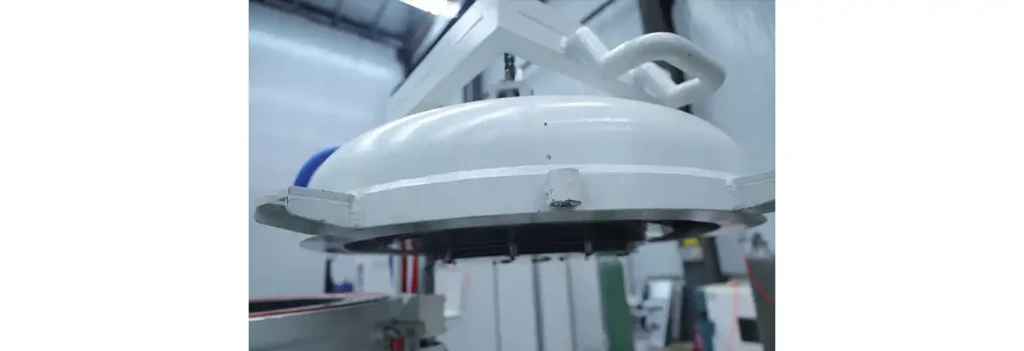
- Double-walled water-cooled vacuum furnace shell; leak rate ≤ 0.67 Pa/h
The vacuum furnace shell features a double-walled, water-cooled structure, with an outer layer of Q235 carbon steel (5 mm thick) and an inner layer of 304 stainless steel (5 mm thick). The top flange and furnace lid flange are both made of forged 304 stainless steel (40 mm thick, milled flat surfaces), with an O-ring installation groove machined into the furnace lid flange. The furnace door features a double-layer structure and utilizes a custom, seamless O-ring made of fluororubber for sealing. The leakage rate is 0.67 Pa/h (average value measured under static conditions after evacuation).
- Nanguang two-stage rotary vane vacuum pump for rapid, stable evacuation
Equipped with a Nanguang 2X-30 two-stage rotary vane vacuum pump featuring an exhaust oil-mist filter. The pump is positioned behind the furnace body and separated from the furnace stand to minimize vibration transmission. Vacuum piping utilizes corrugated bellows, and the vacuum valve is a pneumatic baffle valve (KF40-KF25).
- Hydrogen exhaust combustion system for safe exhaust handling
Equipped with an exhaust combustion system designed for the vertical tube furnace. Hydrogen exhaust gas discharged from the main furnace is piped directly into the ceramic tube from the bottom; upon passing through the high-temperature zone, it mixes with air and ignites. The section of the exhaust pipe entering the heating zone is made of 310S heat-resistant steel, while the tube itself is constructed from 95-alumina ceramic or quartz (inner diameter: 30 mm; heating zone length: 250 mm) and filled with ceramic foam to slow the gas ascent rate. Continuous operating temperature: 800°C; power: 4 kW.
- Siemens PLC + 10-inch MCGS touchscreen for fully automatic operation
The control system utilizes a German Siemens S7-1200 PLC and a 10-inch MCGS touchscreen (supporting remote communication). The touchscreen interface includes sections for system status, parameter settings, temperature settings, and data logging. Temperature control is managed by a Japanese Shimaden FP93 controller, ensuring an accuracy of ±1°C. The IGBT power supply is an integrated unit from Yingjie, featuring alarms for phase loss, power failure, and overcurrent.
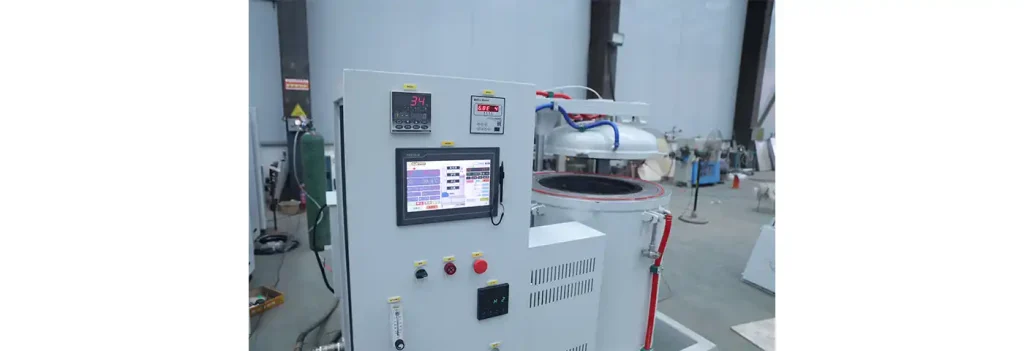
- Fully automatic operation with one-touch start
Users can configure parameters such as vacuum level, hydrogen/nitrogen flow rates, start time, heating profile, hydrogen shut-off time, and exhaust pressure setpoints via the touchscreen. Upon selecting the automatic operation mode, the program executes the following sequence: evacuate to the set vacuum level → fill with hydrogen to the set pressure → heat according to the heating profile → cut off power to the main circuit and allow natural cooling after the heating profile concludes → fill with nitrogen once the temperature drops to room temperature → open the furnace door and remove the samples. Users may also perform these steps manually.
| Category | Parameter |
|---|---|
| Furnace Type | |
| Furnace Type | Vertical type, top-opening. Control cabinet integrated compactly with the furnace body, experimental furnace type |
| Hot Zone | |
| Effective Working Zone Dimensions | Diameter 250mm, Height 500mm |
| Heating Elements | Molybdenum-lanthanum alloy, maximum continuous working temperature: 1500°C, designed maximum temperature 1600°C, arranged in horizontal circular rings. Maximum heating rate: 0-10°C/min |
| Heating Element Connectors | Horizontal circular ring arrangement |
| Insulation Parts | 99.5% alumina ceramic |
| Radiation Shields | 4 layers of molybdenum sheets (thickness 0.8+0.5+0.5+0.5) + 3 layers of stainless steel (grade 310S, thickness 0.5+0.5+0.5) |
| Hot Zone Cover | Integrated with the furnace cover, same number of layers as the barrel body |
| Bottom Sample Stage | Molybdenum support legs, diameter 16, quantity 5. Molybdenum sample stage thickness 5mm, diameter 230mm |
| Hot Zone Fixing Frame | 304 stainless steel frame |
| Vacuum Furnace Shell | |
| Vacuum Furnace Shell | Double-layer water-cooled structure, outer layer Q235 carbon steel (thickness 5mm), inner layer 304 stainless steel (thickness 5mm) |
| Bottom Head | Double-layer structure, welded |
| Top Flange | Forged material, grade 304, thickness 40mm, milling process |
| Furnace Cover Flange | Forged material, grade 304, thickness 40mm, milling process, with O-ring installation groove |
| Furnace Door | Double-layer structure, outer layer Q235 carbon steel (thickness 5mm), inner layer 304 stainless steel (thickness 5mm) |
| Lifting Device | At the rear side of the furnace body, powered by motor + reducer + screw, lifting shaft material 45# steel, diameter 50mm, equipped with 2 sliding bearings |
| Door Sealing Ring | Custom O-ring fluoro-rubber sealing ring, seamless |
| Locking Handwheels | 4 pcs, positions should avoid cooling water pipe connectors, convenient for opening and closing |
| Thermocouple Hole | 304 threaded tube, located on the side of the furnace body, knurled nut tightened manually |
| Vacuum Pumping Hole | 304 KF flange located on the side of the furnace body, diameter KF40, equipped with standard size O-ring silicone rubber sealing ring |
| Electrode Holes | Located on the side of the furnace body, quantity: 2, 304 stainless steel flange. Outer port milled flat, equipped with multi-layer stainless steel flat flange + insulating rubber block flat flange + standard size O-ring silicone rubber sealing ring. All flanges should be of consistent specifications. The angle between the electrode installation pipe and the furnace body is 90 degrees, with a deviation of no more than ±1 degree |
| Gas Inlet Holes | 2 pcs, 304 material KF flange, hydrogen gas inlet located at the bottom side of the furnace body, inert gas inlet located at the top side of the furnace body. Equipped with standard size O-ring silicone rubber sealing rings and clamps |
| Gas Exhaust Hole | 1 pc, located on the top cover, position to be confirmed. Equipped with standard size O-ring silicone rubber sealing ring and clamp |
| Pointer Bidirectional Pressure Alarm Gauge Hole / Pressure Transmitter Hole / Vacuum Gauge Hole / Balance Pressure Relief/Intake Needle Valve Installation Hole | 1 pc each, 4 holes share one hole on the shell, equipped with standard size O-ring silicone rubber sealing rings and clamps |
| Water Cooling Connectors | Furnace door, furnace body, water-cooled electrodes. 304 material, connectors should have a certain thickness to ensure that the water cooling pipe cannot puncture the PTFE gasket when tightened |
| Safety Valve Interface | Located on the furnace cover, interface KF25. Equipped with standard size KF flange, O-ring silicone rubber sealing ring and clamp |
| Leak Rate Index | 0.67Pa/h. Static measurement average value after vacuum pumping |
| Furnace Body Support | |
| Composition | Q235 square steel, channel steel, angle iron, ensuring structural stability |
| Bottom Feet | 6 support feet |
| Coating | Color white, powder coating |
| Appearance Requirements | Beautiful, neat, compact. All painted surfaces free of paint omissions and rust spots, all plate edges free of burrs |
| Vacuum System | |
| Vacuum Pump | Nanguang 2X-30 double-stage rotary vane vacuum pump, with outlet oil-gas filtration. Placed at the rear side of the furnace body, not on the furnace support, placed separately |
| Vacuum Pipeline | Vacuum bellows |
| Vacuum Valve | Pneumatic butterfly valve, KF40-KF25 |
| Tail Gas Combustion System | |
| Type | Vertical tube furnace |
| Working Principle | The hydrogen tail gas discharged from the main furnace enters the ceramic tube directly from the bottom of the vertical tube furnace through the pipeline, and is ignited after mixing with air when passing through the high-temperature section of the tube |
| Tail Gas Pipe | The tail gas pipe section entering the heating zone should be 310S heat-resistant steel |
| Heating Element | Silicon carbide rods |
| Control Method | Temperature controller + thyristor + K-type thermocouple. Does not participate in the automatic operation function of the main furnace |
| Tube Material and Dimensions | 95 alumina ceramic or quartz, inner diameter 30mm, heating zone length 250mm, internally filled with foam ceramics to slow down the gas rising rate |
| Continuous Working Temperature | 800°C |
| Power | 4KW |
| Control Cabinet | |
| Shell | Carbon steel shell, powder coating |
| Panel Components | Temperature controller, water temperature gauge, voltmeter, ammeter, touch screen, emergency stop button, control power switch, manual power adjustment knob, heating circuit button, pump start/stop button, vacuum valve button. Please supplement if there are any inconsistencies or others |
| Power Supply Type | 380V, 3-phase 5-wire, 50Hz |
| Rated Power | 65kW |
| Maximum Heating Power | 30-40kW |
| Control System Main Circuit | |
| Main Circuit Breaker | Schneider brand, 160A 3P molded case |
| Main Heating Contactor | Schneider brand, 125A 3P molded case |
| IGBT Power Supply | Yingjie, integrated type, with phase loss, power failure, overcurrent alarm and other functions |
| Copper Busbar | T2 copper busbar, neat arrangement |
| Water-Cooled Electrodes | T2 pure copper hollow tube, outer sleeve 304 stainless steel water-cooling device, quantity 2 |
| Temperature Controller | Japan Shimaden FP93, temperature control accuracy ±1°C, 1 unit |
| PLC | German Siemens S7-1200, 1 unit |
| Touch Screen | Kunlun Tongtai 10-inch, with remote communication, 1 unit. The touch screen is divided into status interface, parameter setting interface, temperature setting interface, and record interface |
| Control System Control Part | |
| Temperature Control Thermocouple | Single-core tungsten-rhenium thermocouple, designed range 0-1800, 1 pc |
| Pressure Transmitter | 0 to 0.2MPa range, furnace pressure -100~100KPA, water pressure 0-1000KPA, gas pressure 0-1000KPA |
| Vacuum Gauge | Ruibao resistance vacuum gauge, with 485 communication. With separate display panel and touch screen display |
| Gas Inlet | Hydrogen path: manual valve + hydrogen-specific mass flow meter + solenoid valve 20SLM; Inert atmosphere path: manual valve + float flow meter + solenoid valve 40SLM |
| Gas Exhaust | Solenoid valve + check valve + manual valve |
| Environmental Hydrogen Concentration Detector | Installed beside the furnace body. When the hydrogen concentration in the environment is detected to be greater than the specified value, it triggers the hydrogen leakage alarm and interlock function |
| Other Electrical Components | Contactors, solenoid valves, intermediate relays, buttons, etc. all adopt domestic first-line high-quality brands |
| Safety Part | |
| Water Temperature Thermocouple | 1 pc, located on the water outlet manifold, equipped with standard size O-ring silicone rubber sealing ring |
| Electrical Signal Water Pressure Pointer Gauge | 1 pc, located on the water inlet manifold |
| Electrical Signal Pressure Pointer Gauge | 1 pc, located on the furnace body |
| Pressure Relief or Air Intake Balance Valve | 1 pc, stainless steel needle valve, located on the furnace body |
| Water Cooling Part | |
| Closed Water Cooling Equipment | Provided by the customer |
| Water Cooling Pipe | Steel-wire-free high-pressure rubber material. Water cooling pipes that need to rotate, such as on the furnace cover, should be left with sufficient length and fixed at the middle section to avoid loosening and water leakage caused by opening and closing the door |
| Water Manifold | 304 stainless steel material, water inlet outer diameter and water outlet outer diameter 1 inch |
| Branch Valves | Ball valves |
| Fully Automatic Function | |
| User-Settable Parameters | 1. Vacuum degree; 2. Hydrogen/nitrogen flow rate, opening time; 3. Heating curve; 4. Hydrogen closing time; 5. Exhaust pressure value |
| Automatic Operation Steps | After setting, the user clicks the automatic operation on the touch screen, and the program will automatically run according to the following steps: 1. Start vacuum pumping to the user-specified vacuum degree; 2. After reaching the specified vacuum degree, start hydrogen filling, and start heating after reaching the specified pressure; 3. Heat according to the set heating curve. After the last segment of the temperature curve ends, the main circuit is powered off and natural cooling begins; 4. After the temperature drops to room temperature, fill with nitrogen, and finally open the furnace door to take out the sample. Users can also manually perform the above steps according to their own needs |
| Safety Interlock Function Description | |
| Heating Part | Phase loss alarm, overcurrent alarm, thermocouple disconnection alarm, overtemperature alarm |
| Cooling Water Part | Return water overtemperature alarm, abnormal pressure alarm |
| Vacuum Part | Pump overheating alarm, leak test after vacuum pumping, abnormal leakage alarm |
| Gas Pressure Part | Overpressure alarm |
| Hydrogen Part | Alarm when environmental detection exceeds the specified concentration value, stop hydrogen gas from entering |
| Power Failure Situation | Pressure differential valve closes. For short-time power failure, the furnace should be in a program pause state, and the original program can continue to run after power recovery; for long-time power failure, the program will automatically terminate and save the operation data |
Application Areas
- High-temperature vacuum heat treatment: Suitable for vacuum quenching, annealing, tempering, and other heat treatment processes for metal materials such as tool steels, die steels, and high-speed steels.
- Vacuum brazing: Suitable for vacuum brazing processes for aerospace components and precision assemblies.
- Powder metallurgy: Suitable for vacuum sintering and forming of metal and alloy powders.
- New material R&D: Suitable for research into vacuum sintering and heat treatment processes for new materials such as advanced ceramics, composites, and superalloys.
- Hydrogen atmosphere heat treatment: Suitable for heat treatment processes requiring a hydrogen reducing atmosphere.
- Universities and research institutes: Suitable for experimental teaching and research projects in fields such as materials science and engineering, and metallurgical engineering.
Company Profile
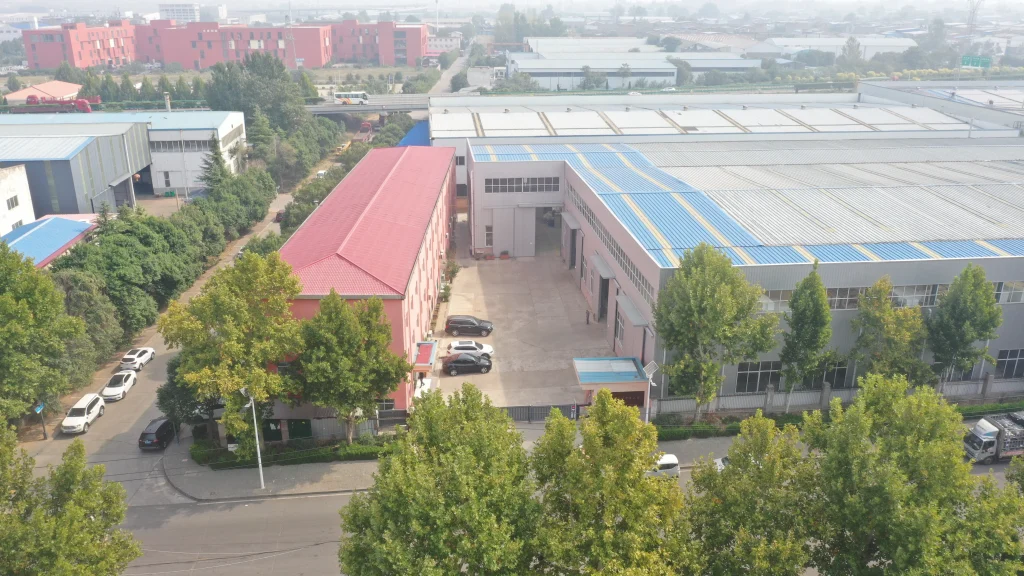
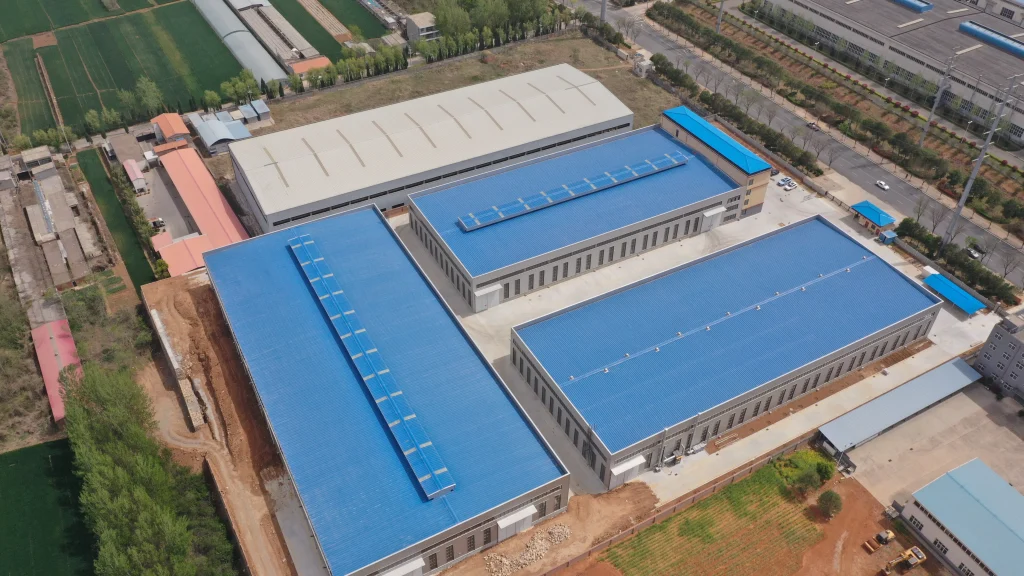
A professional enterprise specializing in heat treatment technology services and the R&D, manufacturing, and sales of high-temperature electric furnaces.
The company focuses on developing high-temperature electric furnaces covering a full temperature range of -100℃ to 2600℃. Its products include experimental electric furnaces, vacuum atmosphere furnaces, industrial kilns, and medium-frequency induction heating equipment. Main products include box furnaces, tube furnaces, lifting furnaces, pusher kilns, bogie furnaces, rotary kilns, tunnel kilns, and various specialized medium-frequency furnaces.
The company adheres to technological innovation and has passed ISO9001 and EU CE certifications. It owns 21 registered trademarks, 29 patents, and 27 software copyrights.
Payment Methods
TT
Shipment Methods
The electric furnace is packaged in three layers: first wrapped in foam paper, then wrapped in plastic film, and finally packed in a wooden crate.
Frequently Asked Questions (FAQ)
- What is the maximum temperature of the 1600°C vacuum furnace?
The equipment has a maximum design temperature of 1600°C and utilizes molybdenum-lanthanum alloy heating elements; the maximum continuous operating temperature is approximately 1500°C.
- What gases can be introduced into the vacuum furnace?
The equipment supports inert and protective atmospheres, such as hydrogen, nitrogen, and argon; the appropriate gas can be selected based on specific material processing requirements.
- What are the effective working dimensions of the furnace chamber?
The effective working zone measures 250 mm in diameter and 500 mm in height. It is equipped with a molybdenum sample stage at the bottom and is suitable for laboratory-scale material sintering.
- Does the equipment support automatic operation programs?
Yes. Users can configure parameters—such as vacuum level, gas flow rate, heating profile, and hydrogen shut-off time—via the touchscreen to execute a complete automated process, including vacuuming, gas filling, heating, and cooling.
- What safety measures are in place for hydrogen usage?
The equipment is equipped with an ambient hydrogen concentration detector; if a hydrogen leak exceeding the set threshold is detected, an alarm triggers and the hydrogen supply is automatically cut off. Additionally, an exhaust gas combustion system is included to enhance operational safety.