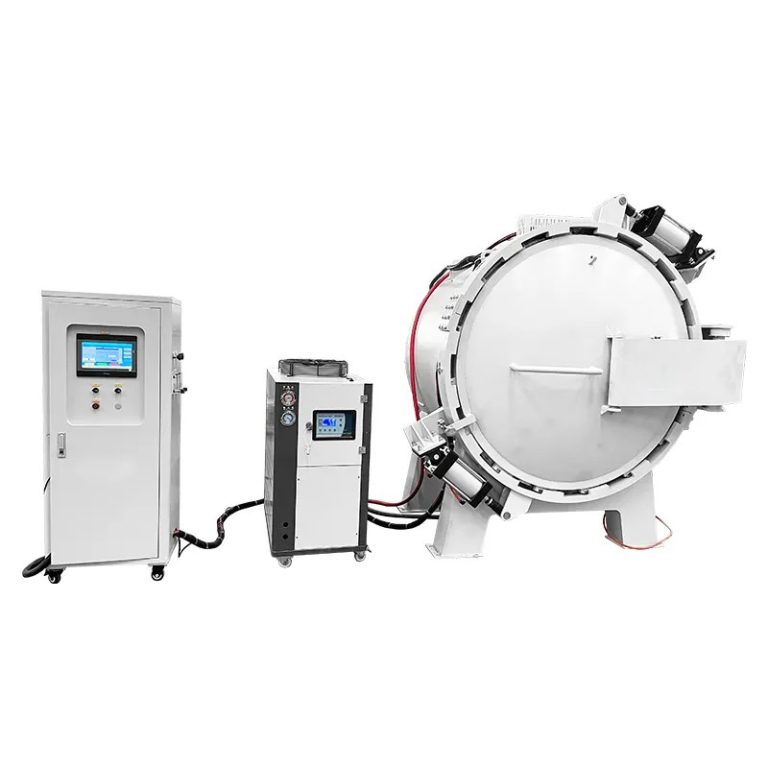
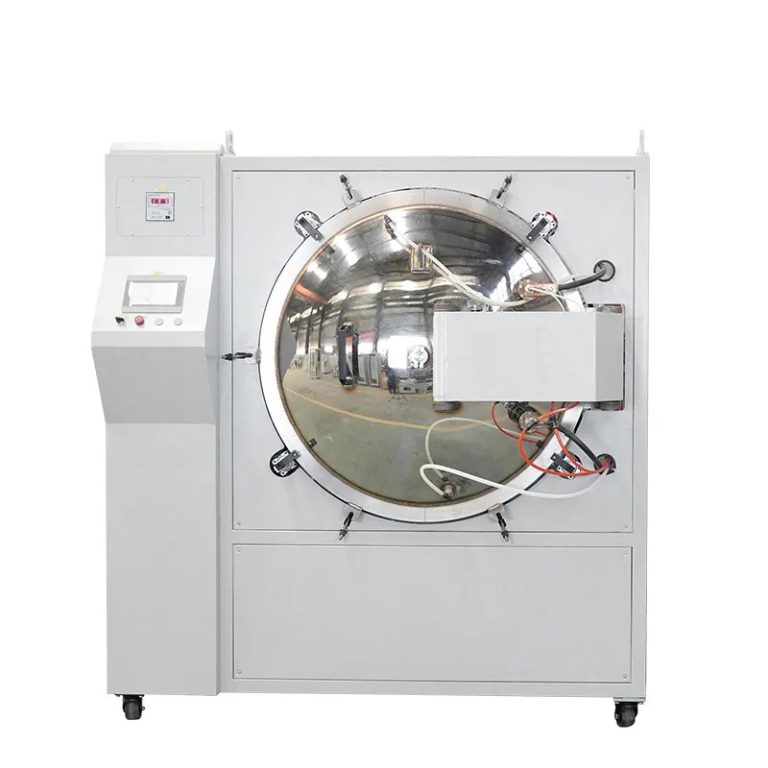
Luoyang Anjing Intelligence Equipment are a global leader in high-temperature electric furnaces



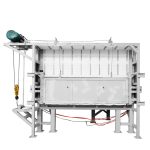
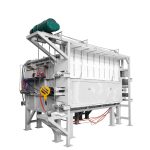
1500°C High Temperature Horizontal Hydrogen Atmosphere Furnace
PRODUCT PARAMETERS
Description
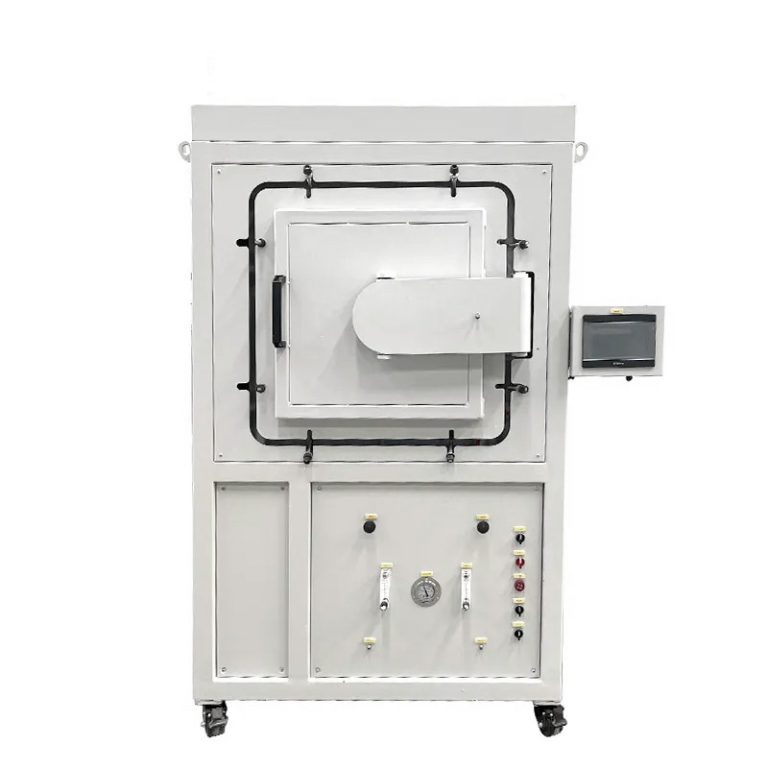
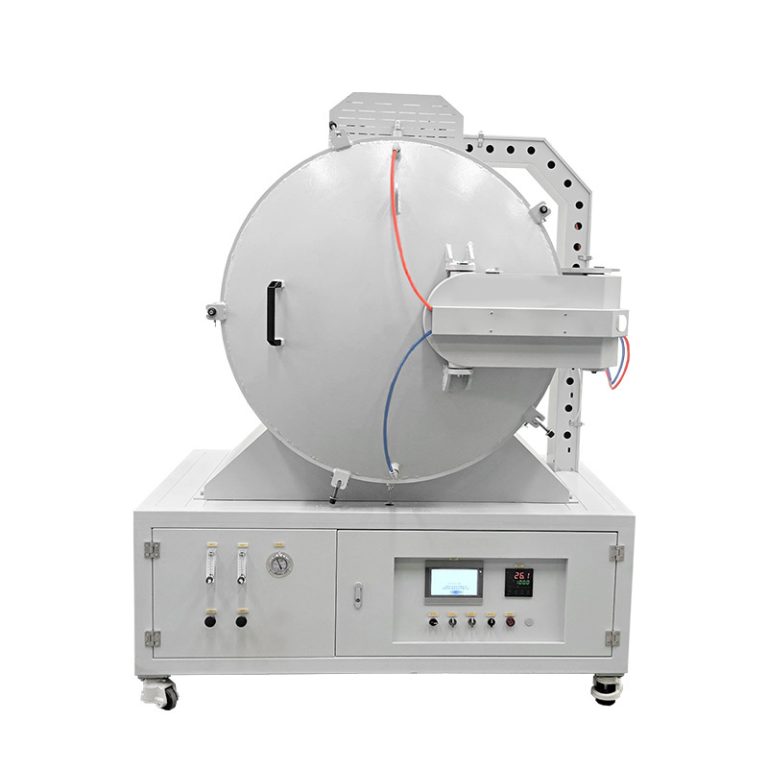
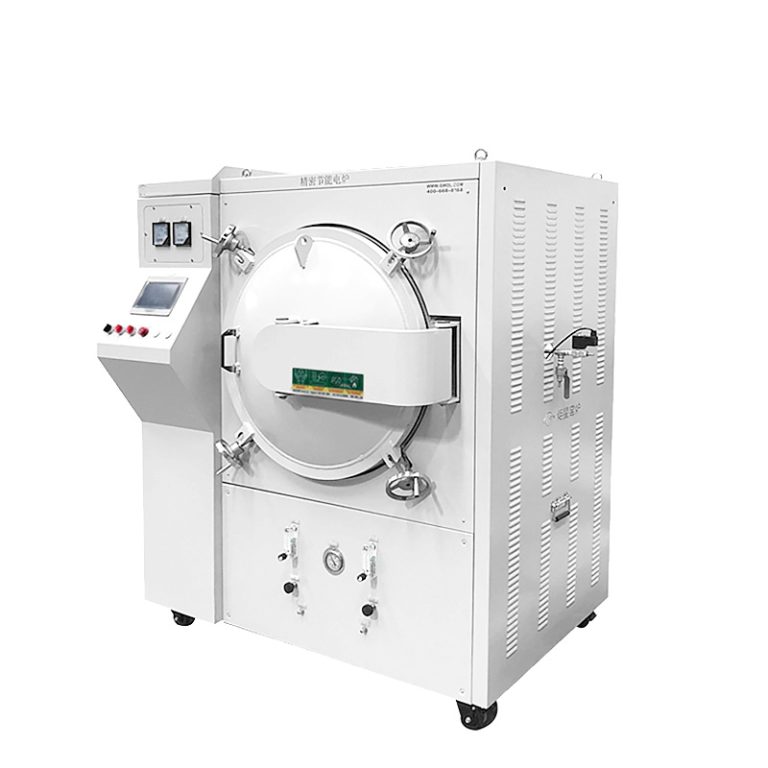
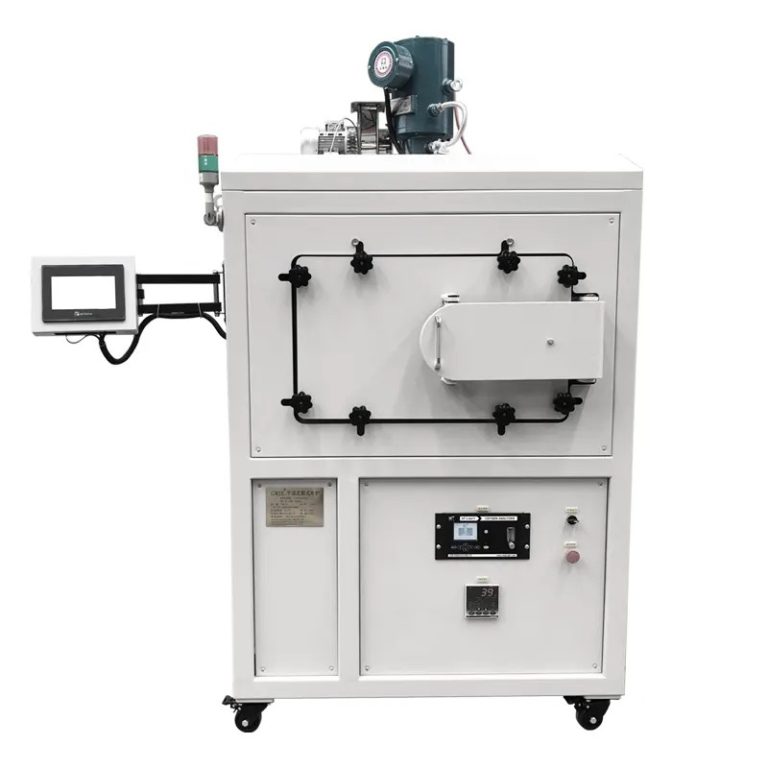
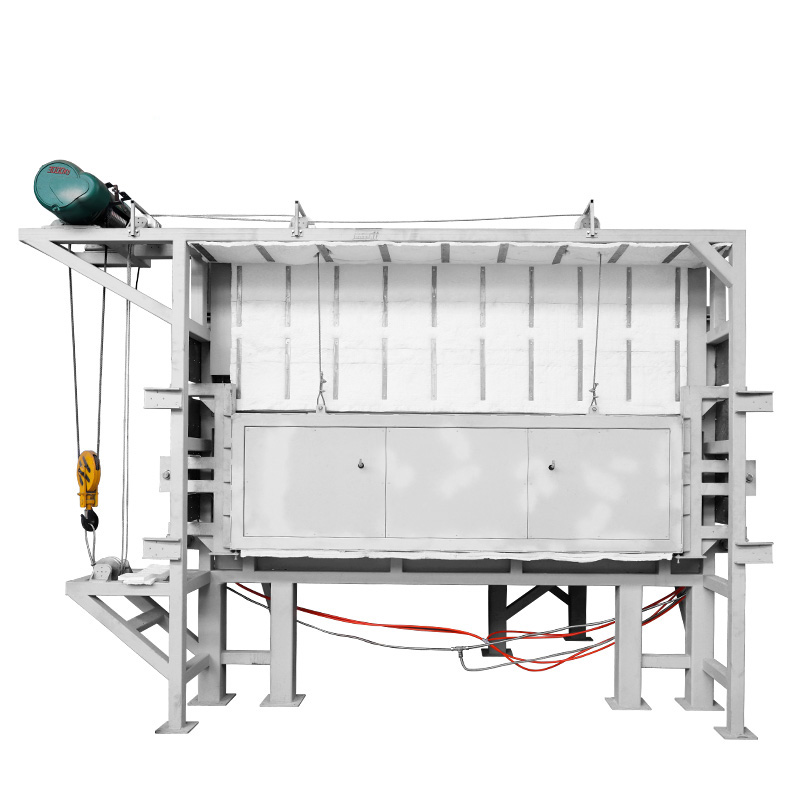
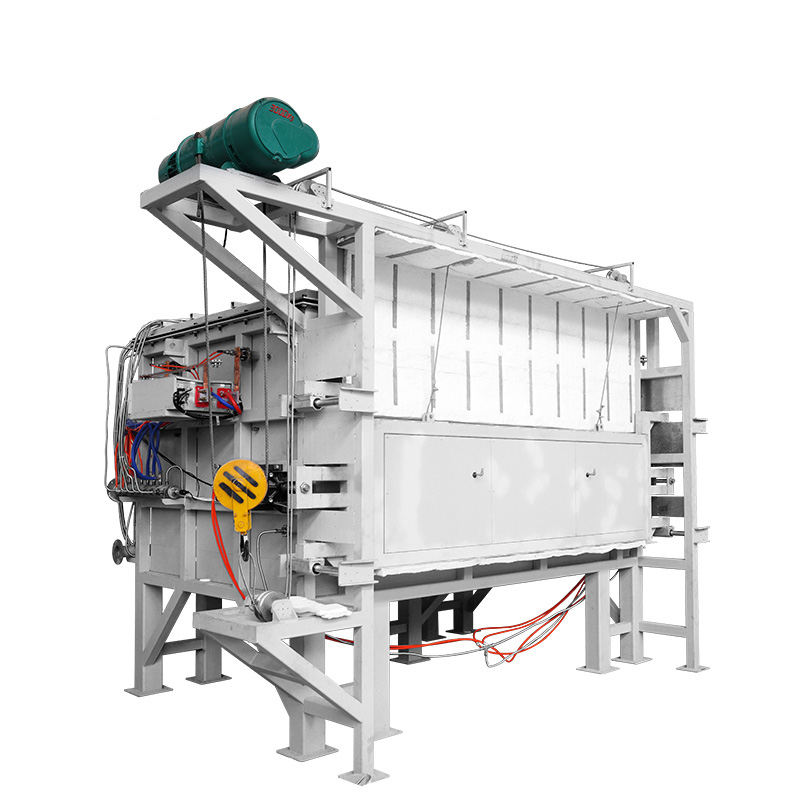
1500°C High-Temperature Horizontal Hydrogen Atmosphere Electric Furnace
This 1,500°C horizontal hydrogen furnace is primarily designed for sintering—capable of processing both alloys and non-metallic materials—and operates using either a hydrogen or argon atmosphere. Featuring a horizontal single-chamber design, it comes fully equipped with water cooling, gas charging/purging capabilities, pneumatic systems, and automatic PLC control. It offers independent temperature control across multiple zones, programmable heating cycles, and adjustable atmospheric conditions, making it suitable for both high-temperature sintering and industrial R&D applications.
Product Features
- Horizontal single-chamber structure for large-format plate hydrogen sintering
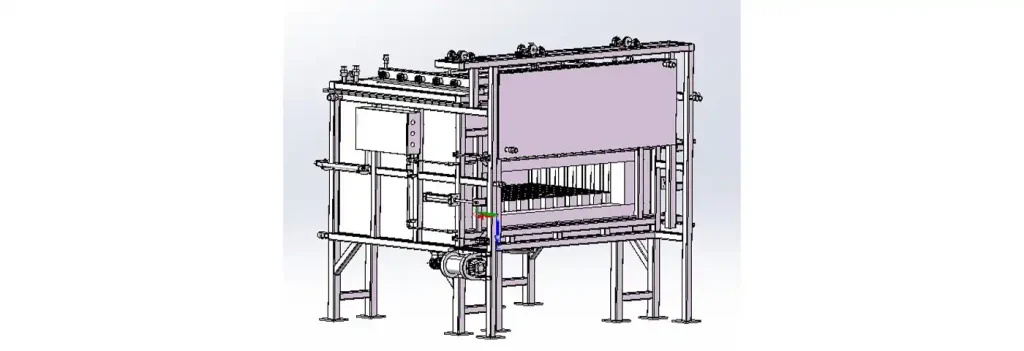
Features a horizontal single-chamber design comprising the furnace body, door, support frame, and heating chamber. Working dimensions: W900 × L2000 × H300 mm (plate dimensions: W900 × L2400 × H90 mm); effective working zone: W1300 × L2400 × H150 mm (±10°C, no-load).

- Three independent temperature control zones for excellent uniformity
Equipped with three independent temperature control zones: one for the sides, one for the bottom, and one for the top. Uses Type C thermocouples for temperature control, recording, and over-temperature alarms; thermocouples feature armored sheathing to prevent oxidation and carburization.
- High-purity molybdenum rod heating; compatible with hydrogen and argon atmospheres
Heating is provided by high-purity molybdenum rods (supplied by the purchaser) installed on the sides, top, and bottom of the furnace chamber to create a three-dimensional heating field. Supports argon and hydrogen atmospheres, meeting requirements for both hydrogen sintering and argon-protected sintering processes.
- Comprehensive water-cooling system with automatic protection against water supply failure
The inner walls of the furnace body and door feature sealed welding, while the outer walls utilize welded water-cooled carbon steel piping. The water-cooling system includes stainless steel shut-off valves, water inlets, a drainage tank, and electric contact pressure gauges. The drain line is equipped with overpressure protection; in the event of a water supply failure, the system triggers an audible-visual alarm and interlock mechanism while activating an emergency cooling water supply.
- Precision gas-filling control and hydrogen safety protection
The gas-filling system consists of shut-off valves, gas manifolds, solenoid valves, fine-adjustment valves, and electric contact pressure gauges, allowing for precise control of the furnace atmosphere and pressure during the heating process. The gas supply lines are equipped with six flow meters (0–50 L/min range). Six gas inlets are distributed across the upper sections of both sides of the furnace body. A hydrogen gas curtain is positioned at the furnace opening, with the gas curtain flow controlled by a full-port solenoid valve. Two rupture discs are installed at the bottom of the furnace body to ensure safety during hydrogen operation.
- Siemens PLC + Yudian temperature control instrumentation; high level of automation
The electrical control system consists of two main components: a temperature program control system (comprising SCR voltage regulators and intelligent instruments) and a mechanical operation program control system (based on a programmable logic controller). Temperature control is managed by three Yudian 858P units, achieving a control precision of ±1–2°C. The PLC system utilizes a Siemens S7-200 CPU with expansion modules to handle logic control—including atmosphere management, valve operation, interlocking, and heating—as well as various alarm and safety interlock functions. The control cabinet features a mimic panel that provides a visual display of the furnace’s operating status and includes a self-diagnostic function for fault detection.
| Category | Parameter |
|---|---|
| Main Technical Parameters | |
| Working Dimensions | W900×L2000×H300mm (Plate dimensions: W900×L2400×H90mm) |
| Effective Working Zone | W1300×L2400×H150mm (±10°C, no-load) |
| Charging Capacity | — |
| Maximum Temperature | 1550°C |
| Working Temperature | 1500°C |
| Temperature Control Accuracy | ±1-2°C |
| Heating Rate | No-load heating to 1500°C in no more than 120 minutes |
| Atmosphere | Argon/Hydrogen |
| Standard Structure and Features | |
| 3.1 Furnace Main Body | |
| Furnace Main Body | The atmosphere furnace main body is of horizontal, single-chamber structure, composed of furnace body, furnace door, furnace frame, heating chamber, etc. |
| 3.1.1 Furnace Body and Furnace Door | |
| Furnace Body and Furnace Door | The inner walls of the furnace body and furnace door are made by sealed welding process, and the outer walls are welded from water-cooled carbon steel pipes |
| Center of Furnace Top Cover | Equipped with one ½” NPT female port for user standby |
| Center of Furnace Door | Equipped with one ½” NPT female port for user standby |
| Gas Inlets | There are 6 gas inlets on the upper part of the furnace body, distributed on both upper sides, with a hydrogen gas curtain at the furnace opening |
| Gas Outlet | Distributed at the bottom of the furnace body, collected and discharged from the upper outside of the furnace body |
| Furnace Door Control Panel | An emergency button for the furnace door lifting mechanism is installed on the furnace door control panel |
| Bottom | Two rupture discs are designed at the bottom |
| 3.1.3 Heating Chamber, Heating Elements and Insulating Elements | |
| Heating Chamber and Heating Elements | The heating chamber uses high-purity molybdenum rods, provided by the buyer. Installed on both sides and top and bottom of the furnace chamber |
| 3.2 Temperature Control Points | |
| Temperature Control Points | There are three sets of independent temperature control units: one set for both sides, one set for the bottom, and one set for the top |
| 3.3 Water Cooling System | |
| Water Cooling System | Composed of stainless steel stop valves, water inlet, drainage tank, water pressure electrical contact pressure gauge, etc. The water inlet and outlet are provided with connecting flanges, and only need to be connected to the user’s circulating water system interface |
| Drainage Pipe | Equipped with overpressure protection equipment. In case of water outage, there are audible and visual alarms and interlocking devices, and emergency cooling water is opened |
| 3.4 Gas Charging System | |
| Gas Charging System | Composed of gas charging stop valve, gas collection manifold, solenoid valve, fine adjustment valve, electrical contact pressure gauge, etc. This system can be used to control the furnace atmosphere and pressure during the heating process |
| Gas Charging System Pipeline | Equipped with 6 flow meters of 0~50L/min, capable of measurement and manual control |
| Furnace Door Gas Curtain | Controlled by full-channel solenoid valve |
| 3.5 Pneumatic System | |
| Pneumatic System | Composed of pneumatic valves, solenoid valves, oil-water separator, pressure gauge, etc. The gas interface only needs to be connected to the user’s gas source interface |
| 3.6 Electrical Control System | |
| Electrical Control System | Composed of two parts: temperature program control composed of thyristor voltage regulator and intelligent instruments, and mechanical action program control composed of programmable logic controller. It can realize: programmable temperature control; temperature chart recording; chart recording; water pressure, over-temperature, over-current alarms and interlock protection; automatic or manual operation |
| 3.6.1 Temperature Control Instrument | |
| Temperature Control Instrument | 3 units of Yudian 858P, temperature control accuracy ±1-2°C |
| 3.6.2 Temperature and Atmosphere Recording Instrument | |
| Temperature and Atmosphere Recording Instrument | Microcomputer touch screen |
| 3.6.3 Temperature Measuring Thermocouple | |
| Temperature Measuring Thermocouple | Equipped with W5Re:W26Re (Type C) thermocouples, used for temperature control, recording and over-temperature alarm. Sheathed with armored protection to prevent oxidation and carburization |
| 3.6.4 Programmable Logic Controller (PLC) | |
| Programmable Logic Controller (PLC) | The logic control of atmosphere, valve control and interlocking, heating, etc., as well as various alarms and interlock protection, are completed by PLC, model S7-200 main unit plus expansion (Siemens product). The main electrical panel reserves 20% space for standby, and in addition, 30cm of expansion space is reserved on the right side of the S7-200 PLC |
| 3.7 Control Cabinet | |
| Control Cabinet | Equipped with a mimic screen to visually display the working status of the furnace. It also has fault self-diagnosis functions, such as audible and visual alarms and interlock protection for total water outage, over-temperature, over-current, etc. |
| 4. Power Requirements | |
| 4.1 Power Supply | |
| Power Supply | 380V, 3-phase, 50HZ, 330KVA |
| 4.2 Water Supply | |
| Inlet Pressure | 0.2~0.3MPa |
| Inlet Temperature | ≤32°C |
| Water Consumption | 20m³/h |
| 4.3 Compressed Air | |
| Compressed Air | The pressure of compressed air required by pneumatic components is 0.4~0.5MPa |
| 4.4 Inert Gas (Hydrogen or Argon) | |
| Purity | 99.99~99.9995% |
Application Areas
- Hydrogen Sintering of Alloys: Suitable for the hydrogen sintering of metal materials such as cemented carbides, superalloys, and precision alloys.
- Hydrogen Treatment of Non-metallic Materials: Suitable for hydrogen-atmosphere sintering and heat treatment of non-metallic materials such as ceramics and carbon-based materials.
- Heat Treatment of Sheet/Plate Workpieces: Suitable for the horizontal heat treatment of long metal sheets and strips.
- Metal Powder Reduction: Suitable for the hydrogen reduction of metal powders, converting metal oxides into pure metal powders.
- Aerospace Material Processing: Suitable for the hydrogen-atmosphere heat treatment of superalloys and precision components in the aerospace industry.
Company Profile
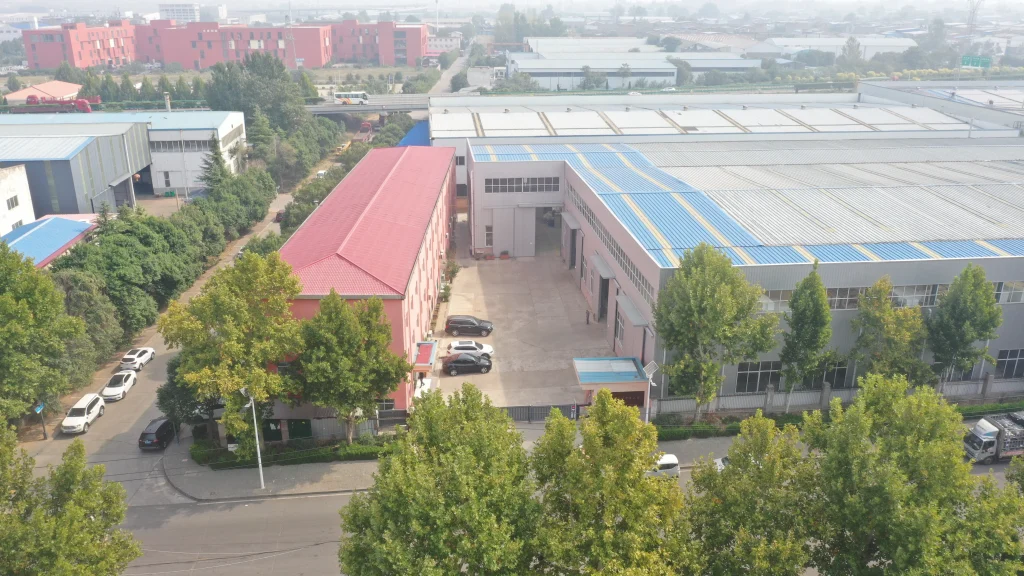
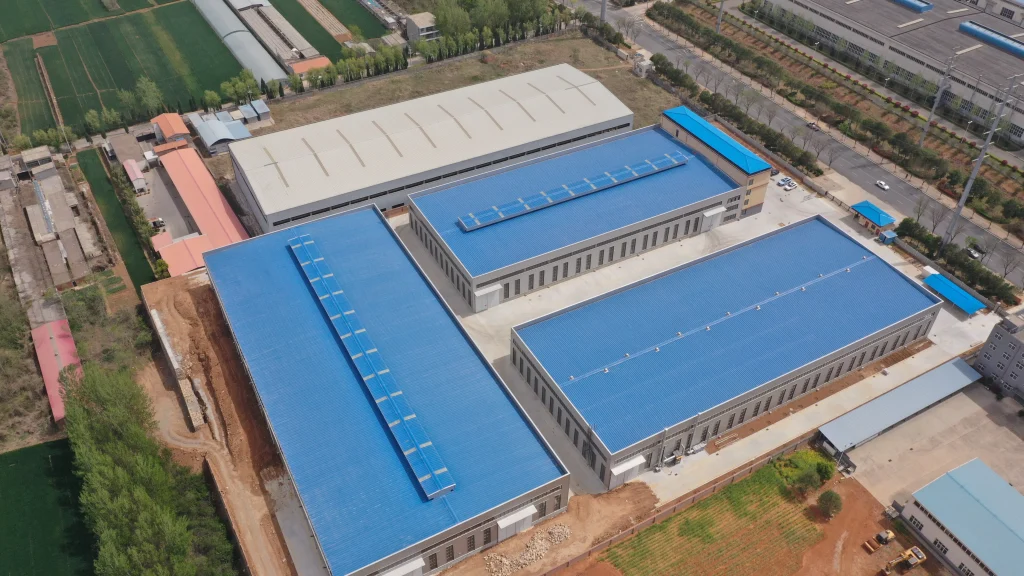
A professional enterprise specializing in heat treatment technology services and the R&D, manufacturing, and sales of high-temperature electric furnaces.
The company focuses on developing high-temperature electric furnaces covering a full temperature range of -100℃ to 2600℃. Its products include experimental electric furnaces, vacuum atmosphere furnaces, industrial kilns, and medium-frequency induction heating equipment. Main products include box furnaces, tube furnaces, lifting furnaces, pusher kilns, bogie furnaces, rotary kilns, tunnel kilns, and various specialized medium-frequency furnaces.
The company adheres to technological innovation and has passed ISO9001 and EU CE certifications. It owns 21 registered trademarks, 29 patents, and 27 software copyrights.
Payment Methods
TT
Shipment Methods
The electric furnace is packaged in three layers: first wrapped in foam paper, then wrapped in plastic film, and finally packed in a wooden crate.
Frequently Asked Questions (FAQ)
- What is the maximum operating temperature of this horizontal hydrogen furnace?
The equipment has a maximum temperature of 1550°C and a rated operating temperature of 1500°C.
- What atmospheres does the equipment support?
It supports hydrogen and argon atmospheres with purity requirements of 99.99%–99.9995%; specific configurations depend on the actual gas supply system.
- How is the temperature inside the furnace controlled?
It utilizes three independent temperature control units to regulate the sides, bottom, and top of the furnace body separately; it also supports programmable heating and temperature curve recording.
- What safety protection features does the equipment have?
It is equipped with water pressure monitoring, audible and visual alarms for water supply interruption, emergency cooling, over-temperature and over-current protection, and safety interlocks. The hydrogen system must also be equipped with ventilation, leak detection, and explosion-proof measures that comply with on-site regulations.
- What are the installation requirements?
Regarding the electrical requirements: 380V three-phase, 50Hz, with an installed capacity of approximately 330 kVA.