Luoyang Anjing Intelligence Equipment are a global leader in high-temperature electric furnaces



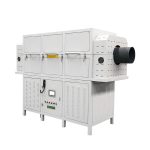
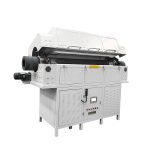
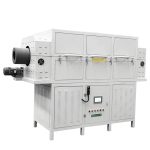
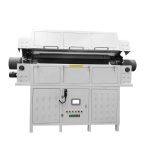
1400°C Rotary Tube Furnace for Laboratory and Industrial Heating Applications
PRODUCT PARAMETERS
Description
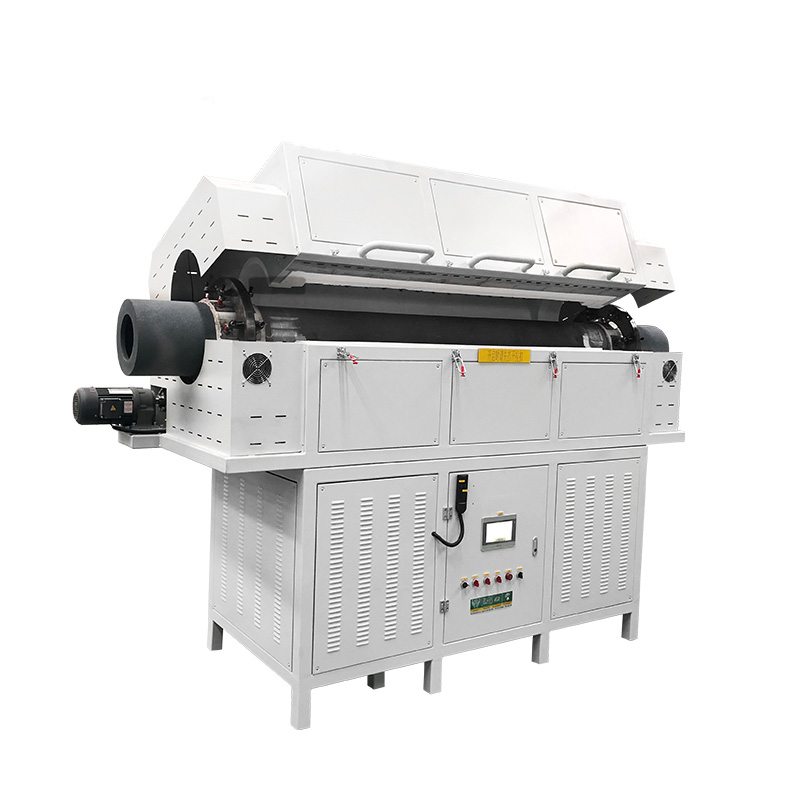
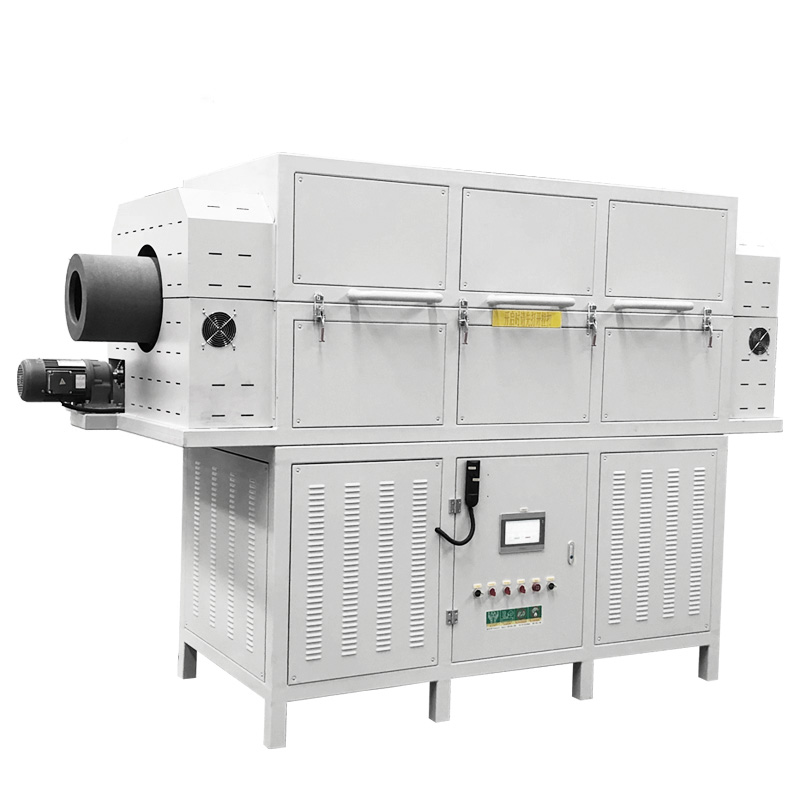
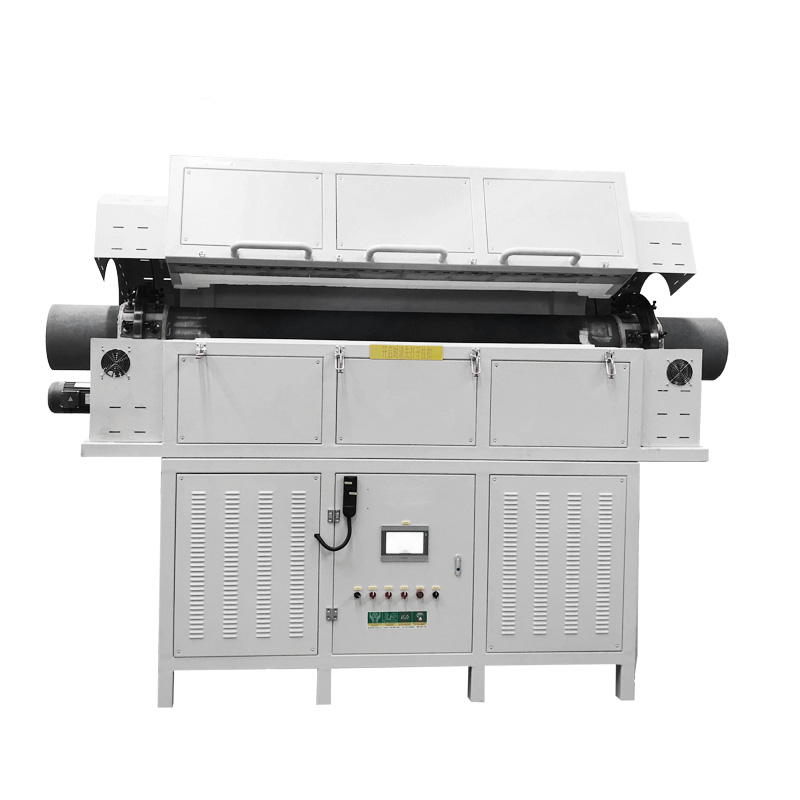
1400°C Rotary Tube Electric Furnace
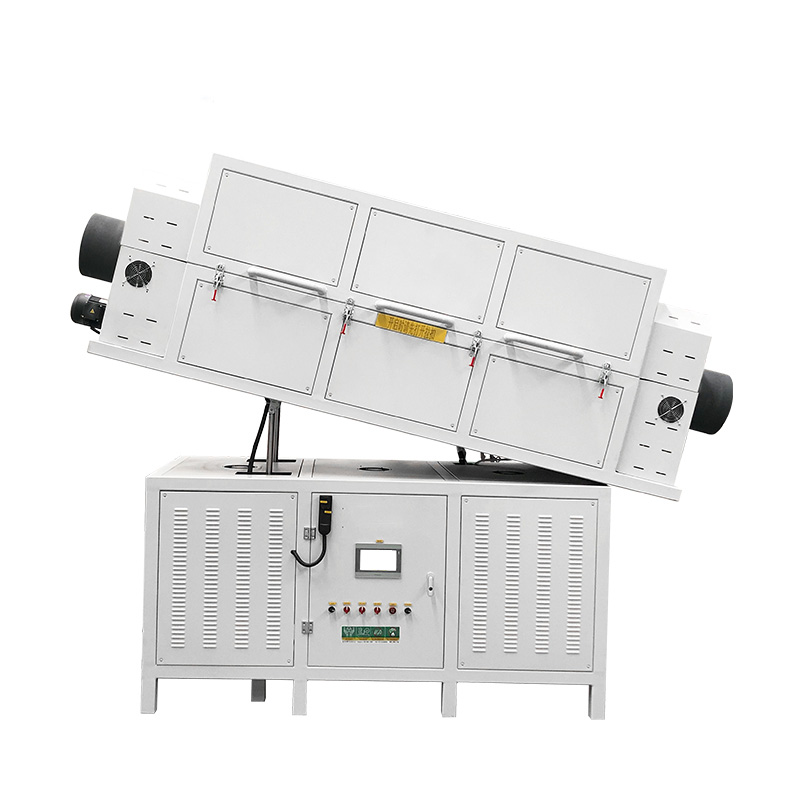
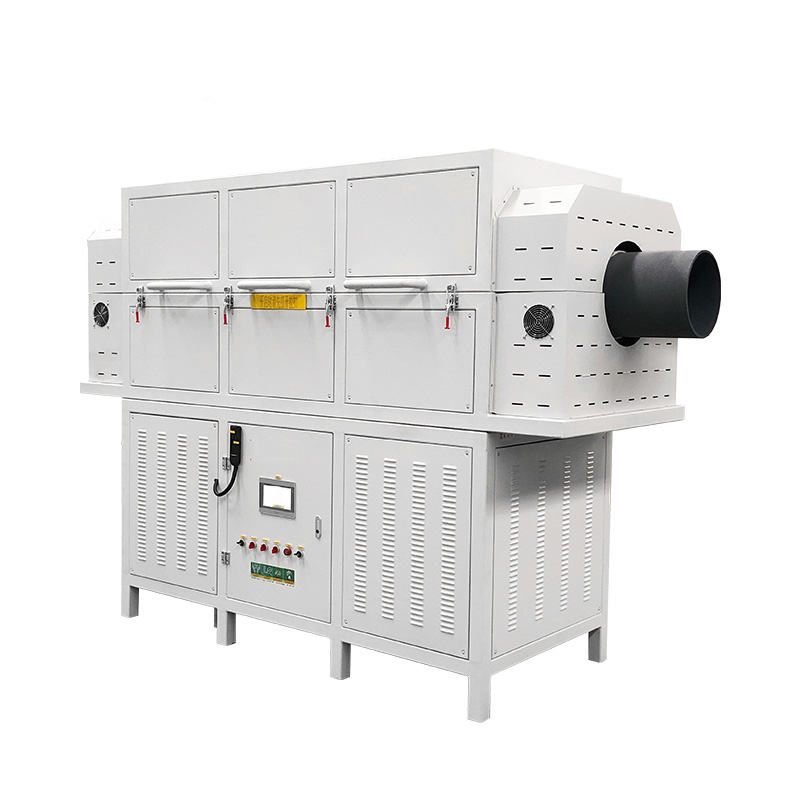
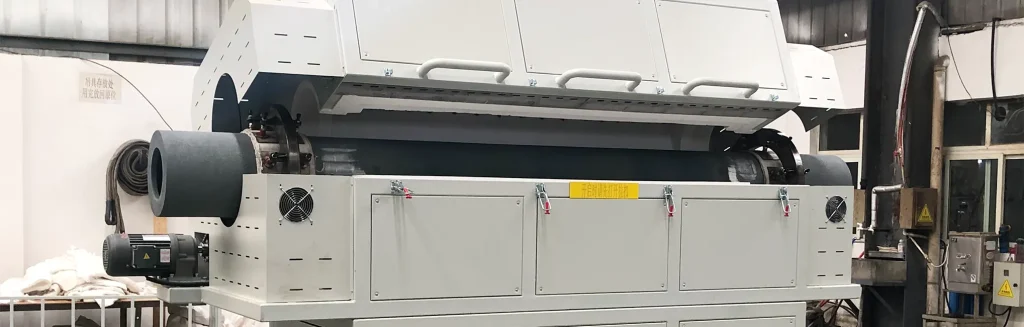
The rotary tube furnace is specialized laboratory and industrial equipment designed for continuous high-temperature heat treatment, atmosphere reactions, powder calcination, and material sintering. Featuring a rotary furnace tube structure combined with an independent multi-zone temperature control system and an adjustable tilt angle, the equipment ensures uniform heating and thorough reaction of materials under dynamic rotation, thereby significantly enhancing heat treatment efficiency and consistency. It is particularly well-suited for processes involving the calcination, oxidation, reduction, and atmosphere heat treatment of powder materials.
Product Features
- Openable furnace chamber design for easy maintenance
The furnace features an openable structure, facilitating the replacement of the furnace tube and heating elements, as well as simplifying cleaning and maintenance. Compared to traditional fixed-chamber designs, this significantly reduces maintenance difficulty and time costs.
- Recrystallized silicon carbide furnace tube: high-temperature and thermal shock resistance
The furnace tube is made of recrystallized silicon carbide (SiSiC), with a diameter of 300mm and a heating zone length of 1700mm. Recrystallized silicon carbide has good high-temperature strength, oxidation resistance, and thermal shock resistance.
- Independent control of three temperature zones for superior temperature uniformity
The system features three independently temperature-controlled zones, with heating elements (silicon carbide rods) arranged around the furnace tube to create a uniform heating field. This meets the stringent requirements for temperature consistency in high-temperature material processing.
- Adjustable furnace tube tilt angle for controlled material flow
The furnace tube tilt angle can be adjusted between 1° and 10°, and the rotation speed can be adjusted between 1 and 10 revolutions per minute. By adjusting the tilt angle and rotation speed, the residence time of the material in the tube can be flexibly controlled.
- 304 stainless steel sealing flanges with graphite packing seals
Both ends of the furnace tube are sealed using 304 stainless steel flanges and graphite packing, ensuring excellent high-temperature sealing performance. Flexible stainless steel hoses are used for the material inlet and outlet connections to minimize the impact of equipment vibration.
| Power Supply | AC 380V |
| Maximum Operating Temperature | 1400℃ |
| Continuous Operating Temperature | 1450℃ |
| Control Range | 80 ~ 1600℃ |
| Temperature Sensor | Thermocouple Type S, measuring range 0~1600℃ |
| Furnace Chamber Dimensions | Φ300mm × Heating zone 1700mm (D×W×H) |
| Heating Element Position | Surrounding the furnace tube |
| Number of Heating Zones | Three independently controlled zones |
| Furnace Tube Material | Recrystallized Silicon Carbide Tube (provided by customer) |
| Rotation Speed | 1~10 r/min, adjustable |
| Furnace Tube Sealing | 304 Stainless steel flanges with graphite packing seals at both ends |
| Tilt Angle | 1~10°, adjustable |
| Discharge Port / Observation Port | Φ100mm |
| Loading/Unloading Pipeline | Flexible stainless steel hose |
| Loading/Unloading Device | Provided by customer |
| Temperature Control Accuracy | ±1℃ (integrated circuit control, no overshoot) |
| Heating/Cooling Rate | Freely adjustable: Max. 15℃/min, Min. 1℃/h |
| Heating Elements | Silicon Carbide (SiC) heating rods |
| Furnace Body Construction | CNC machined; processes include polishing, grinding, pickling, phosphating, powder coating, and high-temperature baking; dual-color finish; features oxidation resistance, acid/alkali/corrosion/heat resistance, and easy cleaning |
| Furnace Body Structure | Advanced air-cooled double-layer structure with effective air-guide baffles for full cold-air circulation; cools the heating element terminals to prevent high-temperature oxidation and ensure a good working environment |
| Refractory Material | Vacuum-formed high-purity alumina lightweight material; high-wear areas (furnace mouth and bottom) use lightweight hollow-sphere alumina plates, offering high-temperature resistance, low heat storage, thermal shock resistance, no cracking, no spalling, excellent thermal insulation (saves over 80% energy compared to traditional furnaces) |
| Insulation Material | Three-layer insulation: aluminum silicate fiber board + alumina fiber board + alumina (polycrystalline) fiber board; energy-saving effect over 80% compared to traditional furnaces |
| Furnace Shell Temperature | < 45℃ during prolonged continuous operation |
| Protection Functions | Integrated modular control with dual-loop control and dual-loop protection; includes protection against overshoot, undershoot, deviation, thermocouple break, phase loss, overvoltage, overcurrent, overtemperature, current feedback, and soft-start |
| Control Method | Closed-loop SCR (thyristor) module control with phase-shift or zero-crossing triggering; continuously adjustable output voltage, current, or power; features constant voltage, constant current, or constant power characteristics. Inner current loop + outer voltage loop ensures output current is limited within rated range under sudden load changes or overcurrent conditions, protecting heating elements from excessive current/voltage surges for safe and reliable control |
| Displayed Parameters | Temperature, segment number, segment time, remaining time, output power percentage, voltage, current, etc. |
| Push-Buttons | Imported push-buttons with LED indicators, service life > 100,000 cycles |
| Temperature Profile Programming | Intelligent controller supports standard PID, AI artificial intelligence PID (APID), or MPT regulation with self-tuning and self-learning functions; no overshoot or undershoot. Features 30-segment programmable control for arbitrary ramp/soak profiles; supports jump (loop), run, pause, and stop commands with on-the-fly program modification; curve-fitting algorithm ensures smooth and continuous temperature control |
| Number of Programmable Curves | 30 profiles |
Application Areas
- Continuous Calcination of Powder Materials: Suitable for the continuous calcination of various types of powder materials.
- Heat Treatment of Granular Materials: Suitable for drying, activation, and calcination processes for granular materials such as molecular sieves, catalyst pellets, and adsorbents.
- Metal Oxide Production: Suitable for the synthesis and calcination of metal oxides, including the large-scale production of aluminum oxide, iron oxide, nickel oxide, and cobalt oxide.
- R&D and Pilot-Scale Production of New Materials: Suitable for calcination process research and pilot-scale production of various new materials.
Company Profile
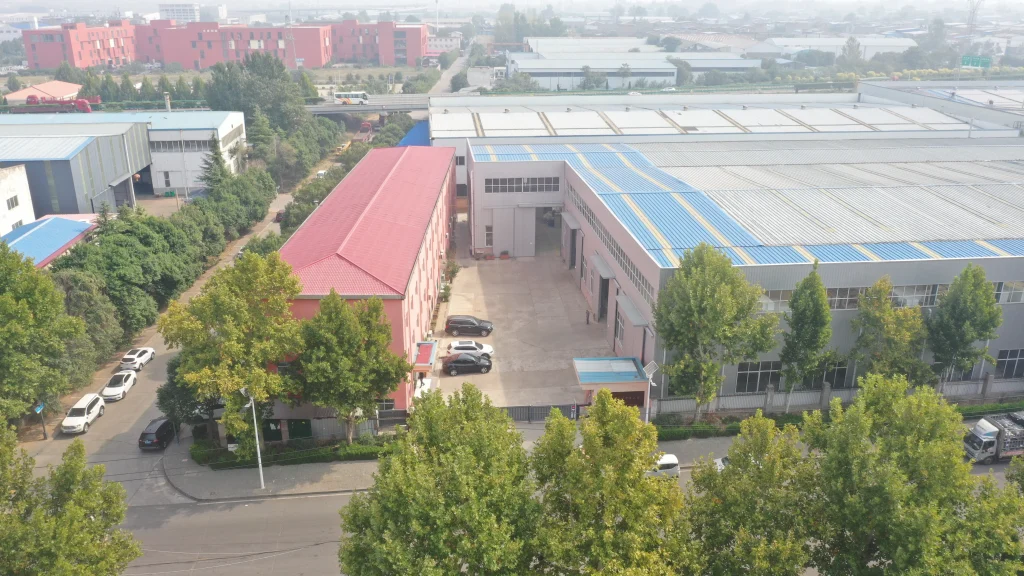
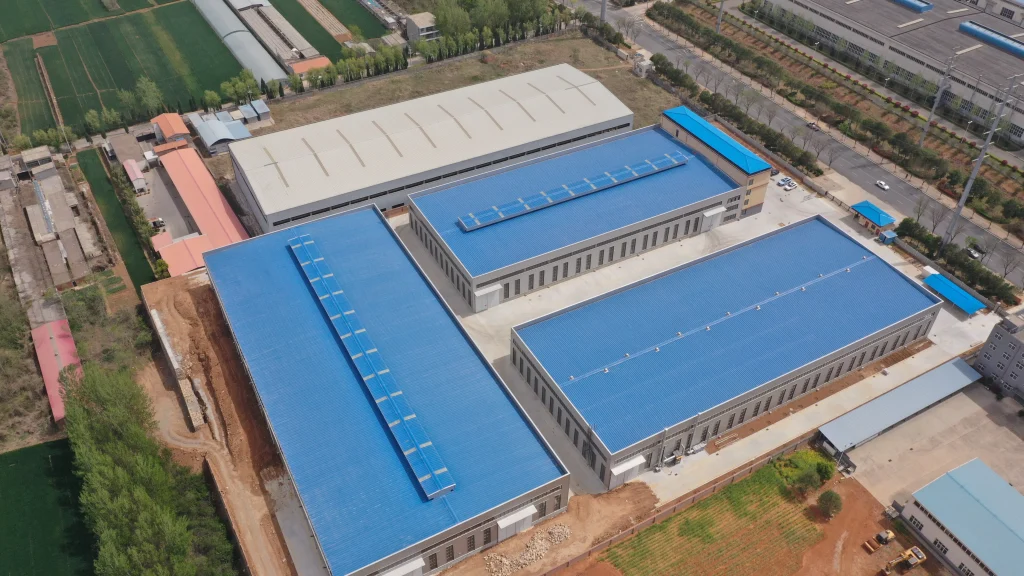
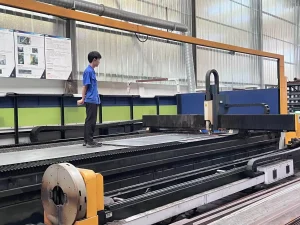
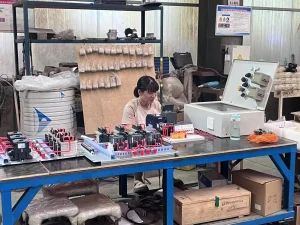
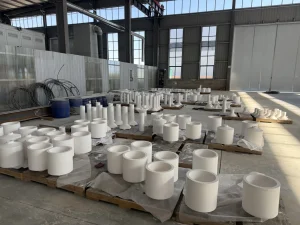
A professional enterprise specializing in heat treatment technology services and the R&D, manufacturing, and sales of high-temperature electric furnaces.
The company focuses on developing high-temperature electric furnaces covering a full temperature range of -100℃ to 2600℃. Its products include experimental electric furnaces, vacuum atmosphere furnaces, industrial kilns, and medium-frequency induction heating equipment. Main products include box furnaces, tube furnaces, lifting furnaces, pusher kilns, bogie furnaces, rotary kilns, tunnel kilns, and various specialized medium-frequency furnaces.
The company adheres to technological innovation and has passed ISO9001 and EU CE certifications. It owns 21 registered trademarks, 29 patents, and 27 software copyrights.
Payment Methods
TT
Shipment Methods
The electric furnace is packaged in three layers: first wrapped in foam paper, then wrapped in plastic film, and finally packed in a wooden crate.
Frequently Asked Questions (FAQ)
- What are the main advantages of the rotary tube furnace?
The rotary design allows the materials to tumble continuously inside the furnace tube, effectively preventing clumping and uneven heating, while improving reaction efficiency and product consistency.
- Does the equipment support atmosphere control?
Yes. The equipment supports the introduction of various gases—such as oxygen, nitrogen, argon, and air—enabling heat treatment processes under oxidizing, reducing, or protective atmospheres.
- What is the temperature control precision?
The equipment utilizes an independent three-zone temperature control system, achieving a control precision of ±1°C and a temperature uniformity of approximately ±2°C, making it suitable for high-precision material heat treatment requirements.
- Can the furnace tube material be changed?
The standard configuration features a recrystallized silicon carbide tube; however, other high-temperature resistant materials—such as corundum or quartz tubes—can be selected based on specific process requirements (customization required).
- Does it support continuous material feeding and discharging?
Yes. The equipment features an adjustable tilt angle and interfaces for feeding and discharging systems, enabling semi-continuous or continuous material processing to boost production efficiency.