Luoyang Anjing Intelligence Equipment are a global leader in high-temperature electric furnaces



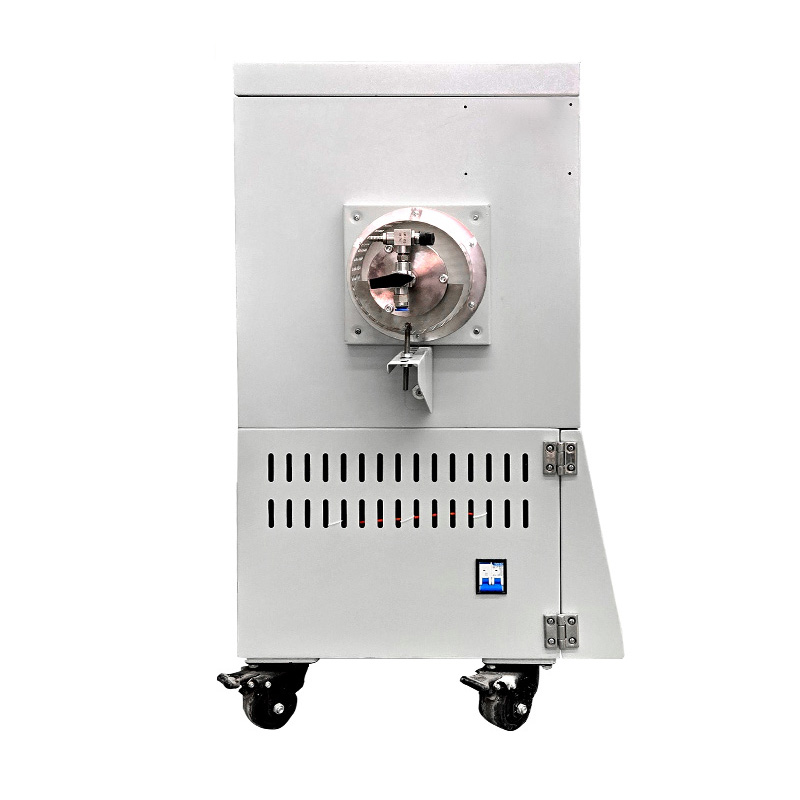
1600°C CVD Multi-Zone Tube Furnace
PRODUCT PARAMETERS
Description
1600℃ Multi-Zone CVD Tube Furnace
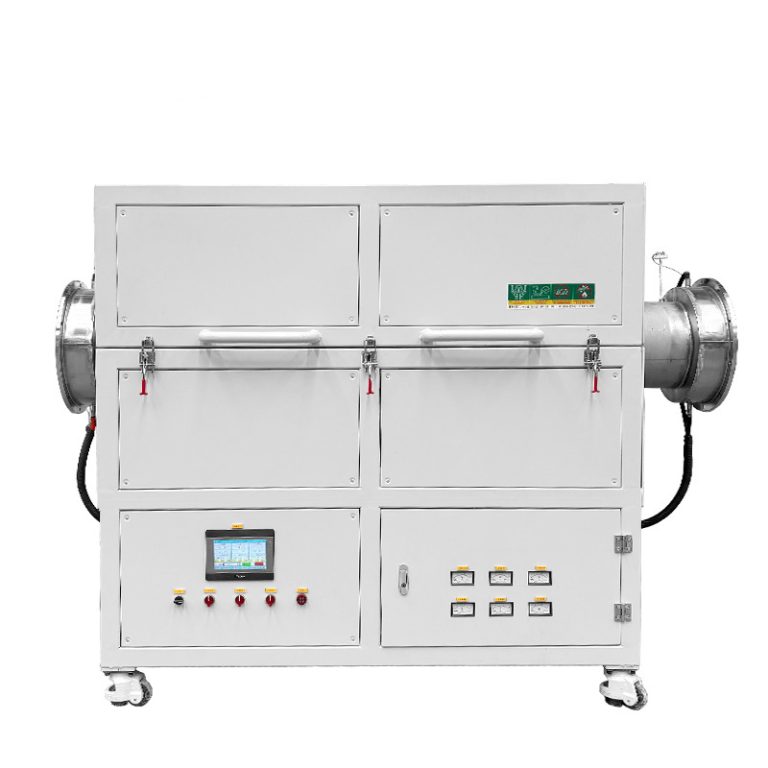
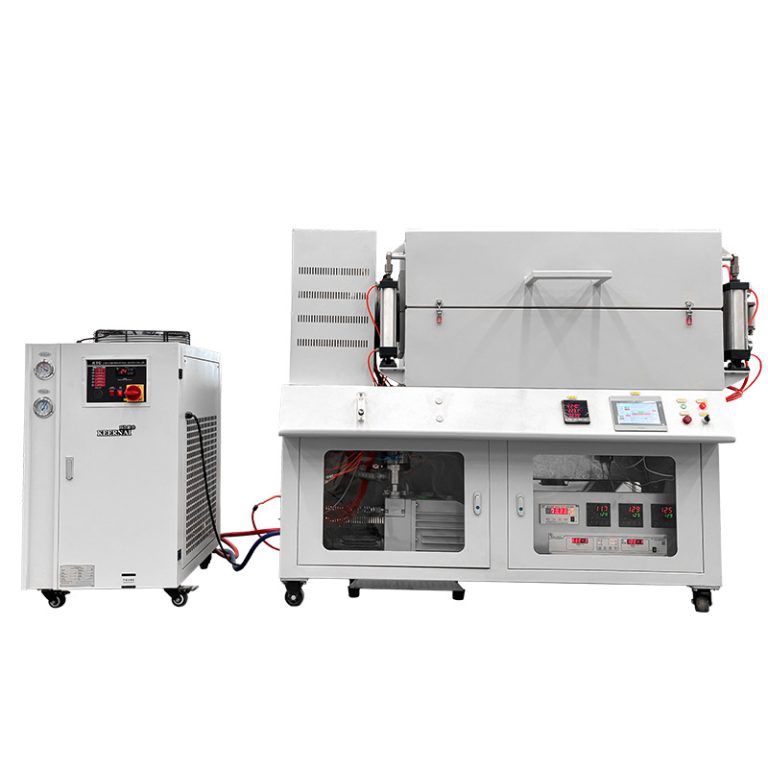
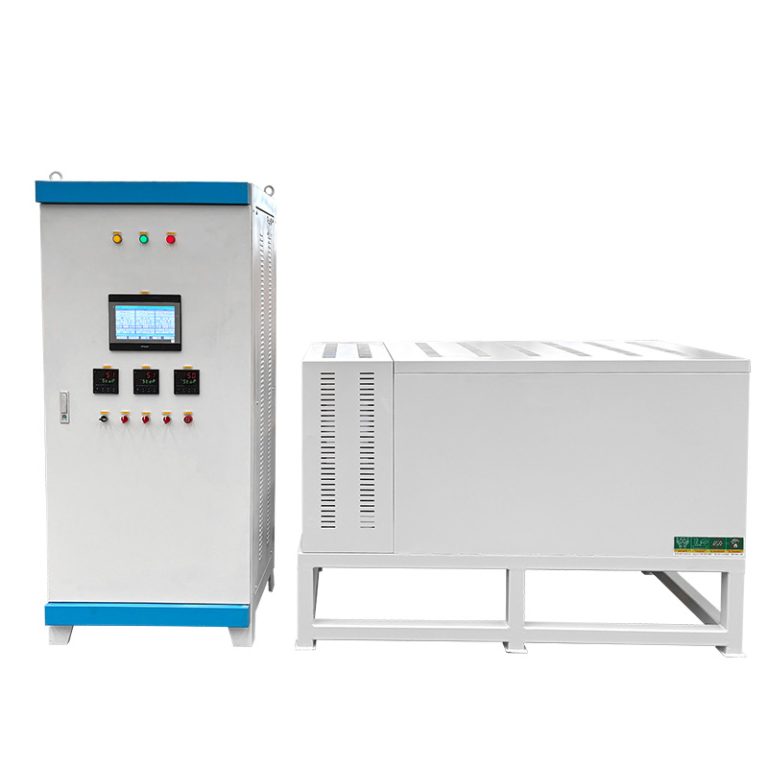
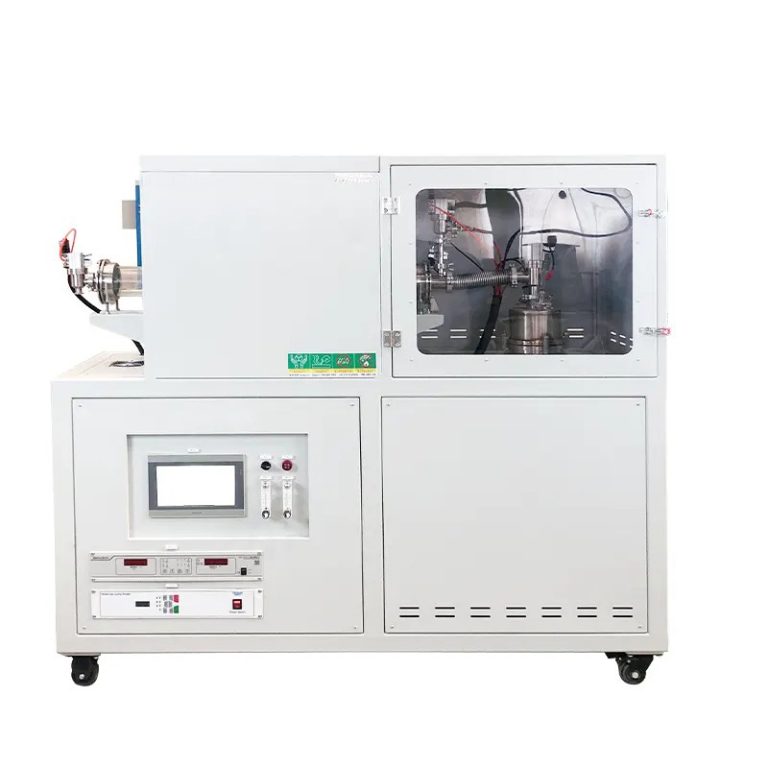
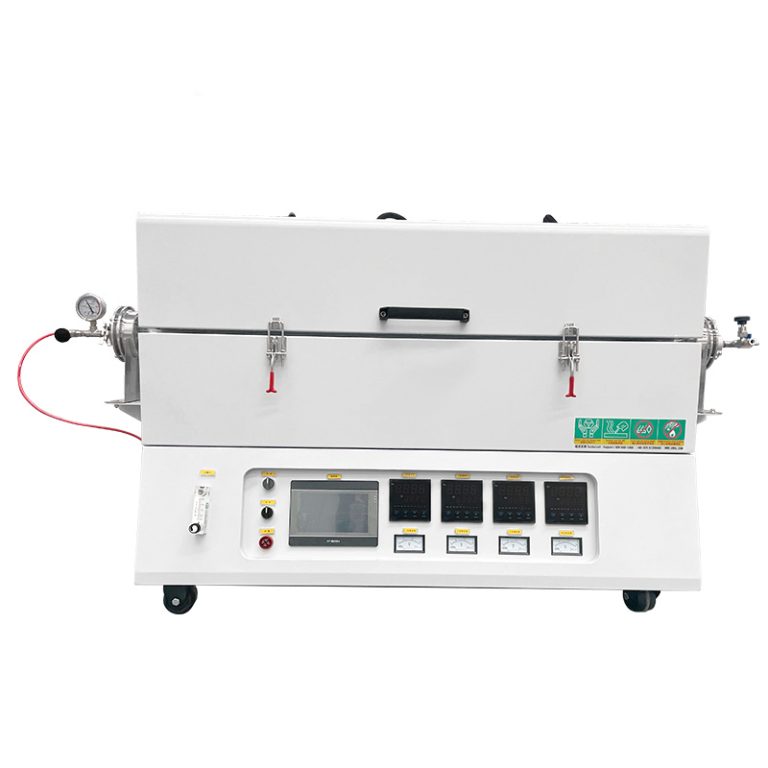
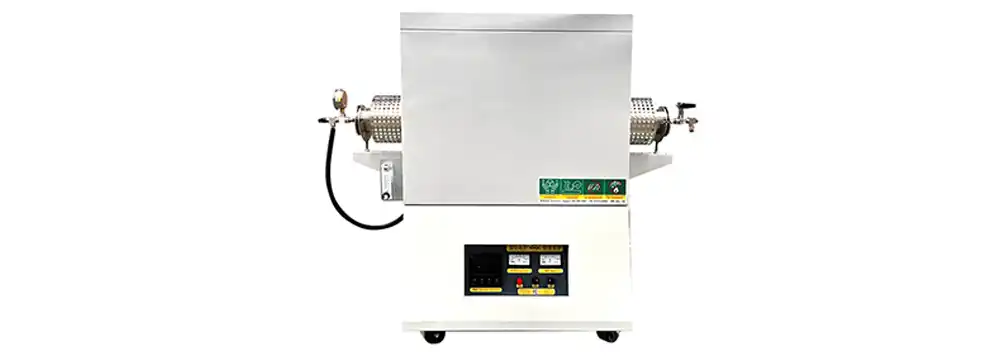
The 1600℃ multi-zone CVD tube furnace is a high-precision CVD tube furnace/tube furnace/vacuum furnace designed specifically for material deposition, heat treatment, and high-temperature experiments.
The equipment employs a multi-zone independent temperature control structure, combined with a vacuum and atmosphere control system, enabling highly stable and high-purity material preparation processes. It is widely used in ceramics, metallurgy, electronics, chemical engineering, and new materials research and development.
CVD Tube Furnace Product Features
- Multi-zone Independent Temperature Control
This CVD multi-zone tube furnace features multiple independent temperature zones, each with its own set temperature, enabling precise temperature curve control for preheating, reaction, and cooling.
- Rotatable and Tilting
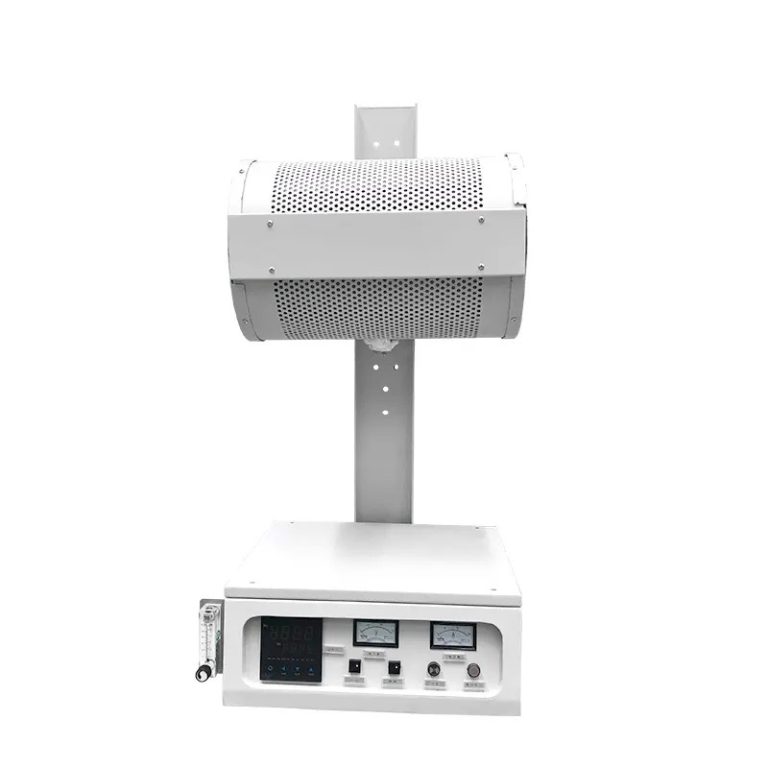
The furnace tube rotation speed is adjustable from 1-10 r/min (1050℃ level), and the furnace body tilt angle is adjustable from 1-15 degrees (1250℃/1450℃ level). The rotation function ensures uniform heating of the material, while the tilting function facilitates continuous feeding and discharging, making it suitable for dynamic heat treatment of powder materials and CVD coating processes.
- 99 Corundum Ceramic Tubes, High Temperature and Corrosion Resistant
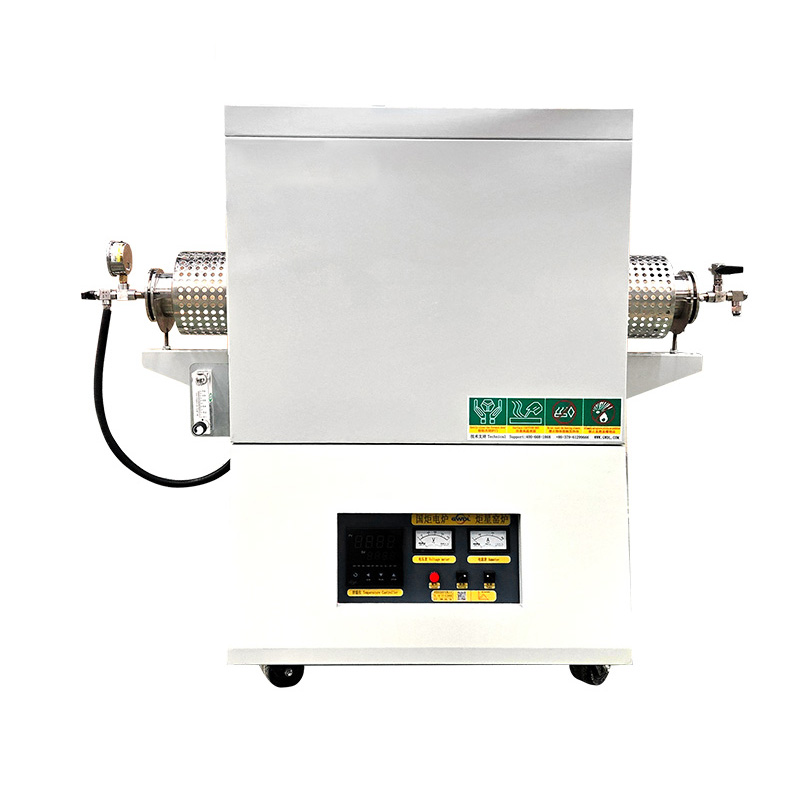
The furnace tubes are made of 99 corundum ceramic tubes (high-purity alumina tubes), which are resistant to high temperatures, corrosion, and have good thermal stability. Stainless steel KF metal flange seal (double rubber rings)
- Complete Vacuum System
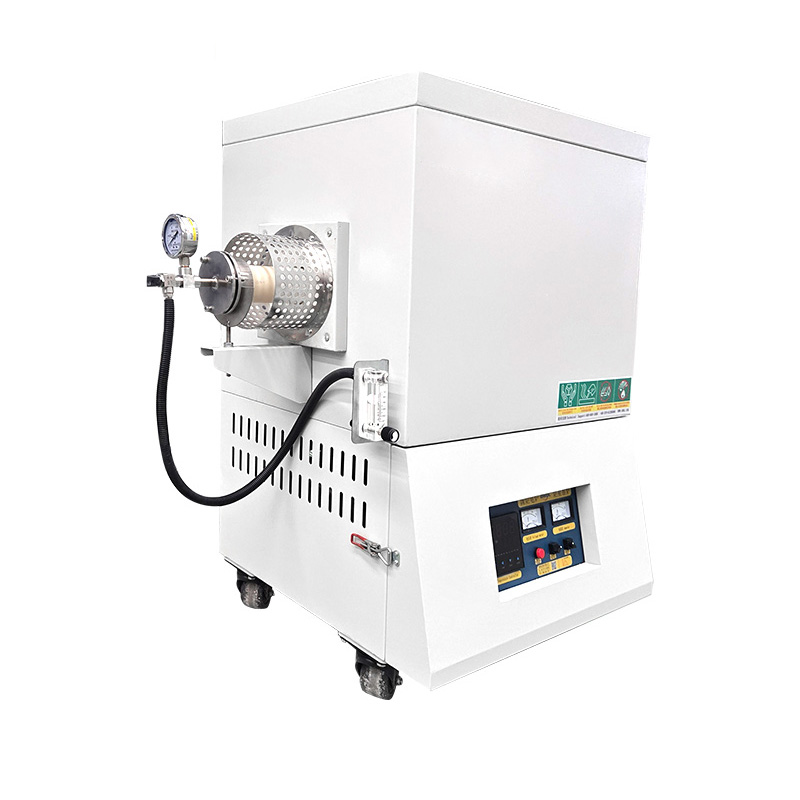
Equipped with a two-stage rotary vane vacuum pump and a dual-indicator pressure gauge (positive and negative pressure) (a digital vacuum gauge is optional). The gas pipeline uses dedicated PV flexible tubing (clean stainless steel tubing can be used depending on gas requirements).
- Dual-Circuit Protection
It adopts dual-circuit protection and has multiple protection functions such as temperature overshoot, voltage regulation failure, undervoltage, thermocouple failure, phase loss, overvoltage, overcurrent, overtemperature, current feedback, and soft start, to ensure the safety of equipment and operators.
| Gas Inlet Types | 2 types (1-10 types optional) |
| Gas Mixing | By adjusting each inlet flow meter value |
| Valves | Imported stainless steel valves (standard, stainless steel, solenoid valves, etc. optional) |
| Flow Meters | Two 0-300 ml/min (mass flow meters, float flow meters, etc. optional depending on number of inlets) |
| Pressure Detection | One dual-indicator pointer pressure gauge for positive and negative pressure (digital vacuum gauge, etc. optional) |
| Vacuum Pump | Two-stage rotary vane vacuum pump |
| Gas Piping | PV hose specifically for gases (clean stainless steel pipe optional depending on gas requirements) |
| Pressure Protection | To prevent danger caused by closed exhaust port, blocked exhaust port, or excessive furnace tube pressure. Signal obtained from electric contact pressure gauge or pressure sensor drives control module to close solenoid intake valve, activate solenoid exhaust valve and alarm, thus protecting normal furnace operation. |
| Gas Leakage Alarm | Prevents leakage based on the gas atmosphere used. When the gas leakage alarm detects that toxic or hazardous gas content in the indoor air exceeds a certain value, the drive module shuts down the furnace, closes the gas supply, opens the exhaust port and exhaust fan, etc., providing a safer working environment. |
CVD Tube Furnace Application Areas
- Chemical Vapor Deposition (CVD): Suitable for CVD growth of graphene, carbon nanotubes, two-dimensional materials, and thin film coatings.
- Advanced Ceramics: Suitable for sintering and heat treatment of ceramic materials such as alumina, zirconium oxide, silicon nitride, and silicon carbide.
- Lithium-ion Battery Materials: Suitable for high-temperature synthesis and sintering of positive and negative electrode materials for lithium-ion batteries; a protective atmosphere can be introduced to prevent material oxidation.
- Metal Powder Reduction: Suitable for the reduction treatment of metal oxide powders (such as iron oxide, copper oxide, tungsten oxide, etc.); a hydrogen reducing atmosphere can be introduced to prepare high-purity metal powders.
- Catalyst Preparation: Suitable for calcination and activation treatment of catalyst supports; multi-atmosphere compatibility meets the requirements of different activation processes; a gas control cabinet enables precise gas distribution.
- Nanomaterials: Suitable for high-temperature synthesis and surface modification of nanoparticles; a rotation function prevents powder agglomeration.
Company Profile
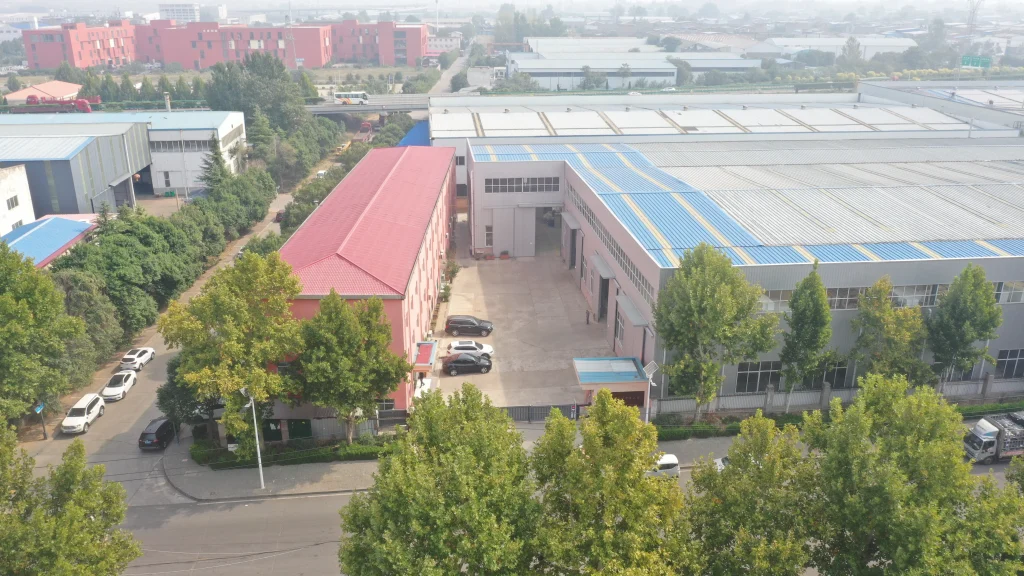
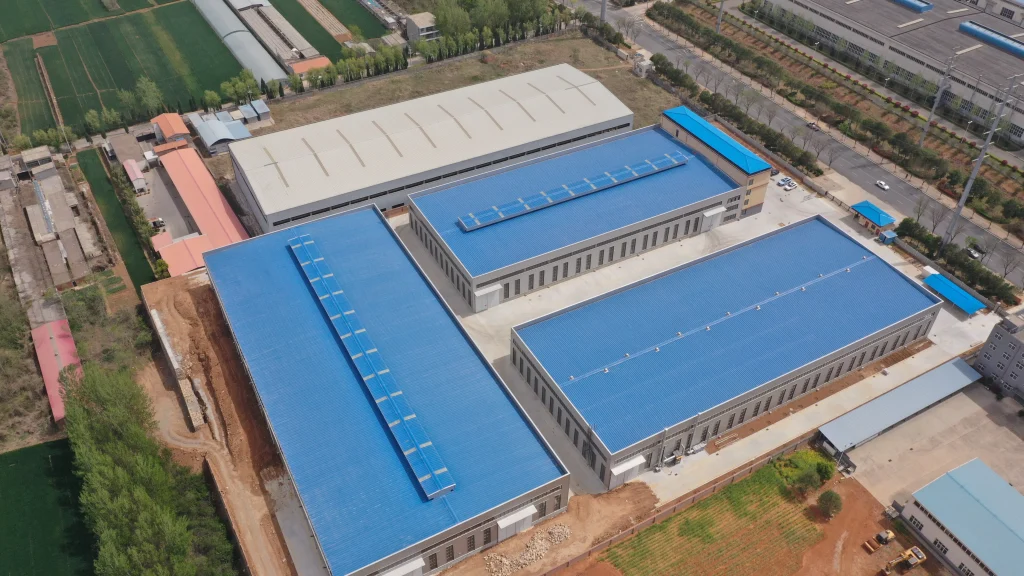
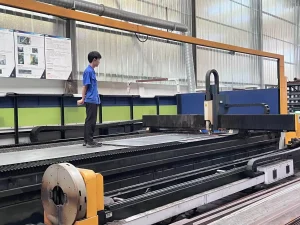
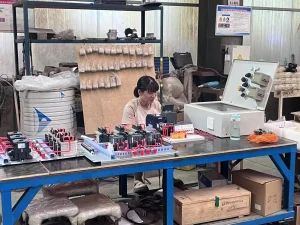
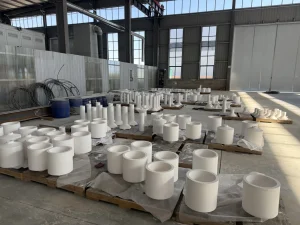
A professional enterprise specializing in heat treatment technology services and the R&D, manufacturing, and sales of high-temperature electric furnaces.
The company focuses on developing high-temperature electric furnaces covering a full temperature range of -100℃ to 2600℃. Its products include experimental electric furnaces, vacuum atmosphere furnaces, industrial kilns, and medium-frequency induction heating equipment. Main products include box furnaces, tube furnaces, lifting furnaces, pusher kilns, bogie furnaces, rotary kilns, tunnel kilns, and various specialized medium-frequency furnaces.
The company adheres to technological innovation and has passed ISO9001 and EU CE certifications. It owns 21 registered trademarks, 29 patents, and 27 software copyrights.
Payment Methods
TT
Shipment Methods
The electric furnace is packaged in three layers: first wrapped in foam paper, then wrapped in plastic film, and finally packed in a wooden crate.
CVD Tube Furnace Frequently Asked Questions (FAQ)
- What processes is this equipment mainly used for?
Mainly used for CVD (Chemical Vapor Deposition), high-temperature sintering, and material heat treatment experiments.
- Can gases be introduced?
Yes, it supports various gases such as oxygen, nitrogen, hydrogen, and ammonia.
- Does it support a vacuum environment?
Yes, vacuum levels up to -0.1 MPa.
- What is the temperature control accuracy?
Temperature control accuracy ±1℃, suitable for high-precision material experiments.
- Can it be computer-controlled?
Yes, it can be controlled via RS485/USB for computer control and curve management.