Luoyang Anjing Intelligence Equipment are a global leader in high-temperature electric furnaces



Intermittent Rotary Furnace
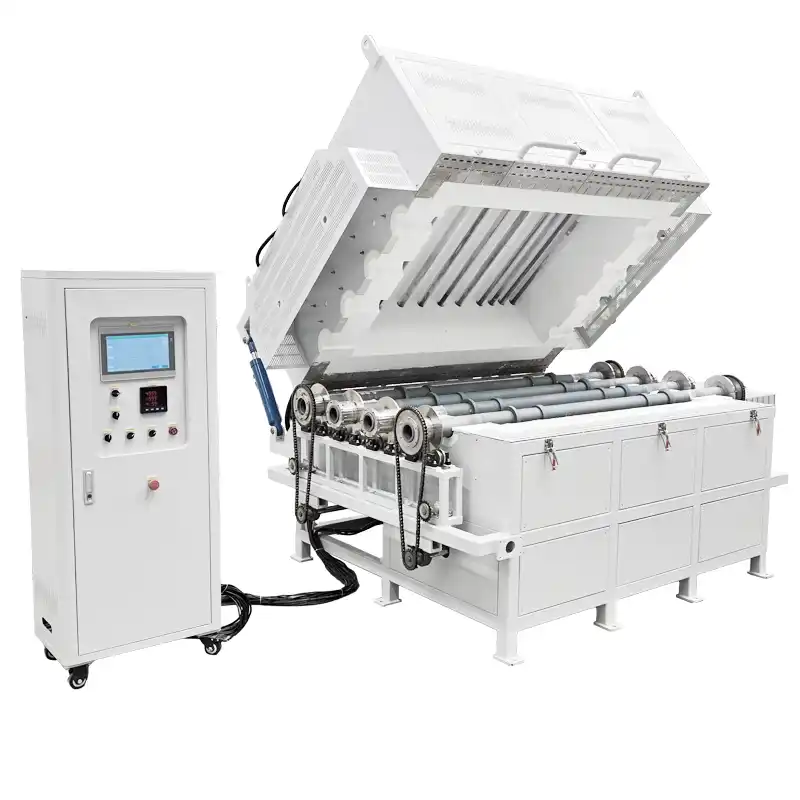
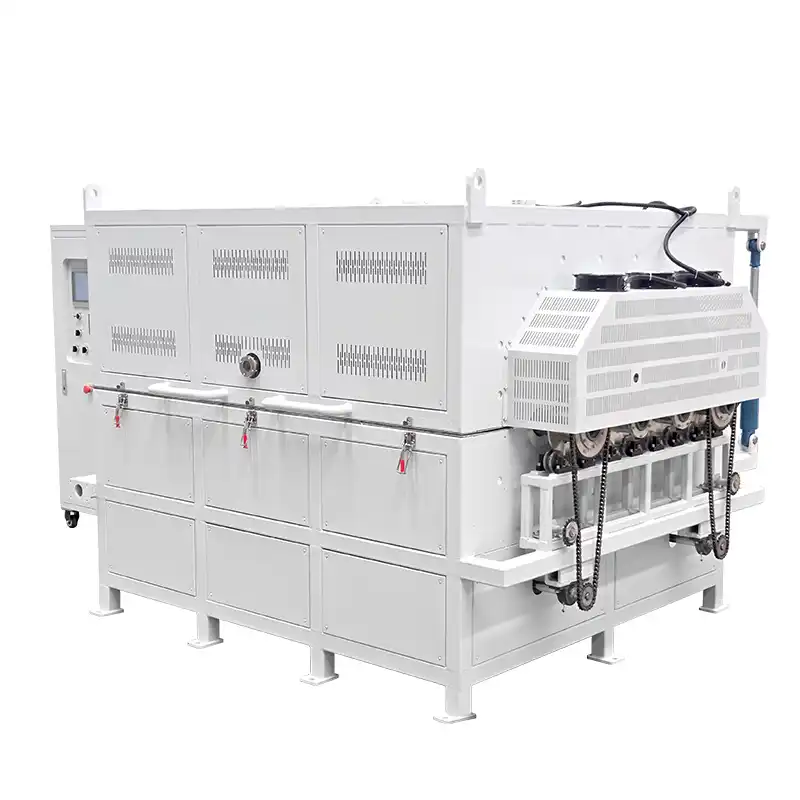
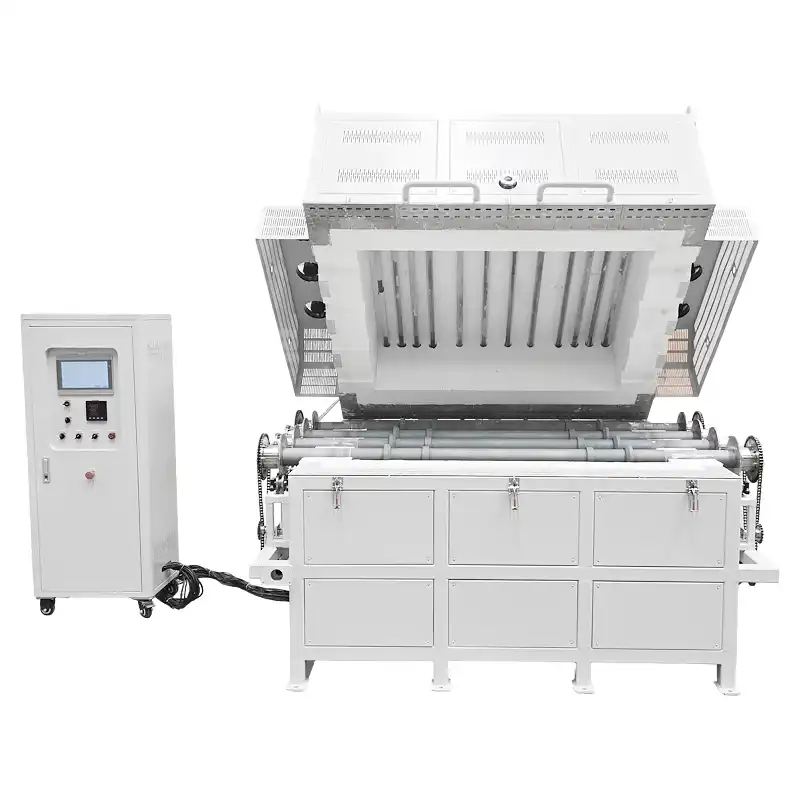
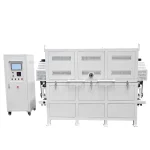
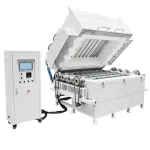
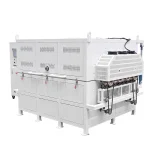
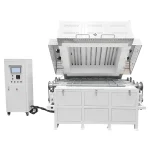
PRODUCT PARAMETERS
Description
Batch Rotary Furnace
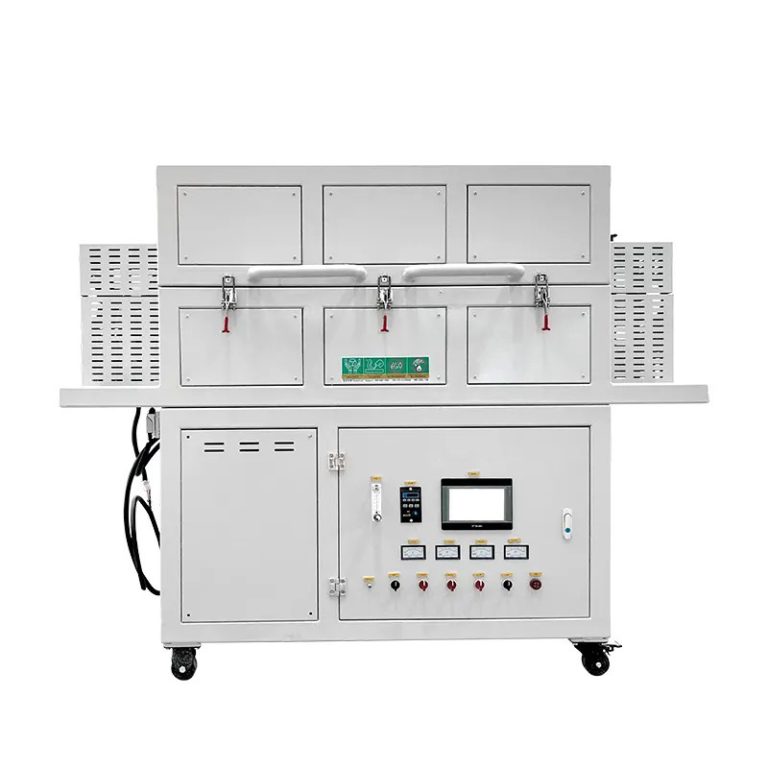
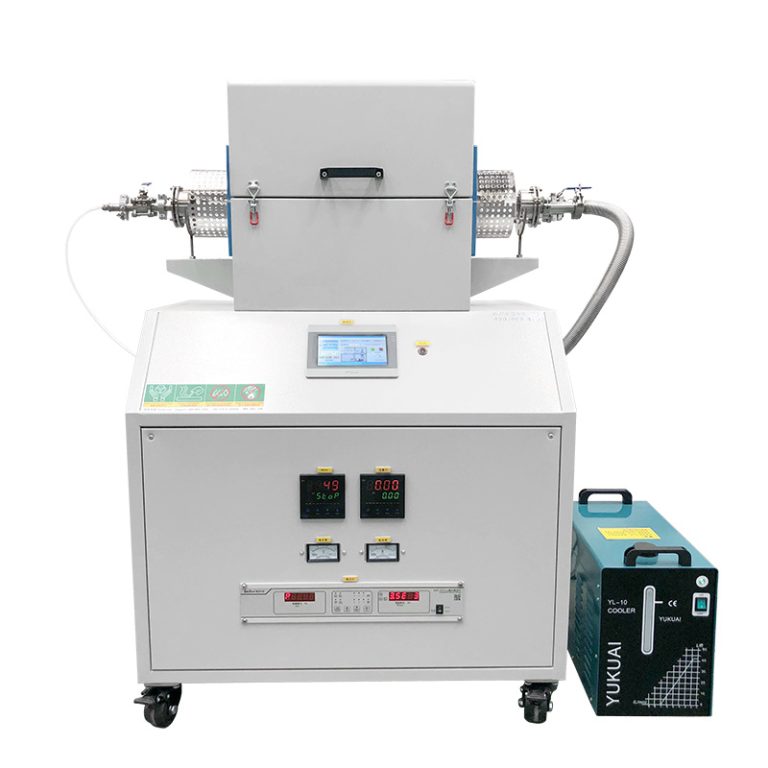
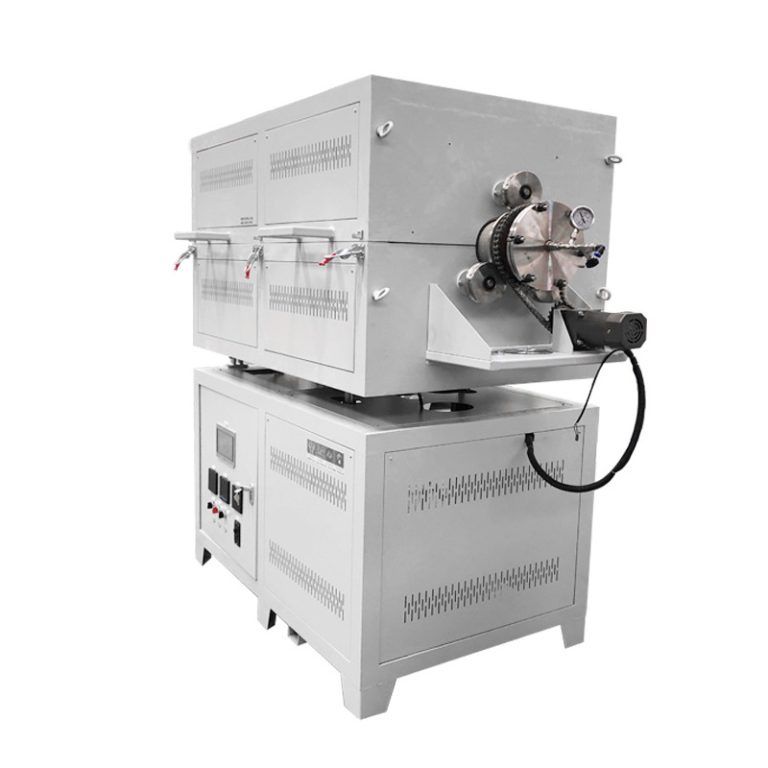
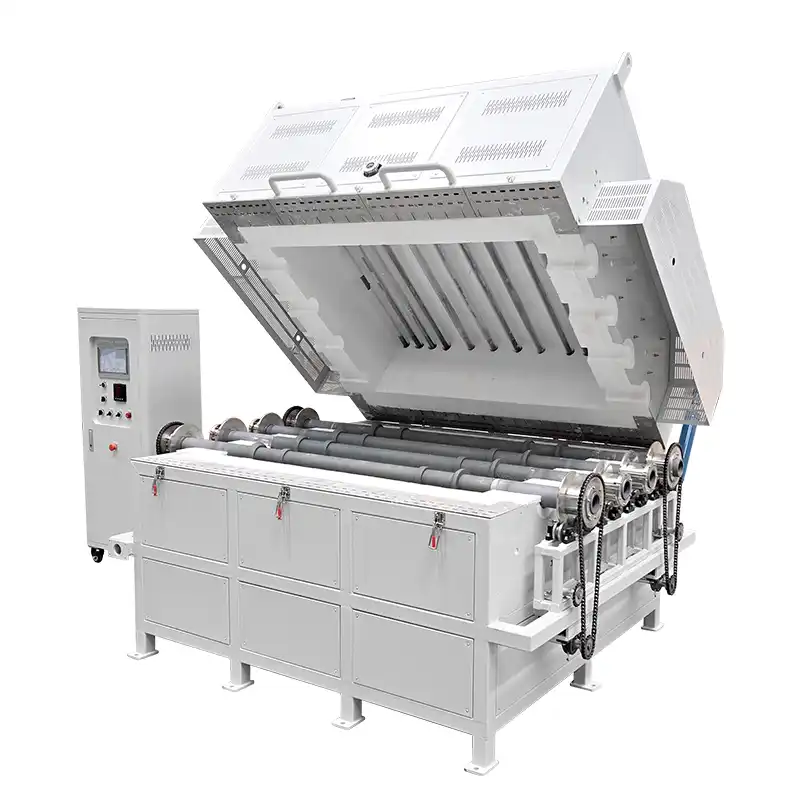
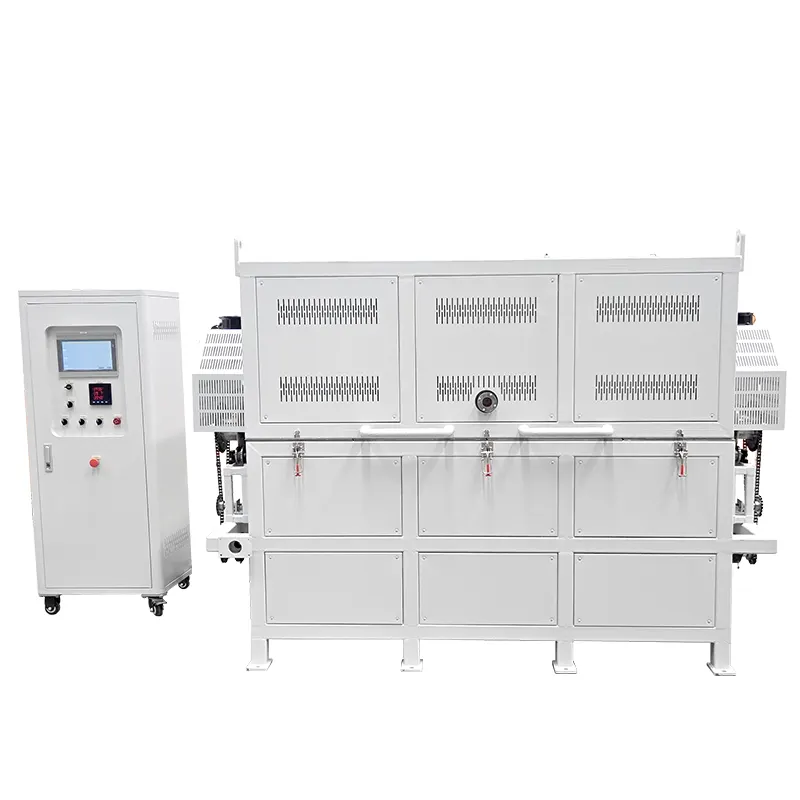
A batch rotary furnace is a high-performance rotary furnace specifically designed for heat treatment, calcination, and high-temperature reaction processes of powder materials.
The equipment uses a quartz rotary furnace tube combined with a silicon carbide roller structure. Variable frequency rotation ensures uniform tumbling of the powder, effectively preventing material agglomeration and localized overheating. It is widely used in new energy materials, ceramics, powder processing, chemicals, and new material research and development.
Product Features(Rotary Furnace)
- Precise Temperature Control with Multiple Zones
Equipped with 3 or more independent temperature zones, ensuring a constant temperature zone length of over 1.3 meters, and achieving a temperature uniformity within the furnace of ±5℃.
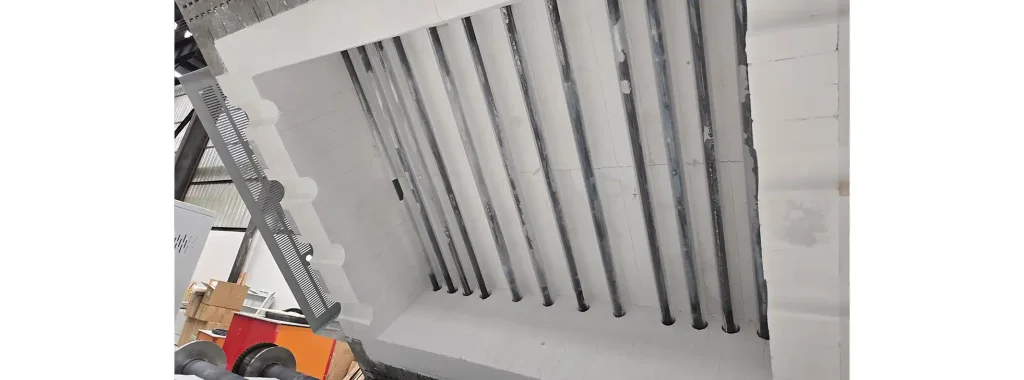
- Quartz Rotary Furnace Tube Structure
Equipped with a capped quartz tube and staggered welded internal turning plates, improving powder turning efficiency.
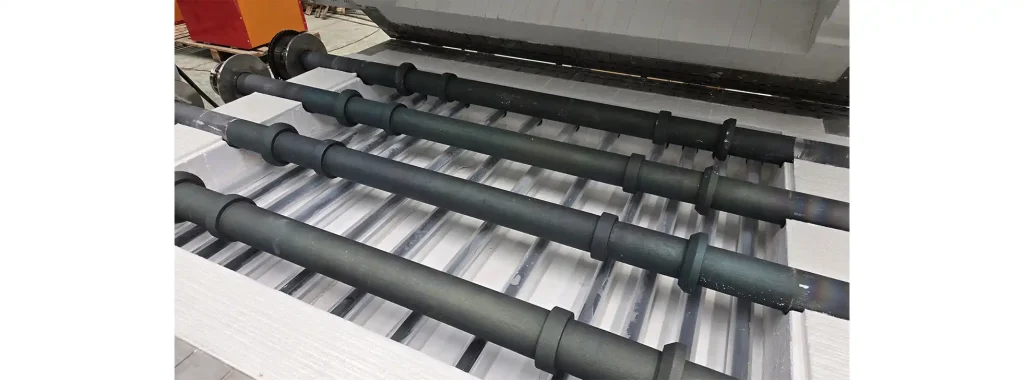
- Silicon Carbide Roller Drive
Utilizes a silicon carbide roller friction drive structure, reducing radial stress and extending service life.
- Dual Independent Rotation System
Two independent rotation mechanisms operate synchronously, ensuring stable furnace tube rotation.
- Variable Frequency Speed Control System
Supports stepless speed regulation from 1–5 r/min and can achieve forward and reverse rotation control.
| Furnace Body Structure | 1. Furnace shell has good temperature resistance, no deformation under long-term use, easy to clean, reasonable and aesthetic color matching, no blistering or hanging of paint; 2. Complete protection of transmission components to avoid safety risks, complete electrical protection; 3. Reasonable furnace shell structure to avoid long-term overheating of local components (electrical parts, hinges, buckles, etc.) affecting service life; 4. Door opening must consider operational convenience to avoid burns during hot material retrieval; if lift type, upper lifting height >1000mm; if other structures, door opening angle must facilitate quartz tube insertion/removal, with maximum sealing performance to prevent temperature field non-uniformity; 5. Install 1-2 viewing windows on the furnace body to observe quartz tube internal rotation status; 6. During heating, soaking and cooling within operating temperature range, furnace shell surface temperature ≤45℃. |
| Furnace Chamber Structure | 1. Lining made of vacuum-formed high-purity alumina lightweight material; easily impacted areas (furnace mouth, bottom) use lightweight hollow ball alumina plate: high service temperature, low heat storage, thermal shock resistance, no cracking, no spalling, good insulation; 2. Three-layer insulation: aluminum silicate fiberboard, alumina fiberboard, alumina (polycrystalline) fiberboard; 3. 4-6 silicon carbide rollers inserted inside the chamber; 4. Sufficient insulation thickness to avoid heat leakage. |
| Tube & Roller Structure | 1. Quartz tube with cover, dimensions as per drawing; 2. Silicon carbide rollers with retaining rings or diameter changes at both ends to secure quartz tube and prevent lateral movement during rotation, dimensions as per drawing; roller spacing adjustable to accommodate future quartz tube diameter changes; 3. Tumbling plates welded every 90° inside quartz tube, staggered welding, to achieve powder tumbling effect and prevent sticking/clumping. |
| Rotary Transmission Structure | 1. Rotary transmission structures on both sides of furnace body, mainly friction drive; silicon carbide rollers drive internal quartz tube rotation; ensure low radial force on rollers to avoid cracking; 2. Variable frequency motor, 1-5 r/min adjustable, with forward/reverse rotation; 3. Two independent rotating mechanisms, each running synchronously on both sides to drive silicon carbide tube. |
| Control System | 1. At least 5 temperature control processes can be saved, each with ≥30 temperature segments, online editable; 2. Continuous PID adjustment, thermocouple failure alarm, over-temperature alarm, real-time power display, temperature compensation, real-time temperature monitoring, temperature curve recording, historical data export; 3. Touch screen or keyboard/mouse control panel; 4. Automatic power consumption calculation per cycle; 5. Emergency stop button. |
| Heating & Temperature Control System | 1. Operating temperature 1200~1400℃, intermittent process: room temperature → soak 2-8h → cool to room temperature; 2. Heating rate adjustable: max 10℃/min, min 1℃/h; 3. ≥3 temperature zones; uniform zone length ≥1.3m; temperature uniformity in uniform zone during soaking ±5℃, control accuracy ±1℃; 4. Silicon carbide rods as heating elements, arranged around or top/bottom in parallel, single-side wiring for easy installation/replacement; 5. SCR voltage regulation temperature control; 6. Type S thermocouple for temperature measurement, with an additional separate thermocouple for intermittent measurement of uniform zone temperature inside quartz tube during soaking to calibrate temperature compensation. |
| Others | 1. Provided with equipment: installation requirements (water, electricity, gas, floor, etc.), certificate of conformity, equipment manual, operation manual, electrical drawings (schematic, terminal markings), CAD assembly drawing, spare parts list (with prices), maintenance manual, brand/model list of standard components, shipping list, factory inspection report; 2. Control cabinet with fan cooling, orderly wiring (no loose wires), fixed in wire ducts; 3. Ethernet communication port for reading key equipment data; 4. Included accessories: crucible tongs, one pair of high-temperature gloves, 2 silicon carbide rods. |
Application Areas (Rotary Furnace)
- Dynamic Heat Treatment of Powder Materials: Suitable for intermittent dynamic heat treatment processes such as calcination, reduction, and oxidation of powdered and granular materials.
- Advanced Ceramics: Suitable for the pre-sintering and sintering of ceramic powders such as alumina, zirconium oxide, silicon nitride, and silicon carbide.
- Lithium-ion Battery Materials: Suitable for the high-temperature synthesis and sintering of positive and negative electrode materials for lithium-ion batteries; a protective atmosphere can be introduced to prevent material oxidation.
- Metal Powder Reduction: Suitable for the reduction treatment of metal oxide powders; a hydrogen reducing atmosphere can be introduced to prepare high-purity metal powders.
- Catalyst Preparation: Suitable for the calcination and activation treatment of catalyst supports; multi-temperature zone design meets the requirements of complex temperature profiles.
- Nanomaterials: Suitable for the high-temperature synthesis and surface modification treatment of nanoparticles; rotary feeding and turning prevents powder agglomeration.
Company Profile
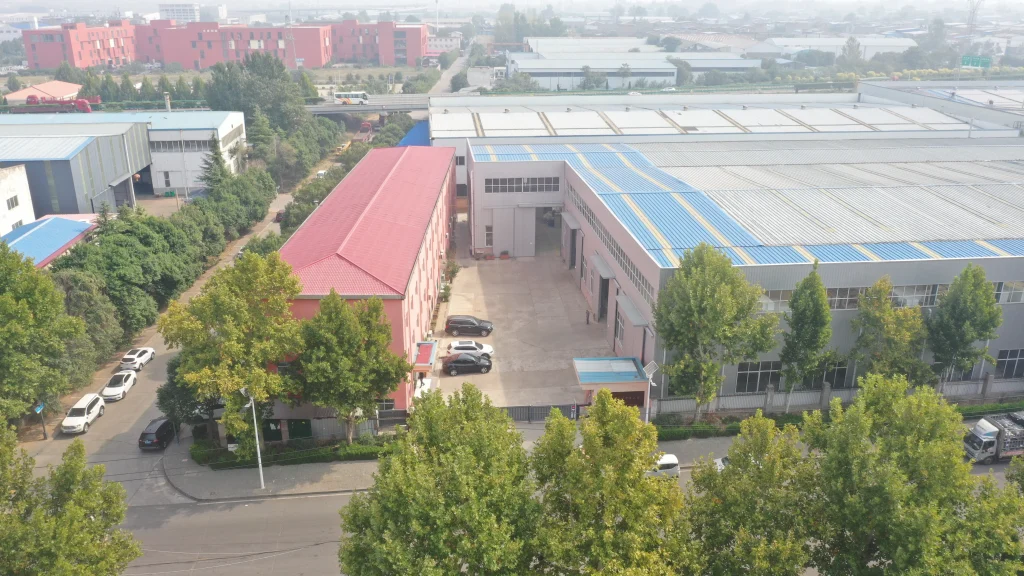
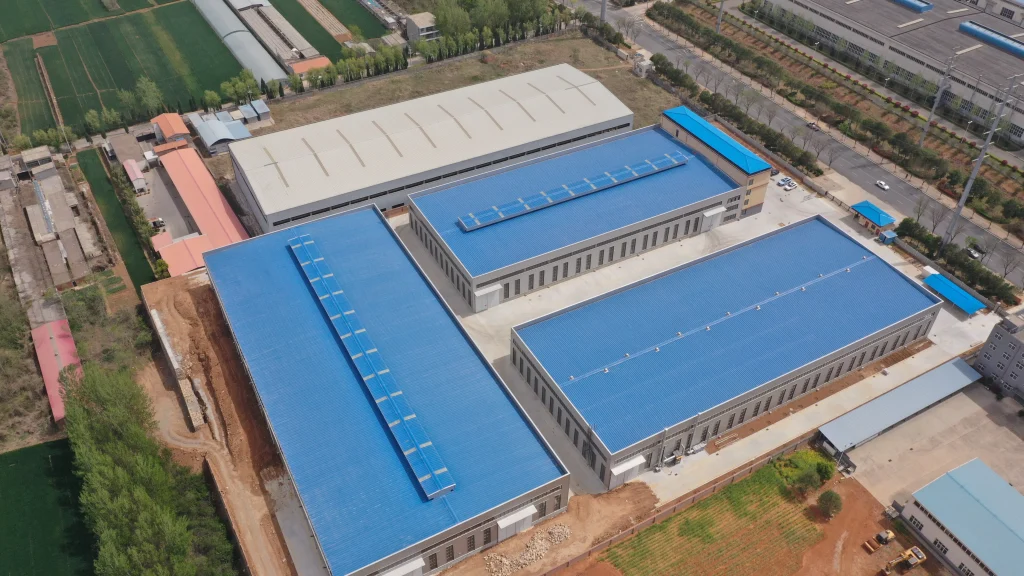
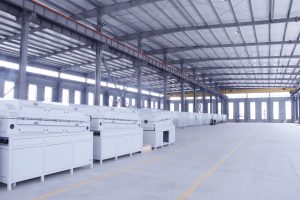
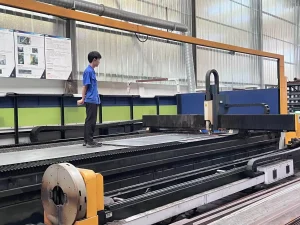
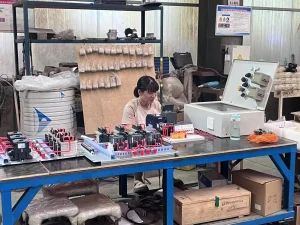
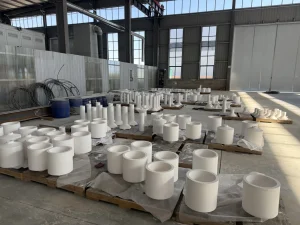
A professional enterprise specializing in heat treatment technology services and the R&D, manufacturing, and sales of high-temperature electric furnaces.
The company focuses on developing high-temperature electric furnaces covering a full temperature range of -100℃ to 2600℃. Its products include experimental electric furnaces, vacuum atmosphere furnaces, industrial kilns, and medium-frequency induction heating equipment. Main products include box furnaces, tube furnaces, lifting furnaces, pusher kilns, bogie furnaces, rotary kilns, tunnel kilns, and various specialized medium-frequency furnaces.
The company adheres to technological innovation and has passed ISO9001 and EU CE certifications. It owns 21 registered trademarks, 29 patents, and 27 software copyrights.
Payment Methods
TT
Shipment Methods
The electric furnace is packaged in three layers: first wrapped in foam paper, then wrapped in plastic film, and finally packed in a wooden crate.
Rotary Furnace Frequently Asked Questions (FAQ)
- What materials is this rotary kiln suitable for?
Suitable for high-temperature heat treatment processes of powders, granular materials, and new energy materials.
- Why is a rotary structure used?
The rotary structure allows for uniform agitation of powders, reducing agglomeration and improving processing uniformity.
- Does it support multi-temperature zone control?
Yes, the equipment features a design with 3 or more independent temperature zones.
- Does it support process curve storage?
Yes, it can save more than 5 process curves, each supporting more than 30 program settings.
- Does it support remote communication?
Yes, the equipment is equipped with an Ethernet communication interface, which can read key operating data.