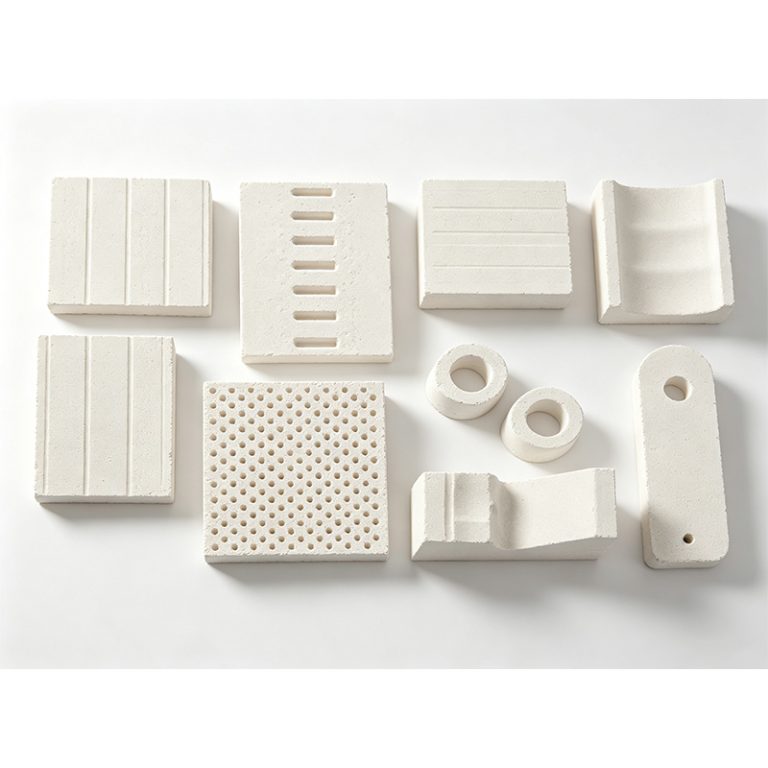
Luoyang Anjing Intelligence Equipment are a global leader in high-temperature electric furnaces



Calcination Mortar for Cathode Materials | High Temperature Refractory Mortar
PRODUCT PARAMETERS
Description
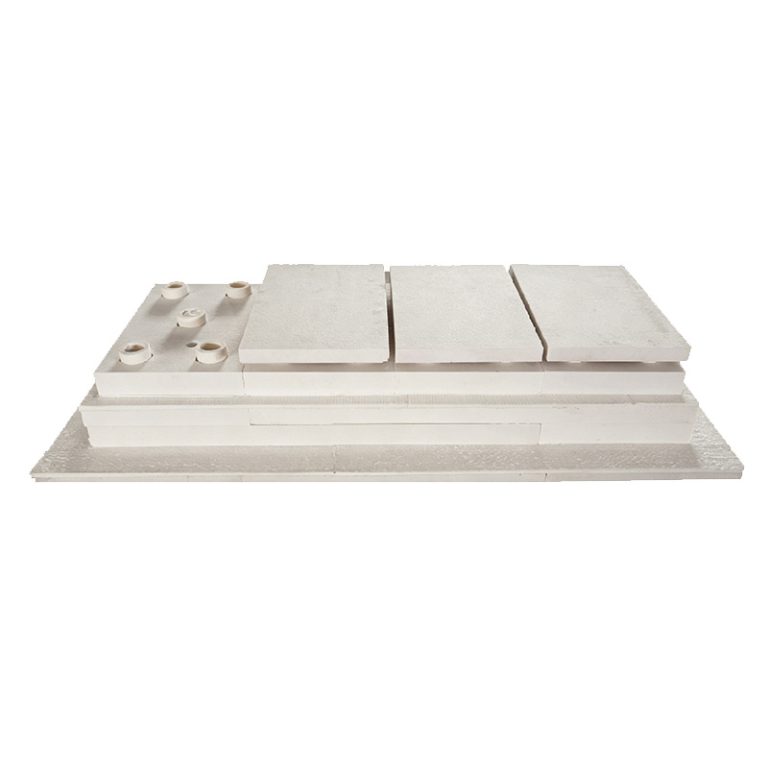
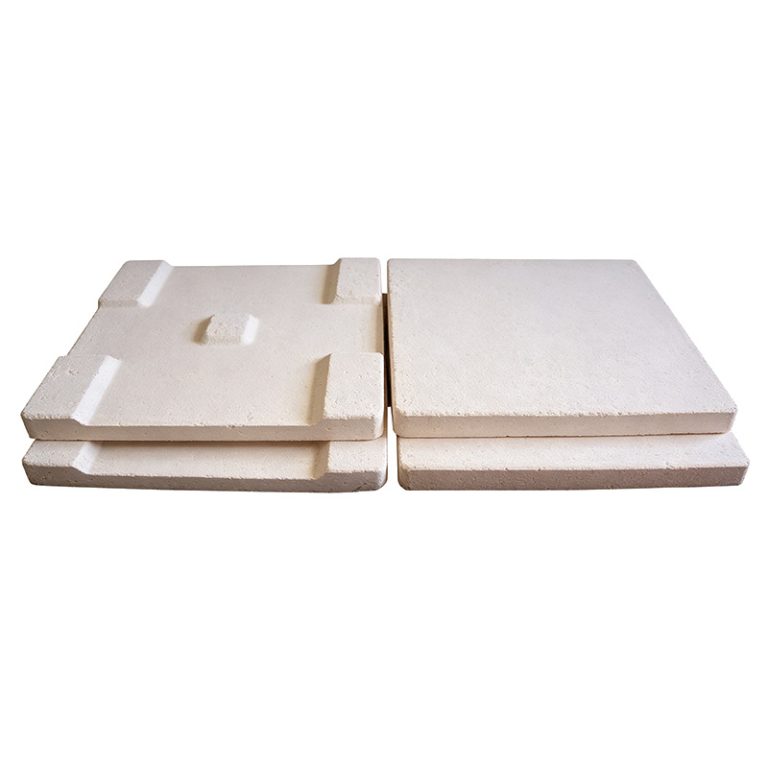
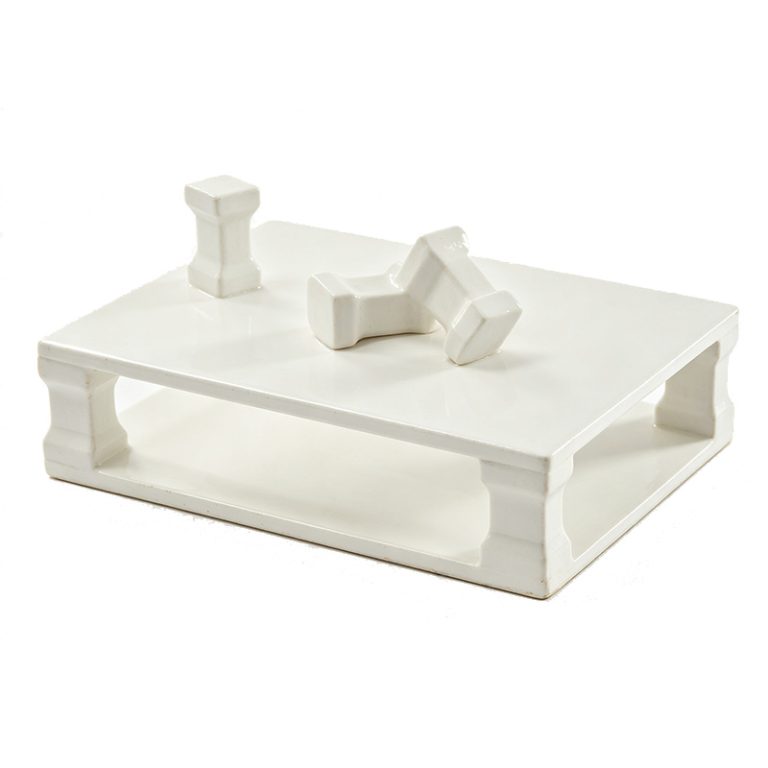
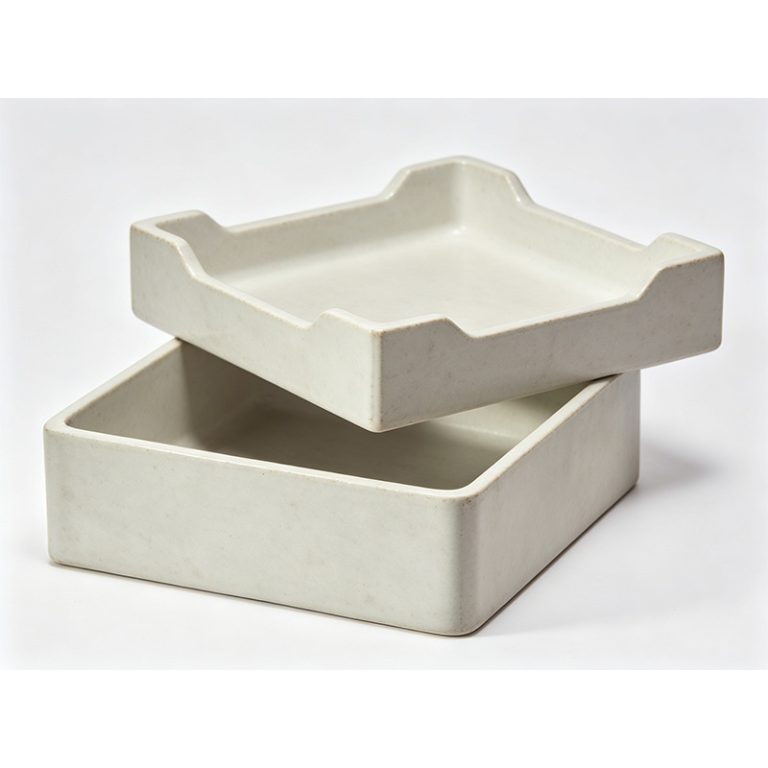
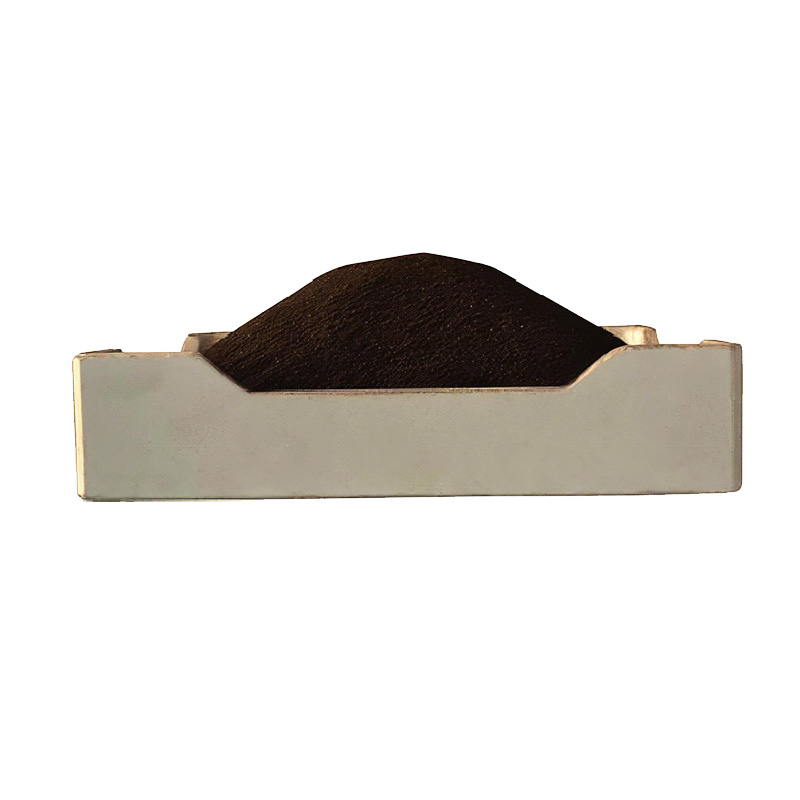
Calcination mortar for positive electrode materials
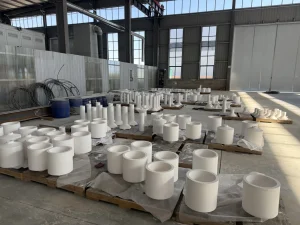
The most crucial materials for rechargeable lithium-ion batteries are the positive and negative electrode materials. We specialize in producing high-quality, corrosion-resistant calcining vessels for these materials. With the continuous expansion of mobile and IT industries and the increasing demand for low-carbon and environmentally friendly products, lithium-ion batteries (using high-performance, low-carbon, and environmentally friendly materials) are gaining a larger share of the rechargeable battery market. Addressing the stringent requirements of calcination processes for ternary and lithium iron phosphate positive and negative electrode materials, our company specializes in producing high-quality, corrosion-resistant calcining vessels. These vessels possess strong corrosion resistance and low impurity content, ensuring the purity and consistency of the positive electrode material calcination process.
Product Features
- Strong Corrosion Resistance
Targeting the alkaline corrosive media generated during the calcination of lithium battery cathode materials (ternary materials, lithium iron phosphate, etc.), the product exhibits excellent chemical resistance, effectively extending the service life of the cathode.
- Low Fe₂O₃ Content, Preventing Cathode Material Contamination
Fe₂O₃ is a key impurity affecting the electrochemical performance of lithium battery cathode materials. Our cathode material has strictly controlled the Fe₂O₃ content to prevent iron ion migration and contamination of the cathode material during high-temperature calcination.
- Low Free Silicon (SiO₂) Content
Free silicon may react with the cathode material at high temperatures, affecting material purity and electrochemical performance. The product has a low free silicon content, ensuring chemical stability during the calcination process.
- Low TiO₂ Content
The TiO₂ impurity content is strictly controlled to avoid adverse effects on the cathode material performance, ensuring the electrochemical consistency and safety of the lithium battery cathode material.
- Stable High-Temperature Performance
Maintains excellent structural stability and creep resistance under high-temperature calcination conditions of 1400~1600℃, without deformation or cracking during long-term use.
- High Purity and Long Service Life
Made of high-purity material with a dense structure, it is resistant to corrosion and thermal shock, resulting in a long service life under normal operating conditions and offering excellent overall cost-effectiveness.
Application Areas
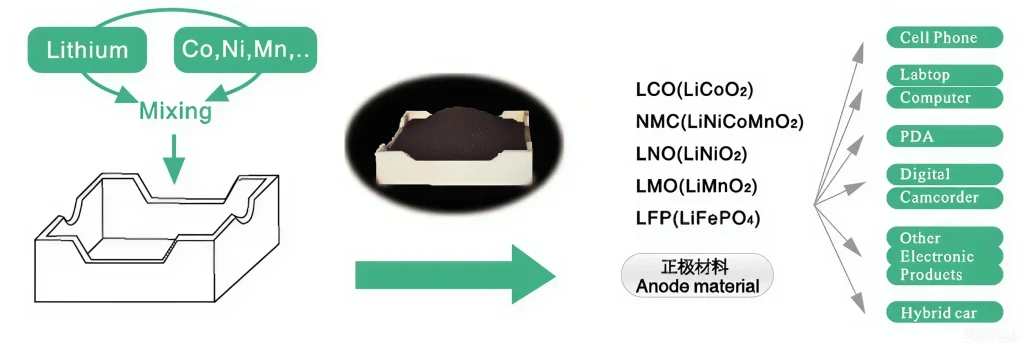
- Ternary cathode and anode material calcination: Used for the high-temperature calcination process of ternary cathode materials such as NCM (lithium nickel cobalt manganese oxide) and NCA (lithium nickel cobalt aluminum oxide).
- Lithium iron phosphate cathode and anode material calcination: Used for the calcination treatment of LFP (lithium iron phosphate) cathode materials.
- Other lithium battery cathode material calcination: Applicable to the calcination process of lithium battery cathode materials such as lithium cobalt oxide and lithium manganese oxide.
- Lithium battery anode material calcination: Applicable to the calcination support of various lithium battery anode materials.
Company Profile
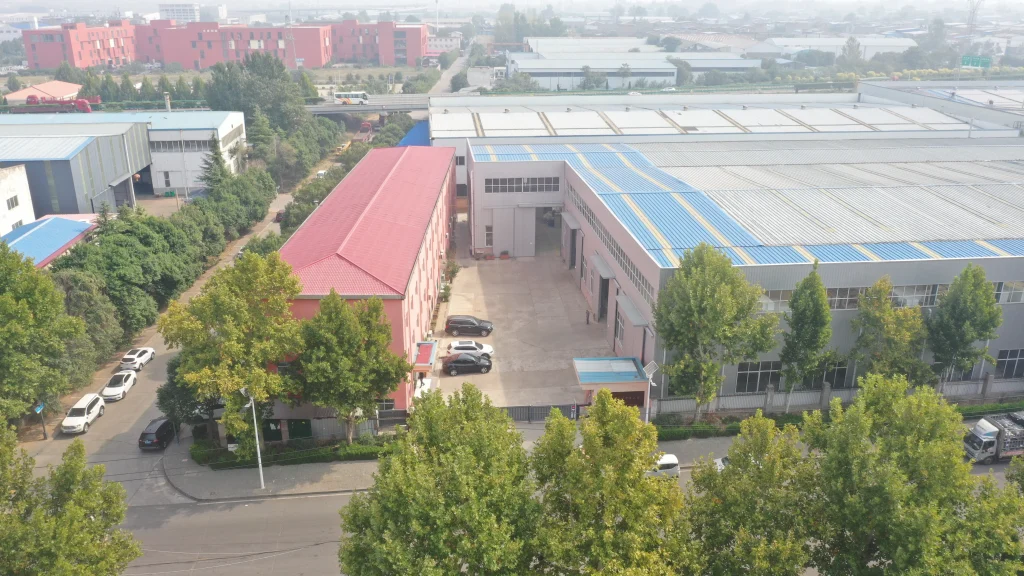
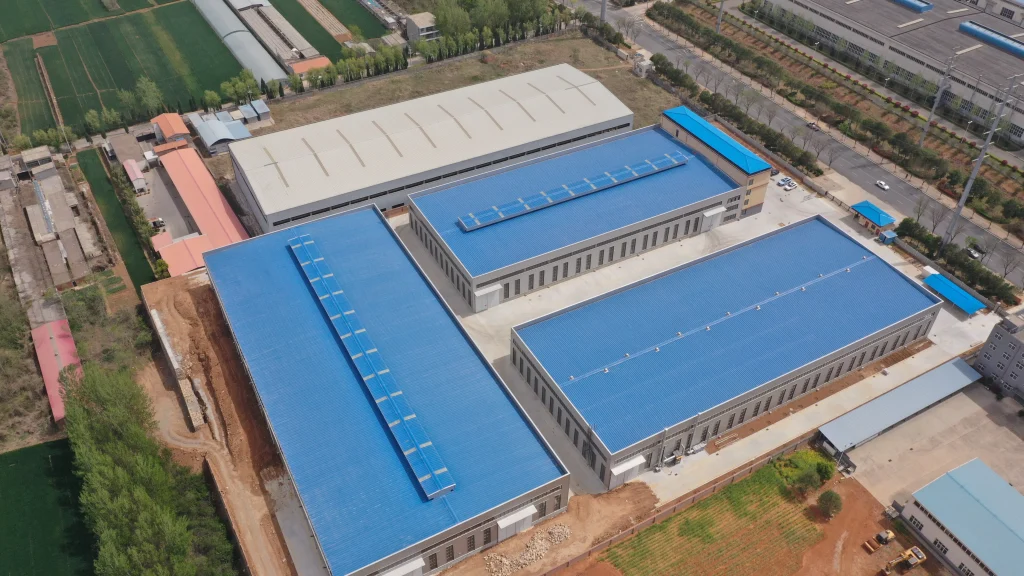
A professional enterprise specializing in heat treatment technology services and the R&D, manufacturing, and sales of high-temperature electric furnaces.
The company focuses on developing high-temperature electric furnaces covering a full temperature range of -100℃ to 2600℃. Its products include experimental electric furnaces, vacuum atmosphere furnaces, industrial kilns, and medium-frequency induction heating equipment. Main products include box furnaces, tube furnaces, lifting furnaces, pusher kilns, bogie furnaces, rotary kilns, tunnel kilns, and various specialized medium-frequency furnaces.
The company adheres to technological innovation and has passed ISO9001 and EU CE certifications. It owns 21 registered trademarks, 29 patents, and 27 software copyrights.
Payment Methods
TT
Shipment Methods
The electric furnace is packaged in thThe electric furnace is packaged in three layers: first wrapped in foam paper, then wrapped in plastic film, and finally packed in a wooden crat.
Frequently Asked Questions (FAQ)
- How is the corrosion resistance of this product?
The product has strong corrosion resistance, effectively resisting the alkaline corrosive media generated during the calcination of lithium battery cathode materials, extending the service life of the potter’s bowl.
- Why is the Fe₂O₃ content in the product strictly controlled?
Fe₂O₃ is a key harmful impurity in lithium battery cathode materials. At high temperatures, iron ions may migrate into the cathode material, affecting the battery’s electrochemical performance and safety. Our company strictly controls the Fe₂O₃ content in the potter’s bowl to ensure the purity of the cathode material.
- What are the advantages of the low free silicon (SiO₂) content in the product?
Free silicon may react with the cathode material at high temperatures, forming a silicate phase, affecting material purity and electrochemical performance. A low free silicon content ensures chemical stability during the calcination process.
- Do you support customized sizes?
Yes. We can customize corrosion-resistant potter’s bowls of different specifications according to the customer’s calcination process and kiln size.
- Is the product suitable for the calcination of lithium iron phosphate cathode materials?
Yes. The product is designed to address the corrosion characteristics of lithium iron phosphate cathode materials during calcination, exhibiting excellent corrosion resistance and low impurity content.