Luoyang Anjing Intelligence Equipment are a global leader in high-temperature electric furnaces



Zirconium Corundum Bricks
PRODUCT PARAMETERS
Description
Zirconium Alumina Bricks
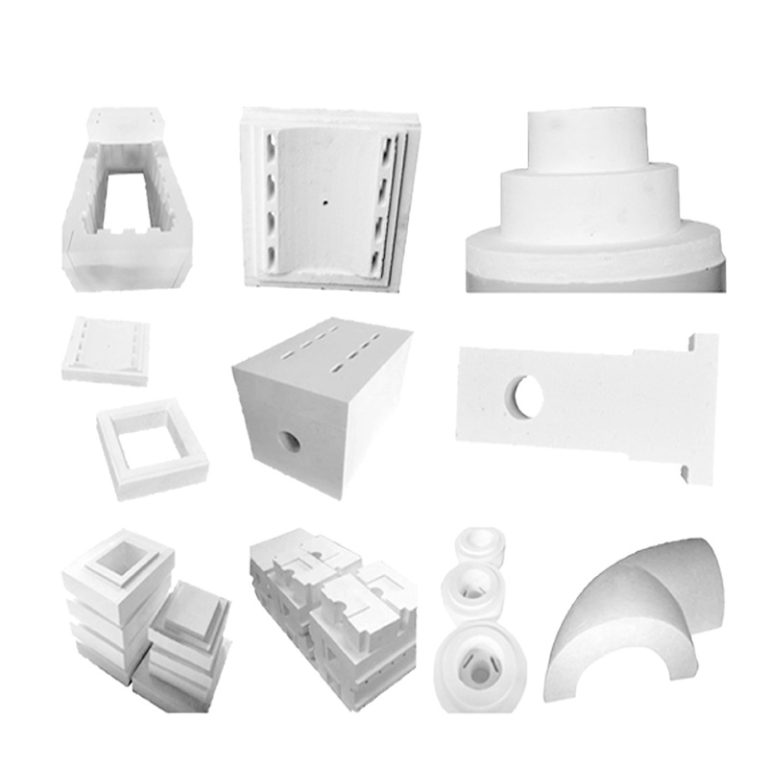
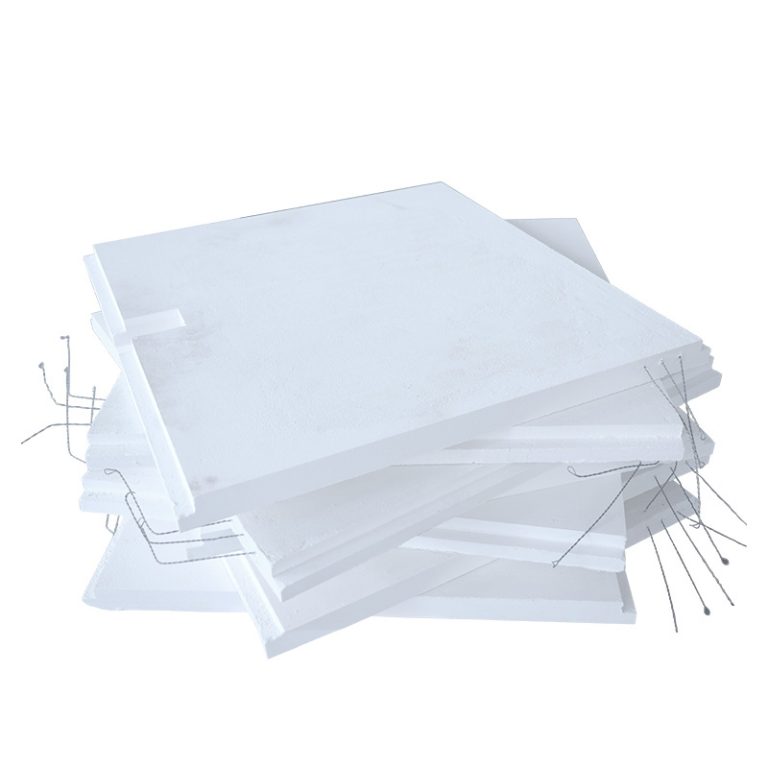
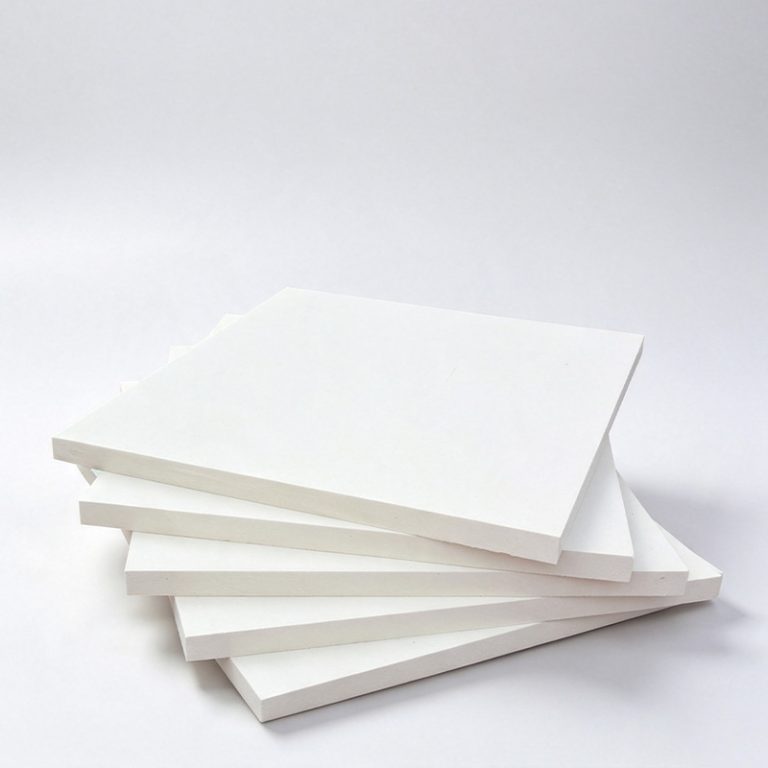
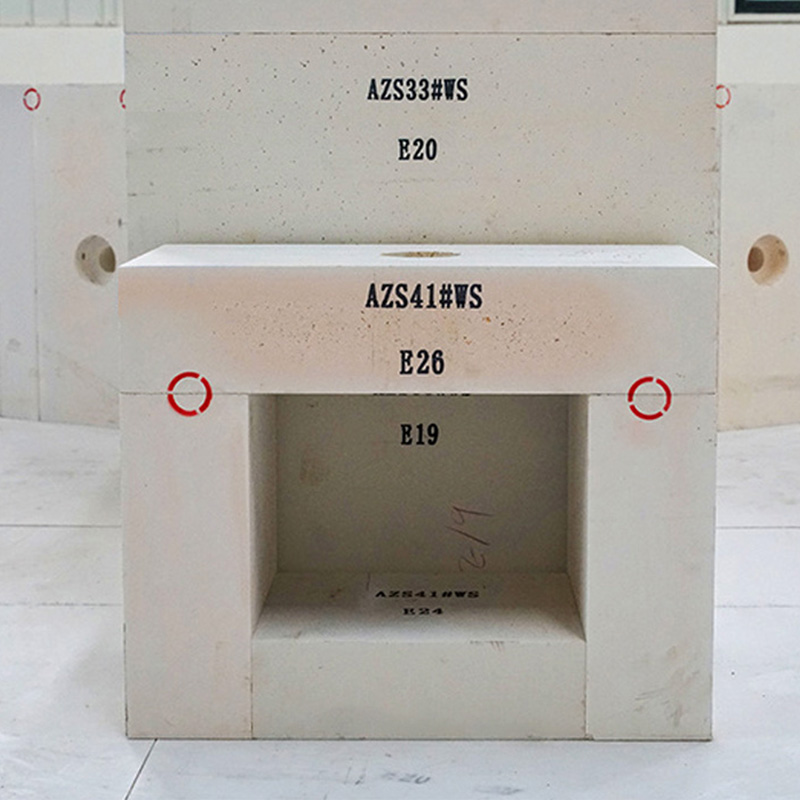
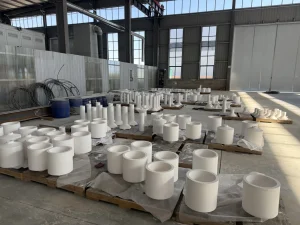
Zirconium corundum bricks are made from alumina and zirconium oxide through high-temperature melting, casting, annealing, and cooling. They feature a dense structure, low porosity, strong resistance to molten glass erosion, and a high glass phase exudation temperature, making them the preferred refractory material for critical components of glass melting furnaces.The products are available in three grades (33#, 36#, and 41#) based on zirconium oxide content, and in four types (ordinary casting (PT), inclined casting (QX), quasi-shrinkage-free casting (ZWS), and shrinkage-free casting (WS)) based on casting method, meeting the needs of various glass melting processes.
Product Features
- High Zirconia Content, Strong Erosion Resistance
The ZrO₂ content of zirconia-corundum bricks ranges from 32% to 44%, and its content level directly determines the material’s resistance to molten glass erosion. When the ZrO₂ content is increased from 33% to 41%, the erosion rate is optimized from ≤1.60mm/24h to ≤1.30mm/24h, which has a significant effect on extending the service life of the kiln.
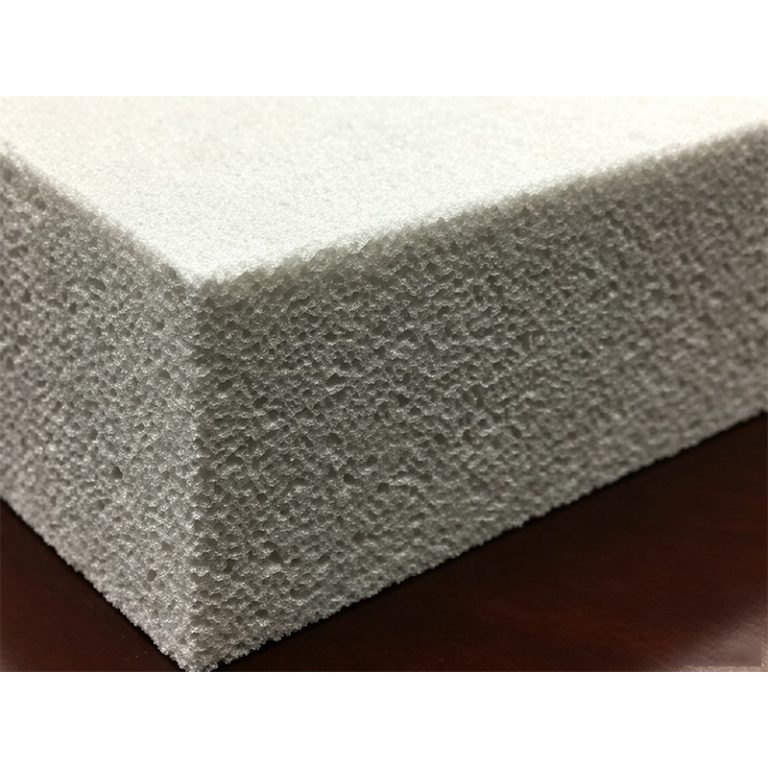
- Dense Structure, Extremely Low Porosity
The apparent porosity is ≤1.5% (33#) to ≤1.0% (36#, 41#), resulting in a dense structure that effectively blocks molten glass penetration and reduces bubble formation.
- High Initial Glass Phase Settlement Temperature, Safe Operation
The initial precipitation temperature of the glass phase is ≥1400℃. The glass phase is stable and does not easily precipitate at high temperatures, which can ensure the safe operation of the melting furnace under high temperature conditions.
- Low bubble emergence rate, ensuring glass quality
The bubble emergence rate at 1300℃ for 10 hours is ≤2.0% (33#) to ≤1.0% (41#), effectively reducing bubble defects in glass products and improving glass quality.
- Low impurity content, high purity
The total Fe₂O₃ + TiO₂ content is ≤0.30%, and the Na₂O content is ≤1.45%. Low impurity content ensures stable high-temperature performance of the product.
- Multiple casting methods available
Four casting methods are available: PT, QX, ZWS, and WS, meeting the diverse needs of different parts of the glass melting furnace for shrinkage rate and density.
| Fused Cast AZS Refractory Product Code | Grade | Nominal ZrO₂ Mass Fraction(%) |
|---|---|---|
| AZS | 33 | 33 |
| AZS | 36 | 36 |
| AZS | 41 | 41 |
Application Areas
- Key Components of Glass Melting Furnaces: Used in key components of glass melting furnaces, including the pool walls, pool bottom, feed inlet, flow channel, and furnace sill.
- Soda-lime Glass Production: Suitable for melting furnaces producing ordinary soda-lime glass, bottle and jar glass, flat glass, and other everyday and architectural glass.
- Specialty Glass Melting: Suitable for melting furnaces producing borosilicate glass, electronic glass, photovoltaic glass, and other specialty glasses.
- Glass Fiber Furnaces: Used in the melting section and passageways of glass fiber furnaces, including high-temperature areas.
Company Profile
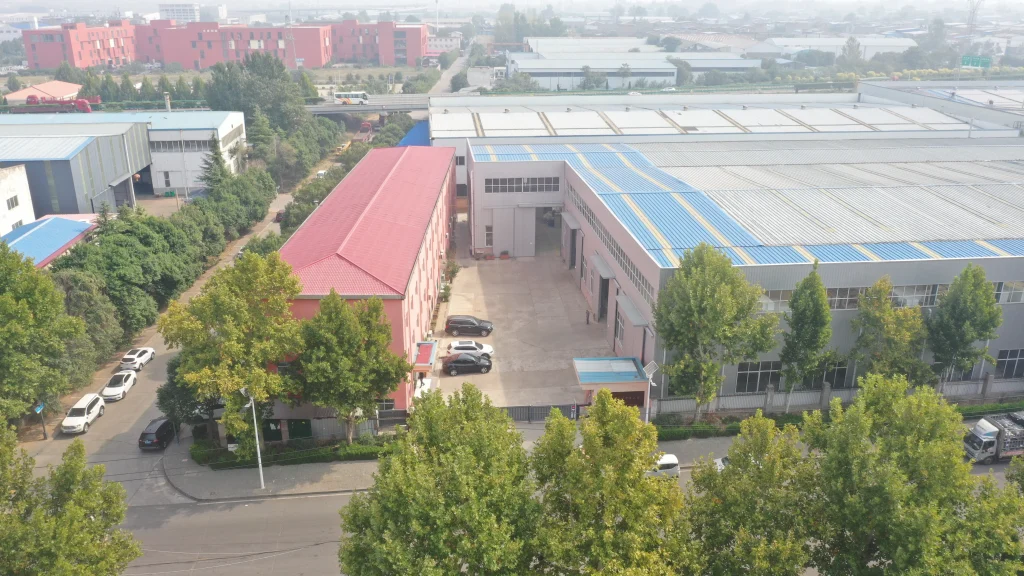
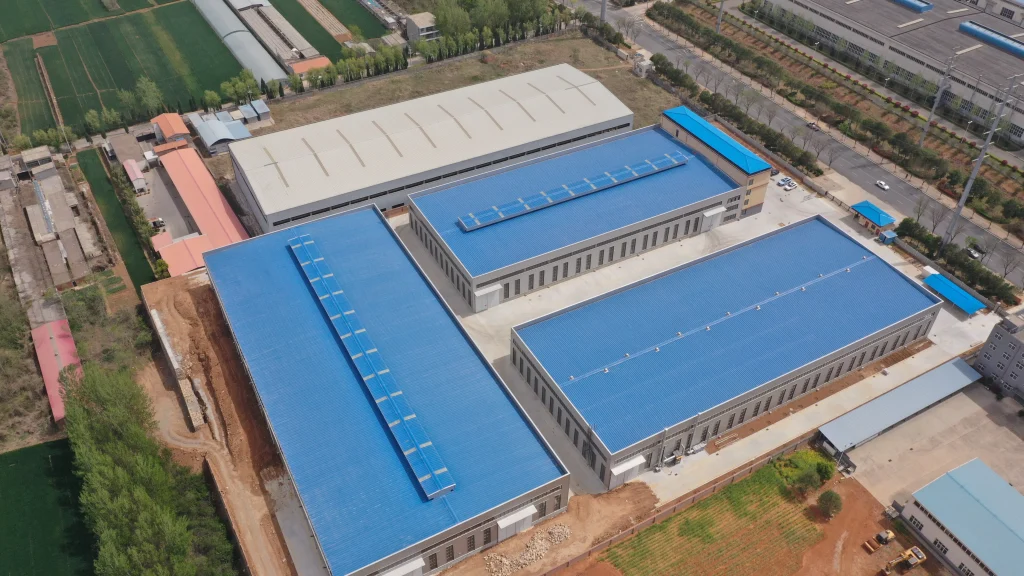
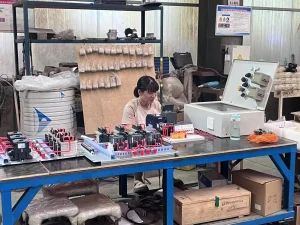
A professional enterprise specializing in heat treatment technology services and the R&D, manufacturing, and sales of high-temperature electric furnaces.
The company focuses on developing high-temperature electric furnaces covering a full temperature range of -100℃ to 2600℃. Its products include experimental electric furnaces, vacuum atmosphere furnaces, industrial kilns, and medium-frequency induction heating equipment. Main products include box furnaces, tube furnaces, lifting furnaces, pusher kilns, bogie furnaces, rotary kilns, tunnel kilns, and various specialized medium-frequency furnaces.
The company adheres to technological innovation and has passed ISO9001 and EU CE certifications. It owns 21 registered trademarks, 29 patents, and 27 software copyrights.
Payment Methods
TT
Shipment Methods
The electric furnace is packaged in thThe electric furnace is packaged in three layers: first wrapped in foam paper, then wrapped in plastic film, and finally packed in a wooden crat.
Frequently Asked Questions (FAQ)
- How to choose between the three grades: 33#, 36#, and 41#?
Select the grade based on the glass melting furnace conditions and usage requirements: 33# has the lowest zirconium content and is suitable for general areas; 41# has the highest zirconium content (40~44%), offering the strongest erosion resistance and the lowest bubble precipitation rate, making it suitable for critical areas with extremely high glass quality requirements. For critical areas of the glass furnace (such as furnace sills and flow channels), high-zirconium content AZS-41# bricks are generally recommended.
- What are the differences between the four casting methods: PT, QX, ZWS, and WS?
PT is ordinary casting, suitable for non-critical areas; ZWS is quasi-shrinkage-free casting, with fewer shrinkage cavities, suitable for areas with higher requirements; WS is shrinkage-free casting, completely free of shrinkage cavities, suitable for critical areas such as flow channels and furnace sills. From PT to WS, the density and bulk density gradually increase.
- How is the product’s resistance to molten glass erosion?
AZS41 grade exhibits an erosion resistance rate ≤1.30mm/24h (1500℃×36h, ordinary soda-lime glass), demonstrating excellent erosion resistance significantly superior to low-zirconium content products.
- Will the product cause bubble defects in the glass?
The product has a low bubble precipitation rate. AZS41 grade has a bubble precipitation rate ≤1.0% at 1300℃×10h, effectively reducing bubble defects in glass products.
- What is the impact of Na₂O content on the product’s performance?
Na₂O is a component of the glass phase. Excessive content will lower the initial precipitation temperature of the glass phase and reduce erosion resistance. Our products maintain Na₂O content ≤1.45% (33#, 36#) and ≤1.30% (41#) to ensure stable high-temperature performance.