Luoyang Anjing Intelligence Equipment are a global leader in high-temperature electric furnaces



1600°C Vacuum Atmosphere Elevator Annealing Furnace
PRODUCT PARAMETERS
Description
1600°C Vacuum/Atmosphere Elevator Annealing Furnace
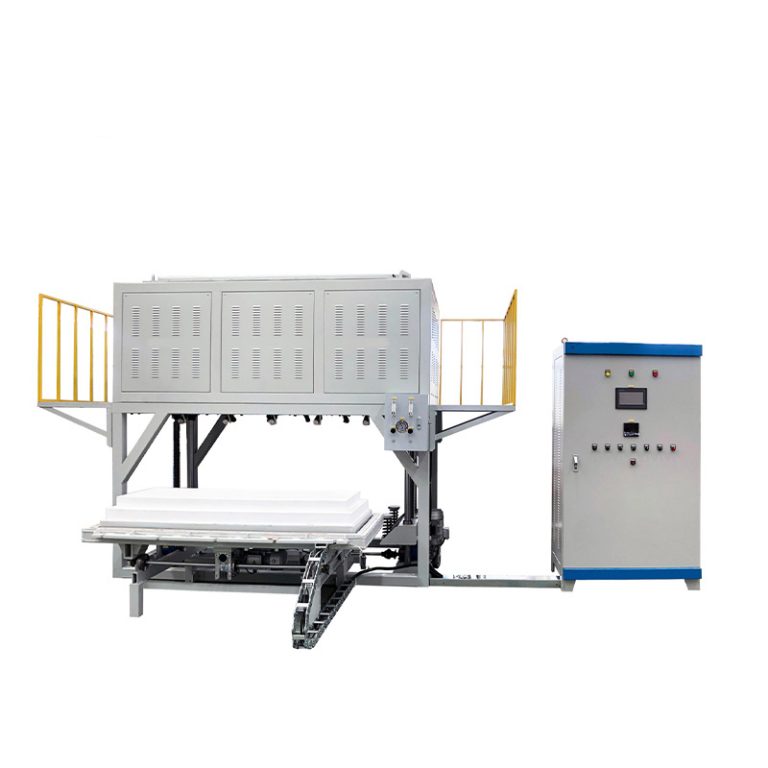
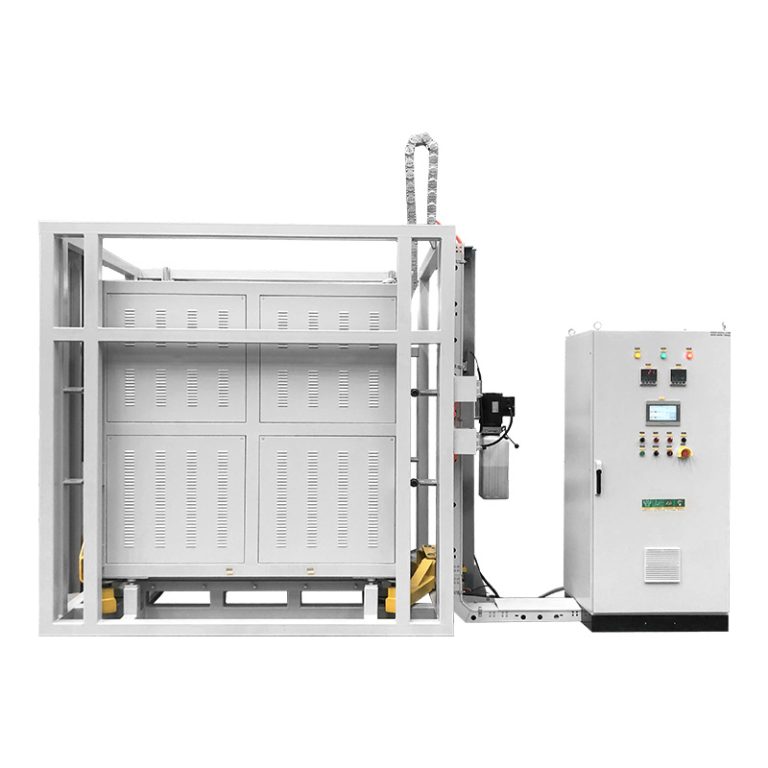
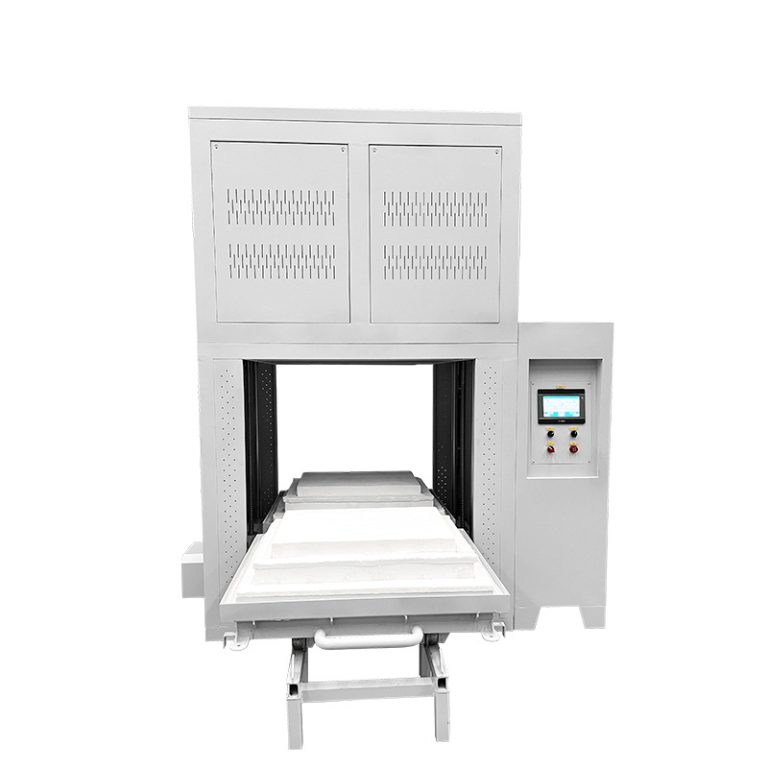
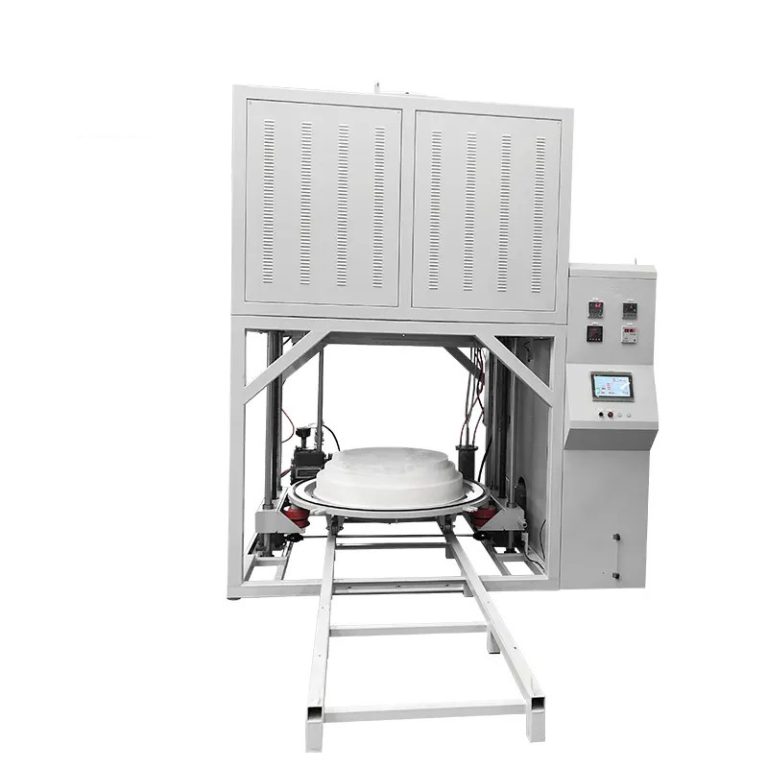
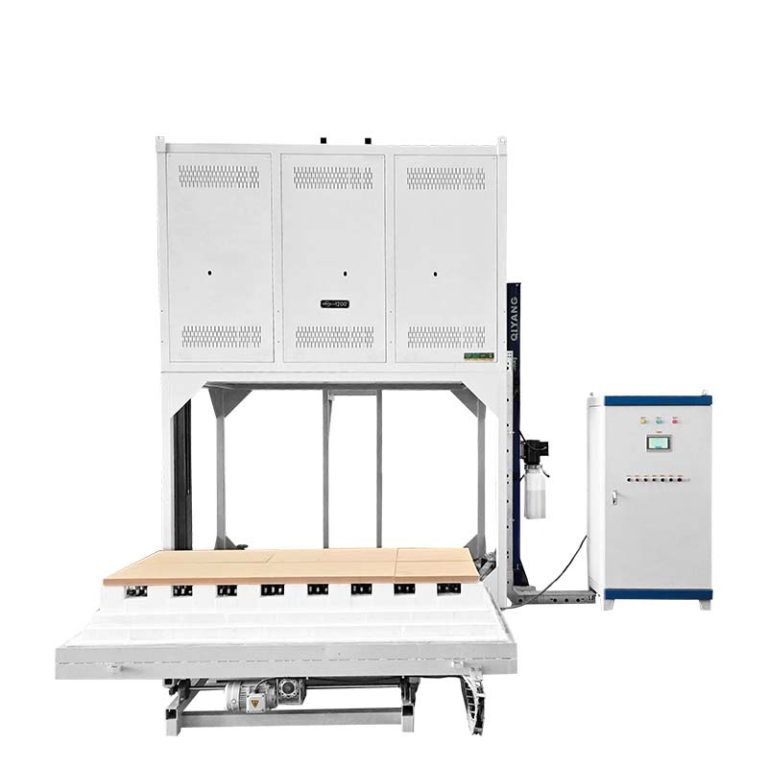
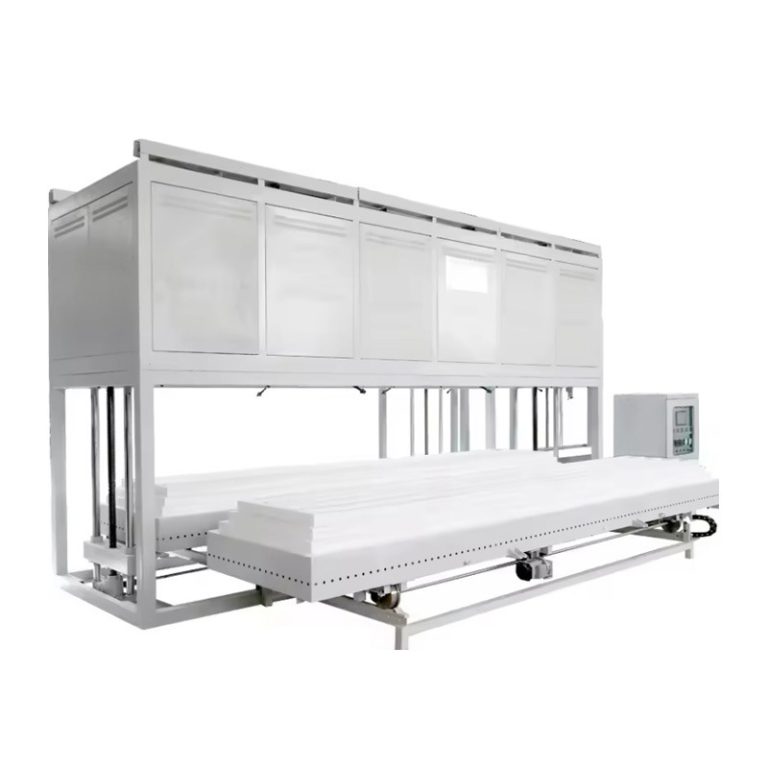
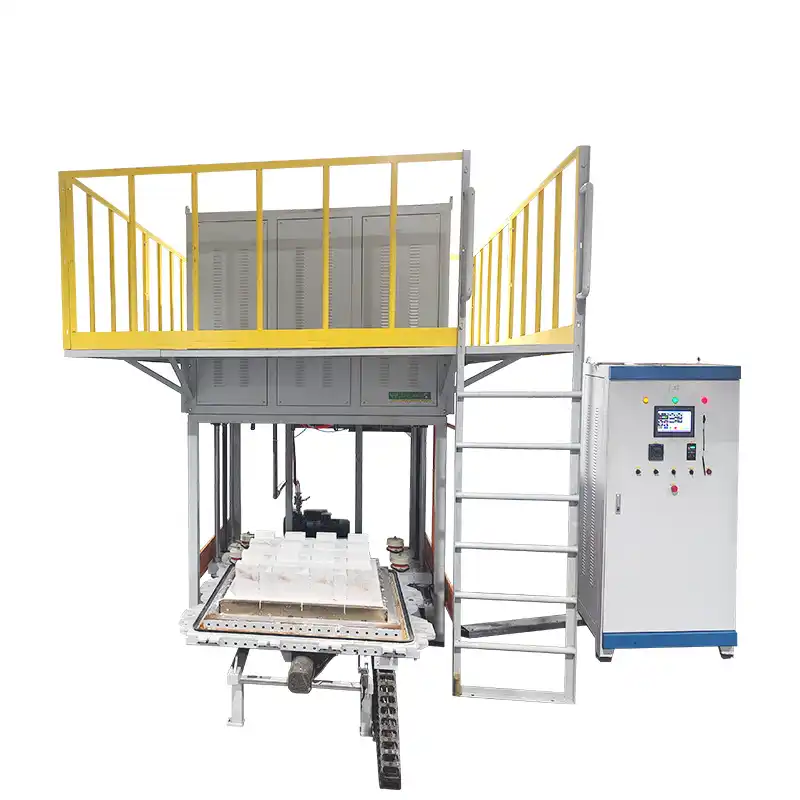
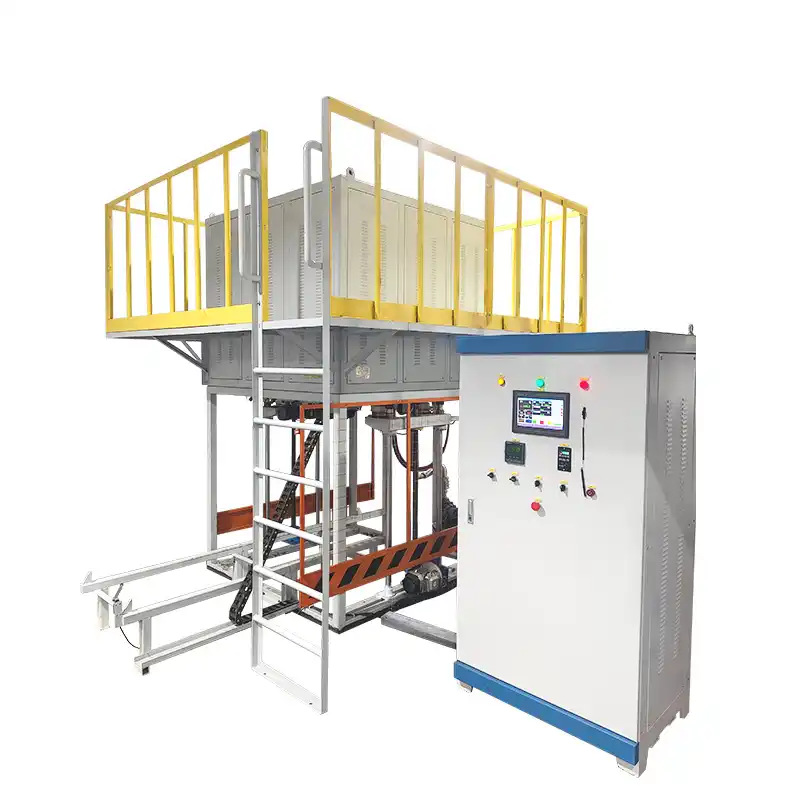
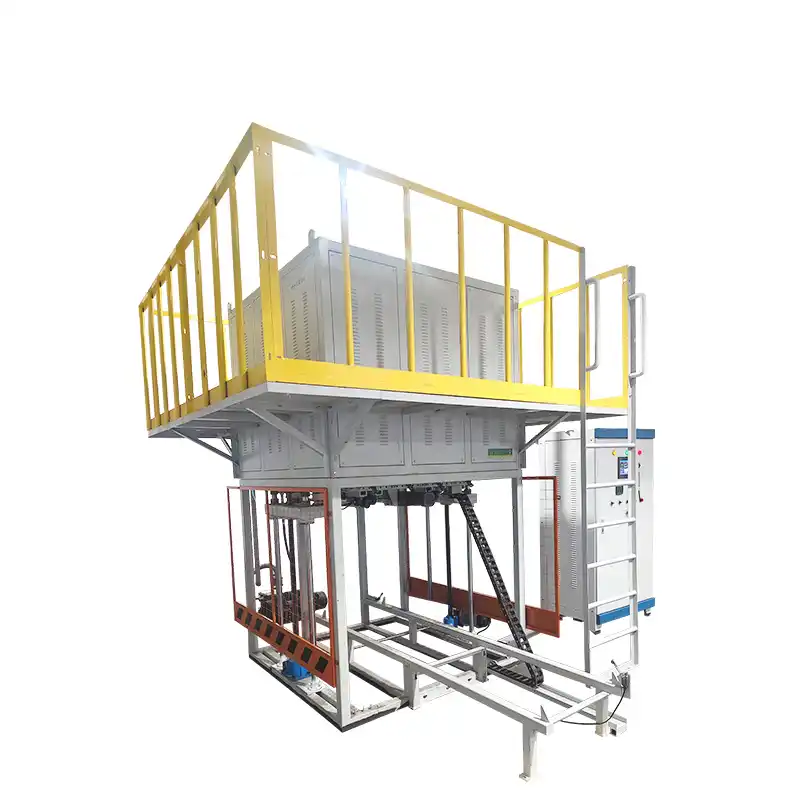
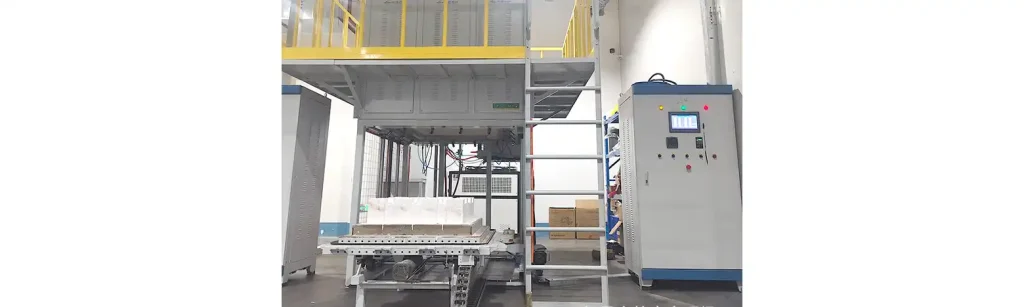
This 1600°C vacuum/atmosphere elevator annealing furnace features a vertical, single-chamber design with a hydraulic lifting mechanism. It is equipped with vacuum, gas-filling, water-cooling, and PLC control systems, and has a maximum operating temperature of 1600°C. The equipment supports vacuum environments as well as atmospheres such as nitrogen, argon, and oxygen, making it suitable for high-temperature annealing, sintering, and the heat treatment of new materials.
Product Features
- Vertical single-chamber structure with a bottom-opening, hydraulically lifted door
The system consists of a vertical main unit (single-chamber), a vacuum system, a gas-filling system, a water-cooling system, and an electrical control system. The furnace door is of the bottom-opening type and is operated by a hydraulic lifting mechanism.
- Furnace chamber dimensions of 650×650×650mm with a large effective heating zone
Furnace chamber dimensions: 650 mm (L) × 650 mm (W) × 650 mm (H). Temperature uniformity in the effective heating zone is ≤±5°C (measured at 5 points/using 5 thermocouples after holding at 1200°C for 1 hour); temperature control accuracy is ±1°C.
- Heating from all sides using Molybdenum Disilicide (MoSi2) elements for rapid, uniform heating
Molybdenum disilicide rods serve as the heating elements, installed on all four sides (front, back, left, and right) of the chamber to create a comprehensive 3D heating field. The heating rate is adjustable, with a maximum rate of 20°C per minute (non-linear).
- Dual-mode operation (vacuum + atmosphere) with multi-gas compatibility
Achieves a vacuum level of -0.1 MPa (relative vacuum) using a two-stage rotary vane mechanical pump. The furnace supports the introduction of gases such as nitrogen, argon, and oxygen. The gas inlet system features three channels equipped with float flowmeters and manual valves (flow ranges and quantities customizable) to precisely control protective gas flow and intake, enabling operation at a slight positive pressure of up to 0.05 MPa (relative pressure).
- Comprehensive water-cooling system for critical components
Water cooling covers the furnace roof, opening, door, and outer shell, effectively lowering the temperature of seals and the furnace body to extend equipment lifespan and ensure vacuum sealing performance.
- Centralized control via 10-inch true-color touchscreen and PLC
Centralized control is managed through a 10-inch true-color touchscreen and PLC, enabling temperature setting, historical logging, and data reporting, with the ability to download records to a computer for printing.
| Temperature Control Accuracy | ±1°C (integrated circuit control, no overshoot) |
| Furnace Temperature Uniformity | Temperature field uniformity ≤±5°C (within the effective heating zone), (after holding at 1200°C for 1 hour, 5-point temperature measurement/thermocouple measurement) |
| Heating Rate | Heating rate freely adjustable; adjustment range: fastest heating rate 20°C per minute (20°C/min) |
| Cooling Rate | Fastest cooling rate: 1000–500°C at 5–10°C/min, 500–300°C at 2–5°C/min; with Eurotherm instrument, cooling rate can reach 0.5°C/h |
| Heating Elements | Silicon-molybdenum rods |
| Furnace Body | The furnace body is machined with CNC machine tools and manufactured through polishing, grinding, acid washing, phosphating, plastic powder spraying, high-temperature baking, etc. It features a two-tone color scheme, a novel and aesthetically pleasing appearance, and advantages such as oxidation resistance, acid and alkali resistance, corrosion resistance, high temperature resistance, and easy cleaning |
| Furnace Body Structure | The electric furnace has a double-layer shell. The furnace body adopts an air-cooled double-layer structure. An effective air-cooled guide baffle enables overall cold air circulation in the furnace shell, ultimately cooling the heating element conductive plates before discharging out of the furnace body, avoiding high-temperature oxidation of the heating element conductive plates and ensuring a good working environment |
| Door Opening Method | Bottom-opening door, hydraulic lifting |
| Combination of Loading Platform and Furnace Opening | The furnace loading platform and furnace opening adopt a stepped soft seal. Elastic high-temperature sealing strips are arranged on the steps, which can effectively absorb the expansion of the refractory materials of the furnace opening and loading platform |
| Refractory Materials | The furnace lining is made of vacuum-formed high-purity alumina lightweight material. Positions prone to collision during loading and unloading and load-bearing positions (furnace opening, furnace bottom) adopt lightweight hollow ball alumina plates, which have high operating temperature, small heat storage, resistance to rapid heating and cooling, no cracking, no slag falling, and good insulation performance |
| Insulation Materials | Three-layer insulation is adopted, namely: aluminum silicate fiberboard, alumina fiberboard, and alumina (polycrystalline) fiberboard. The energy-saving effect is more than 80% that of old-style electric furnaces |
| Furnace Body Shell Temperature | For long-term continuous operation without shutdown, the shell temperature is less than 45°C |
| Protection | An integrated modular control unit is adopted for accurate control precision, and dual-loop control and dual-loop protection are designed, featuring protection against overshoot, over-regulation, under-regulation, broken thermocouple, phase loss, overvoltage, overcurrent, overtemperature, current feedback, soft start, etc. |
| Control | Adopts a 10-inch true-color touch screen PLC centralized control, temperature setting, historical records, data reports, downloadable to computer for formatted printing records. Closed-loop technology thyristor module trigger control, phase-shift triggering or zero-crossing triggering mode. Output voltage, current, or power can be continuously adjusted, featuring constant voltage, constant current, or constant power characteristics. The current loop is the inner loop, and the voltage loop is the outer loop. When a load is suddenly applied or the load current exceeds the current limiting value, the output current of the voltage regulator is limited within the rated current range to ensure normal operation of the output and the voltage regulator. At the same time, the voltage loop also participates in regulation, so that the output current of the voltage regulator is limited within the rated current range, maintaining constant output current and voltage under the premise of sufficient adjustment margin. This protects the heating elements from impact of excessive current and voltage, achieving safe and reliable control effects and control precision |
| Water Cooling | Water-cooled parts: furnace top, furnace opening, furnace door, shell |
| Atmosphere | The electric furnace can be supplied with nitrogen, argon, oxygen, etc. |
| Vacuum Degree | -0.1MPa (relative vacuum), using a two-stage rotary vane mechanical pump |
| Furnace Liner Gas Intake System | Equipped with 3 float flow meters + manual valves (range/quantity customizable), precisely controlling the flow rate and input amount of protective gas (such as oxygen, inert gas), achieving a maximum micro-positive pressure of 0.05MPa (relative pressure) |
| Exhaust System | An exhaust pipe is provided at the furnace top, with an inner diameter of 80mm |
| Pressure Relief System | A pressure relief port is provided at the top between the inner liner and the heating elements, used to discharge excess gas between the interlayers for protection |
| Protection (Pressure Relief) | To prevent danger caused by exhaust port closure, exhaust port blockage, or excessive furnace tube pressure, this system is specially made. Principle: A signal is obtained from an electrical contact pressure gauge or pressure sensor, which drives the control module to close the electromagnetic gas inlet valve, start the electromagnetic exhaust valve and alarm, thereby protecting the normal operation of the electric furnace |
| Display Parameters | Real-time temperature, temperature segment number, segment time, remaining time, output power percentage, voltage, current, etc. |
| Buttons | Imported buttons are adopted, with a service life of more than 100,000 times, and with LED indicators |
| Temperature Curve Setting | Adopts an intelligent temperature controller, equipped with multiple adjustment modes such as standard PID, artificial intelligence adjustment APID, or MPT, with self-tuning and self-learning functions, and excellent control characteristics of no overshoot and no undershoot. It has a 30-segment program control function, can realize heating and cooling control at any slope, has programmable/operable commands such as jump (cycle), run, pause, and stop, and allows the program to be modified at any time during controlled operation; it adopts an artificial intelligence adjustment algorithm with curve fitting function, which can obtain smooth and flat curve control effects |
| Multiple Curve Input | 30-segment (customizable 50-segment) program control function, can be input and set as: one curve with 30 (50) segments, two curves with 14 (28) segments each, three curves with 9 (15) segments each, five curves with 5 (9) segments each; multiple curves can be input at the same time and can be called arbitrarily during use |
| Communication Interface | The electric furnace is equipped with an RS485 communication interface, with a communication distance of up to 1200 meters. It can control the electric furnace startup, pause, stop, heating curve setting, heating curve reading, parameter setting, etc. through a computer. It has high reliability and is easy to master. The computer screen displays rich content, including measured values, set values, output values, segment time, segment number, heating curve, power percentage curve. Heating curves can be stored through the computer, and the stored heating curves can be called arbitrarily, and set values and common parameters can be modified. The time interval for historical curves and historical report records can be filtered (1s–1h) and can be stored for a long time |
Application Areas
- Metal Annealing: Suitable for high-temperature annealing and heat treatment of metals and related materials.
- Ceramics and Refractories: Used for sintering and high-temperature process experiments involving ceramics and refractory materials.
- New Material R&D: Suitable for the sintering, melting, and analysis of specialty materials, new materials, and compounds.
- Scientific Research: Suitable for high-temperature vacuum and controlled-atmosphere experiments in university and research institute laboratories.
- Industrial Material Processing: Applicable to sectors such as metallurgy, electronics, glass, chemicals, machinery, and construction materials.
Company Profile
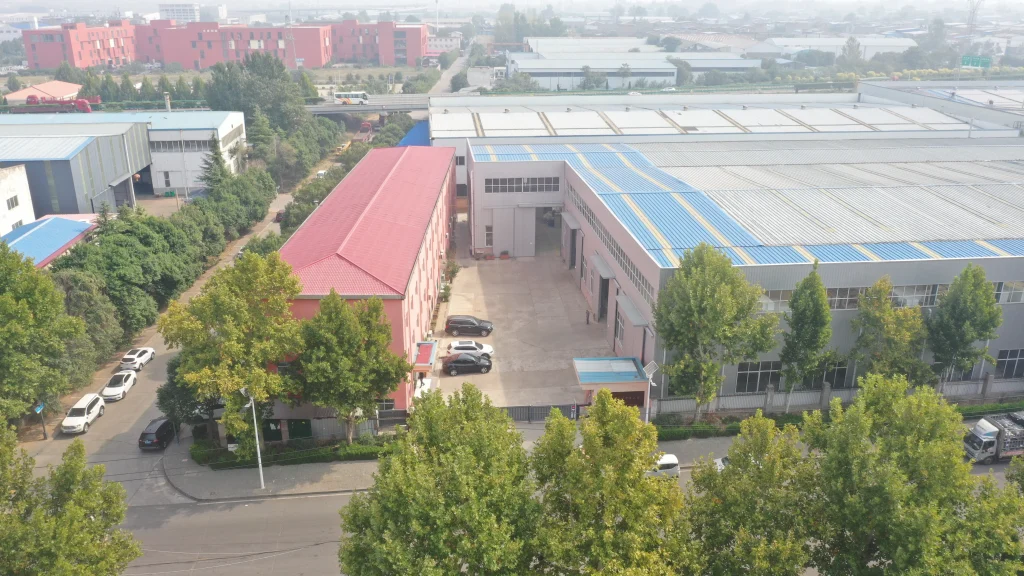
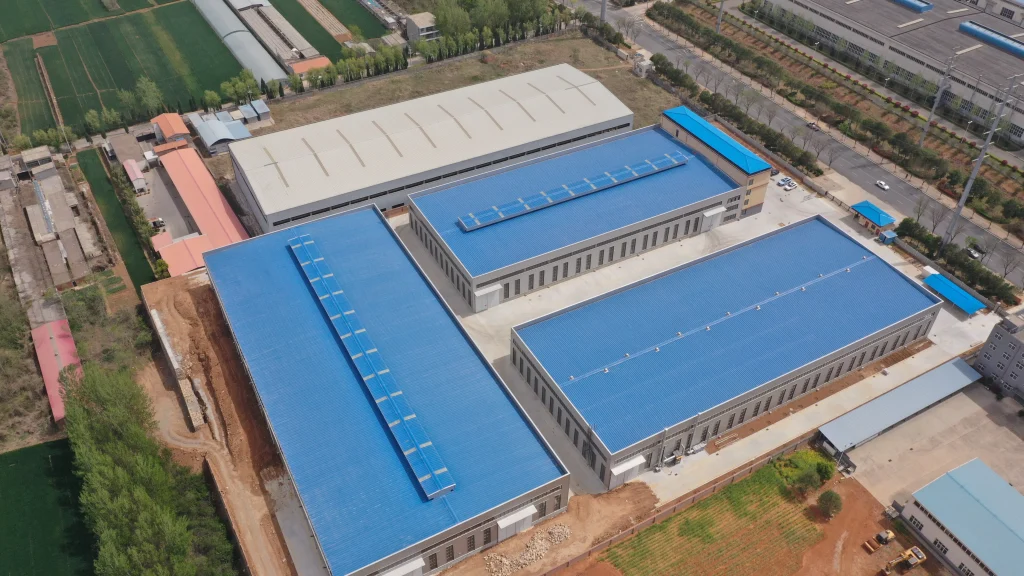
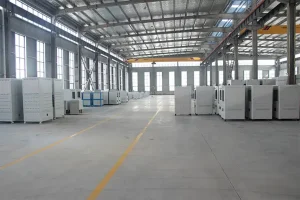
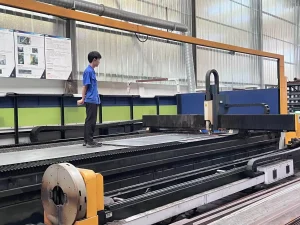
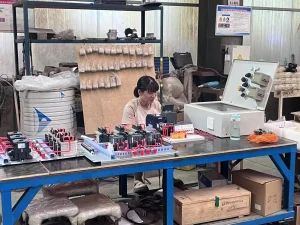
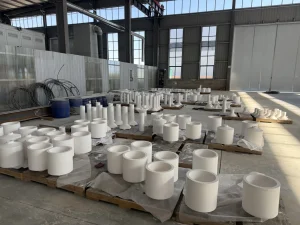
A professional enterprise specializing in heat treatment technology services and the R&D, manufacturing, and sales of high-temperature electric furnaces.
The company focuses on developing high-temperature electric furnaces covering a full temperature range of -100℃ to 2600℃. Its products include experimental electric furnaces, vacuum atmosphere furnaces, industrial kilns, and medium-frequency induction heating equipment. Main products include box furnaces, tube furnaces, lifting furnaces, pusher kilns, bogie furnaces, rotary kilns, tunnel kilns, and various specialized medium-frequency furnaces.
The company adheres to technological innovation and has passed ISO9001 and EU CE certifications. It owns 21 registered trademarks, 29 patents, and 27 software copyrights.
Payment Methods
TT
Shipment Methods
The electric furnace is packaged in three layers: first wrapped in foam paper, then wrapped in plastic film, and finally packed in a wooden crate.
Frequently Asked Questions (FAQ)
- What is the maximum temperature this vacuum atmosphere elevator annealing furnace can reach?
The maximum operating temperature is 1600°C, with a control range of 80–1600°C and a long-term operating range of 500–1600°C.
- What are the dimensions of the furnace chamber?
The chamber dimensions are 650 mm (L) × 650 mm (W) × 650 mm (H). It utilizes high-purity lightweight alumina materials, with lightweight hollow-sphere alumina boards used in areas prone to impact or requiring load-bearing capacity, such as the furnace opening and bottom.
- What gases can be introduced into the equipment?
The equipment supports the introduction of gases such as nitrogen, argon, and oxygen. It is equipped with three rotameters and manual valves, allowing for the control of protective gas flow rates and intake volumes according to process requirements.
- Can the heating and cooling rates be adjusted?
Yes. The maximum heating rate is 20°C/min. During the cooling phase, the maximum rate is approximately 5–10°C/min for the 1000–500°C range and approximately 2–5°C/min for the 500–300°C range.
- What safety protection features does the equipment have?
The equipment includes protections against overshoot, undershoot, thermocouple breakage, phase loss, overpressure, overcurrent, over-temperature, and issues involving current feedback and soft start. It also features pressure safety measures such as pressure monitoring, automatic gas intake shut-off, exhaust activation, and alarm systems.