Luoyang Anjing Intelligence Equipment are a global leader in high-temperature electric furnaces



1200°C Compact Quartz Tube Furnace for Laboratory and Material Research
PRODUCT PARAMETERS
Description
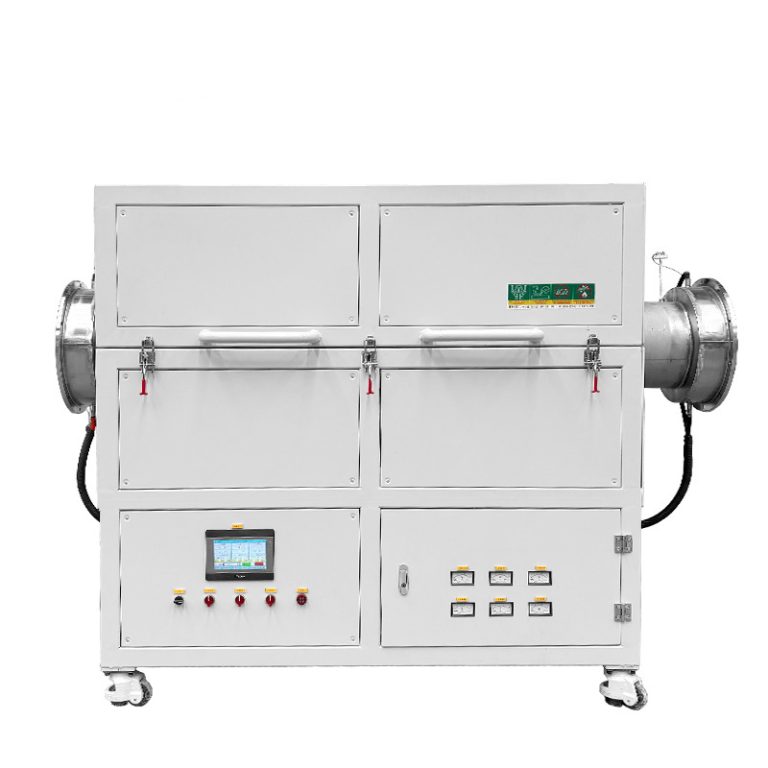
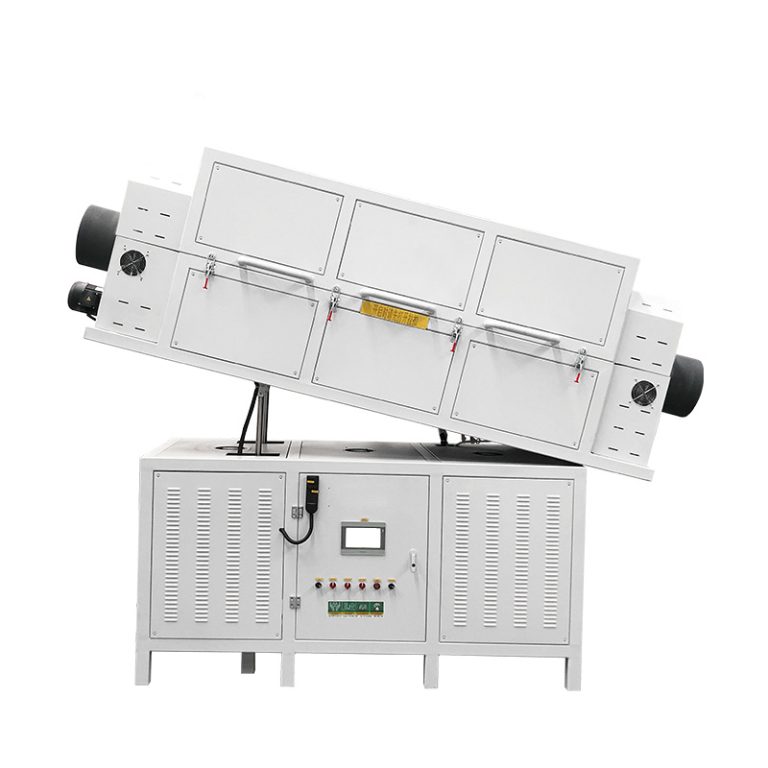
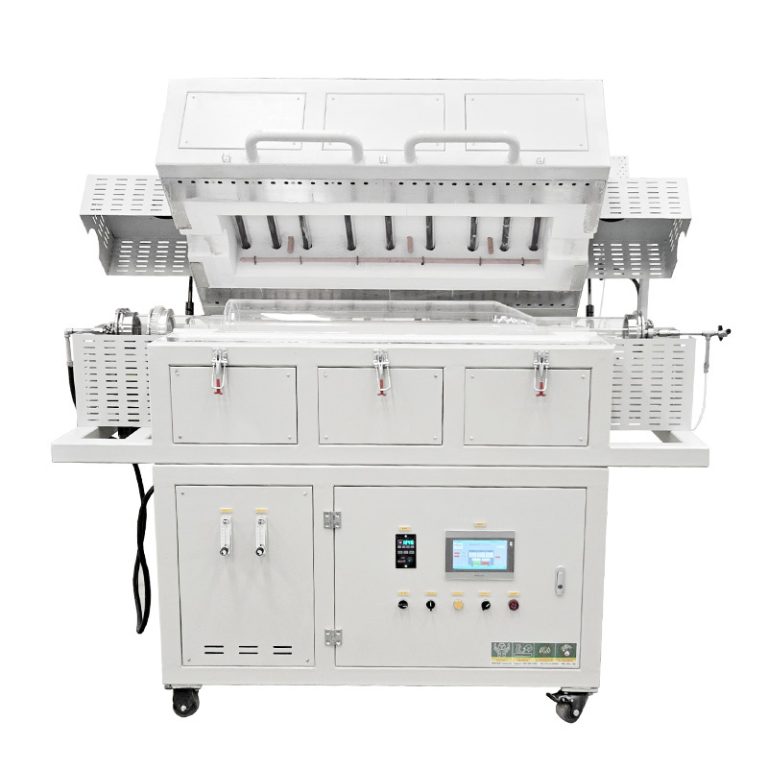
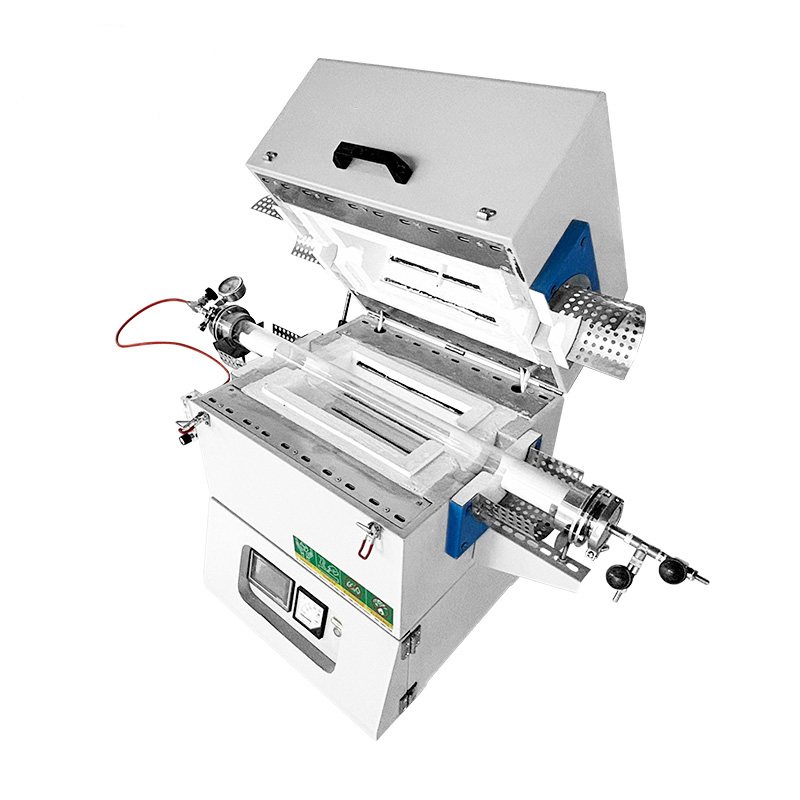
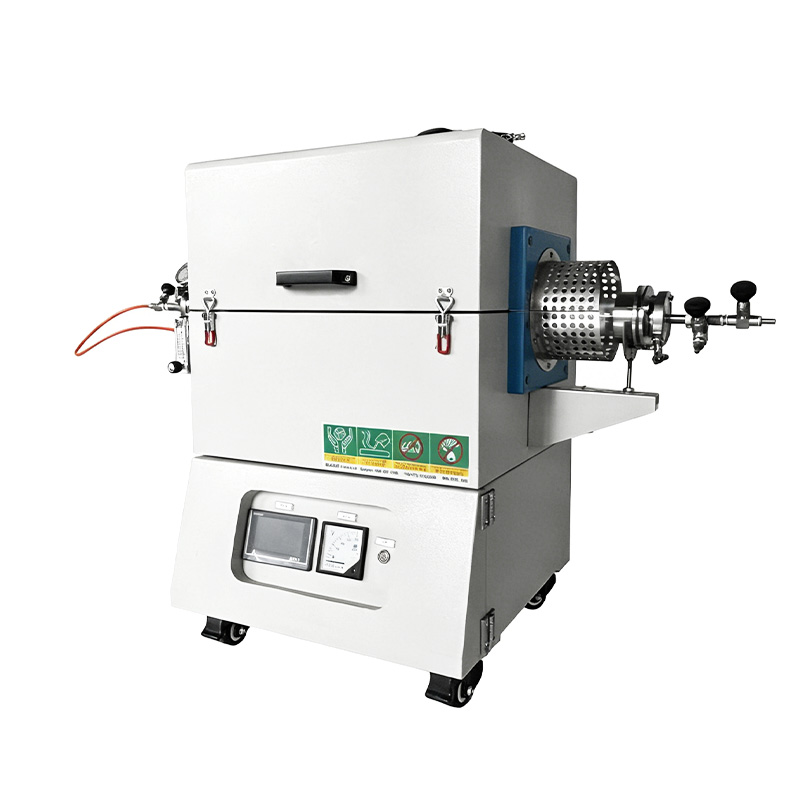
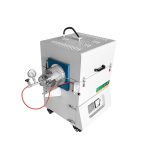
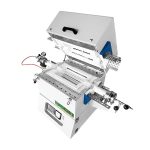
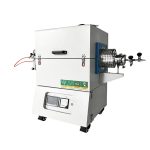
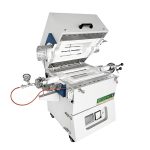
Experimental Open-Type Tube Furnace
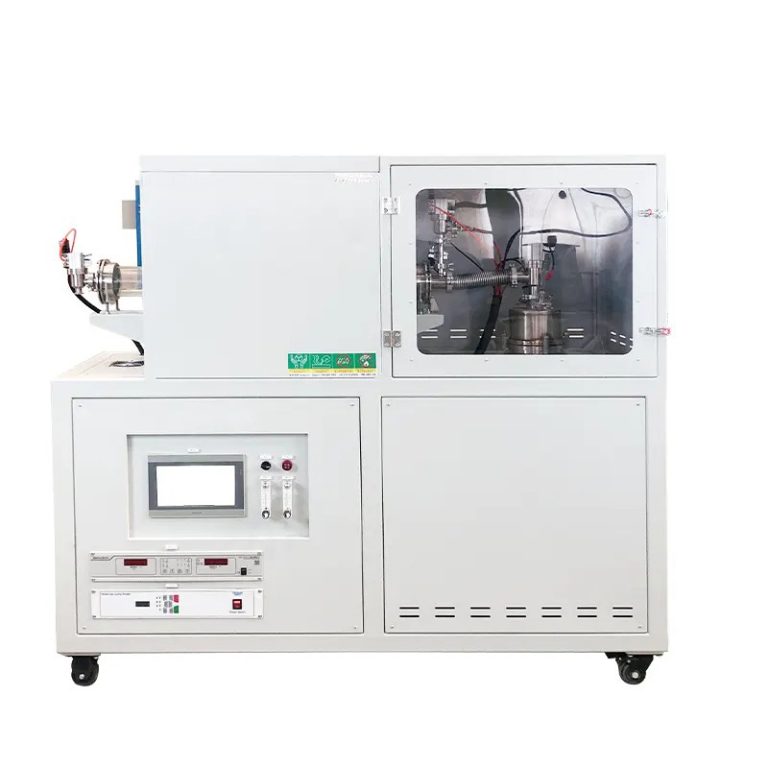
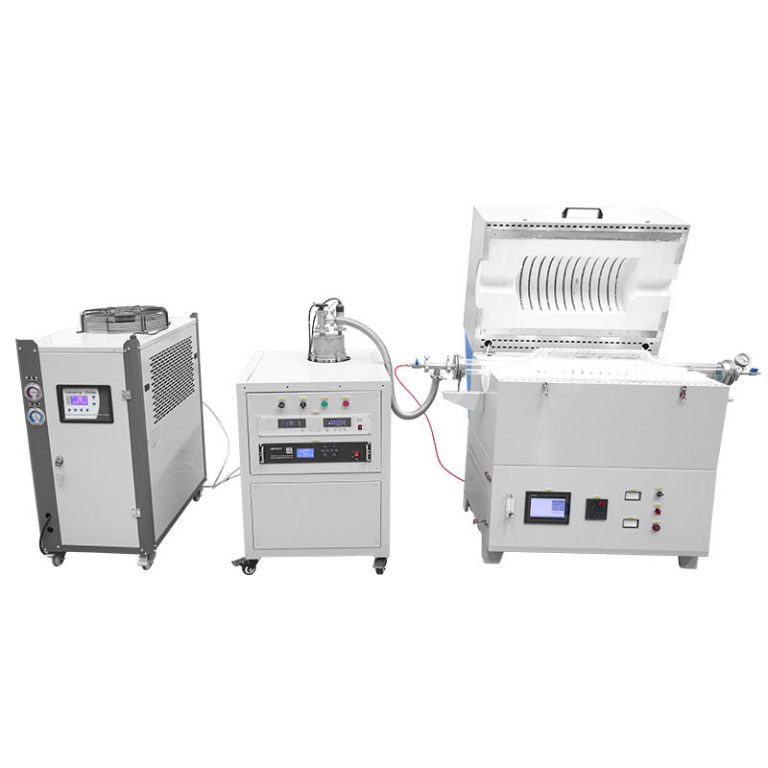
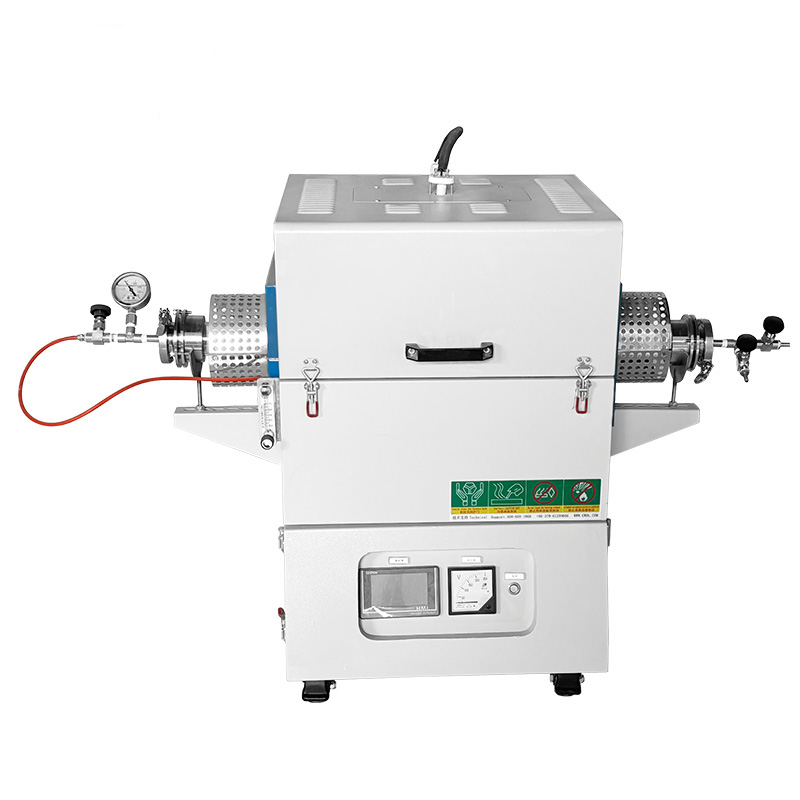
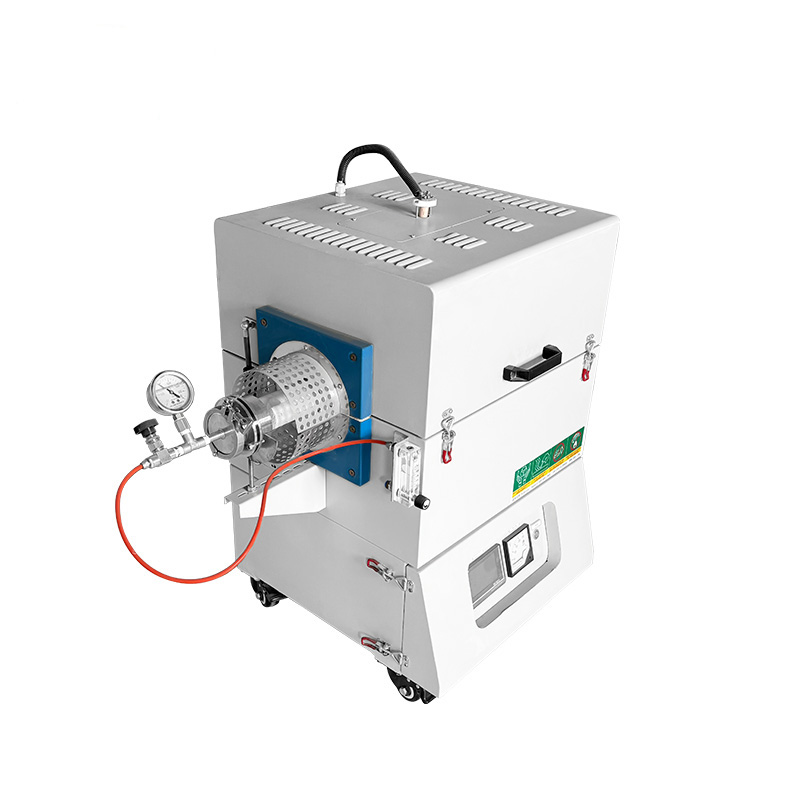
The experimental open-type tube furnace is a high-temperature heat treatment device suitable for university scientific research, materials research, and industrial experiments. It supports multiple temperature ranges of 1200℃, 1400℃, 1600℃, and 1700℃. The equipment adopts an open-type structure design, facilitating furnace tube replacement and material loading. Combined with high-temperature alloy resistance wire, silicon carbide rod, or silicon molybdenum rod heating systems, it can meet the experimental needs of different temperature zones and different material systems. The system supports multi-segment programmable temperature control, atmosphere protection, and remote communication control, and is widely used in new material synthesis, powder sintering, atmosphere reaction, and heat treatment experiments.
Product Features
- Open Furnace Chamber Design for Flexible and Convenient Operation
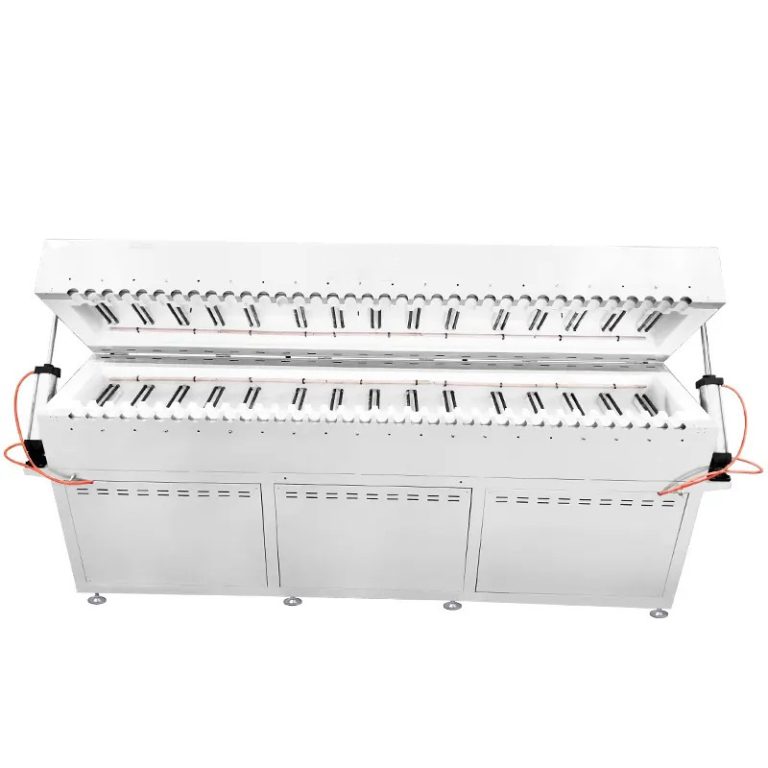
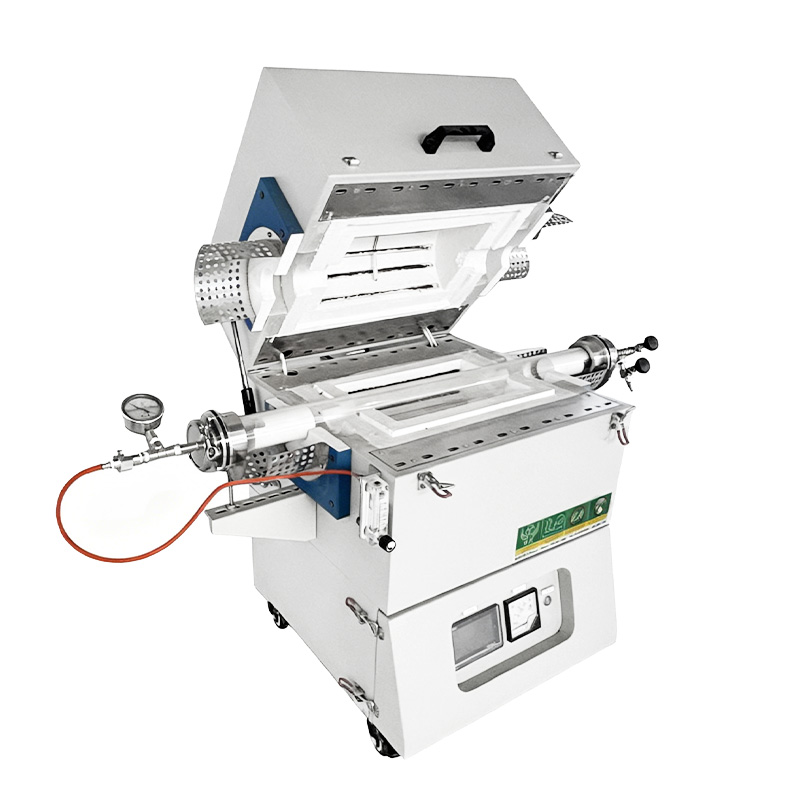
The furnace chamber features an openable structure, allowing for easy access for furnace tube replacement, sample loading/unloading, and equipment maintenance. Compared to fixed furnace tube structures, the open design significantly improves experimental flexibility and equipment utilization.
- Multiple Temperature Levels Available to Cover Mainstream Experimental Needs
Four temperature levels are available: 1200℃, 1400℃, 1600℃, and 1700℃. The 1200℃ level comes standard with stainless steel or quartz glass tubes, while 1400℃ and above come standard with corundum tubes. The maximum temperature of 1700℃ meets ultra-high temperature experimental requirements.
- Wide Heating Rate Adjustment Range
The heating rate is adjustable from 1℃/h to 20℃/min, covering everything from extremely slow precision annealing to rapid process sintering. This meets the diverse heating rate requirements of different materials.
- Uniform Temperature Field with Heating Elements Installed Around the Furnace Tubes
The heating elements are installed around the furnace tubes, arranged horizontally. Depending on the temperature rating, high-temperature alloy resistance wire (1200℃), silicon carbide rod (1400℃), or silicon molybdenum rod (1600-1700℃) are used to ensure heating efficiency and service life.
- 50-segment programmable temperature control with multiple curve modes
The number of programmable curve segments can be set to one group of 50 segments, two groups of 22 segments, or three groups of 8 segments. It features multiple adjustment modes including standard PID, AI-based APID, or MPT, and has self-tuning and self-learning functions, exhibiting excellent control characteristics with no overshoot and no undershoot.
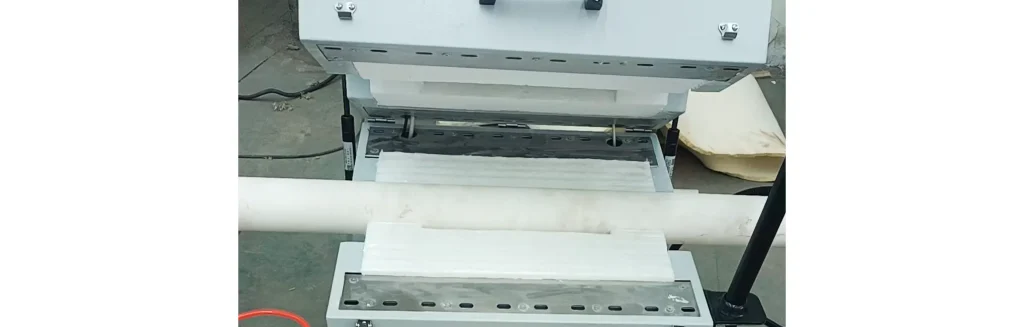
| Temperature | 1200℃ / 1400℃ / 1600℃ / 1700℃ |
| Temperature Control Accuracy | ±1℃ |
| Furnace Tube Material | Stainless steel / Quartz glass / Alumina tube |
| Temperature Uniformity | ±1℃ (depending on heating chamber size) |
| Temperature Sensor & Range | Type K / Type S / Type B thermocouple (varies by temperature) |
| Programmable Segments | 50 segments / 22 segments / 8 segments (1 curve: 50 segments; 2 curves: 22 segments each; 3 curves: 8 segments each) |
| Heating Rate | 1℃/h ~ 20℃/min, adjustable |
| Heating Elements | High-temperature alloy resistance wire (1200℃) / SiC rods (1400℃) / MoSi₂ rods (1600~1700℃) |
| Heating Element Position | Surrounding the furnace tube, horizontally aligned |
| Refractory Material | High-purity alumina fiber board |
| Cooling Structure | Double-layer shell with air cooling |
| Furnace Shell Temperature | ≤ 45℃ |
| Computer Interfaces | RS485, RS232, USB |
| Warranty | 1 year for the furnace (excluding heating elements and tube; heating elements naturally damaged within 3 months replaced free of charge) |
| Standard Accessories | Spare heating elements × 2, electrode holders × 2 sets, user manual × 1, certificate of conformity × 1, furnace door insulation brick × 1, crucible tongs × 1 pair, heat-resistant gloves × 1 pair, dedicated tube furnace crucible × 1, sealing O-rings × 2 |
Application Areas
- Experimental Teaching: Suitable for experimental teaching in university majors such as materials science, metallurgical engineering, physics, and chemistry. The open furnace chamber allows students to easily observe the internal structure and operating process, and four temperature levels meet the experimental needs of different courses.
- Scientific Research: Suitable for research projects in scientific research institutes involving the high-temperature synthesis, sintering, and annealing of various materials. Programmable 50-segment temperature control meets the requirements of complex process curves, and multiple furnace tube materials are available to adapt to different materials and atmosphere conditions.
- New Material R&D: Suitable for process exploration and formulation optimization of new materials such as special materials, composite materials, and nanomaterials. The open structure facilitates quick replacement of furnace tubes of different materials and cleaning and maintenance.
- Small Batch Sample Processing: Suitable for high-temperature processing of small batches of samples in enterprise R&D centers. Multiple temperature levels cover a wide range of processes from conventional heat treatment to ultra-high temperature sintering.
Company Profile
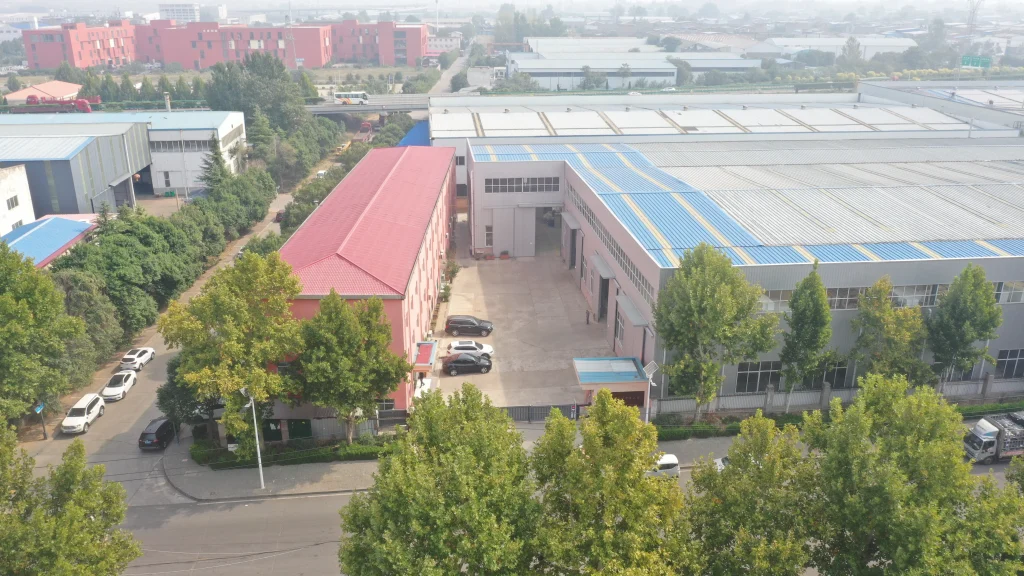
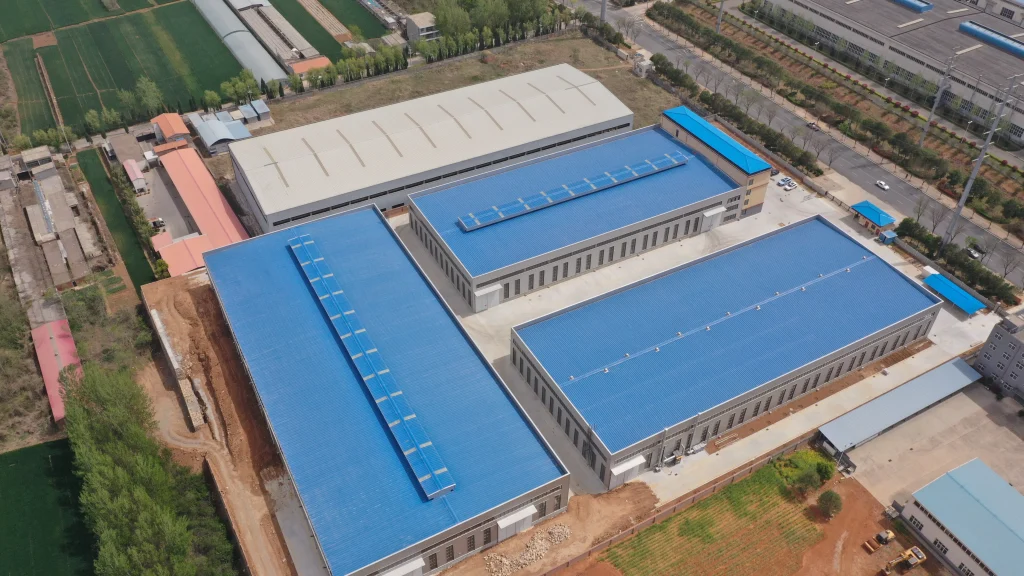
A professional enterprise specializing in heat treatment technology services and the R&D, manufacturing, and sales of high-temperature electric furnaces.
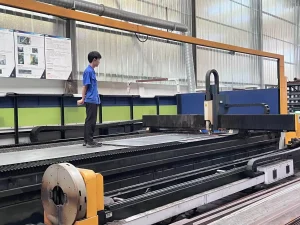
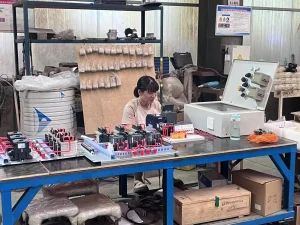
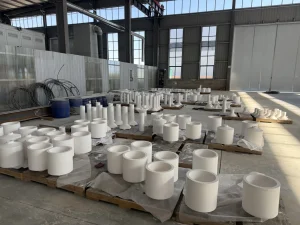
The company focuses on developing high-temperature electric furnaces covering a full temperature range of -100℃ to 2600℃. Its products include experimental electric furnaces, vacuum atmosphere furnaces, industrial kilns, and medium-frequency induction heating equipment. Main products include box furnaces, tube furnaces, lifting furnaces, pusher kilns, bogie furnaces, rotary kilns, tunnel kilns, and various specialized medium-frequency furnaces.
The company adheres to technological innovation and has passed ISO9001 and EU CE certifications. It owns 21 registered trademarks, 29 patents, and 27 software copyrights.
Payment Methods
TT
Shipment Methods
The electric furnace is packaged in three layers: first wrapped in foam paper, then wrapped in plastic film, and finally packed in a wooden crate.
Frequently Asked Questions (FAQ)
- How to select different temperature levels?
1200℃ is suitable for conventional material processing; 1400℃ is suitable for ceramics and some metals; 1600℃ is suitable for high-performance ceramics and refractory materials; 1700℃ is suitable for ultra-high temperature scientific research experiments and the preparation of special materials.
- Can gases be introduced for protective experiments?
Yes. The equipment can be equipped with an atmosphere control system that supports inert gases such as nitrogen and argon, as well as reactive gases, for protection or participation in the reaction process.
- Can the furnace tube be replaced?
Yes. The furnace tube is a replaceable structure design, and quartz tubes, stainless steel tubes, or corundum tubes can be selected according to different experimental needs.
- Is the temperature control accuracy stable?
Adopting a high-precision PID control system and multi-point heating design, the temperature control accuracy can reach ±1℃, and it has automatic adjustment and program control functions to ensure temperature stability.
- Does it support customized design?
Yes. The heating zone length, furnace tube size, number of temperature control segments, atmosphere system, and automated control functions can be customized according to user needs to meet different experimental and production requirements.