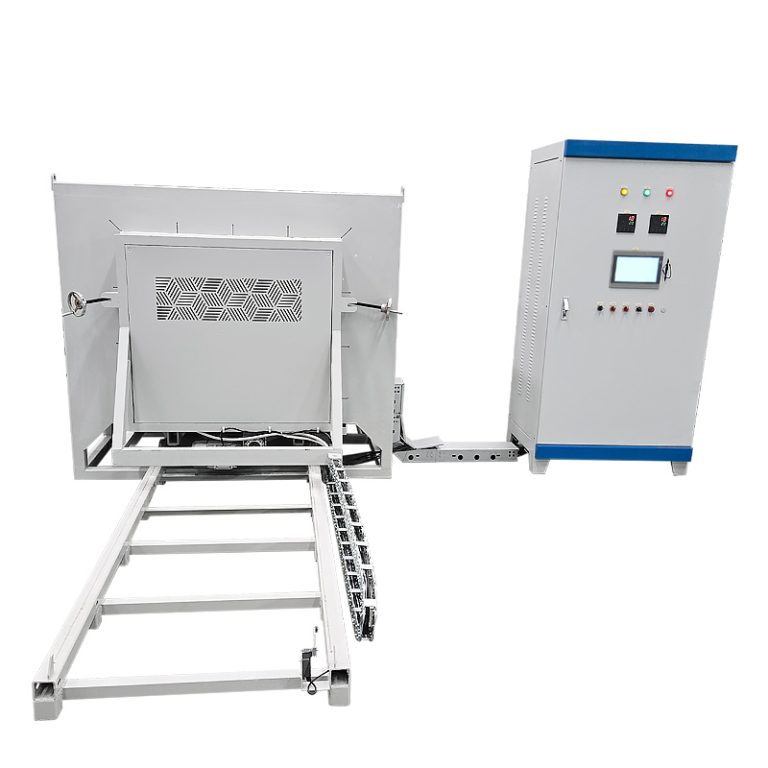
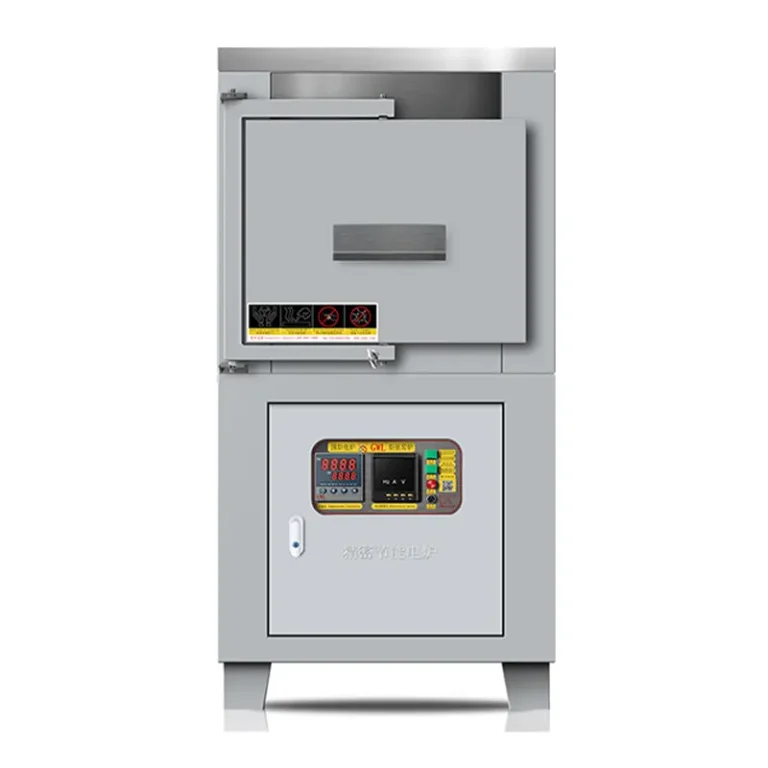
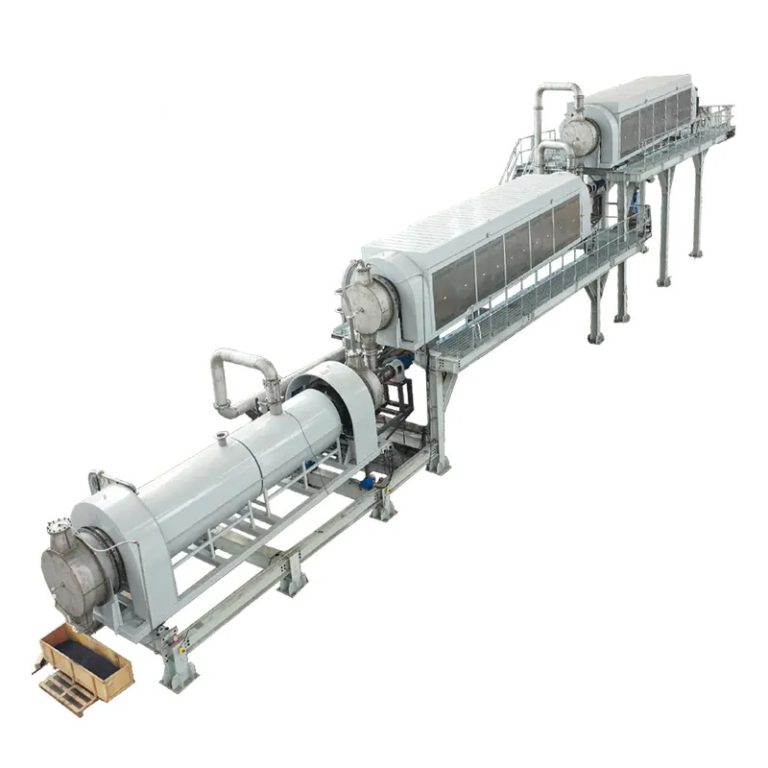
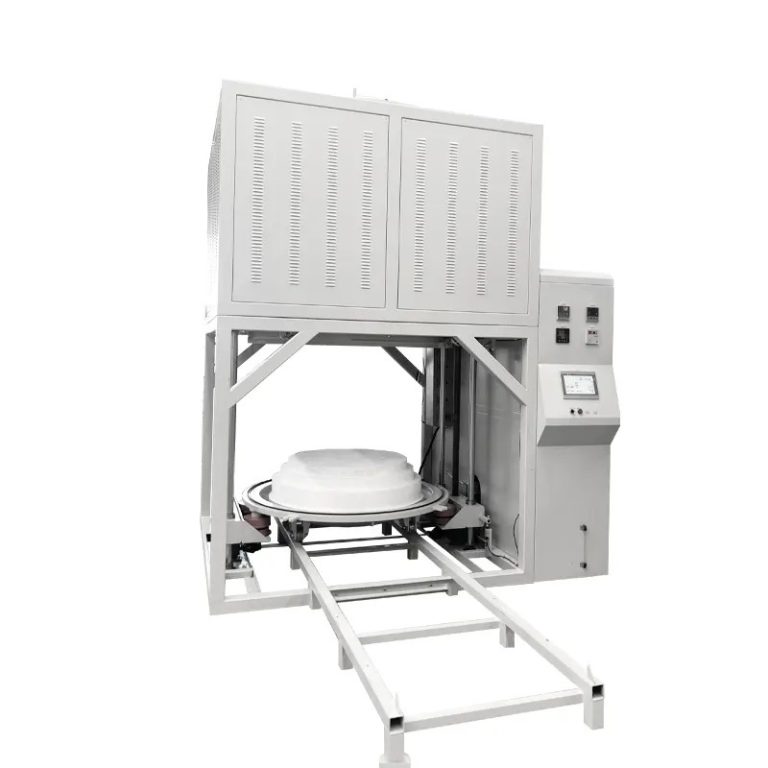
Luoyang Anjing Intelligence Equipment are a global leader in high-temperature electric furnaces



What Are The Benefits Of Using A Vacuum Furnaces?
What are the advantages of using a vacuum environment? A comprehensive analysis of the Vacuum Furnace Working Principle and the value of vacuum heat treatment
In the field of high-temperature heat treatment, vacuum technology is widely used in vacuum furnaces, vacuum sintering equipment, and precision material processing systems. Many users are concerned: “Why is a vacuum needed? What are the advantages of a vacuum environment compared to ordinary air?”
The function of a vacuum furnace is not only to prevent oxidation. The key is to reduce the interference of gas molecules on materials, reduce surface contamination, and make the heat treatment quality more stable. Especially for some sensitive materials, the vacuum environment can provide better process conditions.
I. Overview of Vacuum Furnaces
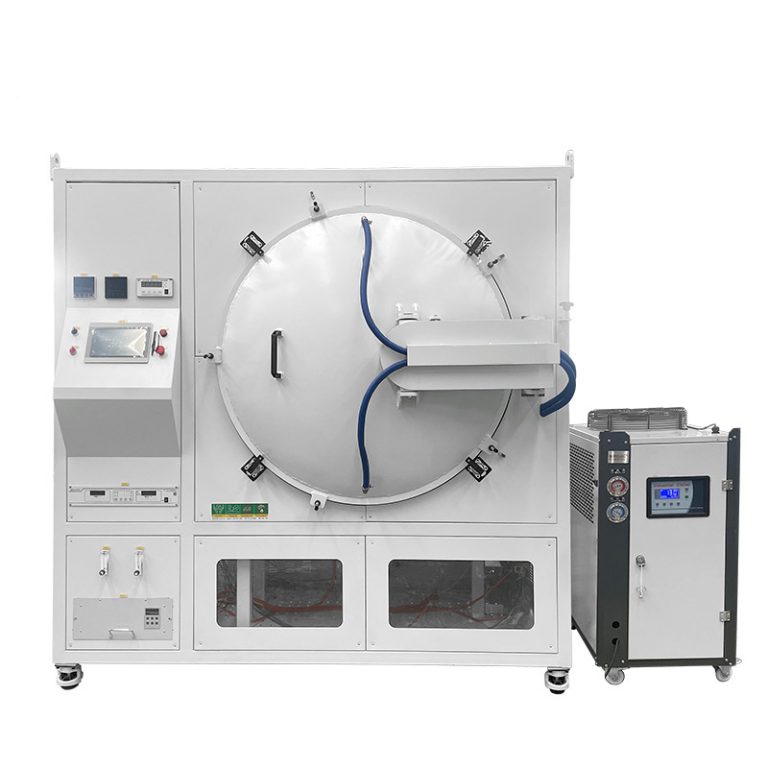
A vacuum furnace is a heat treatment device that utilizes a vacuum environment for high-temperature processing. It mainly consists of a furnace body, a vacuum system, a heating system, a temperature control system, and a cooling system.
The basic workflow is as follows:
The workpiece enters the furnace chamber;
The vacuum pump removes air and impurity gases;
The furnace reaches the set vacuum level;
The heating elements raise the temperature;
The material undergoes sintering, annealing, quenching, or brazing in a low-oxygen environment.
Because the gas content inside the furnace is extremely low, the material does not easily undergo oxidation reactions like when heated with ordinary air. Therefore, vacuum furnaces are particularly suitable for manufacturing high-performance materials.
II. Advantages of Vacuum in the Vacuum Furnace Working Principle
- Reduced Oxidation and Improved Material Surface Quality
This is the most significant advantage of using a vacuum environment. Under high-temperature conditions, oxygen in the air readily reacts with metals, forming an oxide layer.
For example: titanium alloys easily absorb oxygen, leading to changes in properties; oxide films may form on the surface of high-temperature alloys; and surface defects may appear on precision parts.
A vacuum environment reduces oxygen concentration, allowing materials to be processed in a near-oxygen-free environment, thereby: reducing oxidation; maintaining surface cleanliness; and reducing the need for subsequent processing.
Therefore, vacuum heat treatment is widely used in the aerospace and precision manufacturing industries.
- Reduced Material Contamination and Increased Purity
During high-temperature processing, gaseous impurities can affect material properties. Ordinary air contains: oxygen; water vapor; nitrogen; and other trace impurities. These components may react with materials.
Vacuum treatment effectively reduces: surface contamination; residual impurities; and unnecessary chemical reactions.
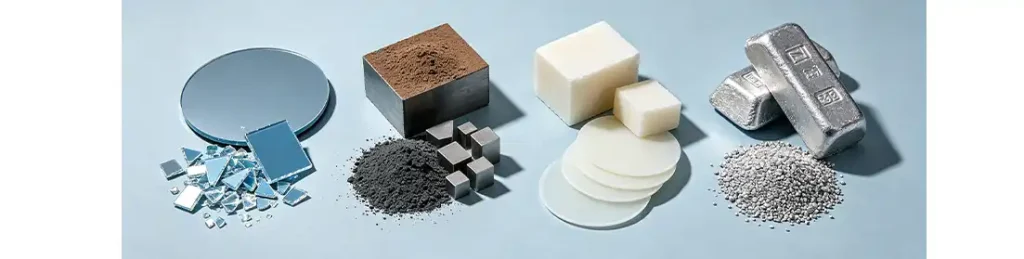
This is particularly important for the following materials: semiconductor materials; powder metallurgy products; high-purity ceramics; and rare metals.
- Improved Sintering Quality and Material Density
Vacuum environments play a crucial role in powder metallurgy and ceramic sintering.
During sintering, vacuum helps to: remove adsorbed gases; reduce porosity; promote particle bonding; and increase material density.
For example, cemented carbides, advanced ceramics, and new energy materials typically exhibit better: strength; hardness; wear resistance; and structural stability after vacuum sintering.

- More Precise Atmosphere Control
Vacuum systems are not only used to create low-pressure environments but also as part of atmosphere control.
Many vacuum furnaces support: vacuuming; argon filling; nitrogen protection; hydrogen reduction; and high-pressure gas cooling. This allows for adjustments to the furnace environment to meet different process requirements.
For example, first evacuating to remove air, then filling with high-purity argon, creates a more stable protective atmosphere, improving consistency between experiments and production.
- Reduced Post-Heat Treatment Cleaning
Workpieces treated in traditional air furnaces may require: pickling; sandblasting; and surface polishing.
This is because high-temperature oxide layers and contaminants adhere to the material surface. After vacuum furnace treatment, the workpiece usually has a better surface condition due to the low degree of oxidation, which can reduce the number of post-processing steps.
| Level | Pressure Range(Pa) | Typical Applications |
|---|---|---|
| Low vacuum | 10⁻¹ ~ 10² | General heat treatment, vacuum brazing |
| Medium vacuum | 10⁻³ ~ 10⁻¹ | Precision brazing, vacuum sintering, aerospace parts |
| High vacuum | 10⁻⁵ ~ 10⁻³ | Ti/Zr alloy annealing, electronic materials |
| Ultra-high vacuum | < 10⁻⁵ | Nuclear materials, ultra-high purity metals (extremely rare) |
III. Two Issues to Consider When Using a Vacuum Environment
- Does a Higher Vacuum Always Guarantee Better Results?
Many users believe that a higher vacuum level equates to better heat treatment results. This is not necessarily true.
Different processes require different vacuum levels: ordinary annealing may only require medium to low vacuum; precision alloy processing requires higher vacuum; semiconductor manufacturing requires an extremely clean environment.
Excessively high vacuum increases: equipment costs; vacuum system complexity; and maintenance requirements. Therefore, choosing the appropriate vacuum level is more important than blindly pursuing a high vacuum.
- Does a vacuum environment affect heating efficiency?
According to the Vacuum Furnace Working Principle, the number of gas molecules decreases in a vacuum state, thus significantly reducing air convection heat transfer.
This means: heat transfer relies primarily on thermal radiation; the heating process is more dependent on the design of the heating elements; and higher requirements are placed on the uniformity of temperature within the furnace.
Therefore, high-performance vacuum furnaces typically employ: multi-zone heating structures; high-precision temperature control systems; and high-quality insulation materials. Through optimized design, a stable and uniform high-temperature environment can be achieved.
IV. Product Applications
- Aerospace: Vacuum heat treatment of high-temperature alloy turbine disks and blades prevents surface oxidation and alloy element volatilization, ensuring high-temperature strength and creep resistance. Vacuum annealing of titanium alloy structural components avoids hydrogen embrittlement or oxygen embrittlement, ensuring material reliability.
- Mold Manufacturing: Vacuum quenching of precision molds results in a surface free of oxidation and decarburization, allowing for direct assembly and use with deformation controlled within 0.05mm. Vacuum heat treatment of high-end mold steels (such as H13 and S7) has become an industry standard process.
- Automotive Industry: Vacuum carburizing of automotive gears produces a uniform carburized layer free of intergranular oxidation, significantly improving fatigue life. Vacuum heat treatment of precision parts in transmission systems ensures batch consistency in dimensional accuracy.
- Hard Alloys: Vacuum sintering of tungsten carbide-based hard alloy inserts achieves densification in a vacuum, resulting in extremely low porosity and a hardness exceeding HRA90. Vacuum sintering of high-density tungsten alloys can achieve a density of up to 99.5% of the theoretical density.
- Electronic and Magnetic Materials: Vacuum degassing annealing of electrical steel removes hydrogen, oxygen, and nitrogen from the material, improving magnetic permeability and iron loss. Vacuum heat treatment of magnetic materials prevents oxidation from affecting magnetic properties.
- Medical and Food Devices: Vacuum heat treatment of stainless steel medical devices results in a bright, oxidation-free surface, meeting hygiene standards for surface quality.
- Vacuum Brazing: Vacuum brazing of complex components such as heat exchangers, waveguide assemblies, and honeycomb structures yields oxidation-free, high-strength brazed joints.
V.Supplier
Luoyang Anjing Intelligent Equipment Co., Ltd. is an enterprise dedicated to the research, development, production, sales, and technical services of heat treatment equipment such as high-temperature electric furnaces. We produce laboratory, vacuum, industrial, and medium frequency furnace, covering a temperature range from -100℃ to 2600℃, serving industries such as new energy, semiconductors, and advanced materials. We can provide customized solutions based on specific atmosphere, ultra-high temperature, and intelligent control system requirements. Please feel free to contact us if you are interested.