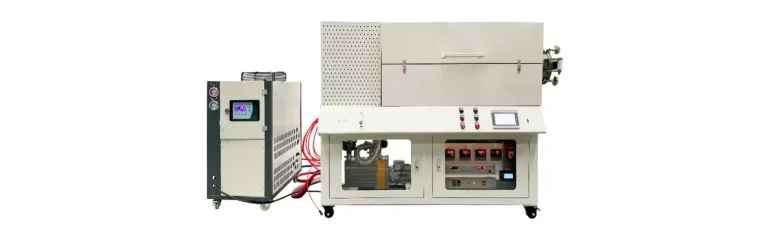
Luoyang Anjing Intelligence Equipment are a global leader in high-temperature electric furnaces



Why Is It Called a Muffle Furnace? Everything You Need to Know About Muffle Furnaces
The muffle furnace gets its name from its unique “muffle” design. Simply put, a muffle furnace separates the heating element from the sample through an independent heating chamber, preventing the sample from directly contacting combustion gases or the heating element, thus achieving a cleaner and more stable high-temperature environment.With the development of materials science and industrial testing technology, modern muffle furnaces have evolved from traditional isolated heating devices into high-performance experimental equipment with precise temperature control, efficient heat preservation, and intelligent control functions.

I. Overview of Muffle Furnace Products
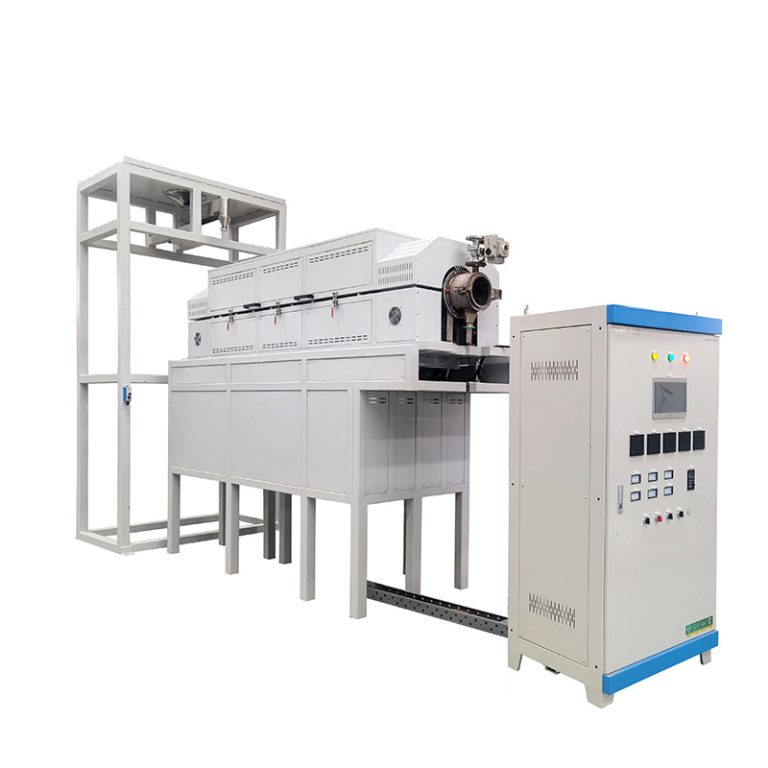
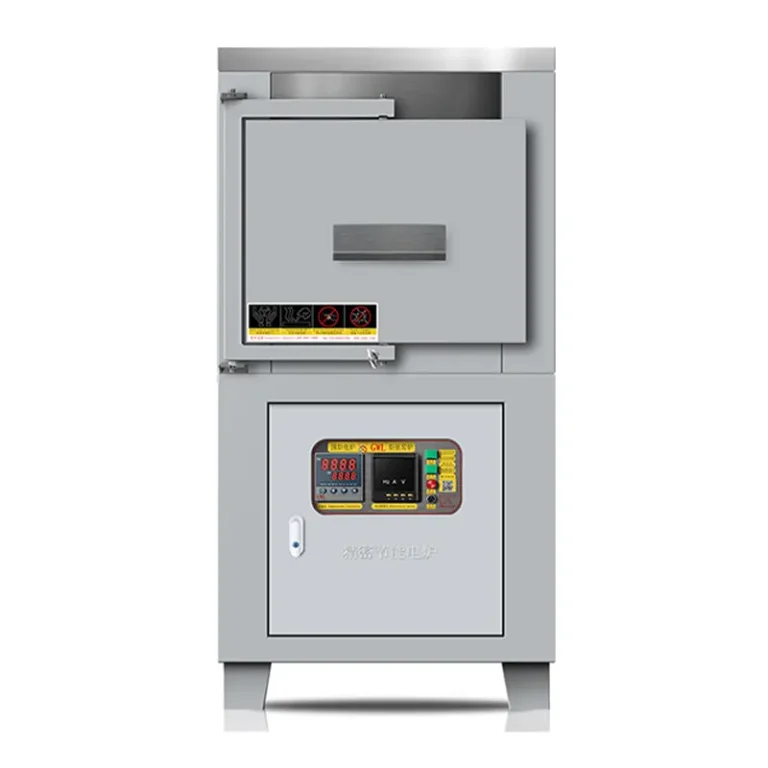
A muffle furnace is an experimental device used for high-temperature heat treatment. Its core feature is that it has an independent furnace chamber structure, allowing the sample to complete the heating process in a controlled environment.
The “muffle” in a traditional muffle furnace refers to the isolated space within the furnace, which separates the sample area from the external heat source.
In early designs, the flames and fumes from fuel combustion could directly affect the sample; therefore, engineers designed an isolated furnace chamber to allow materials to be heated in a cleaner environment.
II. Key Features and Advantages of Muffle Furnaces
- Sample Isolation from Heating Source, Reducing Contamination
The structural advantage of a muffle furnace lies in the isolation between the heating element and the sample area, preventing the sample from directly contacting the heating element and combustion products, thus reducing the interference of external factors on the experimental results. This characteristic is of great significance in chemical analysis, materials testing, and high-purity environmental experiments.

- Strong High-Temperature Stability
Muffle furnaces typically use high-temperature resistant ceramic materials for the furnace chamber structure, enabling them to withstand long-term high-temperature environments. High-quality furnace chamber materials not only possess excellent heat resistance but also maintain structural stability, reducing deformation and wear during high-temperature use. Therefore, muffle furnaces can meet the needs of long-term high-temperature experiments.
- Precise Temperature Control
Modern muffle furnaces employ digital temperature control systems, enabling programmed heating, constant temperature maintenance, and automatic cooling. Precise control prevents excessively high temperatures or rapid heating that could alter sample properties, improving the consistency of experimental results. For materials research and quality testing, a stable temperature profile is key to ensuring experimental reliability.
- Continuously Improving Thermal Efficiency
With the development of energy-saving technologies, modern muffle furnaces extensively utilize lightweight insulation materials. Compared to traditional refractory brick structures, new ceramic fiber materials have lower heat capacity, reducing heating time and energy consumption. This allows the muffle furnace to maintain high-temperature performance while improving operating efficiency.
- Comprehensive Safety Design
The furnace door limit switch automatically cuts off the heating power when the door is opened; the over-temperature protection system is independent of the main control system; the furnace shell temperature is controlled below 45℃ to prevent burns.
| Selection Dimension | Description |
|---|---|
| Temperature Range | Select appropriate temperature level based on material requirements. Routine experiments may need a few hundred ℃, while ceramic sintering may require higher temperatures |
| Chamber Size | Sample quantity and size determine capacity. Small experiments suit compact units; large-batch testing needs bigger chambers |
| Temperature Accuracy | For materials research, pay attention to temperature uniformity and programmability |
| Operating Environment | For oxidation-sensitive materials, choose a muffle furnace with atmosphere protection |
III. Two Important Topics Regarding the Product
- Why Does a Muffle Furnace Need an “Isolated Heating” Design?
The “Muffle” in the name of a muffle furnace comes from this isolated structure. In ordinary heating equipment, the heating source may generate gases, particles, or localized high-temperature areas, which can affect sample quality.
A muffle furnace, through its independent furnace chamber: isolates the heating element; reduces contamination; provides a uniform thermal environment; and improves experimental repeatability.
For example, in material ashing experiments, samples need to have organic components removed under high-temperature conditions. If the furnace environment is unstable, it may lead to deviations in test results. Therefore, the isolated structure is an important reason why muffle furnaces have been able to be used in experimental analysis for so long.
- Evolution of the Insulation Layer in Muffle Furnaces
Early muffle furnaces used refractory bricks for their linings. The bricks themselves have a large heat capacity—during heating, the furnace first “heats” the brick walls before transferring heat to the workpiece. This energy from “heating the bricks” is entirely wasted. Heating a brick-lined muffle furnace from cold could take 4-5 hours, and the furnace shell temperature often exceeded 100°C, making it too hot to touch.
Modern muffle furnaces use ceramic fiberboard as the furnace lining material. The heat capacity of the fiber material is about 1/5 that of refractory bricks, and its thermal conductivity is about 1/3. When heated to the same temperature of 1200℃, the fiber lining absorbs far less heat, with most of the electrical energy directly used to heat the workpiece. Heating time is shortened by 20%-30%, and the furnace shell temperature is controlled below 45℃.
A simple method to judge the condition of the furnace lining: During normal operation, touch the surface of the furnace shell. Warm (can be touched continuously) indicates good insulation; hot (cannot be touched for a long time) indicates that the insulation layer has aged or is damaged, requiring repair or replacement.
IV. Product Applications
- Ashing and Elemental Analysis: Determination of ash and volatile matter in organic materials such as coal, food, soil, and plastics. Samples are placed in a muffle furnace and burned at high temperature; after the organic matter is completely burned off, inorganic components remain for subsequent analysis.
- Ceramic Sintering: Sintering of blanks for structural ceramics such as alumina, zirconium oxide, and silicon nitride, as well as the preparation of ceramic glazes. The muffle furnace’s chamber space can accommodate ceramic blanks of various shapes, ensuring good batch consistency.
- Metal Heat Treatment: Quenching, annealing, tempering, and normalizing of small steel parts. Muffle furnaces are commonly used in laboratories and tool workshops for small-batch, multi-variety heat treatment operations.
- Glass Annealing and Microcrystallization: Precision annealing of glass products to eliminate internal stress, and crystallization treatment of microcrystalline glass.
- Chemical and Materials Synthesis: Calcination and activation of catalysts, solid-state reaction synthesis of compounds, and post-treatment sintering of nanomaterials.
- Quality Control and Testing: Third-party testing institutions use muffle furnaces to perform standard testing items such as loss on ignition and ash content determination of materials.
V.Supplier
Luoyang Anjing Intelligent Equipment Co., Ltd. is an enterprise dedicated to the research, development, production, sales, and technical services of heat treatment equipment such as high-temperature electric furnaces. We produce laboratory, vacuum, industrial, and medium frequency furnace, covering a temperature range from -100℃ to 2600℃, serving industries such as new energy, semiconductors, and advanced materials. We can provide customized solutions based on specific atmosphere, ultra-high temperature, and intelligent control system requirements. Please feel free to contact us if you are interested.