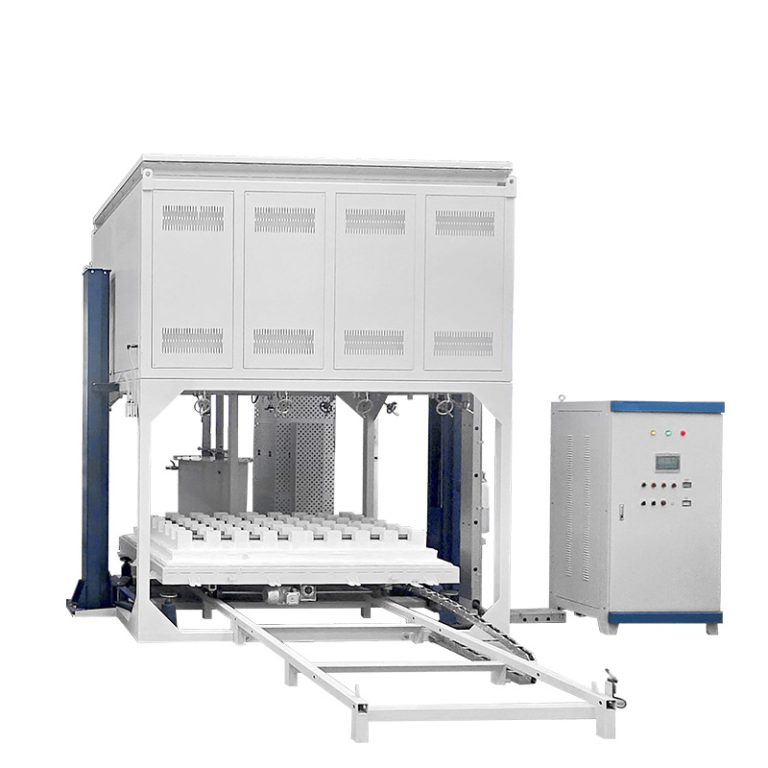
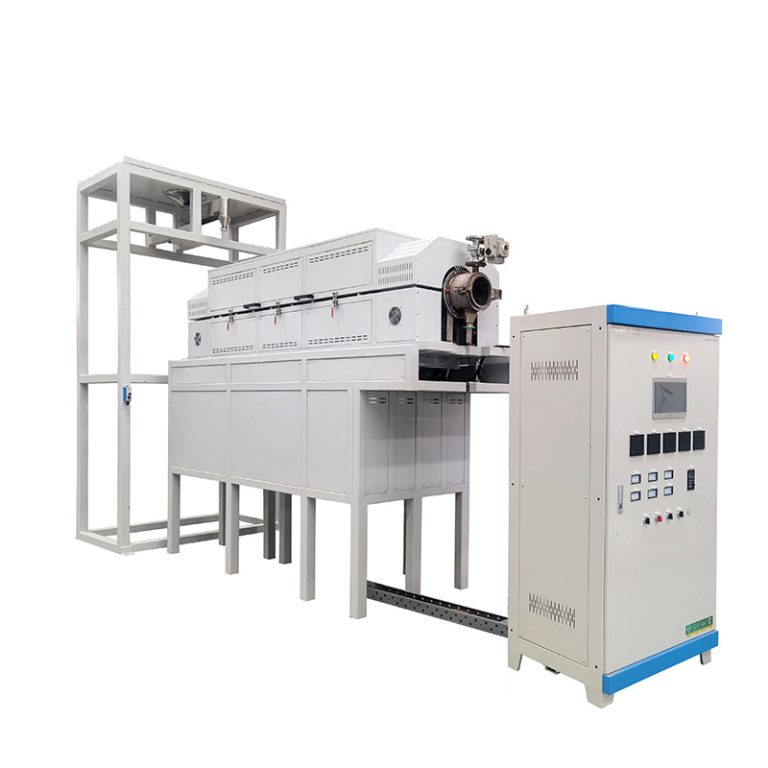
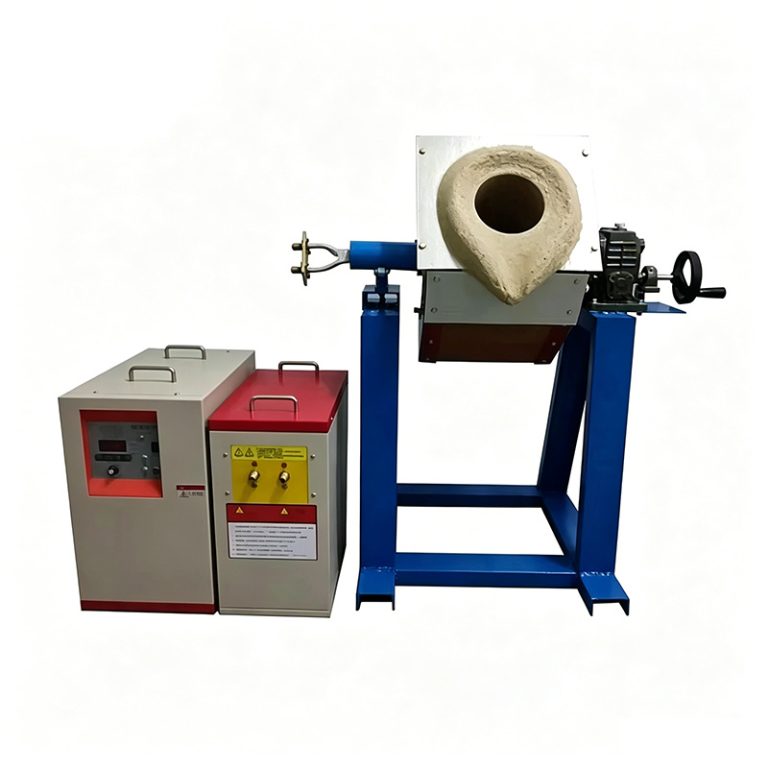
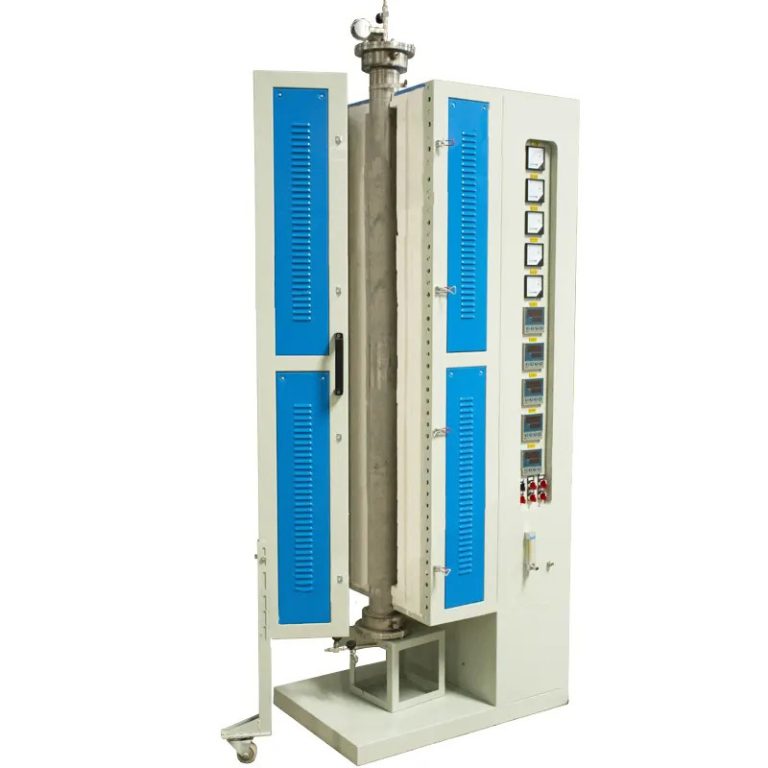
Luoyang Anjing Intelligence Equipment are a global leader in high-temperature electric furnaces



What Is a Rotary Calcination Furnace? A Complete Guide for Industrial Applications
A rotary calcination furnace is a continuous high-temperature heating system that uses a rotating tube to uniformly calcine powder or granular materials. It improves heat transfer, controls residence time, and is widely used for battery materials, ceramics, catalysts, minerals, and advanced material processing.
I. Introduction
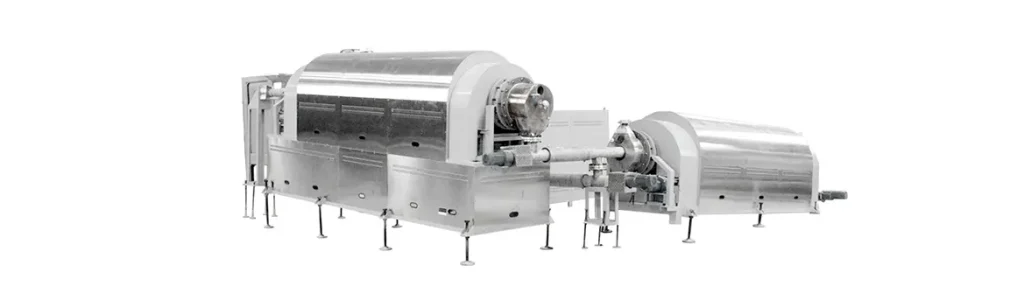
A rotary calcining furnace is a continuous rotary heating device in which the furnace tubes rotate continuously, and the material is processed at high temperature. Compared with a static furnace, the rotary structure allows the material to tumble and mix continuously during the heating process, resulting in more thorough contact with the heated surface, more uniform temperature, and more stable calcination effect.
This article explains what a rotary calcination furnace is, how it works, its key advantages, applications, and how to select the right equipment for industrial production needs.
II.Body Content
1.What Is a Rotary Calcination Furnace?
A rotary calcination furnace is a type of continuous rotary heating equipment that processes materials through controlled high-temperature treatment while the furnace tube continuously rotates.
Unlike traditional static furnaces, the rotating structure allows materials to tumble and mix during heating. This movement increases contact between materials and the heated surface, resulting in better temperature uniformity and more stable calcination performance.
A typical rotary calcination furnace consists of:
- Rotating furnace tube
- Heating system
- Temperature control system
- Feeding and discharge system
- Drive mechanism
- Gas atmosphere control system (optional)
The equipment is commonly used for processes including:
- Calcination
- Drying
- Oxidation
- Reduction
- Sintering
- Thermal decomposition
Industrial rotary kilns are especially suitable for continuous production environments where stable output and consistent material properties are required.
2.How Does a Rotary Calcination Furnace Work?
The working principle of a rotary calcination furnace is based on controlled rotation and high-temperature heat treatment.
2.1. Material Feeding
Raw materials such as powders, particles, or granules enter the furnace tube through a feeding system.
The feeding speed can be adjusted according to:
- Material characteristics
- Required heating time
- Production capacity
2.2. Continuous Rotation and Heating
During operation, the furnace tube rotates slowly while external heating elements provide controlled thermal energy.
The rotation causes materials to:
- Move continuously through the furnace
- Mix evenly
- Increase heat transfer efficiency
- Avoid local overheating
This dynamic heating method helps achieve more uniform calcination compared with conventional static heating systems.
2.3. Temperature-Controlled Calcination
Modern rotary calcination furnaces often use multiple independent heating zones.
Each zone can control:
- Heating rate
- Holding temperature
- Reaction time
- Cooling process
For example, advanced rotary calcination equipment can use multi-zone PID temperature control systems to maintain accurate temperature curves for different material requirements.
3.What Are the Advantages of a Rotary Calcination Furnace?
3.1. Uniform Material Heating
One of the biggest advantages of rotary calcination furnaces is improved heating uniformity.
Because materials continuously rotate inside the furnace tube, heat is distributed more evenly. This reduces:
- Uneven calcination
- Material agglomeration
- Product quality variation
This feature is particularly important for industries producing high-value materials such as battery powders and ceramic materials.
3.2. Continuous Production Capability
Compared with batch furnaces, rotary calcination furnaces support continuous feeding and discharge.
Benefits include:
- Higher production efficiency
- Reduced manual operation
- Stable product output
- Easier industrial automation
They are widely used for medium and large-scale manufacturing applications.
3.3. Precise Residence Time Control
The residence time of materials inside the furnace can be adjusted by:
- Rotation speed
- Furnace inclination angle
- Feeding rate
This allows manufacturers to optimize the calcination process according to different materials.
3.4. Flexible Atmosphere Control
Depending on the application, rotary calcination furnaces can be designed with controlled atmospheres.
Possible operating environments include:
- Air atmosphere
- Nitrogen protection
- Argon atmosphere
- Reducing atmosphere
This makes them suitable for advanced material processing where oxidation control is required.
4.What Materials Can Be Processed by a Rotary Calcination Furnace?
Battery Materials:The continuous rotation process helps improve material consistency during calcination.
- Lithium iron phosphate (LFP)
- Lithium cobalt oxide
- Lithium manganese oxide
- Ternary cathode materials
Ceramic and Advanced Materials:Precise temperature control helps maintain required material characteristics.
- Ceramic powders
- Alumina
- Silicon materials
- Nanomaterials
Catalyst Manufacturing:Uniform heating improves catalytic performance and production stability.
- Catalyst activation
- Catalyst regeneration
- Molecular sieve processing
Mineral and Chemical Processing
- Metal oxide preparation
- Mineral roasting
- Chemical decomposition
- Powder treatment
5.Rotary Calcination Furnace vs Traditional Furnace: What Is the Difference?
| Feature | Rotary Calcination Furnace | Traditional Static Furnace |
|---|---|---|
| Material movement | Continuous rotation | Fixed position |
| Production mode | Continuous | Batch |
| Heating uniformity | High | Depends on material placement |
| Production capacity | Medium to large scale | Small to medium scale |
| Automation | Easy integration | More manual operation |
For companies requiring continuous production and consistent material quality, rotary calcination furnaces provide significant advantages.
III.Rotary Calcination Furnace Solution
For industrial customers requiring reliable continuous calcination equipment, MeltingFurnace.net provides customized rotary furnace solutions for different material processing applications.
The industrial rotary kiln systems are designed for continuous heat treatment of powder and granular materials, with options including adjustable rotation speed, multi-zone temperature control, and atmosphere protection according to production requirements.
Typical applications include:
- Battery material calcination
- Catalyst processing
- Metal oxide preparation
- Ceramic powder treatment
- New material research and production
IV. Conclusion
A rotary calcination furnace is an efficient industrial heating system that combines continuous operation, uniform heating, and precise temperature control. It is widely used in battery materials, ceramics, catalysts, minerals, and advanced material industries.
Choosing the right rotary calcination furnace requires consideration of material properties, temperature requirements, production capacity, and automation needs.
If you are looking for a customized rotary calcination furnace solution, contact our technical team for professional furnace selection advice and equipment recommendations.
Contact us today to discuss your rotary calcination requirements and get a customized solution.
Click “Request a Quote” to get a customized solution.
V. FAQ Section
1. What is the main purpose of a rotary calcination furnace?
A rotary calcination furnace is mainly used for continuous high-temperature treatment of powder and granular materials, including calcination, drying, oxidation, and reduction processes.
2. What temperature can a rotary calcination furnace reach?
Temperature depends on furnace design and material requirements. Industrial rotary kilns can be customized to a wide temperature range, from several hundred degrees Celsius to over a thousand degrees Celsius.
3. What materials can be processed in a rotary calcination furnace?
Rotary calcination furnaces can process battery materials, ceramic powders, catalysts, mineral materials, metal oxides, and other advanced materials.
4. What is the difference between a rotary kiln and a rotary calcination furnace?
Rotary kilns belong to a broad category of rotary thermal equipment, while rotary calcining furnaces specifically refer to furnaces used for controlled calcination and heat treatment processes.
5. How do I choose a rotary calcination furnace supplier?
We have experience in industrial furnace design, customization capabilities, and expertise in temperature control technology.
Supplier
Luoyang Anjing Intelligent Equipment Co., Ltd. is an enterprise dedicated to the research, development, production, sales, and technical services of heat treatment equipment such as high-temperature electric furnaces. We produce laboratory, vacuum, industrial, and medium frequency furnace, covering a temperature range from -100℃ to 2600℃, serving industries such as new energy, semiconductors, and advanced materials. We can provide customized solutions based on specific atmosphere, ultra-high temperature, and intelligent control system requirements. Please feel free to contact us if you are interested.