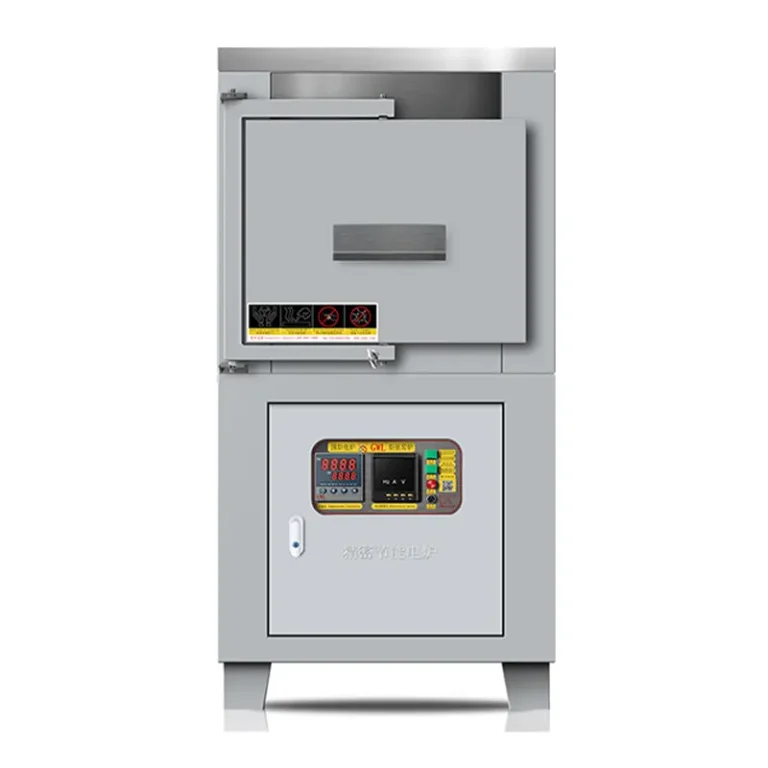
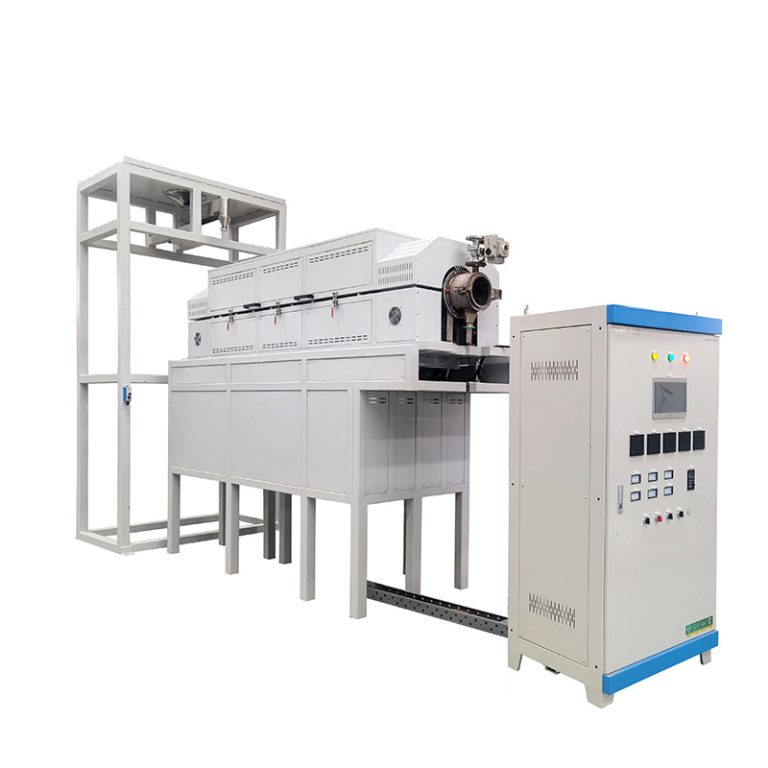
Luoyang Anjing Intelligence Equipment are a global leader in high-temperature electric furnaces



Industrial Furnace Maintenance Checklist: Daily, Monthly and Annual Tasks
Industrial furnaces are demanding pieces of equipment. They operate under high temperatures and thermal cycling, often in continuous production—sometimes even within a vacuum or a controlled atmosphere. If maintenance is neglected, performance—including heating efficiency, temperature uniformity, energy consumption, and overall equipment reliability—will gradually decline.
This is where a maintenance checklist proves its value: it helps identify issues early, reduces unplanned downtime, and extends the service life of your equipment. Whether you are using box furnaces, vacuum furnaces, tube furnaces, or induction heating systems, regular inspections and preventive maintenance are essential for stable, reliable operation.
1. Why Is Industrial Furnace Maintenance Important?
Industrial furnace maintenance is more than just wiping away dust or tidying up. It is a proactive, preventive task—one aimed at ensuring stable heating performance, operational safety, and uninterrupted production.
Regular maintenance provides several important benefits:
- Improved equipment reliability: Identifying worn or damaged components before they fail helps prevent unexpected shutdowns.
- Stable temperature performance: Ensure that the thermocouple, heating element, and temperature controller are all properly in place; only then can temperature control be accurate.
- Longer service life: Proper care of insulation, heating elements, and mechanical components reduces unnecessary wear.
- Better energy efficiency: Damaged insulation, poor door sealing, and electrical problems can increase energy consumption.
- Improved operational safety: Routine inspection helps identify electrical faults, overheating, gas leaks, and other potential hazards.
- Lower maintenance costs: When preventive maintenance is carried out effectively, the need for costly emergency repairs naturally decreases.
Maintenance requirements vary from furnace to furnace, depending on the furnace type, operating temperature, production frequency, atmosphere, and process materials.
2. Daily Industrial Furnace Maintenance Checklist
Daily inspections should focus on the furnace’s operating condition, visible damage, abnormal sounds, and safety-related indicators.
Operators should complete these checks before or during normal operation, following the equipment manufacturer’s operating instructions.
| Inspection Item | What to Check | Recommended Action |
|---|---|---|
| Temperature display | Abnormal readings or fluctuations | Compare readings with expected operating conditions |
| Heating performance | Unusual heating delays or uneven heating | Record deviations and investigate |
| Furnace chamber | Visible contamination or material buildup | Clean according to approved procedures |
| Furnace door | Door movement and sealing condition | Check for damage or obstruction |
| Electrical indicators | Warning lights, alarms, or unusual behavior | Report and investigate abnormalities |
| Cooling system | Cooling-water flow and temperature, where applicable | Verify against specified operating limits |
| Vacuum system | Vacuum readings and abnormal pump behavior, where applicable | Record readings and investigate deviations |
| Safety devices | Emergency stops, alarms, and interlocks | Check according to approved procedures |
Daily Inspection Recommendations
1. Check the temperature control system
Confirm that the displayed temperature is reasonable for the current process. Unexpected fluctuations, slow heating, or repeated alarms may indicate problems with the thermocouple, heating elements, controller, or electrical connections.
2. Inspect the furnace chamber
Look for loose insulation fibers, cracks, accumulated residue, damaged fixtures, or material contamination. Remove deposits only when the furnace is safely shut down and the cleaning procedure is approved.
3. Examine the furnace door and sealing surfaces
A poorly sealed door can cause heat loss and temperature instability. Check for visible damage, deformation, and obstructions.
4. Observe abnormal operating conditions
Unusual noises, odors, vibration, smoke, or repeated alarms should never be ignored. Stop operation when required by the equipment safety procedure and arrange an inspection.
3. Monthly Industrial Furnace Maintenance Checklist
Monthly maintenance should involve a more detailed inspection of key furnace components. The purpose is to identify gradual deterioration that may not be obvious during daily operation.
| Component | Inspection Focus | Maintenance Recommendation |
|---|---|---|
| Heating elements | Cracks, deformation, oxidation, or uneven wear | Inspect and replace when necessary |
| Thermal insulation | Cracks, erosion, or material deterioration | Repair or replace damaged sections |
| Thermocouples | Physical damage and measurement consistency | Inspect and verify calibration requirements |
| Temperature controller | Alarm history and control stability | Review settings and operating records |
| Electrical connections | Signs of overheating or loose connections | Have qualified personnel inspect |
| Cooling system | Leaks, blockage, and abnormal flow | Inspect and service as specified |
| Vacuum system | Pump condition and pressure performance | Check seals, connections, and maintenance records |
| Mechanical components | Door hinges, lifting systems, and moving parts | Inspect and lubricate where specified |
Key Monthly Maintenance Tasks
Inspect heating elements
Heating elements are among the most important components of an electric industrial furnace. Repeated thermal cycling and high-temperature operation can cause gradual deterioration.
Check for:
- Visible cracks or fractures.
- Deformation or sagging.
- Uneven discoloration or oxidation.
- Loose or damaged connections.
- Signs of localized overheating.
If an element shows significant damage, arrange replacement according to the manufacturer’s specifications.
Check thermal insulation
Refractory materials and ceramic fiber insulation layers serve to maintain furnace temperature and minimize heat loss. During inspections, focus on the insulation of the furnace side walls, roof, floor, and doors—check for any cracks, erosion, or exposed areas. Once the insulation is compromised, temperature uniformity deteriorates, energy consumption rises, and safety risks are introduced.
Review electrical components
Inspect control components—such as electrical cabinets, terminals, contactors, and relays—for signs of overheating or aging. Electrical inspection and maintenance must be performed by qualified personnel, and the equipment must be safely powered down and isolated beforehand.
4. Annual Industrial Furnace Maintenance Checklist
Annual maintenance should be a comprehensive inspection of the furnace and its supporting systems. Depending on operating hours and equipment condition, some tasks may need to be performed more frequently.
| Maintenance Area | Annual Inspection Tasks |
|---|---|
| Furnace structure | Inspect the frame, chamber, supports, and external surfaces |
| Heating system | Evaluate heating-element condition and electrical performance |
| Insulation system | Assess refractory and insulation deterioration |
| Temperature control | Verify controller and sensor performance |
| Electrical system | Inspect wiring, terminals, protection devices, and control components |
| Cooling system | Evaluate pumps, pipes, valves, and heat exchangers where applicable |
| Vacuum system | Inspect pumps, seals, valves, and vacuum performance where applicable |
| Safety system | Verify alarms, interlocks, emergency stops, and protective devices |
| Mechanical system | Inspect doors, lifting mechanisms, drives, and moving parts |
| Documentation | Review maintenance history and update service records |
Recommended Annual Maintenance Procedures
1. Comprehensive heating system inspection
Evaluate the condition of heating elements, power connections, and associated electrical components.
2. Insulation and refractory assessment
Inspect the entire heating chamber to check for material degradation or cracks, and identify areas with excessive heat loss.
3. Temperature control verification
Verify the performance of temperature sensors, controllers, and related instrumentation.
4. Vacuum and atmosphere system inspection
For vacuum furnaces and controlled-atmosphere furnaces, inspect the vacuum pump, seals, valves, pipelines, and pressure measurement instruments.
5. Safety system verification
Review emergency stops, protective interlocks, over-temperature protection, alarms, and other safety functions.
5. Maintenance Requirements for Different Industrial Furnace Types
Different furnace designs have different maintenance priorities. A maintenance plan should reflect the heating method, working atmosphere, chamber structure, and production process.
Vacuum Furnace Maintenance
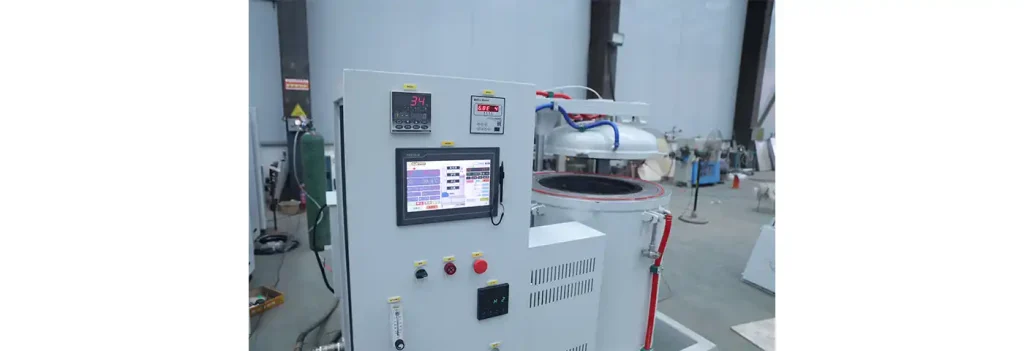
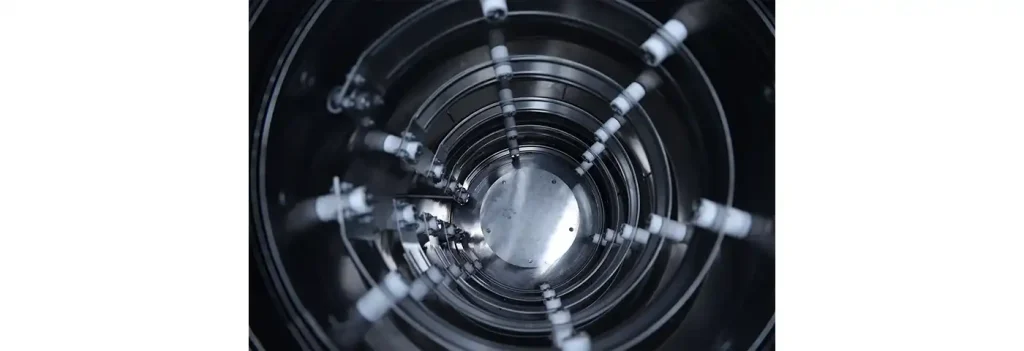
Vacuum furnaces require particular attention to sealing performance and vacuum-system reliability.
Important inspection points include:
- Vacuum chamber condition and cleanliness.
- Door seals and sealing surfaces.
- Vacuum pump performance.
- Vacuum valves and pipelines.
- Pressure measurement instruments.
- Cooling-water systems, where applicable.
A decline in vacuum performance may result from seal deterioration, leaks, contamination, or pump problems.
For equipment selection and technical information, visit the High Vacuum Furnace product page.
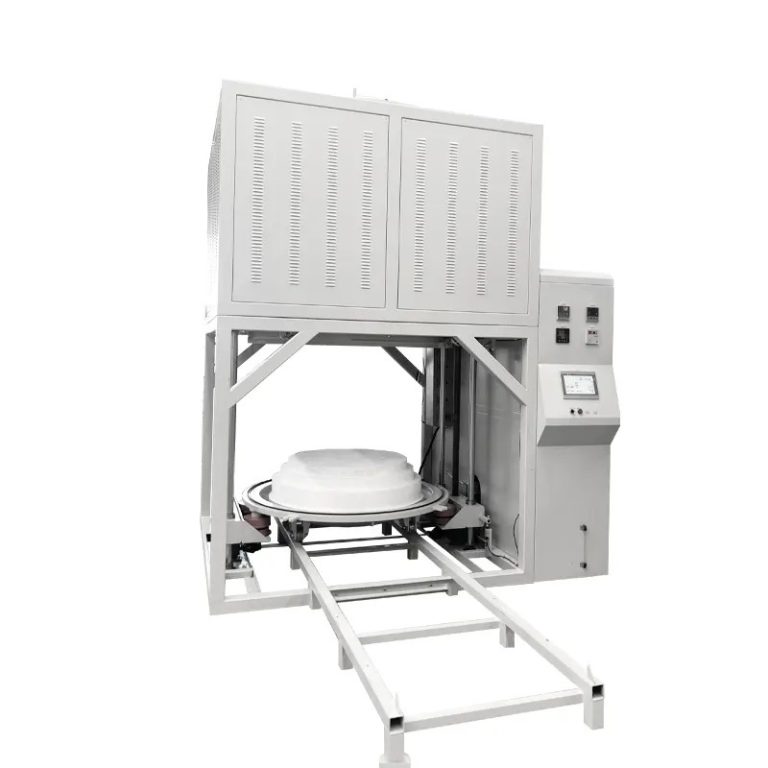
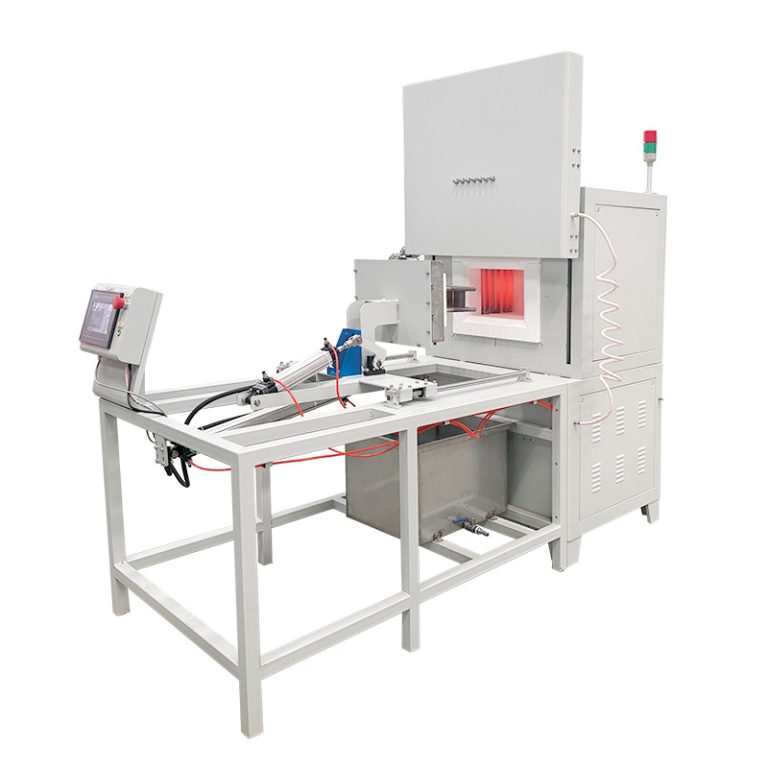
Box Furnace Maintenance
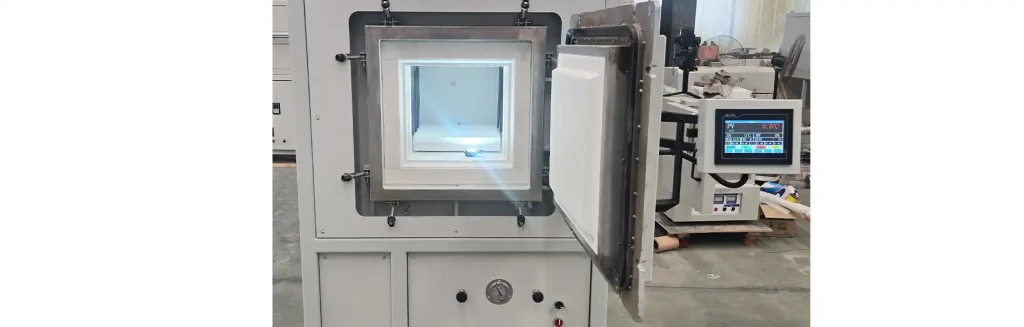
Box furnaces are commonly used for heat treatment, material testing, sintering, and laboratory applications.
Maintenance should focus on:
- Heating-element condition.
- Chamber insulation.
- Door sealing and alignment.
- Temperature sensor accuracy.
- Furnace chamber cleanliness.
- Electrical connections.
Avoid placing excessive loads inside the chamber or allowing unsuitable materials to contaminate the heating elements.
Explore the available Box Furnaces.
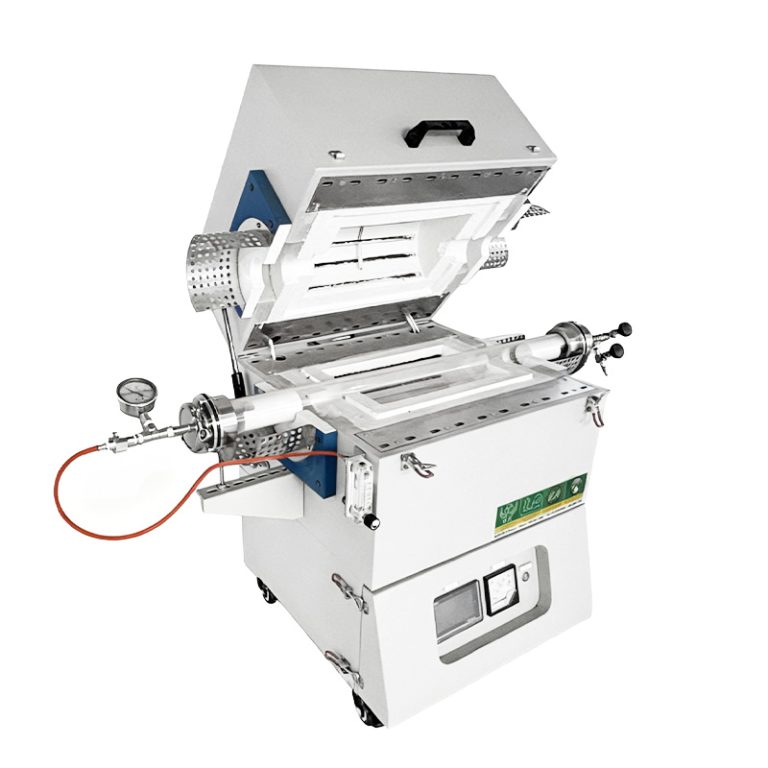
Tube Furnace Maintenance
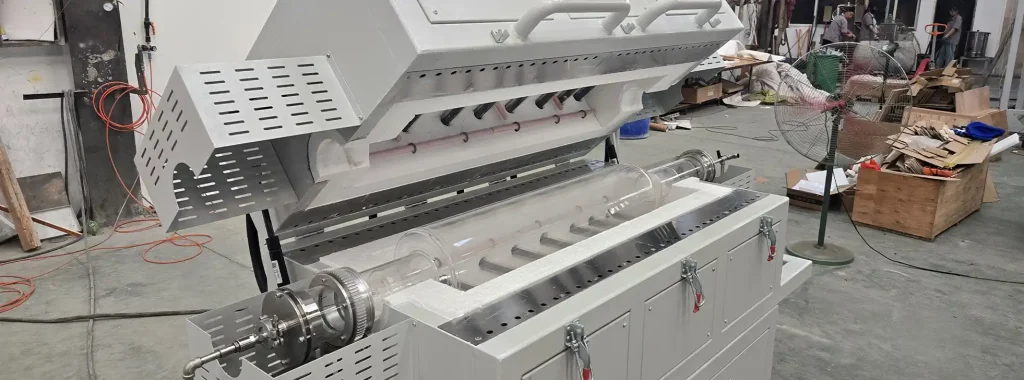
Tube furnaces often use quartz, alumina, or other ceramic process tubes. These components require careful handling because thermal shock, mechanical stress, and improper installation can cause cracking.
Key maintenance tasks include:
- Inspecting the process tube for cracks and deformation.
- Checking tube supports and connections.
- Cleaning deposits from the tube when appropriate.
- Inspecting gas connections and flow-control components.
- Verifying temperature sensor performance.
- Checking sealing arrangements for controlled-atmosphere applications.
More information is available on the Tube Furnace product page.
Induction Heating Equipment Maintenance
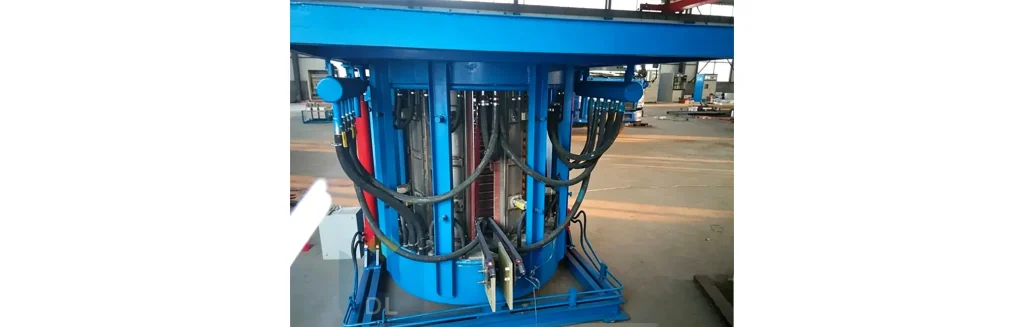
Induction heating equipment has different maintenance requirements from resistance-heated furnaces. Its electrical and cooling systems require particular attention.
Important inspection points include:
- Induction coil condition.
- Cooling-water flow and temperature.
- Electrical connections.
- Power supply and control components.
- Insulation condition.
- Abnormal noise, vibration, or overheating.
Cooling-system problems can lead to overheating and equipment damage. Always maintain the specified cooling-water quality and operating conditions.
Learn more about Medium Frequency Series.
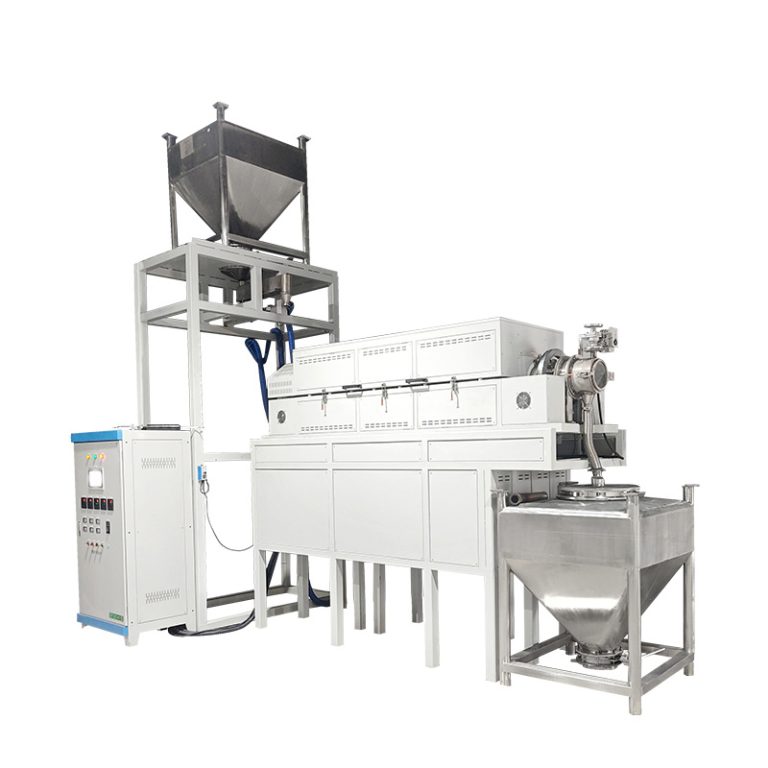
Industrial Rotary Kiln Maintenance
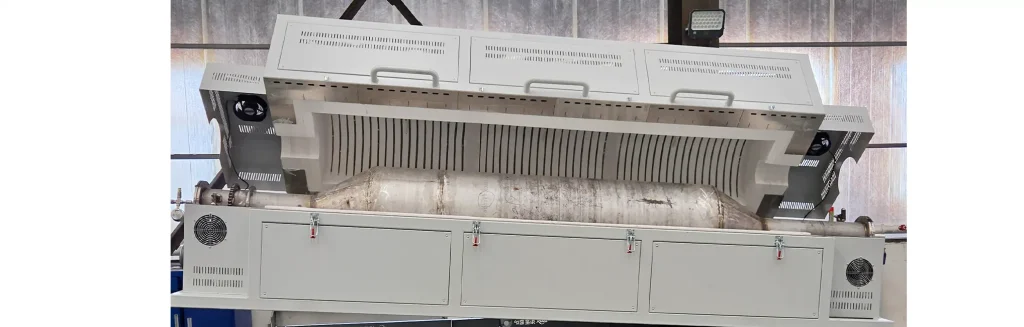
Rotary kilns include mechanical systems that require regular inspection in addition to heating-system maintenance.
Check the following components:
- Rotating cylinder and internal lining.
- Support rollers and bearings.
- Drive motor and transmission system.
- Seals and connecting structures.
- Lubrication points.
- Temperature monitoring components.
Abnormal vibration, noise, or changes in rotation may indicate mechanical problems that require professional inspection.
See the Industrial Rotary Kiln product page for more information.
6. Common Industrial Furnace Problems and Maintenance Solutions
Regular inspection helps identify early warning signs. The following table summarizes several common symptoms and possible causes.
| Problem | Possible Causes | Recommended Inspection |
|---|---|---|
| Furnace heats slowly | Heating-element deterioration, power supply issues, or excessive heat loss | Inspect heating elements, electrical systems, and insulation |
| Temperature fluctuates | Sensor problems, controller issues, or unstable operating conditions | Check thermocouples and temperature-control components |
| Furnace temperature is uneven | Insulation damage, heating-element problems, or loading issues | Inspect the chamber and review loading procedures |
| Vacuum level is difficult to maintain | Seal damage, leaks, or vacuum pump deterioration | Inspect seals, valves, pipelines, and pump performance |
| Excessive energy consumption | Insulation deterioration, poor sealing, or inefficient operating conditions | Inspect insulation and furnace door sealing |
| Cooling system alarms | Insufficient flow, blockage, leakage, or pump problems | Inspect the cooling circuit |
| Unusual noise or vibration | Loose mechanical parts, bearing wear, or drive-system problems | Arrange mechanical inspection |
These symptoms do not always indicate a single cause. A systematic diagnosis should consider the furnace design, operating history, process conditions, and manufacturer’s troubleshooting guidance.
7. How to Establish an Effective Industrial Furnace Maintenance Schedule
An effective maintenance schedule should be practical, documented, and based on actual operating conditions.
Step 1: Identify Critical Components
List the main furnace components, including:
- Heating elements.
- Refractory and insulation materials.
- Thermocouples and temperature controllers.
- Electrical systems.
- Cooling systems.
- Vacuum or atmosphere systems.
- Mechanical drives and moving parts.
- Safety devices.
Identify which components have the greatest impact on equipment reliability and production safety.
Step 2: Define Inspection Frequencies
Establish daily, monthly, and annual inspection tasks as a starting point. Adjust the intervals according to operating hours, process conditions, equipment age, and manufacturer recommendations.
Step 3: Assign Maintenance Responsibilities
Clearly define which tasks are performed by operators, maintenance technicians, and qualified specialists.
Operators may perform routine visual checks and record operating conditions. Electrical, vacuum, cooling-system, and high-temperature repairs should be assigned to appropriately qualified personnel.
Step 4: Maintain Inspection Records
Record the following information:
- Inspection date.
- Equipment identification.
- Operating hours.
- Inspection results.
- Abnormal conditions.
- Repairs and replacement parts.
- Responsible personnel.
- Follow-up actions.
These records help identify recurring problems and support long-term maintenance planning.
Step 5: Review and Improve the Schedule
Maintenance records should be reviewed periodically. If a particular component repeatedly develops issues, it is worth considering whether the inspection interval is set incorrectly, or if there is an underlying problem with the operating conditions themselves.
A preventive maintenance program should evolve as equipment ages and production requirements change.
8. Industrial Furnace Maintenance Safety Precautions
Maintaining industrial furnaces is far more complex than simply tightening a screw. Given the presence of high temperatures, electrical systems, and moving parts—often combined with vacuum or pressurized gas systems—strict safety procedures must be in place before any work begins.
Important precautions include:
- Allow the furnace to cool down completely—never touch high-temperature components unless the equipment is specifically designed for inspection while hot.
- Before performing any electrical or mechanical maintenance, ensure the power is disconnected and follow strict lockout/tagout procedures; no steps can be skipped.
- Verify stored energy is controlled: Consider residual heat, pressure, vacuum, and other stored-energy hazards.
- Use appropriate protective equipment: Select PPE based on the hazards identified in the work procedure.
- Follow the manufacturer’s guidelines—use only approved procedures for cleaning, parts replacement, and maintenance.
- Ensure the work is handled by the right personnel: specialized tasks—such as electrical repairs, safety system testing, or work on vacuum or cooling systems—must be performed by trained individuals.
Never bypass safety interlocks or operate equipment with known safety-critical defects.
9. Frequently Asked Questions About Industrial Furnace Maintenance
1.How often should an industrial furnace be maintained?
Industrial furnaces should receive routine operational checks, periodic component inspections, and comprehensive maintenance based on operating conditions. Daily, monthly, and annual schedules can serve as a starting point, but actual intervals should follow the manufacturer’s recommendations and site-specific risk assessment.
2.What are the most important components to inspect?
The most important components generally include heating elements, insulation, thermocouples, temperature controllers, electrical connections, cooling systems, and safety devices. Vacuum furnaces also require regular inspection of pumps, seals, valves, and vacuum pipelines.
3.What causes industrial furnace heating problems?
Common causes include deteriorated heating elements, damaged insulation, faulty temperature sensors, electrical connection problems, and incorrect operating or loading conditions. Proper troubleshooting should identify the actual cause before components are replaced.
4.How can industrial furnace energy consumption be reduced?
Maintain insulation, inspect door seals, use appropriate loading procedures, and keep heating and temperature-control systems in good condition. Avoid unnecessary heating cycles and follow the recommended operating parameters.
5.When should furnace heating elements be replaced?
Heating elements should be replaced when they show significant cracking, deformation, electrical damage, or performance deterioration beyond acceptable limits.
10. Conclusion: Build a Preventive Maintenance Program for Reliable Furnace Operation
A maintenance checklist serves one primary purpose: to let the operator know the current status of the equipment and identify areas where problems are likely to arise.
The most effective maintenance program is one that combines regular inspections, accurate records, qualified technicians, and manufacturer-approved service procedures.
If you are selecting an industrial furnace or planning to upgrade your existing heating equipment, choosing a furnace designed for your specific temperature range, production capacity, and process requirements is equally important.
Contact Great Furnace to discuss your industrial furnace requirements and find a suitable heating solution for your application.