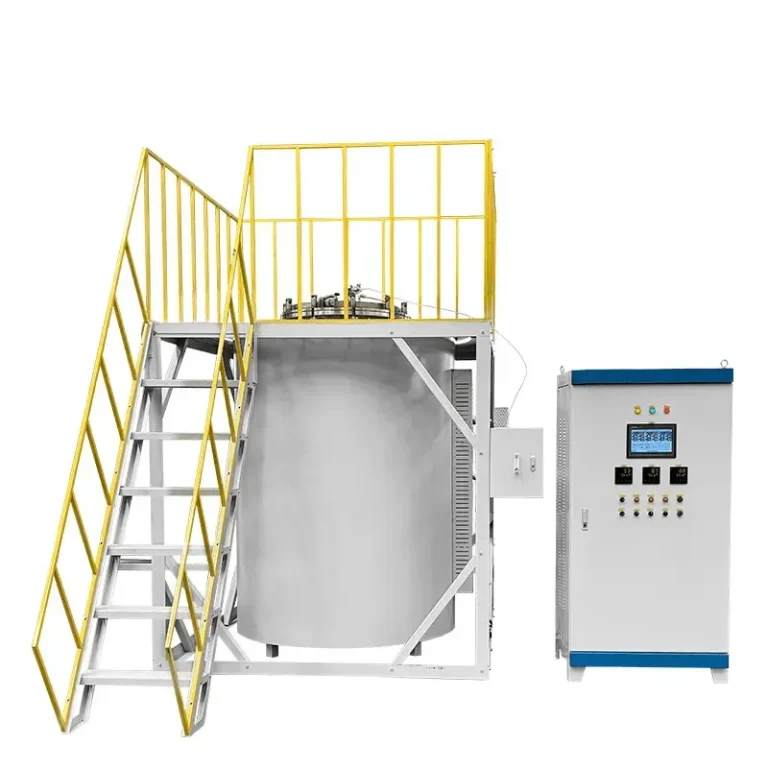
Luoyang Anjing Intelligence Equipment are a global leader in high-temperature electric furnaces



800°C Vacuum Atmosphere Pit Furnace for Laboratory and Industrial Applications
PRODUCT PARAMETERS
Description
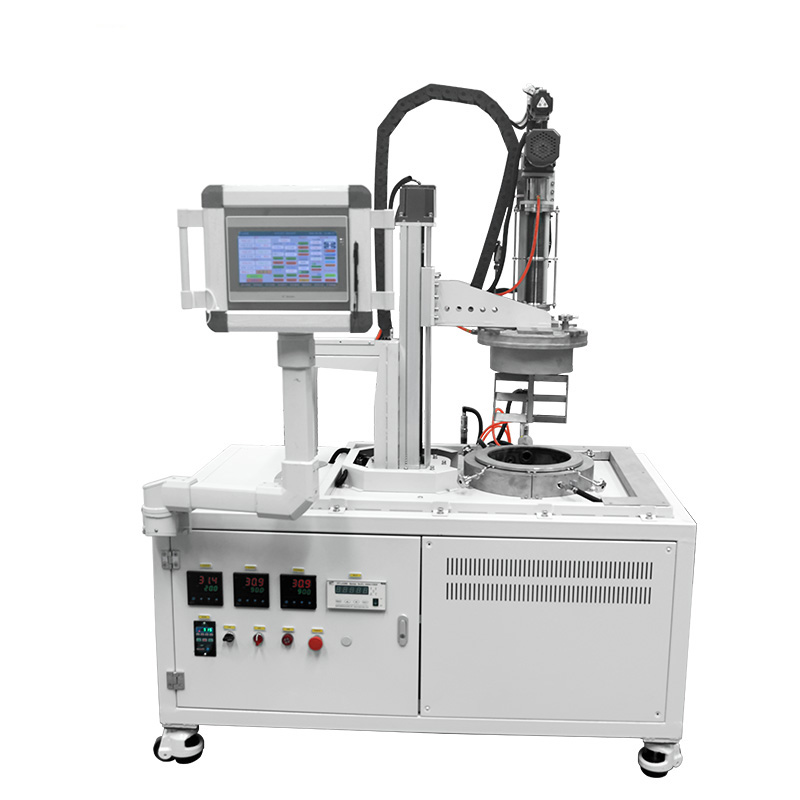
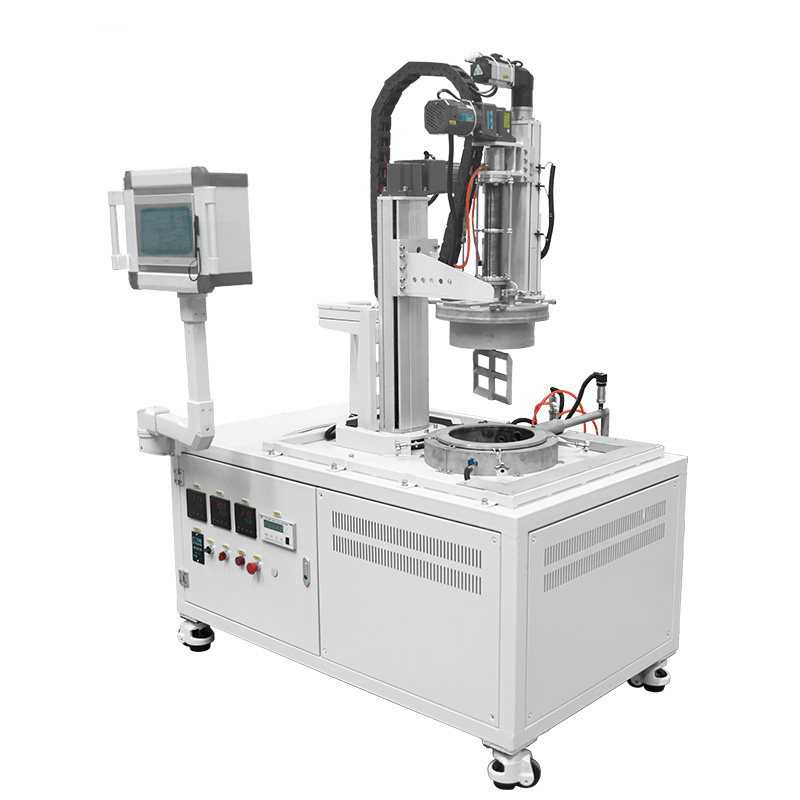
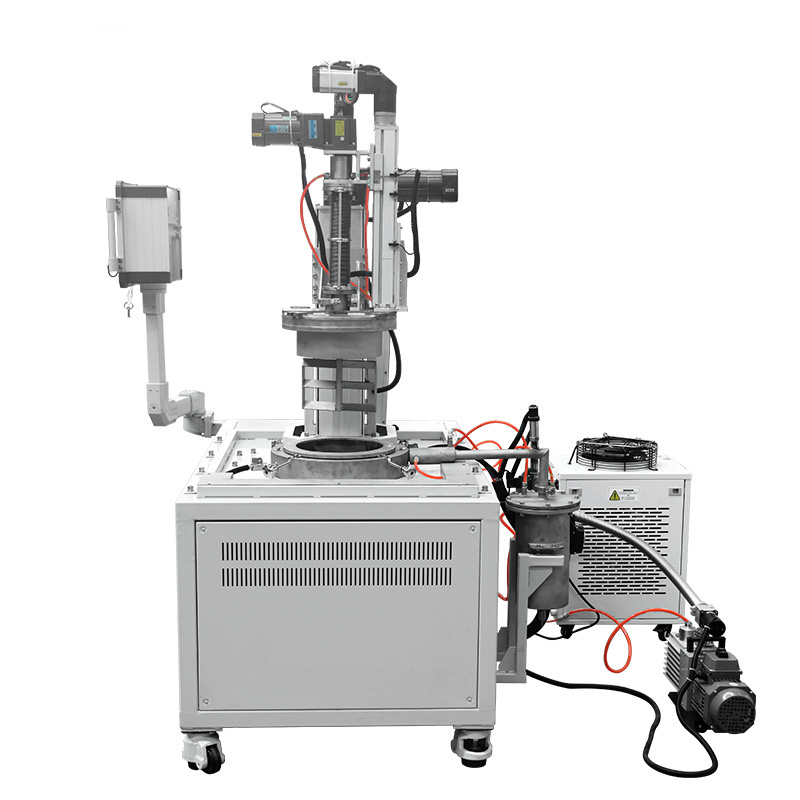
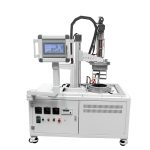
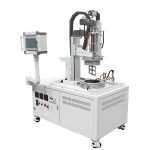
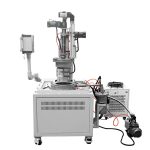
800℃ Pit-Type Atmosphere Stirred Furnace
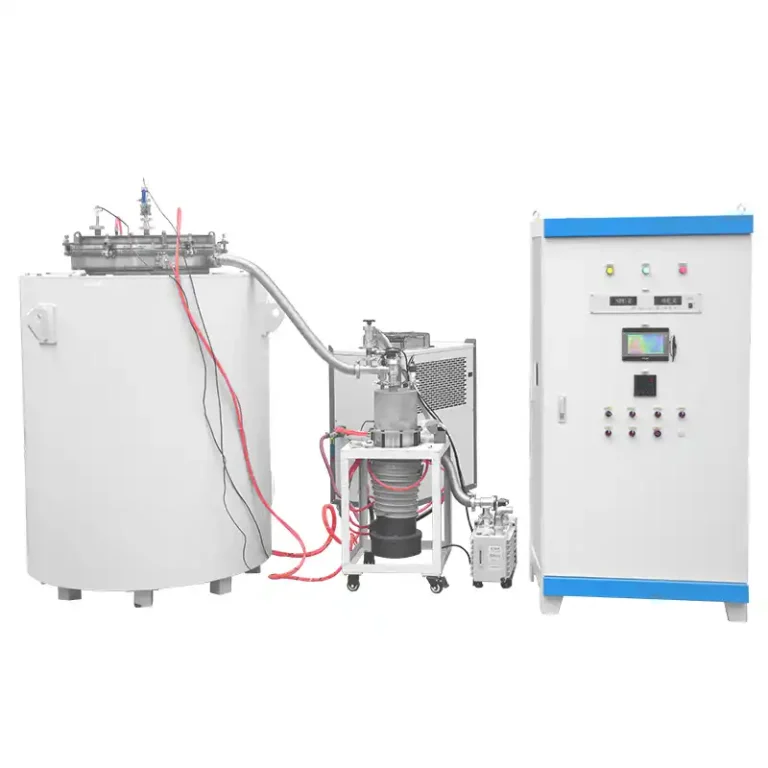
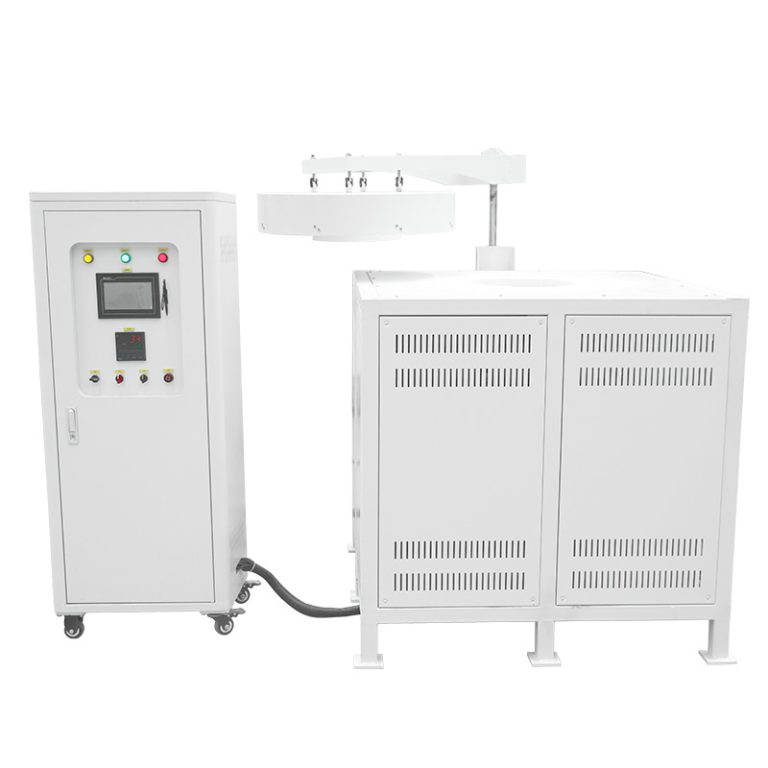
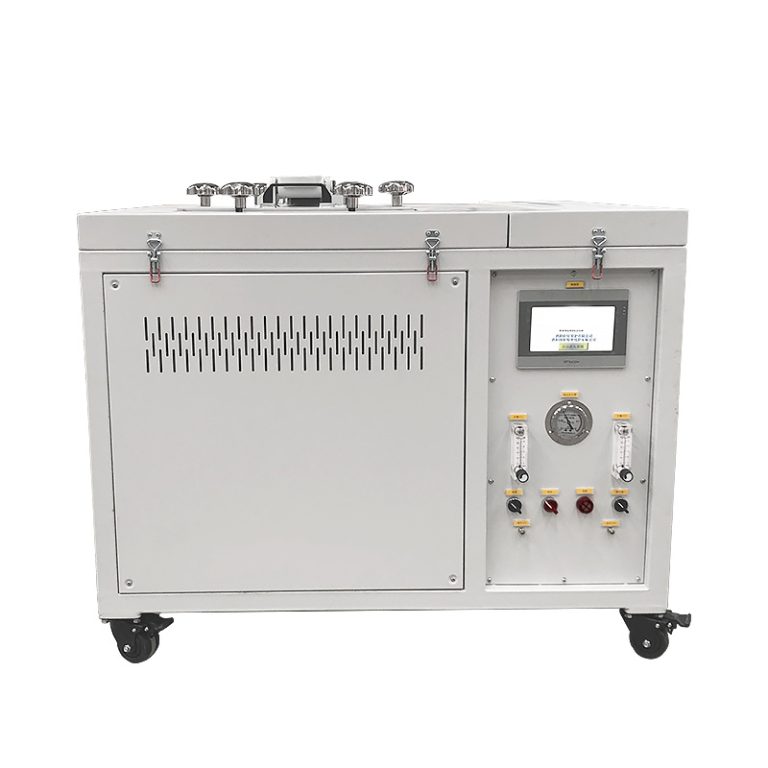
The Pit Furnace type atmosphere stirred furnace is a high-performance experimental device integrating atmosphere protection, a vacuum system, intelligent temperature control, mechanical stirring, pressure control, and automated control. The entire unit integrates a temperature control system, vacuum furnace chamber, vacuum pump, gas path system, mass flow control, pressure protection, oxygen content detection, and exhaust gas treatment system. It can achieve vacuuming, inert gas filling, positive and negative pressure control, and programmed sintering processes.
The equipment uses a high-purity alumina ceramic fiber furnace lining and HRE high-temperature alloy resistance wire heating. It is equipped with a PLC + 10-inch touchscreen intelligent control system, which can store multiple sintering process curves and achieve automatic heating, holding, cooling, and stirring program control.
Product Features
- 316L Stainless Steel Furnace Tank + N6 Pure Nickel Inner Vessel, Double Corrosion Protection
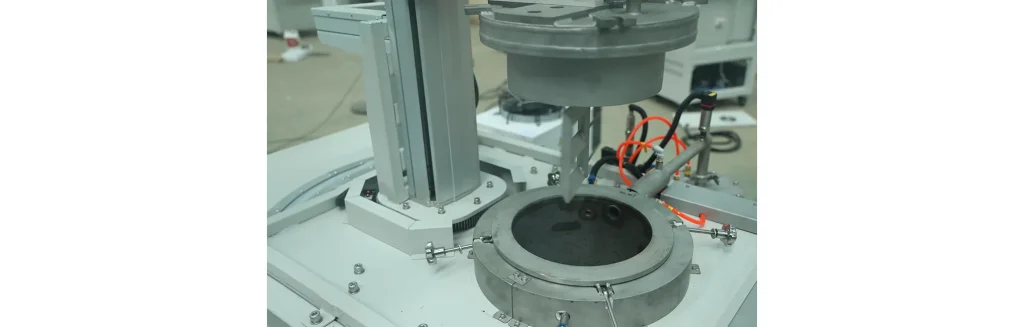
The furnace tank is made of 316L stainless steel with a wall thickness ≥5mm; the inner vessel is made of N6 nickel with a wall thickness ≥3mm, a diameter of 250mm, a height of 250mm, a total volume ≥10L, and a single feeding capacity ≥7.5L. The inner vessel is removable for easy cleaning and material replacement. The nickel inner vessel has excellent corrosion resistance, suitable for processing acidic, alkaline, and corrosive materials.

- Frame-Type Agitator + Axial Movement, Excellent Agitation Effect
A frame-type agitator is used, with three layers of agitators. The bottom layer is 10±1mm from the bottom surface of the vessel, and the top layer is located at 60% of the vessel’s height. The side frame is 10±1mm from the inner wall of the vessel. The agitator is made of N6 nickel, and the agitator shaft and furnace cover are sealed with welded corrugated pipe. 3. Stirring speed can be gradient controlled from 5-100 r/min, and the stirring speed and forward/reverse rotation can be set according to the sintering curve for each time period, achieving fully automatic programmed stirring.
- Three independent temperature zones with uniform temperature field.
The upper, middle, and lower temperature zones are independently controlled. The heating elements (alloy HRE resistance wire, material 0Cr27Al7Mo2) are evenly distributed around the furnace chamber, matching the shape of the inner vessel to form a cylindrical cavity, arranged in three layers in a ring. The uniformity of the temperature field inside the furnace is ±3℃, and the temperature control accuracy is ±1℃.
- Precise atmosphere control and real-time oxygen content monitoring.
Equipped with a mass flow meter, the gas inlet time and volume can be preset through programming. Inert gases such as nitrogen and argon can be introduced. The nitrogen positive pressure is controllable from 50-200 Pa with an accuracy of ±10 Pa, and the negative pressure pressure rise does not exceed 10 Pa in 24 hours. An oxygen content analyzer (range 0ppm-10%) is equipped; the oxygen content should be <10ppm before heating, and the oxygen content should be reduced to 5ppm in the high-temperature section at 700℃. Supports a cyclic replacement mode of “vacuuming → nitrogen charging → vacuuming again → nitrogen charging again”.
- Tar Collection and Tail Gas Treatment System
Equipped with a ≥5L tar collection tank, featuring a threaded seal for easy disassembly and cleaning, a transparent liquid level display, and located at the lowest point of the tail gas pipeline. Tail gas emission temperature ≤80℃, equipped with an explosion-proof induced draft fan linked to a PLC, and furnace pressure regulated via a gate valve. A dew point monitor is installed at a branch of the tail gas pipeline to monitor the tail gas dew point in real time.
- Water Cooling Protection System
The water cooling system covers the furnace cover and connects to an on-site water source with a cooling water temperature of 15-25℃, a pressure of 0.1-0.2 MPa, and a flow rate >1 m³/h. The furnace cover seal uses a high-temperature resistant fluororubber O-ring, and a cooling water layer is installed at the seal to ensure that the seal does not age during long-term operation.
| Maximum Temperature | 800℃, capable of long-term stable operation |
| Common Operating Temperature | 600–700℃ |
| Model | 10-liter |
| High-Temperature Operating Condition | Nitrogen positive pressure 50–200 Pa controllable, accuracy ±10 Pa; negative pressure pressure rise ≤10 Pa over 24 hours |
| Power Supply | AC 380V |
| Design Power | 20 KW |
| Furnace Chamber Dimensions | Φ250 × 250 mm (depth) (effective hot zone) |
| Equipment Dimensions | Height ≤2 m, width (thickness) ≤1.2 m, length ≤1.5 m (final dimensions subject to 3D drawing confirmed by both parties) |
| Temperature Control System | 10-inch touchscreen for centralized control, with real-time PC monitoring; high-precision 50-segment temperature controller, stores up to 15 sintering curves; PLC adopts Siemens (international Class I); IGBT integrated power regulator (Sichuan Injet) supports constant current, constant voltage, constant power, and other control modes with communicable voltage, current, and power readings. Dual-loop control + dual-loop protection against overshoot, undershoot, thermocouple break, phase loss, overvoltage, overcurrent, overtemperature, current feedback, and soft-start; power-off memory; operational data and alarm logs exportable, with data retained for 3 months without overwriting |
| Transportation | Equipped with 4 sets of Fuma swivel casters at the bottom, and 4 lifting holes预留 |
| Process Gases | Nitrogen, argon, and other inert gases |
| Control Range | Instrument temperature protection range: 50–800℃ |
| Temperature Uniformity | ±3℃ (depending on heating chamber size) |
| Gas Inlet Method | Mass flow meter, with programmable preset gas introduction time and volume |
| Temperature Sensor & Range | Type N thermocouple, room temperature to 1000℃; total of 4 units (3 for temperature control, 1 placed inside the canister) |
| Heating Zone Arrangement | Three independently controlled zones (upper, middle, lower); heating wires arranged in three annular layers matching the cylindrical cavity of the inner vessel |
| Heating/Cooling Rate | Heating: Max. 20℃/min (non-linear), Min. 1℃/h; Cooling: natural cooling below 500℃, ≤10℃/min above 500℃ (programmable cooling achievable). The user manual shall specify the maximum ramp rates for each temperature range |
| Heating Elements | Alloy HRE resistance wire, material 0Cr27Al7Mo2, uniformly distributed around the furnace chamber |
| Furnace Body | CNC machined; processes include polishing, grinding, pickling, phosphating, powder coating, and high-temperature baking; dual-color finish; features oxidation resistance, acid/alkali/corrosion/heat resistance, and easy cleaning. Double-layer protective shell, carbon steel Q235 with plastic spraying for structural integrity |
| Furnace Chamber | Well-type structure; special ceramic fiber insulation material; inner layer of high-purity alumina fiber for fast heating and no sagging during long-term use |
| Vessel Description | 316L stainless steel outer shell (wall thickness ≥5 mm) with a removable N6 nickel inner liner (wall thickness ≥3 mm); inner liner Φ250×250 mm, total volume ≥10 L, single batch loading ≥7.5 L, detachable and cleanable |
| Stirring Blade | Frame-type stirring with three layers; bottom layer 10±1 mm from the inner bottom; top layer at 60% height of the vessel; side frame clearance from the inner wall 10±1 mm; material: N6 nickel; located centrally, vertically movable with freely settable height. Seal between stirring shaft and furnace lid: welded bellows; lid: quick-open flange with high-temperature fluororubber O-ring seal, with a cooling water jacket to prevent aging. Stirrer connected to motor via magnetic fluid coupling. Speed: 5–100 r/min, gradient controllable, with programmable speed and direction settings per sintering curve |
| Lid Lifting Mechanism | Includes lifting motor; when opened, the stirrer lifts to a high position and can be manually swung to the side. Includes both rotation motor and stirrer lift motor. Door opening: mechanical top-lift, automatically controlled (lead screw or cylinder), with limit protection |
| Furnace Shell Temperature | During prolonged continuous operation, ≤ ambient temperature + 30℃ |
| Water Cooling | Cooling water: 15–25℃, pressure 0.1–0.2 MPa, flow >1 m³/h; chilled water (7℃) usage <1 m³/h, pressure <0.4 MPa, with insulation layer on chilled water pipes. Cooling location: furnace lid |
| Vacuum Pump | Two-stage rotary vane pump, connected after the exhaust line with a manual valve before the pump. Supports cyclic replacement mode: “evacuate → fill nitrogen → evacuate → fill nitrogen” |
| Pressure Resistance | Furnace shell steel plate 6–20 mm thick, double-welded, withstands positive pressure up to 20 kPa. Furnace pressure stable adjustable range: 50–250 Pa, with 24-hour pressure hold. Equipped with -1000 Pa~1000 Pa pressure transmitter; PLC automatically controls inlet/outlet valves and exhaust valve for pressure stabilization |
| Control Interface Height | Approximately 1.35 m |
| Gas Valves | Imported stainless steel valves |
| Oxygen Content Monitoring | Range: 0 ppm–10%; installed on exhaust line with pre-filter. Oxygen content <10 ppm before heating; at 700℃, should drop to 5 ppm. Automatic adjustment based on pressure; PLC manual control switch option available |
| Pressure Display | One digital pressure gauge displaying both positive and negative pressures |
| Gas Flow Meter | One mass flow meter, range 0–10 L/min |
| Exhaust Port | One electrically controlled exhaust port, automatically releases pressure when exceeding preset value |
| Chilled Water | Chilled water pipes insulated with thermal cotton; program can automatically shut off based on temperature to prevent condensation |
| Tar Collection | Tar collection tank with threaded sealing for easy disassembly and cleaning; equipped with valve to prevent exhaust gas leakage; cooling jacket with clamp connection; tank volume ≥5 L with transparent liquid level indication. Tar tank located at the lowest point of the exhaust line (final layout subject to confirmed drawings) |
| Exhaust Gas Dew Point Monitoring | One dew point monitor installed on a branch of the exhaust line (with replaceable pre-filter) |
| Exhaust Gas | Exhaust gas discharge temperature ≤80℃; piping insulated to prevent burns. Fitted with explosion-proof induced draft fan at the exhaust connection, interlocked with PLC, adjusting furnace pressure via slide valve for stable pressure control. Exhaust pipe material: SUS316L, pipe diameter as per design drawings to ensure no tar blockage |
| Pressure Protection | Signals from electric contact pressure gauge or pressure sensor drive the control module to close the solenoid inlet valve, open the solenoid exhaust valve and alarm (audible and visual); alarm pressure: 500 Pa; relieved gas is buffered then routed to the exhaust line, and nitrogen supply is stopped. Control principle: prioritize outlet adjustment; when pressure drops, adjust fan speed to avoid negative pressure in the furnace |
| Program Protection | Real-time monitoring of chilled water temperature, exhaust temperature, furnace temperature, and furnace pressure; alarms and records when thresholds are exceeded, and executes corresponding safety protection actions |
Application Areas
- Battery Material Preparation: Suitable for the synthesis and sintering of precursors for lithium-ion battery positive and negative electrode materials and solid electrolytes.
- Catalyst Synthesis and Activation: Suitable for the synthesis, drying, and activation of catalyst precursors.
- Specialty Ceramic Powder Processing: Suitable for the synthesis, sintering, and surface treatment of advanced ceramic powders.
- Metal Powder Processing: Suitable for the reduction, passivation, and surface modification of metal powders.
- Universities and Research Institutes: Suitable for experimental teaching and research projects in materials science and engineering, chemical engineering, metallurgical engineering, and related fields.
- New Material Development: Suitable for the development of synthesis processes for new materials such as composite materials and nanomaterials.
Company Profile
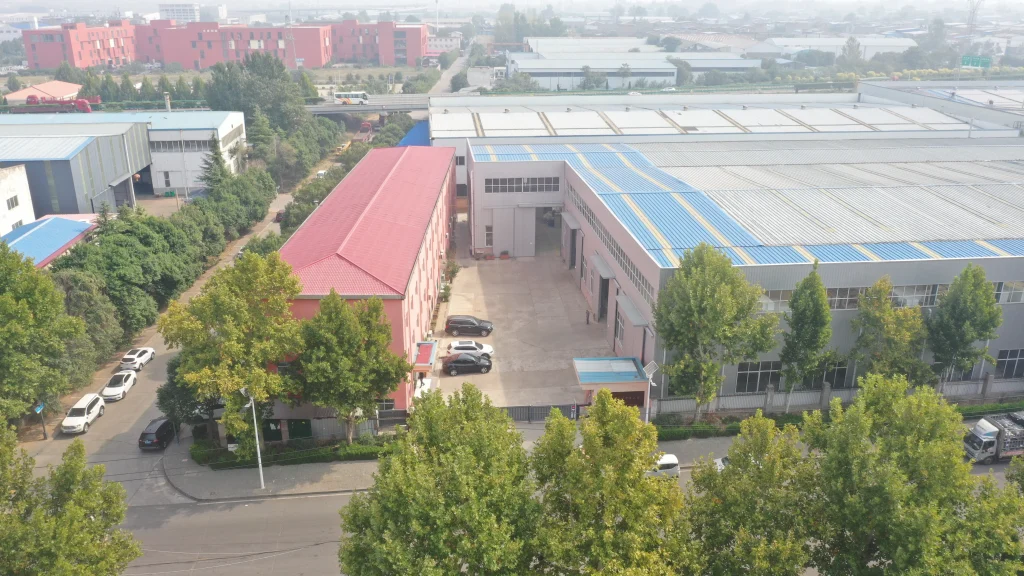
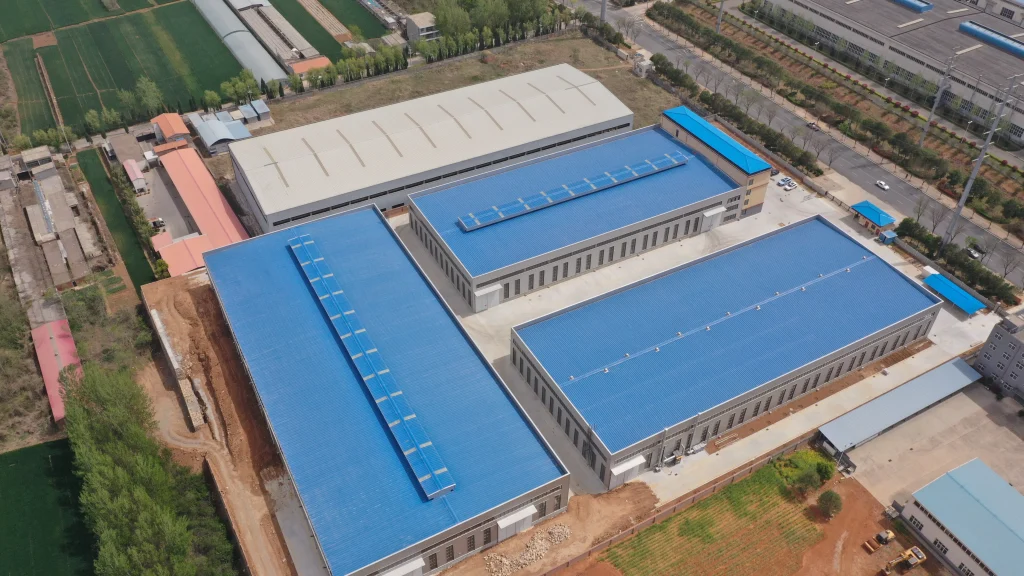
A professional enterprise specializing in heat treatment technology services and the R&D, manufacturing, and sales of high-temperature electric furnaces.
The company focuses on developing high-temperature electric furnaces covering a full temperature range of -100℃ to 2600℃. Its products include experimental electric furnaces, vacuum atmosphere furnaces, industrial kilns, and medium-frequency induction heating equipment. Main products include box furnaces, tube furnaces, lifting furnaces, pusher kilns, bogie furnaces, rotary kilns, tunnel kilns, and various specialized medium-frequency furnaces.
The company adheres to technological innovation and has passed ISO9001 and EU CE certifications. It owns 21 registered trademarks, 29 patents, and 27 software copyrights.
Payment Methods
TT
Shipment Methods
The electric furnace is packaged in three layers: first wrapped in foam paper, then wrapped in plastic film, and finally packed in a wooden crate.
Frequently Asked Questions (FAQ)
- What protective gases can the equipment use?
The standard configuration supports inert protective atmospheres such as nitrogen and argon. Other non-corrosive protective gas systems can also be customized to meet the sintering process requirements of different materials.
- What effect can the vacuum system achieve?
The equipment uses a two-stage rotary vane vacuum pump, which can achieve vacuuming and inert gas circulation replacement, effectively reducing the oxygen content in the furnace. The oxygen content can be controlled to below 10 ppm before heating, and can be stably controlled to around 5 ppm during the high-temperature stage, providing a reliable guarantee for high-purity atmosphere sintering.
- Can the stirring system operate automatically?
Yes. The stirring system supports automatic program control. The stirring speed, forward and reverse rotation direction, and running time can be set according to different stages of the sintering process, achieving synchronous and automatic completion of sintering and stirring without manual intervention.
- Does it support data recording and remote monitoring?
Yes. The equipment adopts a PLC + touch screen control system, which can record temperature, pressure, power, current, voltage, oxygen content, and alarm information in real time. Historical data can be exported and saved, and remote computer monitoring and parameter management are supported.
- What safety protection functions does the equipment have?
The equipment has a dual-circuit safety protection system, integrating multiple protection functions such as over-temperature, over-current, over-voltage, phase loss, thermocouple breakage, abnormal furnace pressure, abnormal water cooling, abnormal exhaust gas, oxygen content monitoring, and automatic pressure relief. It can automatically alarm and execute corresponding protection measures to ensure the safety of equipment and operators.