Luoyang Anjing Intelligence Equipment are a global leader in high-temperature electric furnaces



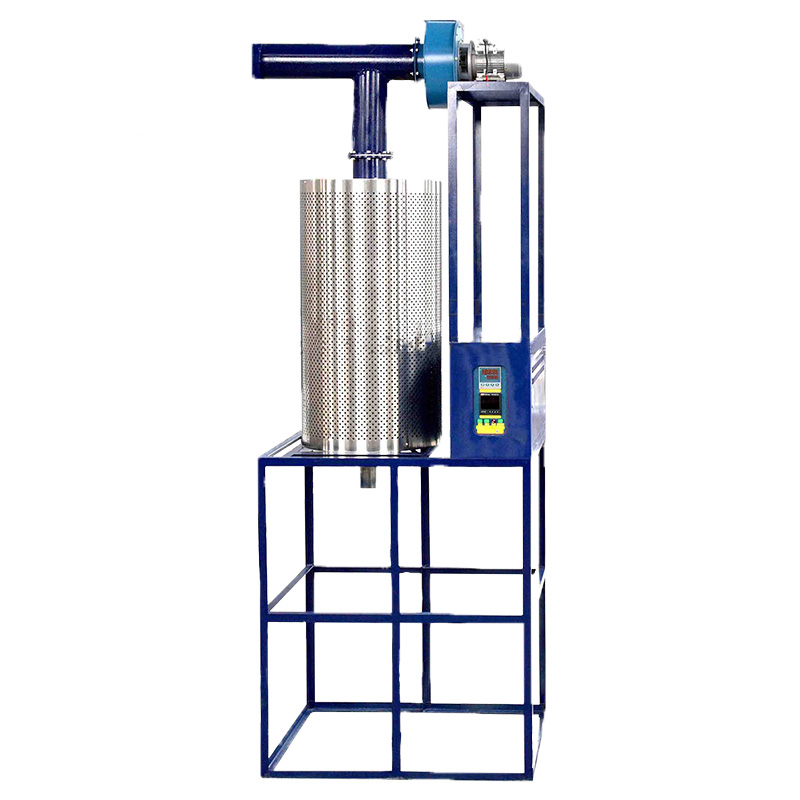
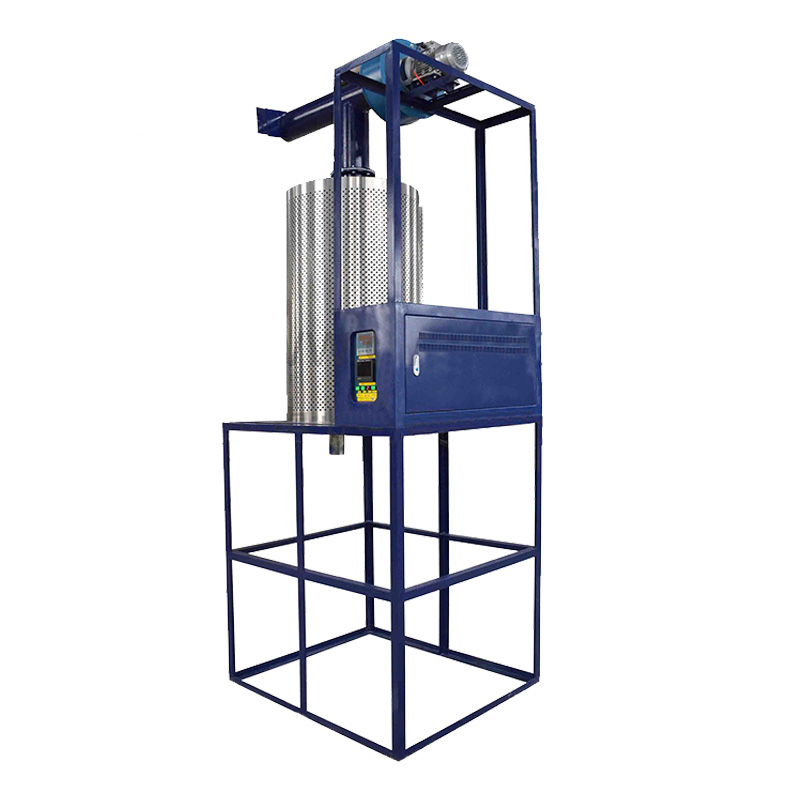
Small VOC Exhaust Gas Purification Furnace
PRODUCT PARAMETERS
Description
Small-Scale VOC Exhaust Gas Purification Furnace
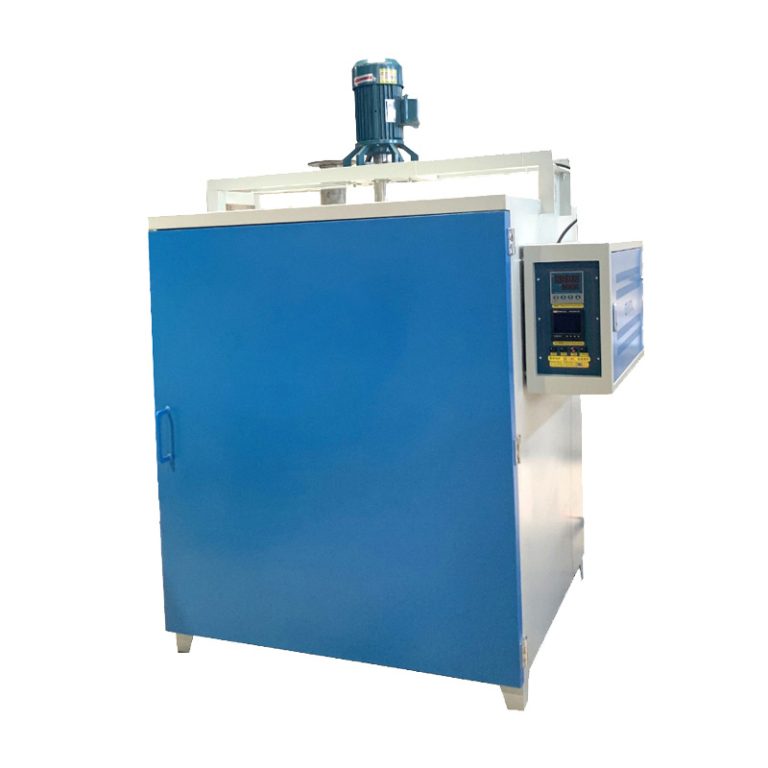
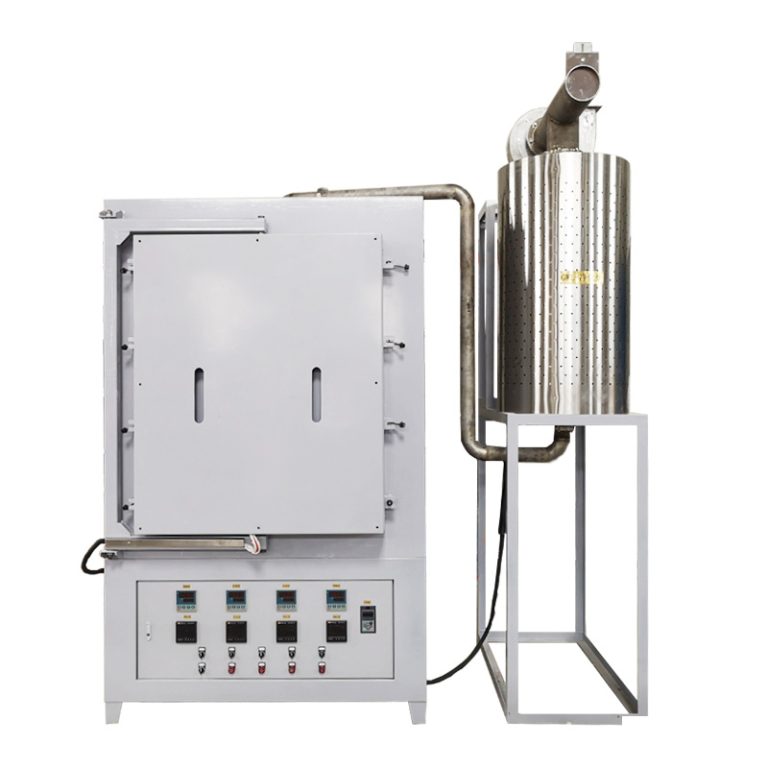
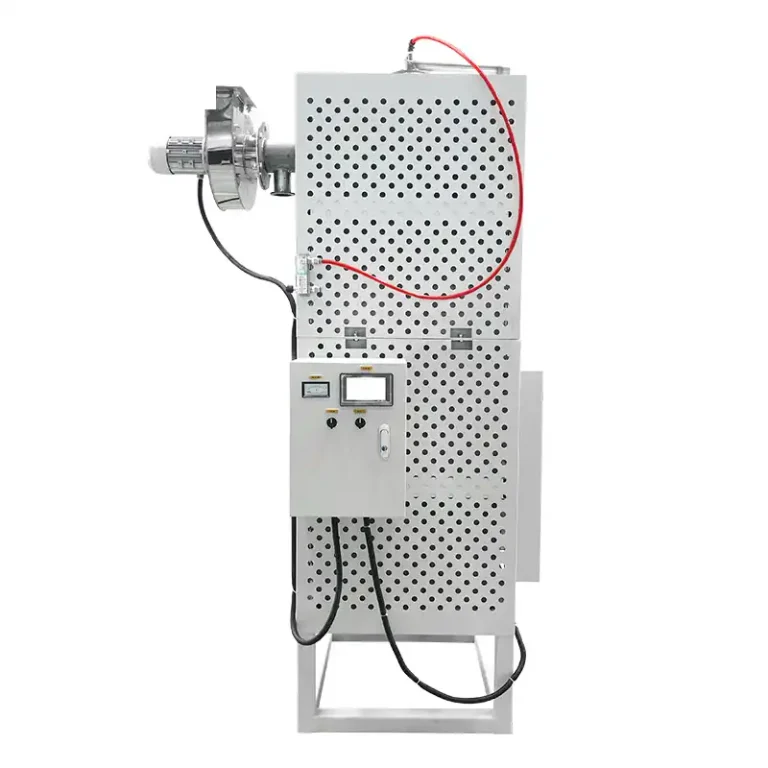
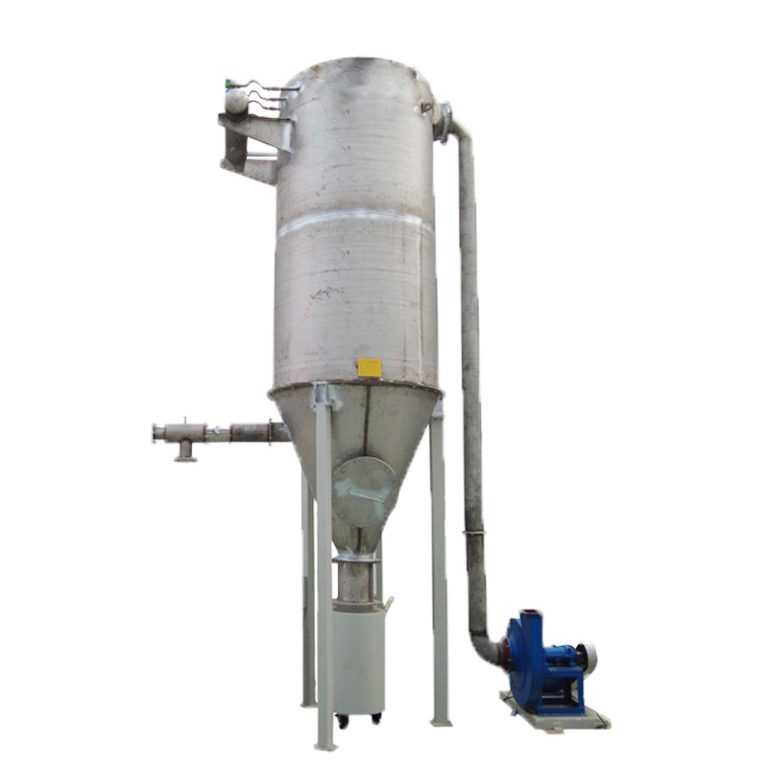
A small-scale VOC exhaust gas purification furnace is a high-temperature thermal oxidation treatment device specifically designed for the treatment of organic waste gas (VOCs). It heats the organic waste gas to its oxidation decomposition temperature, causing the VOCs to be fully oxidized into carbon dioxide and water, achieving highly efficient purification. The equipment employs PID intelligent temperature control, SCR power regulation, and a programmable control system, featuring rapid heating, precise temperature control, stable operation, and high processing efficiency. It can be widely used in laboratories, small production lines, and industrial organic waste gas treatment systems, meeting environmental emission requirements.
Product Features
- Three-chamber regenerative thermal oxidation design, purification efficiency ≥99%
Utilizing a three-chamber series regenerative thermal oxidation structure, the waste gas decomposition efficiency reaches over 99%, and the heat recovery efficiency reaches over 95%. Each regenerative chamber sequentially undergoes a heating-heat release-cleaning process, operating continuously in a cyclical manner. The heat generated by high-temperature oxidation is stored in a ceramic regenerator, used to preheat subsequently entering organic waste gas, significantly reducing heating energy consumption.
- High-temperature oxidation decomposition, treatment efficiency 95%
Maximum temperature 1000℃, normal operating temperature 750℃. Heating organic waste gas to above 760℃ oxidizes and decomposes VOCs in the waste gas into carbon dioxide and water. Waste gas treatment capacity 80 cubic meters/hour, treatment efficiency 95%. Heating rate 50℃/min, quickly reaching operating temperature.
- Programmable PID self-tuning + SCR control
Employing programmable PID self-tuning control, combined with SCR power regulation, temperature control accuracy ±3℃. 4. Programmable temperature profile, fully automatic operation, and parameter modification during operation, offering flexibility and convenience.
- Applicable to various organic waste gases
It can treat hydrocarbon organic waste gases such as alkanes, alkenes, ketones, ethers, esters, aromatics, and benzenes. It is suitable for high-concentration organic waste gases with small air volumes, waste gases containing multiple organic components or whose components frequently change, and waste gases containing components that easily degrade catalysts or their activity.
- 304 Stainless Steel Piping, Corrosion Resistant and Durable
The piping is made of 304 stainless steel, which is corrosion-resistant and high-temperature resistant, suitable for long-term treatment of waste gases containing organic compounds, and has a long service life.

| Category | Specification |
|---|---|
| Maximum Temperature | 1000℃ |
| Normal Operating Temperature | 750℃ |
| Exhaust Gas Treatment Capacity | 80 m³/h |
| Treatment Efficiency | ≥ 95% (three-chamber series ≥ 99%) |
| Power Supply | AC 380V |
| Power | 16kW |
| Piping Material | 304 Stainless Steel |
| Temperature Sensor | Type K thermocouple |
| Temperature Control Accuracy | ±3℃ |
| Control Method | Programmable, PID self-tuning + SCR |
| Heating Rate | 50℃/min |
Application Areas
- Printing Industry Waste Gas Treatment: Suitable for treating waste gas generated during printing, drying, laminating, and cleaning processes, including volatile organic compounds (VOCs) such as inks, adhesives, coating agents, dampening solutions, and car wash water.
- Packaging Printing Waste Gas Treatment: Suitable for VOC waste gas purification from processes such as plastic reverse printing, plastic surface printing, film packaging printing, paper gravure printing, flexographic printing, and screen printing.
- Offset/Letterpress/Mortar/Pad Printing: Suitable for treating organic waste gas generated from offset, letterpress, mist printing, and pad printing processes.
- Metal Printing/Tinplate Printing: Suitable for drying and printing waste gas treatment from metal printing and tinplate printing processes.
- Commercial Rotary Printing: Suitable for VOC waste gas purification in large-scale printing workshops such as commercial rotary printing and sheet-fed printing.
- Other VOC Emission Sources: Suitable for treating small-volume, high-concentration organic waste gas from industries such as electronics, chemicals, coating, and pharmaceuticals.
Company Profile
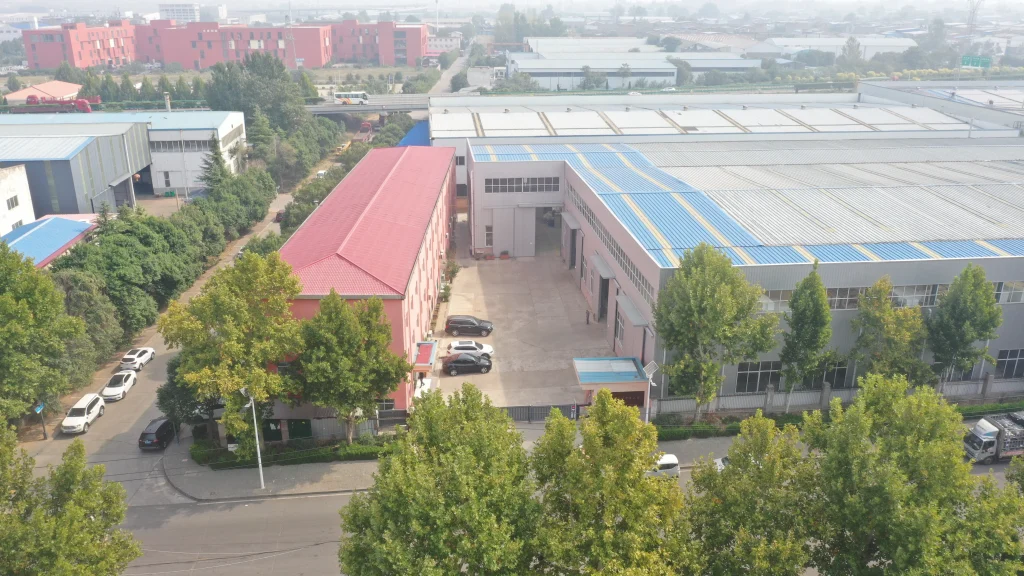
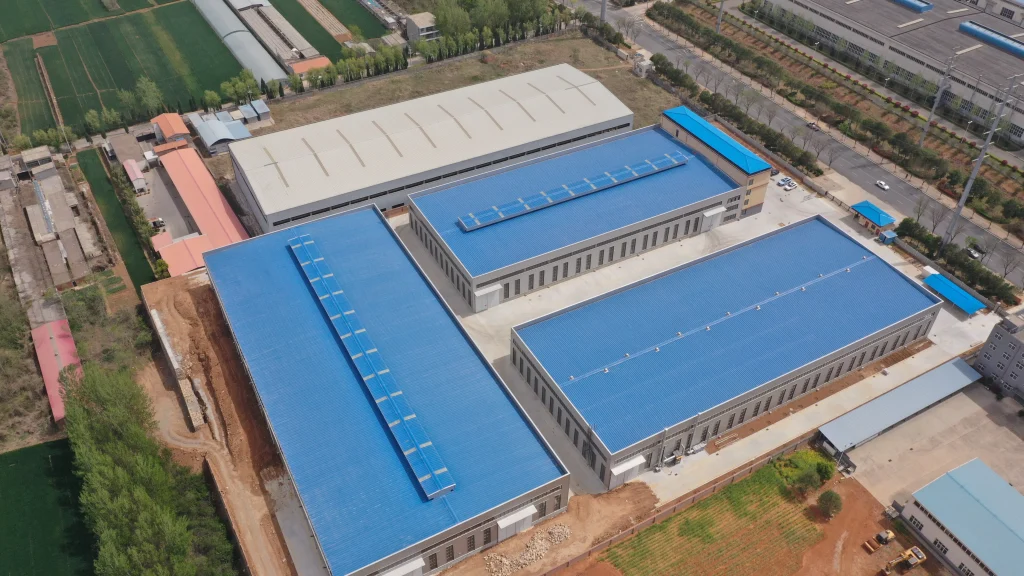
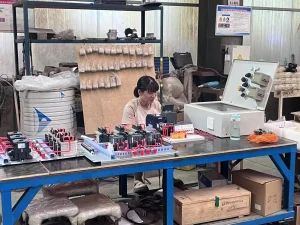
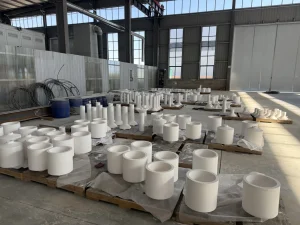
A professional enterprise specializing in heat treatment technology services and the R&D, manufacturing, and sales of high-temperature electric furnaces.
The company focuses on developing high-temperature electric furnaces covering a full temperature range of -100℃ to 2600℃. Its products include experimental electric furnaces, vacuum atmosphere furnaces, industrial kilns, and medium-frequency induction heating equipment. Main products include box furnaces, tube furnaces, lifting furnaces, pusher kilns, bogie furnaces, rotary kilns, tunnel kilns, and various specialized medium-frequency furnaces.
The company adheres to technological innovation and has passed ISO9001 and EU CE certifications. It owns 21 registered trademarks, 29 patents, and 27 software copyrights.
Payment Methods
TT
Shipment Methods
The electric furnace is packaged in three layers: first wrapped in foam paper, then wrapped in plastic film, and finally packed in a wooden crate.
Frequently Asked Questions (FAQ)
- What types of VOC waste gas can this equipment handle?
It can handle various volatile organic compounds (VOCs) such as alkanes, olefins, ketones, ethers, esters, aromatics, and benzenes.
- What is the waste gas treatment efficiency?
The standard configuration achieves a treatment efficiency of over 95%. The treatment effect can be further optimized based on the waste gas composition and operating conditions.
- Is the equipment suitable for continuous operation?
Yes. The equipment adopts an industrial-grade control system, which can meet the requirements for continuous and stable operation. It is suitable for laboratory and small-volume industrial waste gas treatment.
- Does the equipment require auxiliary fuel?
Generally, it uses electric heating for start-up. Under suitable VOC concentration conditions, it can fully utilize the heat released by the oxidation of waste gas, improving energy efficiency.
- Does the equipment support customization?
Yes. Different specifications of VOC tail gas purification equipment can be customized according to the customer’s requirements for waste gas type, treatment volume, operating temperature, control method, and installation environment.