Luoyang Anjing Intelligence Equipment are a global leader in high-temperature electric furnaces



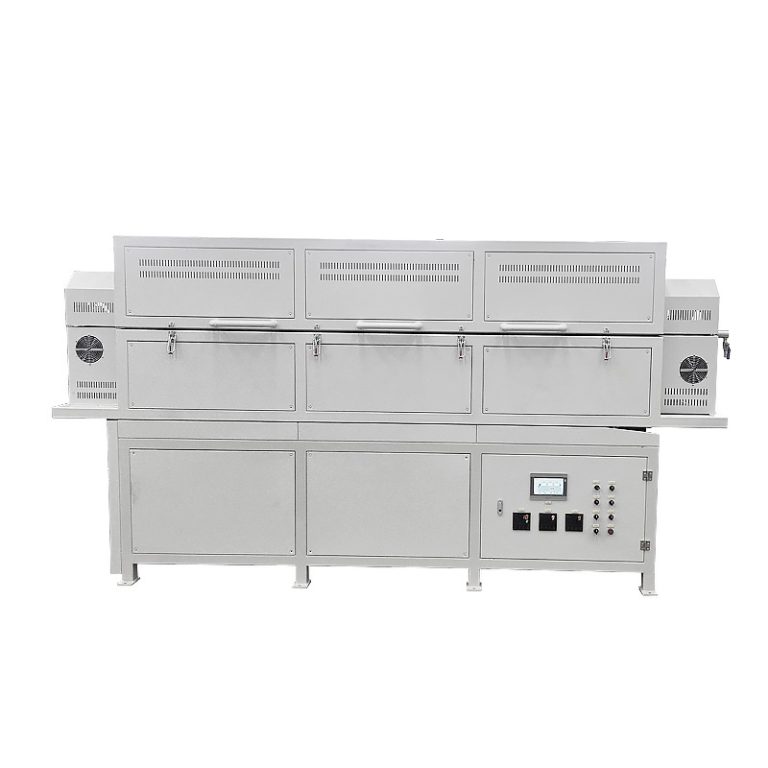
1400°C High Temperature Vacuum Rotary Furnace with Controlled Atmosphere
PRODUCT PARAMETERS
Description
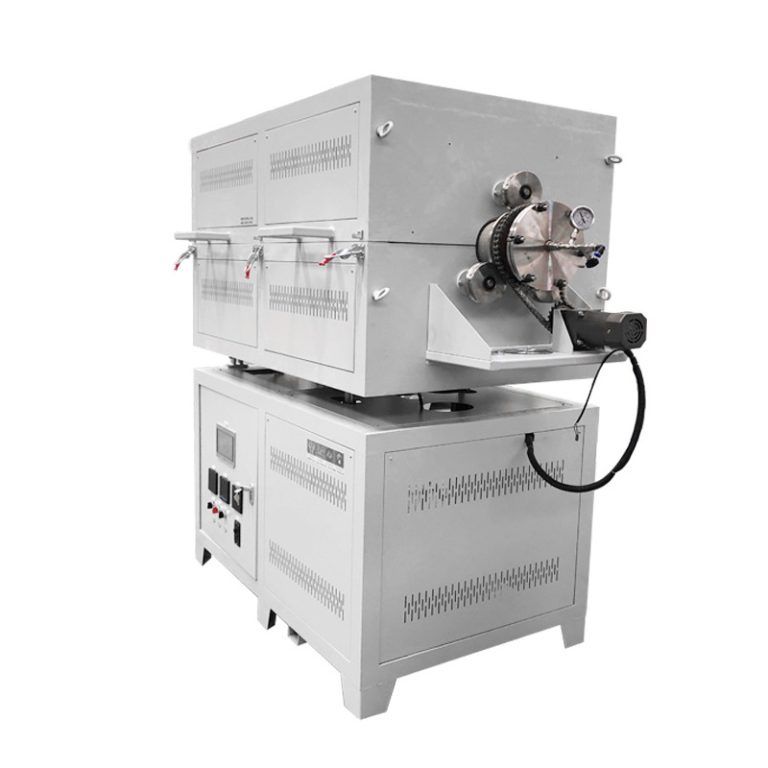
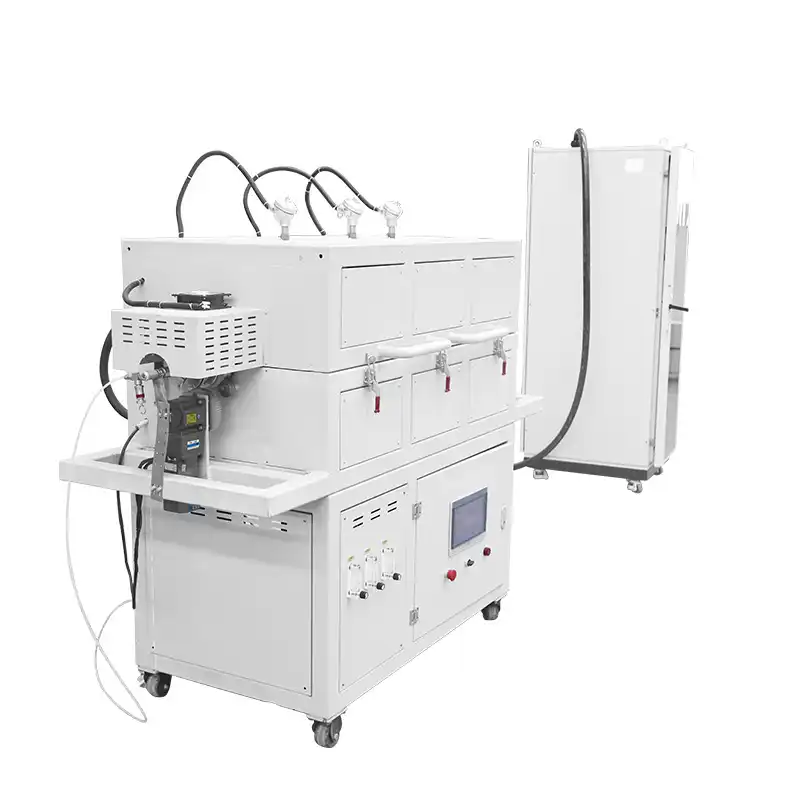
1400°C Vacuum Atmosphere Rotary Furnace
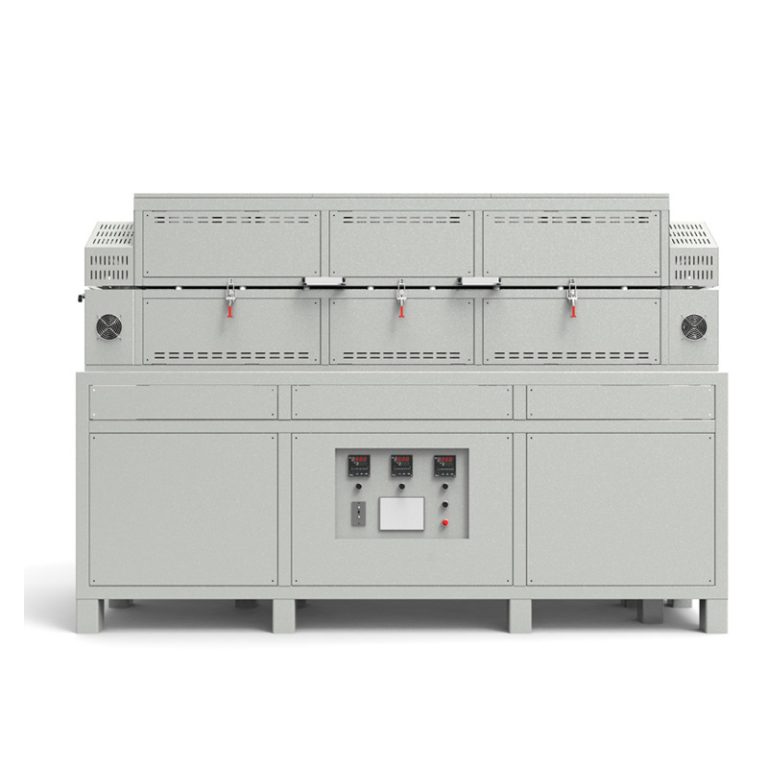
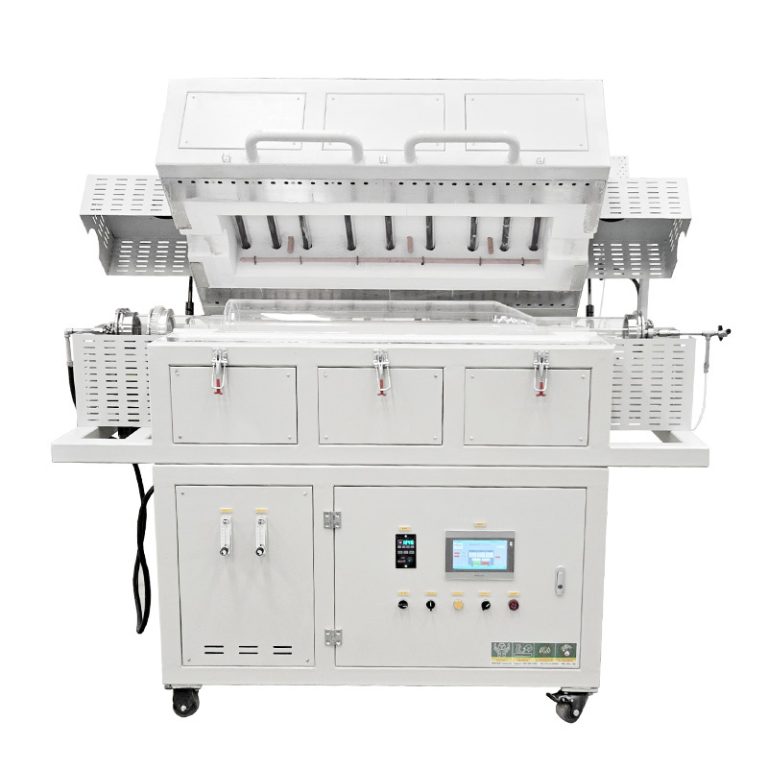
The 1400°C vacuum atmosphere rotary furnace is a piece of high-temperature experimental and industrial heat treatment equipment that integrates high-temperature heating, continuous rotation, vacuum processing, and precise multi-atmosphere control. It features a maximum operating temperature of 1400°C and a long-term operating temperature of 1350°C. The system utilizes three independent temperature control zones—each approximately 300 mm in length—allowing for independent temperature regulation across different sections.
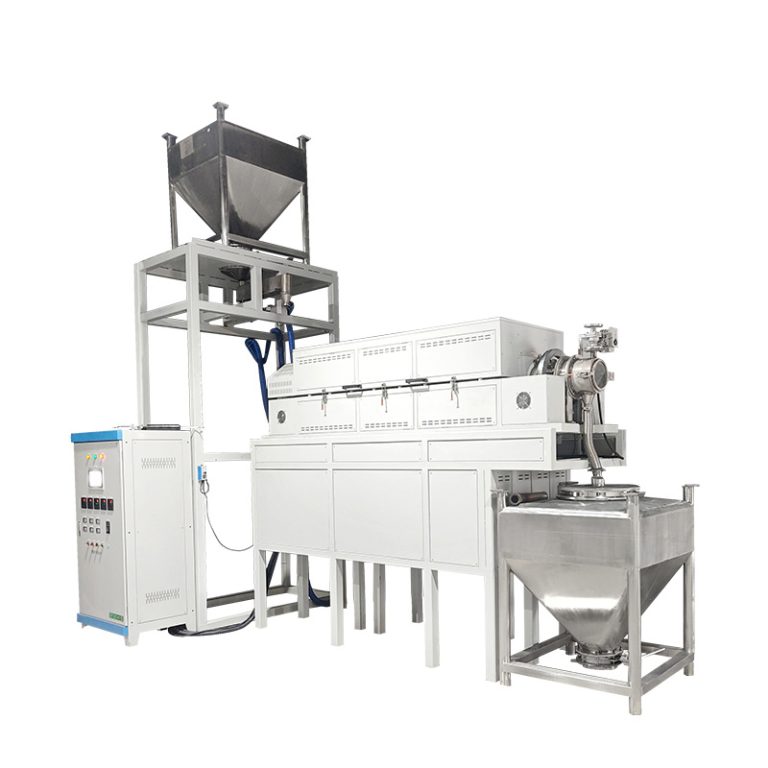
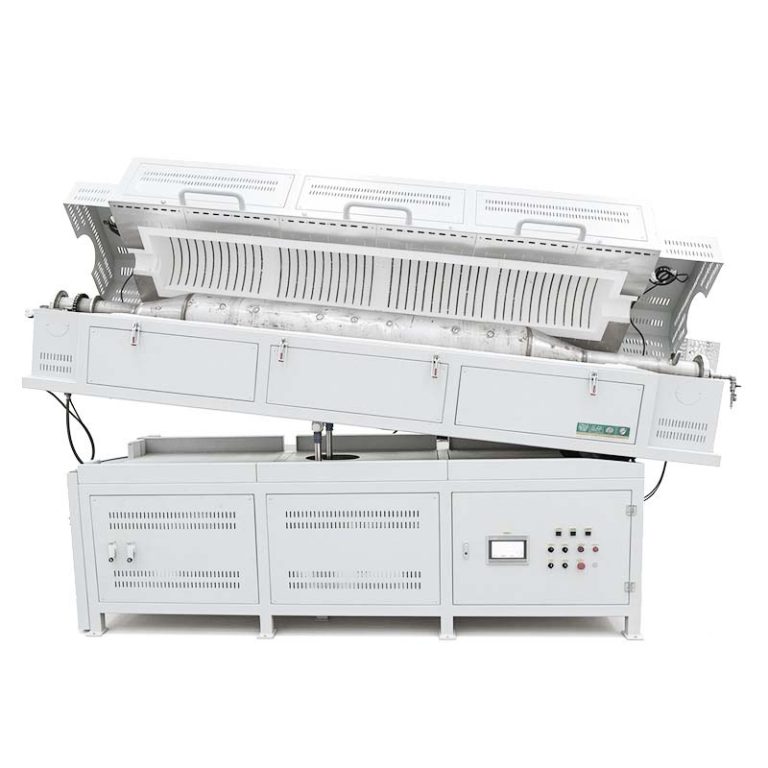
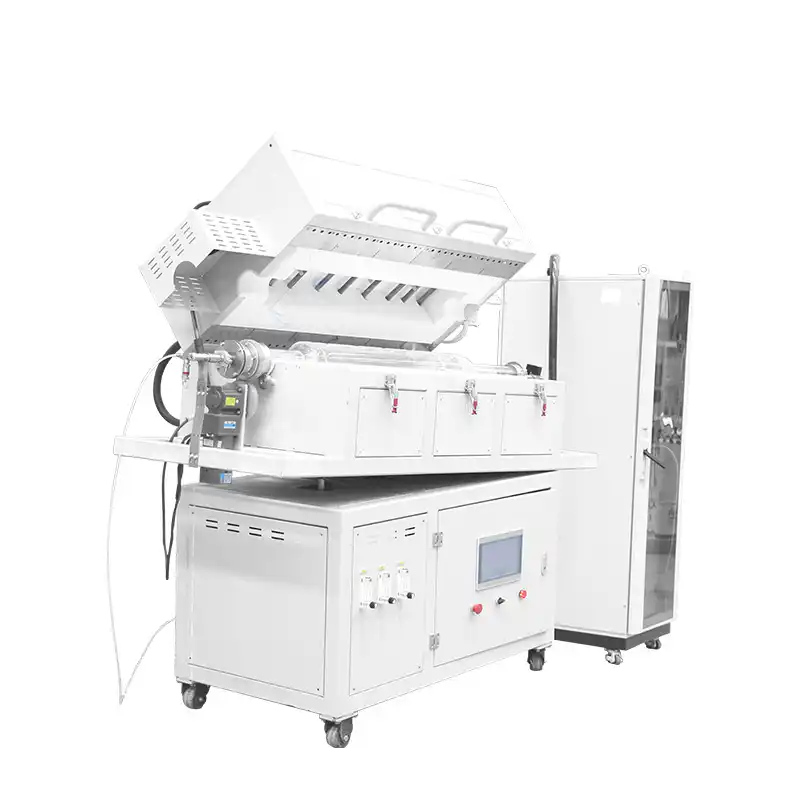
The furnace tube features a modular design, with a choice of materials including 310S stainless steel, quartz glass, and corundum. Both the rotation speed (0–10 rpm) and the tilt angle (1–30°) are continuously adjustable. During heating, the material is simultaneously rotated, fed, and mixed, ensuring uniform heating and thorough gas-solid contact.
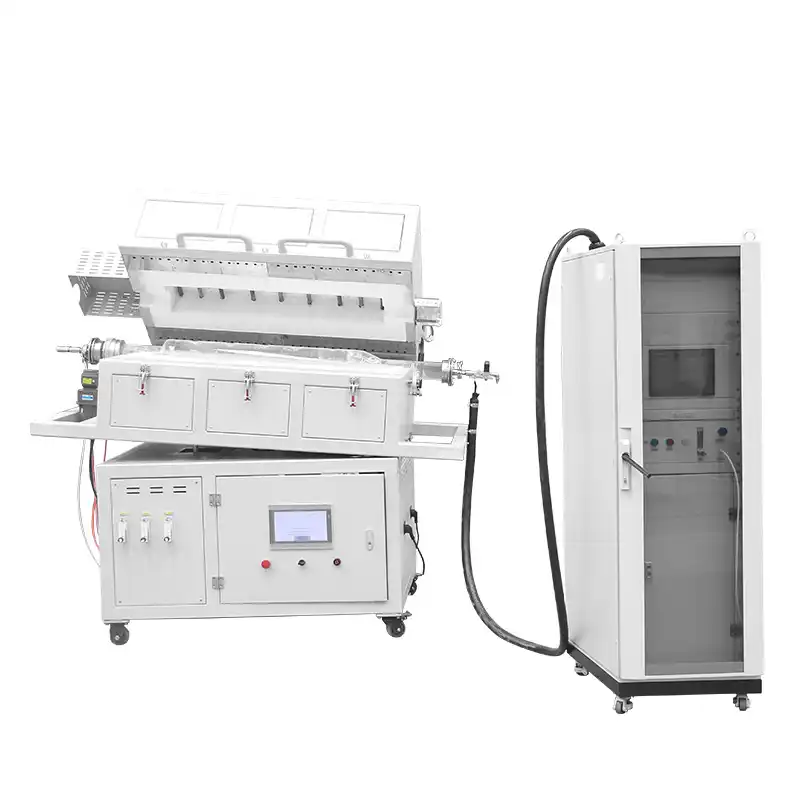
Six Mass Flow Controllers (MFCs) independently manage the flow of CO, H₂, CO₂, N₂, Ar, and air, automatically switching and adjusting flow rates according to preset programs. Integration with an online gas analyzer allows for real-time flow adjustments, ensuring precise control over heat treatment, atmosphere reactions, and continuous experiments.
Additionally, the system is equipped with a vacuum system, internal temperature monitoring, seal integrity testing, combustible gas leak alarms, and automatic safety interlocks, ensuring safe and stable high-temperature operation.
Product Features
- Independent temperature control across three zones; constant temperature zone length of 700mm
Three independent heating zones (300 mm each), with a total heating zone length of 1,000 mm and a constant temperature zone of 700 mm. The furnace tube has diameters of 80 mm at the ends and 159 mm in the middle, with a wall thickness of 5–6 mm. Temperature control accuracy is ±1°C, and furnace temperature uniformity is ±3°C.
- Suitable for vacuum operation at 1200°C; equipped with a condenser
Supports long-term operation at 1350°C and vacuum operation at 1200°C. A condenser is installed at the vacuum pump inlet to prevent damage caused by high exhaust temperatures. A mechanical rotary vane pump and rotary seal structure ensure stable operation during high-temperature vacuum rotary processing.
- Three furnace tube material options to suit different processes
Users can select the appropriate furnace tube material based on process temperatures, atmospheric requirements, and material characteristics, allowing a single unit to meet diverse process needs.
- 6-channel MFC gas system for precise atmospheric control
Equipped with six independent MFC-controlled gas channels: CO (0–1 L/min), H₂ (0–1 L/min), CO₂ (0–0.5 L/min), N₂ (0–1 L/min), Ar (0–1 L/min), and Air (0–1 L/min). Independent variable-area flow meters (0–10 L range) are installed for the nitrogen, argon, and air lines. The six MFC channels allow for the control of gas switching and flow rates based on temperature changes during the heating program, or adjustment of flow rates based on real-time online gas sampling and analysis.
- Supports two sampling methods: slight positive pressure and pump sampling
Supports both slight positive pressure sampling and pump-assisted sampling methods. CO, CO₂, N₂, Ar, and air are supplied via gas cylinders (inlet pressure ≥ 0.2 MPa), while H₂ is supplied by a generator (supply pressure 0.4–0.6 MPa). The supplier shall configure the gas supply system to match these specifications.
- Multiple safety monitoring systems ensuring reliable operation
The equipment is equipped with an external combustible gas leak detection system; if excessive levels of external combustible gas are detected, it automatically closes the gas inlet valve, opens the nitrogen valve, and triggers an audible and visual alarm.
| Specifications (Furnace Chamber Dimensions) | Furnace chamber dimensions (Depth × Width × Height) mm: Diameter 159mm × Heating zone 1000mm, Constant temperature zone length: 700mm |
| Number of Temperature Zones | 3 independent temperature control zones, each zone 300mm |
| Furnace Tube Dimensions | Both ends diameter 80mm, middle diameter 159mm, wall thickness 5-6mm |
| Power Supply AC | 380V, 18kW |
| Maximum Operating Temperature | 1400°C |
| Long-Term Operating Temperature | 1350°C, satisfying vacuum operation at 1200°C; a condenser is installed at the vacuum pump suction port to prevent excessively high suction temperature from damaging the vacuum pump |
| Control Range | 80 to 1400°C |
| Temperature Measuring Element | Thermocouple graduation S, measuring range 0–1720°C |
| Furnace Tube | Three types: 310S stainless steel tube, quartz glass furnace tube, corundum furnace tube |
| Heating Element Installation Position | Above and below the furnace tube |
| Rotation Speed | 0-10 r/min adjustable (stepless speed regulation by frequency converter) |
| Furnace Tube Tilt Angle | 1-30 degrees |
| Material Temperature Measurement | Equipped with 6-core internal detection thermocouples, capable of separately detecting the furnace temperature in three zones |
| Vacuum Pump | Mechanical rotary vane pump, rotary sealing structure |
| Control Flow Meters | 6 independent MFC-controlled gas channels: CO (0~1L/min), H₂ (0~1L/min), CO₂ (0~0.5L/min), N₂ (0~1L/min), Ar (0~1L/min), Air (0~1L/min). Among them, nitrogen, argon, and air are each independently equipped with (0~10L) float flow meters. Gas intake conditions: CO, CO₂, N₂, Ar, and air use cylinder gas intake (intake pressure above 0.2MPa); H₂ uses a generator for gas supply (supply pressure 0.4~0.6MPa). The supplier needs to match according to the above gas supply conditions |
| Sampling Method / Gas Control Logic | Sampling method: micro-positive pressure and pump sampling, two methods; the 6 MFC control channels can control the 6 gas switches and flow setting values according to the temperature changes of the heating program, and can also adjust the flow rates of the 6 MFC gases according to the real-time online sampling analysis gas cabinet. (Sampling is the responsibility of the buyer; the control logic is completed jointly by both parties) |
| Safety and Detection | The equipment is equipped with an external combustible leakage alarm device outside. If it is detected that the external combustible gas of the equipment is too high, it will automatically close the gas inlet valve, open the nitrogen valve, and give an audible and visual alarm. The equipment is equipped with furnace liner sealing leakage detection. If furnace liner leakage is detected, the equipment as a whole cannot be operated |
| Temperature Control Accuracy | ±1°C (integrated circuit control, no overshoot) |
| Furnace Temperature Uniformity | ±3°C, implementing standard GB/T 9452-2023, three-point temperature control, each temperature zone adopts dual-core thermocouples, 3 temperature measuring thermocouples inside the furnace tube, zone control effectively ensuring furnace temperature uniformity |
| Third-Party Testing | Third-party testing includes (temperature controller, thermocouple, flow meter, pressure sensor, and issuing a third-party test report) |
Application Areas
- Atmosphere Calcination of Powder Materials: Suitable for the continuous calcination of various powder materials under diverse atmospheric conditions.
- Atmosphere Sintering of Battery Materials: Suitable for the sintering and heat treatment of lithium battery cathode and anode materials under protective atmospheres such as nitrogen or argon.
- Catalyst Activation and Reduction: Suitable for the activation of catalyst materials in reducing atmospheres such as hydrogen or carbon monoxide.
- Metal Oxide Reduction: Suitable for the reduction of metal oxides in hydrogen or carbon monoxide atmospheres to produce metal powders.
- R&D of New Materials: Suitable for research into atmosphere calcination processes for advanced materials, composite materials, and other novel substances.
Company Profile
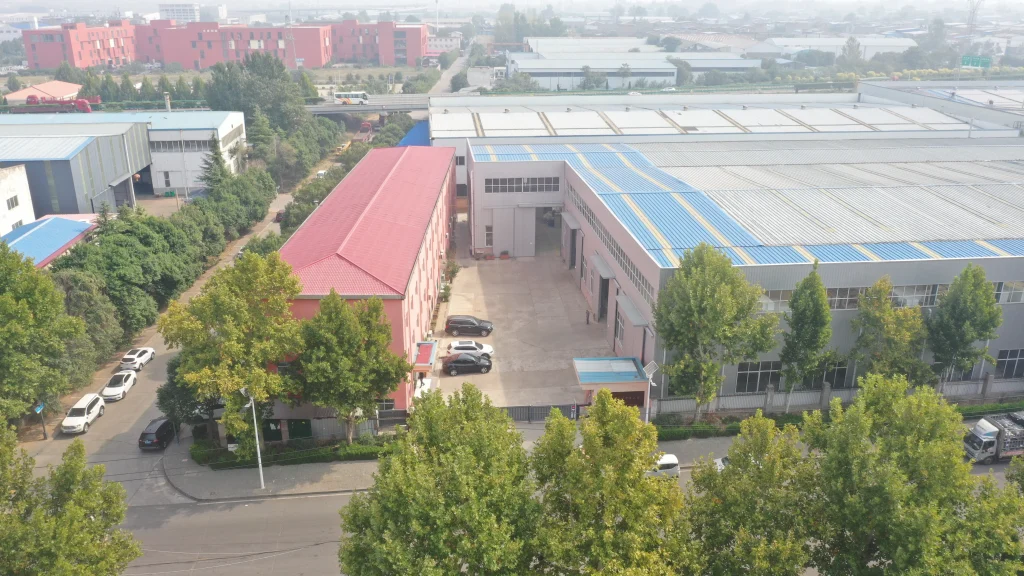
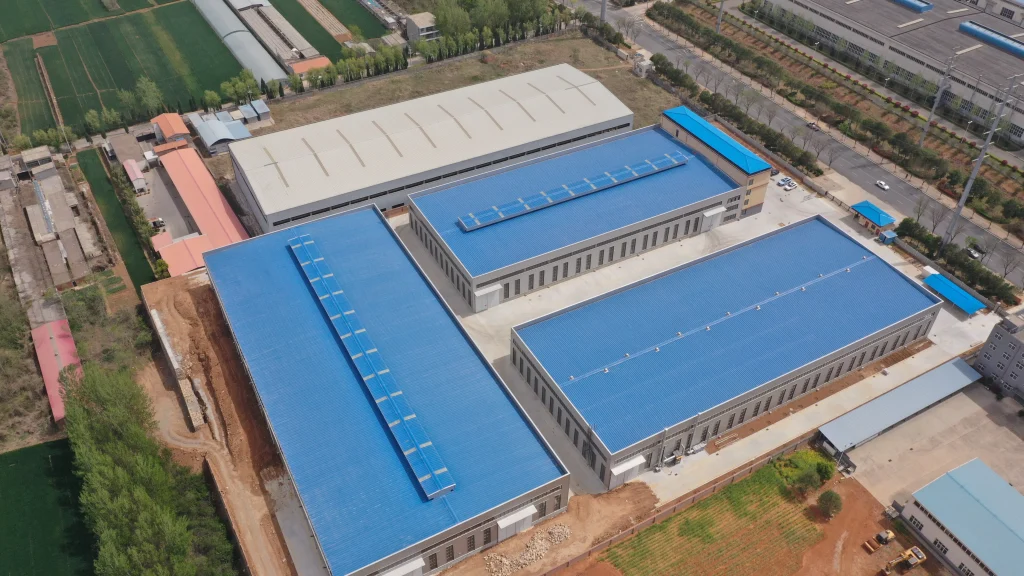
A professional enterprise specializing in heat treatment technology services and the R&D, manufacturing, and sales of high-temperature electric furnaces.
The company focuses on developing high-temperature electric furnaces covering a full temperature range of -100℃ to 2600℃. Its products include experimental electric furnaces, vacuum atmosphere furnaces, industrial kilns, and medium-frequency induction heating equipment. Main products include box furnaces, tube furnaces, lifting furnaces, pusher kilns, bogie furnaces, rotary kilns, tunnel kilns, and various specialized medium-frequency furnaces.
The company adheres to technological innovation and has passed ISO9001 and EU CE certifications. It owns 21 registered trademarks, 29 patents, and 27 software copyrights.
Payment Methods
TT
Shipment Methods
The electric furnace is packaged in three layers: first wrapped in foam paper, then wrapped in plastic film, and finally packed in a wooden crate.
Frequently Asked Questions (FAQ)
- How many independent temperature control zones are there?
The equipment features three independent temperature control zones, each approximately 300 mm in length, allowing for separate temperature regulation. Internal thermocouples enable the monitoring of actual material temperatures within each zone.
- What gases can be introduced?
The system is equipped with six independent MFC (Mass Flow Controller) channels, capable of controlling the flow of CO, H₂, CO₂, N₂, Ar, and air.
- Can gas flow rates be adjusted automatically?
Yes. The six MFCs automatically control gas flow and switching based on preset heating programs and temperature fluctuations.
- Does the equipment support vacuum processing?
Yes. The equipment is equipped with a rotary vane vacuum pump to facilitate vacuum processing. For high-temperature vacuum operations, a condenser is installed at the pump inlet to minimize the risk of damage to the vacuum pump caused by high-temperature gases.
- Is third-party testing available?
Yes. Third-party testing services are available for components such as temperature controllers, thermocouples, flow meters, and pressure sensors, and official third-party test reports can be provided.