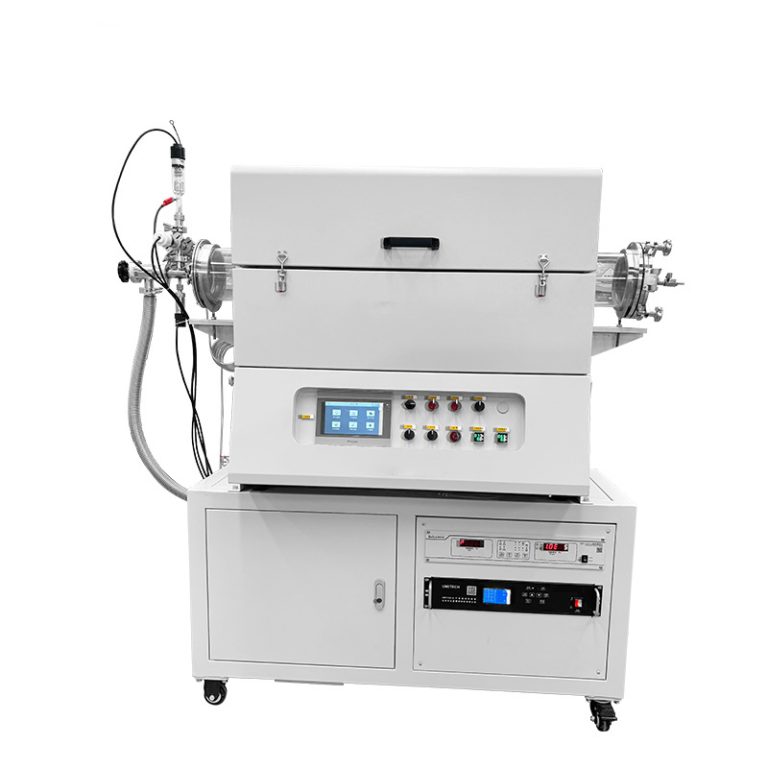
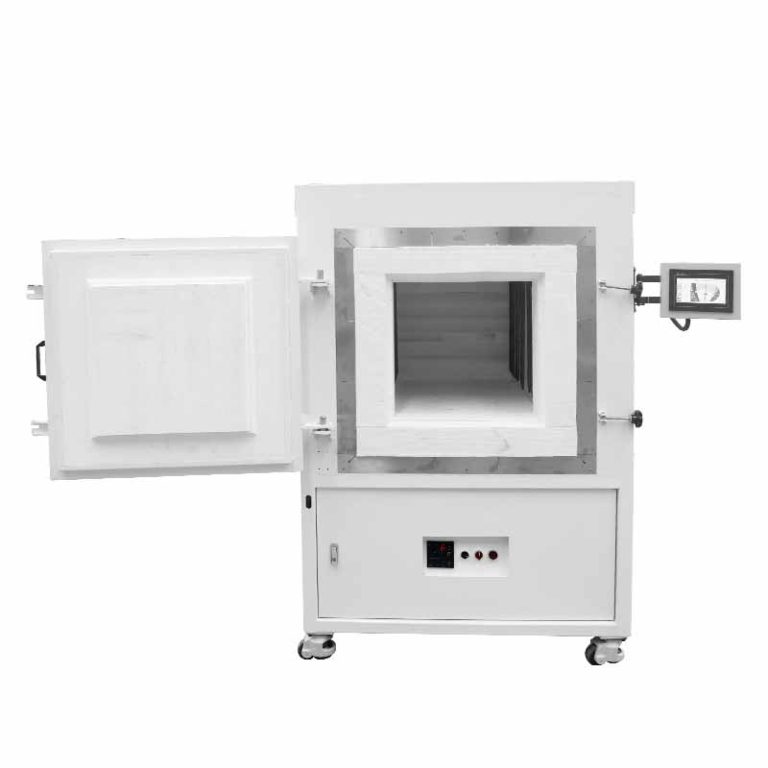
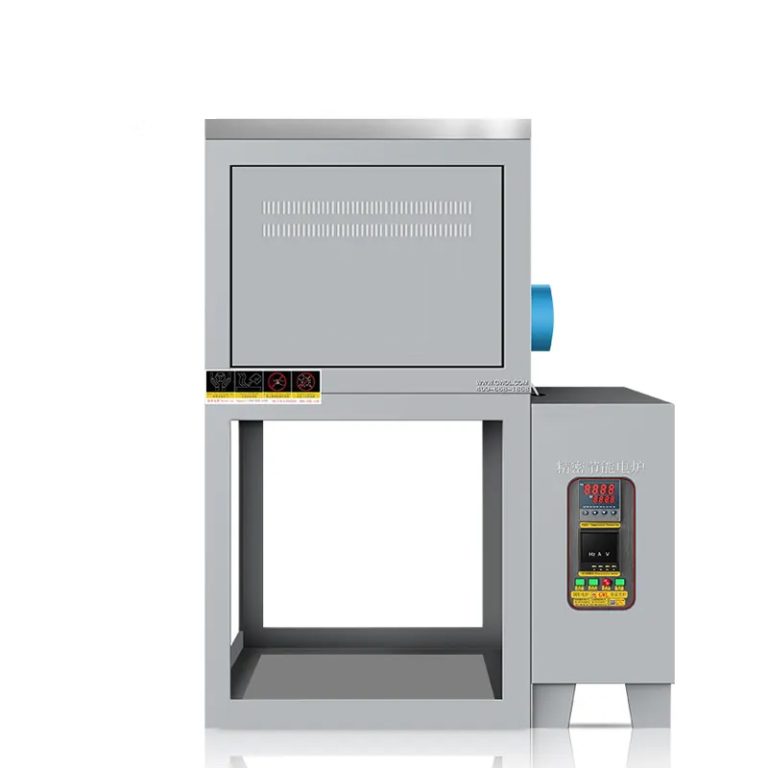
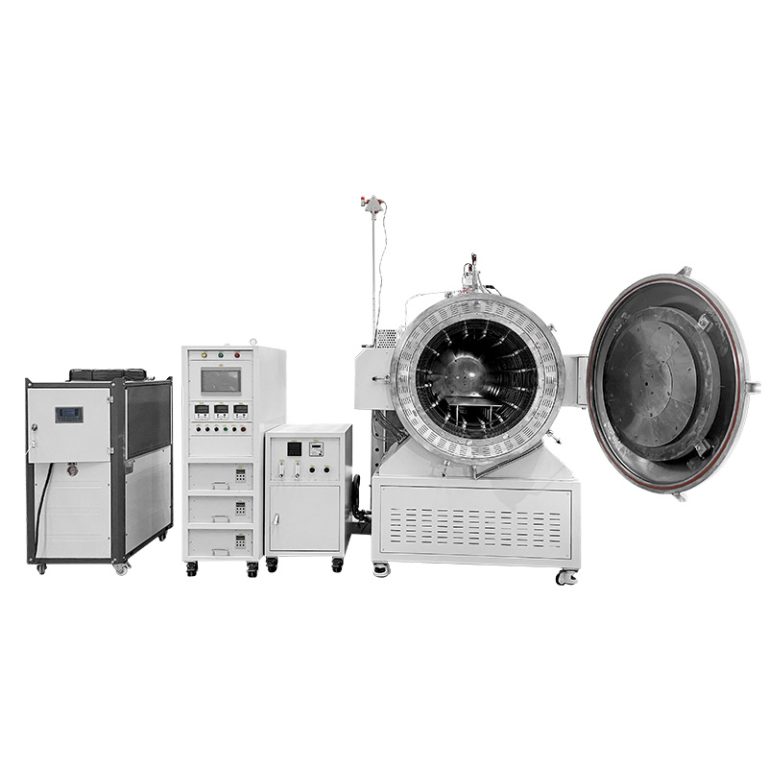
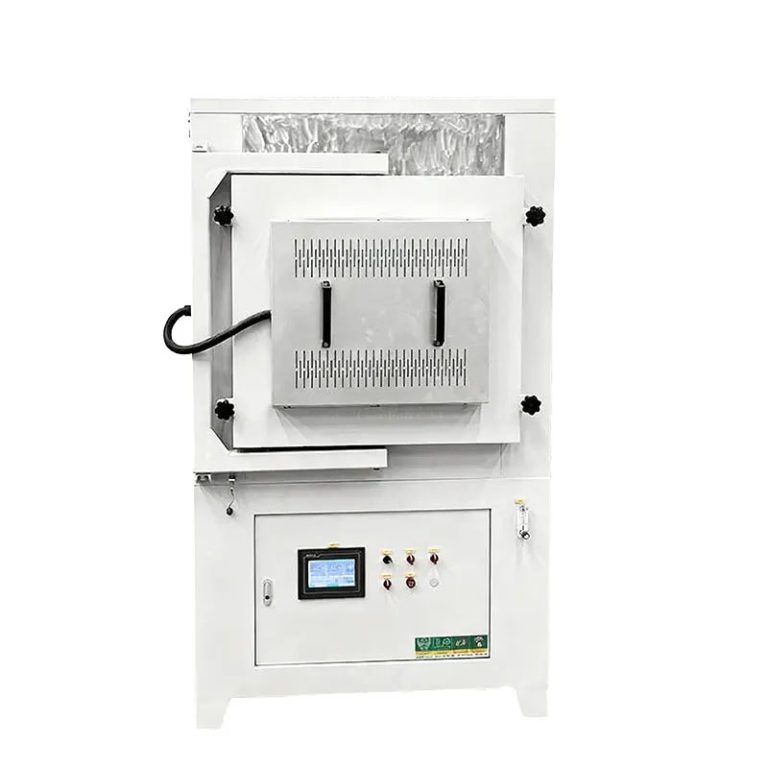
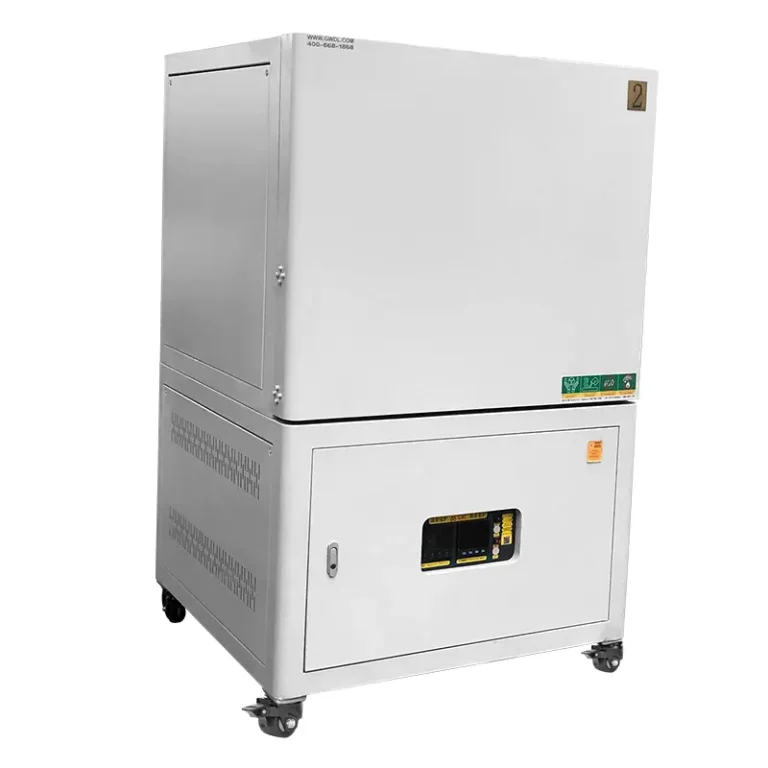
Luoyang Anjing Intelligence Equipment are a global leader in high-temperature electric furnaces



How Does Furnace Loading Affect Temperature Uniformity?
Furnace loading affects temperature uniformity by changing airflow, radiant heat transfer, thermal mass, and heat distribution inside the chamber. Overloading, tight spacing, uneven weight distribution, or mixing parts with different thicknesses can create hot and cold spots, increase heating time, and cause inconsistent heat-treatment results.
I. Introduction
Furnace temperature uniformity is one of the most important factors in heat treatment, sintering, annealing, tempering, and other thermal processes. However, even a furnace with excellent empty-chamber temperature uniformity can produce inconsistent results if the load is arranged incorrectly.
Workpiece quantity, total load weight, part dimensions, spacing, fixture design, and positioning all influence how heat moves through the furnace.
For manufacturers processing large batches or heavy components, understanding the relationship between furnace loading and temperature uniformity is essential for achieving repeatable material properties and reducing process variation.
This guide explains how furnace loading affects temperature distribution, why overloading creates cold spots, how airflow and radiation are influenced by workpiece placement, and how to optimize furnace loading for better thermal uniformity.
II. How Does Furnace Loading Affect Temperature Uniformity?
Furnace loading changes the thermal environment inside the heating chamber.
When workpieces are introduced into a furnace, they:
- Absorb heat
- Block or redirect airflow
- Shield one another from radiant heat
- Alter the thermal mass inside the furnace
- Change the time required to reach equilibrium
- Create different heating conditions around the load
For this reason, the actual temperature experienced by a workpiece may differ from the air temperature measured by the furnace controller.
The relationship can be summarized as:
Load Size + Load Arrangement + Part Spacing + Thermal Mass + Airflow → Actual Temperature Uniformity
A properly loaded furnace allows heat to circulate around the workpieces and reach different parts of the load at a reasonably consistent rate.
An improperly loaded furnace can produce localized hot and cold areas even when the furnace controller indicates that the chamber has reached the target temperature.
1. Why Can a Fully Loaded Furnace Have Worse Temperature Uniformity?
An empty furnace has relatively few obstacles to heat transfer.
Once the chamber is filled with workpieces, trays, fixtures, baskets, or setters, the heat must travel around and through the load.
Several effects occur simultaneously.
- The Load Absorbs Heat
Every workpiece introduced into the furnace acts as a thermal mass.
A heavy steel component, for example, requires significantly more energy to reach the furnace temperature than a thin sheet or small part.
When a large cold load enters a hot furnace, the chamber temperature may temporarily decrease.
The heating system must then supply additional energy to restore the programmed temperature.
Large or dense loads therefore increase furnace recovery time.
- Workpieces Can Block Airflow
In forced-convection furnaces, hot air must circulate around the load to transfer heat effectively.
If parts are packed too closely together, they can restrict airflow.
This may create:
- Low-flow regions
- Cold pockets
- Uneven heating rates
- Temperature gradients between different parts of the batch
Technical heat-treatment guidance emphasizes that furnace loads should be arranged to minimize resistance to airflow and allow continuous replenishment of heated air around each component.
Therefore:More parts per batch does not automatically mean higher process efficiency.
If loading density becomes excessive, heating time may increase and product consistency may decrease.
2. How Does Part Spacing Affect Temperature Uniformity?
Part spacing is one of the most important loading variables.
If workpieces are placed directly against one another or packed very closely, hot air cannot circulate freely between them.
Radiant heat can also be blocked.
As a result, the surfaces exposed directly to heaters or hot circulating air may heat faster than the surfaces located inside the load.
The basic difference is:
Adequate Spacing → Better Airflow → More Uniform Heating
Insufficient Spacing → Restricted Airflow → Greater Temperature Differences
Historical heat-treatment guidance for aluminum air furnaces commonly specifies minimum spacing between parts and notes that large or complex components may require even greater separation.
3. How Does Load Position Affect Furnace Temperature?
Not every position inside a furnace receives exactly the same amount of thermal energy.
Possible sources of variation include:
- Distance from heating elements
- Furnace doors
- Exhaust openings
- Fan outlets and return ducts
- Chamber corners
- Hearth structure
- Roof and wall heat losses
Workpieces placed directly in front of heating elements may receive more radiant energy.
Components located behind other parts may be thermally shielded.
This means two identical workpieces can heat differently simply because they are positioned differently within the chamber.
4. How Does Airflow Affect Temperature Uniformity?
In convection furnaces, airflow is a major heat-transfer mechanism.
Hot air moves through the chamber and transfers thermal energy to the load.
A simplified flow path may look like:Heating Elements → Circulation Fan → Hot Air → Workpieces → Return Air → Reheating
If the load blocks this path, circulation becomes uneven.
Some workpieces may receive strong airflow while others remain in low-flow regions.
This can produce differences in:
- Heating rate
- Surface temperature
- Soak time
- Final material properties
Heat-treatment references recommend arranging loads so that they provide minimum resistance to airflow and allow heated air to reach all parts of the load.
For this reason, furnace manufacturers often incorporate hot-air circulation fans in applications where strict temperature uniformity is required.
5. Why Does Forced Hot-Air Circulation Improve Uniformity?
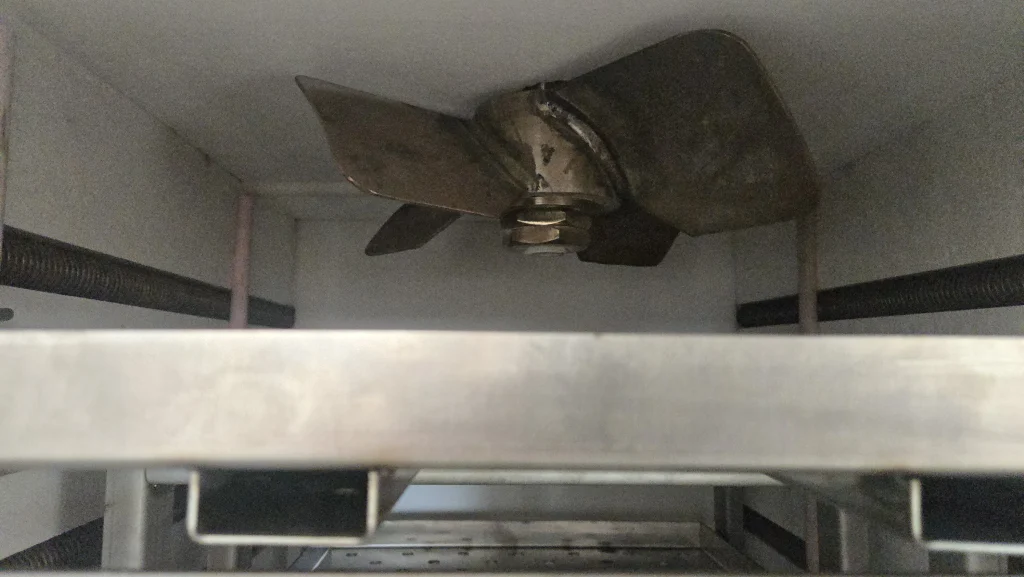
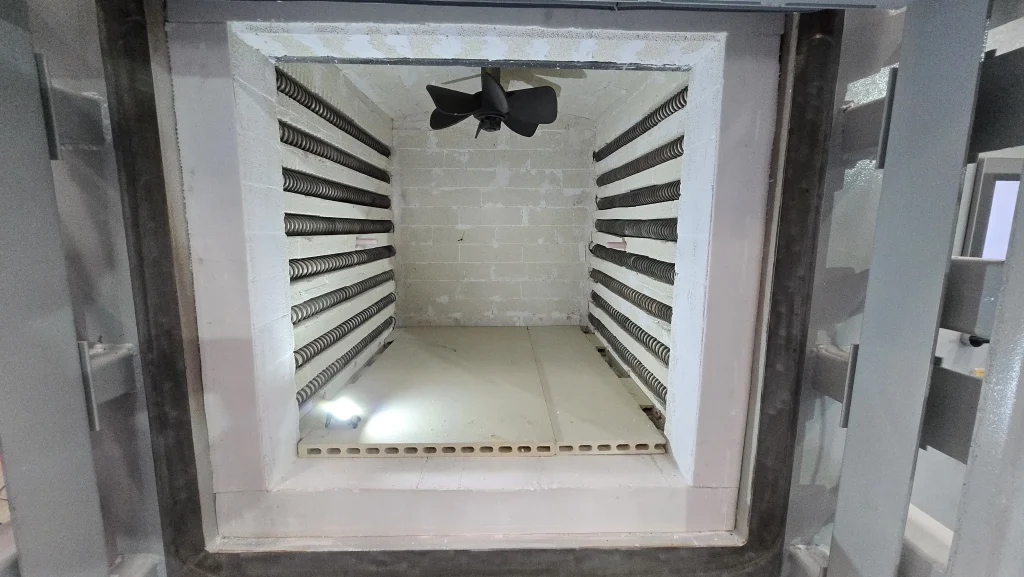
Forced circulation uses a fan or blower to move heated air actively through the chamber.
Compared with natural convection alone, forced circulation can reduce temperature stratification and improve heat transfer around workpieces.
This can be particularly useful for:
- Tempering
- Annealing
- Stress relieving
- Aging
- Large-batch heat treatment
The circulation fan is designed to reduce thermal stratification and distribute hot air more evenly within the large chamber.
However, even forced circulation cannot fully compensate for poor loading.
If the load completely blocks the airflow path, temperature differences can still develop.
6.What Happens When a Furnace Is Overloaded?
Overloading can create several process problems.
Longer Heating Time
Additional thermal mass increases the energy required to bring the entire load to temperature.
Cold Spots
Closely packed workpieces can restrict heat flow and create cooler regions.
Uneven Soaking
Some components may reach the target temperature much earlier than others.
Increased Process Variation
Different workpieces may receive different thermal histories.
Higher Risk of Rejects
Depending on the process, uneven heating can contribute to:
- Hardness variation
- Incomplete heat treatment
- Uneven sintering
- Distortion
- Residual stress
- Dimensional variation
Overloading can therefore reduce actual production efficiency even if more parts are placed into each batch.
A smaller, correctly arranged load may sometimes produce higher usable throughput because heating is faster and fewer products require rework.
7.Why Is Temperature Uniformity Different Under Load and Without Load?
Furnace manufacturers often specify temperature uniformity under defined test conditions.
One important distinction is:Empty-Furnace Uniformity vs. Loaded-Furnace Uniformity
An empty furnace measurement describes the thermal distribution in the chamber without the production load.
A loaded furnace behaves differently because the workpieces absorb heat and alter convection and radiation.
NIST/ASM heat-treatment guidance notes that temperature-uniformity surveys may be performed under different loading conditions and that, where production loads are consistent, surveying with representative loads can provide useful information about actual operating behavior.
Therefore, when evaluating a furnace specification such as:
Temperature Uniformity: ±5°C
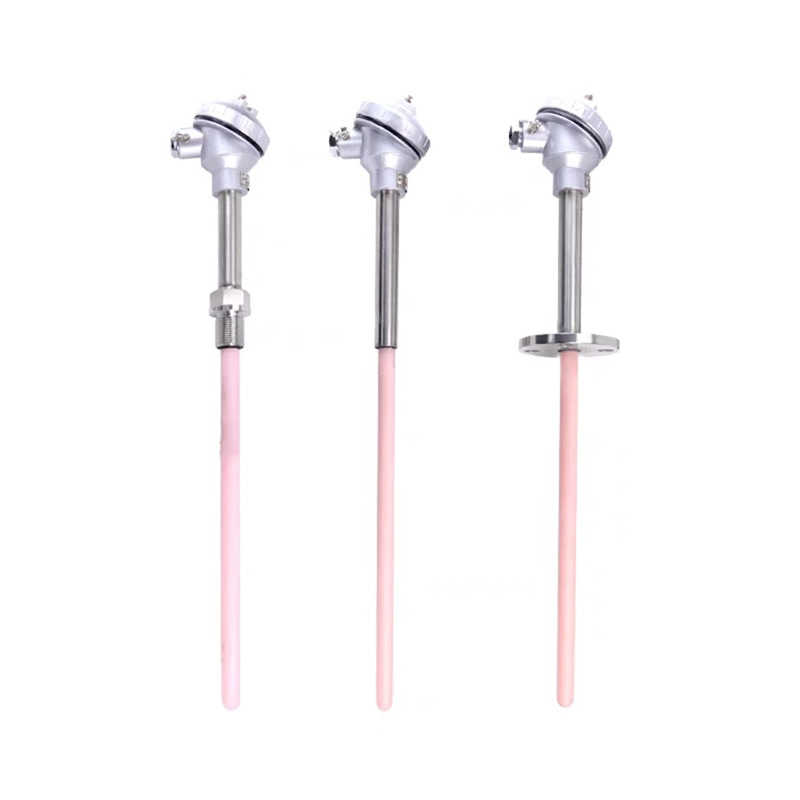
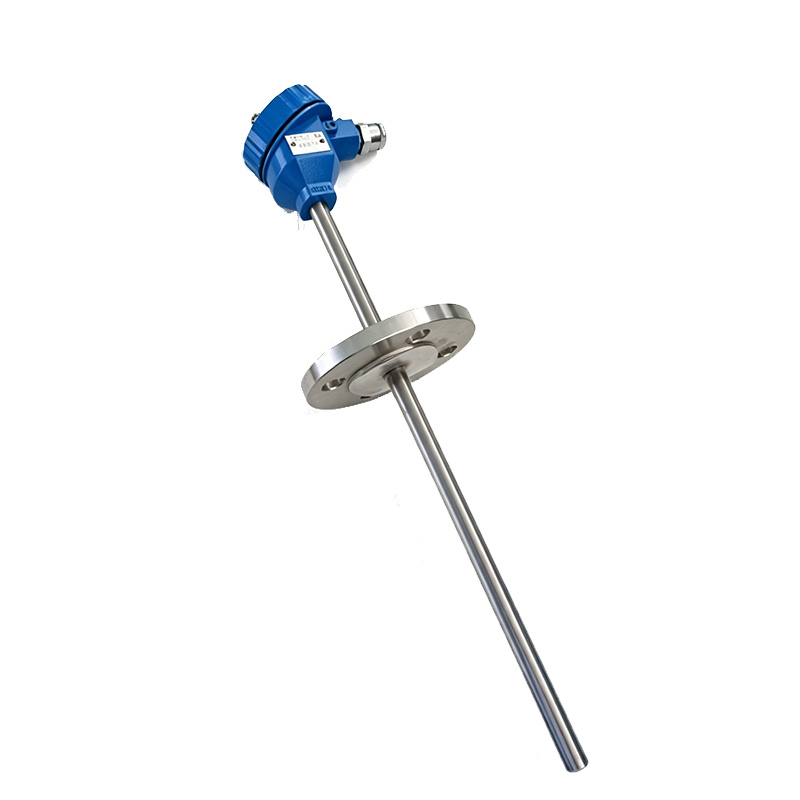
8.Why Are Load Thermocouples Important?
The furnace controller normally measures temperature at a fixed point inside the chamber.
That measurement does not necessarily represent the temperature of the workpiece core.
A load thermocouple can be placed on or inside a representative component to measure the actual material temperature.
For heavy parts, multiple thermocouples may be used to monitor:
- Surface temperature
- Core temperature
- Hot locations
- Cold locations
Heat-treatment references recommend monitoring representative hot and cold areas within the load where accurate soaking control is required.
This allows operators to determine when the workpiece—not simply the furnace atmosphere—has reached the required treatment temperature.
9.How Should a Furnace Be Loaded for Better Temperature Uniformity?
Several practical principles can improve loaded-furnace performance.
| No. & Principle | Details | Purpose / Effect |
|---|---|---|
| 1. Maintain Adequate Spacing | Leave enough space between workpieces for airflow and heat transfer. Avoid tightly packed loads unless the process and furnace have been specifically validated for that arrangement. | Ensures airflow and heat transfer, avoiding localized hot or cold spots |
| 2. Keep Airflow Paths Open | Do not block circulation fan outlets, return ducts, or major furnace airflow channels. | Maintains air circulation and even heat distribution |
| 3. Distribute Weight Evenly | Avoid concentrating most of the thermal mass in one area of the chamber. | Prevents asymmetric thermal load and reduces temperature differences across the furnace |
| 4. Group Similar Parts Together | Where practical, process parts with similar thickness, material, geometry, and thermal mass. | Reduces differences in heating time and improves process consistency |
| 5. Avoid Direct Contact Where It Restricts Heat Transfer | Parts stacked directly on top of one another may shield contact surfaces from convection and radiation. Use suitable spacers or fixtures when the process requires heat exposure around the complete part. | Ensures all surfaces of the workpiece receive adequate heat exposure |
| 6. Use Representative Load Thermocouples | For critical processes, measure the actual workpiece temperature rather than relying solely on the controller. | Accurately determines the true workpiece temperature and ensures sufficient soaking |
| 7. Maintain a Repeatable Loading Pattern | Once a loading configuration has been validated, use the same arrangement for subsequent production cycles. | Improves process repeatability and batch-to-batch consistency |
III.How Does Furnace Design Help Maintain Temperature Uniformity?
Correct loading practices work best when combined with suitable furnace engineering.
Important design features include:
Multi-Sided Heating
Heating elements positioned on multiple sides can reduce localized heating.
1200°C Car Bottom Furnace uses heating elements distributed on both sides and the bottom of the chamber to create a three-dimensional heating field.
Hot-Air Circulation
A circulation fan helps reduce temperature stratification and move heated air around the load.
Multi-Zone Temperature Control
Large chambers may be divided into independently controlled zones.
This allows the control system to compensate for differences in heat loss and load conditions across the furnace.
Proper Sensor Placement
Temperature sensors should be located where they provide representative information about the usable working zone.
Effective Insulation
Effective thermal insulation reduces heat loss through furnace walls, doors, and roofs, helping the furnace chamber maintain stable operating conditions.
While even the best-designed furnace cannot entirely eliminate the various effects caused by improper loading, these features can significantly enhance the system’s ability to maintain temperature uniformity.
IV. Conclusion
The method of loading a furnace directly affects temperature uniformity, as each workpiece alters the heat absorption, airflow, radiation, and thermal mass within the furnace chamber. Overloading, insufficient spacing, uneven weight distribution, obstructed airflow, and variations in workpiece thickness can all lead to the formation of hot and cold spots, while also increasing the time required for the entire batch to reach the target temperature.
For reliable heat treatment, workpieces should be arranged with adequate spacing, balanced load distribution, open airflow paths, and repeatable fixture layouts. For large or critical components, load thermocouples can also help verify that the actual parts—not only the furnace atmosphere—have reached the required temperature.
The best results come from combining proper loading practice with multi-sided heating, effective circulation, appropriate temperature zoning, and a furnace sized for the actual production load.
Contact MeltingFurnace.net to discuss your workpiece dimensions, batch weight, temperature-uniformity requirements, and loading arrangement and select a furnace configuration matched to your heat-treatment process.
Click “Request a Quote” to get a customized solution.
V.FAQ
1.Does furnace loading affect temperature uniformity?
Yes. Workpieces absorb heat and change airflow and radiation inside the chamber. Heavy, tightly packed, or unevenly distributed loads can create greater temperature differences and increase the time required for the full batch to reach the target temperature.
2.Can overloading a furnace cause cold spots?
Yes. An overloaded furnace can restrict airflow, shield workpieces from radiant heat, and introduce excessive thermal mass.
3.Why is load temperature different from furnace temperature?
The furnace sensor measures the atmosphere or a selected chamber location, while a workpiece absorbs heat gradually. Thick or heavy parts may therefore remain colder internally after the furnace atmosphere has reached the setpoint. Load thermocouples can be used to monitor actual part temperature.
4.What is the difference between empty and loaded furnace temperature uniformity?
Temperature uniformity in an empty furnace describes the temperature distribution in the absence of any production load. Load uniformity, by contrast, must account for the influence of workpieces, fixtures, thermal mass, restricted airflow, and radiation shielding.
5.How can furnace temperature uniformity be improved?
Temperature uniformity can be improved by maintaining adequate workpiece spacing, distributing load weight evenly, keeping airflow paths open, grouping similar parts together, using appropriate fixtures, and selecting a furnace with suitable multi-zone heating or hot-air circulation.
Supplier
Luoyang Anjing Intelligent Equipment Co., Ltd. is an enterprise dedicated to the research, development, production, sales, and technical services of heat treatment equipment such as high-temperature electric furnaces. We produce laboratory, vacuum, industrial, and medium frequency furnace, covering a temperature range from -100℃ to 2600℃, serving industries such as new energy, semiconductors, and advanced materials. We can provide customized solutions based on specific atmosphere, ultra-high temperature, and intelligent control system requirements. Please feel free to contact us if you are interested.