Luoyang Anjing Intelligence Equipment are a global leader in high-temperature electric furnaces



Furnace vs Lab Oven: Differences, Applications and How to Choose
In the selection of laboratory heating equipment, laboratory furnaces and Lab Oven are often confused by users. Both are used for material heat treatment, but they differ significantly in temperature range, structural design, and application.Simply put, laboratory ovens are more suitable for medium- and low-temperature drying, baking, and isothermal treatment, while laboratory furnaces are better suited for high-temperature sintering, ashing, heat treatment, and material modification experiments. Choosing the right equipment not only affects experimental results but also directly relates to energy consumption and equipment lifespan.
With the development of new energy materials, advanced ceramics, and metal research, the requirements for high-temperature processing equipment in laboratories are constantly increasing. Laboratory furnaces, with their higher temperature capabilities, more precise thermal control, and wider process adaptability, are becoming important equipment in scientific research and industrial development.
I. Overview of Laboratory Furnaces and Laboratory Ovens
Laboratory furnaces and laboratory ovens are two different things and should not be used interchangeably.
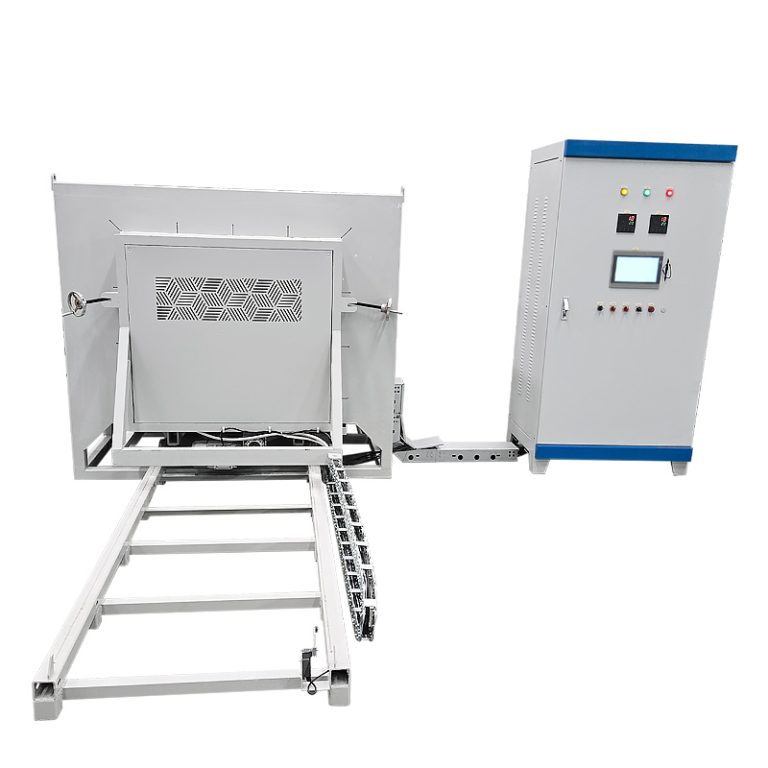
Furnaces are used for high-temperature treatments, such as sintering, annealing, ashing, thermal decomposition, and high-temperature performance testing. They are typically equipped with high-temperature resistant furnace chambers, heating elements, and temperature control systems, reaching temperatures of hundreds or even thousands of degrees Celsius. Their core function is to alter the material’s structure.
Ovens are mainly used for drying, curing, preheating, and medium-to-low temperature constant-temperature experiments. They maintain temperature through hot air circulation and are generally used at around 100 degrees Celsius. Their main functions are drying and heat preservation.
Therefore, the choice between a furnace and an oven depends on the material properties and the purpose of the experiment—whether it’s to treat the material’s internal structure or simply remove moisture or heat it.
II. Product Features and Advantages
- Temperature Range: 300℃ is the dividing line
Laboratory ovens typically operate from room temperature +10℃ to around 300℃, with some high-temperature models reaching 400℃-500℃. Within this temperature range, the oven achieves high-precision temperature control and excellent temperature uniformity through hot air circulation, suitable for gentle sample processing.
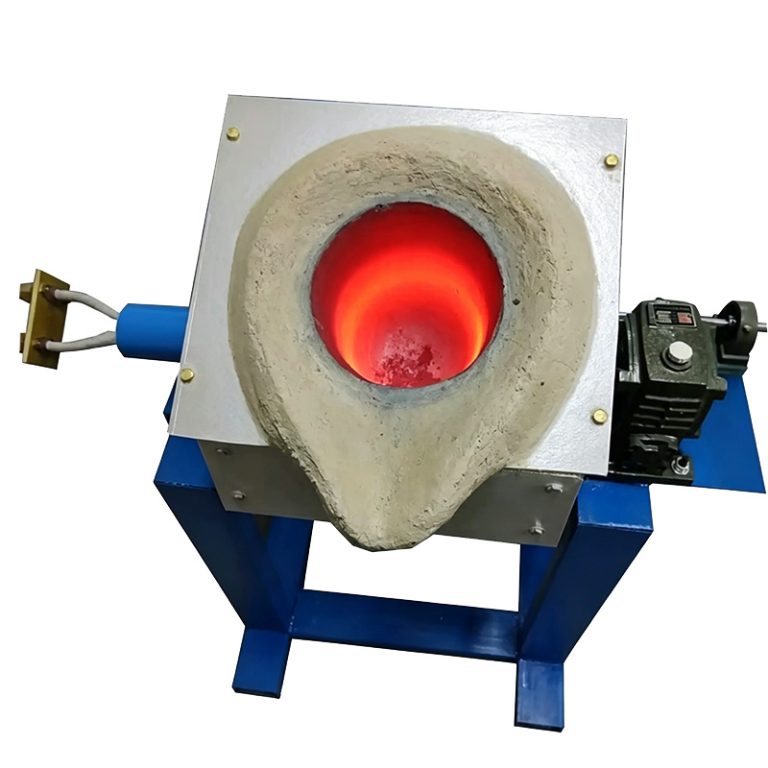
Laboratory furnaces start at 500℃, typically reaching 1100℃ or 1400℃, with high-end models exceeding 1800℃. Such high temperatures are sufficient to melt metals, sinter ceramics, and ashing organic matter, fundamentally altering material properties.
- Heating Method: Circulating Hot Air vs. Radiant Heat
Ovens utilize convection heating—heating elements heat the air, which is then distributed throughout the chamber via forced circulation by a fan or natural convection. Mechanical convection ovens offer good temperature uniformity and rapid recovery after opening, while gravity convection ovens provide a gentler airflow, suitable for powdered samples.
Furnaces use radiant heating—the sample is directly surrounded by heat radiated from the heating element. This heating method is extremely efficient, rapidly transferring energy to the sample to temperatures unattainable by ovens.
- Structural Differences: Lightweight Insulation vs. Heavy-Duty Refractory
Ovens typically use stainless steel for the interior and fiberglass insulation, resulting in a lightweight and easy-to-clean design. Furnaces, on the other hand, use dense refractory ceramic fibers or refractory bricks as lining and insulation, resulting in thicker walls, higher thermal inertia, and slower heating and cooling.
- Atmosphere Control: Furnaces are Expandable, Ovens are Rare
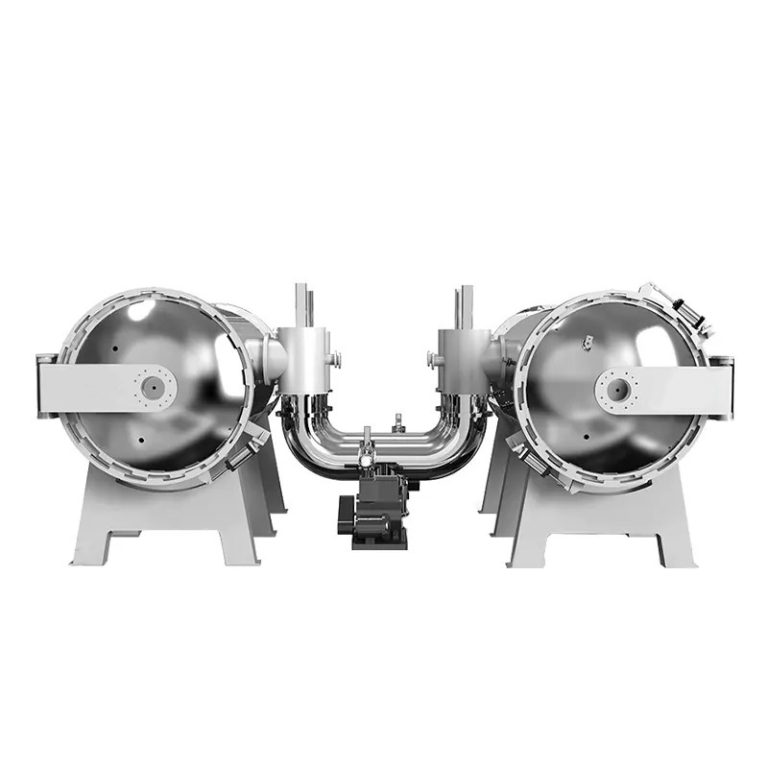
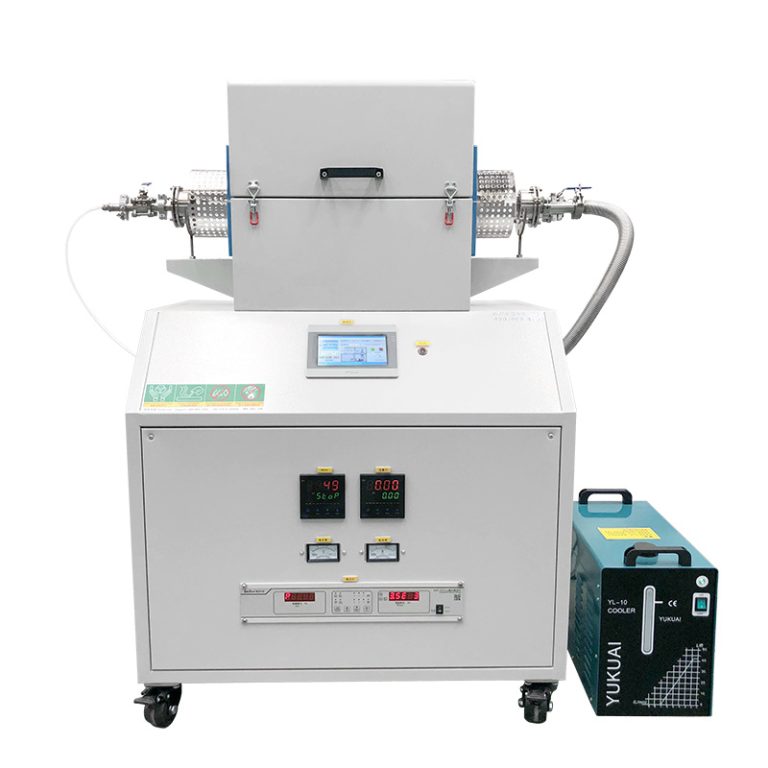
Most ovens operate in normal air. Many tube furnaces and box furnaces, however, can be purged with inert gases (such as nitrogen or argon) or hydrogen, or even vacuum, to meet the heat treatment requirements of materials under a protective atmosphere.
| Comparison Dimension | Lab Oven | Lab Furnace (Muffle Furnace) |
|---|---|---|
| Maximum Temperature | ~300℃(some up to 500℃) | 500℃ ~ 1800℃+ |
| Heating Method | Forced hot air circulation (convection) | Radiation heating |
| Main Applications | Drying, sterilization, curing | Ashing, sintering, heat treatment |
| Chamber Material | Stainless steel | Refractory ceramic |
| Insulation Material | Glass fiber | Ceramic fiber / Refractory brick |
| Atmosphere Control | Generally none | Optional atmosphere / vacuum |
| Equipment Cost | Relatively low | Significantly higher |
III. Two Key Topics in Choosing Between Laboratory Furnace and Lab Oven
- Different Temperature Ranges Determine Application Directions
Temperature requirements are the most important factor when selecting experimental equipment.
If the experiment mainly involves: sample drying, solvent evaporation, polymer curing, and general heating preservation, a Lab Oven is usually sufficient.
However, if it involves: ceramic sintering, metal annealing, material crystallization, powder heat treatment, or high-temperature performance testing, a Laboratory Furnace is necessary.
This is because high-temperature experiments not only require the equipment to reach the target temperature, but also require the furnace materials, heating system, and temperature control accuracy to operate stably over a long period.
- How to Choose the Right Equipment Based on Experimental Needs?
Equipment selection should not only focus on the highest temperature parameter, but also consider several factors:
Sample Type: Different materials have different temperature and atmosphere requirements. For example, metallic materials may require high-temperature annealing, while biological samples may only require low-temperature drying.
Experimental Cycle: If the equipment needs to operate continuously for a long period, thermal insulation performance and energy consumption should be the primary considerations.
Temperature uniformity requirements: For research on precision materials, a laboratory furnace with a more stable thermal field is necessary.
Atmosphere requirements: If experiments require avoiding oxidation or controlling the reaction environment, a laboratory furnace with atmosphere protection capabilities should be selected.
Proper equipment selection can reduce experimental failure rates and improve long-term operational efficiency.
IV. Product Applications
Typical Applications of Ovens
- Sample Drying and Moisture Determination: Removes moisture or solvents from samples for water content analysis. Routine operation in chemical and pharmaceutical laboratories.
- Sterilization: Dry heat sterilization of glassware and metal utensils at 160℃-180℃, used in microbiology and clinical laboratories.
- Material Curing and Aging: Curing polymers, epoxy resins, adhesives, and performing thermal aging tests on electronic components and plastics. Common in the electronics and materials industries.
- Heat Treatment (Low Temperature Section): Low-temperature annealing of certain polymer materials and composite materials. For example, the curing process of polyimide films.
Typical Applications of Furnaces
- Ashing Analysis: Burning organic samples at 500℃-800℃ to burn off the organic matter, leaving inorganic components for elemental analysis. Standard analytical method in the food, environmental, and pharmaceutical industries.
- Materials Sintering and Synthesis: Forming dense solids from ceramic powders through interparticle diffusion at 1000℃-1600℃, and synthesizing compounds via solid-state reaction methods. Applications: Materials science and advanced ceramics.
- Metal Heat Treatment: Annealing, quenching, tempering, and aging treatments of steel, copper, and aluminum alloys to modify their hardness, toughness, and other mechanical properties. Applications: Metal processing and machinery manufacturing industries.
- High-Temperature Property Testing: Testing the melting, decomposition, and thermal stability of materials at extreme temperatures. Applications: Scientific research and quality control.
V.Supplier
Luoyang Anjing Intelligent Equipment Co., Ltd. is an enterprise dedicated to the research, development, production, sales, and technical services of heat treatment equipment such as high-temperature electric furnaces. We produce laboratory, vacuum, industrial, and medium frequency furnace, covering a temperature range from -100℃ to 2600℃, serving industries such as new energy, semiconductors, and advanced materials. We can provide customized solutions based on specific atmosphere, ultra-high temperature, and intelligent control system requirements. Please feel free to contact us if you are interested.