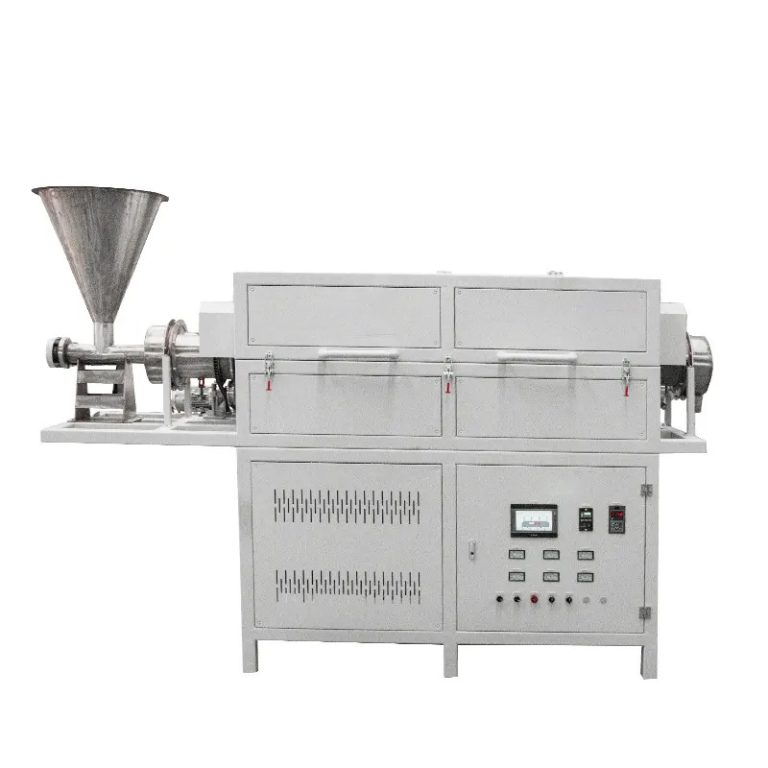
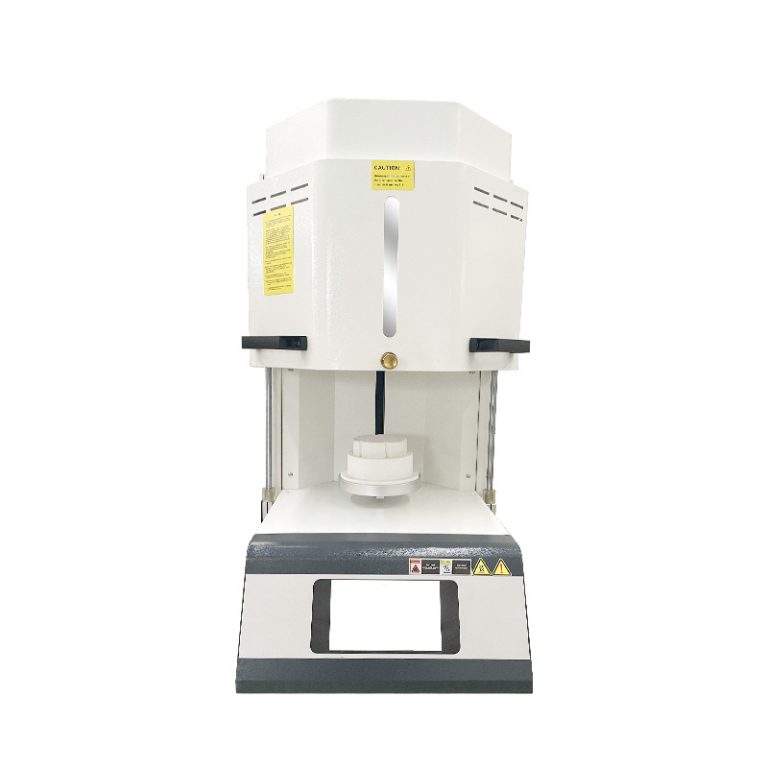
Luoyang Anjing Intelligence Equipment are a global leader in high-temperature electric furnaces



How to Choose Between 1200°C, 1400°C and 1700°C Furnaces
Choose a 1200°C furnace for general heat treatment, a 1400°C furnace for higher-temperature ceramics and sintering, and a 1700°C furnace for advanced ceramics, refractory materials, and demanding high-temperature research.
I. Introduction
When selecting a high-temperature furnace, a common question is whether you need a 1200°C, 1400°C, or 1700°C furnace. The answer depends on more than the highest temperature your process reaches. Heating elements, continuous operating temperature, sample material, atmosphere, chamber size, heating rate, and expected furnace life all matter.
Choosing a furnace with too little temperature margin can shorten heating-element life and reduce process stability. Choosing a much higher temperature class than your process requires can unnecessarily increase equipment and operating costs.
This guide compares the three temperature ranges and explains how to select the right furnace for your application.
II. 1200°C vs 1400°C vs 1700°C Furnace: What Is the Difference?
The temperature rating represents the maximum temperature that a furnace is designed to reach under specified conditions. It does not necessarily mean that the furnace should operate continuously at that temperature.
For example, a furnace rated to 1200°C may have a recommended continuous operating temperature around 1150°C, while a 1400°C furnace may be designed for continuous operation around 1350°C. The exact value depends on the furnace design and heating elements.
As the temperature rating increases, several components normally change:
- Heating element
- Thermocouple
- Furnace insulation
- Refractory materials
- Power requirement
- Electrical control system
- Chamber construction
- Overall equipment cost
This is why a 1700°C furnace is not simply a 1200°C furnace with a higher temperature setting.
1. Quick Comparison: 1200°C vs 1400°C vs 1700°C Furnace
| Factor | 1200°C Furnace | 1400°C Furnace | 1700°C Furnace |
|---|---|---|---|
| Maximum temperature | 1200°C | 1400°C | 1700°C |
| Typical continuous operating range* | Up to approx. 1150°C | Up to approx. 1350°C | Up to approx. 1650–1680°C |
| Typical heating element | High-temperature alloy resistance wire | SiC | MoSi₂ |
| Typical thermocouple | K type | S type | B type |
| General heat treatment | Excellent | Possible | Usually unnecessary |
| Conventional ceramic firing | Suitable | Excellent | Suitable |
| High-temperature sintering | Limited by process temperature | Good | Excellent |
| Advanced ceramics | Limited | Suitable for some materials | Excellent |
| Refractory material research | Limited | Suitable for some processes | Excellent |
| Equipment cost | Lower | Medium | Higher |
| Maintenance cost | Lower | Medium | Higher |
| Best for | General laboratory and heat treatment | Ceramics and higher-temp processing | Advanced high-temp materials |
*Actual continuous operating temperature depends on the furnace model, heating elements, chamber dimensions, atmosphere, and manufacturer specifications.
2. What Is a 1200°C Furnace?
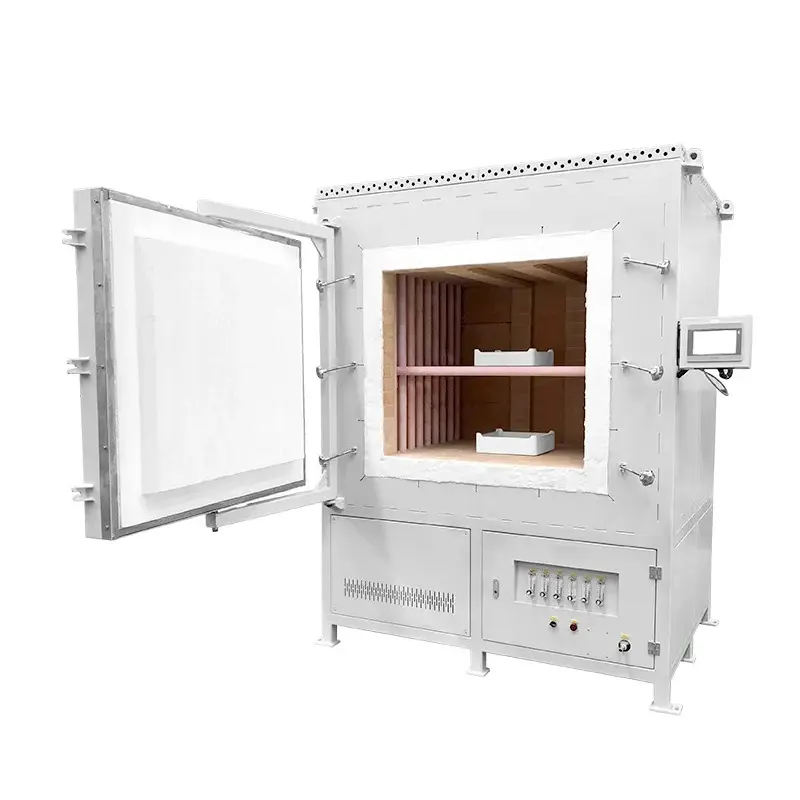
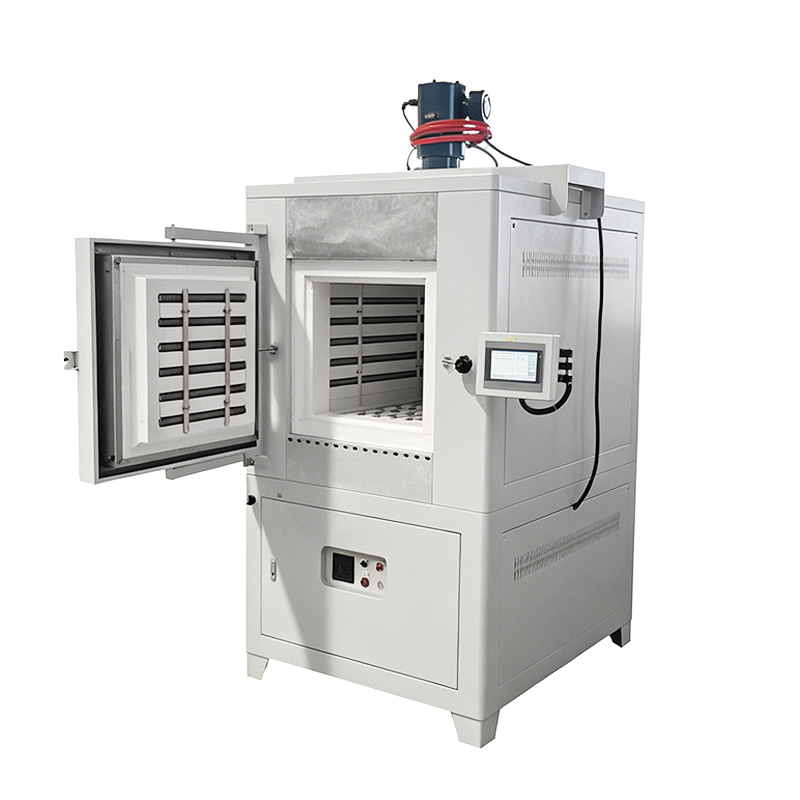
A 1200°C furnace is one of the most common laboratory and industrial furnace configurations.
It provides enough temperature for many conventional heat-treatment, ashing, calcination, preheating, and material-testing processes without requiring the more expensive components used in ultra-high-temperature furnaces.
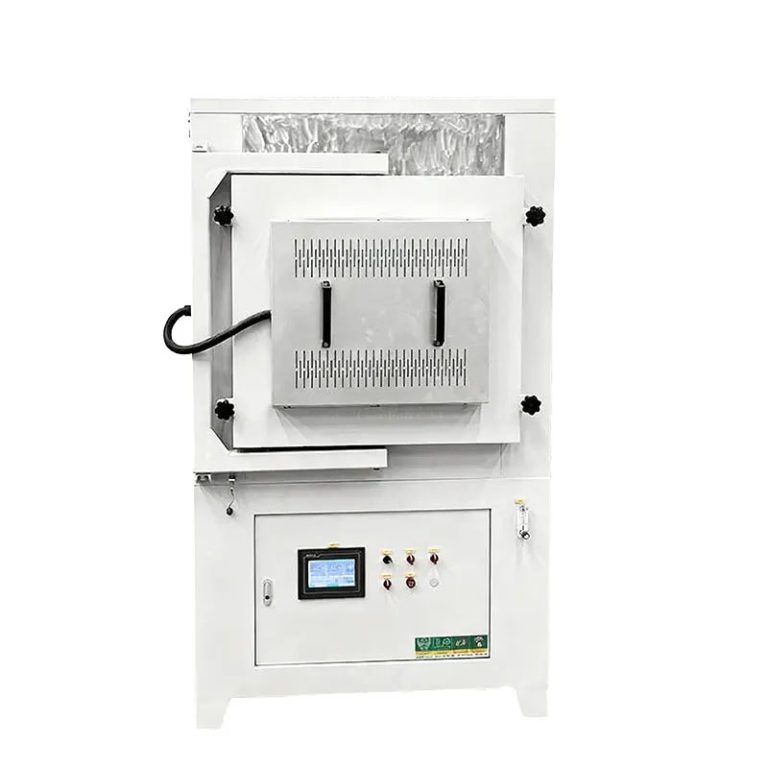
A typical 1200°C box furnace uses high-temperature alloy resistance wire as the heating element.
For example, Luoyang Anjing’s standard box furnace configuration uses high-temperature alloy wire for its 1200°C class, together with a K-type thermocouple. The maximum temperature is 1200°C, while the listed continuous operating temperature is 1150°C.
Typical 1200°C Furnace Applications
A 1200°C furnace can be considered for:
- Annealing
- Tempering
- Stress relieving
- Ashing
- Calcination
- Preheating
- Metal heat treatment
- Laboratory material testing
- Powder processing
- Glass-related experiments
- General ceramic firing
- Small-batch thermal processing
For many laboratories and general industrial applications, this temperature class provides a good balance between temperature capability, equipment cost, energy consumption, and maintenance.
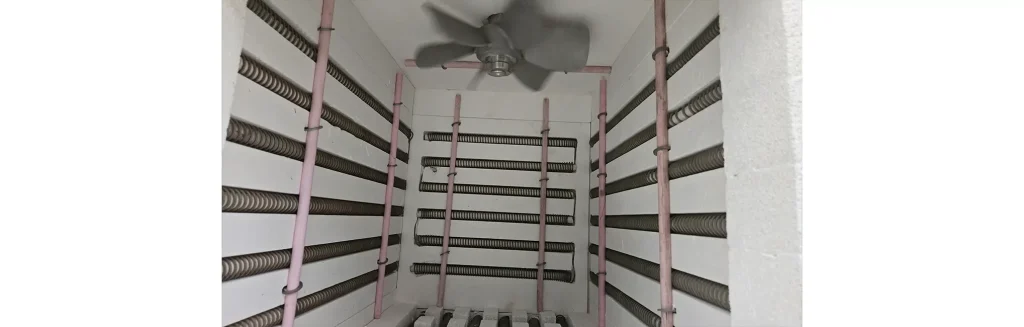
3. When Should You Choose a 1200°C Furnace?
Choose the 1200°C class when your normal process temperature is comfortably below its continuous operating limit.
For example, if your process normally runs at:
800°C, 900°C, 1000°C, or approximately 1100°C
a 1200°C furnace can often provide sufficient temperature headroom.
This is important because operating continuously at the furnace’s absolute maximum temperature is generally not the best way to maximize component life.
A 1200°C furnace is therefore a practical choice when you do not expect your process temperature to move significantly above approximately 1100–1150°C.
Best Fit
General-purpose heating + conventional heat treatment + laboratory testing + lower equipment cost
4. What Is a 1400°C Furnace?
A 1400°C furnace fills the gap between conventional resistance furnaces and higher-temperature 1600–1800°C systems.
At this temperature level, the heating-element technology usually changes.
Silicon carbide, or SiC, is commonly used for this furnace class. Depending on the particular furnace design, other high-temperature heating-element configurations may also be available.
Luoyang Anjing’s standard box furnace range specifies SiC rods for its 1400°C class, with an S-type thermocouple and a typical continuous operating temperature of 1350°C.
A dedicated 1400°C box furnace is also available for high-temperature material processing, laboratory research, and industrial R&D.
Typical 1400°C Furnace Applications
A 1400°C furnace can be used for:
- Ceramic firing
- Ceramic sintering
- Powder metallurgy research
- Calcination
- High-temperature material testing
- Heat treatment
- Catalyst preparation
- Mineral analysis
- Laboratory melting experiments
- Fire assay
- Research and development
A 1400°C furnace is particularly useful when a 1200°C furnace does not provide enough temperature margin but a 1700°C furnace would be excessive.
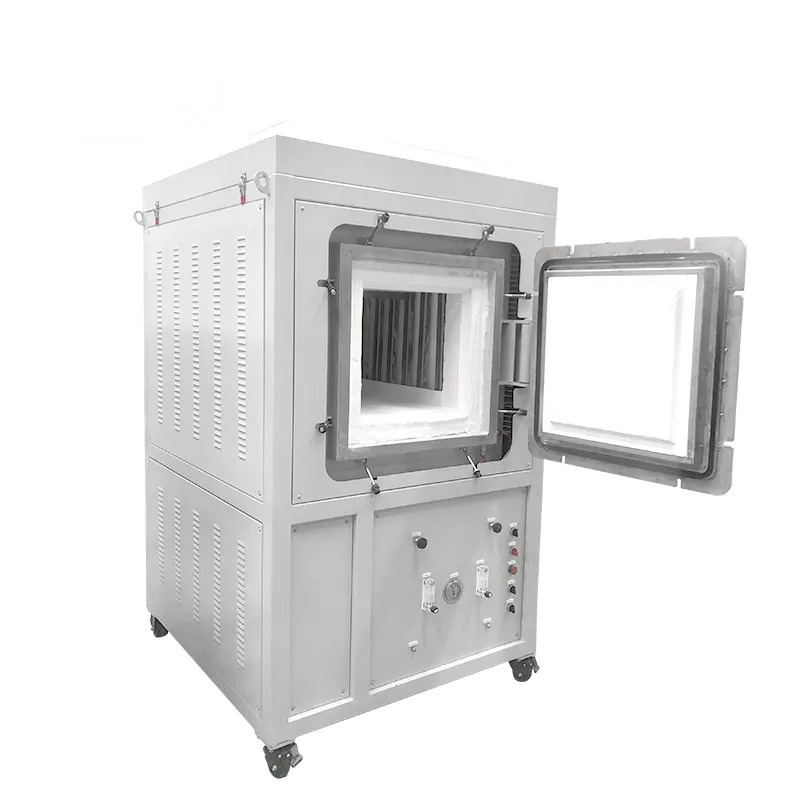
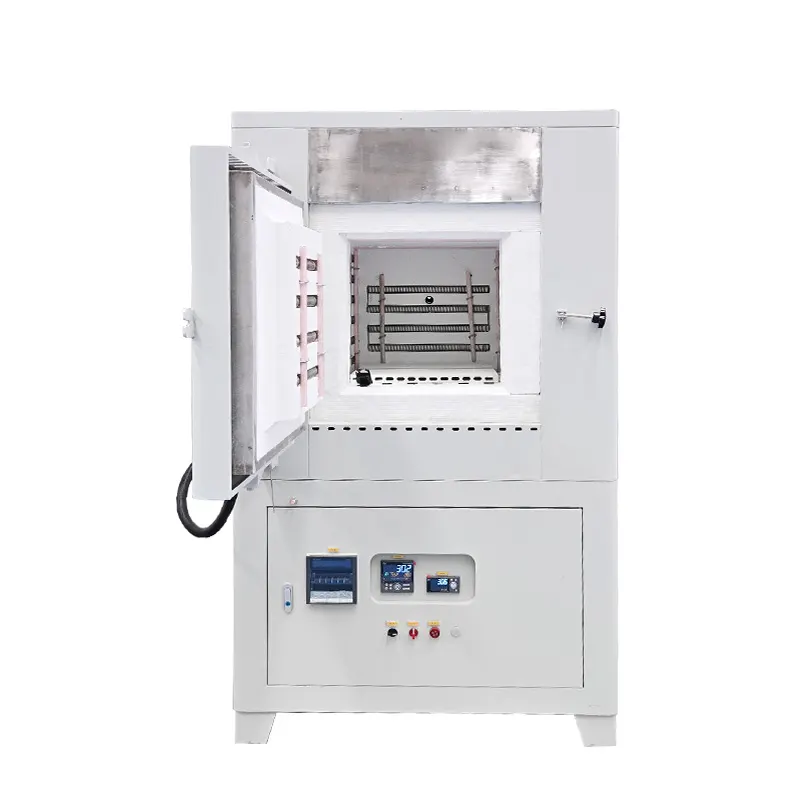
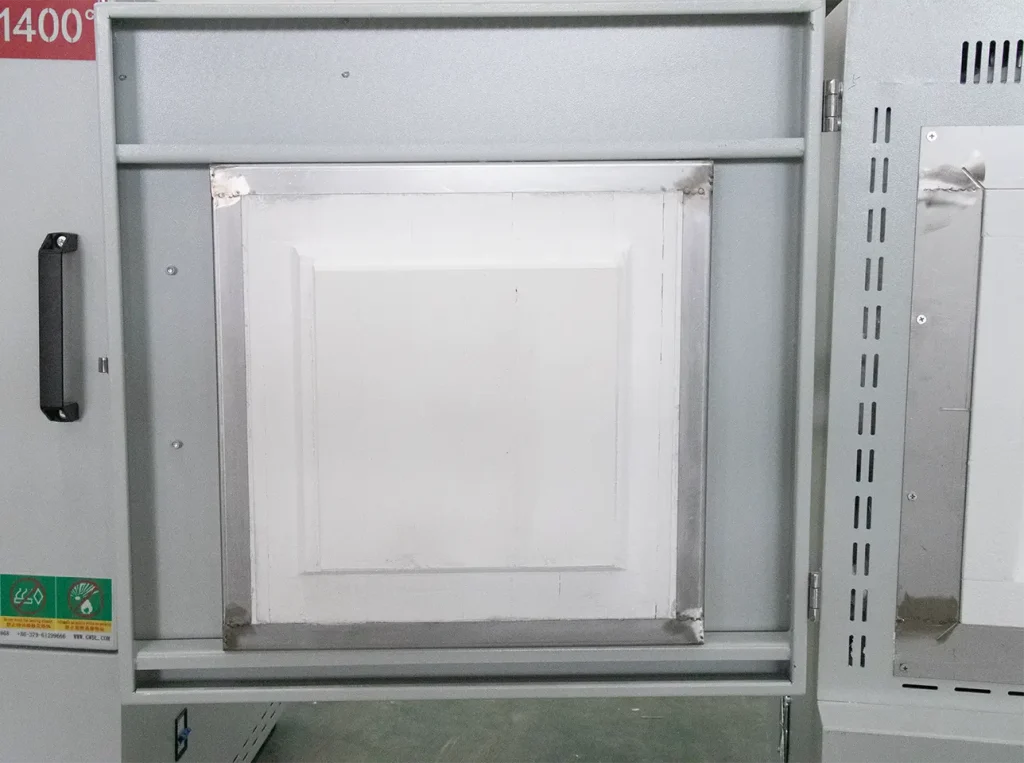
5. When Should You Choose a 1400°C Furnace?
Suppose your process needs to reach approximately 1200–1300°C on a regular basis.
Using a furnace with a maximum rating of only 1200°C would obviously provide insufficient temperature headroom.
A 1400°C furnace is a more appropriate choice.
It provides additional temperature capability while avoiding the cost and complexity of moving directly to a 1700°C MoSi₂ furnace.
This makes the 1400°C class attractive for ceramic laboratories, universities, research institutions, mineral laboratories, and industrial material-development departments.
Best Fit
Ceramics + sintering + 1200–1300°C processes + materials R&D
6. What Is a 1700°C Furnace?
A 1700°C furnace belongs to a substantially higher temperature class.
At this level, conventional resistance wire and standard SiC configurations are generally replaced by heating elements designed for much higher temperatures.
Molybdenum disilicide (MoSi₂) is commonly used.
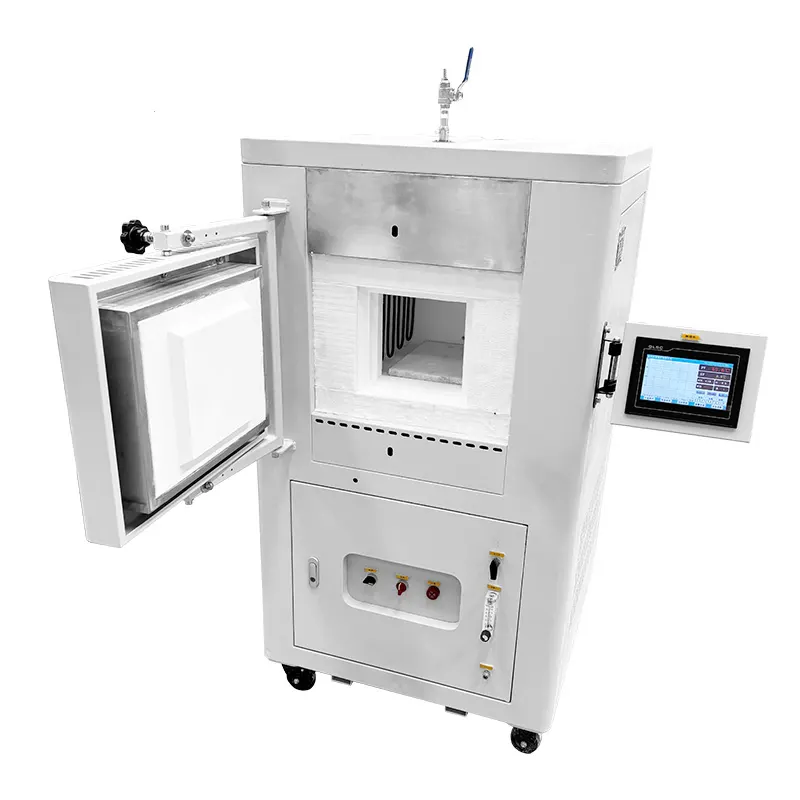
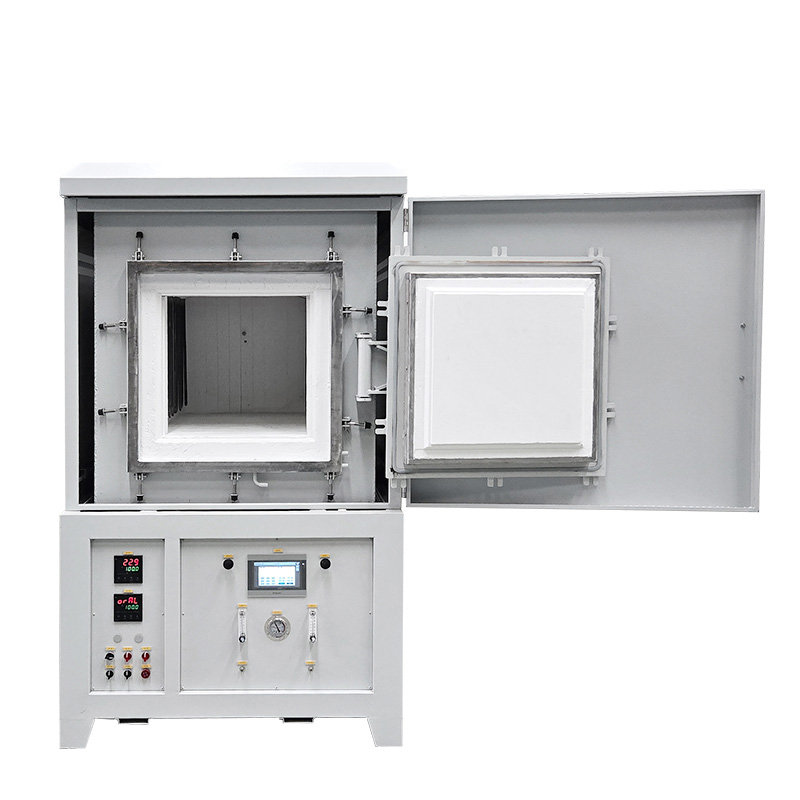
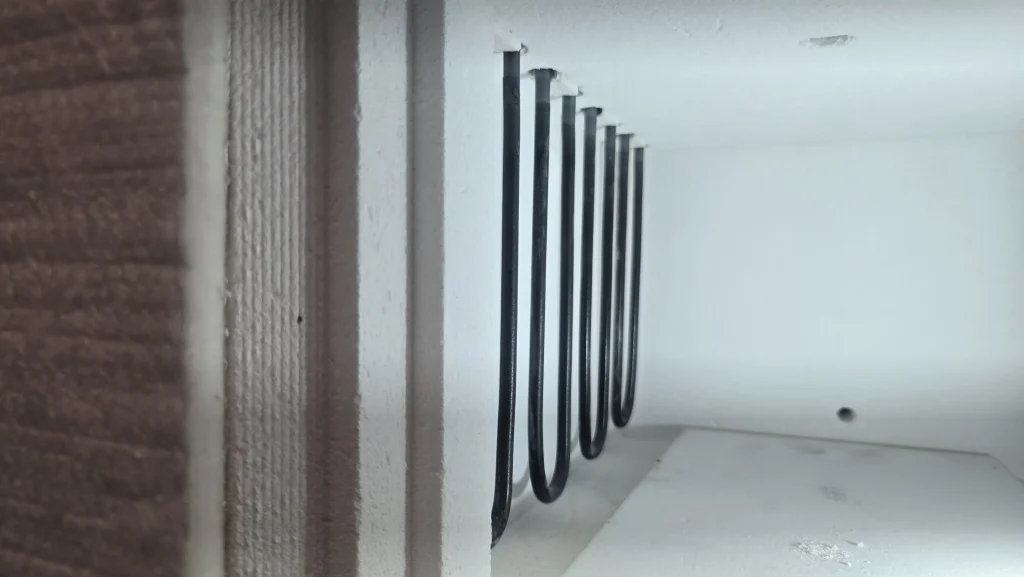
In Luoyang Anjing’s standard box furnace configuration, the 1700°C class uses 1800-type MoSi₂ heating elements and a B-type thermocouple. The maximum operating temperature is 1700°C, with a listed continuous operating temperature of 1680°C.
MoSi₂ elements make these furnaces suitable for demanding high-temperature material research and sintering processes.
Typical 1700°C Furnace Applications
A 1700°C furnace can be considered for:
- Advanced ceramic sintering
- Alumina ceramic research
- Zirconia processing
- Refractory material testing
- High-temperature powder research
- High-temperature sintering
- New material development
- University research
- Metallurgical research
- Specialty material preparation
- High-temperature R&D
The 1700°C class is generally selected because the process genuinely requires high temperatures—not simply because a higher furnace rating appears better.
7. When Should You Choose a 1700°C Furnace?
A 1700°C furnace becomes appropriate when your normal process is beyond the practical range of a 1400°C furnace.
For example, processes in the 1400–1600°C range generally require a furnace designed specifically for that temperature class.
A 1700°C furnace also provides more temperature headroom for processes around 1500°C or 1600°C.
However, this capability comes with additional cost.
Compared with a 1200°C furnace, a 1700°C system requires higher-grade:
- Heating elements
- Insulation
- Refractory materials
- Thermocouples
- Electrical components
The heating elements themselves are also more expensive.
Best Fit
Advanced ceramics + refractory materials + 1400–1600°C processes + high-temperature R&D
8. Why You Should Not Select a Furnace by Maximum Temperature Alone
One of the most common purchasing mistakes is:
“My process reaches 1200°C, so I will buy a 1200°C furnace.”
That leaves very little operating margin.
Maximum temperature and recommended continuous operating temperature are not the same specification.
For example, Luoyang Anjing’s standard furnace specifications distinguish between the two:
| Furnace Rating | Maximum Temperature | Continuous Operating Temperature |
|---|---|---|
| 1200°C | 1200°C | 1150°C |
| 1400°C | 1400°C | 1350°C |
| 1600°C | 1600°C | 1550°C |
| 1700°C | 1700°C | 1680°C |
| 1800°C | 1800°C | 1780°C |
Therefore, if a process needs to remain at 1200°C for several hours every day, selecting a 1200°C furnace simply because it can technically reach 1200°C may not be the best engineering decision.
The required holding temperature and holding time should always be provided when requesting a furnace quotation.
9. Heating Elements: Resistance Wire vs SiC vs MoSi₂
The change in heating elements is one of the most important technical differences between furnace temperature classes.
1200°C: Resistance Wire
High-temperature alloy resistance wire is commonly used in 1200°C furnaces.
Advantages include:
- Relatively low replacement cost
- Simple construction
- Good temperature control
- Easy maintenance
- Suitable for general laboratory applications
For users who do not require extreme temperatures, resistance-wire heating is usually economical and practical.
1400°C: Silicon Carbide
Silicon carbide (SiC) heating elements are commonly used when higher furnace temperatures are required.
SiC elements offer:
- Higher temperature capability
- Good thermal performance
- Suitability for ceramic firing and sintering
- Industrial and laboratory applications
One characteristic of SiC elements is that their electrical resistance changes as they age.
The furnace power system should therefore be designed to accommodate the electrical characteristics of the heating elements over their service life.
1700°C: Molybdenum Disilicide
MoSi₂ heating elements are commonly used in furnaces operating in the 1600–1800°C class.
Their high-temperature capability makes them suitable for advanced ceramic and refractory-material processing.
However, they are more expensive than conventional resistance wire and require appropriate handling and furnace design.
For this reason, buying a 1700°C furnace for a process that never exceeds 1000°C generally provides little practical benefit.
10. Temperature Rating Also Changes the Thermocouple
The temperature sensor must also match the furnace temperature.
Typical configurations include:
1200°C Furnace
K-type thermocouple
Suitable for the temperature range of many general laboratory furnaces.
1400°C Furnace
S-type thermocouple
Commonly selected for higher-temperature measurement.
1700°C Furnace
B-type thermocouple
Used for demanding high-temperature measurement.
This is another reason why furnace temperature classes cannot be treated simply as different software temperature settings.
The hardware itself changes.
11. Which Furnace Is Best for Ceramic Sintering?
There is no single “ceramic furnace temperature.”
Different ceramic materials require different firing or sintering conditions.
For conventional ceramic processing at lower temperatures, a 1200°C furnace may be sufficient.
For processes approaching or exceeding 1200°C, a 1400°C furnace provides more useful temperature margin.
For advanced ceramics requiring temperatures in the 1400–1600°C range, a 1700°C furnace is usually the more appropriate class.
Therefore, instead of asking:
“What furnace is best for ceramics?”
ask:
“What is the peak sintering temperature of this ceramic, and how long must it remain at that temperature?”
That information is much more useful for furnace selection.
12. Which Furnace Is More Energy-Efficient?
A higher-temperature furnace is not automatically more energy-efficient.
Energy consumption depends on:
- Chamber volume
- Set temperature
- Insulation
- Heating rate
- Holding time
- Load mass
- Heating-element design
- Door-opening frequency
- Number of heating zones
- Operating cycle
If the process only requires 900°C, purchasing a 1700°C furnace does not mean the process becomes more efficient.
The furnace should be sized around the actual process.
A properly sized 1200°C furnace may be the more economical solution for a 900°C process, while a 1700°C furnace becomes justified when the material genuinely requires much higher sintering temperatures.
13. Furnace Chamber Size Matters Too
Temperature is only one half of the selection.
The other is chamber size.
A small 1700°C furnace may consume less total energy than a very large 1200°C industrial furnace.
Before requesting a quotation, determine:
- Sample dimensions
- Number of samples per batch
- Total batch weight
- Required chamber dimensions
- Clearance around the sample
- Loading method
Do not select the chamber based only on whether the sample physically fits.
Adequate space should be maintained for heat transfer and temperature uniformity according to the furnace design.
14. Does Atmosphere Affect Furnace Selection?
Yes.
The same material can require a different furnace configuration depending on whether it is heated in:
- Air
- Nitrogen
- Argon
- Vacuum
- Reducing atmosphere
- Reactive atmosphere
A standard box furnace operating in air is different from a sealed atmosphere furnace or vacuum furnace.
If your process requires atmosphere protection, temperature alone is not enough to specify the equipment.
For example, a customer requiring 1600°C under a controlled inert atmosphere should not simply order a standard 1700°C box furnace. The chamber sealing, gas system, heating elements, refractory materials, and safety system must all be compatible with the required atmosphere.
III. 1200°C vs 1400°C vs 1700°C: Which One Should You Buy?
A practical selection rule is:
Choose a 1200°C Furnace If:
Your process mainly operates below approximately 1100°C and involves general heat treatment, calcination, ashing, material testing, or conventional laboratory heating.
Best balance:
Lower cost + general-purpose heating + simple maintenance
Choose a 1400°C Furnace If:
Your process frequently enters the 1200–1300°C range, particularly for ceramics, sintering, fire assay, or high-temperature material research.
Best balance:
Higher temperature capability + SiC heating + ceramic/material processing
Choose a 1700°C Furnace If:
Your process requires temperatures above the practical range of a 1400°C furnace, particularly for advanced ceramics, refractory materials, and high-temperature research.
Best balance:
Ultra-high temperature + MoSi₂ heating + advanced material processing
IV.Conclusion
The main difference between a 1200°C, 1400°C, and 1700°C furnace is not just maximum temperature. Each temperature class uses different heating elements, thermocouples, insulation, and electrical configurations.
A 1200°C furnace is an economical choice for general heat treatment and laboratory work. A 1400°C furnace provides additional capability for ceramics, sintering, and higher-temperature material processing. A 1700°C furnace is designed for advanced ceramics, refractory materials, and demanding high-temperature research.
For the best combination of furnace life, energy use, and equipment cost, choose according to your normal operating temperature—not simply the highest furnace temperature available.
If you need help selecting a furnace, send Luoyang Anjing Intelligence Equipment your material, process temperature, chamber size, atmosphere, batch weight, and heating program. We can recommend a suitable furnace temperature class and configuration for your application.
Click “Request a Quote” to get a customized solution.
V. FAQ
1. Should I choose a furnace rated exactly to my required temperature?
Usually, you should consider some temperature margin rather than planning continuous operation at the furnace’s absolute maximum rating. For example, if your process needs prolonged operation around 1200°C, a 1400°C-class furnace may be more appropriate than a furnace whose maximum rating is exactly 1200°C.
2. What is the difference between a 1200°C and 1400°C furnace?
Besides maximum temperature, the main difference is typically the heating-element and temperature-sensing system. A 1200°C furnace commonly uses high-temperature alloy resistance wire, while a 1400°C furnace commonly uses SiC heating elements. The higher-temperature furnace also requires appropriate refractory and insulation materials.
3. What heating element is used in a 1700°C furnace?
MoSi₂ heating elements are commonly used in 1700°C-class furnaces because of their high operating-temperature capability. Luoyang Anjing’s standard 1700°C box furnace configuration uses 1800-type MoSi₂ elements.
4. Is a 1700°C furnace better than a 1200°C furnace?
Not for every application. If your process only reaches 800–1000°C, a 1200°C furnace can be more economical to purchase and maintain. A 1700°C furnace makes sense when the material genuinely requires substantially higher processing temperatures.
5. What temperature furnace do I need for ceramic sintering?
This depends on the ceramic material and its specific sintering protocol. For conventional low-temperature ceramics, a furnace capable of reaching 1200°C or 1400°C may suffice; however, advanced ceramics—which require temperatures between 1400°C and 1600°C—generally necessitate a furnace rated for 1700°C. The choice of furnace should be based on the material’s actual sintering temperature and the required holding time at that temperature.
Supplier
Luoyang Anjing Intelligent Equipment Co., Ltd. is an enterprise dedicated to the research, development, production, sales, and technical services of heat treatment equipment such as high-temperature electric furnaces. We produce laboratory, vacuum, industrial, and medium frequency furnace, covering a temperature range from -100℃ to 2600℃, serving industries such as new energy, semiconductors, and advanced materials. We can provide customized solutions based on specific atmosphere, ultra-high temperature, and intelligent control system requirements. Please feel free to contact us if you are interested.